
Matisia Cordata Live Tree – Chupa-Chupa Fruit Plant 1FT
$197.50
Bring the tropics to your garden with a Matisia Cordata live tree, known as Chupa-Chupa fruit plant. This 1ft tall specimen is ready to grow into a beautiful, fruit-bearing tree, offering unique flavors and an exotic presence. Perfect for enthusiasts of rare tropical plants.
Shipping and Return policies:
We stand behind our plants with our Alive & Thrive Guarantee. If you experience any issues within the first 30 days, please email us, and our team will be happy to help. When needed, we’ll send you a one-time replacement free of charge to make sure your garden keeps growing strong.

Reasonable Price
We offer reasonable price

Support 24/7
Contact us 24 hrs a day
100% Money Back
You’ve 30 days to Return
Payment Secure
100% secure payment
Overview
Discover the unique charm of the Matisia Cordata live tree, also widely recognized by its captivating common names, Chupa-Chupa fruit plant or Zapote Sudamericano tree. This listing offers a healthy 1ft tall specimen, ready to embark on its journey in your garden or a suitable container. Matisia cordata is a fascinating evergreen tree celebrated for its striking appearance and, most notably, its delectable and exotic fruit. Native to South America, this tropical fruit tree promises to be a conversation starter and a source of unique culinary experiences. Its heart-shaped leaves and distinctive fruit make it a truly special addition for any plant collector or gardener looking to cultivate something extraordinary.
The tree’s robust growth and beautiful structure, even at a young stage, hint at the magnificent specimen it will become. The name ‘Chupa-Chupa’ itself is derived from the enjoyable way the fruit’s pulp is consumed, adding to the allure of this extraordinary plant. Cultivating a Matisia Cordata live tree allows you to enjoy the entire lifecycle of this magnificent species, from its lush foliage to its eventual fruit production, enriching your gardening experience with a touch of the Amazonian rainforest.
Key Benefits
The Matisia Cordata live tree offers a multitude of benefits, combining ornamental beauty with practical fruit production. This exotic plant is more than just a tree; it’s an investment in unique flavor and aesthetic appeal.
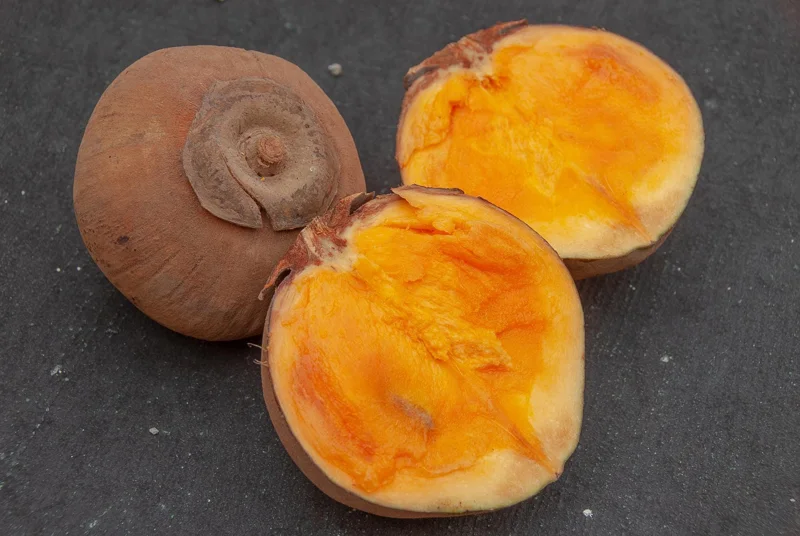
- Exotic Fruit Production: The primary draw of the Chupa-Chupa fruit plant is its unique, flavorful fruit. Often described as a blend of pumpkin, mango, and apricot, or similar to papaya, these fruits are a rare treat for fresh consumption or juices. Growing your own ensures a fresh supply of this uncommon delicacy.
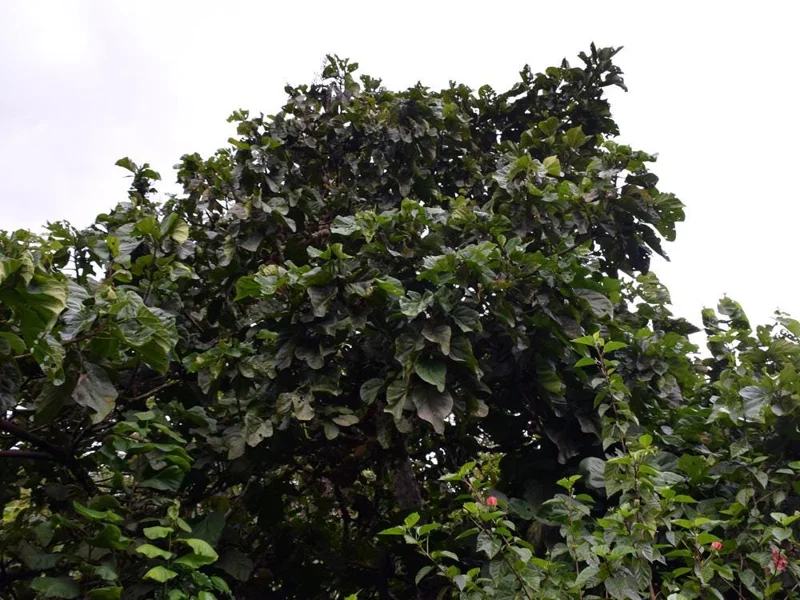
- Striking Ornamental Value: With its large, heart-shaped dark green leaves and a naturally elegant structure, the Matisia Cordata serves as a stunning focal point in any landscape or large container. The tiered branches add architectural interest, making it a visually appealing tropical fruit tree.
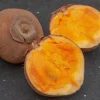
- Unique Culinary Experience: The ‘chupa-chupa’ fruit provides an unparalleled taste experience. Its soft, succulent, orange-yellow pulp, with a slightly stringy texture, is unlike anything found in conventional supermarkets, offering a truly gourmet and adventurous flavor profile.
- Fast-Growing Specimen: While it can reach significant heights in the wild, even in cultivation, this tree is known for its relatively fast growth, allowing you to enjoy its mature beauty and fruits sooner. This makes the Zapote Sudamericano tree a rewarding choice for patient gardeners.
- Biodiversity Support: Planting a Matisia Cordata live tree contributes to botanical diversity, especially if you are in a suitable climate, supporting local ecosystems and offering a food source for pollinators and other wildlife once mature.
- Educational Value: For families and educators, growing an exotic plant like the Chupa-Chupa fruit plant provides a wonderful opportunity to learn about tropical botany, fruit development, and sustainable living.
Plant Care & Growing Tips
Caring for your Matisia Cordata live tree requires attention to its tropical origins to ensure healthy growth and fruit production. This tropical fruit tree thrives in conditions that mimic its native environment.
Sunlight requirements: This tree prefers full sun to partial shade. In its native habitat, it grows in the understory but will produce more fruit with ample sunlight. Aim for at least 6 hours of direct sunlight per day if grown outdoors. If grown indoors or in a greenhouse, provide bright, indirect light, and consider supplemental grow lights during shorter days.
Watering schedule and soil moisture preferences: Matisia Cordata requires consistent moisture, especially when young and during dry periods. Water thoroughly when the top inch or two of soil feels dry to the touch. Ensure excellent drainage to prevent root rot, as soggy conditions are detrimental. Reduce watering slightly during cooler, dormant periods. The Zapote Sudamericano tree appreciates high humidity, so regular misting or placing it near a humidifier can be beneficial, particularly in drier climates or indoor settings.
Soil type and drainage requirements: A rich, well-draining soil mix is crucial. A blend of organic compost, perlite, and a good quality potting soil works well. The soil pH should ideally be slightly acidic to neutral (6.0-7.0). Good drainage is paramount; ensure your pot has drainage holes if container growing, and consider amending heavy garden soils with organic matter to improve aeration.
Temperature range and USDA hardiness zone: As a tropical fruit tree, Matisia Cordata is sensitive to cold. It thrives in warm, humid climates. It is best suited for USDA Zones 10-11, where temperatures rarely drop below freezing. If you live in a cooler zone, it can be grown in a large container and moved indoors or into a greenhouse during the colder months. Protect it from frosts and cold winds.
Fertilization schedule and type: Fertilize your Matisia Cordata live tree regularly during the growing season (spring through fall) with a balanced, slow-release fertilizer designed for tropical fruit trees. Alternatively, use a liquid fertilizer every 2-4 weeks, following package instructions. Reduce fertilization in winter. Micronutrient deficiencies can be common in tropical plants, so ensure your fertilizer includes essential trace elements.
Common problems and solutions: Watch out for common tropical plant pests like spider mites, mealybugs, and scale. Inspect leaves regularly and treat with neem oil or insecticidal soap if necessary. Yellowing leaves can indicate overwatering or nutrient deficiency. Ensure proper drainage and a consistent feeding schedule. Lack of flowering or fruiting could be due to insufficient sunlight or improper nutrient balance. Adjust care accordingly to encourage your Chupa-Chupa fruit plant to thrive.
Size & Details
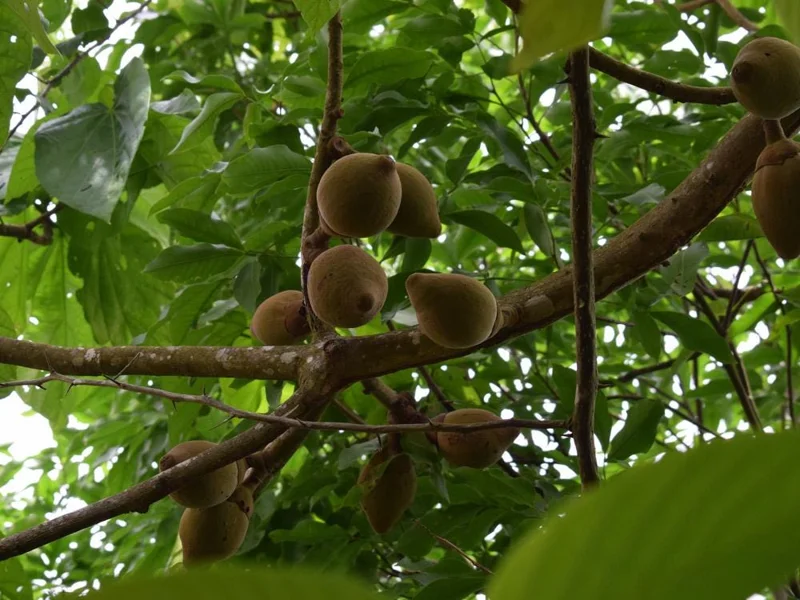
This offering is for a single Matisia Cordata live tree, approximately 1 foot tall from the base of the plant to the tip of its tallest stem. It is typically shipped in a nursery pot, ready for transplanting into a larger container or directly into the ground if your climate permits. The Matisia Cordata is known for its moderate to fast growth rate, especially in ideal tropical conditions. In cultivation, it typically reaches about 12 meters (approximately 40 feet) in height, though it can be pruned to maintain a more manageable size for home gardens or larger containers. The tree is characterized by its large, heart-shaped leaves, measuring roughly 18 to 30 cm long. While this young plant is not yet fruit-bearing, with proper care, you can expect it to begin producing its distinctive round to ovoid fruits, typically 6 to 14 cm in diameter, within several years. The fruit contains 2 to 5 large seeds. This exotic fruit plant is a long-term investment, providing both ornamental beauty and unique culinary rewards.
Frequently Asked Questions
- Q: How big does this Matisia Cordata live tree get? A: In cultivation, the Matisia Cordata typically grows to about 12 meters (around 40 feet) tall, but it can be kept smaller with regular pruning. In the wild, it can reach up to 45 meters.
- Q: What size pot does it come in? A: This 1ft tall Chupa-Chupa fruit plant is typically shipped in a standard nursery pot, usually around 4-6 inches in diameter, suitable for its current size.
- Q: Is this an indoor or outdoor plant? A: The Matisia Cordata live tree is a tropical plant best suited for outdoor growth in USDA Zones 10-11. In cooler climates, it can be grown in a large container and brought indoors during cold weather as an exotic fruit plant.
- Q: How much sunlight does it need? A: This tree prefers full sun to partial shade, ideally receiving at least 6 hours of direct sunlight daily for optimal growth and fruit production.
- Q: Is this plant easy to care for? A: While not extremely difficult, the Zapote Sudamericano tree requires consistent warmth, humidity, and well-draining soil, making it a moderate-care plant suitable for gardeners with some experience in tropical species.
- Q: What condition will it arrive in? A: Your Matisia Cordata live tree will arrive as a healthy, actively growing specimen, carefully packaged to ensure its safety during transit. It will be a 1ft tall plant in a nursery pot.
- Q: How long until it blooms and fruits? A: Matisia Cordata typically begins to flower and fruit within 3-5 years from planting, depending on growing conditions and care.
- Q: Can the fruit be eaten fresh? A: Yes, the fruit of the Chupa-Chupa fruit plant is commonly eaten fresh. Its soft, flavorful pulp is a unique treat, and the name refers to the way the pulp is sucked off the large seeds.
- Q: What’s the minimum temperature this tropical fruit tree can tolerate? A: Being a tropical species, Matisia Cordata is sensitive to cold and should be protected from temperatures below 40°F (4°C) to prevent damage or death.
- Q: Is this plant suitable for beginners? A: While rewarding, the specific needs of this exotic fruit plant might make it slightly more challenging for absolute beginners. However, with dedication to providing the right tropical conditions, a novice gardener can certainly succeed.
Be the first to review “Matisia Cordata Live Tree – Chupa-Chupa Fruit Plant 1FT”
You must be logged in to post a review.
People also Viewed
Sold 50 products
Original price was: $37.48.$23.98Current price is: $23.98.
Sold 50 products
$32.38
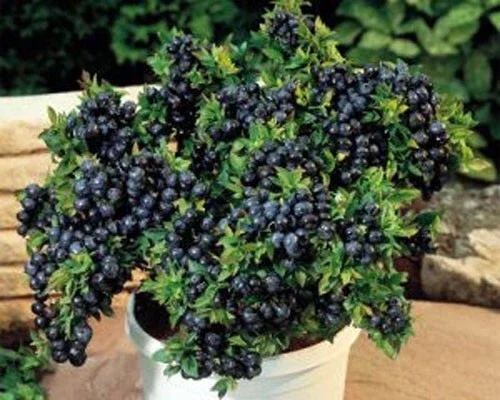
Sold 50 products
$27.38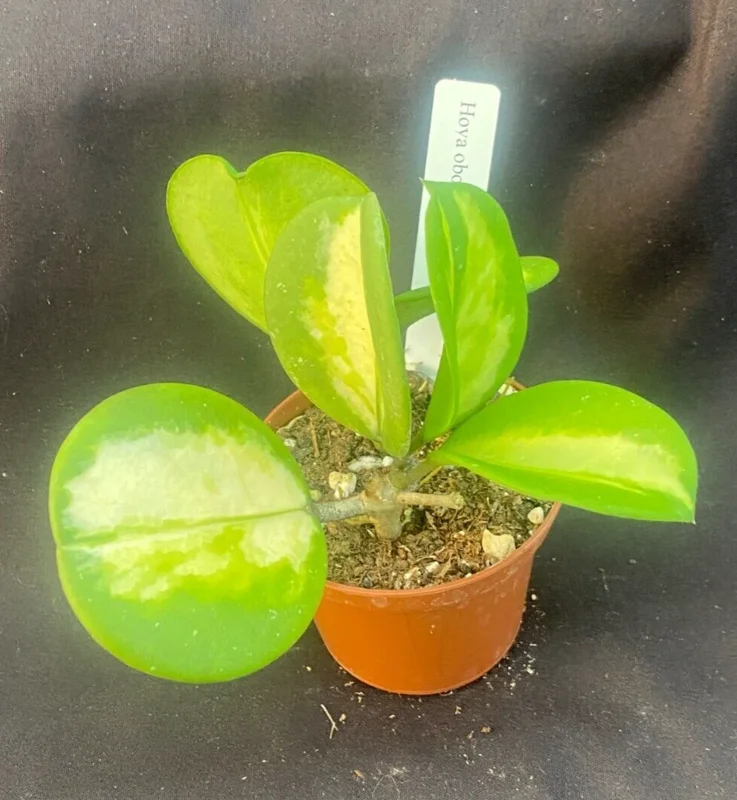
Sold 50 products
$32.38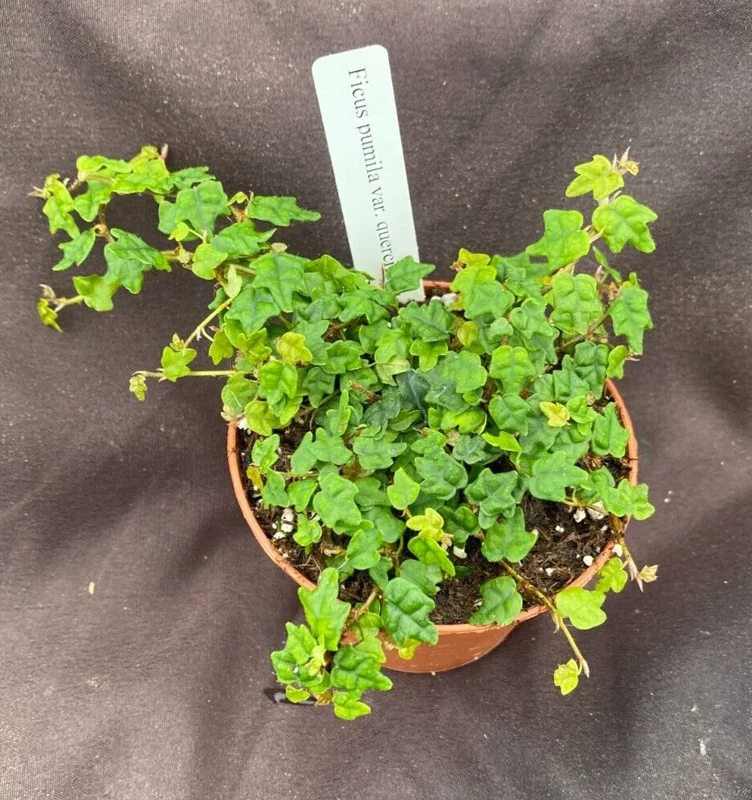
Sold 50 products
$19.88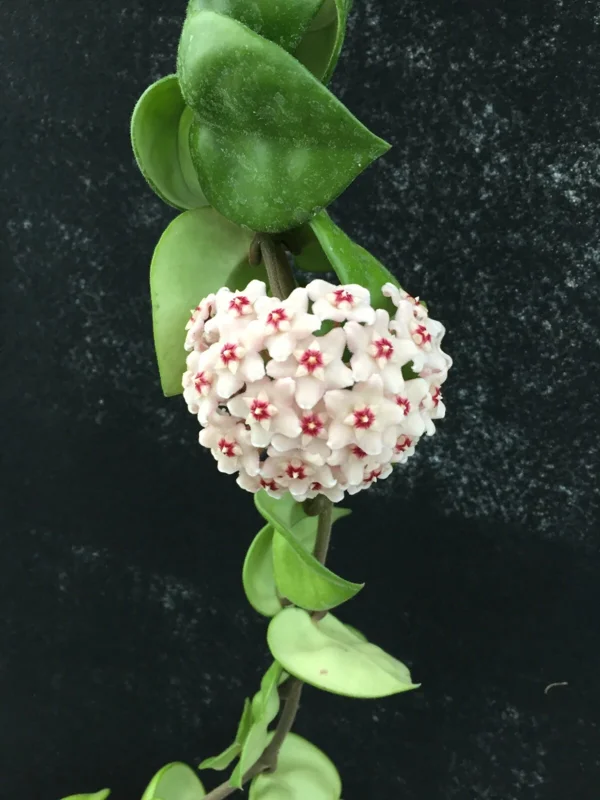
Sold 50 products
$62.38
Sold 50 products
$24.88
Houseplants
Phalaenopsis pulcherrima ‘Mauna Kea Snow’ Orchid Live Plant – White Flowers, Potted 2.5 in
Sold 50 products
$49.88RELATED posts
Awapuhi Wild Ginger Plant: Zones, Care, and Propagation
Learn which USDA zones suit awapuhi wild ginger, plus sunlight, water, planting, propagation, pests, size, [...]
Awapuhi Shampoo Ginger – Care, Growing Zones, and Differences
Learn how to grow awapuhi (shampoo) ginger, its USDA zones, watering schedule, propagation tips, and [...]
Awapuhi Shampoo Plant Buying Guide – Choose the Right Zingiber zerumbet
META: Learn which awapuhi (shampoo ginger) plant or rhizome pack gives the best natural shampoo, [...]
Awapuhi Plant for Sale: Complete Buying Guide
Find the right awapuhi (shampoo ginger) plant, size, price, soil mix, and online source. Practical [...]
Shampoo Ginger Plant for Sale – Buying Guide & Tips
Find the right shampoo ginger plant, size, price, and care tips. Quick guide for U.S. [...]
Shampoo Ginger Plant (Awapuhi) Care Guide
Learn how to grow, care for, and use shampoo ginger (Zingiber zerumbet), the tropical awapuhi [...]
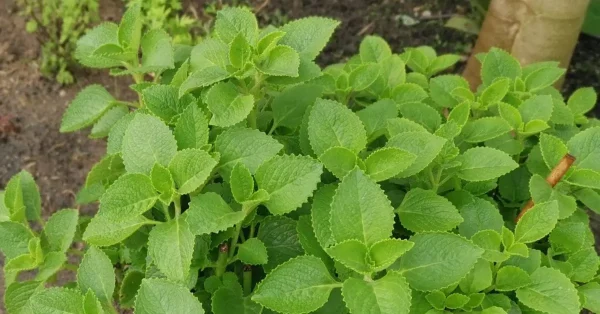
How to Grow Cuban Oregano Plants: A Complete Care Guide
If you’ve ever wanted a plant that combines the culinary punch of traditional oregano with [...]
Aug
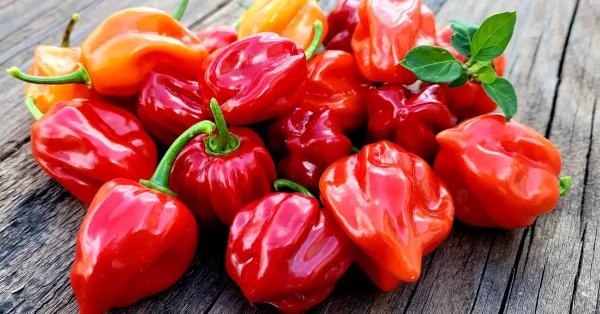
How to Grow Habanero Pepper Plants: A Step-by-Step Guide
Habanero pepper plants are prized for their vibrant colors, intense heat, and exceptional flavor, making [...]
Aug
Reviews
There are no reviews yet.