
Mangrove Date Palm Seeds – Phoenix paludosa – 5 Seed Pack – Outdoor Tropical
Original price was: $25.00.$17.50Current price is: $17.50.
Cultivate the unique Mangrove Date Palm seeds (Phoenix paludosa), also known as Sea Date, from this 5-seed pack. Ideal for tropical and subtropical gardens, these palms thrive in full sun and consistently moist soil, perfect for zones 10-11.
Shipping and Return policies:
We stand behind our plants with our Alive & Thrive Guarantee. If you experience any issues within the first 30 days, please email us, and our team will be happy to help. When needed, we’ll send you a one-time replacement free of charge to make sure your garden keeps growing strong.

Reasonable Price
We offer reasonable price

Support 24/7
Contact us 24 hrs a day
100% Money Back
You’ve 30 days to Return
Payment Secure
100% secure payment
Overview
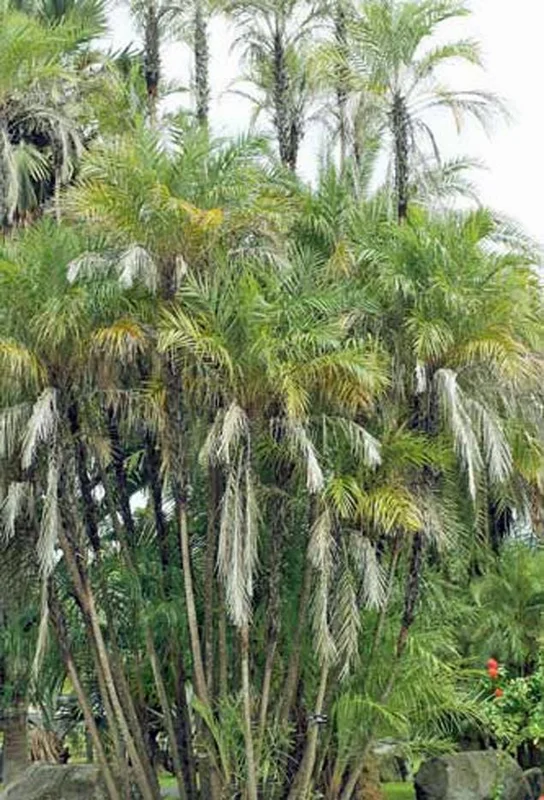
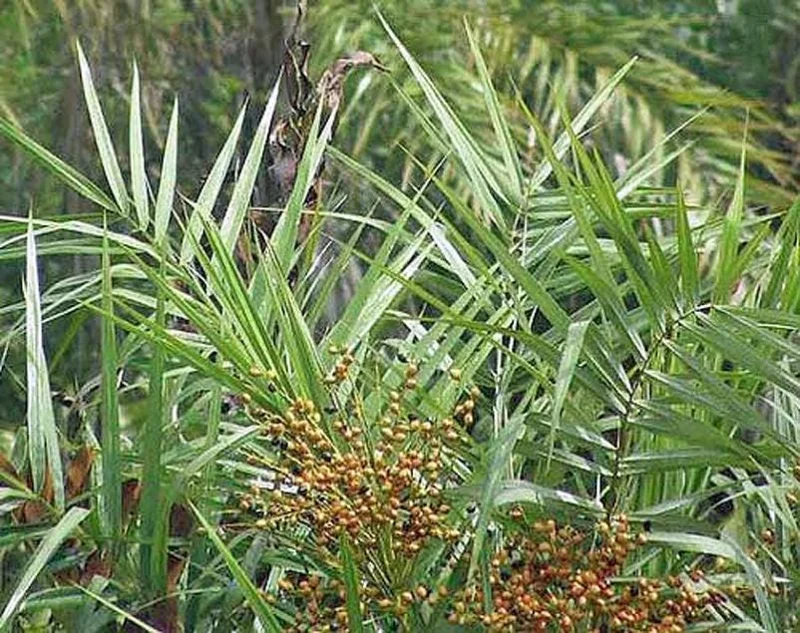
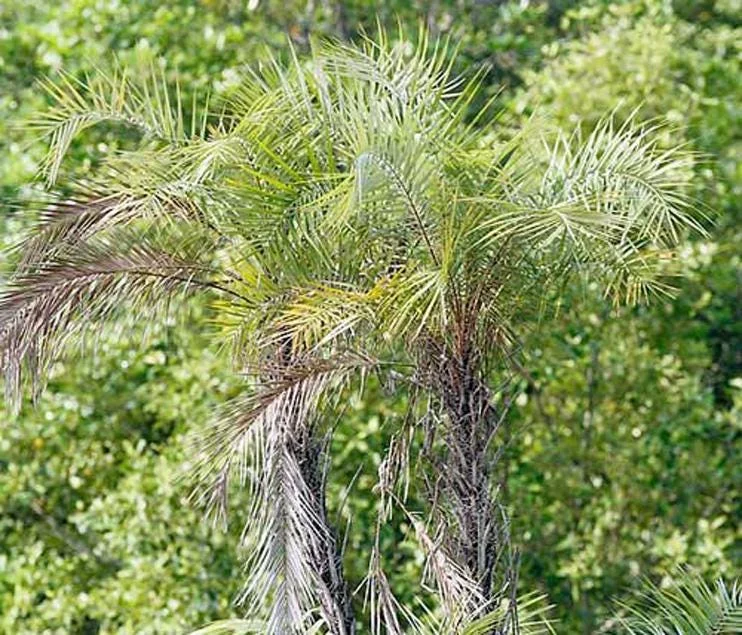
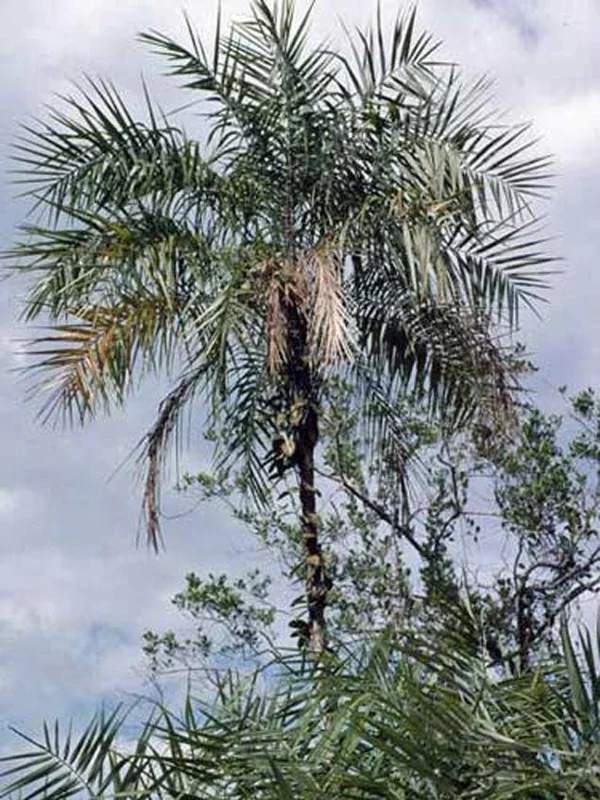
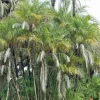
Embark on a rewarding gardening journey with our premium Mangrove Date Palm seeds. Also known by its botanical name, Phoenix paludosa, this fascinating species is commonly referred to as the Sea Date or Mangrove Palm. Native to regions spanning from northeastern India to Sumatera, this palm is a true marvel of the plant world, often found flourishing in dense clusters along coastal areas. Our 5-seed pack offers you the opportunity to grow this unique tropical palm, renowned for its resilience and striking appearance. The Mangrove Date Palm can reach impressive heights of up to 15 feet, featuring recurved branches adorned with spines at their base. Its whispering leaves, typically 1-2 feet long, gracefully taper towards the ends, creating a serene, natural aesthetic in any suitable landscape. Perfect for those looking to add an exotic touch to their garden, these seeds promise a journey from germination to a magnificent mature palm.
Cultivating Phoenix paludosa seeds is an engaging experience that connects you with nature’s intricate processes. These seeds are carefully selected to ensure viability, providing you with the best possible start for your future palm trees. Whether you’re an experienced horticulturist or a budding enthusiast, growing this tropical gem offers immense satisfaction. The Mangrove Date Palm is not just a plant; it’s a statement, a piece of the tropics brought directly to your home or garden. Its adaptability to coastal conditions and preference for full sun make it an excellent choice for specific climates, particularly USDA hardiness zones 10-11. Prepare to be enchanted by the growth and transformation of these remarkable tropical palm seeds into towering, elegant specimens.
Key Benefits
Growing the Mangrove Date Palm seeds offers a multitude of benefits, transforming your outdoor space into a tropical oasis. This unique palm brings both aesthetic appeal and ecological advantages to your landscape.
- Exotic Tropical Aesthetic: The Mangrove Date Palm provides a distinct, exotic look with its tall stature and graceful, recurved fronds, perfect for creating a lush, tropical garden atmosphere that stands out.
- Coastal Adaptability: Naturally thriving in coastal regions, this palm is well-suited for environments with salty air and consistently moist soil, making it an excellent choice for seaside properties or humid climates.
- Architectural Interest: With its unique growth habit and spined branches, the Phoenix paludosa seeds develop into a palm that adds significant architectural interest and texture to your garden design.
- Wildlife Habitat: As it matures, the dense clusters of the sea date palm can provide shelter and nesting opportunities for various small wildlife, enhancing biodiversity in your garden.
- Low Maintenance for Specific Zones: Once established in its preferred USDA zones 10-11, this palm requires relatively low maintenance, primarily needing consistent moisture and full sun to flourish.
- Unique Conversation Starter: The uncommon nature of the Mangrove Date Palm makes it a fantastic conversation piece, allowing you to share the story of its tropical origins and distinctive features.
Plant Care & Growing Tips
Caring for your Mangrove Date Palm seeds to ensure successful germination and healthy growth involves specific attention to light, water, and soil conditions. These tropical palm seeds thrive when their environmental needs are met, mimicking their native coastal habitats. For germination, first, soak the seeds for 24 hours in warm water to help soften the seed coat and encourage sprouting. After soaking, sow the seeds approximately 1 inch deep into a suitable growing medium. Gently tamp the soil over the seeds and ensure they are lightly covered. Throughout the germination process, it is crucial to keep the soil consistently moist but not waterlogged. Place your seed trays or pots in a bright spot, though direct intense sunlight is not necessary during this initial stage.
Maintaining the correct temperature is vital for successful germination of Phoenix paludosa seeds. Aim for temperatures around 65-75°F (18-24°C) for optimal results. Germination typically occurs within 30-60 days, but patience is key, as some seeds may take longer. Once sprouted, young seedlings will require plenty of light. As they grow, the Mangrove Date Palm prefers to be in full sun, meaning at least 6-8 hours of direct sunlight daily. This is essential for robust growth and frond development. The soil should remain constantly moist, reflecting its natural preference for wet environments. Ensure good drainage to prevent root rot, even with high moisture levels. A well-draining, rich organic soil mix is ideal. Fertilization can begin once the plant is established, using a balanced slow-release palm fertilizer during the growing season.
Regarding hardiness, the sea date palm is suitable for USDA zones 10-11. In these zones, it can be grown outdoors year-round. If you reside in a colder zone, consider growing it in a large container that can be moved indoors during winter months or treating it as an annual. Protect young palms from strong winds and frost. Regular watering is the most critical aspect of care for mature plants, especially during dry periods. While generally hardy, keep an eye out for common palm pests like spider mites or scale insects, and treat promptly with organic pest control methods if necessary. With proper care, your tropical palm seeds will develop into magnificent, resilient trees.
Size & Details
Each purchase includes a pack of 5 Mangrove Date Palm seeds (Phoenix paludosa), ready for germination. These seeds will mature into stunning palms that can reach heights of up to 15 feet in ideal growing conditions, typically forming dense, multi-stemmed clusters. The recurved branches feature spines at the base, and the graceful, whispering leaves can grow to 1-2 feet long, becoming shorter near the frond tips. The growth rate is moderate, with noticeable development within a few years of successful germination. These seeds are shipped in a protective packet to ensure their viability upon arrival.
Once established, the Mangrove Date Palm exhibits a robust root system, allowing it to thrive in its preferred coastal, moist environments. While initial growth from seed requires careful attention, mature plants are quite hardy within their USDA zones of 10-11. Expected time to reach a significant size (e.g., 5-6 feet tall) can be several years, depending on growing conditions and care. These seeds offer the opportunity to cultivate a substantial tropical specimen for your landscape or a large container plant where climate permits.
Frequently Asked Questions
- Q: How big does this plant get? A: The Mangrove Date Palm (Phoenix paludosa) can grow quite large, reaching up to 15 feet tall when mature in its ideal outdoor conditions. It typically forms dense clusters of multiple stems, creating a substantial and impactful presence in the landscape.
- Q: Is this an indoor or outdoor plant? A: The Mangrove Date Palm is primarily an outdoor plant, especially suited for tropical and subtropical climates within USDA zones 10-11. While young seedlings can be started indoors, mature plants require significant space and full sun outdoors to thrive.
- Q: How much sunlight does it need? A: This palm requires full sun exposure to flourish, meaning it needs at least 6-8 hours of direct sunlight daily. This is crucial for healthy growth and the development of its characteristic fronds.
- Q: Is this plant easy to care for? A: Once established in the correct climate (zones 10-11), the Mangrove Date Palm is relatively low maintenance. The most critical aspects are providing full sun and consistently moist soil. Germination from Phoenix paludosa seeds requires careful attention to temperature and moisture.
- Q: What condition will the seeds arrive in? A: Your 5 Mangrove Date Palm seeds will arrive carefully packaged to ensure their integrity and viability. They are ready for immediate planting upon arrival, following the provided germination instructions.
- Q: How long until it grows into a visible palm? A: Germination typically takes 30-60 days. After sprouting, it will take several years for the sea date palm to grow into a noticeable size, such as 5-6 feet tall, depending on optimal growing conditions and consistent care.
- Q: Will it survive winter in my zone? A: The Mangrove Date Palm is hardy in USDA zones 10-11. If you live in a colder zone, it will not survive outdoor winters and should either be grown in a container that can be moved indoors or treated as an annual.
- Q: What type of soil does it prefer? A: This palm prefers constantly moist, well-draining soil. A rich organic soil mix that retains moisture but doesn’t become waterlogged is ideal, mimicking its natural habitat in coastal, often marshy, areas.
- Q: Are these seeds suitable for beginners? A: While germinating tropical palm seeds can require some patience and specific conditions, the detailed instructions provided make it an achievable project for enthusiastic beginners. The mature plant’s care is straightforward in suitable climates.
- Q: What is the ideal temperature for germination? A: For optimal germination of Mangrove Date Palm seeds, maintain soil temperatures between 65-75°F (18-24°C). Consistent warmth and moisture are key to successful sprouting.
Be the first to review “Mangrove Date Palm Seeds – Phoenix paludosa – 5 Seed Pack – Outdoor Tropical”
You must be logged in to post a review.
People also Viewed
Sold 50 products
Original price was: $109.95.$79.98Current price is: $79.98.
Sold 50 products
Original price was: $25.00.$17.50Current price is: $17.50.
Flower Seeds
Olympic Onion Seeds – Allium crenulatum Flower Seeds – 10 Seed Pack – Outdoor Native Plant
Sold 50 products
Original price was: $25.00.$17.50Current price is: $17.50.
Sold 50 products
Original price was: $25.00.$17.50Current price is: $17.50.
Flower Seeds
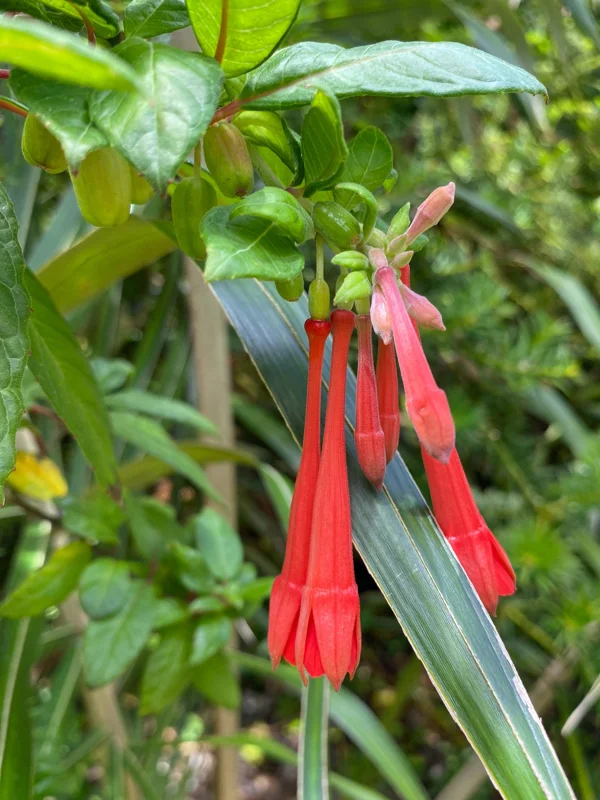
Fuchsia vulcanica Seeds – 20 Pack – Vibrant Orange Coral Flowers for Garden & Containers
Sold 50 products
Original price was: $25.00.$17.50Current price is: $17.50.
Sold 50 products
Original price was: $116.98.$95.68Current price is: $95.68.
Sold 50 products
Original price was: $21.00.$14.10Current price is: $14.10.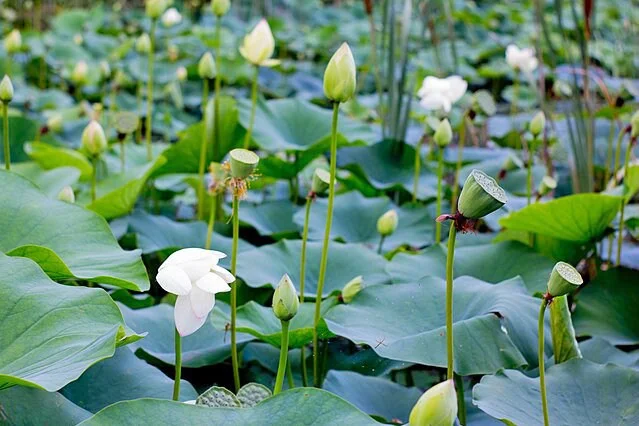
Aquatic Plant Seeds
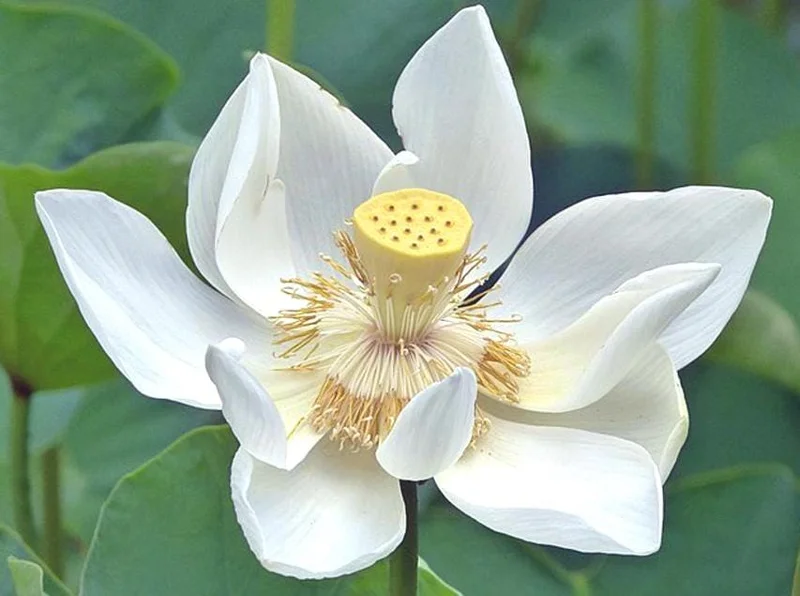
White Lotus Seeds – Nelumbo Nucifera Aquatic Pond Plant – 5 Seeds for Water Garden
Sold 50 products
Original price was: $29.00.$20.90Current price is: $20.90.RELATED posts
Awapuhi Wild Ginger Plant: Zones, Care, and Propagation
Learn which USDA zones suit awapuhi wild ginger, plus sunlight, water, planting, propagation, pests, size, [...]
Awapuhi Shampoo Ginger – Care, Growing Zones, and Differences
Learn how to grow awapuhi (shampoo) ginger, its USDA zones, watering schedule, propagation tips, and [...]
Awapuhi Shampoo Plant Buying Guide – Choose the Right Zingiber zerumbet
META: Learn which awapuhi (shampoo ginger) plant or rhizome pack gives the best natural shampoo, [...]
Awapuhi Plant for Sale: Complete Buying Guide
Find the right awapuhi (shampoo ginger) plant, size, price, soil mix, and online source. Practical [...]
Shampoo Ginger Plant for Sale – Buying Guide & Tips
Find the right shampoo ginger plant, size, price, and care tips. Quick guide for U.S. [...]
Shampoo Ginger Plant (Awapuhi) Care Guide
Learn how to grow, care for, and use shampoo ginger (Zingiber zerumbet), the tropical awapuhi [...]
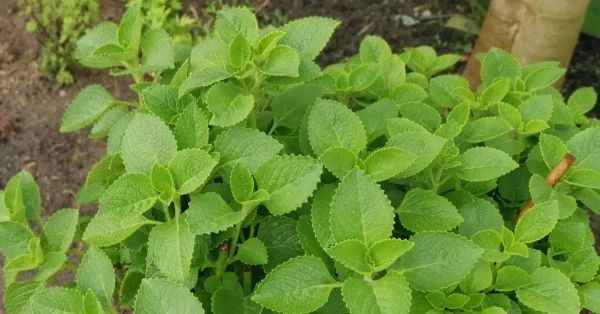
How to Grow Cuban Oregano Plants: A Complete Care Guide
If you’ve ever wanted a plant that combines the culinary punch of traditional oregano with [...]
Aug
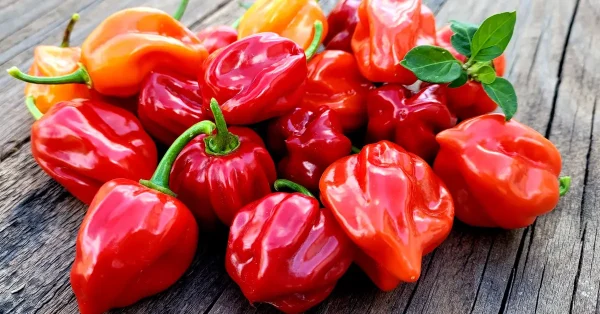
How to Grow Habanero Pepper Plants: A Step-by-Step Guide
Habanero pepper plants are prized for their vibrant colors, intense heat, and exceptional flavor, making [...]
Aug
Reviews
There are no reviews yet.