
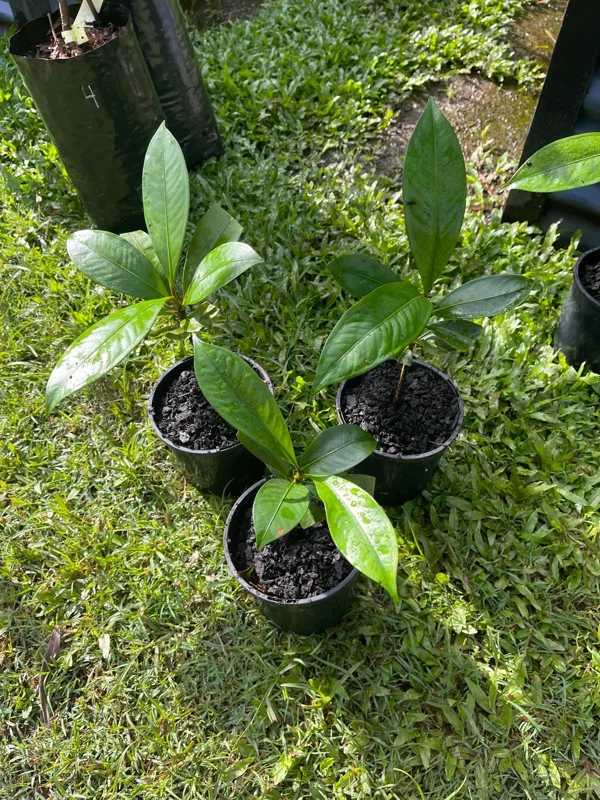
Mangosteen Live Fruit Tree – Garcinia mangostana (10-24in) Tropical Plant
$122.50
Cultivate your own delicious, exotic fruit with this mangosteen live fruit tree. Known as the ‘Queen of Fruits’, this Garcinia mangostana plant is a tropical treasure, ready to bring unique flavor to your home or garden. Standing 10-24 inches tall, it’s perfect for warm climates or indoor growing.
Shipping and Return policies:
We stand behind our plants with our Alive & Thrive Guarantee. If you experience any issues within the first 30 days, please email us, and our team will be happy to help. When needed, we’ll send you a one-time replacement free of charge to make sure your garden keeps growing strong.

Reasonable Price
We offer reasonable price

Support 24/7
Contact us 24 hrs a day
100% Money Back
You’ve 30 days to Return
Payment Secure
100% secure payment
Overview
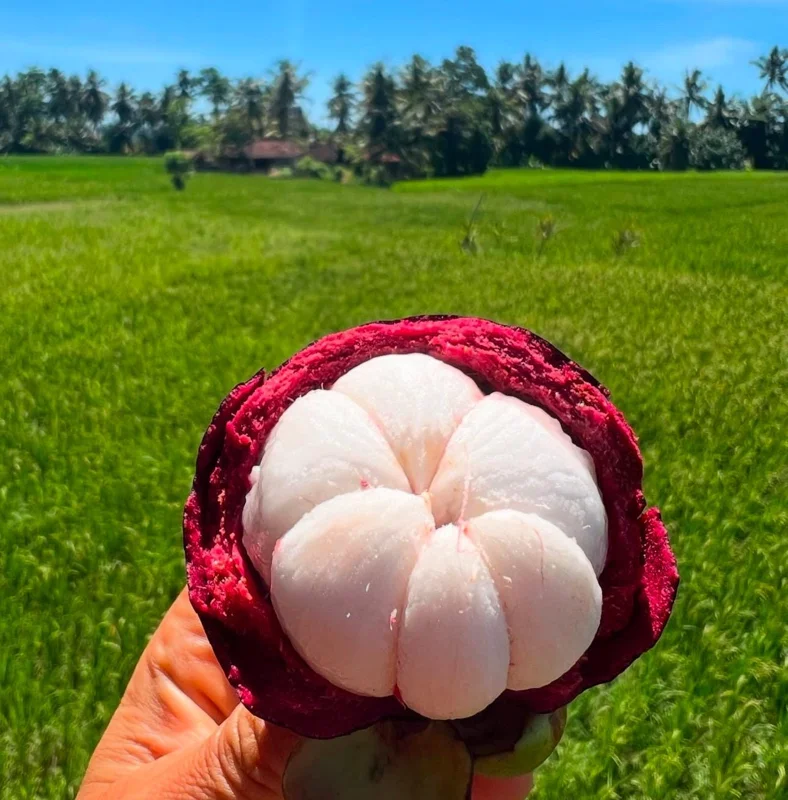
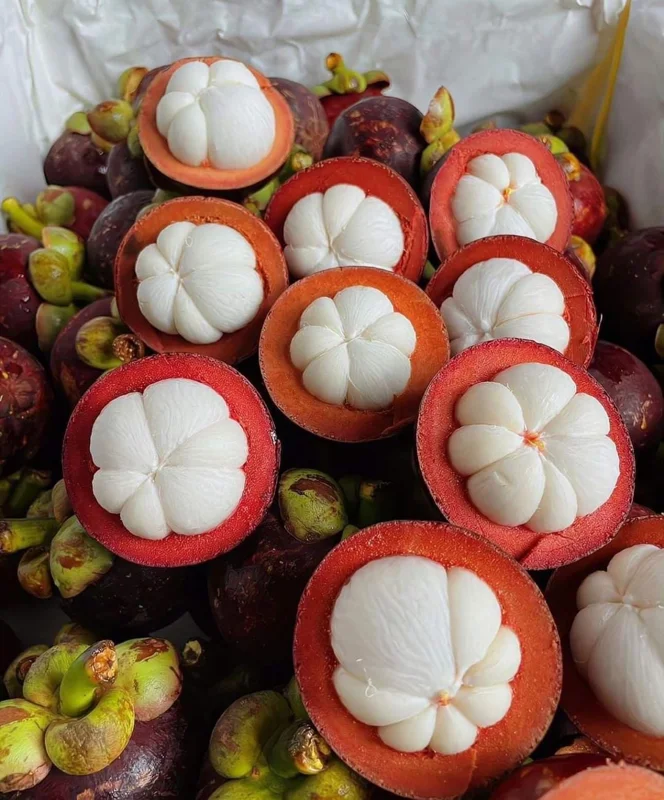
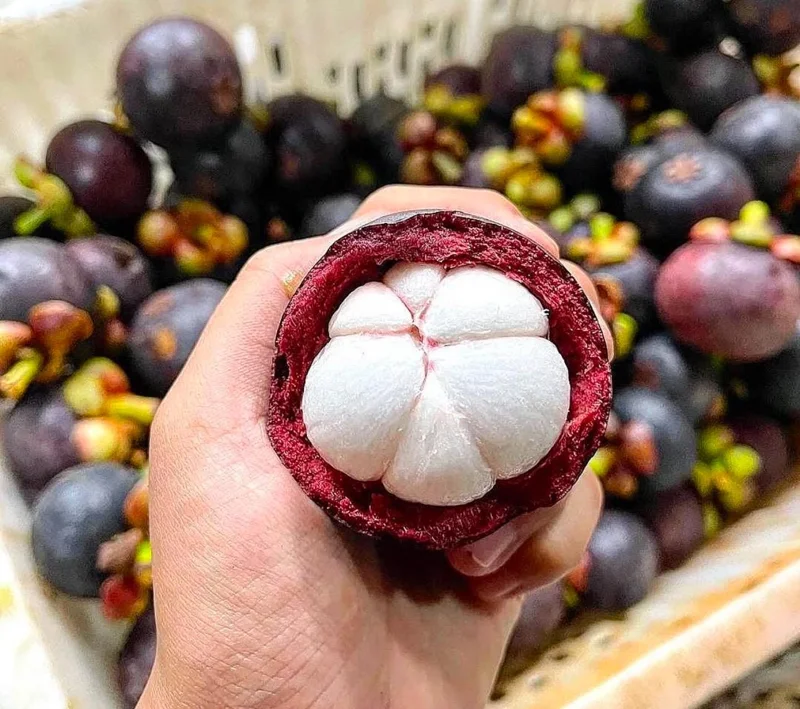
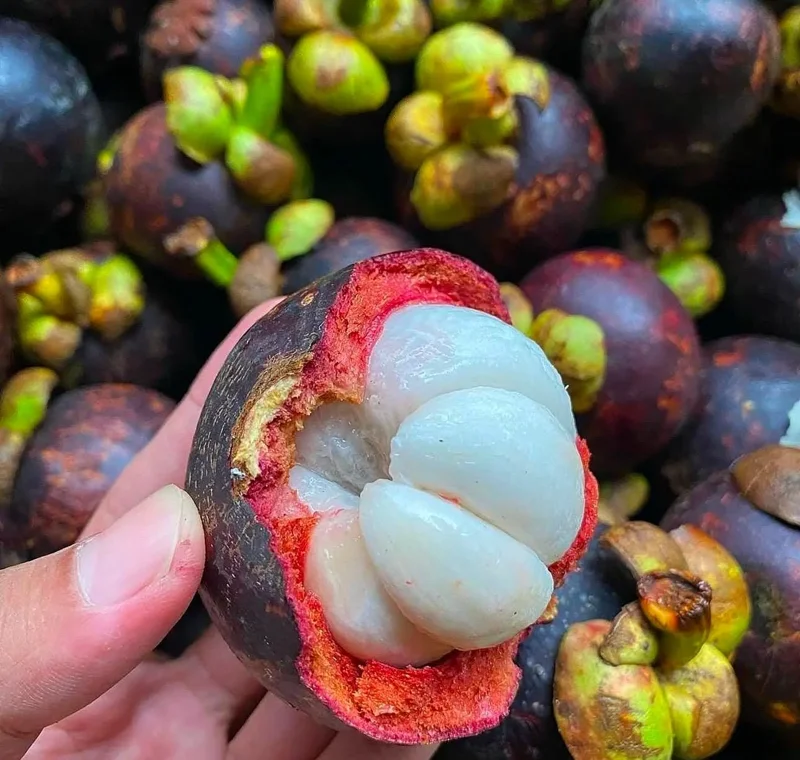
Bring the taste of the tropics to your home with a mangosteen live fruit tree. This exquisite Garcinia mangostana plant, often hailed as the ‘Queen of Fruits’, is renowned for its succulent, sweet, and tangy white flesh encased in a deep purple rind. Unlike common mangoes, the mangosteen offers a unique flavor profile that is both refreshing and complex, making it a highly sought-after culinary delight. Originating from Southeast Asia, this tropical evergreen tree is a beautiful addition to any collection, whether you’re an experienced gardener or just starting your journey into growing exotic fruits. Our live plants, typically ranging from 10 to 24 inches in height, are ready to establish themselves and begin their journey towards fruit production under the right conditions. Growing a garcinia mangostana plant is a rewarding experience, providing both ornamental beauty and the promise of delicious harvests.
The mangosteen tree is characterized by its glossy, dark green leaves and a symmetrical, pyramidal growth habit, making it an attractive specimen even before it bears fruit. It thrives in warm, humid environments, making it suitable for outdoor planting in frost-free zones or as a container plant in cooler climates, where it can be moved indoors during colder months. With proper care, your mangosteen live fruit tree will grow into a mature, fruit-bearing specimen, offering you the rare opportunity to enjoy fresh mangosteens directly from your own backyard or patio. This plant is not just a source of fruit; it’s a conversation starter and a piece of tropical paradise.
Key Benefits
Growing a mangosteen live fruit tree offers numerous advantages, from its unique culinary appeal to its ornamental value. This tropical gem provides both aesthetic pleasure and the promise of a distinctive, delicious harvest.
- Exotic Fruit Production: Enjoy the rare and highly prized mangosteen fruit, known for its sweet, tangy, and juicy flavor, often considered one of the world’s finest fruits. Growing your own ensures freshness and organic quality.
- Ornamental Appeal: The garcinia mangostana plant features beautiful, glossy green leaves and a naturally attractive, symmetrical form, making it a stunning addition to any landscape or indoor plant collection.
- Unique Culinary Ingredient: Mangosteen fruit can be enjoyed fresh, in desserts, smoothies, or exotic fruit salads, adding a gourmet touch to your culinary creations.
- Health Benefits: Mangosteens are rich in antioxidants, vitamins, and minerals, contributing to a healthy diet and overall well-being.
- Rewarding Growing Experience: Cultivating this distinctive tropical fruit tree provides a fulfilling gardening challenge and the satisfaction of harvesting your own unique produce.
- Long-Lived Plant: With proper care, a mangosteen live fruit tree can be a long-term investment, providing delicious fruit for many years.
- Conversation Starter: As a relatively uncommon fruit tree in many regions, your mangosteen plant is sure to intrigue guests and spark conversations.
Plant Care & Growing Tips
Caring for your mangosteen live fruit tree requires attention to its tropical needs, but the rewards are well worth the effort. Mangosteens thrive in consistently warm and humid conditions. They prefer temperatures between 75-95°F (24-35°C) and are sensitive to cold, so protection from frost is essential. If growing in a non-tropical climate, consider planting in a large container that can be moved indoors during cooler months. The ideal location provides full sun to partial shade, meaning 6-8 hours of direct sunlight daily, especially in the morning, with some protection from intense afternoon sun in very hot climates. This helps the garcinia mangostana plant to flourish without scorching its leaves.
Soil requirements are crucial for a healthy mangosteen. They prefer rich, organic, well-draining soil with a slightly acidic to neutral pH (5.5-7.0). Avoid heavy, clay soils that retain too much water, as this can lead to root rot. Regular and consistent watering is vital, especially for young trees. The soil should be kept consistently moist but not waterlogged. Deep watering several times a week, depending on climate and soil type, is generally recommended. Reduce watering slightly during cooler, dormant periods. Fertilize your tropical fruit tree care with a balanced, slow-release fertilizer formulated for acid-loving plants, applied every 2-3 months during the growing season. Micronutrients like iron, zinc, and manganese are also beneficial. Protect young trees from strong winds, which can damage tender branches.
Pruning is generally minimal for mangosteens, focusing on removing dead or diseased branches and maintaining a desirable shape. Allow the tree to develop its natural pyramidal form. Pests are not a major issue for mangosteens, but keep an eye out for common tropical pests like aphids or scale insects. Address any infestations promptly with organic pest control methods. Providing adequate humidity is also beneficial, especially for indoor plants; misting or placing the plant near a humidifier can help. Successful grow mangosteen at home involves patience, as trees can take 7-10 years to bear fruit, but the wait is truly worth the unique flavor.
Size & Details
Your mangosteen live fruit tree will arrive as a healthy, vibrant plant, typically measuring between 10 to 24 inches in height from the base of the pot to the top of the foliage. These young trees are grown from seed or grafted, providing a strong foundation for future growth and fruit production. They are shipped in a nursery pot, ensuring the root system is protected and well-established for transplanting. The growth rate of a garcinia mangostana plant is moderate, and with optimal conditions, it can eventually reach heights of 20-60 feet in its natural habitat, though container-grown trees will remain significantly smaller and more manageable, often reaching 6-15 feet. Expect your tree to begin bearing fruit within 7-10 years, offering a long-term investment in exotic fruit. While young, the tree will focus on developing a strong root system and sturdy branches, gradually maturing into a fruit-bearing specimen. These dimensions make it suitable for initial container growth or direct planting in appropriate climates.
Frequently Asked Questions
- Q: How big does this plant get? A: This mangosteen live fruit tree is typically 10-24 inches tall upon arrival. In ideal outdoor conditions, it can grow up to 20-60 feet, but when grown in a container, it will remain much smaller, usually between 6-15 feet, making it manageable for indoor or patio growing.
- Q: What size pot does it come in? A: The plant is shipped in a standard nursery pot, the size of which is appropriate for a plant of 10-24 inches to ensure its root system is well-contained and healthy for transplanting.
- Q: Is this an indoor or outdoor plant? A: The garcinia mangostana plant is a tropical species. It can be grown outdoors year-round in USDA Zones 10-11. In cooler climates, it should be grown in a container and brought indoors when temperatures drop below 50°F (10°C).
- Q: How much sunlight does it need? A: Mangosteens prefer full sun to partial shade, ideally receiving 6-8 hours of direct sunlight daily. In very hot climates, some afternoon shade can prevent leaf scorching.
- Q: Is this plant easy to care for? A: Caring for a mangosteen requires specific attention to its tropical needs, particularly consistent warmth, humidity, and well-draining soil. It’s considered moderately challenging for beginners but very rewarding for those dedicated to tropical fruit tree care.
- Q: What condition will it arrive in? A: Your mangosteen plant for sale will arrive as a healthy, live plant, carefully packaged to protect it during transit. Some slight leaf stress from shipping is normal, but the plant should recover quickly with proper care.
- Q: How long until it bears fruit? A: Mangosteen trees typically begin to produce fruit when they are 7-10 years old from seed, though grafted trees may fruit sooner. Patience is key for enjoying the exquisite mangosteen fruit.
- Q: What’s the minimum temperature it can tolerate? A: Mangosteens are highly sensitive to cold. They can tolerate temperatures down to about 40°F (4°C) for very short periods, but sustained temperatures below 50°F (10°C) can cause significant damage or even kill the plant. Frost is lethal.
- Q: Can I really grow mangosteen at home? A: Yes, with the right environment and consistent care, you can successfully grow mangosteen at home, especially if you can provide the necessary warmth and humidity, or move it indoors during cold seasons.
- Q: What type of soil is best for this tree? A: A rich, organic, well-draining soil with a slightly acidic to neutral pH (5.5-7.0) is ideal for the mangosteen live fruit tree. Avoid heavy, water-retentive clay soils.
Be the first to review “Mangosteen Live Fruit Tree – Garcinia mangostana (10-24in) Tropical Plant”
You must be logged in to post a review.
People also Viewed
Sold 50 products
Original price was: $37.48.$23.98Current price is: $23.98.
Sold 50 products
$32.38
Sold 50 products
$27.38
Sold 50 products
$32.38
Sold 50 products
$19.88
Sold 50 products
$62.38
Sold 50 products
$24.88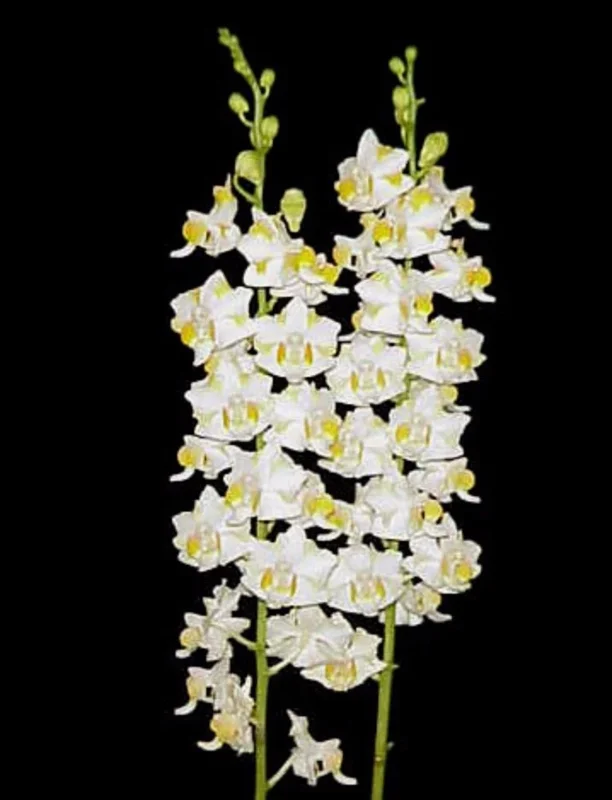
Houseplants
Phalaenopsis pulcherrima ‘Mauna Kea Snow’ Orchid Live Plant – White Flowers, Potted 2.5 in
Sold 50 products
$49.88RELATED posts
Awapuhi Wild Ginger Plant: Zones, Care, and Propagation
Learn which USDA zones suit awapuhi wild ginger, plus sunlight, water, planting, propagation, pests, size, [...]
Awapuhi Shampoo Ginger – Care, Growing Zones, and Differences
Learn how to grow awapuhi (shampoo) ginger, its USDA zones, watering schedule, propagation tips, and [...]
Awapuhi Shampoo Plant Buying Guide – Choose the Right Zingiber zerumbet
META: Learn which awapuhi (shampoo ginger) plant or rhizome pack gives the best natural shampoo, [...]
Awapuhi Plant for Sale: Complete Buying Guide
Find the right awapuhi (shampoo ginger) plant, size, price, soil mix, and online source. Practical [...]
Shampoo Ginger Plant for Sale – Buying Guide & Tips
Find the right shampoo ginger plant, size, price, and care tips. Quick guide for U.S. [...]
Shampoo Ginger Plant (Awapuhi) Care Guide
Learn how to grow, care for, and use shampoo ginger (Zingiber zerumbet), the tropical awapuhi [...]
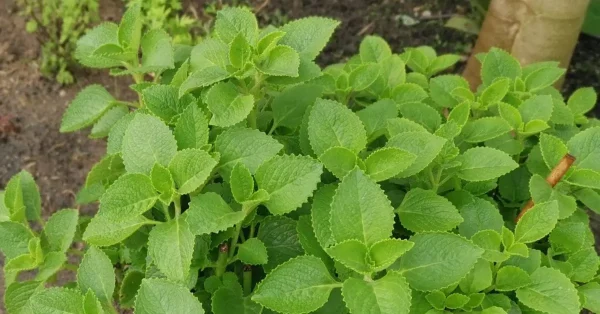
How to Grow Cuban Oregano Plants: A Complete Care Guide
If you’ve ever wanted a plant that combines the culinary punch of traditional oregano with [...]
Aug
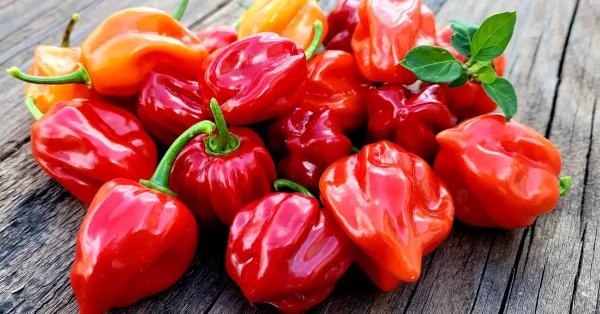
How to Grow Habanero Pepper Plants: A Step-by-Step Guide
Habanero pepper plants are prized for their vibrant colors, intense heat, and exceptional flavor, making [...]
Aug

Reviews
There are no reviews yet.