
Manchurian Alder Seeds (Alnus hirsuta) – 20 Count – Fast Growing Tree Seeds for Reforestation, Erosion Control
Original price was: $25.00.$17.50Current price is: $17.50.
Cultivate the robust Manchurian Alder seeds (Alnus hirsuta), perfect for establishing resilient landscapes. This fast-growing tree is excellent for reforestation, erosion control, and wetland restoration projects. Each pack contains 20 Alnus hirsuta seeds, suitable for USDA Zones 3-9, offering a sustainable and adaptable planting solution.
Shipping and Return policies:
We stand behind our plants with our Alive & Thrive Guarantee. If you experience any issues within the first 30 days, please email us, and our team will be happy to help. When needed, we’ll send you a one-time replacement free of charge to make sure your garden keeps growing strong.

Reasonable Price
We offer reasonable price

Support 24/7
Contact us 24 hrs a day
100% Money Back
You’ve 30 days to Return
Payment Secure
100% secure payment
Overview
Embark on a rewarding gardening journey with our premium Manchurian Alder seeds (Alnus hirsuta). Commonly known as the Manchurian alder or hairy alder, this deciduous tree is a formidable native of northeastern Asia, thriving in diverse environments including China, Korea, Japan, and Russia. Our Alnus hirsuta seeds provide an excellent opportunity to grow a resilient, fast-growing tree that contributes significantly to ecological restoration and landscaping projects. This species is renowned for its adaptability, cold hardiness, and its crucial role in preventing soil erosion and improving nitrogen levels in the soil, making it an invaluable addition to any large-scale planting endeavor or personal garden.
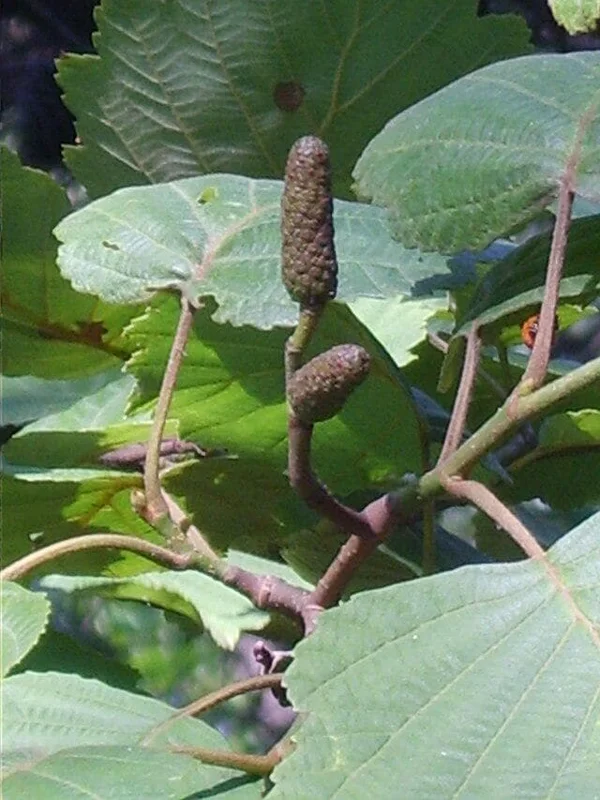
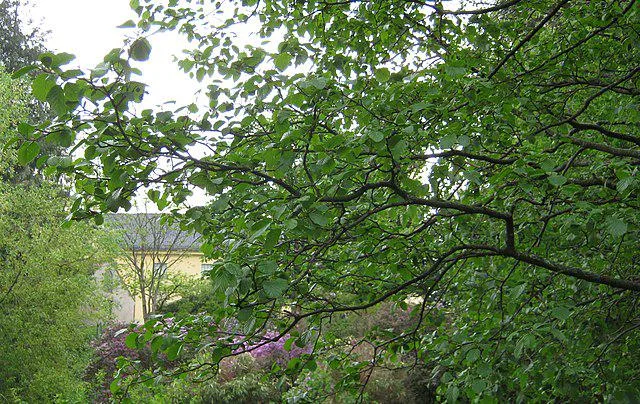
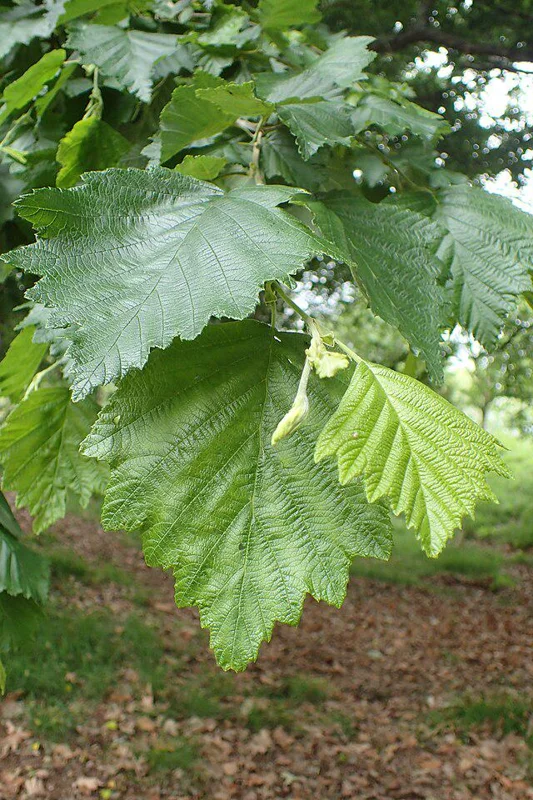
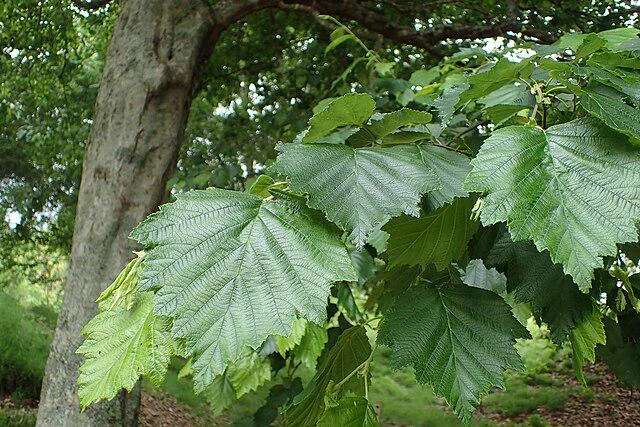
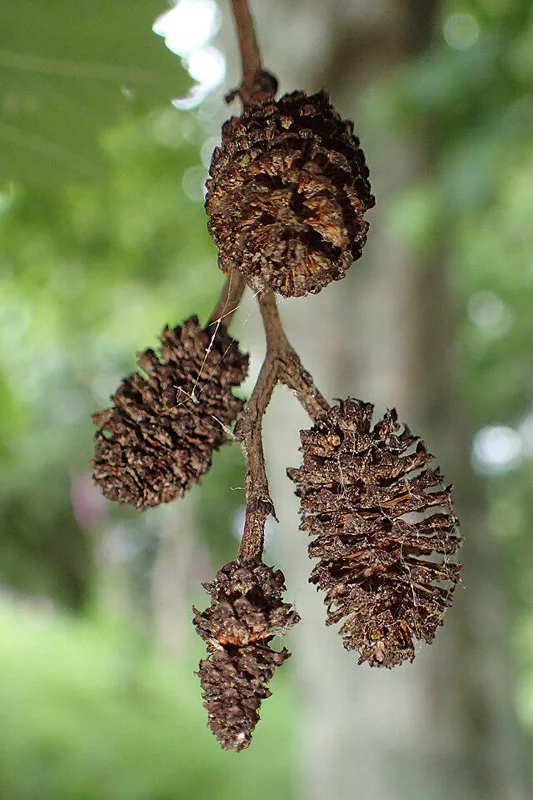
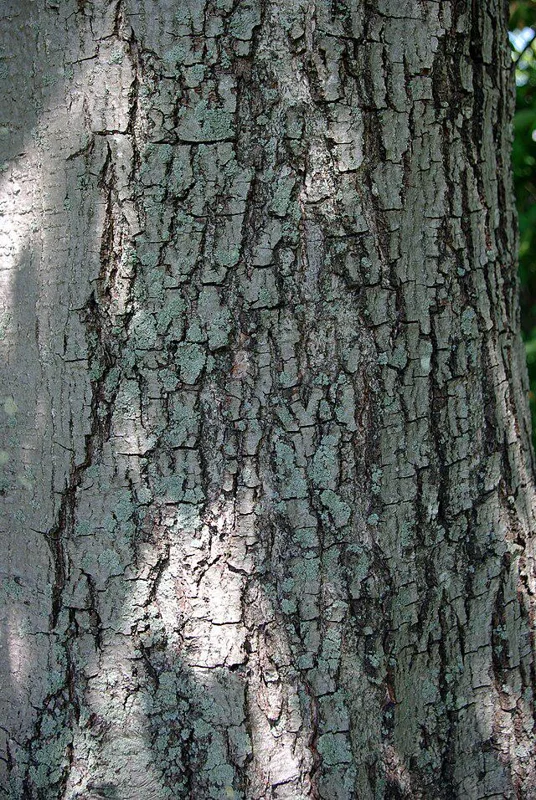
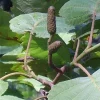
The Manchurian alder is a striking tree, typically reaching heights of 40–60 feet (12–18 meters) with a strong, straight trunk and a broad, conical to oval crown. Its smooth, grayish-brown bark matures to a slightly fissured texture, adding character to its appearance. The ovate to elliptical leaves are a vibrant dark green with serrated edges and a subtly hairy underside, giving rise to its ‘hairy alder’ moniker. In early spring, before the canopy unfurls, it showcases yellowish-brown male catkins and smaller, reddish female catkins, which evolve into persistent, woody, cone-like fruits throughout winter. These Manchurian Alder seeds are your first step towards cultivating a magnificent and ecologically beneficial tree.
Key Benefits
Planting Manchurian Alder seeds offers a multitude of benefits, both aesthetic and ecological. This versatile tree is an excellent choice for a variety of outdoor applications, providing long-term value and environmental advantages. From supporting local ecosystems to enhancing landscape stability, the Manchurian alder is a smart investment for any gardener or land manager.
- Ecological Restoration: Alnus hirsuta seeds grow into trees that are highly effective in reforestation projects, helping to rejuvenate degraded lands and establish new forest areas. Their fast growth rate aids in quickly restoring natural habitats.
- Erosion Control: With a strong root system, the Manchurian alder is exceptional at stabilizing soil, particularly along riverbanks, wetlands, and disturbed sites. This makes hairy alder seeds an ideal choice for preventing soil erosion and maintaining land integrity.
- Nitrogen Fixation: These trees form a symbiotic relationship with nitrogen-fixing bacteria, enriching the soil with essential nutrients. This natural fertilization process benefits surrounding plant life and reduces the need for chemical fertilizers.
- Cold Hardiness: The Manchurian alder is remarkably tolerant of cold climates, thriving in USDA Zones 3-9. This resilience makes it a reliable choice for regions experiencing harsh winters, offering robust growth where other trees might struggle.
- Adaptable to Soil Conditions: While preferring moist, well-draining soils, the Manchurian alder is adaptable to various soil types, making it a flexible option for different planting sites. This adaptability is a key advantage of growing cold hardy tree seeds.
- Attractive Landscape Addition: Beyond its ecological benefits, the tree offers visual appeal with its broad crown, distinctive bark, and early spring catkins, adding structure and interest to any landscape design.
- Wildlife Support: The cone-like fruits that persist through winter provide a food source for various birds and small wildlife, contributing to local biodiversity.
Plant Care & Growing Tips
Growing Manchurian Alder seeds requires a few specific steps to ensure successful germination and healthy development. These trees are generally low-maintenance once established, but proper initial care is crucial. Understanding their needs for stratification, light, and moisture will lead to thriving trees.
To germinate Alnus hirsuta seeds, stratification is essential to break dormancy. Mix the seeds with moist sand or peat moss in a sealed container and store them in a refrigerator at 34–41°F (1–5°C) for 30–60 days. This cold, moist period mimics natural winter conditions, preparing the seeds for germination. After stratification, sow the seeds on the surface of a well-draining seed-starting mix. Light is required for germination, so do not cover them completely; simply press them lightly into the soil. Maintain consistent moisture in the substrate by misting regularly, avoiding waterlogging. Place the seed tray in a bright location with indirect sunlight, ensuring temperatures of 64–72°F (18–22°C). Germination typically occurs within 2–6 weeks. Once seedlings develop their first true leaves, transplant them into individual pots with a nutrient-rich, well-draining mix.
Gradually acclimate young Manchurian Alder plants to outdoor conditions before planting them in their permanent location. They thrive in moist, well-draining soils and prefer good sunlight exposure, though they can tolerate partial shade. Regular watering is important during the establishment phase, especially in dry periods. Once mature, these trees are quite drought-tolerant but will benefit from consistent moisture. Fertilization is generally not heavily required due to their nitrogen-fixing capabilities, but a balanced, slow-release fertilizer can be applied in early spring for optimal growth. Monitor for common pests or diseases, though Alnus hirsuta is generally robust. With proper care, your hairy alder seeds will develop into strong, healthy trees.
Size & Details
This product includes 20 Manchurian Alder seeds (Alnus hirsuta), ready for stratification and planting. The Manchurian Alder is a fast-growing deciduous tree, typically reaching a mature height of 40–60 feet (12–18 meters) with a spread of 20–30 feet. It develops a straight trunk and a broad, conical to oval crown, providing significant canopy cover. These cold hardy tree seeds are ideal for planting in USDA Zones 3-9, demonstrating excellent resilience to a wide range of temperatures.
The seeds are shipped in a protective packet, ensuring their viability upon arrival. Once germinated and established, the trees exhibit a moderate to fast growth rate, quickly adding vertical interest and ecological benefits to your landscape. Expect the tree to begin producing its characteristic catkins and cone-like fruits within a few years of planting, contributing to its ornamental and ecological value. This pack of reforestation tree seeds offers a sustainable way to grow a robust and adaptable species.
Frequently Asked Questions
- Q: How many Manchurian Alder seeds are included in this pack? A: This pack contains 20 premium Manchurian Alder seeds (Alnus hirsuta), providing ample opportunity for successful germination and planting.
- Q: Is stratification required for these seeds? A: Yes, stratification is crucial for germinating Alnus hirsuta seeds. They require a cold, moist period of 30-60 days in a refrigerator before planting to break dormancy.
- Q: What USDA Hardiness Zones are suitable for Manchurian Alder? A: The Manchurian Alder is highly cold-tolerant and thrives in USDA Hardiness Zones 3-9, making it suitable for a wide range of climates.
- Q: How tall does a mature Manchurian Alder tree get? A: A mature Manchurian Alder typically reaches a height of 40–60 feet (12–18 meters), developing a substantial and attractive crown.
- Q: What kind of soil does the Manchurian Alder prefer? A: While adaptable, Manchurian Alder seeds grow best in moist, well-draining soils. They are often found along riverbanks and wetlands, indicating their preference for consistent moisture.
- Q: Is this tree good for erosion control? A: Absolutely. The Manchurian Alder has a robust root system and is highly valued for its effectiveness in preventing soil erosion, especially in riparian zones and disturbed areas. This is a key benefit of planting hairy alder seeds.
- Q: How long does it take for the seeds to germinate? A: After proper stratification, germination of Alnus hirsuta seeds usually occurs within 2–6 weeks when kept in ideal temperature and light conditions.
- Q: What are the sunlight requirements for Manchurian Alder? A: Manchurian Alder thrives in full sun but can also tolerate partial shade. Ensuring adequate light exposure will promote healthier and faster growth.
- Q: Can these trees improve soil quality? A: Yes, Manchurian Alder trees form a symbiotic relationship with nitrogen-fixing bacteria, which enriches the soil with nitrogen, thereby improving overall soil fertility. This makes them excellent reforestation tree seeds.
- Q: When is the best time to plant the seedlings outdoors? A: After acclimating the seedlings to outdoor conditions, the best time to plant them in their permanent location is typically in spring after the last frost, allowing them ample time to establish before winter.
Be the first to review “Manchurian Alder Seeds (Alnus hirsuta) – 20 Count – Fast Growing Tree Seeds for Reforestation, Erosion Control”
You must be logged in to post a review.
People also Viewed
Sold 50 products
Original price was: $109.95.$79.98Current price is: $79.98.
Sold 50 products
Original price was: $25.00.$17.50Current price is: $17.50.
Flower Seeds
Olympic Onion Seeds – Allium crenulatum Flower Seeds – 10 Seed Pack – Outdoor Native Plant
Sold 50 products
Original price was: $25.00.$17.50Current price is: $17.50.
Sold 50 products
Original price was: $25.00.$17.50Current price is: $17.50.
Flower Seeds
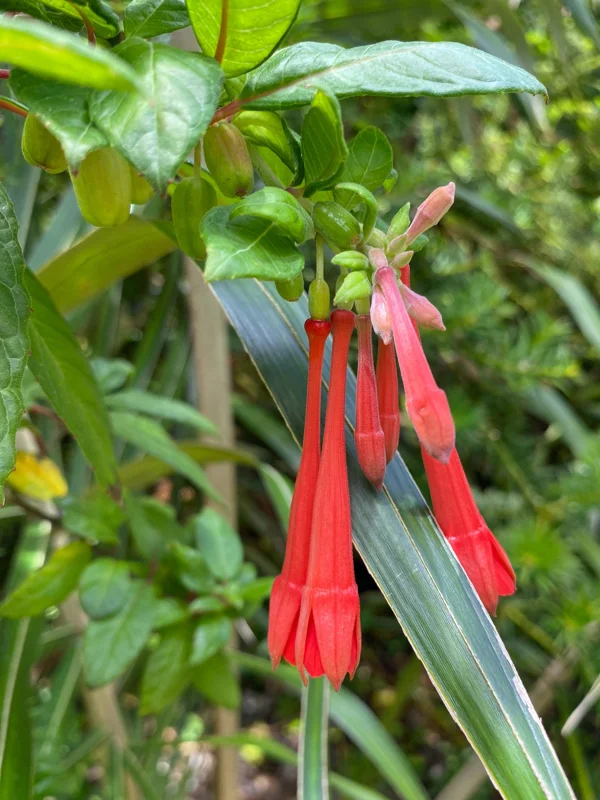
Fuchsia vulcanica Seeds – 20 Pack – Vibrant Orange Coral Flowers for Garden & Containers
Sold 50 products
Original price was: $25.00.$17.50Current price is: $17.50.
Sold 50 products
Original price was: $116.98.$95.68Current price is: $95.68.
Sold 50 products
Original price was: $21.00.$14.10Current price is: $14.10.
Aquatic Plant Seeds
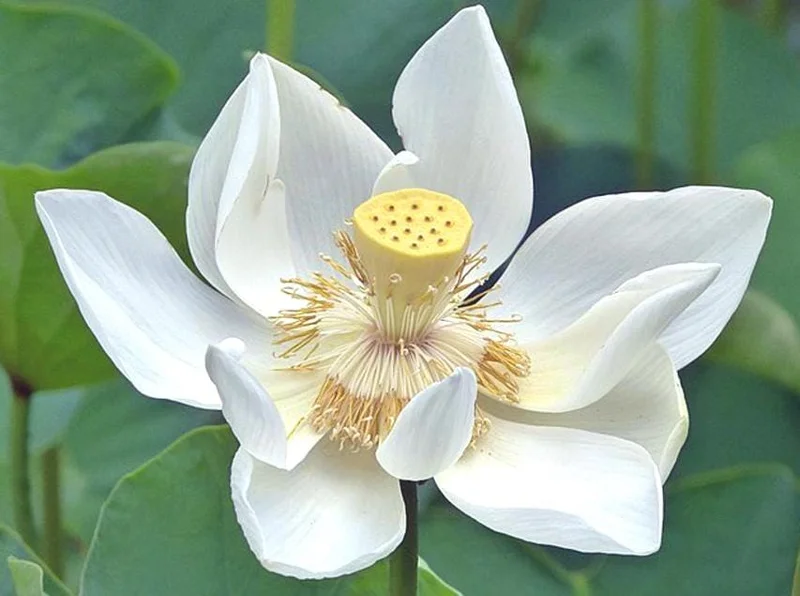
White Lotus Seeds – Nelumbo Nucifera Aquatic Pond Plant – 5 Seeds for Water Garden
Sold 50 products
Original price was: $29.00.$20.90Current price is: $20.90.RELATED posts
Awapuhi Wild Ginger Plant: Zones, Care, and Propagation
Learn which USDA zones suit awapuhi wild ginger, plus sunlight, water, planting, propagation, pests, size, [...]
Awapuhi Shampoo Ginger – Care, Growing Zones, and Differences
Learn how to grow awapuhi (shampoo) ginger, its USDA zones, watering schedule, propagation tips, and [...]
Awapuhi Shampoo Plant Buying Guide – Choose the Right Zingiber zerumbet
META: Learn which awapuhi (shampoo ginger) plant or rhizome pack gives the best natural shampoo, [...]
Awapuhi Plant for Sale: Complete Buying Guide
Find the right awapuhi (shampoo ginger) plant, size, price, soil mix, and online source. Practical [...]
Shampoo Ginger Plant for Sale – Buying Guide & Tips
Find the right shampoo ginger plant, size, price, and care tips. Quick guide for U.S. [...]
Shampoo Ginger Plant (Awapuhi) Care Guide
Learn how to grow, care for, and use shampoo ginger (Zingiber zerumbet), the tropical awapuhi [...]
How to Grow Cuban Oregano Plants: A Complete Care Guide
If you’ve ever wanted a plant that combines the culinary punch of traditional oregano with [...]
Aug
How to Grow Habanero Pepper Plants: A Step-by-Step Guide
Habanero pepper plants are prized for their vibrant colors, intense heat, and exceptional flavor, making [...]
Aug
Reviews
There are no reviews yet.