
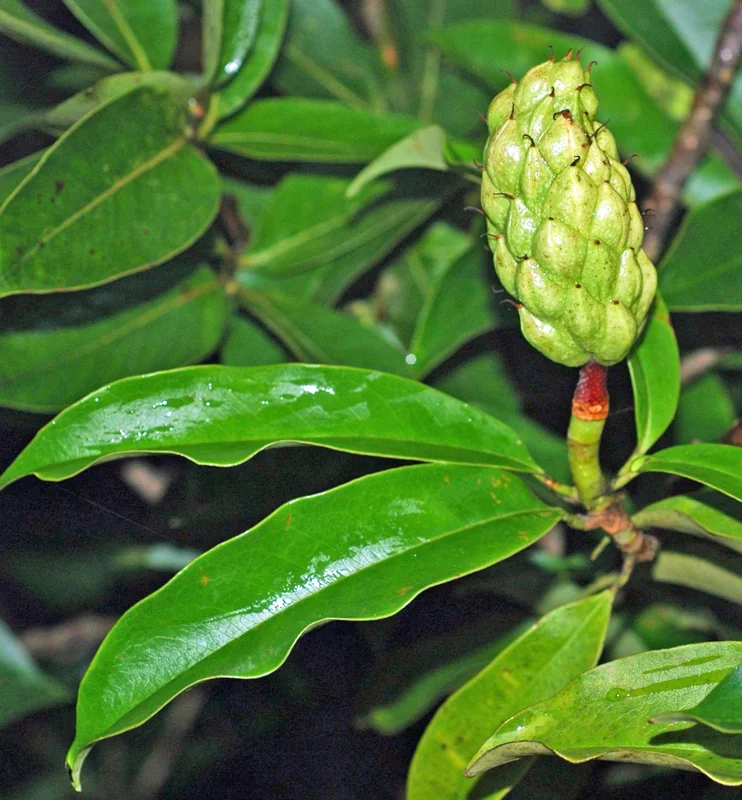
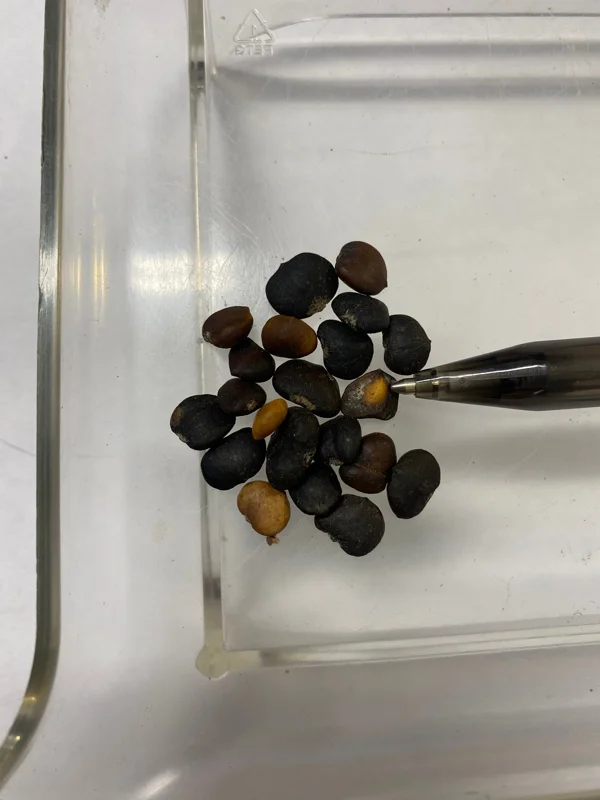
Magnolia Insignis Seeds – Chinese Magnolia Tree Seeds – Fragrant White Flowers – 10 Seeds for Outdoor Planting
Original price was: $31.00.$22.60Current price is: $22.60.
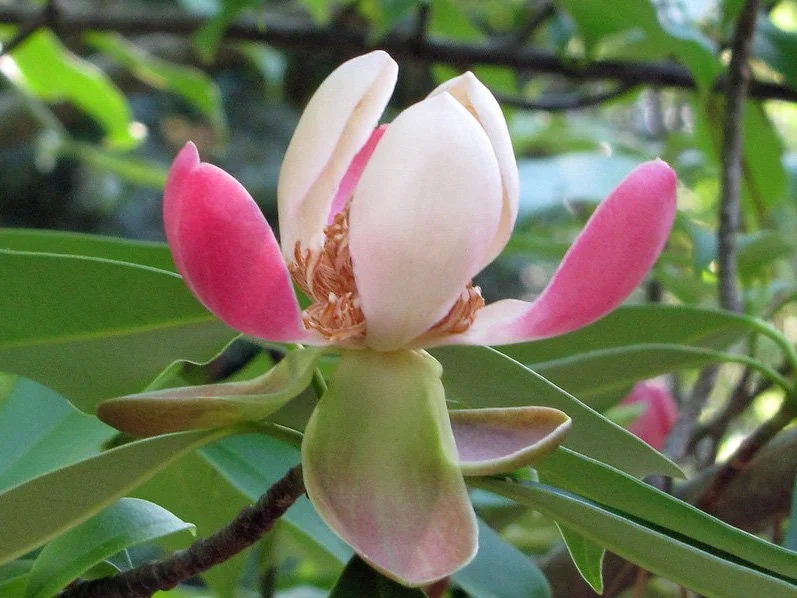
Cultivate the elegant Magnolia insignis seeds, also known as Chinese magnolia seeds, and bring timeless beauty to your garden. These seeds promise large, fragrant white flowers in early spring, followed by lush green foliage. Ideal for creating a striking landscape feature.
Shipping and Return policies:
We stand behind our plants with our Alive & Thrive Guarantee. If you experience any issues within the first 30 days, please email us, and our team will be happy to help. When needed, we’ll send you a one-time replacement free of charge to make sure your garden keeps growing strong.

Reasonable Price
We offer reasonable price

Support 24/7
Contact us 24 hrs a day
100% Money Back
You’ve 30 days to Return
Payment Secure
100% secure payment
Overview
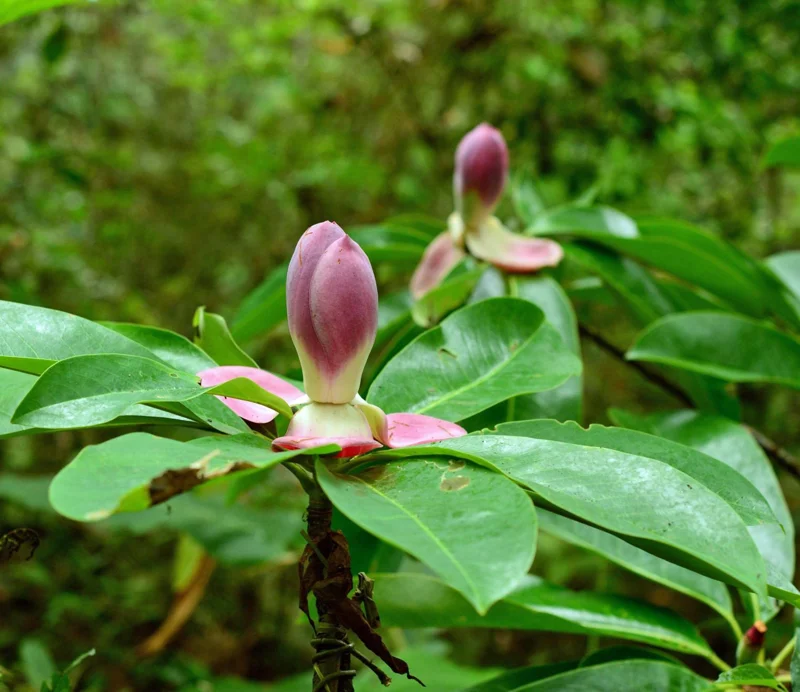
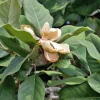
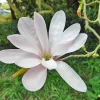
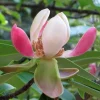
Embark on a rewarding gardening journey by cultivating the exquisite Magnolia insignis seeds. Also known as the Yulan magnolia or Chinese magnolia seeds, this elegant deciduous tree is celebrated for its stunning ornamental value. Native to China, it offers a breathtaking display of large, fragrant flowers that emerge in early spring, often before the foliage unfurls. These pristine white blooms, sometimes kissed with a hint of pink at their base, can reach an impressive 6 inches in diameter, creating a dramatic contrast against the bare branches. The sweet aroma of these flowers not only enchants gardeners but also attracts essential pollinators like bees and butterflies, enhancing your garden’s biodiversity. Growing Magnolia insignis seeds allows you to nurture a truly magnificent specimen from its very beginning, bringing an unparalleled sense of accomplishment and natural beauty to your outdoor space.
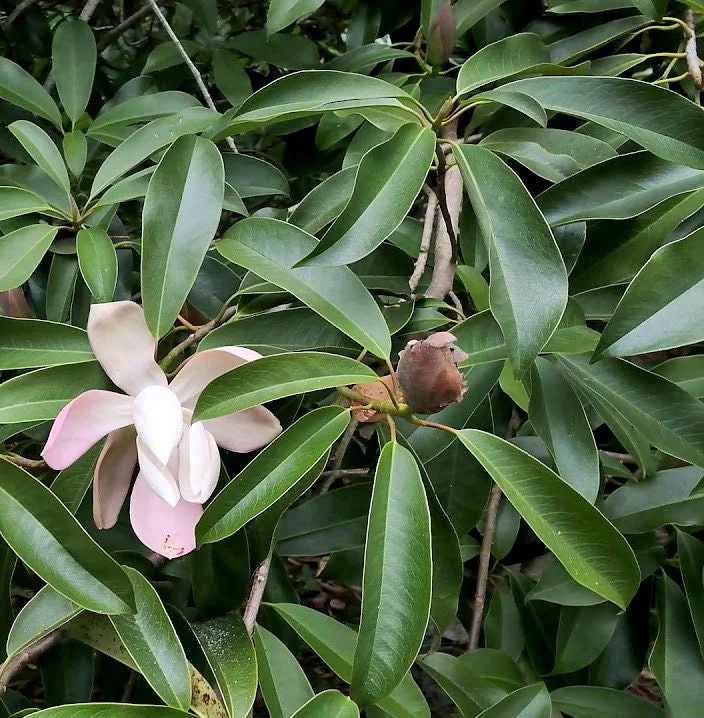
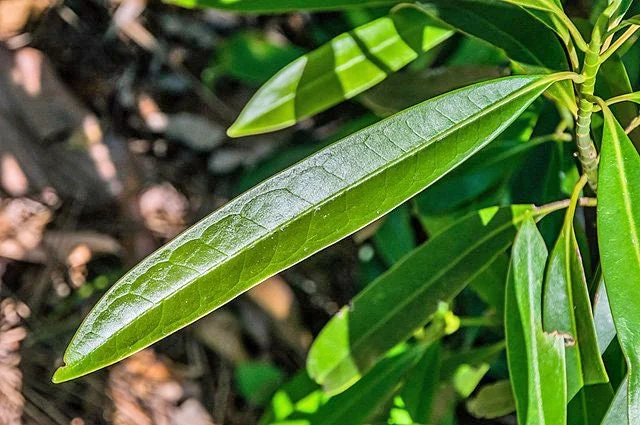
The allure of the Magnolia insignis extends beyond its captivating blossoms. Throughout the growing season, its large, glossy green leaves provide a lush backdrop, transforming into a beautiful golden-yellow hue in autumn, adding seasonal interest. This species is highly adaptable, thriving in full sun to partial shade and preferring well-drained, slightly acidic soils. Its graceful form and exquisite features make it a prized ornamental tree, perfect for enhancing gardens and landscapes, especially during its spectacular spring flowering season. If you’re looking to introduce a touch of elegance and a fragrant spectacle to your garden, starting with Magnolia insignis seeds is an excellent choice.
Key Benefits
Growing your own Magnolia insignis from seed offers a multitude of benefits, allowing you to witness the full lifecycle of this magnificent tree and enjoy its unique characteristics in your garden.
- Stunning Ornamental Value: The primary draw of the Magnolia insignis is its exceptional beauty. Its large, pure white, fragrant flowers are a true spectacle in early spring, making it a focal point in any garden. Cultivating fragrant magnolia tree from seed ensures you get to enjoy this beauty right from the start.
- Fragrant Blooms: The sweet, delicate fragrance of the flowers adds another dimension to its appeal, creating a delightful sensory experience in your garden and attracting beneficial pollinators. These Yulan magnolia seeds will grow into trees that fill your garden with a delightful scent.
- Seasonal Foliage Interest: Beyond its flowers, the tree provides lush, glossy green leaves through summer, which then transition to an attractive golden-yellow in autumn, ensuring year-round visual appeal.
- Pollinator Attraction: The fragrant blossoms naturally attract bees and butterflies, contributing to a healthier and more vibrant garden ecosystem.
- Landscape Elegance: With its graceful form and striking blooms, Magnolia insignis is a perfect choice for adding sophistication and a classic touch to various garden settings, from formal landscapes to naturalized areas.
- Rewarding Growing Experience: The process of germinating and nurturing Magnolia insignis seeds into a mature tree offers immense satisfaction and a deeper connection to nature.
Plant Care & Growing Tips
Successfully cultivating Magnolia insignis from seed requires patience and attention to specific growing conditions. Once established, these trees are relatively low-maintenance but benefit from proper care. They are best suited for USDA Hardiness Zones 7-9, thriving in climates where they can experience a distinct winter dormancy period. For optimal growth, provide a location with full sun to partial shade. Full sun encourages more prolific blooming, while partial shade can be beneficial in hotter climates to protect the foliage from intense afternoon sun. Ensure the planting site offers good air circulation to prevent fungal issues.
Watering is crucial, especially for young seedlings and newly planted trees. Maintain consistently moist soil, but avoid waterlogging, as this can lead to root rot. Established trees are more drought-tolerant but will benefit from deep watering during prolonged dry spells. The ideal soil type for Magnolia insignis seeds is well-drained, slightly acidic (pH 5.0-6.5), and rich in organic matter. Amending heavy clay soils with compost or peat moss can improve drainage and provide essential nutrients. Fertilize young trees with a balanced, slow-release granular fertilizer in early spring, following package instructions. Mature trees may require less frequent fertilization, typically every 2-3 years, or when nutrient deficiencies are observed. Protect young plants from strong winds and extreme temperatures, especially during their first few winters. Pruning is generally minimal, focusing on removing dead, damaged, or crossing branches to maintain a healthy structure.
Germinating Magnolia insignis seeds involves overcoming natural dormancy. After removing any fruit pulp, soak seeds for 24-48 hours in lukewarm water. Scarify the seeds by gently nicking them or rubbing with sandpaper to aid water absorption. Next, cold stratify the seeds by placing them in a moist medium (like peat moss or vermiculite) and refrigerating for 2-3 months to mimic winter conditions. After stratification, sow seeds barely covered in a well-draining potting mix. Keep the soil consistently moist and provide warmth and bright, indirect light. Germination can be slow and irregular, taking several weeks to months. With careful attention to these steps, you can successfully grow magnolia from seed.
Size & Details
This offering includes 10 seeds of Magnolia insignis, also known as Chinese magnolia seeds. These seeds provide the opportunity to cultivate magnificent trees that, at maturity, can typically reach heights of 20-30 feet with a spread of 15-25 feet, developing a graceful, rounded to oval canopy. The growth rate is moderate, allowing for a steady development into a substantial landscape tree. The large, fragrant white flowers can measure up to 6 inches in diameter. The foliage consists of large, glossy green leaves, offering a lush appearance during the growing season. When you grow magnolia from seed, expect a journey of several years to reach flowering maturity, providing a long-term investment in your garden’s beauty. Seeds are shipped ready for stratification and planting according to the detailed instructions provided.
Frequently Asked Questions
- Q: How big does this plant get? A: Magnolia insignis typically grows into a medium-sized deciduous tree, reaching heights of 20 to 30 feet tall with a spread of 15 to 25 feet at maturity. Its size makes it suitable as a prominent feature in larger gardens or landscapes.
- Q: Is this an indoor or outdoor plant? A: Magnolia insignis is an outdoor tree. It requires a period of dormancy in colder temperatures and is best suited for planting directly in the ground in appropriate USDA hardiness zones. These Magnolia insignis seeds are intended for outdoor cultivation.
- Q: How much sunlight does it need? A: This tree thrives in full sun to partial shade. For the best flowering display, aim for a location that receives at least 6 hours of direct sunlight per day. In very hot climates, partial afternoon shade can help protect the foliage.
- Q: What condition will the seeds arrive in? A: Your Magnolia insignis seeds will arrive carefully packaged, ready for you to begin the germination process. They will need to undergo scarification and cold stratification before planting to break their natural dormancy.
- Q: Is this plant easy to care for? A: While germinating the seeds requires specific steps and patience, established Magnolia insignis trees are considered moderately easy to care for. They need consistent moisture when young and well-drained, slightly acidic soil.
- Q: How long until it blooms? A: Growing a fragrant magnolia tree from seed is a long-term project. It typically takes several years (often 5-10 years or more) for the tree to mature enough to begin producing its beautiful flowers.
- Q: Will it survive winter in my zone? A: Magnolia insignis is hardy in USDA Zones 7 through 9. If you are planting in these zones, it should comfortably survive winter. If you are in a colder zone, it may require significant winter protection or may not thrive long-term.
- Q: What’s the best time to plant these seeds? A: After completing the necessary scarification and cold stratification (which simulates winter), the best time to sow Chinese magnolia seeds is in late winter or early spring, allowing them to germinate as temperatures naturally begin to warm.
- Q: What type of soil does Magnolia insignis prefer? A: This tree prefers well-drained, fertile, and slightly acidic soil. Amending your soil with organic matter like compost can significantly improve its health and growth.
- Q: Can I grow this from Yulan magnolia seeds in a large container? A: While it’s possible to start the tree in a large container, Magnolia insignis is a substantial tree that will eventually require planting in the ground to reach its full size and potential.
Be the first to review “Magnolia Insignis Seeds – Chinese Magnolia Tree Seeds – Fragrant White Flowers – 10 Seeds for Outdoor Planting”
You must be logged in to post a review.
People also Viewed
Sold 50 products
Original price was: $109.95.$79.98Current price is: $79.98.
Sold 50 products
Original price was: $25.00.$17.50Current price is: $17.50.
Flower Seeds
Olympic Onion Seeds – Allium crenulatum Flower Seeds – 10 Seed Pack – Outdoor Native Plant
Sold 50 products
Original price was: $25.00.$17.50Current price is: $17.50.
Sold 50 products
Original price was: $25.00.$17.50Current price is: $17.50.
Flower Seeds
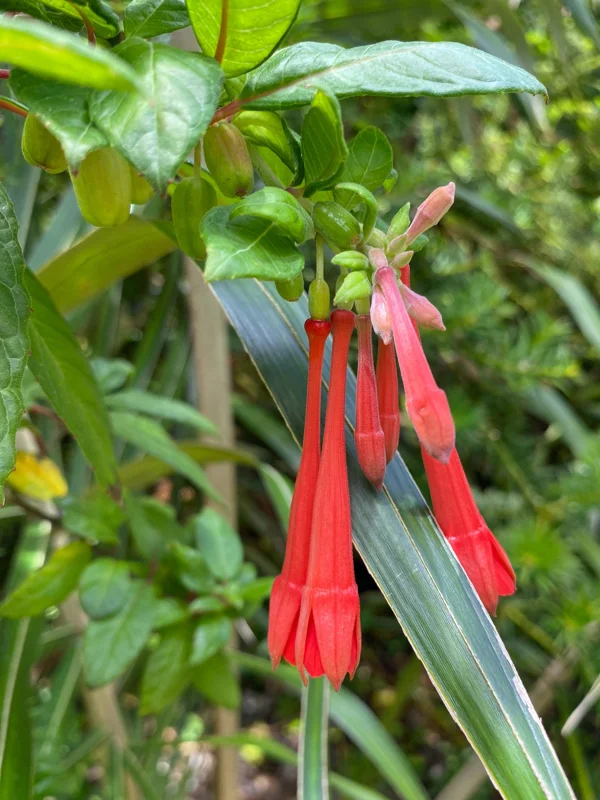
Fuchsia vulcanica Seeds – 20 Pack – Vibrant Orange Coral Flowers for Garden & Containers
Sold 50 products
Original price was: $25.00.$17.50Current price is: $17.50.
Sold 50 products
Original price was: $116.98.$95.68Current price is: $95.68.
Sold 50 products
Original price was: $21.00.$14.10Current price is: $14.10.
Aquatic Plant Seeds
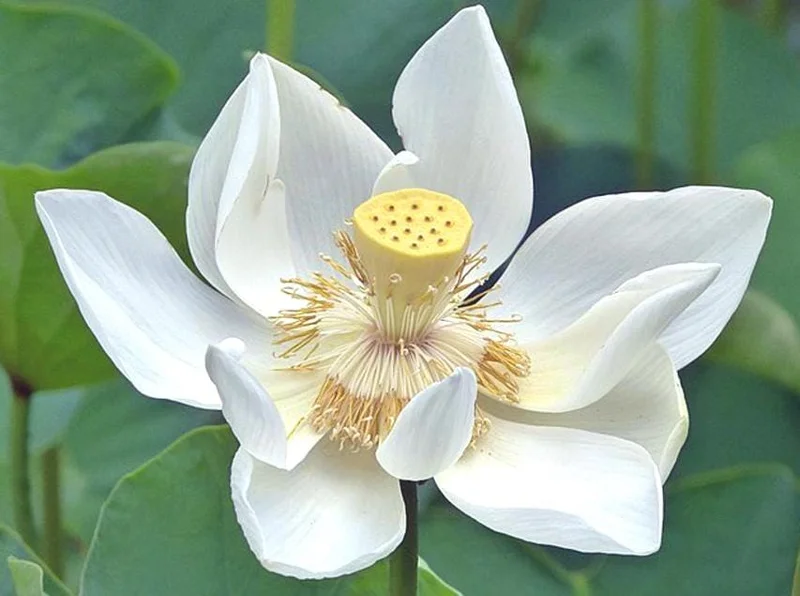
White Lotus Seeds – Nelumbo Nucifera Aquatic Pond Plant – 5 Seeds for Water Garden
Sold 50 products
Original price was: $29.00.$20.90Current price is: $20.90.RELATED posts
Awapuhi Wild Ginger Plant: Zones, Care, and Propagation
Learn which USDA zones suit awapuhi wild ginger, plus sunlight, water, planting, propagation, pests, size, [...]
Awapuhi Shampoo Ginger – Care, Growing Zones, and Differences
Learn how to grow awapuhi (shampoo) ginger, its USDA zones, watering schedule, propagation tips, and [...]
Awapuhi Shampoo Plant Buying Guide – Choose the Right Zingiber zerumbet
META: Learn which awapuhi (shampoo ginger) plant or rhizome pack gives the best natural shampoo, [...]
Awapuhi Plant for Sale: Complete Buying Guide
Find the right awapuhi (shampoo ginger) plant, size, price, soil mix, and online source. Practical [...]
Shampoo Ginger Plant for Sale – Buying Guide & Tips
Find the right shampoo ginger plant, size, price, and care tips. Quick guide for U.S. [...]
Shampoo Ginger Plant (Awapuhi) Care Guide
Learn how to grow, care for, and use shampoo ginger (Zingiber zerumbet), the tropical awapuhi [...]
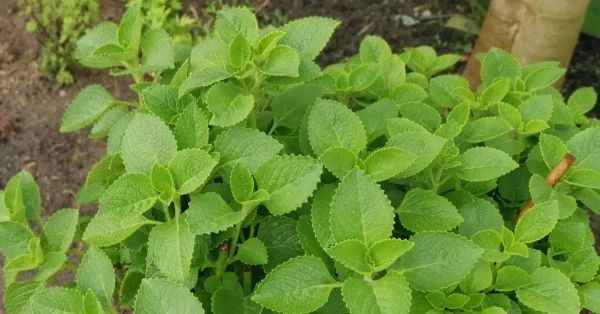
How to Grow Cuban Oregano Plants: A Complete Care Guide
If you’ve ever wanted a plant that combines the culinary punch of traditional oregano with [...]
Aug
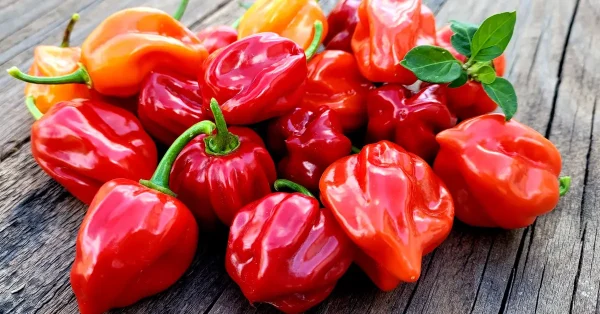
How to Grow Habanero Pepper Plants: A Step-by-Step Guide
Habanero pepper plants are prized for their vibrant colors, intense heat, and exceptional flavor, making [...]
Aug
Reviews
There are no reviews yet.