
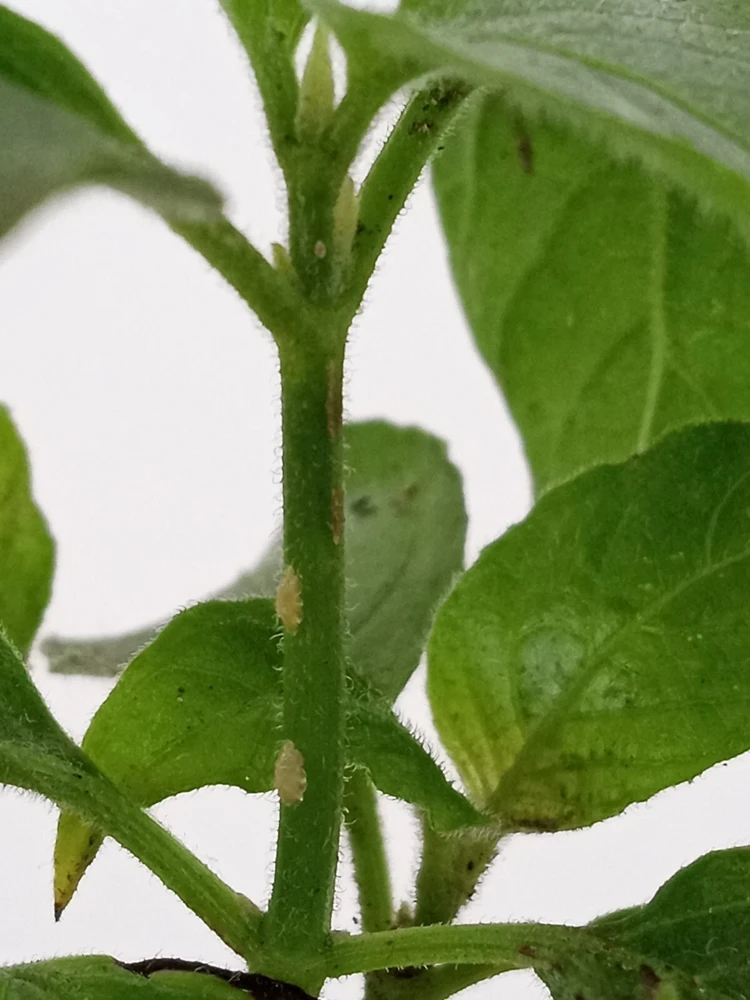
Magenta Leaf Perennial Herb Live Starter Plant – Edible Vegetable, Indoor/Outdoor
$59.97
Cultivate your own vibrant and edible magenta leaf live plant. This magenta leaf perennial starter plant adds a unique splash of color to your garden or indoor space while providing fresh, nutritious leaves for culinary use. Easy to grow and versatile for various climates.
Shipping and Return policies:
We stand behind our plants with our Alive & Thrive Guarantee. If you experience any issues within the first 30 days, please email us, and our team will be happy to help. When needed, we’ll send you a one-time replacement free of charge to make sure your garden keeps growing strong.

Reasonable Price
We offer reasonable price

Support 24/7
Contact us 24 hrs a day
100% Money Back
You’ve 30 days to Return
Payment Secure
100% secure payment
Overview
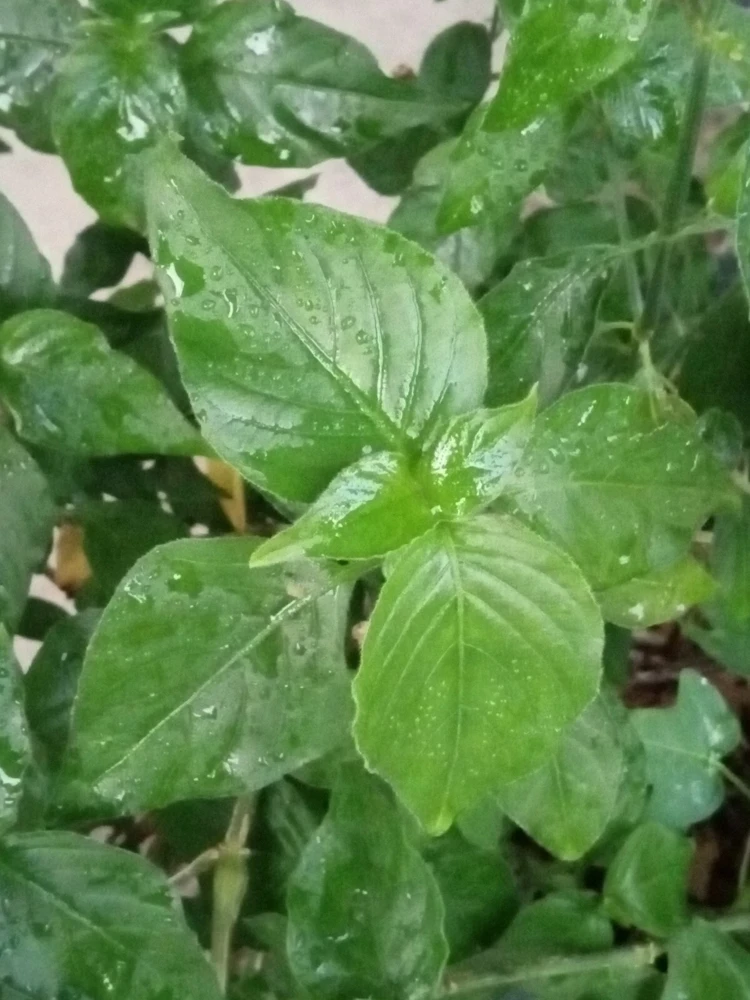
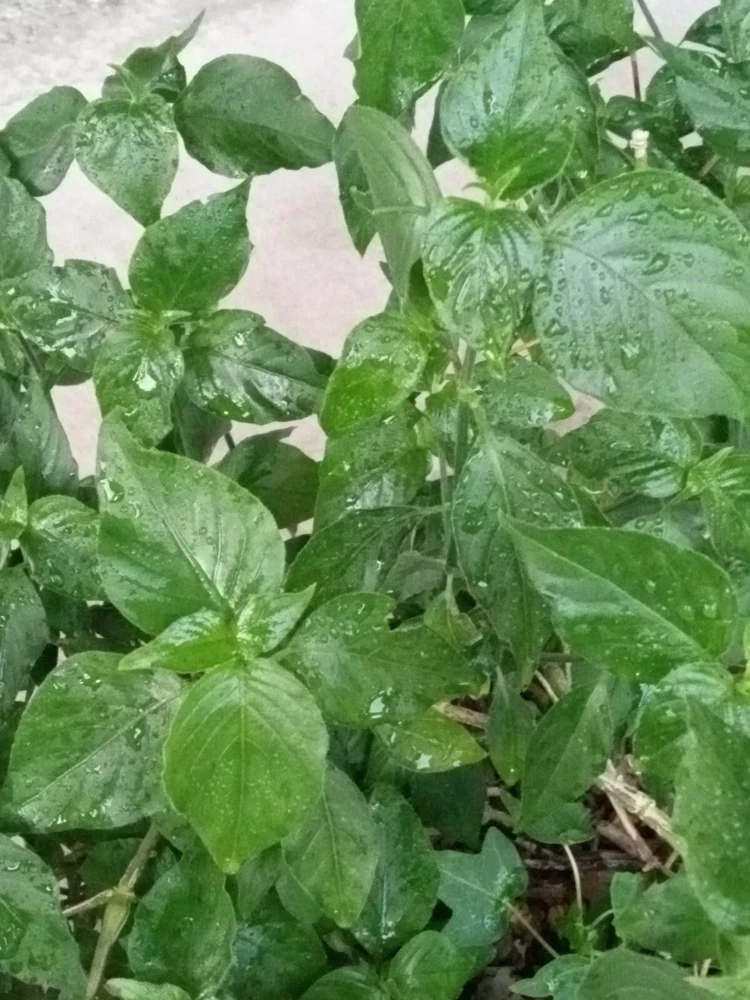
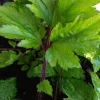
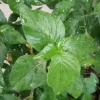
Introduce a splash of vibrant color and culinary versatility to your garden with our magenta leaf live plant. Also known as Lá Cẩm, this perennial vegetable herb (Dicliptera) is cherished for its striking magenta-hued foliage and edible qualities. Ideal for both ornamental appeal and practical use, the magenta leaf perennial thrives in sub-tropical and tropical climates, making it a fantastic addition to many home gardens across the US. This live starter plant is ready to establish itself in your space, offering a continuous supply of beautiful and beneficial leaves. Whether you’re an experienced gardener or just starting, this unique plant promises to be a rewarding and eye-catching specimen.
The Dicliptera genus, to which the magenta leaf belongs, is renowned for its robust growth and ease of care. This particular variety, with its distinctive red and green leaves, is not only a visual delight but also a functional herb. Its leaves are often used in traditional cuisines to impart a natural color to dishes, making it a favorite among those who appreciate both beauty and utility in their gardening endeavors. Get ready to enjoy the unique charm and benefits of this fast-growing, edible plant.
Key Benefits
The magenta leaf live plant offers a multitude of benefits, from its aesthetic appeal to its practical uses in the kitchen. Cultivating this plant provides a continuous source of fresh, vibrant leaves that can enhance both your garden and your culinary creations.
- Vibrant Edible Foliage: The striking green and red leaves of the edible magenta leaf are not only beautiful but also entirely safe and nutritious for consumption. They can be used as a natural food coloring or added to salads and stir-fries for a unique flavor and visual appeal.
- Perennial Growth: As a magenta leaf perennial, this plant will return year after year, providing a consistent harvest without the need for replanting each season. This makes it a sustainable and low-maintenance choice for any garden.
- Fast Growing: Enjoy quick results with this fast-growing plant. It establishes rapidly, allowing you to harvest leaves sooner and experience its full beauty and utility without a long wait.
- Indoor and Outdoor Versatility: Suitable for both indoor and outdoor cultivation, the magenta leaf plant can adapt to various settings. Grow it in pots on your patio, as part of your garden landscape, or even as an attractive houseplant.
- Cold Resistant: This plant exhibits good cold resistance, making it suitable for a wider range of climates than many other tropical herbs. It can withstand cooler temperatures, extending its growing season and hardiness.
- Clumping Growth Habit: The clumping growth habit of the dicliptera plant makes it easy to manage and integrate into existing garden beds or containers. It forms attractive mounds of foliage, providing good ground cover or a lush pot specimen.
- Child Safe: Rest assured that this plant is child safe, allowing families to enjoy gardening and harvesting together without concerns about toxicity.
Plant Care & Growing Tips
Caring for your magenta leaf live plant is straightforward, making it an excellent choice for gardeners of all experience levels. Understanding its basic needs will ensure a healthy and productive plant for years to come. This plant thrives in warm, humid conditions, characteristic of sub-tropical and tropical climates, but can be successfully grown in other regions with proper care.
For sunlight, the magenta leaf live plant prefers medium sun to full shade. In hotter climates, some afternoon shade is beneficial to prevent leaf scorch, while in cooler areas, more sun can encourage vibrant leaf coloration. Indoor plants should be placed near a window that receives bright, indirect light. When it comes to watering, maintain medium moisture levels. The soil should be consistently moist but not waterlogged. Allow the top inch of soil to dry out slightly between waterings, especially for potted plants. Good drainage is crucial to prevent root rot. The ideal soil type is a well-draining mix of sand and loam, with a neutral pH. Fertilize sparingly with a balanced liquid fertilizer during the growing season (spring and summer) to encourage lush foliage. The magenta leaf care routine is minimal, making it a low-hassle addition.
This dicliptera plant is generally robust and not prone to many pests or diseases. However, keep an eye out for common garden pests like aphids or spider mites, especially if grown indoors. Treat any infestations promptly with organic insecticidal soap. Pruning can be done to maintain shape and encourage bushier growth, as well as to harvest leaves for culinary use. The plant is perennial and will continue to grow through fall, spring, winter, and summer in suitable climates, offering year-round interest and harvest. Ensure it is protected from severe frost if you are in a colder zone, or bring potted plants indoors during winter.
Size & Details
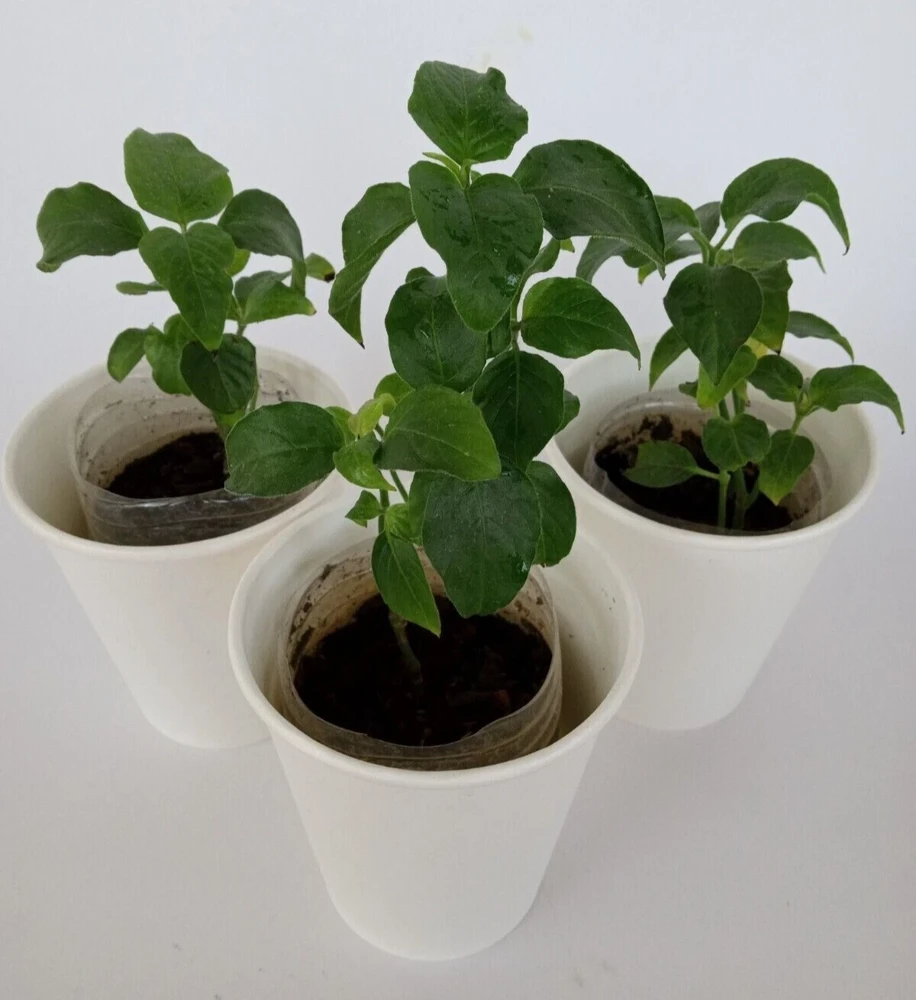
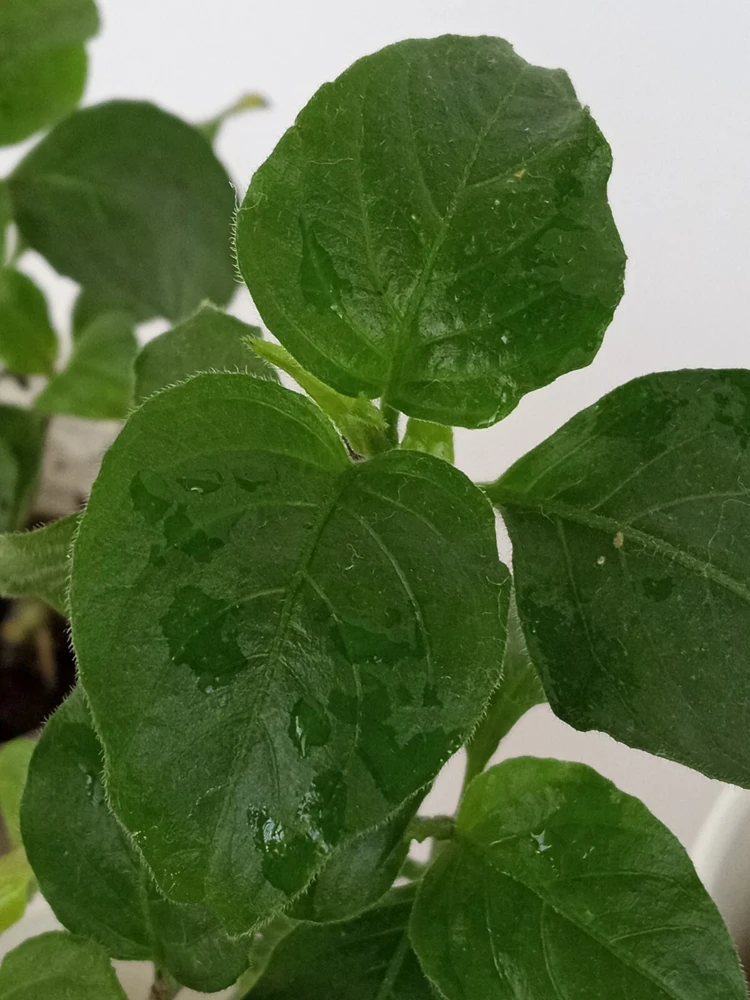
Our magenta leaf live plant is shipped as a healthy starter plant, ready for transplanting into your garden or a larger pot. These plants are in their vegetative growth stage, ensuring they are well-established and prepared for new growth upon arrival. The foliage typically features a lanceolate to ovoid-acute shape, showcasing the characteristic green and red coloration that gives the plant its common name. With a fast growth rate, you can expect your plant to quickly develop into a substantial specimen, forming an attractive clumping habit.
When mature, the edible magenta leaf can reach a considerable size, making it a prominent feature in your landscape or a lush container plant. While specific dimensions can vary based on growing conditions and care, these plants are known for their vigorous growth and ability to fill out spaces effectively. They are typically shipped well-rooted in a small nursery pot, ensuring minimal transplant shock and a smooth transition to its new home. This starter plant offers an excellent foundation for growing a thriving and productive magenta leaf herb.
Frequently Asked Questions
- Q: How big does this plant get? A: The magenta leaf live plant is a fast-growing perennial that can reach a significant size, forming a clumping habit. Its mature dimensions depend on growing conditions, climate, and how frequently it is harvested or pruned. Expect it to fill out its space nicely over time.
- Q: What size pot does it come in? A: This product is a live starter plant, typically shipped in a small nursery pot or similar protective packaging to ensure safe transit and easy transplanting upon arrival.
- Q: Is this an indoor or outdoor plant? A: The magenta leaf perennial is versatile and can be grown both indoors and outdoors. It thrives outdoors in sub-tropical and tropical climates and can be grown as an indoor houseplant in cooler regions, especially during winter.
- Q: How much sunlight does it need? A: This plant prefers medium sun to full shade. In areas with intense summer heat, partial shade is beneficial, while in cooler areas, it can tolerate more direct sunlight to encourage vibrant leaf color.
- Q: Is this plant easy to care for? A: Yes, magenta leaf care is relatively easy. It is a robust and fast-growing plant that requires consistent moisture and well-draining soil, making it suitable for gardeners of all skill levels.
- Q: What condition will it arrive in? A: Your dicliptera plant will arrive as a healthy, live starter plant, carefully packaged to minimize stress during shipping. It will be in its vegetative growth stage, ready for planting.
- Q: Can I use magenta leaf in cooking? A: Absolutely! The leaves of the edible magenta leaf are traditionally used as a natural food coloring and can be incorporated into various dishes, adding both color and a subtle herbaceous flavor.
- Q: When is the best time to plant? A: While this perennial can be planted year-round in suitable climates, spring and early summer are generally ideal for establishment outdoors. Indoor planting can occur at any time.
- Q: Will it survive winter in my zone? A: The magenta leaf plant is noted for being cold resistant. In sub-tropical and tropical zones, it will likely overwinter outdoors. In colder zones, it’s best to bring potted plants indoors or provide winter protection.
- Q: What type of soil does it prefer? A: This plant thrives in well-draining soil, ideally a mix of sand and loam, with a neutral pH. Good drainage is essential to prevent waterlogging.
Be the first to review “Magenta Leaf Perennial Herb Live Starter Plant – Edible Vegetable, Indoor/Outdoor”
You must be logged in to post a review.
People also Viewed
Sold 50 products
$32.38
Sold 50 products
$27.38
Sold 50 products
$32.38
Sold 50 products
$19.88
Sold 50 products
$62.38
Sold 50 products
$24.88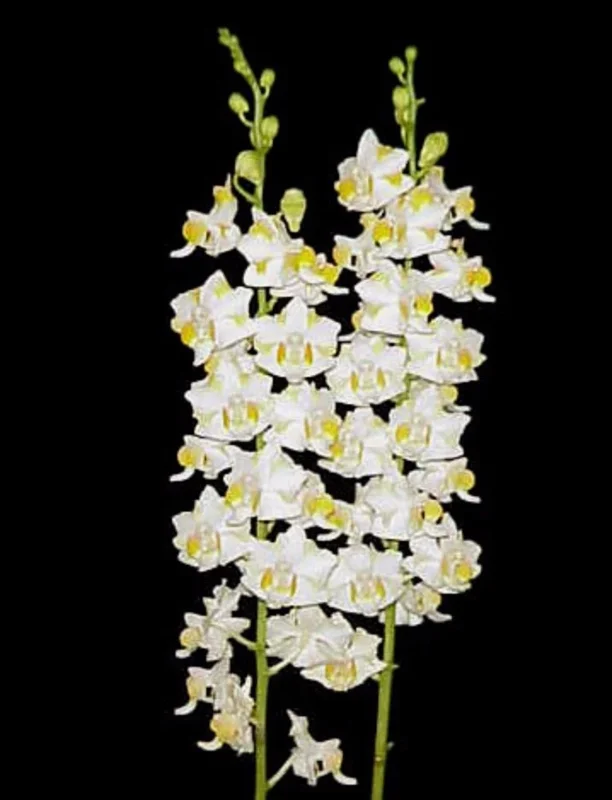
Houseplants
Phalaenopsis pulcherrima ‘Mauna Kea Snow’ Orchid Live Plant – White Flowers, Potted 2.5 in
Sold 50 products
$49.88
Sold 50 products
$49.88RELATED posts
Awapuhi Wild Ginger Plant: Zones, Care, and Propagation
Learn which USDA zones suit awapuhi wild ginger, plus sunlight, water, planting, propagation, pests, size, [...]
Awapuhi Shampoo Ginger – Care, Growing Zones, and Differences
Learn how to grow awapuhi (shampoo) ginger, its USDA zones, watering schedule, propagation tips, and [...]
Awapuhi Shampoo Plant Buying Guide – Choose the Right Zingiber zerumbet
META: Learn which awapuhi (shampoo ginger) plant or rhizome pack gives the best natural shampoo, [...]
Awapuhi Plant for Sale: Complete Buying Guide
Find the right awapuhi (shampoo ginger) plant, size, price, soil mix, and online source. Practical [...]
Shampoo Ginger Plant for Sale – Buying Guide & Tips
Find the right shampoo ginger plant, size, price, and care tips. Quick guide for U.S. [...]
Shampoo Ginger Plant (Awapuhi) Care Guide
Learn how to grow, care for, and use shampoo ginger (Zingiber zerumbet), the tropical awapuhi [...]
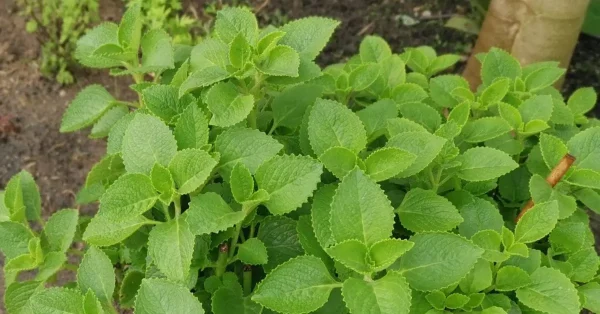
How to Grow Cuban Oregano Plants: A Complete Care Guide
If you’ve ever wanted a plant that combines the culinary punch of traditional oregano with [...]
Aug
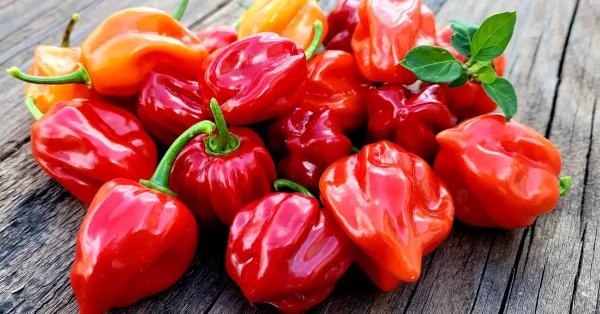
How to Grow Habanero Pepper Plants: A Step-by-Step Guide
Habanero pepper plants are prized for their vibrant colors, intense heat, and exceptional flavor, making [...]
Aug
Reviews
There are no reviews yet.