


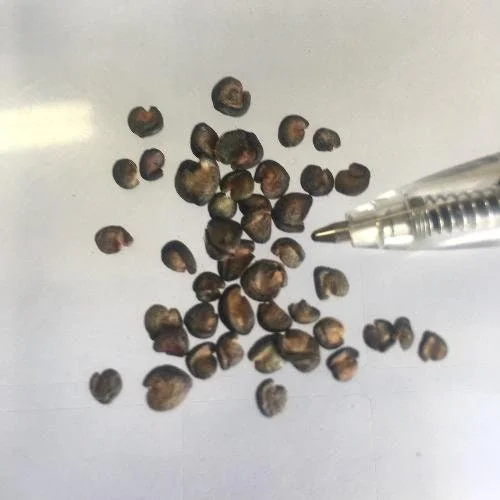
Luma apiculata Seeds – Arrayan Chilean Myrtle – 10 Seed Pack – Fragrant Flowers & Edible Fruit
Original price was: $25.00.$17.50Current price is: $17.50.
Cultivate the beautiful Luma apiculata seeds, also known as Chilean Myrtle seeds or Arrayan. This unique tree offers fragrant white flowers, edible blue-black fruits, and distinctive peeling bark. Perfect for zones 9-11, it’s an excellent choice for a bonsai or a striking landscape addition.
Shipping and Return policies:
We stand behind our plants with our Alive & Thrive Guarantee. If you experience any issues within the first 30 days, please email us, and our team will be happy to help. When needed, we’ll send you a one-time replacement free of charge to make sure your garden keeps growing strong.

Reasonable Price
We offer reasonable price

Support 24/7
Contact us 24 hrs a day
100% Money Back
You’ve 30 days to Return
Payment Secure
100% secure payment
Overview
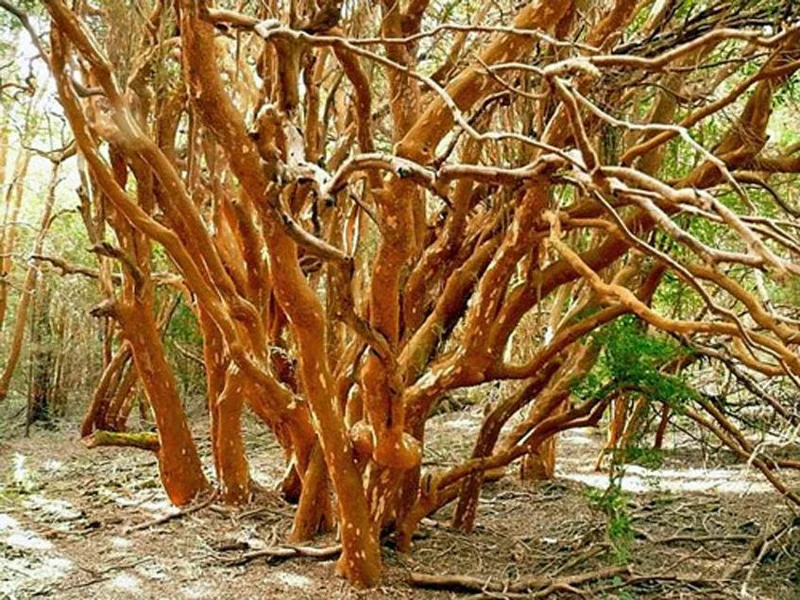
Embark on a rewarding gardening journey by planting Luma apiculata seeds, the captivating Chilean Myrtle. This product includes 10 seeds of the remarkable Luma apiculata, a tree belonging to the Myrtaceae family. Native to the enchanting rain forests of southern central Chile and Argentina, this species is known by several charming names, including Temu, Shortleaf stopper seeds, Arrayan, and Chilean Myrtle. It’s renowned for its stunning visual appeal and delightful fragrance, making it a fantastic addition to diverse garden settings. Imagine a forest of these magnificent trees, some over 650 years old, as found in Los Arrayanes Park in Argentina. Whether you’re an experienced horticulturist or a passionate beginner looking to grow Luma apiculata, these seeds provide an opportunity to cultivate a truly special plant that will enhance your outdoor space with its unique characteristics.
The Luma apiculata tree is celebrated for its multi-season interest. From its aromatic foliage to its profuse white flowers and edible fruits, it offers beauty and utility throughout the year. The distinctive peeling bark adds an artistic touch, revealing a two-tone appearance that is sure to draw admiration. These seeds offer the chance to nurture a plant that can grow into a significant landscape feature or be meticulously shaped into an elegant bonsai. With its adaptability and charm, the Chilean Myrtle seeds are an excellent choice for anyone seeking a plant with both ornamental and practical value.
Key Benefits
Growing Luma apiculata from seed offers a multitude of benefits, enriching your garden with its unique qualities and contributing to a vibrant ecosystem. These Luma apiculata seeds allow you to cultivate a plant known for its aesthetic appeal and ecological value.
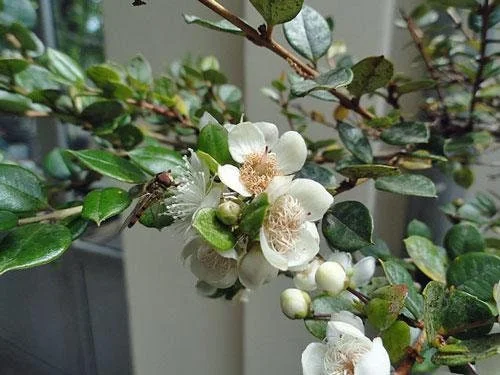
- Fragrant White Flowers: Enjoy a profusion of intensely fragrant white flowers that bloom from summer to early fall. These delightful blossoms not only enhance your garden’s beauty but also attract pollinators, making them a vital resource for local wildlife. The flowers are even known to be used for honey production.
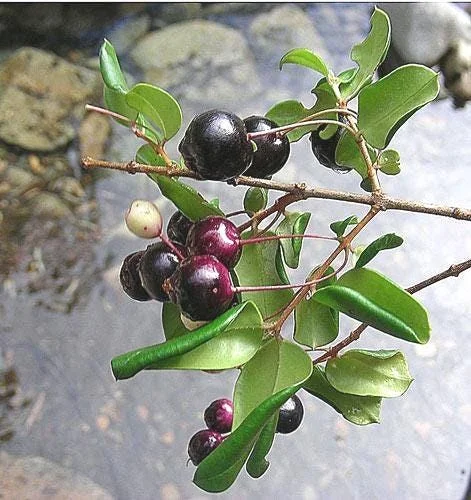
- Edible Blue-Black Fruits: The tree produces attractive blue-black fruits that are edible, offering a unique foraging opportunity right in your backyard. These small, flavorful fruits add another layer of interest to the plant.
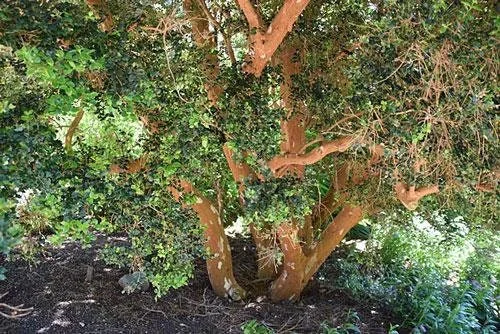
- Distinctive Peeling Bark: The bark of Luma apiculata is a standout feature, transitioning from grey to a bright orange-brown and peeling off in layers. This creates a visually captivating two-tone effect, adding architectural interest to your landscape year-round.
- Aromatic Evergreen Foliage: The small, evergreen leaves, about 1 inch long and wide, are not only beautiful but also fragrant. Their subtle scent adds another sensory dimension to your garden, especially when brushed against.
- Versatile Growth Habit: While it can reach 10-20 feet tall and wide in cultivation, and up to 50 feet under ideal conditions, the Luma apiculata is also an excellent candidate for bonsai. This versatility allows it to fit into various garden designs and spaces.
- Award-Winning Plant: This species has earned the Royal Horticultural Society’s Award of Garden Merit, a testament to its reliability and outstanding garden performance. Choosing Arrayan seeds means selecting a proven winner for your landscape.
- Attracts Wildlife: The fragrant flowers and edible fruits make this tree a magnet for beneficial insects and birds, contributing to biodiversity in your garden.
Plant Care & Growing Tips
Successfully growing Luma apiculata seeds requires attention to specific environmental conditions, mimicking its native habitat. This tree thrives in climates similar to its Chilean and Argentinian origins. It prefers to grow under full sun to part shade, meaning it benefits from at least 4-6 hours of direct sunlight daily, but can tolerate some afternoon shade, especially in hotter climates. Consistently moist soil is crucial for its health and vigorous growth. Ensure the planting site has good drainage to prevent waterlogging, but never let the soil dry out completely. A rich, organic soil mix will provide the best foundation for your Chilean Myrtle seeds to flourish.
For optimal growth, Luma apiculata is best suited for USDA Zones 9-11, where it can withstand winter temperatures without significant damage. In colder zones, it can be grown in containers and brought indoors during the winter months or treated as an annual. Regular watering, especially during dry spells, is vital. Fertilize with a balanced, slow-release granular fertilizer in spring to support healthy growth and flowering. Pruning can be done to maintain shape, remove dead branches, or to train it as a bonsai. Watch out for common pests and diseases, though the Luma apiculata is generally robust. Proper care, including consistent moisture and appropriate light, will ensure your efforts to grow Luma apiculata are rewarded with a beautiful, thriving tree.
Germination of Shortleaf stopper seeds requires a specific process. First, scarify the seeds with a nail file to break dormancy. After scarification, soak the seeds in water for 24 hours. Sow the seeds on top of a well-draining soil mix and lightly cover them. Keep the soil consistently moist in a bright location, maintaining temperatures around 70-80°F. Avoid covering the seeds with plastic, as this can lead to excessive humidity. Germination typically occurs within 30-60 days. Once seedlings emerge, provide them with ample light and gradually acclimate them to outdoor conditions if they are to be planted outside.
Size & Details
This product includes 10 Luma apiculata seeds, offering a generous quantity to start your cultivation. Under ideal conditions, the Luma apiculata tree can grow to an impressive height and width of up to 50 feet, though it typically reaches a more manageable 10-20 feet tall and wide in most garden settings. The small, evergreen leaves are approximately 1 inch long and wide, contributing to the plant’s dense and attractive foliage. The growth rate is moderate, allowing you to enjoy its development over time. These seeds provide the foundation for a long-lived and beautiful specimen, with some trees known to live for hundreds of years.
The seeds will be shipped in a protective packet, ready for immediate planting upon arrival. With proper care, you can expect the first fragrant white flowers to appear once the plant reaches a reasonable maturity, typically within a few years of successful germination and growth. The blue-black fruits follow the blooming period, adding seasonal interest. Whether you choose to cultivate a stately tree or a meticulously trained bonsai, these Arrayan seeds offer the potential for a truly magnificent botanical display.
Frequently Asked Questions
- Q: How big does this plant get? A: The Luma apiculata tree typically grows to 10-20 feet tall and wide in cultivation, though it can reach up to 50 feet under perfect conditions. Its ultimate size depends on growing conditions and pruning.
- Q: Is this an indoor or outdoor plant? A: While primarily an outdoor tree suitable for USDA Zones 9-11, it can be grown in containers and brought indoors during winter in colder climates. It can also be cultivated as a bonsai, making it adaptable to indoor environments with sufficient light.
- Q: How much sunlight does it need? A: Luma apiculata prefers full sun to part shade, ideally receiving at least 4-6 hours of direct sunlight daily. In very hot climates, some afternoon shade can be beneficial to prevent scorching.
- Q: Is this plant easy to care for? A: With specific attention to its moisture and sunlight requirements, Luma apiculata is relatively straightforward to care for. Providing consistently moist, well-draining soil and appropriate sun exposure are key to its success, especially when growing from Luma apiculata seeds.
- Q: What condition will the Luma apiculata seeds arrive in? A: Your Luma apiculata seeds will arrive in a sealed packet, ensuring their freshness and viability for planting. They are carefully packaged to protect them during transit.
- Q: How long until it blooms? A: After successful germination and establishment, the Luma apiculata typically begins to flower once it has reached a certain level of maturity, usually within a few years. The fragrant white flowers appear from summer to early fall.
- Q: Will it survive winter in my zone? A: Luma apiculata is hardy in USDA Zones 9-11. If you are in a colder zone, you will need to provide winter protection or grow it in a container that can be moved indoors during freezing temperatures.
- Q: What is the best time to plant Chilean Myrtle seeds? A: While seeds can be started indoors anytime with controlled conditions, planting after the last frost in spring is ideal for outdoor establishment once seedlings are robust enough.
- Q: Are the fruits of Luma apiculata edible? A: Yes, the blue-black fruits produced by the Luma apiculata tree are edible. They add an interesting feature to the plant and can be enjoyed fresh.
- Q: Can Shortleaf stopper seeds be used for bonsai? A: Absolutely! Luma apiculata is an excellent choice for bonsai cultivation due to its small leaves, attractive bark, and ability to be pruned and shaped effectively.
Be the first to review “Luma apiculata Seeds – Arrayan Chilean Myrtle – 10 Seed Pack – Fragrant Flowers & Edible Fruit”
You must be logged in to post a review.
People also Viewed
Sold 50 products
Original price was: $109.95.$79.98Current price is: $79.98.
Sold 50 products
Original price was: $25.00.$17.50Current price is: $17.50.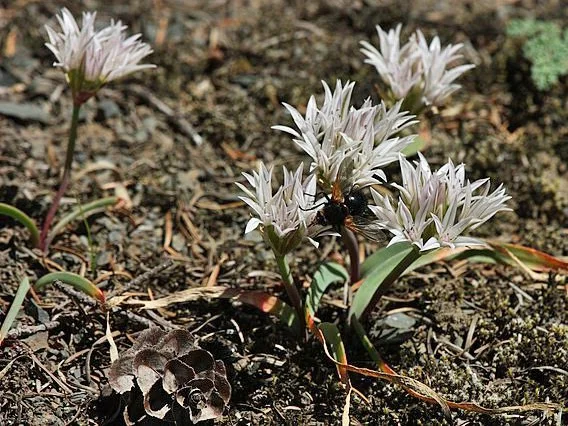
Flower Seeds
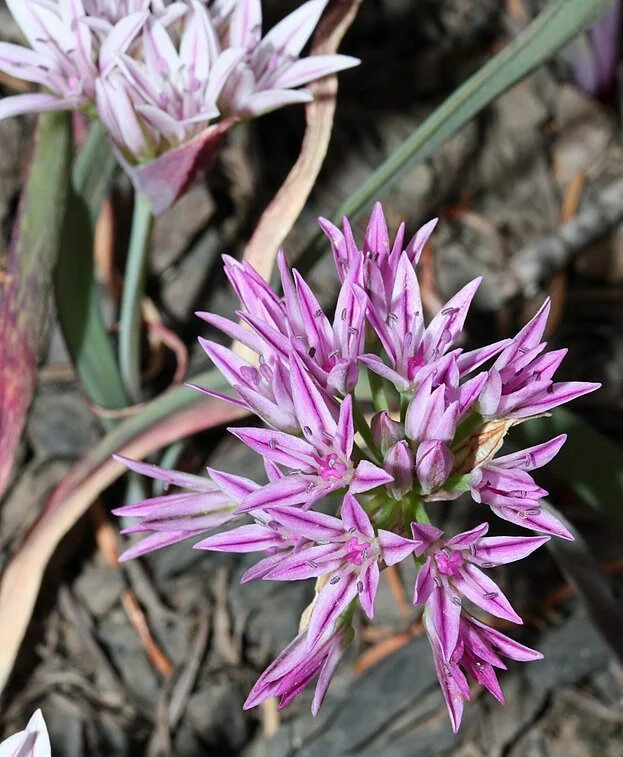
Olympic Onion Seeds – Allium crenulatum Flower Seeds – 10 Seed Pack – Outdoor Native Plant
Sold 50 products
Original price was: $25.00.$17.50Current price is: $17.50.
Sold 50 products
Original price was: $25.00.$17.50Current price is: $17.50.
Flower Seeds
Fuchsia vulcanica Seeds – 20 Pack – Vibrant Orange Coral Flowers for Garden & Containers
Sold 50 products
Original price was: $25.00.$17.50Current price is: $17.50.
Sold 50 products
Original price was: $116.98.$95.68Current price is: $95.68.
Sold 50 products
Original price was: $21.00.$14.10Current price is: $14.10.
Aquatic Plant Seeds
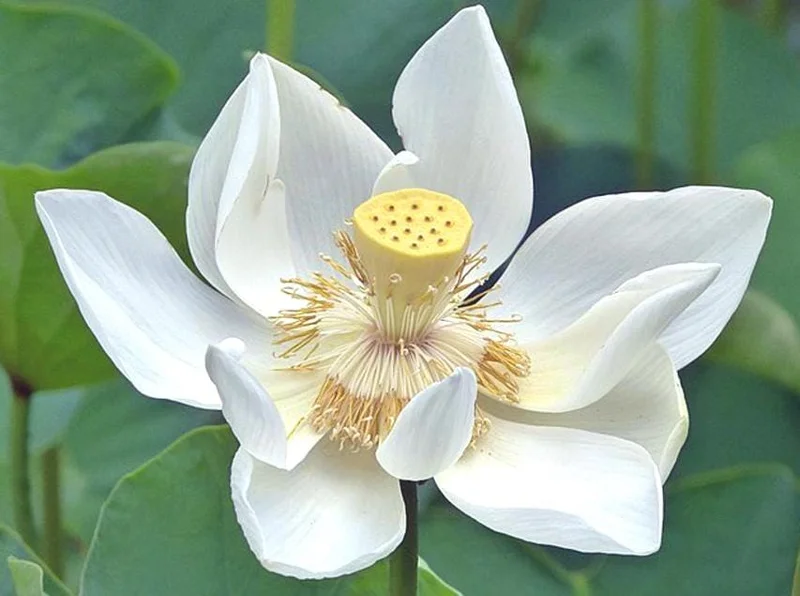
White Lotus Seeds – Nelumbo Nucifera Aquatic Pond Plant – 5 Seeds for Water Garden
Sold 50 products
Original price was: $29.00.$20.90Current price is: $20.90.RELATED posts
Awapuhi Wild Ginger Plant: Zones, Care, and Propagation
Learn which USDA zones suit awapuhi wild ginger, plus sunlight, water, planting, propagation, pests, size, [...]
Awapuhi Shampoo Ginger – Care, Growing Zones, and Differences
Learn how to grow awapuhi (shampoo) ginger, its USDA zones, watering schedule, propagation tips, and [...]
Awapuhi Shampoo Plant Buying Guide – Choose the Right Zingiber zerumbet
META: Learn which awapuhi (shampoo ginger) plant or rhizome pack gives the best natural shampoo, [...]
Awapuhi Plant for Sale: Complete Buying Guide
Find the right awapuhi (shampoo ginger) plant, size, price, soil mix, and online source. Practical [...]
Shampoo Ginger Plant for Sale – Buying Guide & Tips
Find the right shampoo ginger plant, size, price, and care tips. Quick guide for U.S. [...]
Shampoo Ginger Plant (Awapuhi) Care Guide
Learn how to grow, care for, and use shampoo ginger (Zingiber zerumbet), the tropical awapuhi [...]
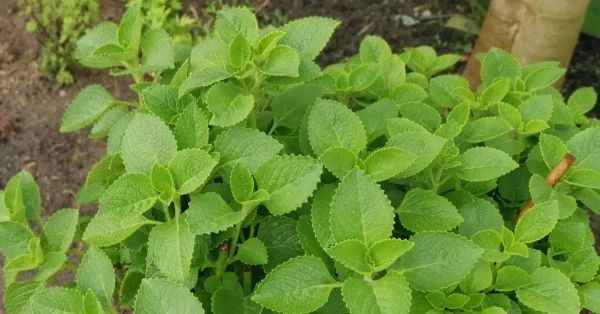
How to Grow Cuban Oregano Plants: A Complete Care Guide
If you’ve ever wanted a plant that combines the culinary punch of traditional oregano with [...]
Aug
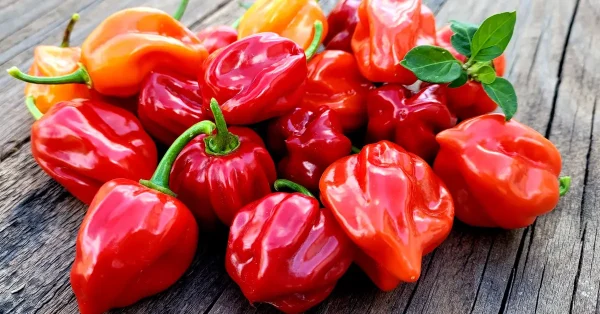
How to Grow Habanero Pepper Plants: A Step-by-Step Guide
Habanero pepper plants are prized for their vibrant colors, intense heat, and exceptional flavor, making [...]
Aug


Reviews
There are no reviews yet.