
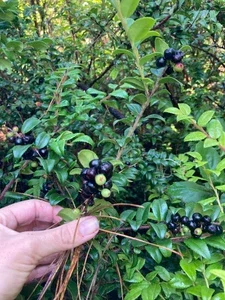
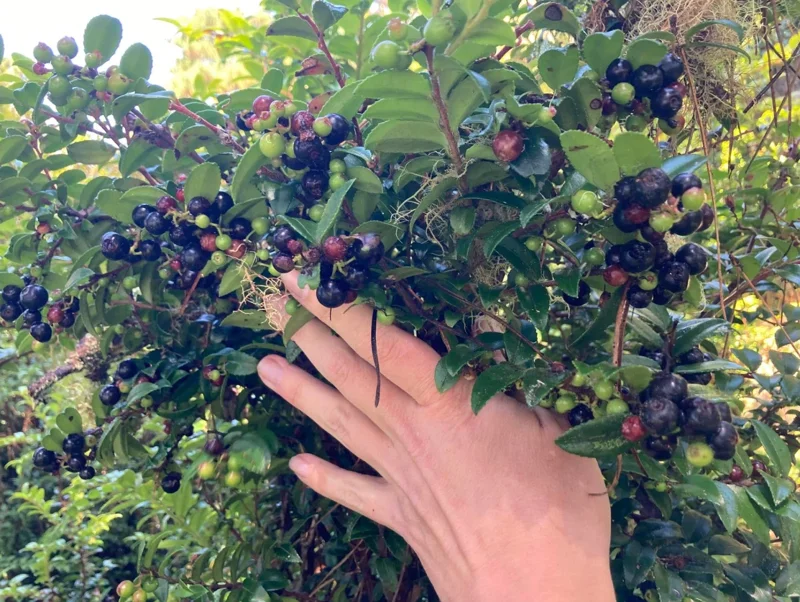
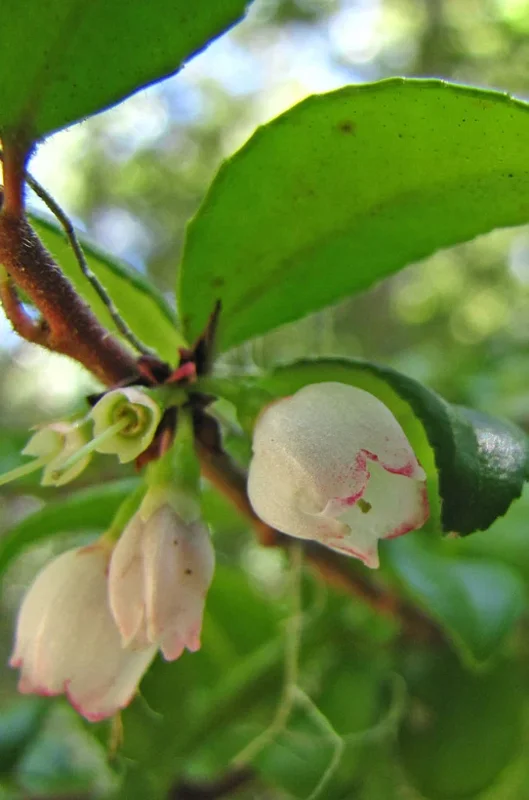
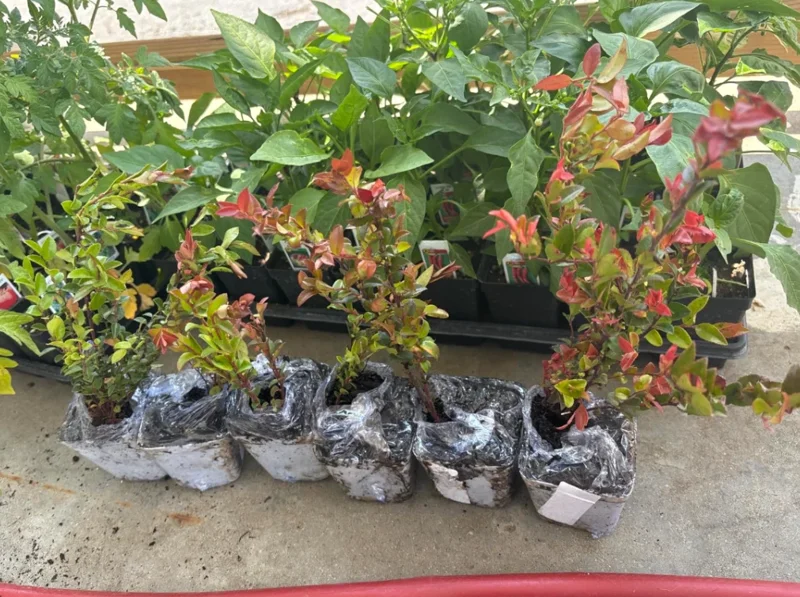
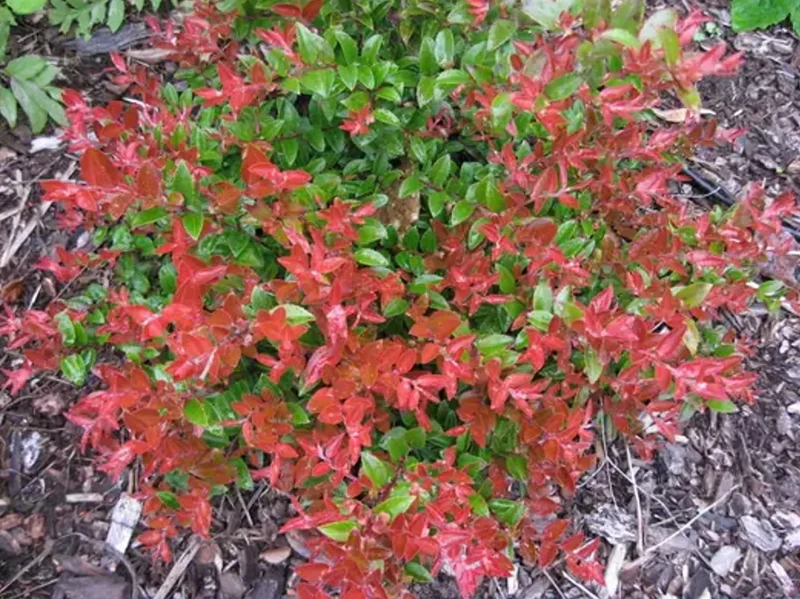
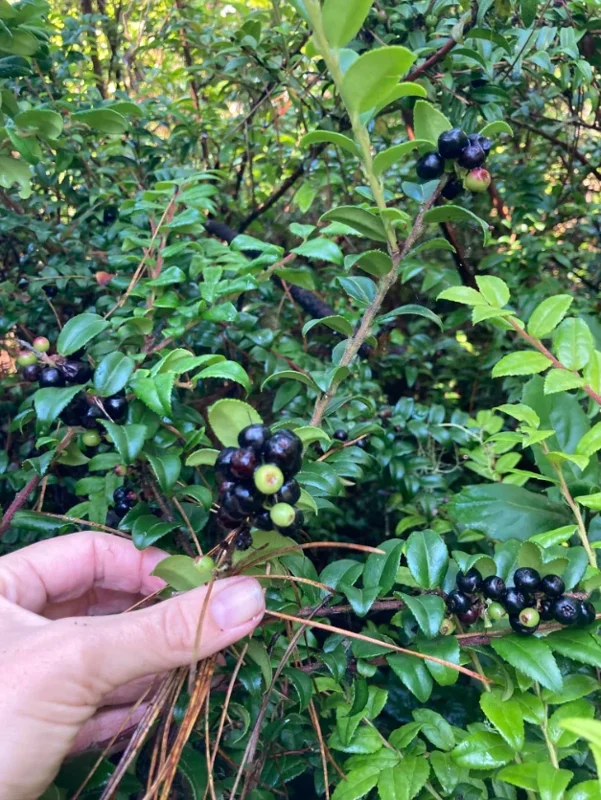
Live Huckleberry Plant – Vaccinium ovatum, 3-7″ Tall, 3″ Pot, Edible Berries
$16.49
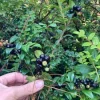
Bring home a robust live huckleberry plant (Vaccinium ovatum), measuring 3-7 inches tall in a 3-inch pot. This charming shrub produces delicious edible berries, perfect for fresh eating or culinary uses. An excellent addition to any garden or container collection.
Shipping and Return policies:
We stand behind our plants with our Alive & Thrive Guarantee. If you experience any issues within the first 30 days, please email us, and our team will be happy to help. When needed, we’ll send you a one-time replacement free of charge to make sure your garden keeps growing strong.

Reasonable Price
We offer reasonable price

Support 24/7
Contact us 24 hrs a day
100% Money Back
You’ve 30 days to Return
Payment Secure
100% secure payment
Overview
Cultivate your own delightful harvest with this vibrant live huckleberry plant, scientifically known as Vaccinium ovatum. Huckleberries are often cherished for their sweet, tangy, and aromatic fruit, making them a fantastic addition to any edible landscape or home garden. This particular offering provides a healthy, young plant, ready to establish itself and eventually produce its coveted berries. The plant arrives carefully nurtured in a 3-inch pot, standing a promising 3-7 inches tall, ensuring a strong start in its new environment. Vaccinium ovatum, commonly referred to as the Evergreen Huckleberry, is native to the western coast of North America and is admired not only for its fruit but also for its attractive evergreen foliage, which adds year-round interest to your outdoor space.
Whether you’re an experienced gardener or just beginning your journey into growing edible plants, this live huckleberry plant offers a rewarding experience. It’s a relatively low-maintenance shrub that can thrive in various settings, from woodland gardens to patio containers. Imagine plucking fresh, ripe huckleberries right from your own bush for breakfast, desserts, or preserves. This plant is a true gem for those who appreciate both ornamental beauty and practical yields.
Key Benefits
Adding a live huckleberry plant to your garden offers a multitude of advantages, enriching both your landscape and your culinary experiences. These benefits extend beyond just the delicious fruit, providing ecological and aesthetic value too.
- Delicious Edible Berries: Enjoy a continuous supply of sweet, tart huckleberries directly from your garden. Perfect for eating fresh, baking into pies, making jams, or adding to smoothies, these berries are a true gourmet delight.
- Attractive Evergreen Foliage: The Vaccinium ovatum boasts glossy, dark green leaves that provide year-round visual appeal, making it an excellent choice for evergreen hedging or as a standalone ornamental shrub.
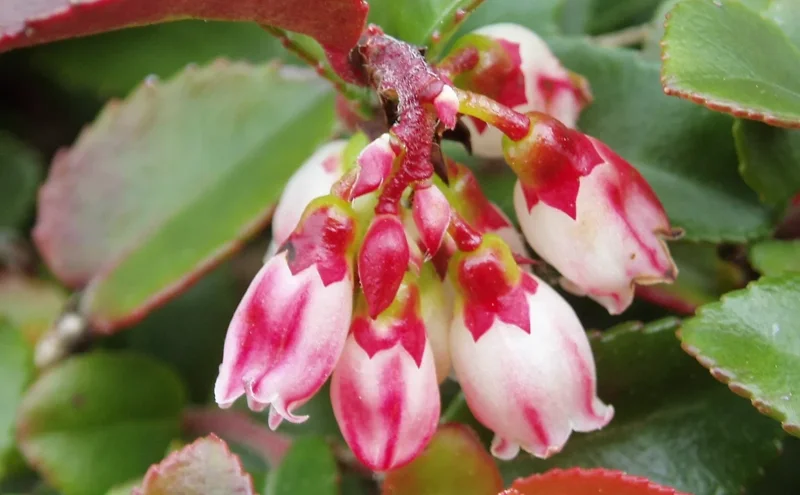
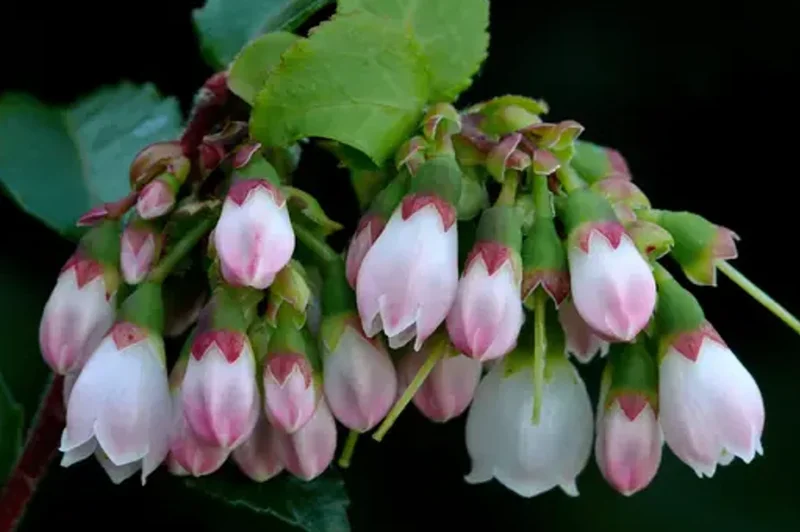
- Wildlife Attraction: The berries are a favorite food source for local birds and other wildlife, helping to support biodiversity in your garden. The small, bell-shaped pink or white flowers also attract pollinators.
- Low Maintenance & Hardy: Once established, the huckleberry bush for sale is remarkably resilient and requires minimal care, making it suitable for gardeners of all skill levels. It tolerates a range of conditions and is generally pest and disease resistant.
- Versatile Landscaping Use: This shrub can be used in various garden designs, including native plant gardens, edible landscapes, informal hedges, or even grown in containers on patios and balconies.
- Health Benefits of Berries: Huckleberries are packed with antioxidants, vitamins, and fiber, contributing to a healthy diet. Growing your own ensures you have access to fresh, organic fruit.
- Long Lifespan: With proper care, a live huckleberry plant can continue to produce berries for many years, becoming a cherished and productive part of your garden for decades.
Plant Care & Growing Tips
Caring for your live huckleberry plant (Vaccinium ovatum) is straightforward, ensuring a healthy, productive shrub. These plants thrive in conditions that mimic their native woodland environments. When selecting a site, aim for a location that receives partial shade to full sun. While they can tolerate full sun, especially in cooler climates, a bit of afternoon shade in hotter regions will prevent leaf scorch and ensure optimal berry production. They prefer well-draining, acidic soil with a pH between 4.5 and 5.5. Incorporating peat moss or compost into the planting hole can help achieve the ideal soil conditions and improve drainage.
Watering is crucial, especially during the first year of establishment. Keep the soil consistently moist but never waterlogged. Once established, huckleberries are somewhat drought-tolerant but will perform best with regular watering during dry spells, particularly when berries are developing. Mulching around the base of the plant with pine needles, wood chips, or shredded leaves will help retain soil moisture, suppress weeds, and maintain soil acidity. Fertilize sparingly in early spring with an acidic fertilizer formulated for rhododendrons, azaleas, or blueberries. Pruning is generally minimal; remove any dead, damaged, or crossing branches in late winter or early spring to maintain plant shape and encourage air circulation. Understanding Vaccinium ovatum care will ensure your plant flourishes.
Protect young plants from frost in colder zones, though established plants are quite hardy. The huckleberry plant size can vary, but regular, light pruning can help manage its growth and encourage bushier development. Monitor for common pests like aphids or spider mites, though huckleberries are generally quite resistant. Ensuring proper air circulation and avoiding overhead watering can help prevent fungal issues. Following these guidelines for growing edible huckleberries will lead to a bountiful harvest.
Size & Details
This offering is for one robust live huckleberry plant, Vaccinium ovatum, which arrives in a 3-inch nursery pot. At the time of shipment, the plant typically measures between 3 to 7 inches in height, measured from the soil line to the top of the foliage. This young, healthy specimen is an ideal size for transplanting into a larger container or directly into your garden. The huckleberry plant size can eventually reach 5 to 8 feet tall and wide in maturity, though it is slow-growing and can be kept smaller with pruning.
The plant is shipped with its root ball intact and nestled in its original growing medium to minimize transplant shock and ensure a smooth transition to its new home. Expect a moderate growth rate, with berries typically appearing within 2-3 years after planting, depending on growing conditions. This evergreen shrub will provide year-round interest and, with proper care, a steady supply of delicious fruit. It’s an excellent choice for those interested in growing edible huckleberries in their home garden.
Frequently Asked Questions
- Q: How big does this plant get? A: This live huckleberry plant is currently 3-7 inches tall in a 3-inch pot. At maturity, Vaccinium ovatum can reach a height and width of 5 to 8 feet, though its growth is slow and can be managed with pruning.
- Q: What size pot does it come in? A: The huckleberry plant arrives in a standard 3-inch nursery pot, providing ample space for its initial growth and root development before transplanting.
- Q: Is this an indoor or outdoor plant? A: The live huckleberry plant (Vaccinium ovatum) is primarily an outdoor shrub. It thrives in garden beds, woodland settings, or large outdoor containers in USDA hardiness zones 6-9.
- Q: How much sunlight does it need? A: Huckleberries prefer partial shade to full sun. In hotter climates, providing some afternoon shade is beneficial to protect the foliage from scorching and ensure good fruit production.
- Q: Is this plant easy to care for? A: Yes, once established, the Vaccinium ovatum care requirements are relatively low. It’s a hardy plant that tolerates a range of conditions, making it suitable for gardeners of various skill levels.
- Q: Is it good for beginners? A: Absolutely! With basic attention to soil acidity and consistent moisture during establishment, beginners can successfully grow a live huckleberry plant and enjoy its rewards.
- Q: What condition will it arrive in? A: Your huckleberry plant will arrive carefully packaged, with its root ball secured in the 3-inch pot, ensuring it is healthy and ready for planting upon arrival.
- Q: Is it shipped in soil? A: Yes, the plant is shipped securely in its growing medium within the 3-inch pot to protect the roots and provide immediate nourishment.
- Q: Can I use huckleberries in cooking? A: Yes, the berries from this live huckleberry plant are delicious and versatile. They are excellent for eating fresh, making jams, pies, muffins, and other culinary creations.
- Q: When is the best time to plant? A: The best time to plant your huckleberry is in spring or early fall, allowing the roots to establish before extreme summer heat or winter cold.
- Q: Will it survive winter in my zone? A: This Vaccinium ovatum is hardy in USDA Zones 6-9. If you are in a colder zone, consider growing it in a container that can be moved indoors or protected during winter.
- Q: What’s the minimum temperature it can tolerate? A: Established huckleberry plants can generally tolerate temperatures down to about 0°F (-18°C) in their hardiness zones. Young plants may need protection from severe freezes.
Be the first to review “Live Huckleberry Plant – Vaccinium ovatum, 3-7″ Tall, 3″ Pot, Edible Berries”
You must be logged in to post a review.
People also Viewed
Sold 50 products
$32.38
Sold 50 products
$27.38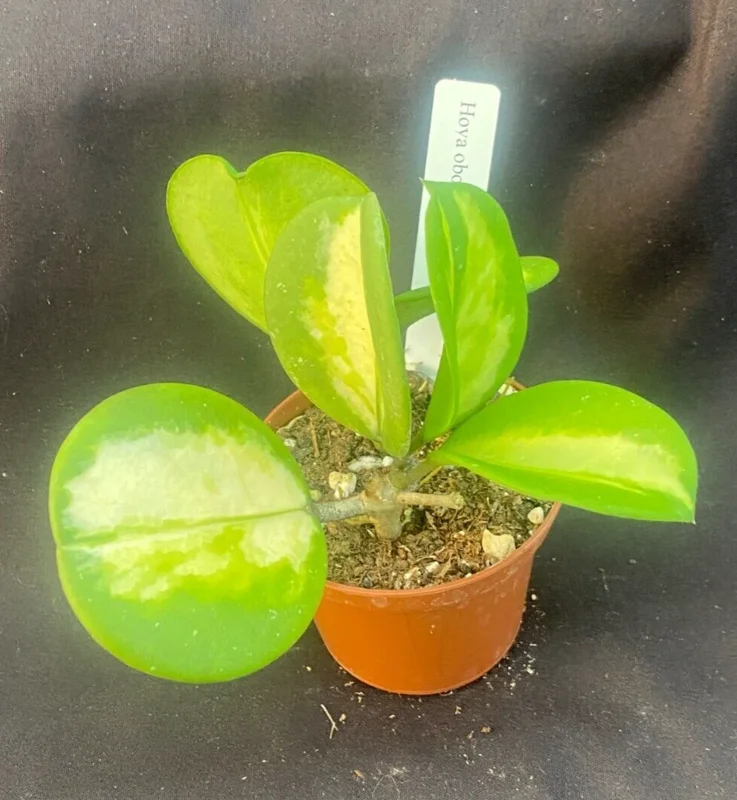
Sold 50 products
$32.38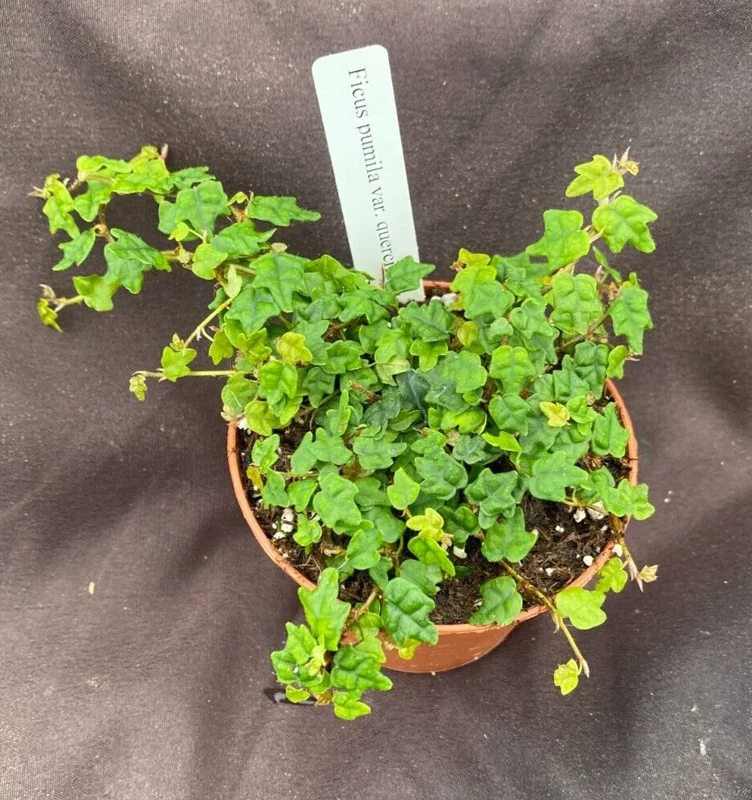
Sold 50 products
$19.88
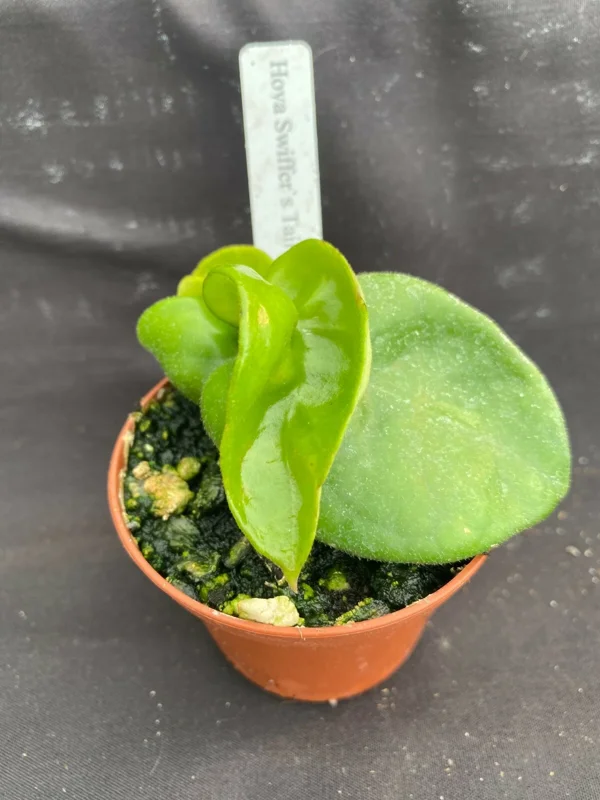
Sold 50 products
$62.38
Sold 50 products
$24.88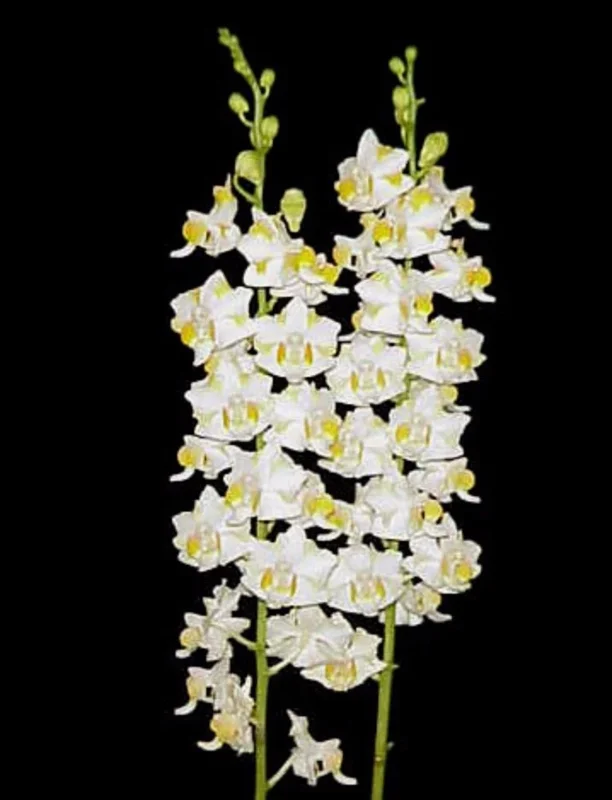
Houseplants
Phalaenopsis pulcherrima ‘Mauna Kea Snow’ Orchid Live Plant – White Flowers, Potted 2.5 in
Sold 50 products
$49.88
Sold 50 products
$49.88RELATED posts
Awapuhi Wild Ginger Plant: Zones, Care, and Propagation
Learn which USDA zones suit awapuhi wild ginger, plus sunlight, water, planting, propagation, pests, size, [...]
Awapuhi Shampoo Ginger – Care, Growing Zones, and Differences
Learn how to grow awapuhi (shampoo) ginger, its USDA zones, watering schedule, propagation tips, and [...]
Awapuhi Shampoo Plant Buying Guide – Choose the Right Zingiber zerumbet
META: Learn which awapuhi (shampoo ginger) plant or rhizome pack gives the best natural shampoo, [...]
Awapuhi Plant for Sale: Complete Buying Guide
Find the right awapuhi (shampoo ginger) plant, size, price, soil mix, and online source. Practical [...]
Shampoo Ginger Plant for Sale – Buying Guide & Tips
Find the right shampoo ginger plant, size, price, and care tips. Quick guide for U.S. [...]
Shampoo Ginger Plant (Awapuhi) Care Guide
Learn how to grow, care for, and use shampoo ginger (Zingiber zerumbet), the tropical awapuhi [...]
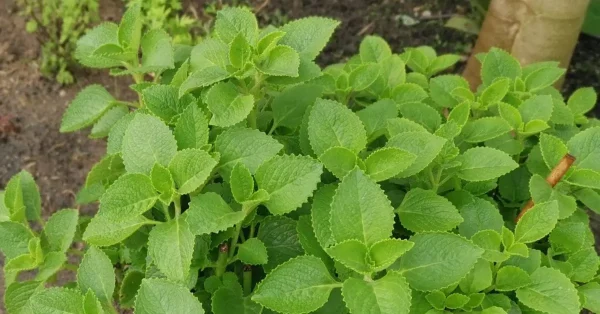
How to Grow Cuban Oregano Plants: A Complete Care Guide
If you’ve ever wanted a plant that combines the culinary punch of traditional oregano with [...]
Aug
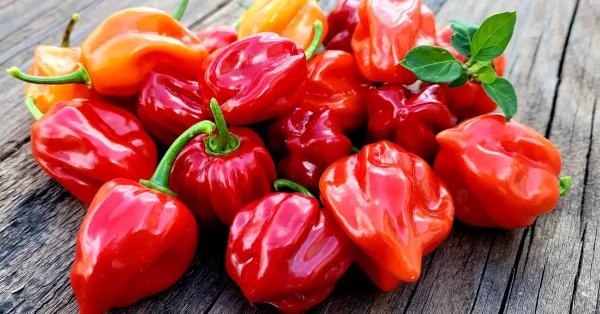
How to Grow Habanero Pepper Plants: A Step-by-Step Guide
Habanero pepper plants are prized for their vibrant colors, intense heat, and exceptional flavor, making [...]
Aug
Reviews
There are no reviews yet.