
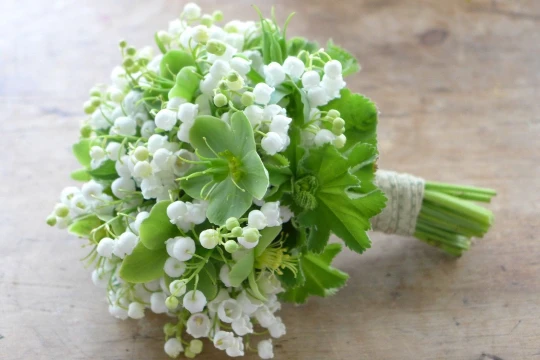
Lily of the Valley Bare Roots – 5 Pack – Fragrant May Bells Outdoor Plant
Original price was: $29.80.$13.80Current price is: $13.80.
Plant these beautiful lily of the valley bare roots to introduce classic fragrance and charm to your shaded garden. Known for their delicate white, bell-shaped flowers, these convallaria majalis plant bulbs are easy to grow and establish, creating a lush groundcover. Ideal for woodland settings and borders.
Shipping and Return policies:
We stand behind our plants with our Alive & Thrive Guarantee. If you experience any issues within the first 30 days, please email us, and our team will be happy to help. When needed, we’ll send you a one-time replacement free of charge to make sure your garden keeps growing strong.

Reasonable Price
We offer reasonable price

Support 24/7
Contact us 24 hrs a day
100% Money Back
You’ve 30 days to Return
Payment Secure
100% secure payment
Overview
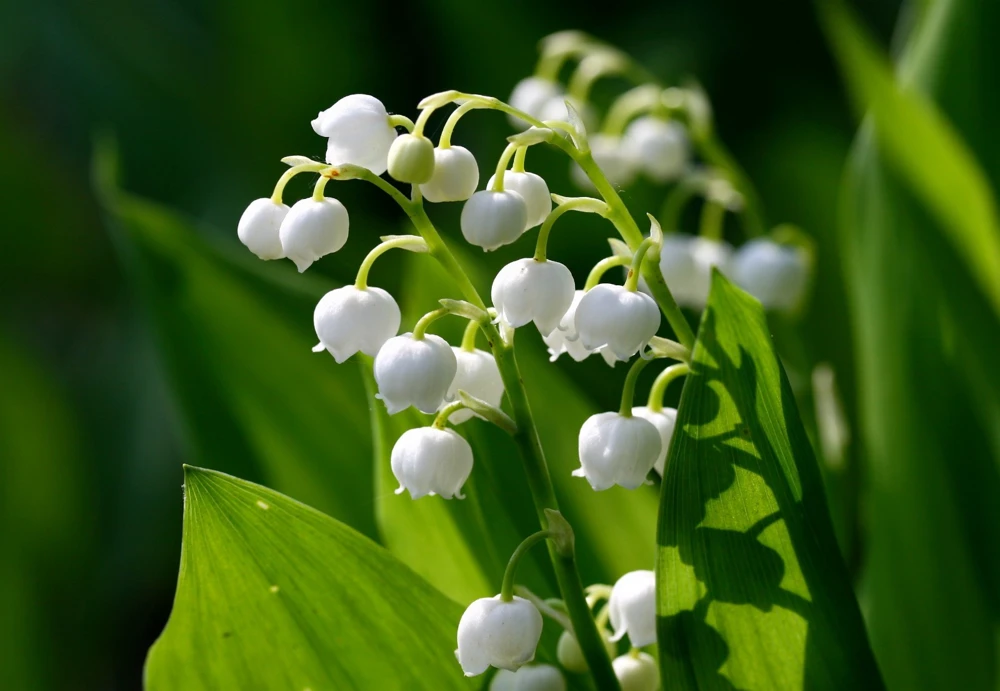
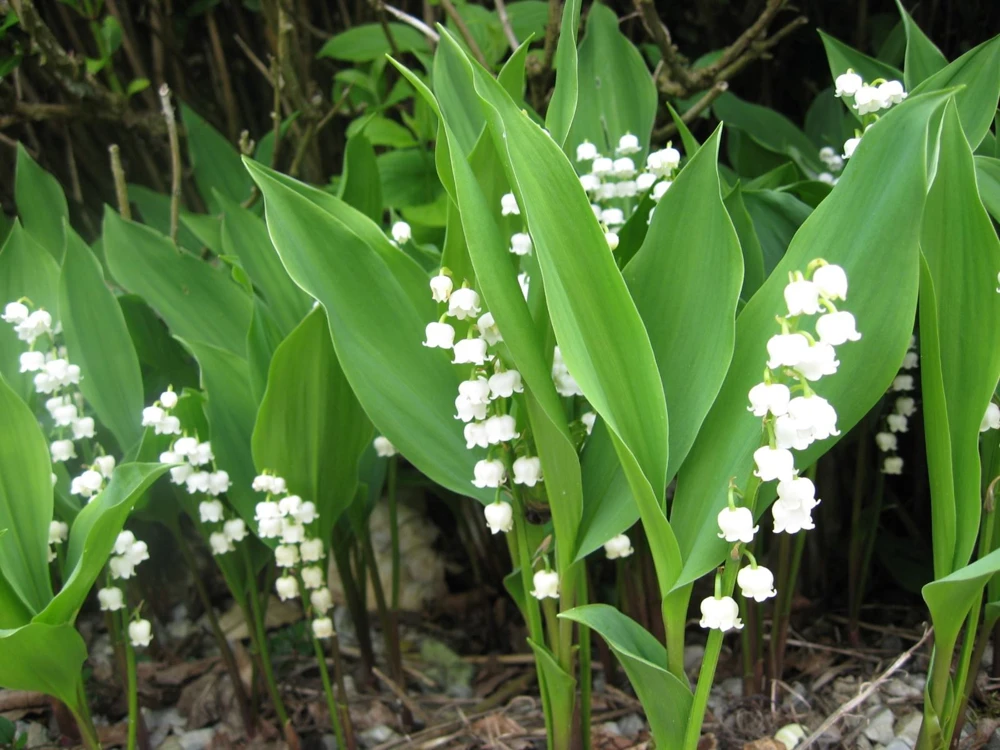
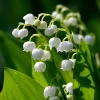
Introduce timeless elegance and captivating fragrance to your garden with our premium lily of the valley bare roots. Each pack contains 5 healthy bare roots of Convallaria majalis, commonly known as May Lily or May Bells. This beloved perennial is cherished for its delicate, pure white, bell-shaped flowers that dangle gracefully from slender stems, emitting a sweet, unforgettable perfume. Perfect for creating a serene and enchanting atmosphere, lily of the valley bare roots are a classic choice for shaded areas, woodland gardens, and underplanting trees and shrubs. They are incredibly resilient and will naturalize over time, forming a beautiful, low-maintenance groundcover that returns year after year with increasing vigor. The vibrant green foliage provides a lovely backdrop even when not in bloom.
Key Benefits
Planting lily of the valley bare roots offers a multitude of benefits for any garden enthusiast:
- Exquisite Fragrance: The most notable feature of Lily of the Valley is its intensely sweet and memorable perfume, which can fill an entire garden space, especially in late spring. This makes it a perfect addition near pathways or windows.
- Shade Loving Perennial: Thrives in shaded and partially shaded environments where many other flowering plants struggle. It’s an ideal solution for brightening up those darker corners of your garden with its pristine white blooms.
- Low Maintenance Groundcover: Once established, convallaria majalis plant requires minimal care. It spreads readily to form a dense carpet, suppressing weeds and providing year-round green foliage, making it an excellent choice for a naturalized look.
- Beautiful Cut Flowers: The delicate stems of May Bells make charming additions to small bouquets and floral arrangements, bringing their delightful scent indoors.
- Early Spring Blooms: As one of the first plants to flower in spring, often coinciding with May, it offers a welcome burst of life and color after the winter months. These fragrant garden flowers are a true sign of spring’s arrival.
- Naturalizes Easily: These bare roots are designed to spread and create a larger patch over time, offering an expanding display without constant replanting. Enjoy a growing patch of may bells perennial beauty.
- Deer Resistant: Generally, deer tend to avoid Lily of the Valley, making it a good choice for gardens in areas with deer populations.
Plant Care & Growing Tips
Caring for your lily of the valley bare roots is straightforward, ensuring beautiful blooms with minimal effort. These plants prefer partial to full shade, especially in warmer climates. While they can tolerate some morning sun, direct afternoon sun can scorch their leaves. For best results, choose a location with dappled light or full shade, such as under deciduous trees or on the north side of a building. The ideal soil for convallaria majalis plant is rich, well-draining, and consistently moist. Amend heavy clay soils with compost or other organic matter to improve drainage and fertility. Sandy soils will benefit from added organic material to retain moisture.
Water regularly, especially during dry spells, to keep the soil evenly moist. However, avoid waterlogging, which can lead to root rot. Once established, Lily of the Valley is relatively drought-tolerant but will perform best with consistent moisture. Fertilize in early spring with a balanced, slow-release granular fertilizer or a layer of compost to encourage vigorous growth and abundant flowering. These plants are hardy in USDA zones 2-7. In colder zones, ensure adequate mulch for winter protection. While generally disease-resistant, watch out for common garden pests. The fragrant garden flowers are generally easy to care for, making them a gardener’s delight. Remember that all parts of the Lily of the Valley plant are poisonous if ingested.
Size & Details
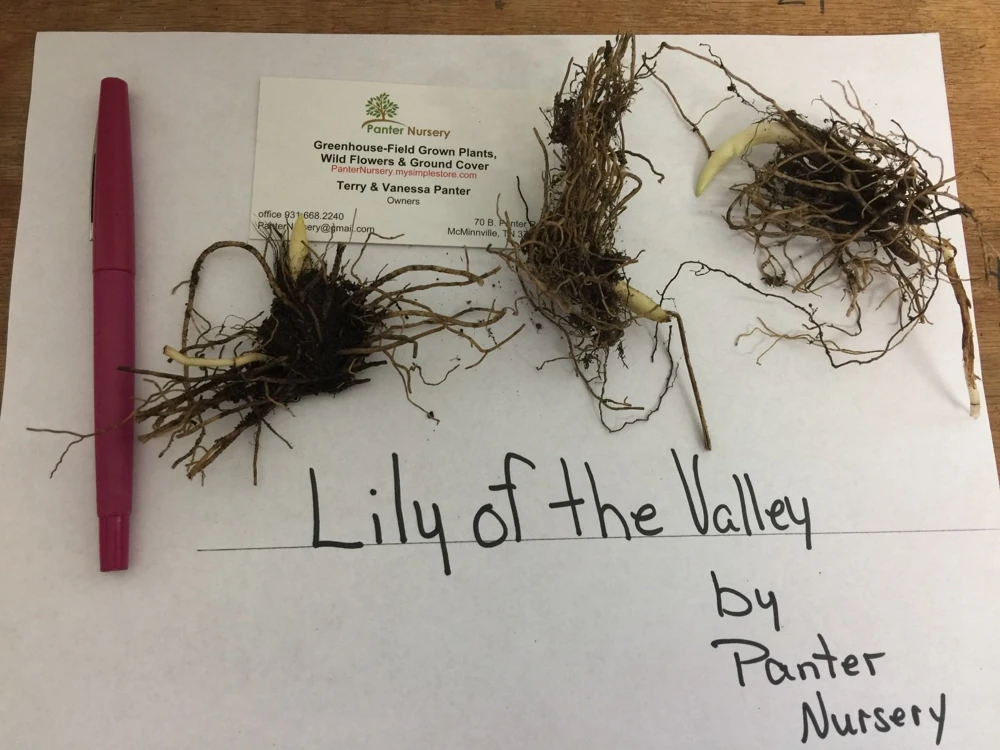
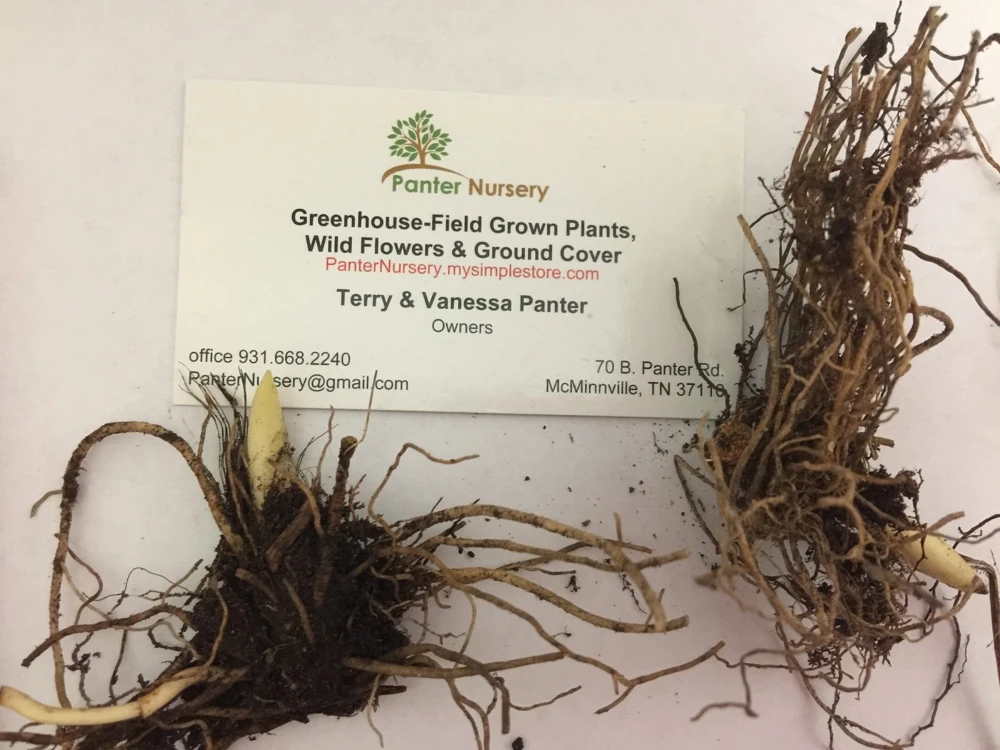
This offering includes 5 high-quality lily of the valley bare roots, ready for planting. Each bare root is a dormant rhizome, or “pip,” containing the energy reserves needed for robust growth. When planted, these pips will quickly establish themselves, sending up their characteristic green leaves and, in their first or second year, producing the charming bell-shaped flowers. Mature may bells perennial plants typically reach a height of 6-12 inches (15-30 cm) with a similar spread, forming a dense groundcover. They are fast growers and will spread to fill their allotted space over time. Expect blooms in late spring, typically April to May, depending on your local climate. These bare roots are an economical and effective way to establish a beautiful patch of Lily of the Valley in your garden.
Frequently Asked Questions
- Q: How big do these lily of the valley bare roots get? A: Once established, convallaria majalis plant typically grows 6-12 inches (15-30 cm) tall and spreads to form a dense mat. The bare roots themselves are small dormant pips, ready to grow.
- Q: Is this an indoor or outdoor plant? A: Lily of the Valley is primarily an outdoor perennial, best suited for garden beds, woodland areas, and borders. While it can be forced indoors for temporary display, it thrives outdoors.
- Q: How much sunlight does it need? A: This is a classic shade loving plants species. It performs best in partial to full shade. Avoid direct afternoon sun, which can scorch the leaves and reduce flowering.
- Q: Is this plant easy to care for? Is it good for beginners? A: Yes, Lily of the Valley is very easy to care for and is an excellent choice for beginner gardeners. Once planted in the right conditions, it requires minimal attention and spreads reliably.
- Q: What condition will the lily of the valley bare roots arrive in? A: The bare roots will arrive in a dormant state, carefully packaged to ensure freshness. They will look like small, root-like structures, ready for immediate planting.
- Q: When is the best time to plant these fragrant garden flowers? A: The best time to plant lily of the valley bare roots is in early spring or fall when the soil is workable and temperatures are mild.
- Q: Will it survive winter in my zone? A: Yes, Lily of the Valley is exceptionally cold hardy and thrives in USDA Zones 2-7. It will go dormant in winter and re-emerge in spring.
- Q: How long until it blooms? A: While some bare roots may produce a few flowers in their first spring, a more robust display of may bells perennial blooms can generally be expected in the second year after planting, once the plant is well-established.
- Q: What type of soil does it prefer? A: It prefers rich, well-draining soil that is consistently moist. Amending with organic matter like compost is highly beneficial.
- Q: Are these plants deer resistant? A: Yes, Lily of the Valley is generally considered deer resistant, making it a good choice for gardens where deer browse.
Be the first to review “Lily of the Valley Bare Roots – 5 Pack – Fragrant May Bells Outdoor Plant”
You must be logged in to post a review.
People also Viewed
Sold 50 products
$32.38
Sold 50 products
$27.38
Sold 50 products
$32.38
Sold 50 products
$19.88
Sold 50 products
$62.38
Sold 50 products
$24.88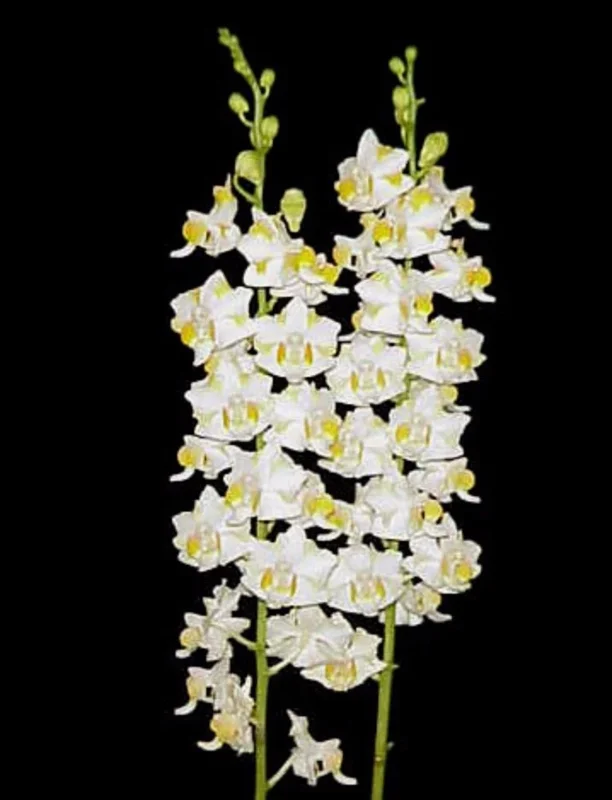
Houseplants
Phalaenopsis pulcherrima ‘Mauna Kea Snow’ Orchid Live Plant – White Flowers, Potted 2.5 in
Sold 50 products
$49.88
Sold 50 products
$49.88RELATED posts
Awapuhi Wild Ginger Plant: Zones, Care, and Propagation
Learn which USDA zones suit awapuhi wild ginger, plus sunlight, water, planting, propagation, pests, size, [...]
Awapuhi Shampoo Ginger – Care, Growing Zones, and Differences
Learn how to grow awapuhi (shampoo) ginger, its USDA zones, watering schedule, propagation tips, and [...]
Awapuhi Shampoo Plant Buying Guide – Choose the Right Zingiber zerumbet
META: Learn which awapuhi (shampoo ginger) plant or rhizome pack gives the best natural shampoo, [...]
Awapuhi Plant for Sale: Complete Buying Guide
Find the right awapuhi (shampoo ginger) plant, size, price, soil mix, and online source. Practical [...]
Shampoo Ginger Plant for Sale – Buying Guide & Tips
Find the right shampoo ginger plant, size, price, and care tips. Quick guide for U.S. [...]
Shampoo Ginger Plant (Awapuhi) Care Guide
Learn how to grow, care for, and use shampoo ginger (Zingiber zerumbet), the tropical awapuhi [...]
How to Grow Cuban Oregano Plants: A Complete Care Guide
If you’ve ever wanted a plant that combines the culinary punch of traditional oregano with [...]
Aug
How to Grow Habanero Pepper Plants: A Step-by-Step Guide
Habanero pepper plants are prized for their vibrant colors, intense heat, and exceptional flavor, making [...]
Aug
Reviews
There are no reviews yet.