
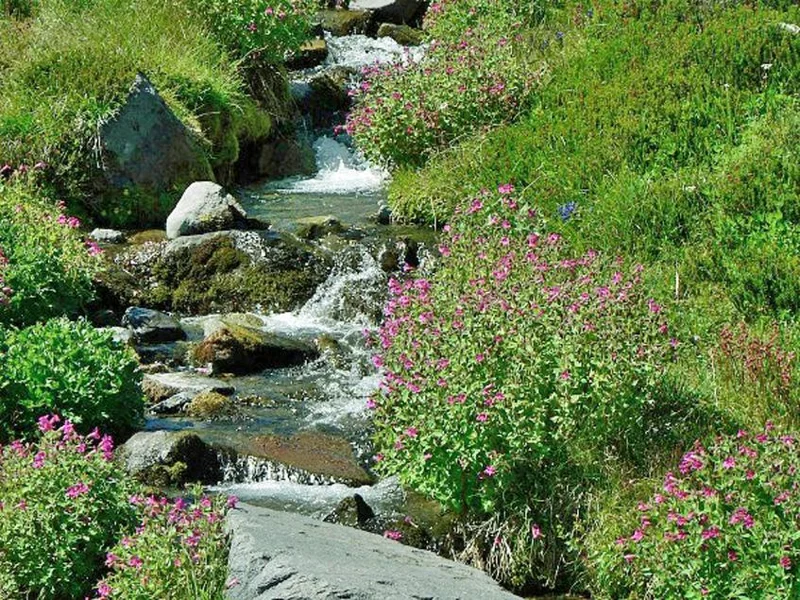
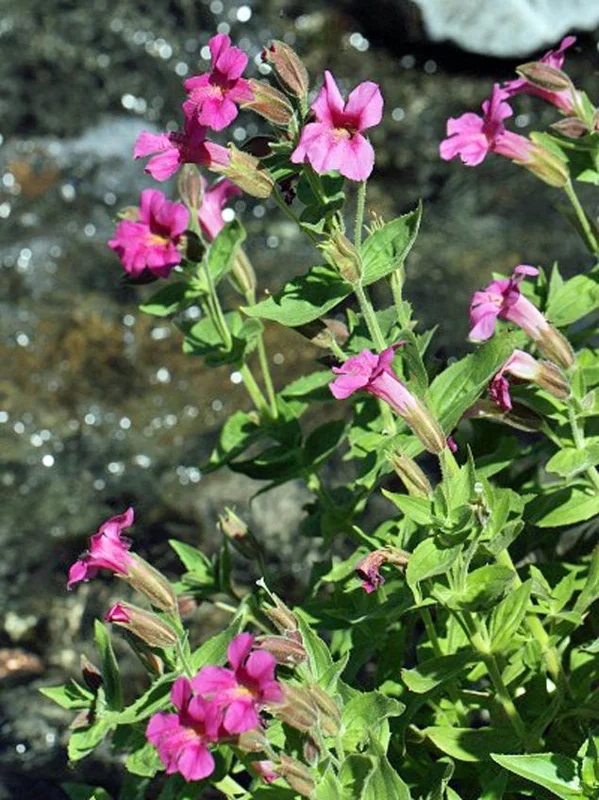
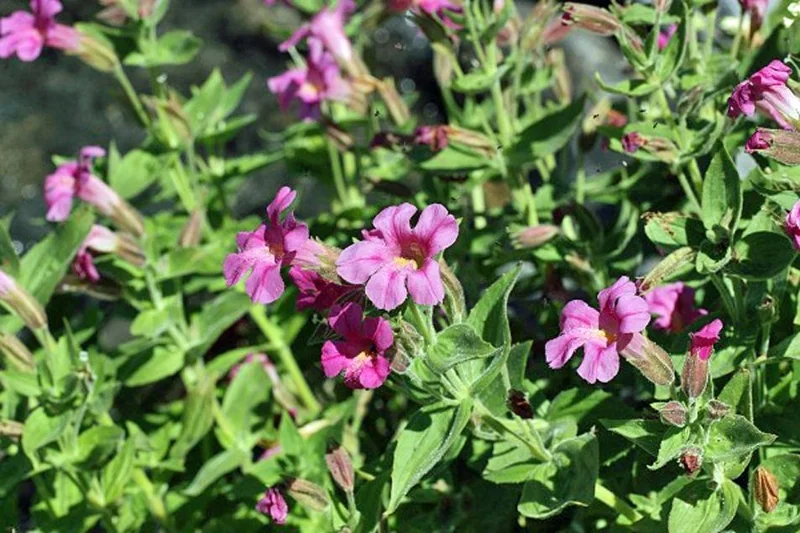
Lewis’s Monkeyflower Seeds – Erythranthe lewisii Wildflower – 50 Seeds Outdoor
Original price was: $25.00.$17.50Current price is: $17.50.
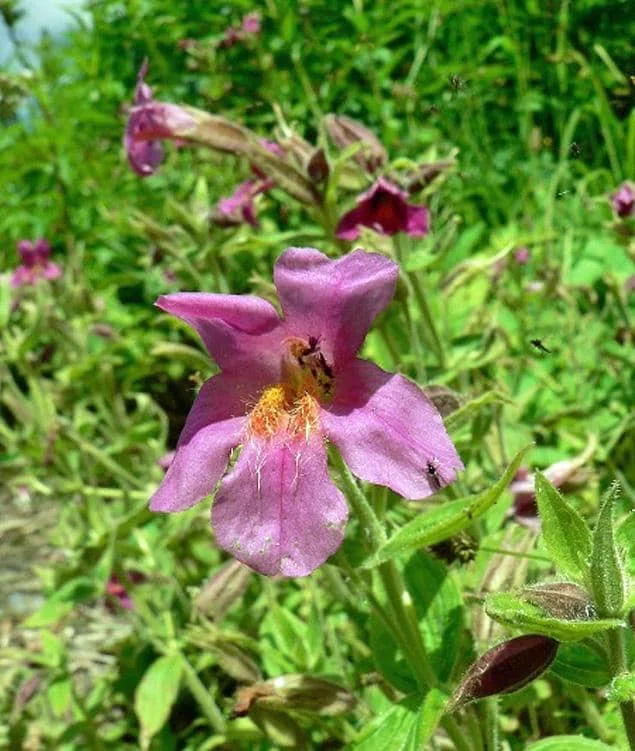
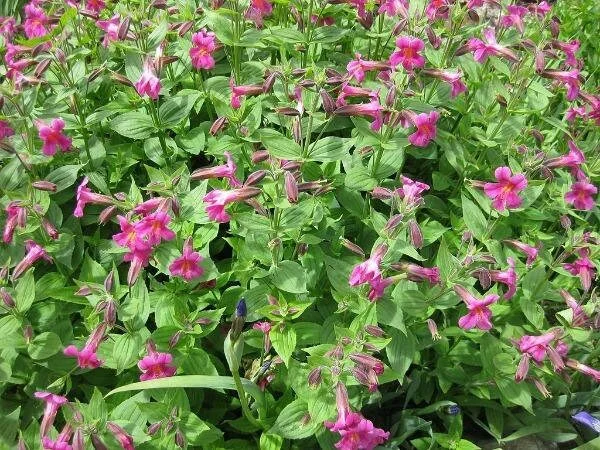
Cultivate stunning Lewis’s Monkeyflower seeds (Erythranthe lewisii) and bring a touch of native beauty to your garden. This captivating perennial wildflower produces intricate pink to magenta blooms, thriving in various outdoor habitats. Each packet contains 50 seeds, perfect for attracting bees and hummingbirds.
Shipping and Return policies:
We stand behind our plants with our Alive & Thrive Guarantee. If you experience any issues within the first 30 days, please email us, and our team will be happy to help. When needed, we’ll send you a one-time replacement free of charge to make sure your garden keeps growing strong.

Reasonable Price
We offer reasonable price

Support 24/7
Contact us 24 hrs a day
100% Money Back
You’ve 30 days to Return
Payment Secure
100% secure payment
Overview
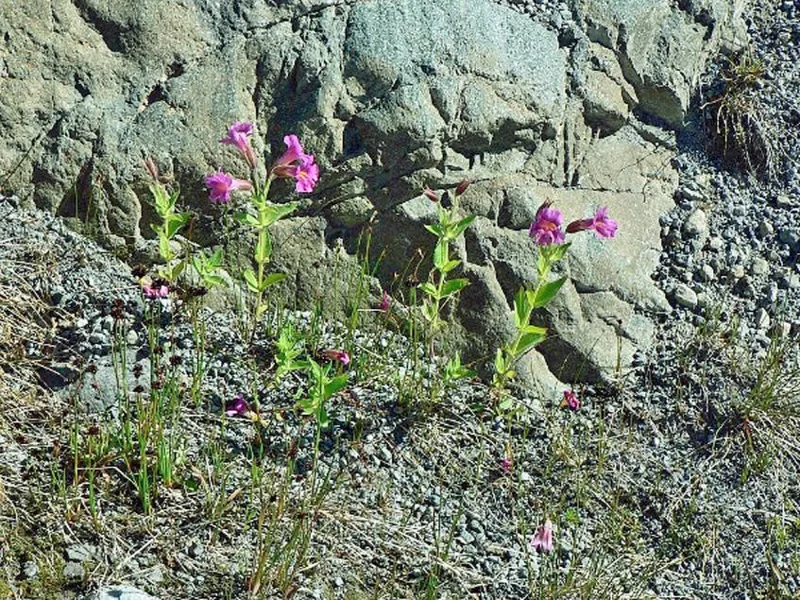
Embark on a delightful gardening journey with Lewis’s Monkeyflower seeds, scientifically known as Erythranthe lewisii. This offering provides 50 seeds of a captivating perennial wildflower native to the diverse landscapes of western North America. Formerly recognized as Mimulus lewisii, Lewis’s Monkeyflower is celebrated for its exquisite tubular-shaped blossoms, which display a stunning spectrum of colors, typically ranging from delicate pale pinks to rich, deep magentas. These vibrant blooms emerge during the spring and summer months, transforming garden spaces into picturesque havens. As a testament to the diversity and resilience of native flora, Erythranthe lewisii thrives in various habitats, including wetlands, streambanks, and rocky areas, showcasing remarkable adaptability. Growing Lewis’s Monkeyflower seeds contributes to local ecosystems by attracting vital pollinators like bees and hummingbirds, making it an excellent choice for naturalized gardens, pollinator gardens, or simply adding a splash of enduring color to your landscape.
These Erythranthe lewisii seeds offer a unique opportunity to cultivate a hardy and versatile plant that harmonizes with both moist and arid conditions. Its ecological versatility makes it a valuable addition to diverse garden designs, from rain gardens to drier rockeries. Each packet contains 50 seeds, providing ample opportunity to establish a beautiful colony of these charming wildflowers. Prepare to be enchanted by the intricate beauty and ecological benefits of this remarkable native perennial.
Key Benefits
Planting Lewis’s Monkeyflower seeds offers a multitude of advantages for your garden and local ecosystem. This beautiful perennial is not only visually appealing but also contributes significantly to biodiversity.
- Vibrant Floral Display: Enjoy a prolonged blooming season from spring through summer, featuring intricate, tubular flowers in shades of pale pink to deep magenta. These captivating blooms add dynamic color and texture to any garden space, enhancing its aesthetic appeal.
- Attracts Pollinators: The blossoms of Erythranthe lewisii seeds are a magnet for essential pollinators such as bees and hummingbirds. By planting these seeds, you actively support local wildlife and contribute to the health of your garden’s ecosystem, fostering a lively and thriving environment.
- Native and Adaptable: As a native wildflower of western North America, Lewis’s Monkeyflower is exceptionally adaptable. It thrives in a variety of conditions, from moist streambanks to rocky areas, making it a robust choice for diverse garden settings and demonstrating excellent resilience.
- Low Maintenance Perennial: Once established, this perennial wildflower seeds plant requires minimal care, making it an ideal choice for gardeners seeking beauty without extensive effort. Its natural hardiness ensures it returns year after year with stunning displays.
- Ecological Versatility: The plant’s ability to coexist with both moisture and arid conditions highlights its ecological versatility. This makes Lewis’s Monkeyflower seeds suitable for various landscape designs, including rain gardens, woodland edges, and even drier, well-drained areas.
- Supports Biodiversity: By integrating native plants like Erythranthe lewisii into your garden, you help create a supportive habitat for native insects and birds, contributing to overall biodiversity and ecological balance.
- Naturalized Garden Appeal: Perfect for creating naturalized areas, meadows, or cottage gardens, these seeds allow you to cultivate a charming, informal look that blends seamlessly with the surrounding landscape.
Plant Care & Growing Tips
Successful cultivation of Lewis’s Monkeyflower seeds requires attention to specific conditions to ensure robust growth and abundant blooms. Begin by selecting an appropriate planting site that offers the right balance of sunlight and moisture. These plants thrive in full to partial sunlight, meaning they need at least 4-6 hours of direct sunlight per day, or bright, indirect light for the remainder. While adaptable, they prefer consistently moist, well-draining soil. Mimicking their native streambank habitats, ensure the soil doesn’t dry out completely, especially during establishment and peak blooming periods. Regular watering is crucial, particularly in drier climates or during extended dry spells.
For optimal germination of Erythranthe lewisii seeds, prepare a well-draining seed-starting mix, such as a combination of peat moss and perlite. Sow the 50 seeds on the surface of the soil, pressing them lightly without covering them, as they require light to germinate. Mist the surface to maintain moisture and ensure good seed-to-soil contact. Keep the soil consistently moist by misting regularly, avoiding waterlogging. Place seed trays in a bright location with indirect sunlight, maintaining a temperature range of 15-20°C (59-68°F). Germination typically occurs within 1-4 weeks. Once seedlings develop true leaves, transplant them carefully into larger pots or directly into the garden. The plant is hardy in USDA Zones 4-7, indicating its tolerance to a range of winter temperatures. Fertilization can be minimal; a balanced slow-release fertilizer applied in spring can encourage vigorous growth. Monitor for common garden pests, though Lewis’s Monkeyflower is generally quite resilient. Proper monkeyflower plant care ensures a thriving and beautiful display.
Size & Details
Each packet contains 50 seeds of Lewis’s Monkeyflower seeds (Erythranthe lewisii), providing a generous quantity for establishing a vibrant patch of these beautiful perennials. Once mature, Lewis’s Monkeyflower typically grows to a height of 1-3 feet (30-90 cm) and spreads similarly, forming attractive clumps. The plant exhibits a moderate growth rate, with blooms appearing in the first year if sown early, or in the second year when grown from seed. The intricate flowers, ranging from pale pink to deep magenta, are approximately 1-2 inches (2.5-5 cm) in diameter. These seeds allow you to cultivate a robust and resilient plant that contributes significantly to garden aesthetics and ecological health. The plants will arrive as dried seeds, ready for your planting efforts. Expect a charming display of blooms from late spring through summer, offering continuous beauty and pollinator attraction.
Frequently Asked Questions
- Q: How big does this plant get? A: Lewis’s Monkeyflower typically grows to a height of 1-3 feet (30-90 cm) and has a similar spread, forming attractive, bushy clumps. Its size makes it suitable for various garden settings, from borders to naturalized areas.
- Q: Is this an indoor or outdoor plant? A: Lewis’s Monkeyflower seeds are intended for outdoor cultivation. It is a perennial wildflower native to western North America and thrives in garden beds, along streambanks, or in other naturalized outdoor environments.
- Q: How much sunlight does it need? A: This plant prefers full to partial sunlight, meaning it needs at least 4-6 hours of direct sunlight daily to produce its best blooms. It can tolerate some afternoon shade, especially in hotter climates.
- Q: Is this plant easy to care for? A: Once established, Lewis’s Monkeyflower is relatively easy to care for, making it a good choice for gardeners of varying experience levels. Its adaptability and natural resilience contribute to its low-maintenance nature, especially when you follow proper monkeyflower plant care guidelines.
- Q: What condition will the seeds arrive in? A: The product consists of 50 seeds, which will arrive dried and packaged for optimal viability. They are ready for you to sow according to the provided germination instructions.
- Q: How long until it blooms? A: When grown from Erythranthe lewisii seeds, plants can potentially bloom in their first year if sown early in the season. More commonly, they establish robustly in the first year and produce a spectacular bloom display in their second year and beyond.
- Q: Will it survive winter in my zone? A: Lewis’s Monkeyflower is hardy in USDA Zones 4-7, meaning it can tolerate winter temperatures within these zones and will return as a perennial year after year. For zones outside this range, it may be grown as an annual or require winter protection.
- Q: What is the best time to plant these seeds? A: The ideal time to sow Lewis’s Monkeyflower seeds is in late winter or early spring for indoor starting, or directly outdoors after the last frost. This timing allows for establishment before the peak summer heat.
- Q: What kind of soil does this wildflower prefer? A: While adaptable, Lewis’s Monkeyflower prefers consistently moist, well-draining soil. It can thrive in a variety of soil types, including loamy or sandy soils, as long as good drainage is provided.
- Q: Are these native pollinator seeds? A: Yes, Lewis’s Monkeyflower seeds are an excellent choice for supporting native pollinators. The vibrant flowers are known to attract bees, hummingbirds, and other beneficial insects, contributing to local ecosystem health.
Be the first to review “Lewis’s Monkeyflower Seeds – Erythranthe lewisii Wildflower – 50 Seeds Outdoor”
You must be logged in to post a review.
People also Viewed
Sold 50 products
Original price was: $109.95.$79.98Current price is: $79.98.
Sold 50 products
Original price was: $25.00.$17.50Current price is: $17.50.
Flower Seeds
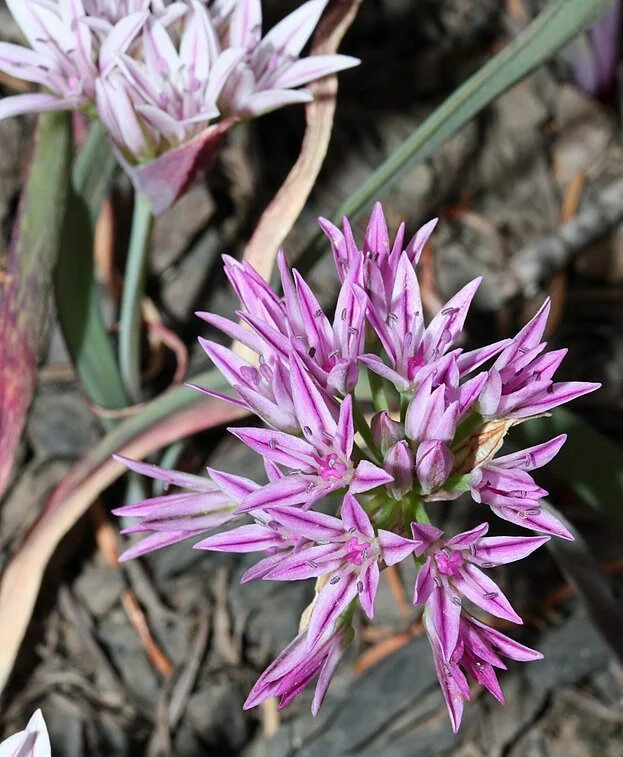
Olympic Onion Seeds – Allium crenulatum Flower Seeds – 10 Seed Pack – Outdoor Native Plant
Sold 50 products
Original price was: $25.00.$17.50Current price is: $17.50.
Sold 50 products
Original price was: $25.00.$17.50Current price is: $17.50.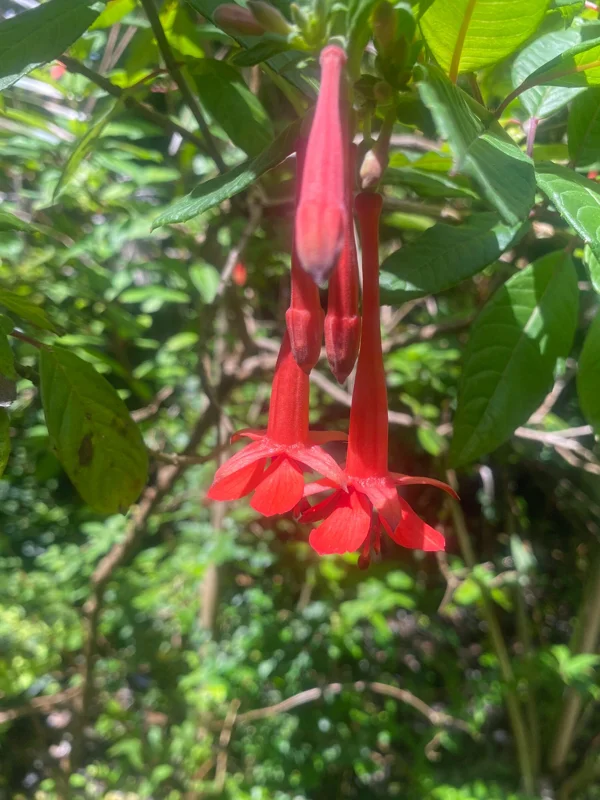
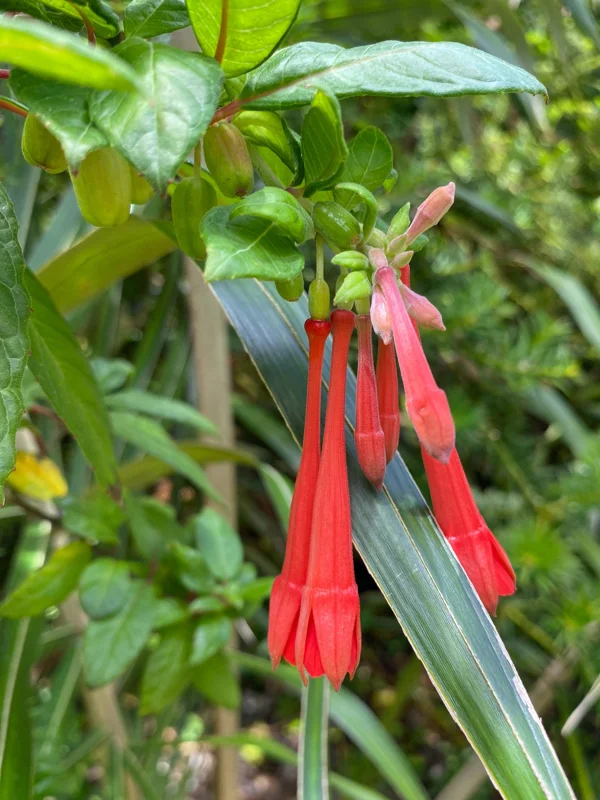
Flower Seeds
Fuchsia vulcanica Seeds – 20 Pack – Vibrant Orange Coral Flowers for Garden & Containers
Sold 50 products
Original price was: $25.00.$17.50Current price is: $17.50.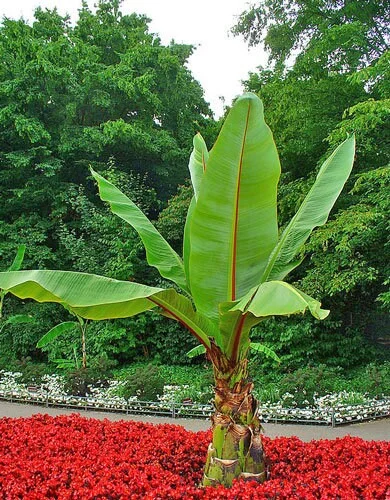
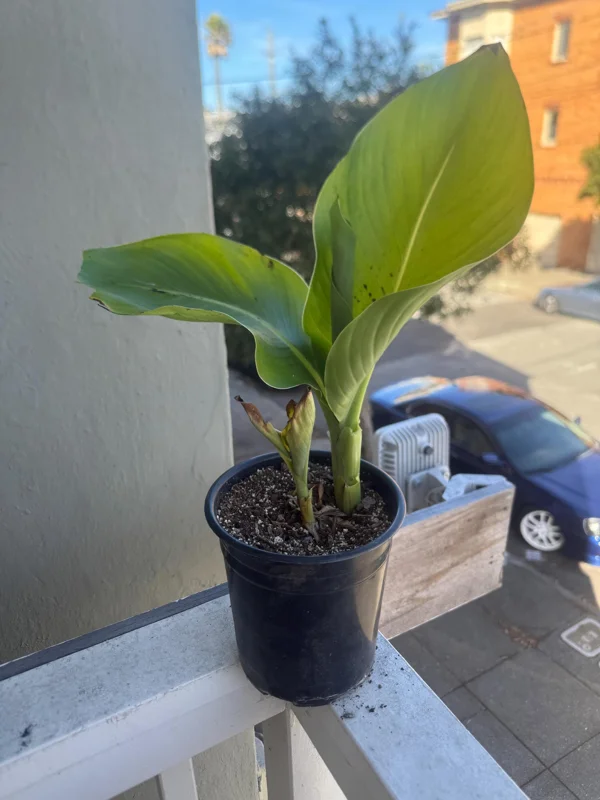
Sold 50 products
Original price was: $116.98.$95.68Current price is: $95.68.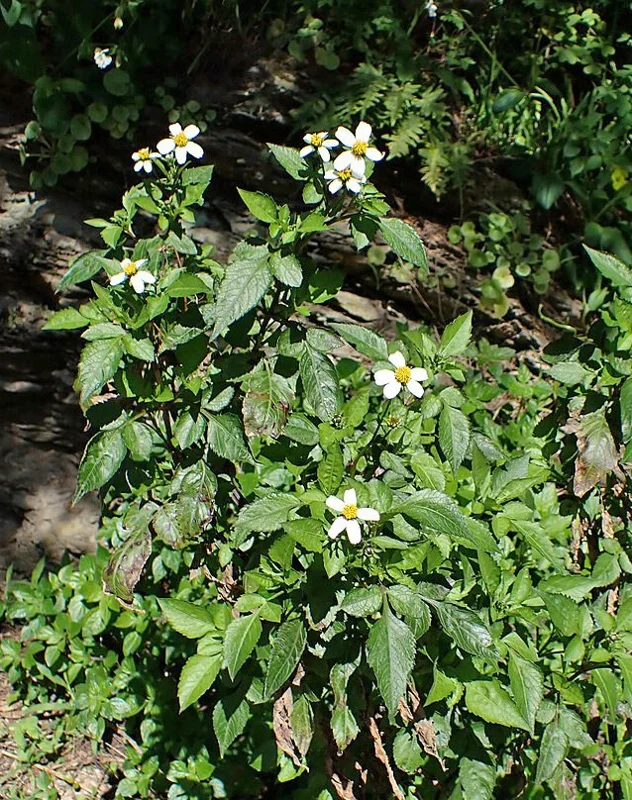
Sold 50 products
Original price was: $21.00.$14.10Current price is: $14.10.
Aquatic Plant Seeds
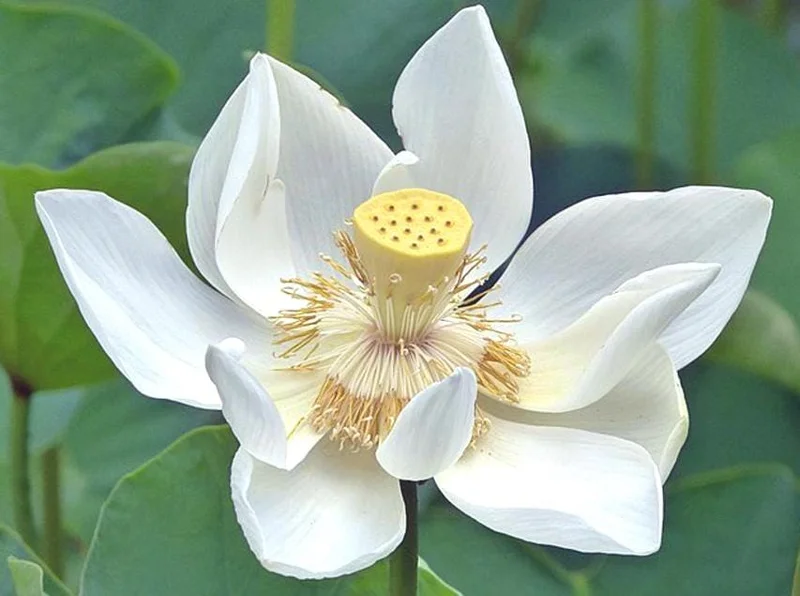
White Lotus Seeds – Nelumbo Nucifera Aquatic Pond Plant – 5 Seeds for Water Garden
Sold 50 products
Original price was: $29.00.$20.90Current price is: $20.90.RELATED posts
Awapuhi Wild Ginger Plant: Zones, Care, and Propagation
Learn which USDA zones suit awapuhi wild ginger, plus sunlight, water, planting, propagation, pests, size, [...]
Awapuhi Shampoo Ginger – Care, Growing Zones, and Differences
Learn how to grow awapuhi (shampoo) ginger, its USDA zones, watering schedule, propagation tips, and [...]
Awapuhi Shampoo Plant Buying Guide – Choose the Right Zingiber zerumbet
META: Learn which awapuhi (shampoo ginger) plant or rhizome pack gives the best natural shampoo, [...]
Awapuhi Plant for Sale: Complete Buying Guide
Find the right awapuhi (shampoo ginger) plant, size, price, soil mix, and online source. Practical [...]
Shampoo Ginger Plant for Sale – Buying Guide & Tips
Find the right shampoo ginger plant, size, price, and care tips. Quick guide for U.S. [...]
Shampoo Ginger Plant (Awapuhi) Care Guide
Learn how to grow, care for, and use shampoo ginger (Zingiber zerumbet), the tropical awapuhi [...]
How to Grow Cuban Oregano Plants: A Complete Care Guide
If you’ve ever wanted a plant that combines the culinary punch of traditional oregano with [...]
Aug
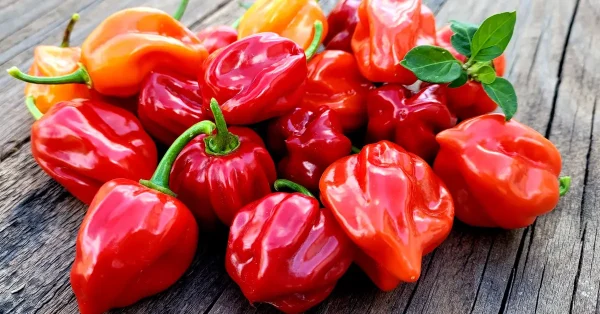
How to Grow Habanero Pepper Plants: A Step-by-Step Guide
Habanero pepper plants are prized for their vibrant colors, intense heat, and exceptional flavor, making [...]
Aug
Reviews
There are no reviews yet.