
Lewisia Rediviva Bitterroot Seeds – Rare Wildflower Seeds for Rock Gardens 5 Count Outdoor
Original price was: $25.00.$17.50Current price is: $17.50.
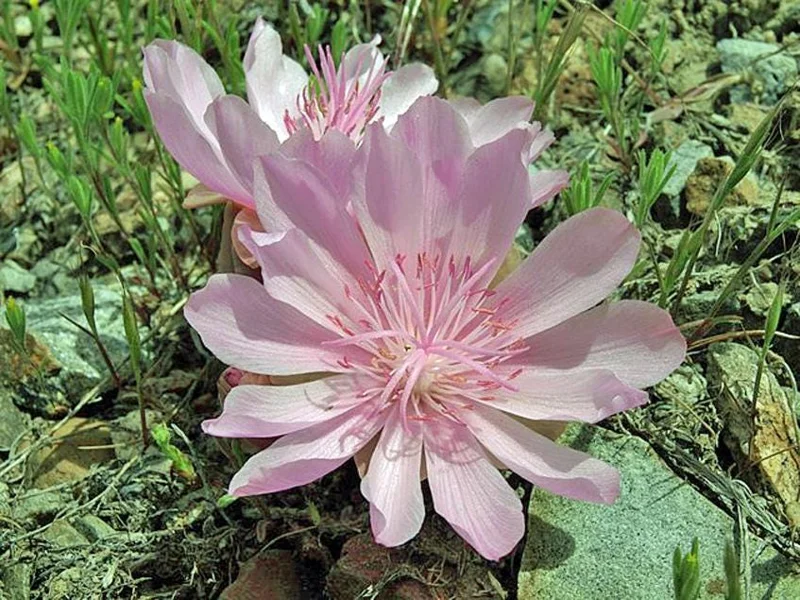
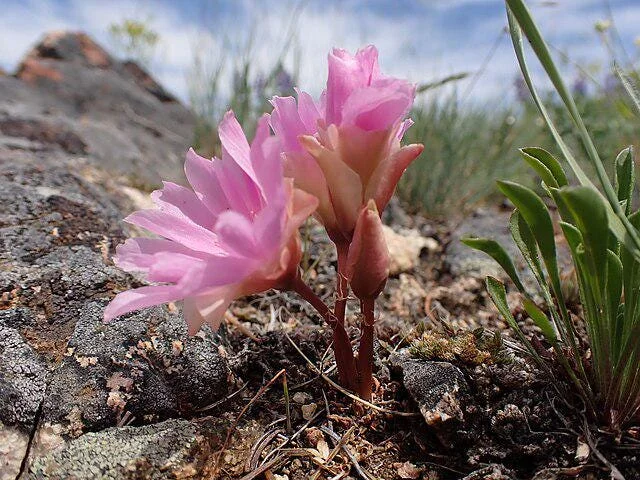
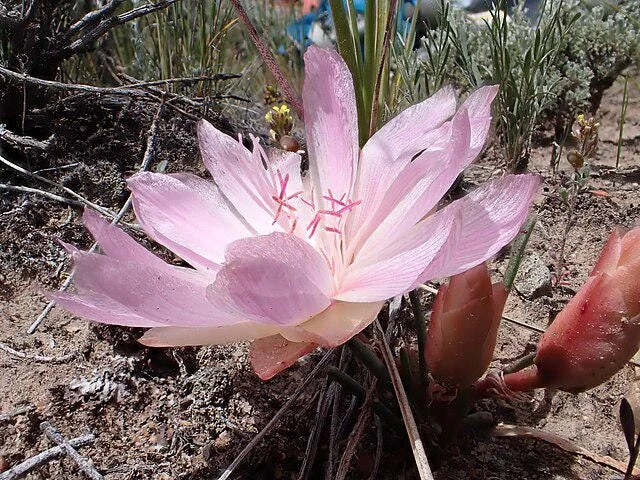
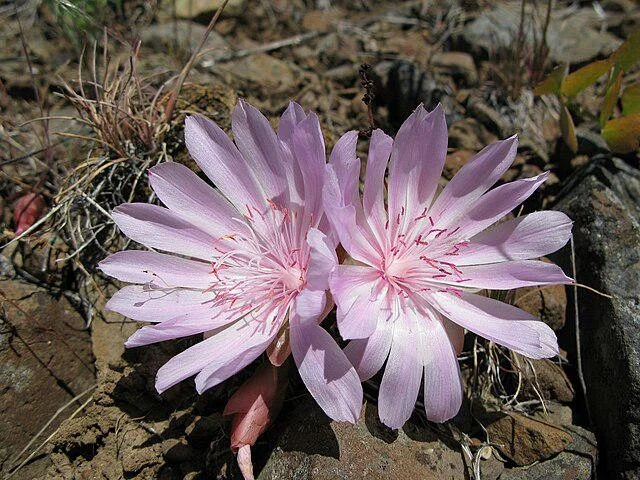
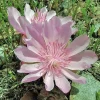
Cultivate the stunning Lewisia Rediviva Bitterroot seeds, a unique North American wildflower. These rare seeds produce beautiful cup-shaped flowers in shades of pink to rose, ideal for rock gardens and xeriscaping. Known for its drought tolerance and resilience, bitterroot adds natural beauty to arid landscapes. Each packet contains 5 high-quality seeds.
Shipping and Return policies:
We stand behind our plants with our Alive & Thrive Guarantee. If you experience any issues within the first 30 days, please email us, and our team will be happy to help. When needed, we’ll send you a one-time replacement free of charge to make sure your garden keeps growing strong.

Reasonable Price
We offer reasonable price

Support 24/7
Contact us 24 hrs a day
100% Money Back
You’ve 30 days to Return
Payment Secure
100% secure payment
Overview
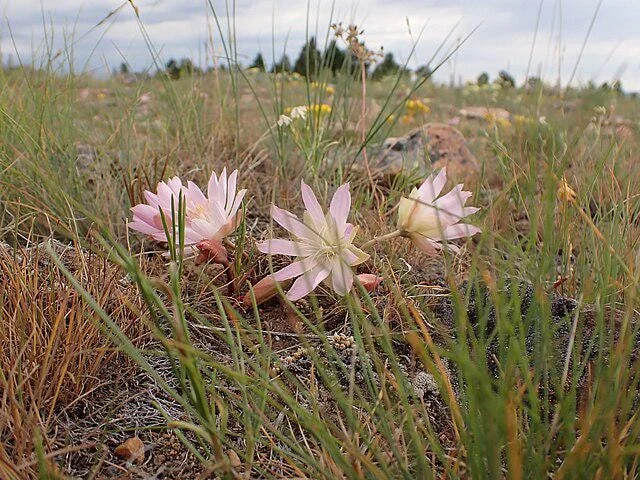
Embark on a rewarding gardening journey with Lewisia Rediviva Bitterroot seeds. Commonly known as Bitterroot, this exquisite wildflower is native to western North America and is celebrated for its remarkable beauty and resilience. Our offering includes 5 high-quality seeds, allowing you to cultivate this rare and historically significant plant in your own garden. Lewisia rediviva is a low-growing, perennial herbaceous plant renowned for its stunning cup-shaped flowers, which emerge in a captivating array of colors from pale pink to deep rose, sometimes even white. Its ability to thrive in arid, rocky habitats makes it a perfect choice for gardeners seeking drought-tolerant and low-maintenance options.
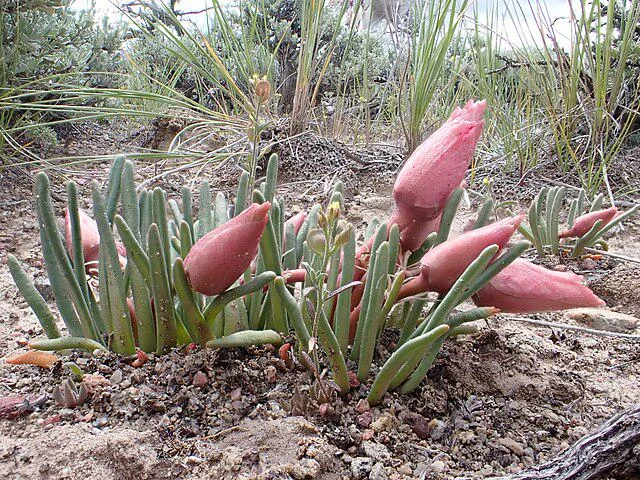
The bitterroot wildflower seeds are an excellent addition to rock gardens, native plant landscapes, and xeriscaping projects. Its unique growth habit, with fleshy leaves forming a basal rosette that often withers before the vibrant blooms appear, creates a striking visual contrast. The plant’s thick, fleshy taproot is a testament to its survival capabilities, allowing it to endure prolonged dry spells. Beyond its ornamental value, Lewisia rediviva holds deep cultural importance, especially among Native American tribes who traditionally utilized its edible roots. Growing this plant from seed offers a profound connection to nature’s enduring beauty and history.
Key Benefits
Growing Lewisia Rediviva Bitterroot seeds provides a multitude of benefits for both your garden and the environment. These unique plants are not only visually appealing but also incredibly hardy and beneficial. Here are some of the key advantages of cultivating bitterroot:
- Stunning Floral Display: Enjoy a breathtaking show of cup-shaped flowers, ranging from delicate pale pink to vibrant deep rose. These starburst-like blooms add exceptional beauty to any garden space, particularly in spring or early summer.
- Exceptional Drought Tolerance: Perfect for xeriscaping, Lewisia rediviva is highly adapted to arid conditions. Its robust taproot allows it to thrive with minimal watering, making it an eco-friendly choice for water-wise gardens.
- Ideal for Rock Gardens: Its low-growing habit and preference for well-drained, gritty soils make it an outstanding candidate for rock gardens, alpine gardens, and difficult-to-plant dry slopes.
- Low Maintenance: Once established, these plants require very little ongoing care, making them suitable for busy gardeners or those new to cultivating wildflowers.
- Cultural Significance: Connect with history by growing a plant deeply valued by Native American tribes for its edible roots, adding a layer of historical and cultural richness to your garden.
- Attracts Pollinators: While not explicitly stated, wildflowers often attract beneficial pollinators, contributing to local biodiversity and ecosystem health.
- Unique Growth Habit: The distinctive characteristic of its leaves withering before flowering adds an intriguing element to its lifecycle, captivating observers.
Plant Care & Growing Tips
Successfully growing Lewisia Rediviva Bitterroot seeds requires mimicking its natural habitat conditions. This hardy perennial thrives in specific environments, making proper care crucial for optimal growth and flowering. The first step in successful cultivation is understanding Lewisia rediviva germination, which involves cold stratification to break dormancy. Place the rare bitterroot seeds in a moist medium like sand or peat moss and refrigerate at 34–41°F (1–5°C) for 4–6 weeks. This simulates winter conditions and prepares the seeds for sprouting.
After stratification, sow the seeds on the surface of a well-drained, gritty substrate. A mix of coarse sand, perlite, and a small amount of potting soil is ideal. Lightly press the seeds into the soil without covering them, as they require light for germination. Keep the soil consistently moist but never waterlogged. Place the container in a bright, cool location with temperatures around 50–59°F (10–15°C). Germination can be slow, sometimes taking several weeks to months. Once seedlings have developed a few true leaves, they can be carefully transplanted. For outdoor planting, choose a site with full sun to partial shade. The plant is incredibly drought-tolerant once established, so avoid overwatering to prevent root rot. These plants are hardy in USDA Zones 3-9, making them suitable for a wide range of climates. Fertilization is generally not heavily required; a light, balanced fertilizer can be applied sparingly if the soil is very poor. The most common problem is overwatering, so err on the side of underwatering rather than overwatering.
Size & Details
This product includes 5 Lewisia Rediviva Bitterroot seeds, ready for planting. Once germinated and established, the grow bitterroot plants typically form a low-growing rosette of fleshy, narrow leaves, usually reaching a height of 2-4 inches before flowering. The stunning cup-shaped flowers are borne on short stems and can elevate the plant’s overall height to about 4-6 inches during bloom time. The plant’s spread is generally compact, around 4-8 inches wide, making it an excellent choice for confined spaces like rock crevices or small garden beds.
These seeds will develop into mature plants over several months, with blooms typically appearing in spring or early summer, often after seasonal rains. The seeds are small and black, reflecting the plant’s natural propagation. Each seed holds the potential to grow into a resilient and beautiful perennial wildflower, contributing to a vibrant and water-wise garden. The plant ships as a packet of seeds, allowing you the satisfaction of nurturing it from the very beginning.
Frequently Asked Questions
- Q: How big does this plant get? A: Once mature, Lewisia Rediviva typically forms a low-growing rosette of leaves, about 2-4 inches tall, with flowers extending up to 4-6 inches above the foliage. Its spread is generally compact, around 4-8 inches wide.
- Q: Is this an indoor or outdoor plant? A: Lewisia Rediviva Bitterroot seeds are primarily for growing outdoor plants. They thrive in outdoor rock gardens, arid landscapes, and native plant settings, especially in USDA Zones 3-9. While germination can start indoors, the mature plant prefers outdoor conditions.
- Q: How much sunlight does it need? A: Bitterroot prefers full sun to partial shade. In hotter climates, some afternoon shade can be beneficial to protect the flowers.
- Q: Is this plant easy to care for? A: Once established, grow bitterroot plants are relatively low-maintenance due to their drought tolerance and adaptability to harsh conditions. The main challenge is successful germination, which requires cold stratification.
- Q: What condition will the seeds arrive in? A: You will receive 5 high-quality, dry seeds in a protective packet, ready for stratification and planting.
- Q: How long until it blooms? A: After successful germination and establishment, bitterroot typically blooms in the spring or early summer of its second year. Patience is key when growing from bitterroot wildflower seeds.
- Q: What’s the best time to plant these seeds? A: After cold stratification (4-6 weeks in a refrigerator), the best time to sow the seeds is in early spring, mimicking their natural emergence after winter.
- Q: Will it survive winter in my zone? A: Yes, Lewisia rediviva is hardy in USDA Zones 3-9, meaning it can tolerate cold winter temperatures and will return year after year in these regions.
- Q: What kind of soil does Lewisia rediviva prefer? A: It thrives in very well-drained, gritty, sandy, or gravelly soils. Excellent drainage is crucial to prevent root rot.
- Q: Can I grow Lewisia rediviva in a container? A: Yes, you can grow Lewisia Rediviva Bitterroot seeds in containers, provided the pot has excellent drainage and the soil mix is very gritty, similar to its natural habitat.
Be the first to review “Lewisia Rediviva Bitterroot Seeds – Rare Wildflower Seeds for Rock Gardens 5 Count Outdoor”
You must be logged in to post a review.
People also Viewed
Sold 50 products
Original price was: $109.95.$79.98Current price is: $79.98.
Sold 50 products
Original price was: $25.00.$17.50Current price is: $17.50.
Flower Seeds
Olympic Onion Seeds – Allium crenulatum Flower Seeds – 10 Seed Pack – Outdoor Native Plant
Sold 50 products
Original price was: $25.00.$17.50Current price is: $17.50.
Sold 50 products
Original price was: $25.00.$17.50Current price is: $17.50.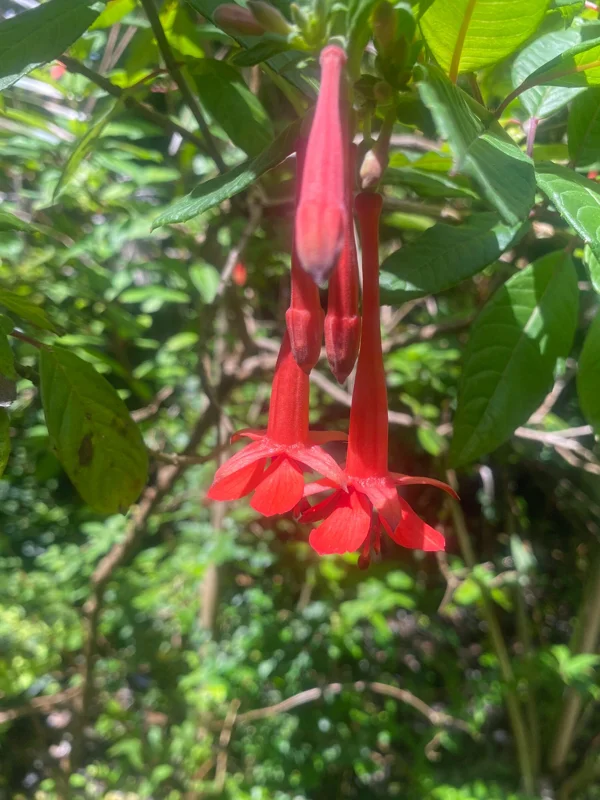
Flower Seeds
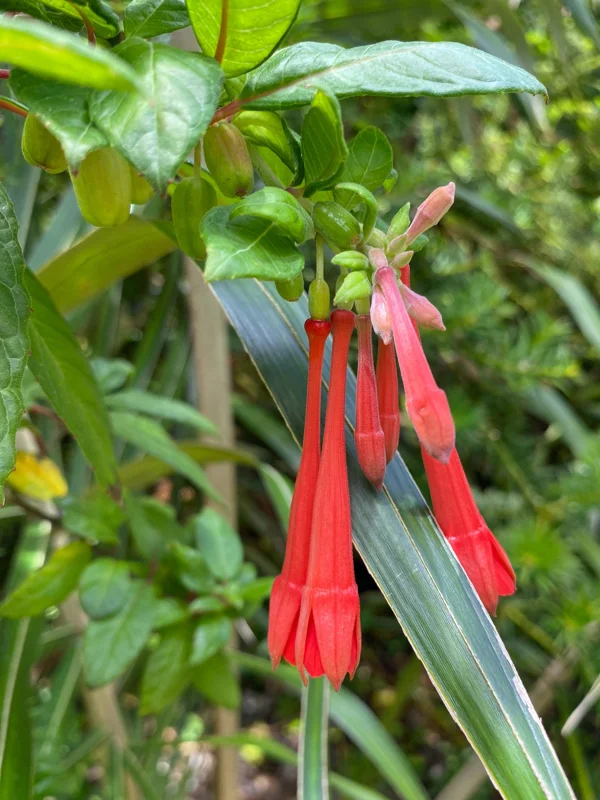
Fuchsia vulcanica Seeds – 20 Pack – Vibrant Orange Coral Flowers for Garden & Containers
Sold 50 products
Original price was: $25.00.$17.50Current price is: $17.50.
Sold 50 products
Original price was: $116.98.$95.68Current price is: $95.68.
Sold 50 products
Original price was: $21.00.$14.10Current price is: $14.10.
Aquatic Plant Seeds
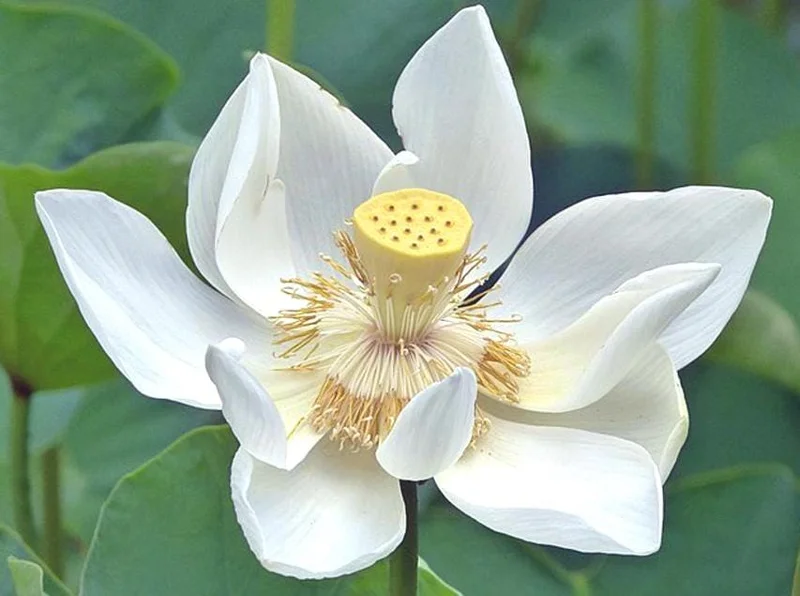
White Lotus Seeds – Nelumbo Nucifera Aquatic Pond Plant – 5 Seeds for Water Garden
Sold 50 products
Original price was: $29.00.$20.90Current price is: $20.90.RELATED posts
Awapuhi Wild Ginger Plant: Zones, Care, and Propagation
Learn which USDA zones suit awapuhi wild ginger, plus sunlight, water, planting, propagation, pests, size, [...]
Awapuhi Shampoo Ginger – Care, Growing Zones, and Differences
Learn how to grow awapuhi (shampoo) ginger, its USDA zones, watering schedule, propagation tips, and [...]
Awapuhi Shampoo Plant Buying Guide – Choose the Right Zingiber zerumbet
META: Learn which awapuhi (shampoo ginger) plant or rhizome pack gives the best natural shampoo, [...]
Awapuhi Plant for Sale: Complete Buying Guide
Find the right awapuhi (shampoo ginger) plant, size, price, soil mix, and online source. Practical [...]
Shampoo Ginger Plant for Sale – Buying Guide & Tips
Find the right shampoo ginger plant, size, price, and care tips. Quick guide for U.S. [...]
Shampoo Ginger Plant (Awapuhi) Care Guide
Learn how to grow, care for, and use shampoo ginger (Zingiber zerumbet), the tropical awapuhi [...]
How to Grow Cuban Oregano Plants: A Complete Care Guide
If you’ve ever wanted a plant that combines the culinary punch of traditional oregano with [...]
Aug
How to Grow Habanero Pepper Plants: A Step-by-Step Guide
Habanero pepper plants are prized for their vibrant colors, intense heat, and exceptional flavor, making [...]
Aug
Reviews
There are no reviews yet.