
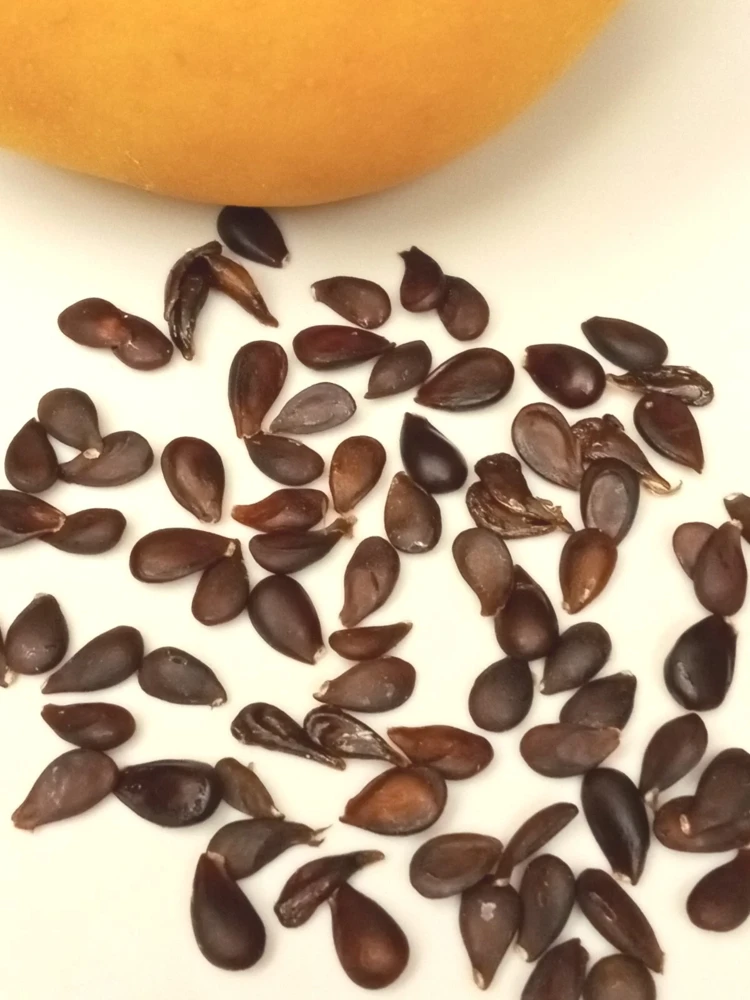
Korean Butterscotch Pear Seeds – 10 Pyrus Pyrifolia Fruit Tree Seeds – Outdoor
$14.98
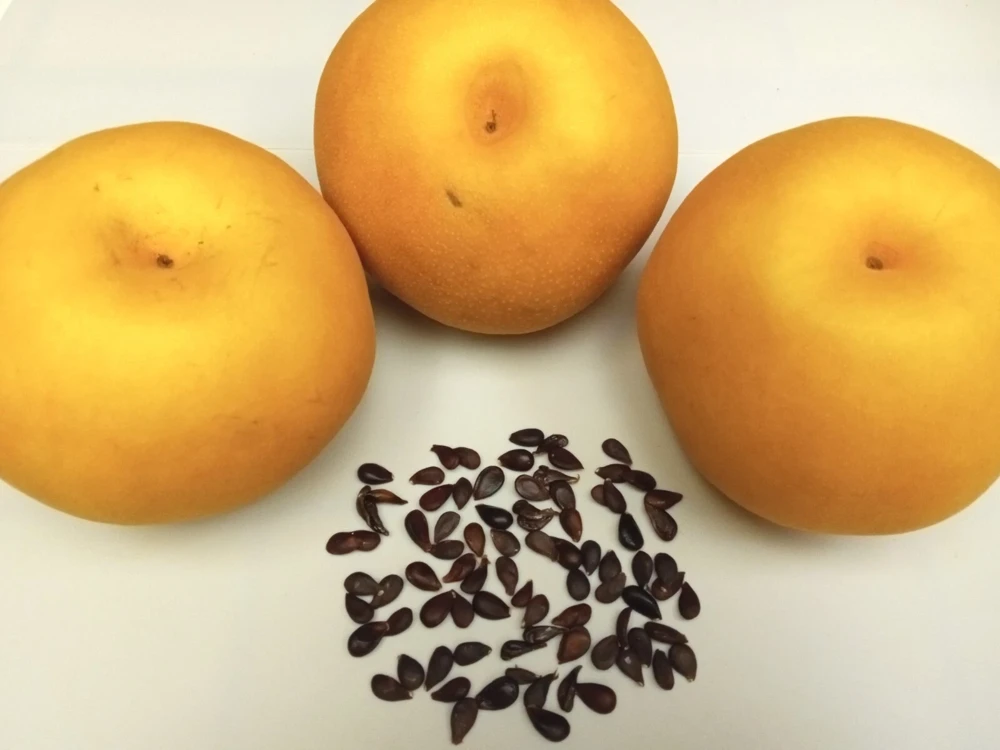
Cultivate your own delightful Korean Butterscotch Pear seeds with this pack of 10 Pyrus Pyrifolia seeds. These high-quality seeds are ideal for starting your own outdoor fruit tree, promising a rewarding harvest of delicious, edible pears.
Shipping and Return policies:
We stand behind our plants with our Alive & Thrive Guarantee. If you experience any issues within the first 30 days, please email us, and our team will be happy to help. When needed, we’ll send you a one-time replacement free of charge to make sure your garden keeps growing strong.

Reasonable Price
We offer reasonable price

Support 24/7
Contact us 24 hrs a day
100% Money Back
You’ve 30 days to Return
Payment Secure
100% secure payment
Overview
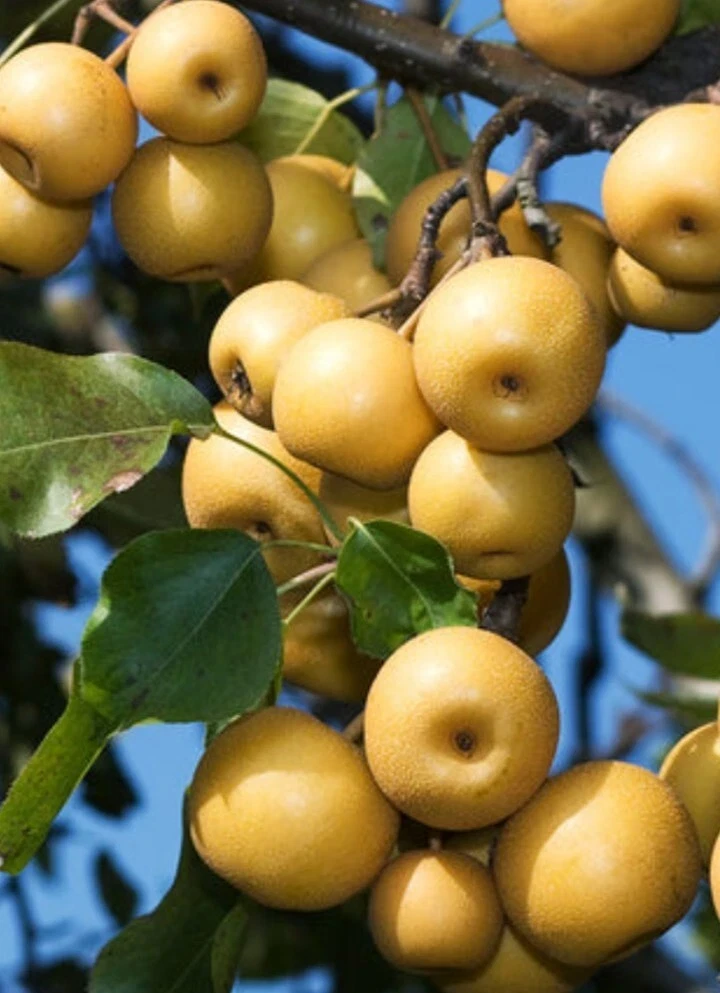
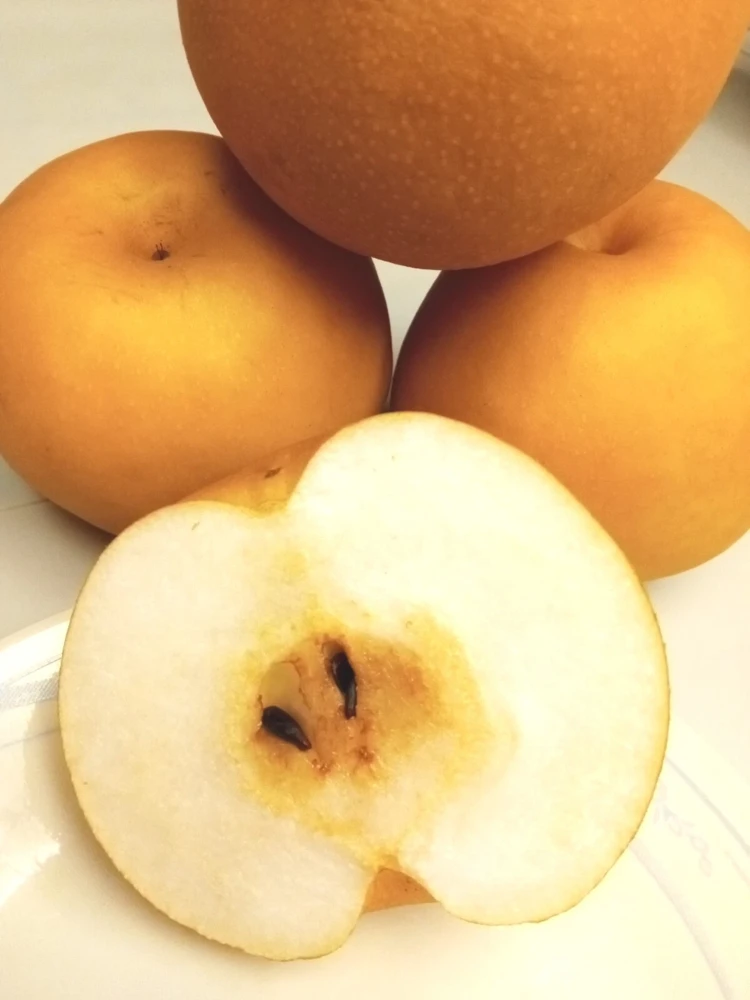
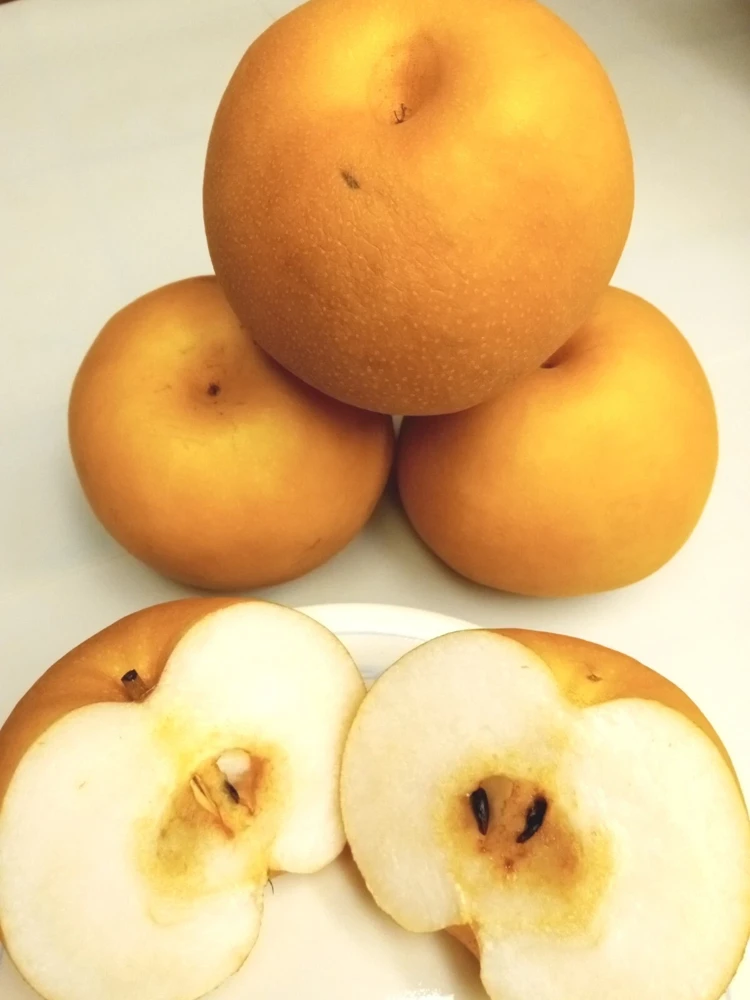
Embark on a fruitful gardening journey with these premium Korean Butterscotch Pear seeds. Each pack contains 10 Pyrus Pyrifolia seeds, offering you the opportunity to grow your own unique and delicious fruit trees. Originating from the Pyrus genus, these seeds will mature into deciduous trees known for their sweet and juicy pears with a distinctive butterscotch flavor. Ideal for home gardeners and enthusiasts alike, these seeds provide a sustainable way to enjoy fresh, homegrown fruit. Cultivating a Korean Butterscotch Pear tree from seed is a rewarding experience, connecting you directly to the source of your food.
The Pyrus Pyrifolia seeds are sourced from the United States, ensuring quality and viability for your gardening projects. These seeds are a fantastic choice for anyone looking to expand their orchard or simply add a unique fruit to their garden. The resulting trees are known for their robust growth and ability to produce abundant harvests, making them a valuable addition to any landscape. Prepare to enjoy the satisfaction of harvesting your very own pears, perfect for fresh eating, desserts, or preserves.
Key Benefits
Growing Korean Butterscotch Pear seeds offers a multitude of benefits, from the joy of cultivation to the delicious rewards. These fruit trees are an excellent investment for any garden, providing both aesthetic appeal and a bountiful harvest.
- Delicious Fruit Production: Enjoy the unique, sweet, and juicy flavor of Korean Butterscotch Pears. These pears are perfect for fresh eating, baking, or making preserves, offering a versatile culinary experience.
- Sustainable Gardening: Growing fruit from seed is an eco-friendly way to enjoy fresh produce, reducing your carbon footprint and connecting you with nature.
- Beautiful Deciduous Tree: The Pyrus Pyrifolia tree is not only productive but also adds ornamental value to your garden with its seasonal foliage changes and attractive form.
- Long-Term Investment: As a perennial plant, these fruit trees will provide harvests for many years, becoming a lasting feature in your landscape.
- Outdoor Adaptability: These seeds are specifically for outdoor cultivation, thriving in full sun conditions and adapting well to various garden settings.
- Edible Landscape: Integrate an edible component into your garden design with these productive fruit trees, enhancing both the beauty and utility of your outdoor space.
- Rewarding Experience: The process of nurturing a tree from a small seed to a fruit-bearing plant is incredibly satisfying and educational, making it a great project for all ages.
Plant Care & Growing Tips
Successful cultivation of Korean Butterscotch Pear seeds requires attention to specific environmental conditions. These seeds are designed for outdoor growth and need a full sun exposure to flourish. Ensure your chosen planting site receives at least 6-8 hours of direct sunlight daily. Well-draining soil is crucial for pear trees; a loamy, slightly acidic to neutral soil (pH 6.0-7.0) is ideal. Avoid heavy clay soils that retain too much water, as this can lead to root rot. Incorporating organic matter, such as compost, can improve soil structure and fertility.
Once germinated, consistent watering is important, especially during the tree’s establishment phase and dry periods. However, avoid overwatering, as pear trees prefer consistently moist but not waterlogged soil. Deep watering that encourages root growth is more beneficial than frequent shallow watering. Fertilization can begin after the seedlings are well-established, typically in their second year. Use a balanced fertilizer specifically formulated for fruit trees in early spring. Pruning is essential for shaping the tree, promoting air circulation, and enhancing fruit production. Regular pruning helps maintain a strong structure and allows for better light penetration, leading to healthier fruit. Protect young trees from pests and diseases with appropriate organic or conventional treatments as needed to ensure a healthy Korean Butterscotch Pear tree.
The Pyrus Pyrifolia seeds will eventually grow into deciduous trees, meaning they will lose their leaves in the fall and enter dormancy. This natural cycle is important for fruit production. While specific USDA hardiness zones are not provided, pear trees generally thrive in temperate climates with a distinct winter chill period. Monitor your trees for any signs of stress, such as yellowing leaves or stunted growth, and adjust care accordingly. With proper care, your grow Korean Pear project will yield delicious results for years to come.
Size & Details
This package contains 10 Pyrus Pyrifolia seeds, ready for planting to cultivate your own Korean Butterscotch Pear tree. These seeds are the starting point for a perennial fruit tree that will mature over several years. While initial growth from seed will be slow, pear trees can eventually reach considerable heights, typically ranging from 15 to 25 feet tall with a similar spread, depending on pruning and growing conditions. The growth habit is generally clumping, forming a sturdy and attractive tree structure.
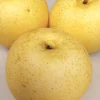
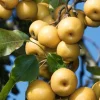
As deciduous trees, they will provide seasonal interest, with spring blooms giving way to developing fruit in summer and vibrant fall foliage. The fruit, known as Korean Butterscotch Pears, typically ripens in the fall. The color of the mature fruit can range from brown to green, indicative of its unique characteristics. These seeds offer the opportunity to establish a long-term fruit-bearing tree in your outdoor garden space, providing fresh, edible pears for many seasons.
Frequently Asked Questions
- Q: How big does a Korean Butterscotch Pear tree get? A: A mature Korean Butterscotch Pear tree can typically reach a height of 15-25 feet and a similar spread. Its ultimate size will depend on growing conditions, pruning, and whether it’s grown from a standard or dwarfing rootstock (though these are seeds, so expect standard growth).
- Q: Are these seeds for an indoor or outdoor plant? A: These Pyrus Pyrifolia seeds are specifically intended for outdoor cultivation. They require full sun exposure and suitable outdoor conditions to grow and fruit properly.
- Q: How much sunlight do these pear seeds need? A: To ensure optimal growth and fruit production, your future Korean Butterscotch Pear tree will need at least 6-8 hours of direct sunlight per day. Choose a sunny location in your garden.
- Q: Is growing a pear tree from seed difficult for beginners? A: Growing a fruit tree from seed can be a rewarding but patient process. It requires consistent care, proper stratification for germination, and several years for the tree to mature and bear fruit. It’s a great project for enthusiastic gardeners.
- Q: When is the best time to plant these fruit tree seeds? A: Generally, fruit tree seeds like these Korean Butterscotch Pear seeds are best planted in the fall or early spring after they have undergone a period of cold stratification, mimicking natural winter conditions.
- Q: What condition will the Korean Butterscotch Pear seeds arrive in? A: The seeds will arrive as dry, dormant seeds, ready for you to begin the stratification and planting process. They are not live plants or seedlings.
- Q: How long does it take for a Korean Butterscotch Pear tree to bear fruit from seed? A: It typically takes several years for a pear tree grown from seed to mature and begin producing fruit, usually between 5 to 10 years, as they need to go through a juvenile phase.
- Q: Can I grow these seeds in any climate? A: Korean Butterscotch Pear trees generally thrive in temperate climates with distinct seasons, including a cold winter period necessary for dormancy. They are typically suited for USDA zones where pears are commonly grown.
- Q: What kind of soil is best for growing Pyrus Pyrifolia? A: Well-draining, loamy soil with a slightly acidic to neutral pH (6.0-7.0) is ideal for growing Pyrus Pyrifolia seeds. Avoid heavy, waterlogged soils.
- Q: What are the pears used for once harvested? A: The Korean Butterscotch Pears are excellent for fresh eating due to their sweet and juicy flavor. They can also be used in various culinary applications like baking, canning, making preserves, or adding to salads.
Be the first to review “Korean Butterscotch Pear Seeds – 10 Pyrus Pyrifolia Fruit Tree Seeds – Outdoor”
You must be logged in to post a review.
People also Viewed
Sold 50 products
Original price was: $37.48.$23.98Current price is: $23.98.
Sold 50 products
$32.38
Sold 50 products
$27.38
Sold 50 products
$32.38
Sold 50 products
$19.88
Sold 50 products
$62.38
Sold 50 products
$24.88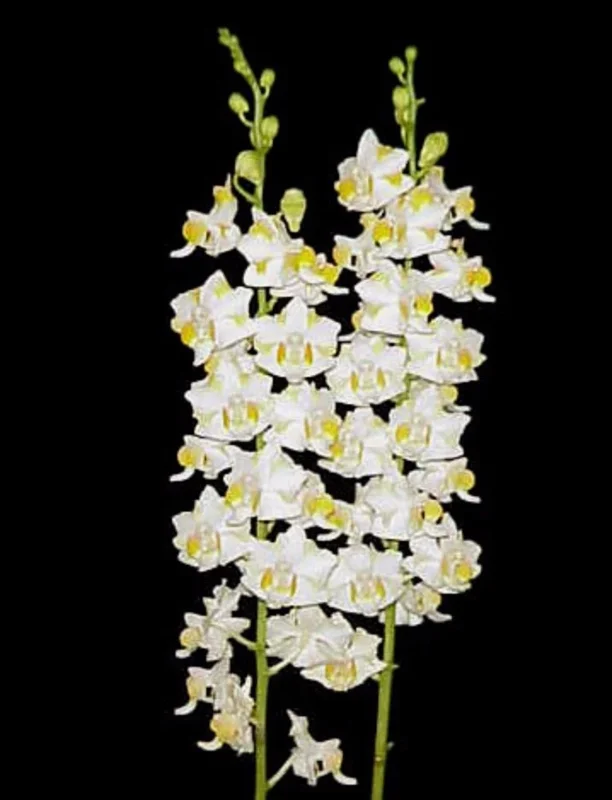
Houseplants
Phalaenopsis pulcherrima ‘Mauna Kea Snow’ Orchid Live Plant – White Flowers, Potted 2.5 in
Sold 50 products
$49.88RELATED posts
Awapuhi Wild Ginger Plant: Zones, Care, and Propagation
Learn which USDA zones suit awapuhi wild ginger, plus sunlight, water, planting, propagation, pests, size, [...]
Awapuhi Shampoo Ginger – Care, Growing Zones, and Differences
Learn how to grow awapuhi (shampoo) ginger, its USDA zones, watering schedule, propagation tips, and [...]
Awapuhi Shampoo Plant Buying Guide – Choose the Right Zingiber zerumbet
META: Learn which awapuhi (shampoo ginger) plant or rhizome pack gives the best natural shampoo, [...]
Awapuhi Plant for Sale: Complete Buying Guide
Find the right awapuhi (shampoo ginger) plant, size, price, soil mix, and online source. Practical [...]
Shampoo Ginger Plant for Sale – Buying Guide & Tips
Find the right shampoo ginger plant, size, price, and care tips. Quick guide for U.S. [...]
Shampoo Ginger Plant (Awapuhi) Care Guide
Learn how to grow, care for, and use shampoo ginger (Zingiber zerumbet), the tropical awapuhi [...]
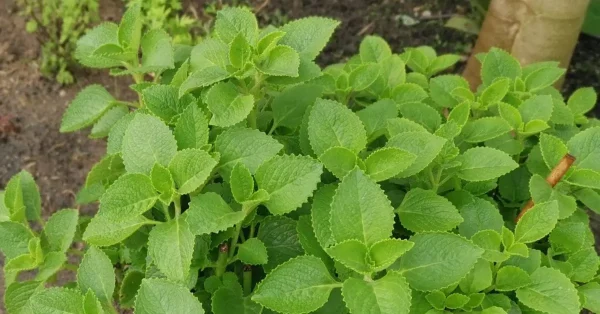
How to Grow Cuban Oregano Plants: A Complete Care Guide
If you’ve ever wanted a plant that combines the culinary punch of traditional oregano with [...]
Aug
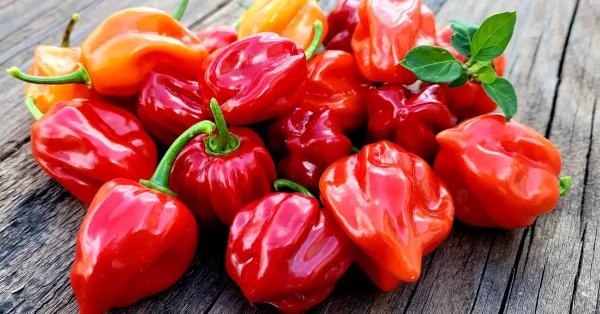
How to Grow Habanero Pepper Plants: A Step-by-Step Guide
Habanero pepper plants are prized for their vibrant colors, intense heat, and exceptional flavor, making [...]
Aug

Reviews
There are no reviews yet.