
Kolomikta Kiwi Seeds – Actinidia kolomikta – Arctic Kiwi Vine Seeds – 10 Pack – Edible Fruit
Original price was: $25.00.$17.50Current price is: $17.50.
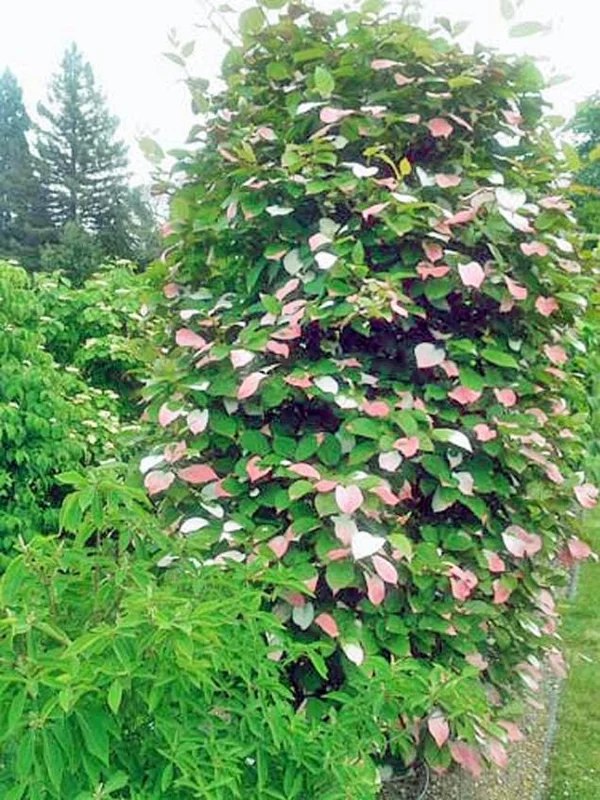
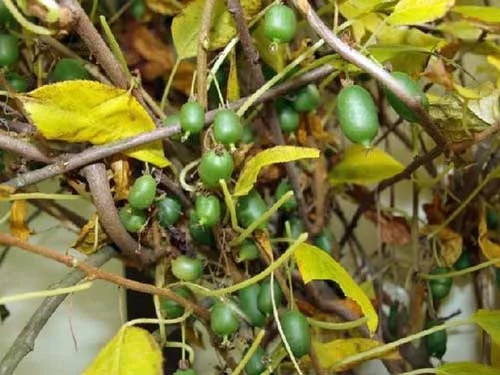
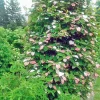
Cultivate the beautiful and productive Kolomikta Kiwi seeds. This deciduous vine, Actinidia kolomikta, is celebrated for its stunning pink, white, and green variegated foliage and delicious, smooth-skinned edible fruits. Ideal for covering arbors or trellises, adding both ornamental beauty and a tasty harvest to your garden.
Shipping and Return policies:
We stand behind our plants with our Alive & Thrive Guarantee. If you experience any issues within the first 30 days, please email us, and our team will be happy to help. When needed, we’ll send you a one-time replacement free of charge to make sure your garden keeps growing strong.

Reasonable Price
We offer reasonable price

Support 24/7
Contact us 24 hrs a day
100% Money Back
You’ve 30 days to Return
Payment Secure
100% secure payment
Overview
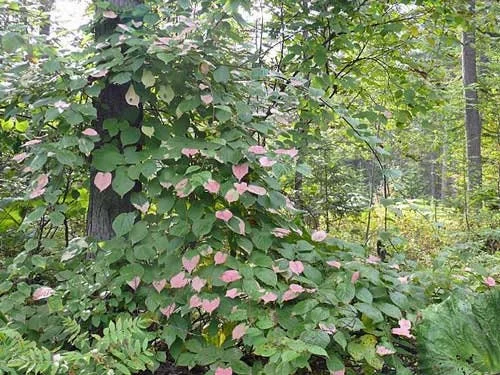
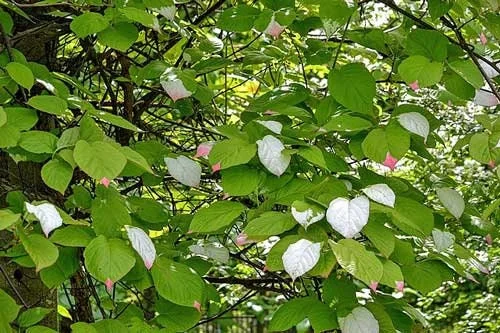
Embark on a rewarding gardening journey by growing kolomikta kiwi seeds from scratch. The Actinidia kolomikta, commonly known as Kolomikta Kiwi or Arctic Kiwi, is a truly remarkable deciduous vine that brings both ornamental beauty and delicious edible fruits to your landscape. Native to parts of eastern Asia, this vigorous climber is most prized for its striking foliage, which displays a vibrant variegation of pink, white, and green, especially prominent during spring and early summer. Imagine a lush vine transforming your garden with its captivating colors, then rewarding you with clusters of sweet-tart, miniature kiwifruits. Growing actinidia kolomikta seeds allows you to cultivate this unique plant, known for its rapid growth and ability to cover trellises, arbors, or pergolas, reaching impressive heights of up to 30 feet (9 meters).
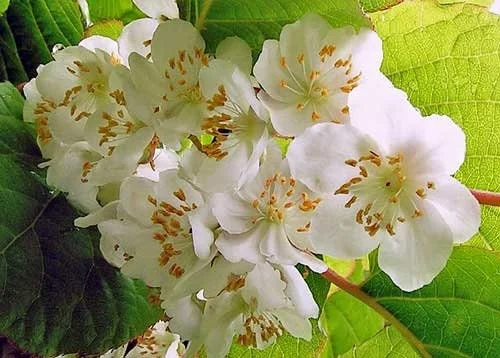
These arctic kiwi seeds will eventually yield plants that produce small, greenish-white flowers in spring, which then develop into flavorful, smooth-skinned fruits. Unlike the fuzzy common kiwifruit, these miniature versions offer a delightful sweet-tart taste without the need for peeling. The vine is dioecious, meaning you’ll need both male and female plants for fruit production, making the cultivation of kolomikta kiwi seeds an exciting project for any gardener looking to add a unique, fruiting ornamental to their outdoor space. It thrives in well-drained soil and enjoys a sunny to partially shaded location, making it a versatile choice for many garden settings in USDA Zones 4-9.
Key Benefits
Growing kolomikta kiwi seeds offers a multitude of benefits, transforming your garden into a vibrant and productive haven. From its aesthetic appeal to its delicious harvest, this vine is a fantastic addition.
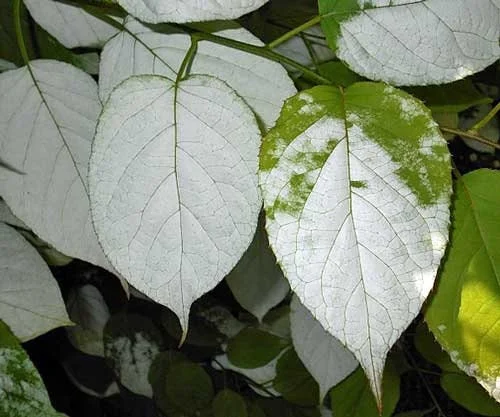
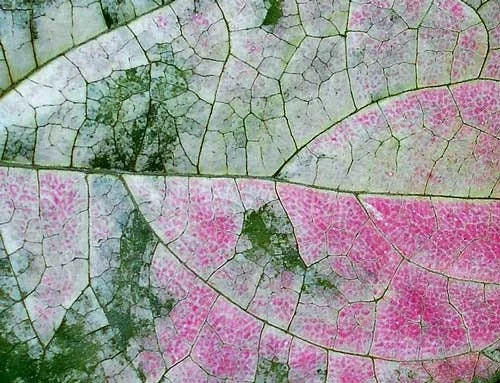
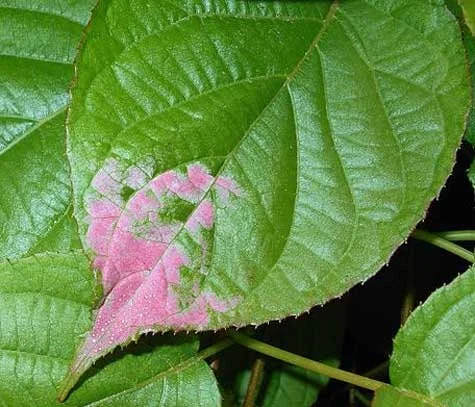
- Stunning Variegated Foliage: The most striking feature is the heart-shaped leaves that display beautiful patterns of pink, white, and green, creating a dynamic visual interest throughout the growing season. This makes the variegated kiwi vine a standout ornamental plant.
- Delicious Edible Fruits: Enjoy clusters of small, smooth-skinned fruits that resemble miniature kiwifruits. These offer a delightful sweet-tart flavor, perfect for fresh eating or culinary uses. Cultivating edible kiwi seeds ensures a fresh, homegrown harvest.
- Vigorous Climbing Habit: Ideal for covering structures like trellises, arbors, pergolas, and fences. The vine’s robust growth provides excellent coverage and a lush green canopy, enhancing garden architecture.
- Cold Hardy: The Actinidia kolomikta is remarkably cold-tolerant, thriving in USDA Zones 4-9, making it suitable for a wide range of climates where other kiwis might not survive.
- Attractive to Wildlife: While primarily grown for its beauty and fruit, the flowers can attract pollinators, contributing to garden biodiversity.
- Unique Garden Addition: Stand out from typical garden plants with this unusual and captivating vine, offering both a visual spectacle and a tasty yield.
- Easy to Grow from Seed: With proper stratification and care, these kolomikta kiwi seeds can be successfully germinated and grown into mature, fruiting vines.
Plant Care & Growing Tips
Successfully growing kolomikta kiwi seeds requires attention to specific conditions to ensure healthy growth and fruit production. Once germinated, the young plants will need consistent care to thrive. Stratification is crucial for these arctic kiwi seeds to break dormancy. Place seeds in a moist paper towel or sphagnum moss in a sealed plastic bag and refrigerate for 3-4 months. After stratification, sow seeds 1/2 inch deep in a well-draining seed starting mix, such as peat moss and perlite. Maintain consistent moisture, avoiding waterlogging, and keep temperatures around 70-75°F (21-24°C) in a warm location with indirect sunlight or partial shade. Germination typically occurs within 2-4 weeks, but can sometimes take longer. Transplant seedlings into larger pots or directly into the garden once they have several sets of true leaves.
For established plants, Actinidia kolomikta prefers a location with full sun to partial shade. While it can tolerate some shade, more sun generally leads to better variegation and fruit production. The soil should be well-drained, fertile, and slightly acidic to neutral (pH 6.0-7.0). Amend heavy clay soils with organic matter to improve drainage. Consistent watering is important, especially during dry spells and for young plants, but ensure the soil doesn’t remain waterlogged. Fertilize annually in early spring with a balanced, slow-release fertilizer. Pruning is essential to manage growth and encourage fruiting; prune in late winter when dormant to remove dead or crossing branches and shape the vine. Remember that kolomikta kiwi is dioecious, so you will need at least one male plant for every 5-8 female plants to ensure successful pollination and fruit set.
Size & Details
This product includes 10 Kolomikta Kiwi seeds, ready for stratification and planting. The Actinidia kolomikta vine is known for its vigorous growth, capable of reaching heights of 20-30 feet (6-9 meters) or more when provided with adequate support like a trellis or arbor. Its spread can be considerable, making it an excellent choice for creating a living canopy or screen. The fruits are typically small, about 1 inch (2.5 cm) in length, and mature in late summer to early fall, offering a delightful harvest. From planting the kolomikta kiwi seeds, it generally takes 3-5 years for the vines to mature and begin producing fruit, with full production achieved after 5-7 years. The seeds are packed to ensure viability and are ready for the stratification process upon arrival.
These arctic kiwi seeds offer the opportunity to grow a robust and beautiful vine that provides both striking ornamental value and delicious fruit. The plants are shipped as seeds, providing a cost-effective and rewarding way to establish this unique species in your garden. With proper care, these seeds will develop into healthy vines that can become a long-lasting feature in your landscape, offering beauty and bounty for many years.
Frequently Asked Questions
- Q: How big does the Kolomikta Kiwi vine get? A: The Kolomikta Kiwi is a vigorous climber that can reach impressive heights of 20-30 feet (6-9 meters) or more. It requires sturdy support like a trellis, arbor, or pergola to climb effectively.
- Q: Is this an indoor or outdoor plant? A: The Kolomikta Kiwi (Actinidia kolomikta) is an outdoor plant, best suited for gardens in USDA Hardiness Zones 4-9. It is a deciduous vine that thrives outdoors.
- Q: How much sunlight do kolomikta kiwi seeds need to grow? A: Once germinated, the young plants and mature vines prefer full sun to partial shade. More sunlight generally promotes better foliage variegation and fruit production.
- Q: Is this plant easy to care for? A: While growing from actinidia kolomikta seeds requires patience for stratification and germination, established plants are relatively easy to care for, needing well-drained soil, consistent watering, and annual pruning.
- Q: What condition will the kolomikta kiwi seeds arrive in? A: The product consists of 10 viable kolomikta kiwi seeds, packaged securely to ensure their quality and readiness for the stratification and planting process.
- Q: How long until the Kolomikta Kiwi vine produces fruit? A: Typically, it takes 3-5 years for vines grown from arctic kiwi seeds to mature enough to begin producing fruit, with full production usually achieved after 5-7 years.
- Q: Will it survive winter in my zone? A: Yes, Kolomikta Kiwi is known for its excellent cold hardiness, thriving in USDA Zones 4-9, making it suitable for many temperate climates.
- Q: Do I need both male and female plants for fruit? A: Yes, Actinidia kolomikta is dioecious, meaning you will need both male and female plants to ensure successful pollination and fruit production. It’s recommended to plant multiple seeds to increase the chances of having both sexes.
- Q: What is the best time to plant kolomikta kiwi seeds? A: After the required 3-4 months of cold stratification, the best time to sow the seeds indoors is in late winter or early spring, allowing seedlings to be transplanted outdoors after the last frost.
- Q: Can the fruits from variegated kiwi vine be eaten? A: Absolutely! The fruits of the Kolomikta Kiwi are smooth-skinned, miniature, and have a delicious sweet-tart flavor, perfect for fresh eating or various culinary uses.
Be the first to review “Kolomikta Kiwi Seeds – Actinidia kolomikta – Arctic Kiwi Vine Seeds – 10 Pack – Edible Fruit”
You must be logged in to post a review.
People also Viewed
Sold 50 products
Original price was: $109.95.$79.98Current price is: $79.98.
Sold 50 products
Original price was: $25.00.$17.50Current price is: $17.50.
Flower Seeds
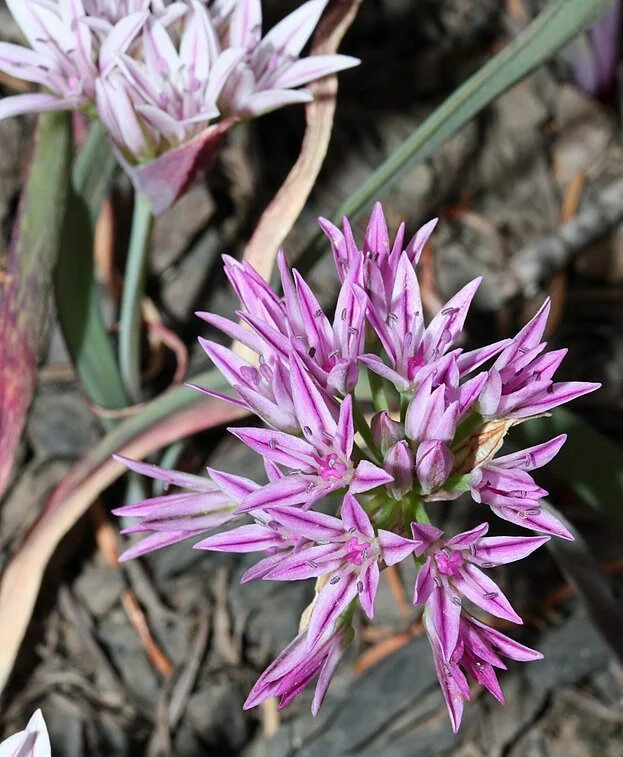
Olympic Onion Seeds – Allium crenulatum Flower Seeds – 10 Seed Pack – Outdoor Native Plant
Sold 50 products
Original price was: $25.00.$17.50Current price is: $17.50.
Sold 50 products
Original price was: $25.00.$17.50Current price is: $17.50.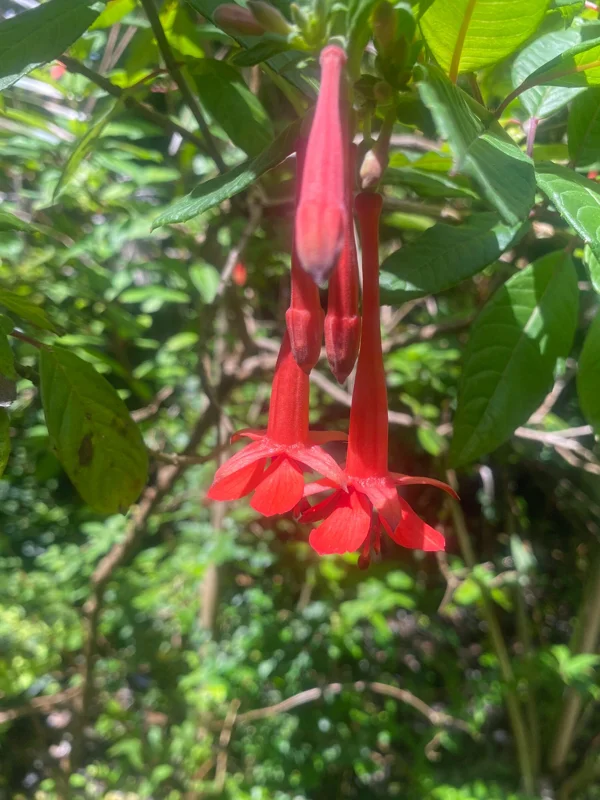
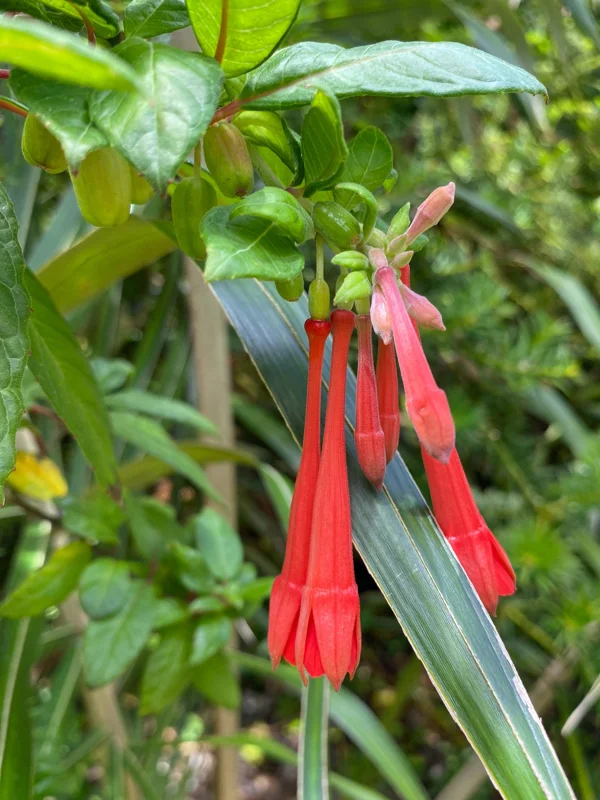
Flower Seeds
Fuchsia vulcanica Seeds – 20 Pack – Vibrant Orange Coral Flowers for Garden & Containers
Sold 50 products
Original price was: $25.00.$17.50Current price is: $17.50.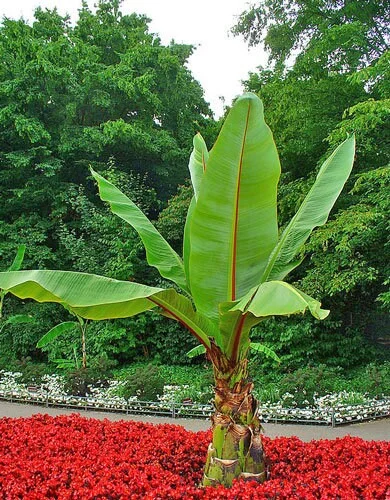
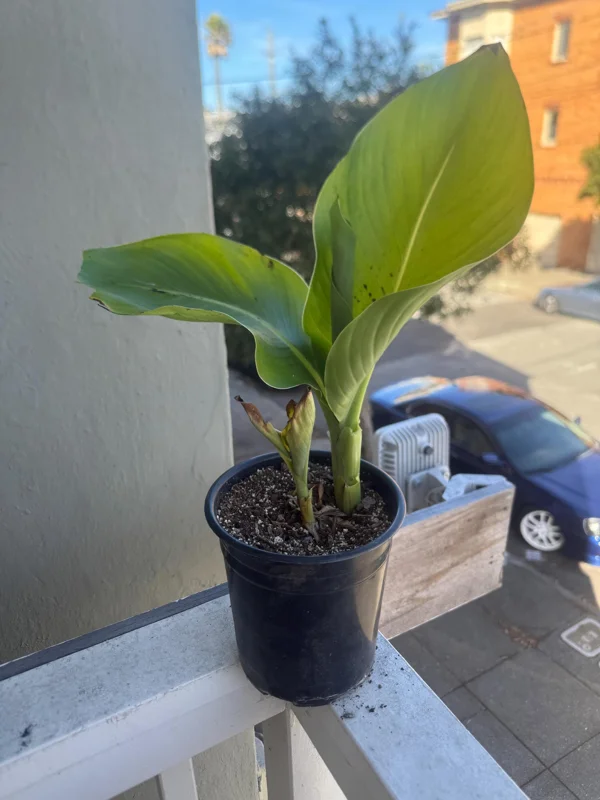
Sold 50 products
Original price was: $116.98.$95.68Current price is: $95.68.
Sold 50 products
Original price was: $21.00.$14.10Current price is: $14.10.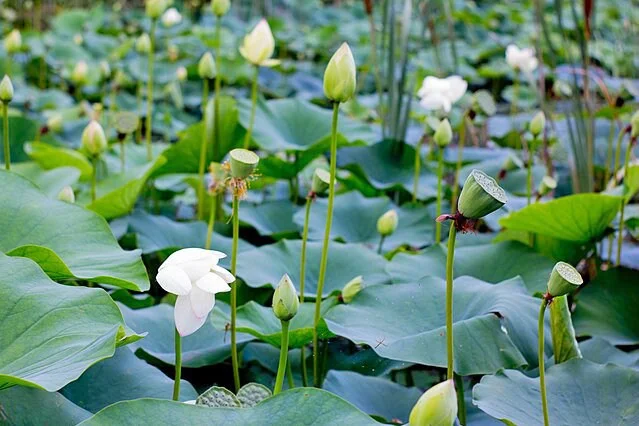
Aquatic Plant Seeds
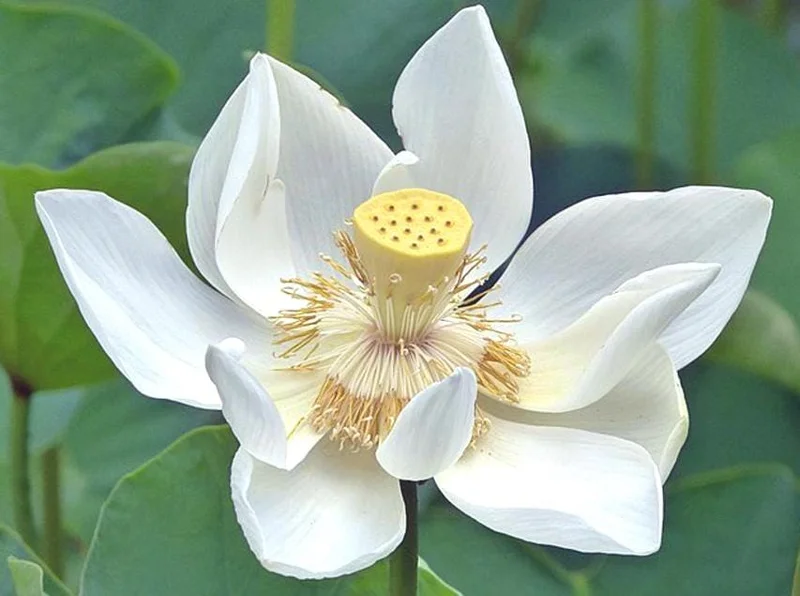
White Lotus Seeds – Nelumbo Nucifera Aquatic Pond Plant – 5 Seeds for Water Garden
Sold 50 products
Original price was: $29.00.$20.90Current price is: $20.90.RELATED posts
Awapuhi Wild Ginger Plant: Zones, Care, and Propagation
Learn which USDA zones suit awapuhi wild ginger, plus sunlight, water, planting, propagation, pests, size, [...]
Awapuhi Shampoo Ginger – Care, Growing Zones, and Differences
Learn how to grow awapuhi (shampoo) ginger, its USDA zones, watering schedule, propagation tips, and [...]
Awapuhi Shampoo Plant Buying Guide – Choose the Right Zingiber zerumbet
META: Learn which awapuhi (shampoo ginger) plant or rhizome pack gives the best natural shampoo, [...]
Awapuhi Plant for Sale: Complete Buying Guide
Find the right awapuhi (shampoo ginger) plant, size, price, soil mix, and online source. Practical [...]
Shampoo Ginger Plant for Sale – Buying Guide & Tips
Find the right shampoo ginger plant, size, price, and care tips. Quick guide for U.S. [...]
Shampoo Ginger Plant (Awapuhi) Care Guide
Learn how to grow, care for, and use shampoo ginger (Zingiber zerumbet), the tropical awapuhi [...]
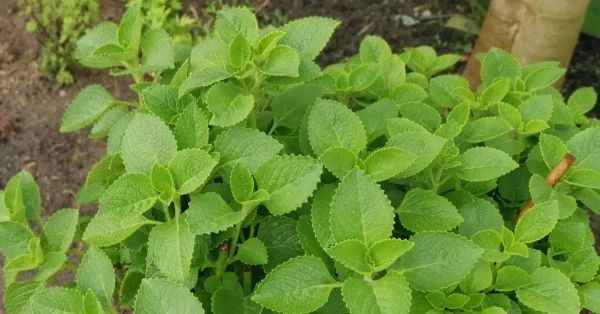
How to Grow Cuban Oregano Plants: A Complete Care Guide
If you’ve ever wanted a plant that combines the culinary punch of traditional oregano with [...]
Aug
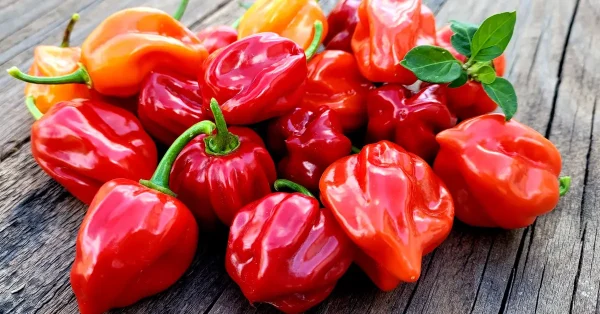
How to Grow Habanero Pepper Plants: A Step-by-Step Guide
Habanero pepper plants are prized for their vibrant colors, intense heat, and exceptional flavor, making [...]
Aug
Reviews
There are no reviews yet.