
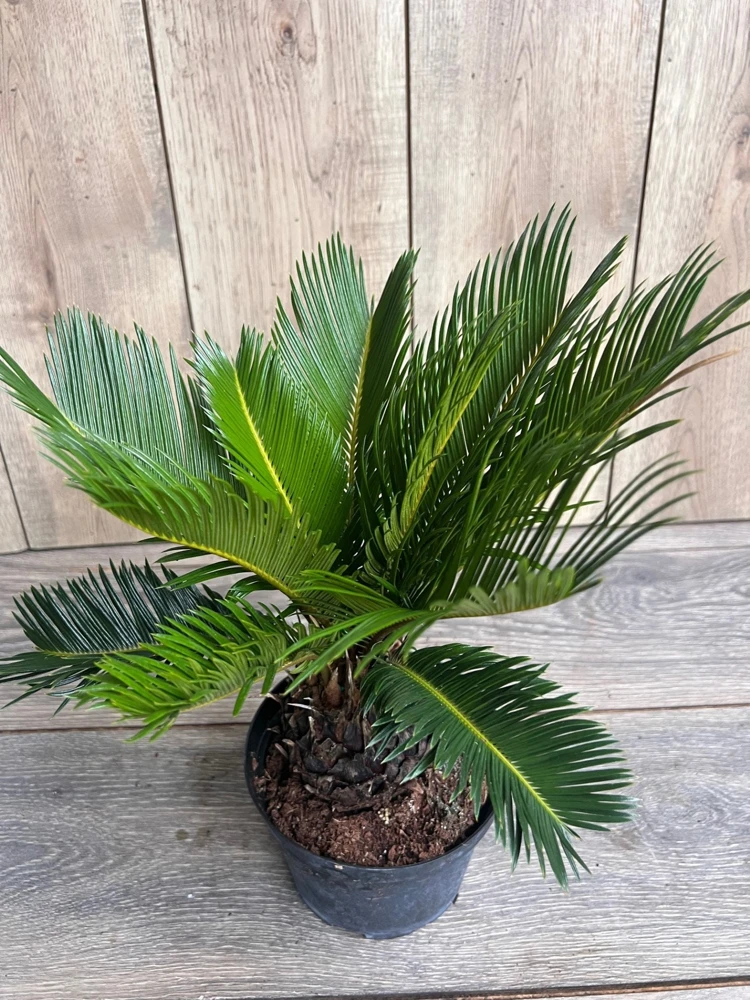
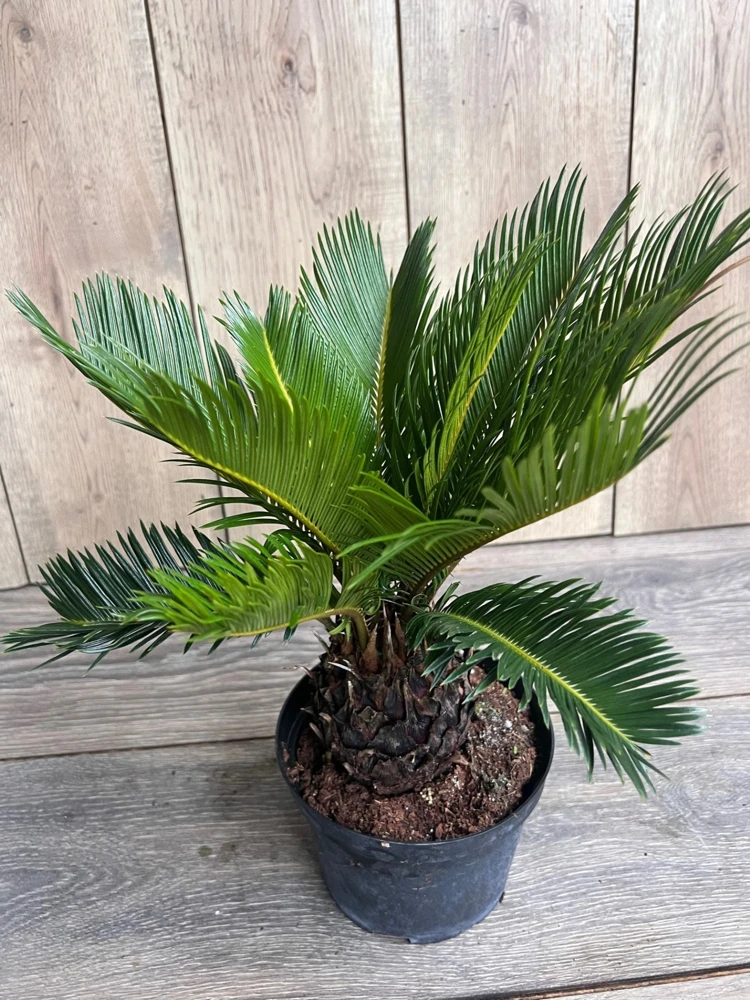
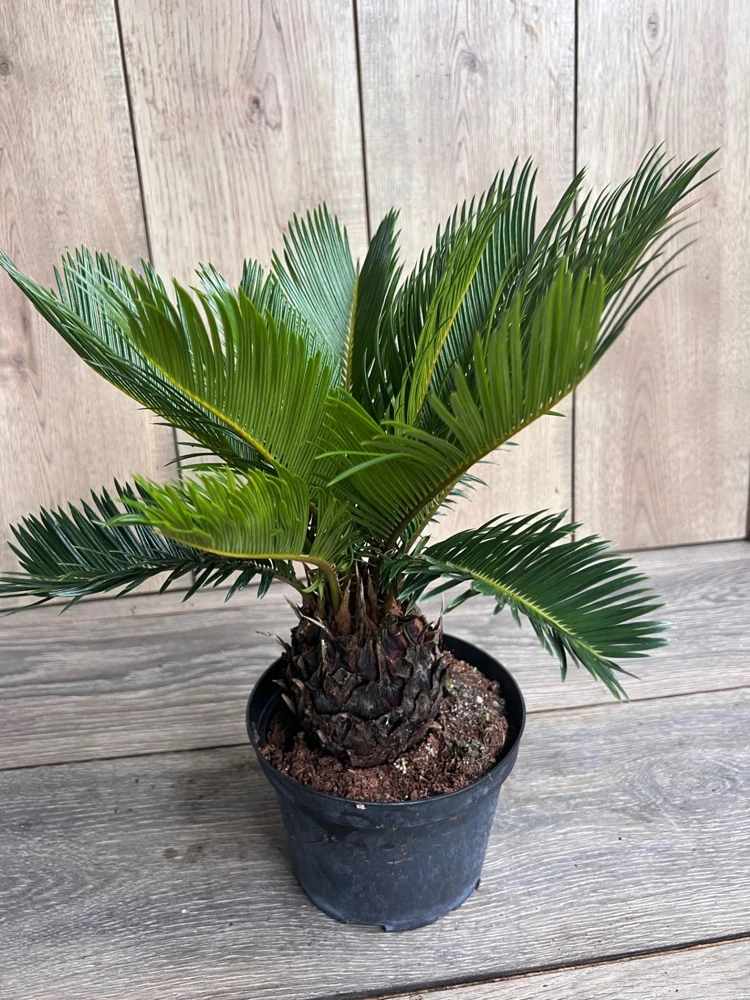
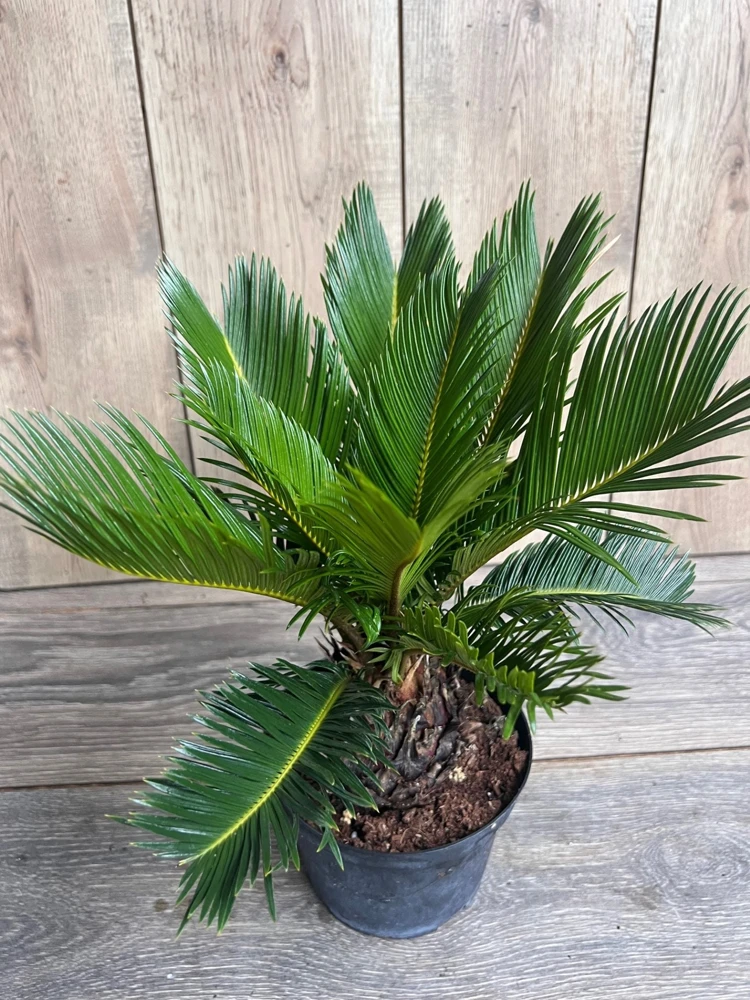
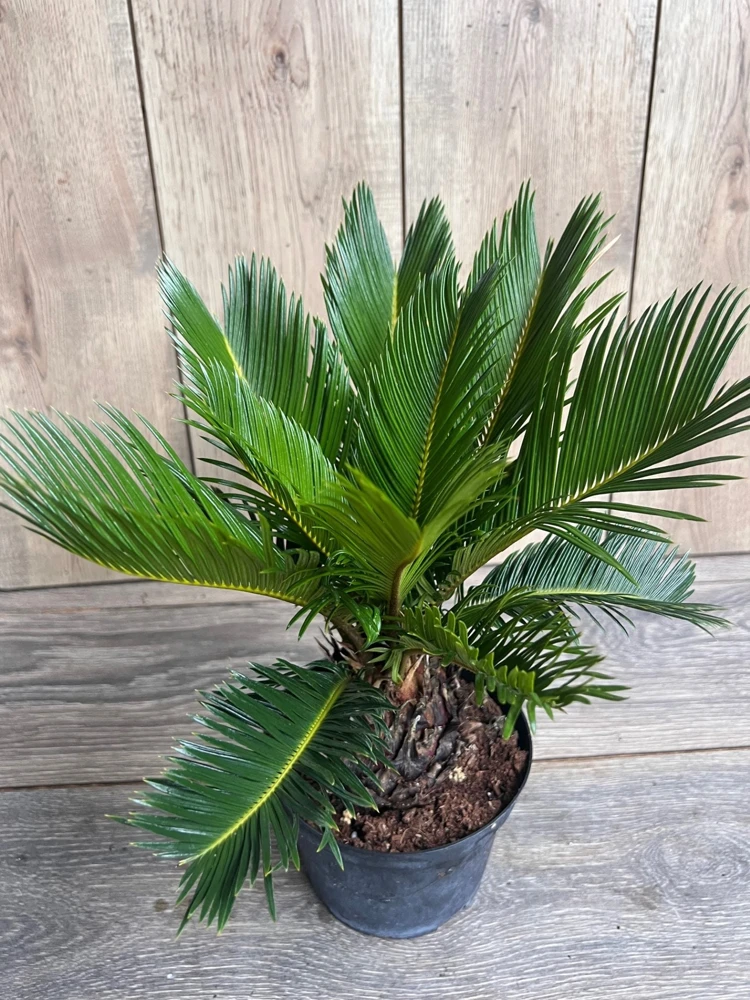
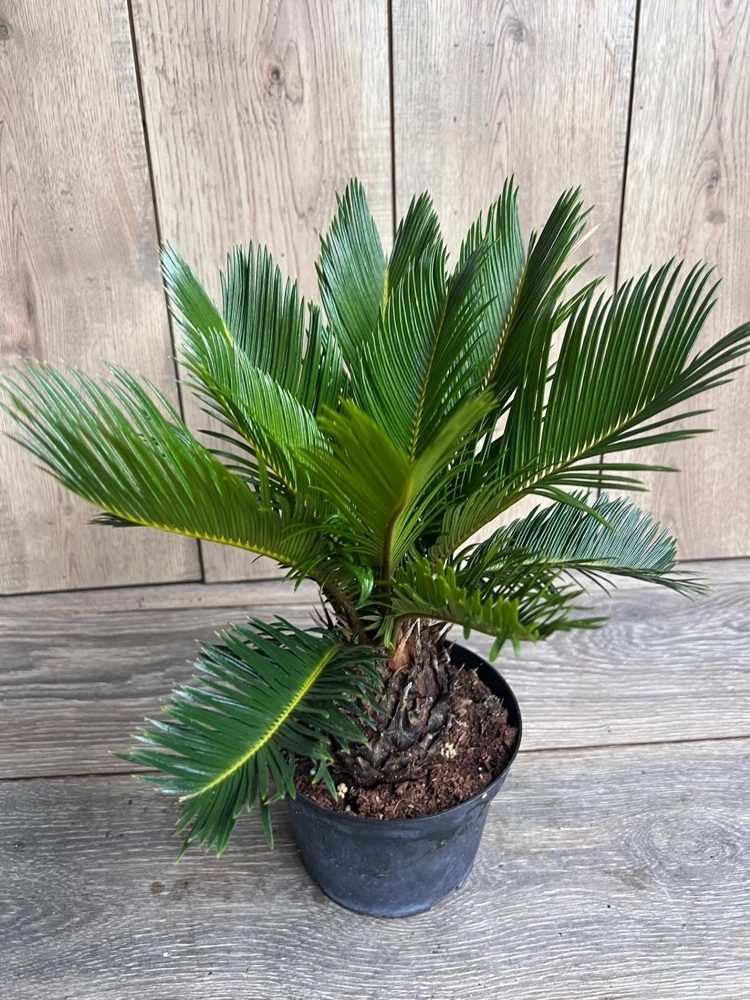
King Sago Palm Live Plant – 6 inch Pot – Outdoor/Indoor Accent Cycad – Cannot ship to CA
Original price was: $72.95.$46.65Current price is: $46.65.
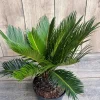
Bring exotic elegance to your space with a King Sago Palm live plant. This beautiful cycad, provided in a 6-inch pot, is perfect for adding a tropical accent to patios, gardens, or bright indoor areas. Known for its stiff, showy fronds and drought tolerance, it’s an easy-care choice for both novice and experienced plant enthusiasts.
Shipping and Return policies:
We stand behind our plants with our Alive & Thrive Guarantee. If you experience any issues within the first 30 days, please email us, and our team will be happy to help. When needed, we’ll send you a one-time replacement free of charge to make sure your garden keeps growing strong.

Reasonable Price
We offer reasonable price

Support 24/7
Contact us 24 hrs a day
100% Money Back
You’ve 30 days to Return
Payment Secure
100% secure payment
Overview
Introduce a touch of ancient beauty and exotic charm to your home or garden with the magnificent King Sago Palm live plant. Often referred to simply as the Sago Palm, this striking cycad, Cycas revoluta, is not a true palm but a member of one of the oldest plant lineages on Earth, offering a unique, prehistoric appeal. Originating from the southern islands of Japan, this ornamental plant is renowned for its symmetrical crown of stiff, dark green fronds that emerge from a stout, shaggy trunk. Our King Sago Palm live plant comes ready to thrive in a 6-inch pot, making it an ideal size for immediate display or planting. Its architectural form and slow growth rate make it a captivating focal point in any setting, whether you’re looking to create an exotic accent for your patio, courtyard, or garden, or seeking a resilient and attractive indoor plant to brighten a sunny room. This plant is a true conversation starter, blending timeless elegance with remarkable hardiness.
Key Benefits
The King Sago Palm live plant offers a multitude of benefits, making it a popular choice for plant lovers. Its unique appearance and adaptable nature contribute to its widespread appeal, ensuring it will be a cherished addition to your plant collection.
- Stunning Ornamental Appeal: With its rigid, feather-like fronds and robust trunk, the Sago Palm provides a dramatic, tropical aesthetic. It serves as an excellent exotic accent, creating a focal point that draws the eye and enhances the overall beauty of your landscape or interior decor.
- Versatile Placement: This plant thrives in a variety of settings. It’s an excellent choice for outdoor patios, courtyards, and gardens in warmer climates, but also adapts beautifully to indoor environments as long as it receives sufficient bright light. Its adaptability makes it a perfect fit for diverse living spaces.
- Drought Tolerance: The Sago Palm is remarkably resilient and fairly drought tolerant once established. This makes it a low-maintenance option for gardeners and homeowners who prefer plants that don’t require constant watering, contributing to its reputation for easy sago palm care.
- Long Lifespan: Sago Palms are known for their longevity, often living for decades, and even centuries, with proper care. Investing in a King Sago Palm live plant means adding a lasting element of beauty and interest to your environment.
- Air Purification: Like many houseplants, the Sago Palm contributes to improved air quality by absorbing common indoor pollutants. While not as prolific as some other plants, it still helps create a healthier indoor atmosphere.
- Low Maintenance: Beyond its watering needs, the Sago Palm requires minimal pruning and is generally resistant to pests, making it an ideal plant for busy individuals or those new to gardening. This ease of maintenance is a key aspect of good sago palm care.
- Architectural Form: The symmetrical growth habit and distinct texture of the Sago Palm add a strong architectural element to garden designs or interior plant arrangements, providing structure and sophistication.
Plant Care & Growing Tips
Caring for your King Sago Palm live plant is straightforward, making it a rewarding experience for gardeners of all levels. Understanding its specific needs will ensure your plant flourishes and maintains its iconic appearance. This plant is known for its resilience, but providing optimal conditions will lead to the best growth and health. For successful sago palm care, pay close attention to light, water, and soil.
When it comes to sunlight, the Sago Palm is quite adaptable. If planted outdoors in hot, dry climates, it will perform best in partial shade, protecting its fronds from scorching. However, it can tolerate full sun in milder climates. If you’re growing it as an indoor cycad plant, ensure it receives bright light, ideally near a south- or west-facing window. Insufficient light indoors can lead to leggy growth and pale fronds. For watering, this palm prefers well-drained soil. Allow the soil to dry out completely between waterings to prevent root rot, which is a common issue for Sago Palms. It is crucial not to over-saturate the soil. As a drought tolerant plant, it can withstand periods of dryness, making it forgiving if you occasionally forget to water. During winter months, especially for indoor plants, reduce watering frequency significantly.
The ideal soil for a Sago Palm is a well-draining mix. A sandy loam or a potting mix amended with perlite or coarse sand is excellent. Good drainage is paramount to prevent waterlogging. In terms of temperature, Sago Palms are warm-weather plants. They are typically hardy in USDA zones 9-11. In colder regions, if planted outdoors, the plant should be brought inside for the winter to protect it from frost and freezing temperatures. Fertilize sparingly; a slow-release granular fertilizer formulated for palms or a balanced liquid fertilizer diluted to half strength can be applied once or twice during the growing season (spring to summer). Over-fertilization can harm the plant. Watch for common pests like scale insects or mealybugs, which can be treated with insecticidal soap or neem oil. With these simple guidelines, your sago palm outdoor or indoor specimen will thrive.
Size & Details
This King Sago Palm live plant is provided in a convenient 6-inch nursery pot, perfectly sized for transplanting into a decorative container or directly into your garden. At the time of shipping, the plant typically stands approximately 8-12 inches tall from the base of the pot, with a spread of 10-15 inches, though individual plant sizes may vary slightly. Sago Palms are slow-growing plants, adding only a few inches of height and a new flush of fronds each year. This makes them easy to manage and suitable for smaller spaces over a long period. When mature, they can reach heights of 6-10 feet outdoors, with a spread of 5-8 feet, though indoor specimens tend to remain smaller. They ship as a healthy, established plant in its nursery pot, ensuring a smooth transition to its new home. Expect its growth to be gradual, offering a consistent and enduring presence in your landscape or home decor. The slow growth also means less frequent repotting when grown indoors.
Frequently Asked Questions
- Q: How big does this King Sago Palm live plant get? A: In a 6-inch pot, it’s currently a compact size. Outdoors, a mature Sago Palm can reach 6-10 feet tall with a similar spread. Indoors, they typically remain smaller, often 2-4 feet tall, depending on pot size and growing conditions.
- Q: Is this an indoor or outdoor plant? A: The King Sago Palm live plant is versatile and can be grown both indoors and outdoors. It makes an excellent patio or garden accent in warmer climates (USDA zones 9-11) and is also a popular houseplant for bright indoor spaces.
- Q: How much sunlight does a Sago Palm need? A: Outdoors, it prefers partial shade, especially in hot, dry climates, but can tolerate full sun in milder areas. Indoors, it requires bright, indirect light, such as near a south or west-facing window, for optimal growth and healthy fronds.
- Q: Is this plant easy to care for? A: Yes, the King Sago Palm live plant is considered relatively easy to care for due to its drought tolerance and general resilience. The most critical aspects of sago palm care are providing well-draining soil and avoiding overwatering.
- Q: What condition will it arrive in? A: Your Sago Palm will arrive as a healthy, live plant, carefully packaged in its 6-inch nursery pot to ensure it reaches you in excellent condition, ready to be placed or transplanted.
- Q: How often should I water my Sago Palm? A: Water thoroughly when the soil is completely dry to the touch. Allow excess water to drain away, and never let the plant sit in standing water. Overwatering is more detrimental than underwatering for this drought tolerant plant.
- Q: Will it survive winter in my zone? A: If you live in USDA zones 9-11, your Sago Palm can likely remain outdoors year-round. In colder regions, it should be brought indoors before the first frost and kept in a cool, bright location until spring.
- Q: What kind of soil is best for a Sago Palm? A: A well-draining soil mix is essential. A cactus or succulent potting mix, or a standard potting mix amended with perlite, sand, or pine bark, will provide the necessary drainage.
- Q: Is the Sago Palm pet-safe? A: No, it is important to note that all parts of the Sago Palm are toxic to pets if ingested. Keep this indoor cycad plant out of reach of curious pets and children.
- Q: How fast does a Sago Palm grow? A: Sago Palms are very slow growers, typically producing only one new flush of fronds per year. This makes them easy to maintain and ideal for those who prefer a plant that doesn’t quickly outgrow its space.
Be the first to review “King Sago Palm Live Plant – 6 inch Pot – Outdoor/Indoor Accent Cycad – Cannot ship to CA”
You must be logged in to post a review.
People also Viewed
Sold 50 products
$32.38
Sold 50 products
$27.38
Sold 50 products
$32.38
Sold 50 products
$19.88
Sold 50 products
$62.38
Sold 50 products
$24.88
Houseplants
Phalaenopsis pulcherrima ‘Mauna Kea Snow’ Orchid Live Plant – White Flowers, Potted 2.5 in
Sold 50 products
$49.88
Sold 50 products
$49.88RELATED posts
Awapuhi Wild Ginger Plant: Zones, Care, and Propagation
Learn which USDA zones suit awapuhi wild ginger, plus sunlight, water, planting, propagation, pests, size, [...]
Awapuhi Shampoo Ginger – Care, Growing Zones, and Differences
Learn how to grow awapuhi (shampoo) ginger, its USDA zones, watering schedule, propagation tips, and [...]
Awapuhi Shampoo Plant Buying Guide – Choose the Right Zingiber zerumbet
META: Learn which awapuhi (shampoo ginger) plant or rhizome pack gives the best natural shampoo, [...]
Awapuhi Plant for Sale: Complete Buying Guide
Find the right awapuhi (shampoo ginger) plant, size, price, soil mix, and online source. Practical [...]
Shampoo Ginger Plant for Sale – Buying Guide & Tips
Find the right shampoo ginger plant, size, price, and care tips. Quick guide for U.S. [...]
Shampoo Ginger Plant (Awapuhi) Care Guide
Learn how to grow, care for, and use shampoo ginger (Zingiber zerumbet), the tropical awapuhi [...]
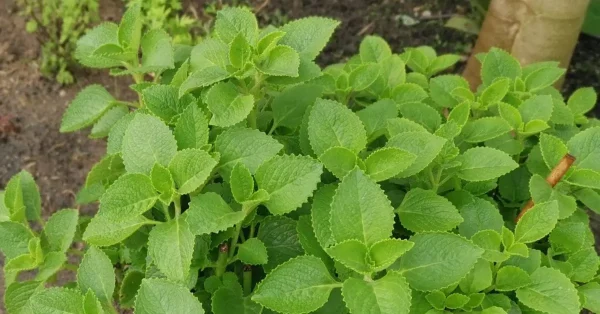
How to Grow Cuban Oregano Plants: A Complete Care Guide
If you’ve ever wanted a plant that combines the culinary punch of traditional oregano with [...]
Aug
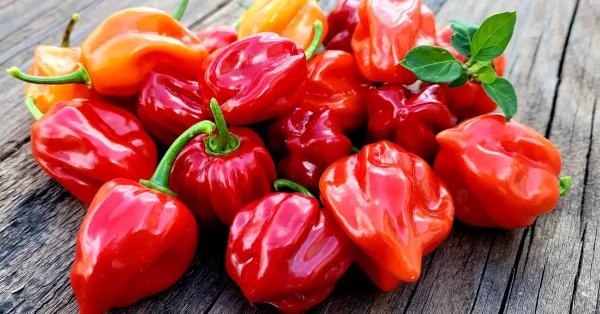
How to Grow Habanero Pepper Plants: A Step-by-Step Guide
Habanero pepper plants are prized for their vibrant colors, intense heat, and exceptional flavor, making [...]
Aug
Reviews
There are no reviews yet.