
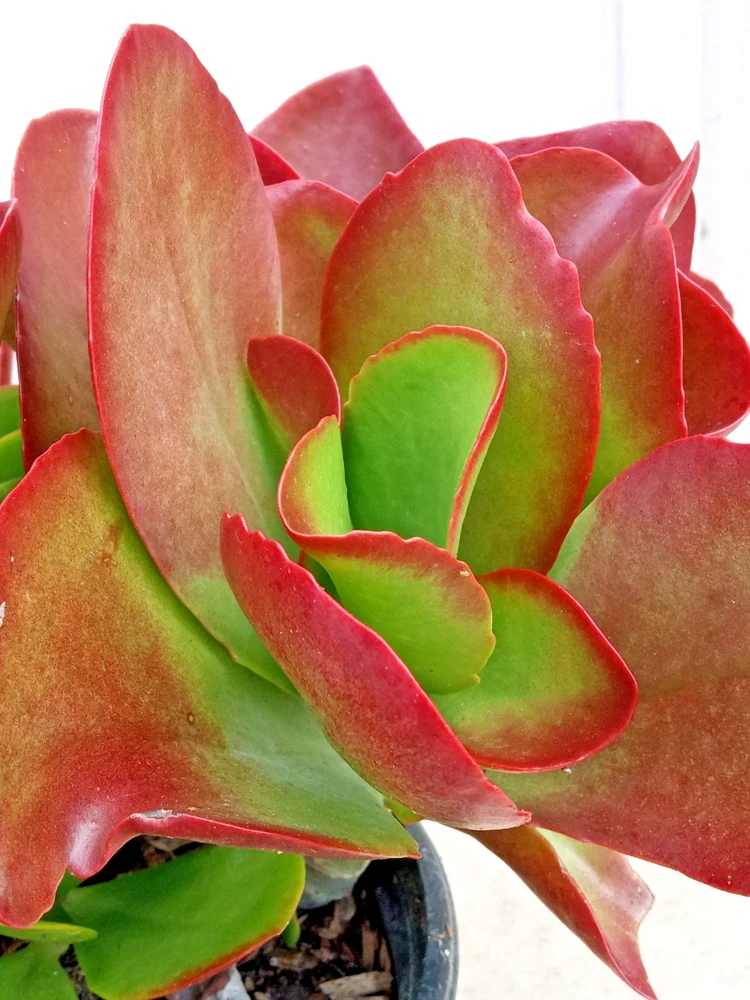
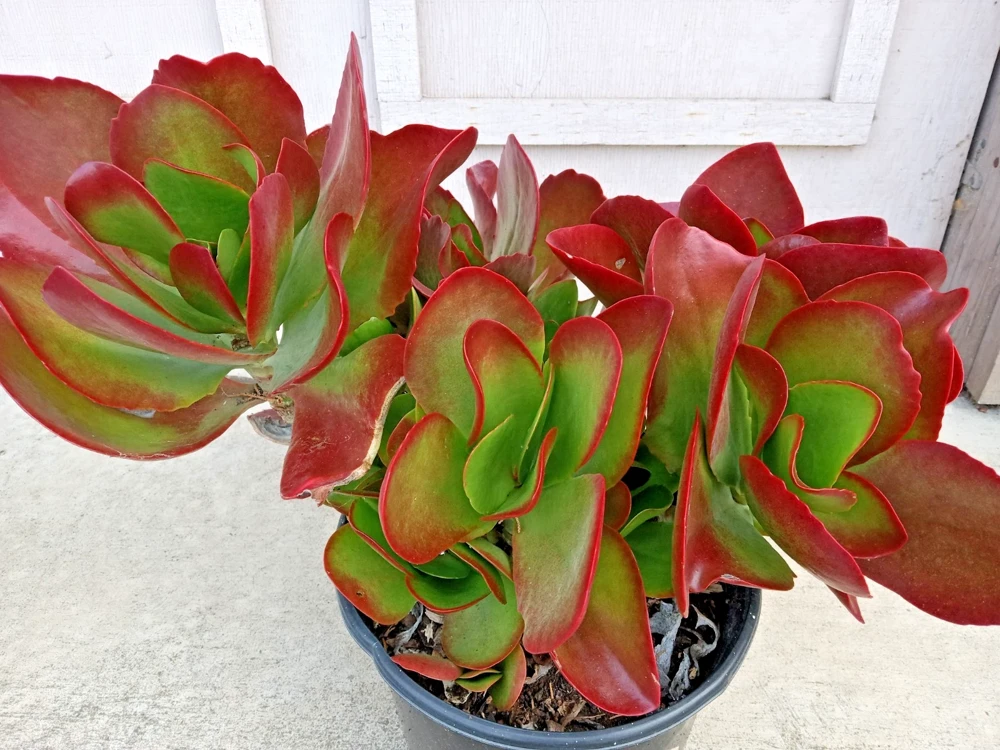
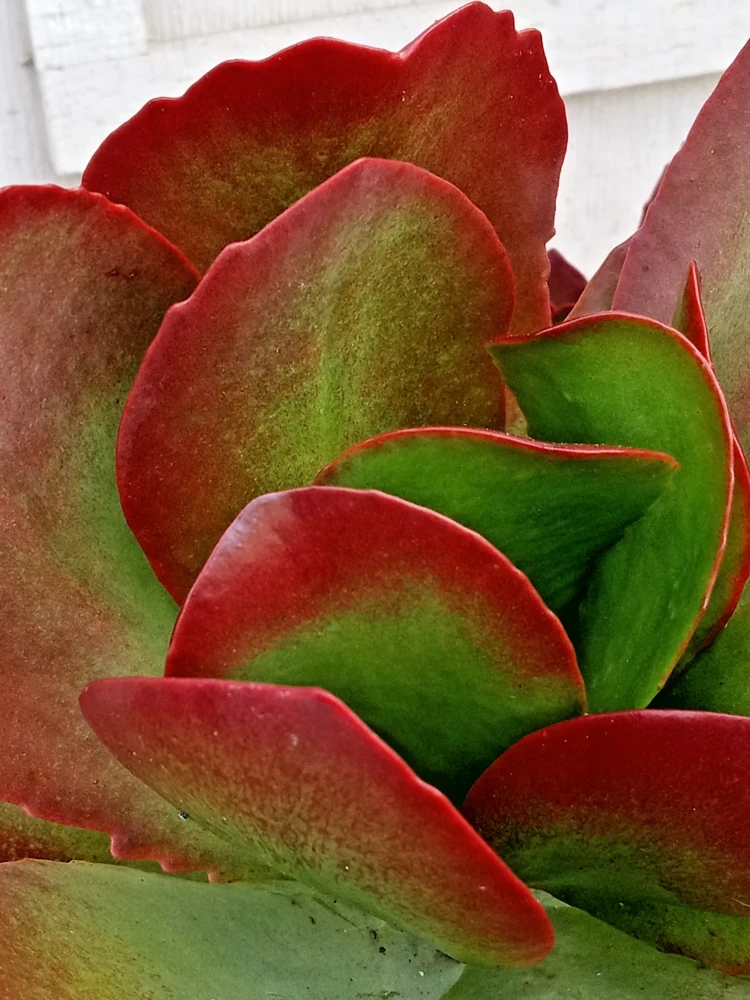
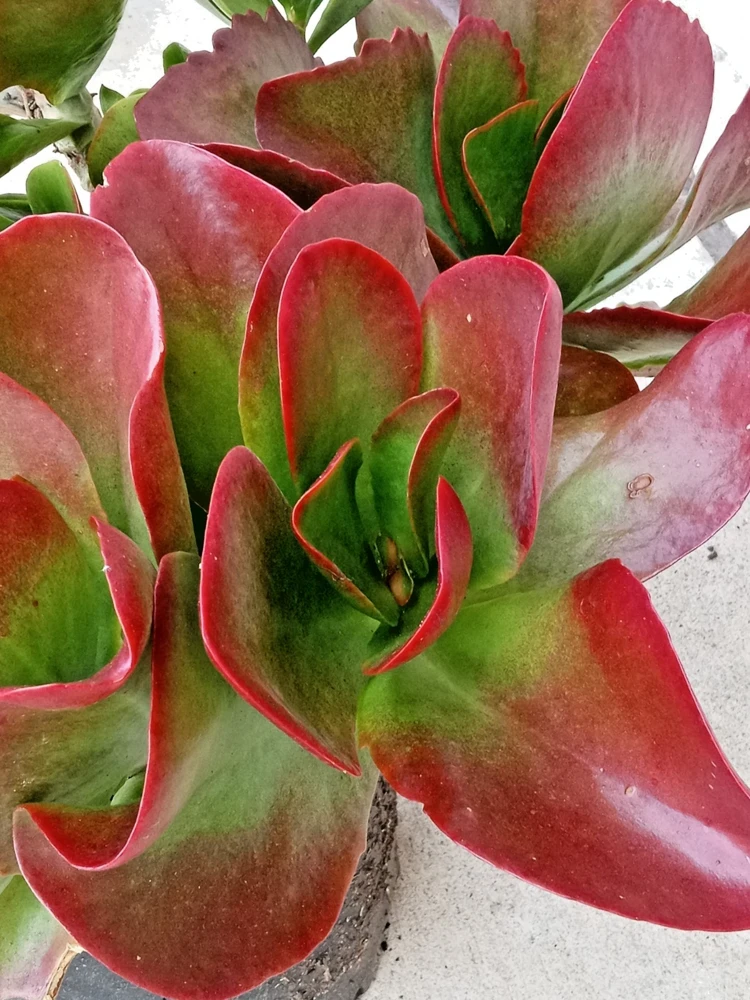
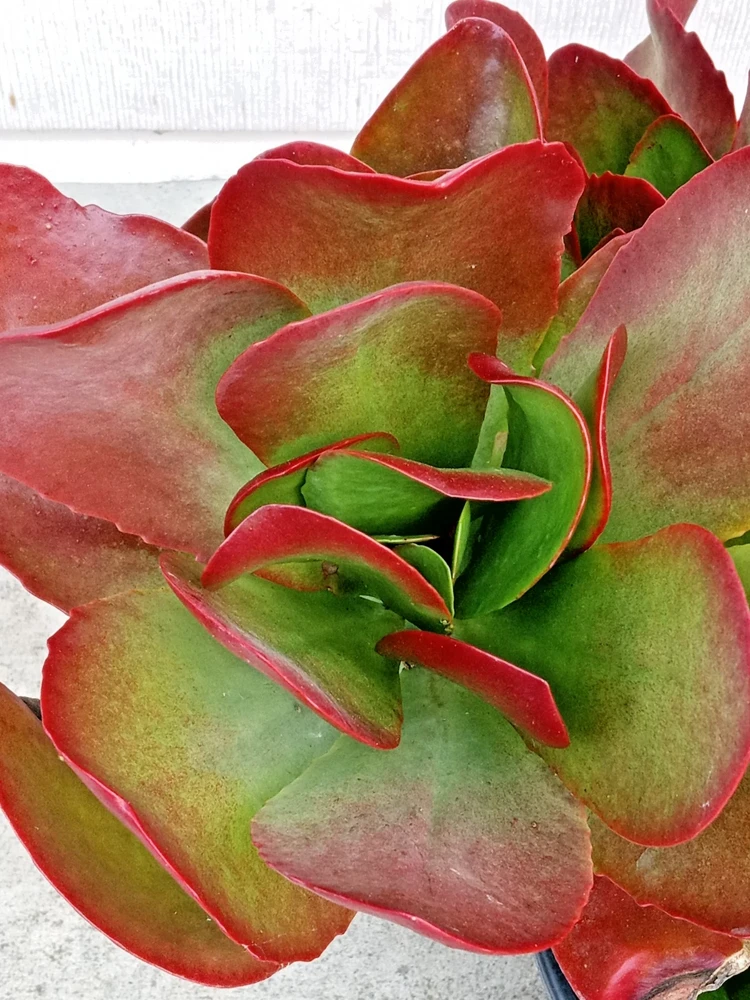
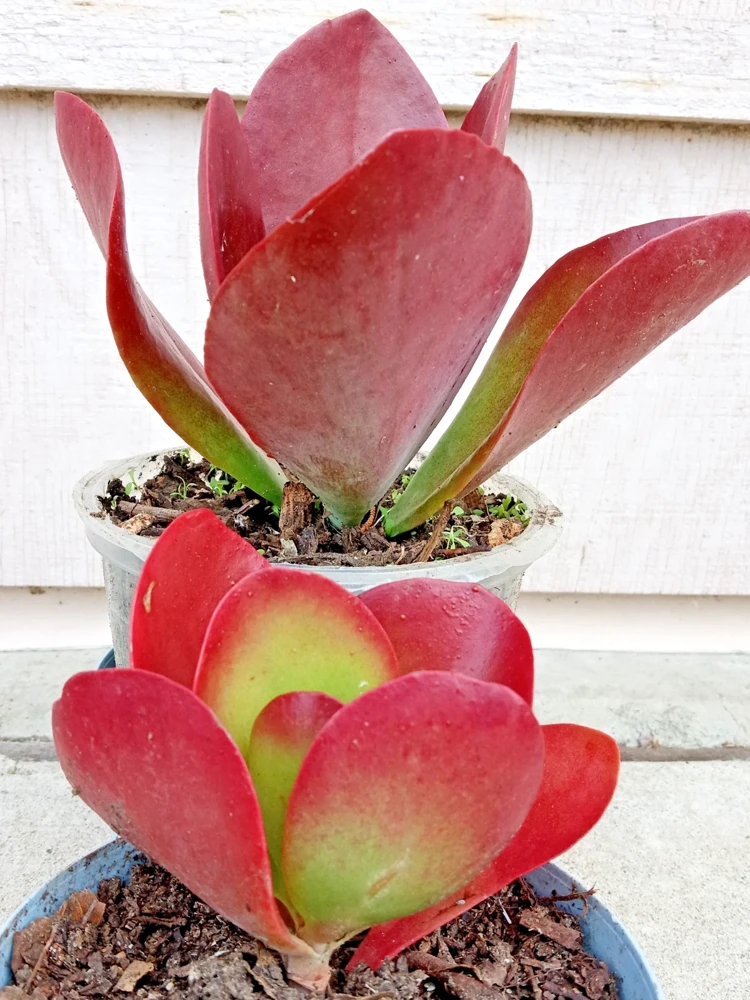
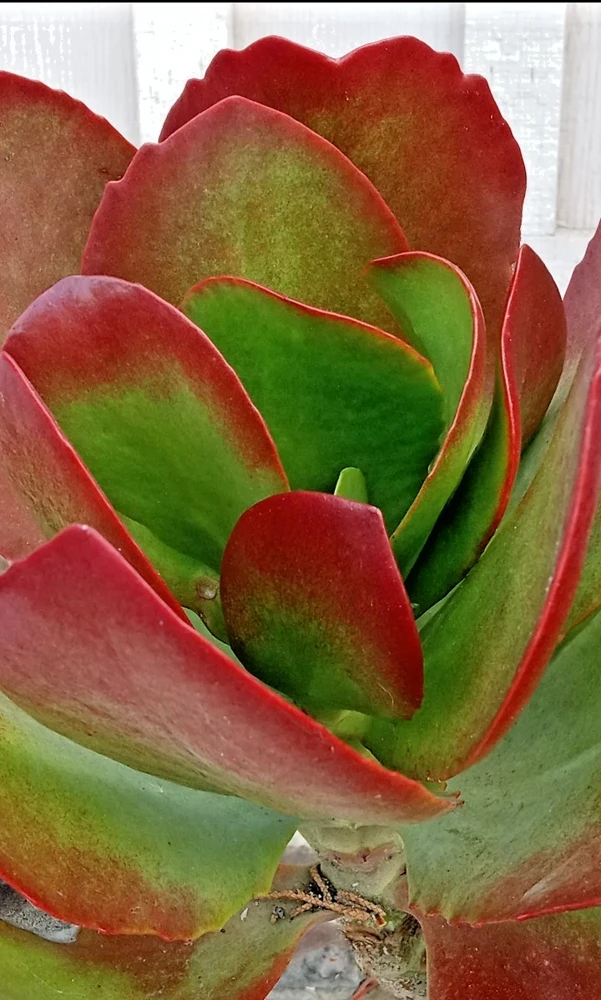
Kalanchoe Flapjack Paddle Plant Succulent – Live Rosette Plant, Green/Red, Indoor/Outdoor
$55.00
Bring home a vibrant kalanchoe flapjack paddle plant, a stunning succulent known for its unique, paddle-shaped leaves that blush red in sunlight. This easy-care paddle plant succulent care is perfect for adding a touch of desert beauty to your indoor or outdoor space. Enjoy its striking rosette form and evergreen foliage.
Shipping and Return policies:
We stand behind our plants with our Alive & Thrive Guarantee. If you experience any issues within the first 30 days, please email us, and our team will be happy to help. When needed, we’ll send you a one-time replacement free of charge to make sure your garden keeps growing strong.

Reasonable Price
We offer reasonable price

Support 24/7
Contact us 24 hrs a day
100% Money Back
You’ve 30 days to Return
Payment Secure
100% secure payment
Overview
Introduce a touch of vibrant desert charm to your home or garden with the magnificent kalanchoe flapjack paddle plant. This captivating live succulent, scientifically known as Kalanchoe thyrsiflora, is often called the ‘Paddle Plant’ due to its distinctive, thick, paddle-shaped leaves. Originating from South Africa, this plant is celebrated for its unique architectural form and striking coloration. As it matures and receives ample sunlight, the edges of its green leaves develop a beautiful reddish-pink blush, creating a stunning visual display. This particular offering is a robust live plant, ready to grow and thrive in its new environment. The kalanchoe flapjack paddle plant forms a beautiful rosette, making it a focal point in any plant collection or landscape design. It’s an excellent choice for both seasoned succulent collectors and beginners alike, promising easy care and enduring beauty.
The common name, ‘Paddle Plant,’ perfectly describes its broad, flat leaves that stack up in an intriguing sculptural form. These leaves are thick and fleshy, characteristic of succulents, indicating their ability to store water and withstand dry conditions. Its resilience and unique aesthetics make it a popular choice for xeriscaping, rock gardens, container arrangements, and as an eye-catching houseplant. The transition of its leaf color from green to vibrant red, especially along the margins, is a fascinating process triggered by sun exposure, adding dynamic interest throughout the seasons. This kalanchoe thyrsiflora rosette is a true living art piece.
Key Benefits
The kalanchoe flapjack paddle plant offers a multitude of benefits, making it an exceptional addition to any plant enthusiast’s collection. Its unique appearance and low maintenance requirements are just a few reasons why this succulent is so highly regarded:
- Striking Visual Appeal: The distinctive paddle-shaped leaves, arranged in a beautiful rosette, provide a sculptural element to any space. The vibrant green leaves develop stunning red or pink margins when exposed to sufficient sunlight, offering dynamic color changes. This makes the kalanchoe flapjack paddle plant a true showstopper.
- Low Maintenance: Ideal for busy individuals or novice gardeners, this succulent requires minimal watering and care. It thrives on neglect, making it one of the most forgiving plants you can own. Enjoy its beauty without constant attention, simplifying your paddle plant succulent care routine.
- Drought Tolerant: As a succulent, it naturally stores water in its fleshy leaves, allowing it to endure periods of drought. This characteristic makes it perfect for arid climates or for those who tend to forget watering.
- Versatile Placement: Suitable for both indoor and outdoor environments, it can be grown in pots, rock gardens, or as part of a succulent arrangement. Its adaptability allows you to enjoy its beauty in various settings.
- Air Purification: Like many plants, the kalanchoe thyrsiflora rosette contributes to better air quality by absorbing carbon dioxide and releasing oxygen, promoting a healthier indoor environment.
- Evergreen Foliage: This plant maintains its vibrant foliage year-round, ensuring continuous beauty and interest in your garden or home, regardless of the season.
- Easy Propagation: Flapjack Kalanchoes are relatively easy to propagate from leaf cuttings or offsets, allowing you to expand your collection or share with friends.
Plant Care & Growing Tips
Caring for your kalanchoe flapjack paddle plant is straightforward, making it an excellent choice for both beginners and experienced plant enthusiasts. This succulent thrives on conditions that mimic its natural dry, sunny habitat. The most crucial aspect of paddle plant succulent care is ensuring proper light and careful watering.
Sunlight Requirements: The Kalanchoe thyrsiflora loves light. For the best color development, where the leaf edges turn a vibrant red, provide at least 6 hours of full sun per day. Outdoors, this means a spot with direct morning sun and some afternoon shade in very hot climates to prevent scorching. Indoors, place it in a south-facing window where it will receive abundant bright light. If the plant doesn’t get enough light, the red coloration will be less pronounced, and the plant may become leggy. This is particularly important for achieving that characteristic red paddle plant appearance.
Watering Schedule & Soil Moisture: Overwatering is the biggest killer of succulents. Allow the soil to dry out completely between waterings. When you do water, do so thoroughly until water drains from the bottom of the pot. In summer, you might water every 2-4 weeks, while in winter, it could be as infrequent as once a month or less, depending on humidity and temperature. Always check the soil moisture with your finger before watering. The plant’s fleshy leaves are a clear indicator of its drought-tolerant nature.
Soil Type and Drainage: Excellent drainage is paramount for this succulent. Use a well-draining potting mix specifically formulated for cacti and succulents, or create your own by mixing regular potting soil with perlite or coarse sand in a 1:1 ratio. The pot must have drainage holes to prevent water accumulation, which can lead to root rot. A neutral soil pH is generally preferred.
Temperature Range & USDA Hardiness Zone: The kalanchoe flapjack paddle plant thrives in warm temperatures, ideally between 60-85°F (15-29°C). It is not frost-tolerant and should be protected from freezing temperatures. It is generally hardy in USDA Zones 9-11 for outdoor planting. In colder zones, it should be grown in containers and brought indoors before the first frost. This makes it a versatile plant that can adapt to various climates with proper seasonal management.
Fertilization: Fertilize sparingly, if at all. Succulents generally don’t require heavy feeding. If you choose to fertilize, use a balanced liquid fertilizer diluted to half strength, once or twice during the growing season (spring and summer). Avoid fertilizing in fall and winter when the plant is dormant. Too much fertilizer can harm the plant.
Common Problems and Solutions: Watch out for common succulent pests like mealybugs or aphids; treat with insecticidal soap if necessary. The most common issue is root rot from overwatering, so ensure proper drainage and let the soil dry out. If leaves turn yellow and mushy, it’s a sign of overwatering. If they shrivel, it’s likely underwatering.
Size & Details
This offering is for a live kalanchoe flapjack paddle plant, typically shipped as a starter plant or a well-rooted specimen, ready for transplanting into your preferred container or garden spot. The exact size will vary depending on availability and growth stage, but you can expect a healthy, vibrant plant with established roots. When mature, the Kalanchoe thyrsiflora can reach heights of 1 to 2 feet (30-60 cm) and spread up to 1 foot (30 cm) wide, forming a substantial and impressive rosette. Its clumping growth habit means it can produce offsets, gradually expanding its presence over time.
The plant is evergreen, providing year-round interest. While it can produce a tall flower stalk with yellow blooms, these typically appear on mature plants and often signify the end of the plant’s life cycle, although offsets will continue to grow. The primary aesthetic appeal lies in its foliage. This plant ships in a form suitable for immediate integration into your garden or container. The kalanchoe thyrsiflora rosette arrives ready to thrive, embodying its natural resilience and beauty. The vibrant green and potential red hues make it a dynamic addition to any collection.
Frequently Asked Questions
- Q: How big does this plant get? A: A mature kalanchoe flapjack paddle plant typically reaches 1 to 2 feet in height and spreads about 1 foot wide, forming an impressive, clumping rosette. Its size can also be influenced by pot size and growing conditions.
- Q: Is this an indoor or outdoor plant? A: This versatile succulent can thrive both indoors and outdoors. Outdoors, it prefers full sun in USDA Zones 9-11. In colder climates, it’s best grown in containers and brought inside during winter, making it an excellent option for a red paddle plant accent.
- Q: How much sunlight does it need? A: For the best color development and compact growth, the kalanchoe flapjack paddle plant requires at least 6 hours of bright, direct sunlight daily. Less light will result in greener leaves and a more stretched-out form.
- Q: Is this plant easy to care for? A: Yes, this is considered an easy-care succulent. Its drought tolerance and minimal needs make it perfect for beginners or those seeking low-maintenance plants. The key to successful paddle plant succulent care is avoiding overwatering.
- Q: What condition will it arrive in? A: Your plant will arrive as a healthy, live starter plant with established roots, carefully packaged to ensure its safe journey. It will be ready for you to transplant into its new home upon arrival.
- Q: How often should I water my Kalanchoe Flapjack? A: Water sparingly. Allow the soil to dry out completely between waterings. This could mean every 2-4 weeks in warmer months and even less frequently in winter.
- Q: Is the Kalanchoe Flapjack pet-safe? A: Kalanchoe plants are generally considered toxic to pets if ingested. It is best to keep this plant out of reach of curious pets.
- Q: What kind of soil is best for this succulent? A: A well-draining cactus or succulent potting mix is ideal. Good drainage is crucial to prevent root rot. You can also amend regular potting soil with perlite or coarse sand.
- Q: When is the best time to plant? A: For outdoor planting, spring to early summer is ideal after all danger of frost has passed. Indoors, it can be planted year-round.
- Q: Will my plant get the red color on its leaves? A: The vibrant red blush on the leaf margins is a natural response to sufficient sunlight exposure. With adequate light, your kalanchoe thyrsiflora rosette should develop this characteristic coloration.
Be the first to review “Kalanchoe Flapjack Paddle Plant Succulent – Live Rosette Plant, Green/Red, Indoor/Outdoor”
You must be logged in to post a review.
People also Viewed
Sold 50 products
$32.38
Sold 50 products
$27.38
Sold 50 products
$32.38
Sold 50 products
$19.88
Sold 50 products
$62.38
Sold 50 products
$24.88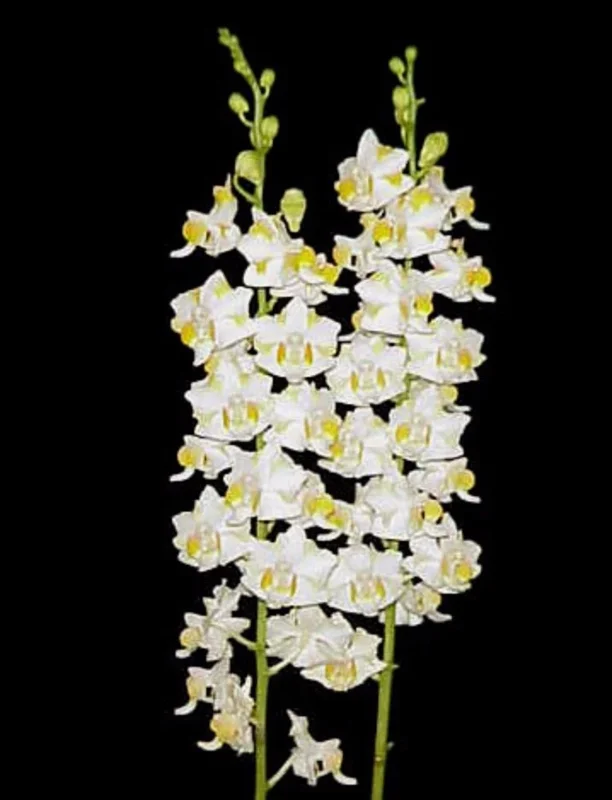
Houseplants
Phalaenopsis pulcherrima ‘Mauna Kea Snow’ Orchid Live Plant – White Flowers, Potted 2.5 in
Sold 50 products
$49.88
Sold 50 products
$49.88RELATED posts
Awapuhi Wild Ginger Plant: Zones, Care, and Propagation
Learn which USDA zones suit awapuhi wild ginger, plus sunlight, water, planting, propagation, pests, size, [...]
Awapuhi Shampoo Ginger – Care, Growing Zones, and Differences
Learn how to grow awapuhi (shampoo) ginger, its USDA zones, watering schedule, propagation tips, and [...]
Awapuhi Shampoo Plant Buying Guide – Choose the Right Zingiber zerumbet
META: Learn which awapuhi (shampoo ginger) plant or rhizome pack gives the best natural shampoo, [...]
Awapuhi Plant for Sale: Complete Buying Guide
Find the right awapuhi (shampoo ginger) plant, size, price, soil mix, and online source. Practical [...]
Shampoo Ginger Plant for Sale – Buying Guide & Tips
Find the right shampoo ginger plant, size, price, and care tips. Quick guide for U.S. [...]
Shampoo Ginger Plant (Awapuhi) Care Guide
Learn how to grow, care for, and use shampoo ginger (Zingiber zerumbet), the tropical awapuhi [...]
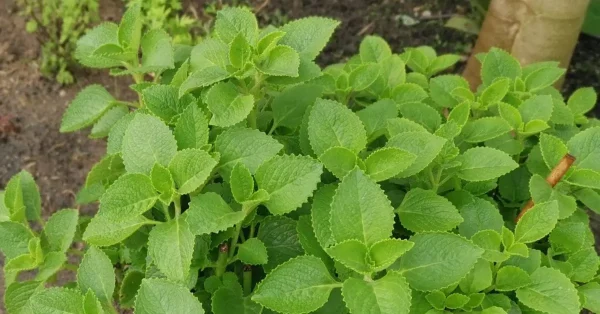
How to Grow Cuban Oregano Plants: A Complete Care Guide
If you’ve ever wanted a plant that combines the culinary punch of traditional oregano with [...]
Aug
How to Grow Habanero Pepper Plants: A Step-by-Step Guide
Habanero pepper plants are prized for their vibrant colors, intense heat, and exceptional flavor, making [...]
Aug
Reviews
There are no reviews yet.