
Josephine Clematis Live Plant – Pink Double Bloom Vine, USDA Zones 4-9
Original price was: $41.98.$32.98Current price is: $32.98.
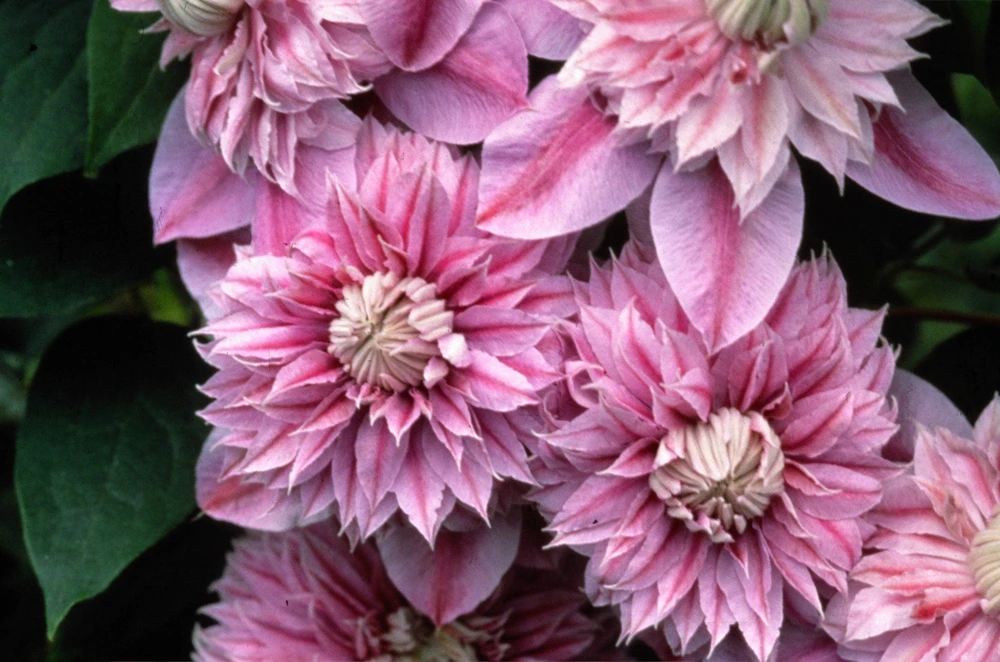
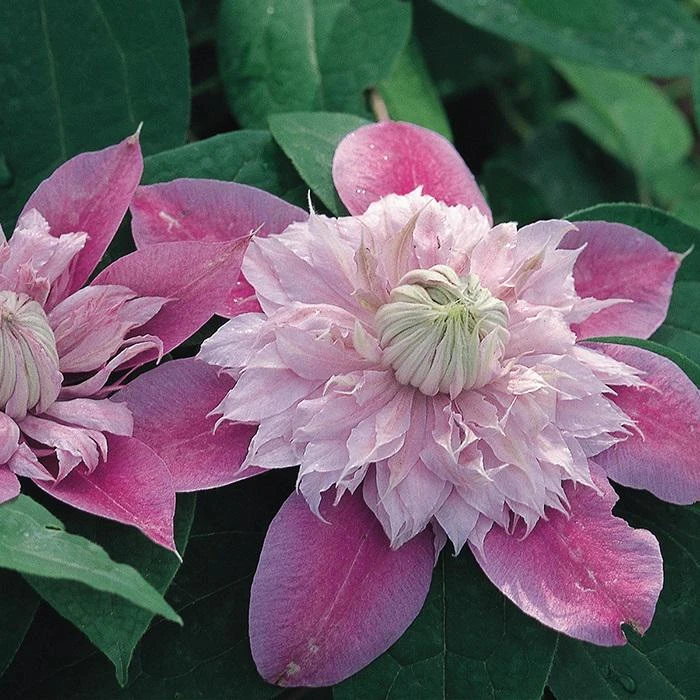
Bring elegance to your garden with the Josephine Clematis live plant. This stunning deciduous vine features unique, multi-layered lavender-pink double blooms, creating a romantic display. Ideal for trellises, arbors, and fences, it thrives in full sun to partial shade in USDA Zones 4–9.
Shipping and Return policies:
We stand behind our plants with our Alive & Thrive Guarantee. If you experience any issues within the first 30 days, please email us, and our team will be happy to help. When needed, we’ll send you a one-time replacement free of charge to make sure your garden keeps growing strong.

Reasonable Price
We offer reasonable price

Support 24/7
Contact us 24 hrs a day
100% Money Back
You’ve 30 days to Return
Payment Secure
100% secure payment
Overview
The Josephine Clematis live plant, also known by its cultivar name ‘Evijohil’, is a truly exceptional deciduous vine that will transform any garden space into a vision of beauty. This particular variety of clematis is celebrated for its distinctive, multi-layered flowers, which present in a delicate lavender-pink hue, often with charming frilled and slightly twisted petals. The result is a soft, romantic aesthetic that captivates onlookers. As a vigorous climbing plant, the pink clematis vine is perfectly suited for adorning trellises, arbors, fences, and pergolas, adding vertical interest and a dramatic splash of color. It offers a generous blooming season, typically producing its large, showy flowers in late spring to early summer, followed by a welcome second flush of blooms in late summer. This extended flowering period ensures a continuous display of its unique beauty throughout much of the growing season, making the Josephine Clematis live plant a highly desirable addition for gardeners seeking both elegance and longevity in their floral arrangements.
Originating from the diverse Clematis genus, the ‘Josephine’ cultivar stands out with its unique flower structure, which sets it apart from many other clematis varieties. Its robust growth habit and adaptability to various garden settings make it a versatile choice for both experienced gardeners and enthusiastic beginners. Whether you’re looking to create a stunning focal point or add a touch of old-world charm, this double bloom clematis is sure to impress. Its ability to thrive in a range of light conditions, from full sun to partial shade, further enhances its appeal, allowing for flexible placement within your garden design.
Key Benefits
The Josephine Clematis live plant offers a multitude of benefits that make it an outstanding choice for any garden. Its unique characteristics contribute to a vibrant and dynamic outdoor space:
- Stunning Aesthetic Appeal: The primary draw of the Josephine Clematis live plant is its breathtaking beauty. Its multi-layered, lavender-pink double blooms are unlike most other clematis, providing a sophisticated and romantic visual impact that instantly elevates garden aesthetics.
- Extended Bloom Season: Enjoy a prolonged period of color with two main flowering cycles. The first abundant display occurs in late spring to early summer, followed by a delightful second round of blooms in late summer, ensuring continuous garden interest.
- Versatile Vertical Accent: As a vigorous climbing vine, this clematis is perfect for adding vertical dimension to your garden. Train it on trellises, arbors, fences, or pergolas to create living walls of flowers, enhancing privacy and beauty.
- Adaptable to Light Conditions: The plant thrives in both full sun and partial shade, offering flexibility in planting locations. This adaptability makes it suitable for various spots in your garden where other flowering plants might struggle.
- Attracts Pollinators: While specific details on pollinator attraction for this double bloom variety are less pronounced than single-flowered types, its vibrant blooms can still draw in beneficial insects, contributing to garden biodiversity.
- Relatively Low Maintenance: Once established, the Josephine Clematis live plant is fairly easy to care for, requiring regular watering and annual pruning to maintain its shape and encourage healthy, abundant flowering.
- Hardy and Resilient: Suitable for USDA Zones 4–9, the Evijohil clematis is a resilient plant that can withstand a range of climates, ensuring its survival and flourishing in many regions across the United States.
Plant Care & Growing Tips
Caring for your Josephine Clematis live plant is straightforward and rewarding, ensuring a spectacular display of its unique double blooms. This deciduous vine prefers a location with full sun to partial shade. For optimal flowering, aim for at least six hours of direct sunlight per day. However, in hotter climates, some afternoon shade can protect the delicate flowers from scorching. The ‘Josephine’ cultivar is hardy in USDA Zones 4–9, making it a versatile choice for many gardens. Proper site selection is crucial; ensure the roots are kept cool and shaded, perhaps by planting low-growing perennials or mulching generously around the base, while allowing the foliage to reach for the sun.
When it comes to watering, the Josephine Clematis live plant requires consistent moisture, especially during dry spells and its active growing and blooming periods. The soil should be kept moist but never waterlogged, as this can lead to root rot. Well-draining, fertile soil is paramount for this plant’s health. Amending heavy clay soils with organic matter can improve drainage, while sandy soils may benefit from added compost to retain moisture. Consider a soil pH between 6.0 and 7.0 for ideal growth. For fertilization, feed your clematis care guide recommends a balanced granular fertilizer in early spring as new growth emerges, and again after the first flush of blooms to encourage a second round of flowering. Pruning is essential for maintaining shape and promoting vigorous growth. This particular clematis belongs to Pruning Group 2, meaning it flowers on both old and new wood. Light pruning can be done in late winter or early spring to remove dead or weak stems and shape the plant, with a more significant prune after the first bloom to encourage re-flowering. Monitor for common pests like aphids and slugs, and treat with appropriate organic or chemical controls if necessary.
Size & Details
The Josephine Clematis live plant you will receive is a rooted starter plant, ready to establish itself in your garden. It will be shipped either bare root or in a 2.5×4 inch greenhouse pot, ensuring a healthy start for your new vine. As a live plant, its exact size, color, and shape may vary depending on the season and growing conditions at the time of shipment, reflecting the natural uniqueness of each specimen. This variety is known for its moderate to vigorous growth rate, typically reaching a mature height of 6-10 feet (approximately 1.8-3 meters) and a spread of 3-6 feet (0.9-1.8 meters) when provided with adequate support like a trellis or arbor. Expect the plant to begin producing its characteristic multi-layered lavender-pink double blooms in late spring to early summer, with a second wave of flowering in late summer, bringing consistent beauty to your outdoor space. The robust nature of this Evijohil clematis ensures it will quickly grow to cover its support structure, offering a lush display of foliage and flowers.
Frequently Asked Questions
- Q: How big does the Josephine Clematis live plant get? A: The Josephine Clematis live plant typically grows to a height of 6-10 feet and can spread 3-6 feet wide, making it an excellent choice for trellises, arbors, and fences.
- Q: Is this an indoor or outdoor plant? A: This is an outdoor plant, a deciduous vine that thrives in garden settings. It is hardy in USDA Zones 4–9 and requires outdoor conditions to flourish.
- Q: How much sunlight does the Josephine Clematis need? A: The Josephine Clematis live plant prefers full sun to partial shade, ideally receiving at least six hours of direct sunlight per day for the best flowering.
- Q: What condition will my plant arrive in? A: Your plant will arrive as a rooted starter plant, shipped either bare root or in a 2.5×4 inch greenhouse pot. It will be healthy and ready for planting.
- Q: Is this plant easy to care for? A: Yes, once established, the clematis care guide suggests it is relatively low maintenance. It requires consistent watering, good drainage, and annual pruning to encourage abundant blooms.
- Q: When is the best time to plant Josephine Clematis? A: The best time to plant is typically in spring or early fall, allowing the plant sufficient time to establish its root system before extreme temperatures.
- Q: Will the Josephine Clematis survive winter in my zone? A: This plant is hardy in USDA Zones 4–9. If you are within these zones, it should survive winter with proper care and mulching in colder regions.
- Q: What type of soil does this double bloom clematis prefer? A: It thrives in well-draining, fertile soil. Amending with compost or other organic matter can enhance soil structure and nutrient content.
- Q: How often should I water my Josephine Clematis? A: Water regularly, especially during dry periods, to keep the soil consistently moist but not soggy. Newly planted vines may require more frequent watering.
- Q: Does the Evijohil clematis attract pollinators? A: While double-flowered varieties may be less attractive to pollinators than single-flowered types, its vibrant blooms can still contribute to the visual appeal of a pollinator-friendly garden.
Be the first to review “Josephine Clematis Live Plant – Pink Double Bloom Vine, USDA Zones 4-9”
You must be logged in to post a review.
People also Viewed
Sold 50 products
Original price was: $37.48.$23.98Current price is: $23.98.
Sold 50 products
$32.38
Sold 50 products
$27.38
Sold 50 products
$32.38
Sold 50 products
$19.88
Sold 50 products
$62.38
Sold 50 products
$24.88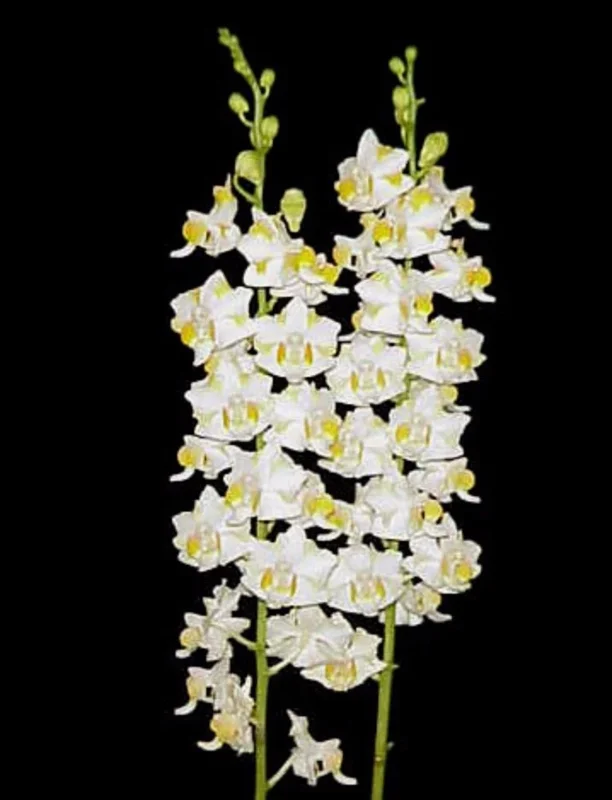
Houseplants
Phalaenopsis pulcherrima ‘Mauna Kea Snow’ Orchid Live Plant – White Flowers, Potted 2.5 in
Sold 50 products
$49.88RELATED posts
Awapuhi Wild Ginger Plant: Zones, Care, and Propagation
Learn which USDA zones suit awapuhi wild ginger, plus sunlight, water, planting, propagation, pests, size, [...]
Awapuhi Shampoo Ginger – Care, Growing Zones, and Differences
Learn how to grow awapuhi (shampoo) ginger, its USDA zones, watering schedule, propagation tips, and [...]
Awapuhi Shampoo Plant Buying Guide – Choose the Right Zingiber zerumbet
META: Learn which awapuhi (shampoo ginger) plant or rhizome pack gives the best natural shampoo, [...]
Awapuhi Plant for Sale: Complete Buying Guide
Find the right awapuhi (shampoo ginger) plant, size, price, soil mix, and online source. Practical [...]
Shampoo Ginger Plant for Sale – Buying Guide & Tips
Find the right shampoo ginger plant, size, price, and care tips. Quick guide for U.S. [...]
Shampoo Ginger Plant (Awapuhi) Care Guide
Learn how to grow, care for, and use shampoo ginger (Zingiber zerumbet), the tropical awapuhi [...]
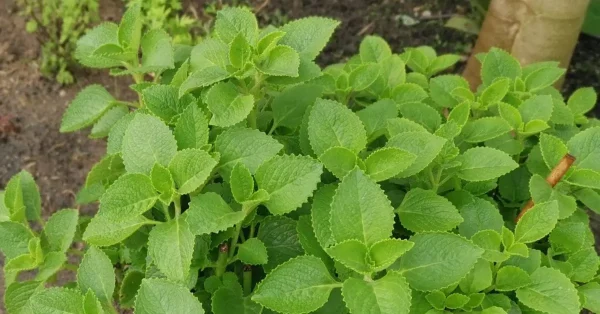
How to Grow Cuban Oregano Plants: A Complete Care Guide
If you’ve ever wanted a plant that combines the culinary punch of traditional oregano with [...]
Aug
How to Grow Habanero Pepper Plants: A Step-by-Step Guide
Habanero pepper plants are prized for their vibrant colors, intense heat, and exceptional flavor, making [...]
Aug
Reviews
There are no reviews yet.