


Jerusalem Artichoke Sunchoke Seeds – Helianthus Tuberosus – Yellow Flower – 20 Seeds
$9.38
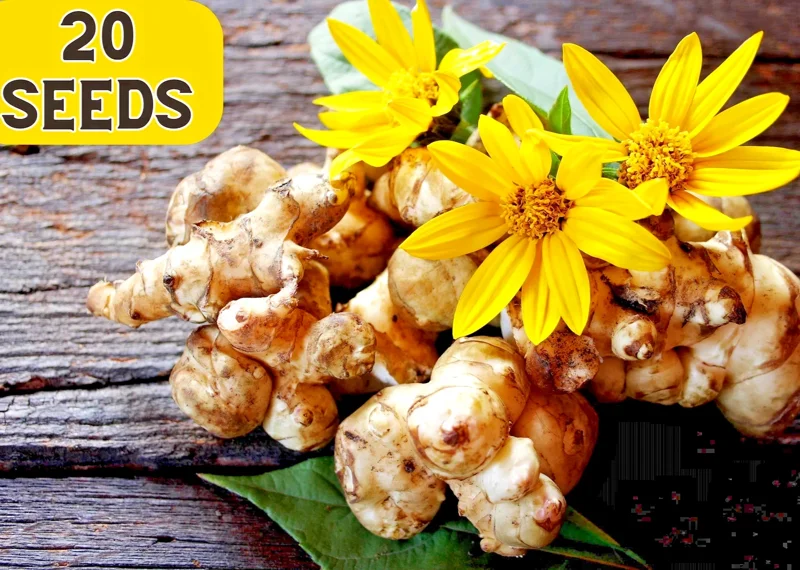
Cultivate your own delicious and versatile Jerusalem Artichoke seeds, also known as Sunchoke or Sunroot. This easy-to-grow perennial produces edible tubers and vibrant yellow flowers, perfect for any outdoor garden. Each packet contains 20 high-quality seeds for a bountiful harvest.
Shipping and Return policies:
We stand behind our plants with our Alive & Thrive Guarantee. If you experience any issues within the first 30 days, please email us, and our team will be happy to help. When needed, we’ll send you a one-time replacement free of charge to make sure your garden keeps growing strong.

Reasonable Price
We offer reasonable price

Support 24/7
Contact us 24 hrs a day
100% Money Back
You’ve 30 days to Return
Payment Secure
100% secure payment
Overview
Ignite your gardening passion with our premium Jerusalem Artichoke seeds, scientifically known as Helianthus tuberosus. Commonly referred to as Sunchoke or Sunroot, this remarkable plant offers a dual benefit: delicious, nutritious tubers and charming, sunflower-like yellow blooms. Originating from North America, the Jerusalem Artichoke is a hardy perennial belonging to the sunflower family, making it an excellent choice for gardeners seeking both ornamental appeal and a bountiful edible crop. These sunchoke seeds are an ideal starting point for cultivating this versatile plant, known for its resilience and ability to thrive in various conditions. Whether you’re a seasoned gardener or just beginning your journey, growing Helianthus tuberosus seeds promises a rewarding experience, transforming your garden into a source of fresh produce and vibrant beauty.
Key Benefits
Growing Jerusalem Artichoke seeds offers a multitude of advantages for both your garden and your culinary endeavors. The plant itself is low-maintenance and provides an abundant harvest. Here are some of the key benefits:
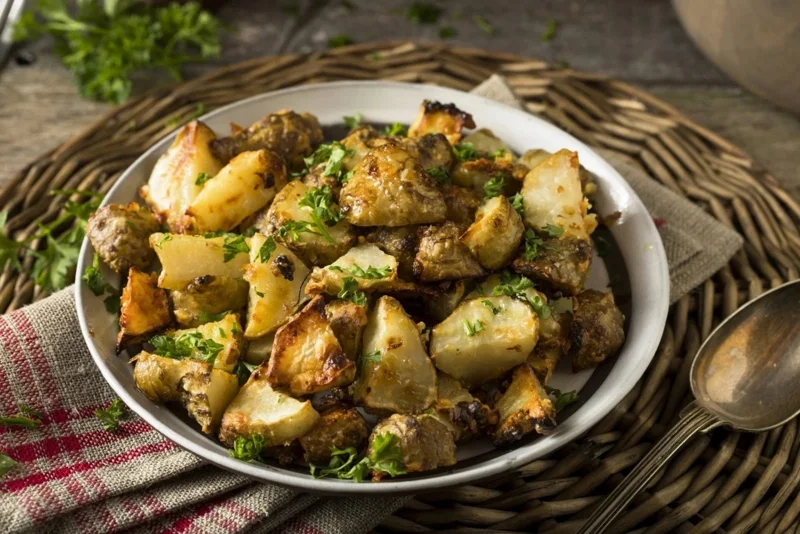
- Edible Tubers: The primary benefit of the Jerusalem Artichoke is its delicious, nutty-flavored tubers. These can be eaten raw, roasted, boiled, or fried, offering a healthy and versatile addition to your diet. They are a great source of inulin, a prebiotic fiber beneficial for gut health.
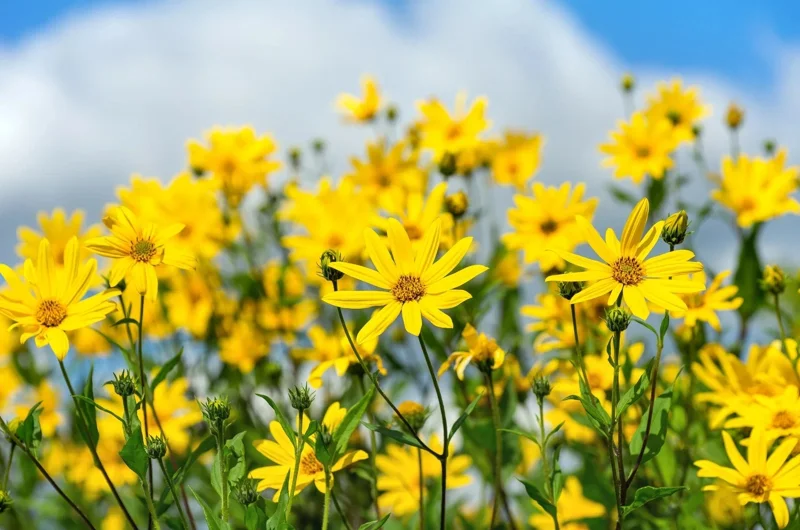
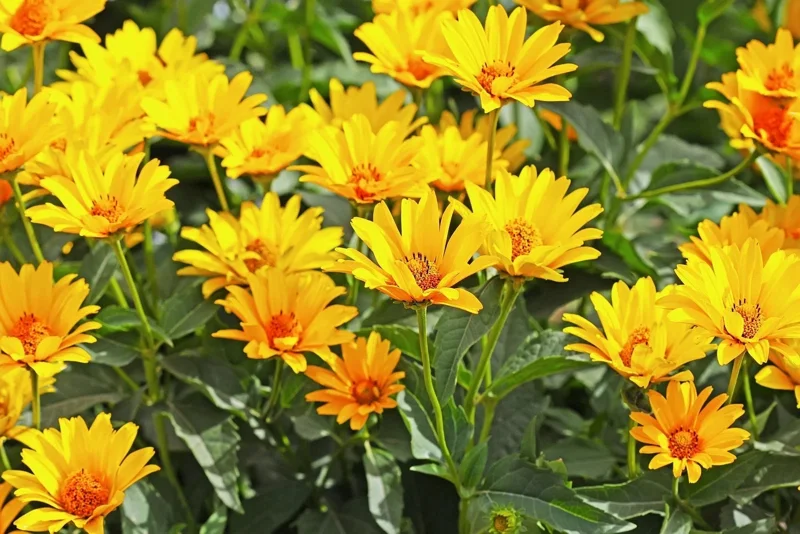
- Attractive Yellow Flowers: Beyond their culinary value, these plants produce bright yellow, daisy-like flowers in late summer to fall, adding a cheerful splash of color to your garden. They resemble small sunflowers and are a beautiful ornamental feature.
- High Yield Potential: Sunchoke seeds grow into robust plants that produce a significant amount of tubers, making them a very productive crop for a relatively small garden space. A single plant can yield several pounds of tubers.
- Perennial Growth: Once established, Helianthus tuberosus seeds will result in perennial plants that return year after year, often spreading to form dense clumps. This reduces the need for annual replanting and makes them a sustainable garden choice.
- Easy to Grow: Known for their hardiness and adaptability, Jerusalem Artichoke seeds are suitable for gardeners of all skill levels. They tolerate a wide range of soil types and climates, requiring minimal care once established.
- Wildlife Attractor: The flowers of the Jerusalem Artichoke attract pollinators like bees and butterflies, contributing to the biodiversity and health of your garden ecosystem.
- Nutrient-Rich Food Source: The tubers are rich in vitamins and minerals, including iron, potassium, and B vitamins, providing a healthy and natural food source directly from your garden. Learning to grow Jerusalem Artichoke provides a sustainable source of healthy food.
Plant Care & Growing Tips
Cultivating Jerusalem Artichoke seeds is surprisingly straightforward, thanks to the plant’s robust nature. To ensure successful growth and a plentiful harvest, consider these care guidelines. Plant your sunchoke seeds directly outdoors in spring after the last frost, or in late fall for an early start the following spring. Choose a location with full sun exposure, meaning at least 6-8 hours of direct sunlight per day. While Jerusalem Artichokes are not overly particular about soil, they thrive best in well-draining soil that is rich in organic matter. A neutral soil pH (6.0-7.0) is ideal. Prepare the soil by loosening it to a depth of about 12 inches and incorporating compost or aged manure.
Watering should be consistent, especially during dry spells and when the plants are flowering and forming tubers. Aim for about 1 inch of water per week, either from rainfall or irrigation. Avoid overwatering, as this can lead to tuber rot. Fertilization is not usually necessary if the soil is amended with compost, but a balanced organic fertilizer can be applied in early spring if your soil is poor. These plants are known for their vigorous growth and can reach heights of 5-10 feet, so consider staking taller varieties to prevent them from falling over in strong winds. Common problems are few, but watch for slugs and snails in damp conditions. Harvesting typically occurs in late fall after the first frost, which sweetens the tubers. Dig them up as needed, leaving some in the ground for next year’s crop, ensuring you can continue to grow Jerusalem Artichoke for years to come. These plants are incredibly resilient and make for excellent edible tuber seeds.
Size & Details
This offering includes 20 high-quality Jerusalem Artichoke seeds (Helianthus tuberosus) for planting. Once mature, these perennial plants typically grow to a height of 5 to 10 feet, forming a clumping growth habit. The plants produce attractive yellow flowers that are approximately 2-3 inches in diameter. The edible tubers, which are the primary harvest, vary in size and shape, generally ranging from 2 to 4 inches long. These seeds are intended for outdoor cultivation and are ideal for establishing a sustainable patch of sunchokes in your garden. Expect to see flowering in late summer to early fall, with tubers ready for harvest after the first frost. The plants are vigorous growers, establishing quickly to provide a bountiful yield of tubers and beautiful blooms.
Frequently Asked Questions
- Q: How big does this plant get? A: The Jerusalem Artichoke plant typically grows quite tall, reaching heights of 5 to 10 feet with a clumping growth habit. The tubers themselves are generally 2-4 inches long.
- Q: Is this an indoor or outdoor plant? A: Jerusalem Artichoke seeds are best suited for outdoor cultivation. They require significant sunlight and space to develop their full potential and produce tubers.
- Q: How much sunlight does it need? A: These plants thrive in full sun, requiring at least 6 to 8 hours of direct sunlight per day to ensure robust growth and good tuber production.
- Q: Is this plant easy to care for? A: Yes, Jerusalem Artichokes are known for being very easy to grow and are quite hardy. They are an excellent choice for beginner gardeners looking to grow Jerusalem Artichoke.
- Q: What condition will the seeds arrive in? A: Your Jerusalem Artichoke seeds will arrive in a protective packet, ensuring they are fresh and viable for planting.
- Q: How long until it blooms? A: The plants typically bloom in late summer to early fall, producing bright yellow, sunflower-like flowers. Tuber development follows the flowering period.
- Q: When is the best time to plant Jerusalem Artichoke seeds? A: The ideal time to plant these sunchoke seeds is in the spring after the last frost, or in late fall for germination the following spring.
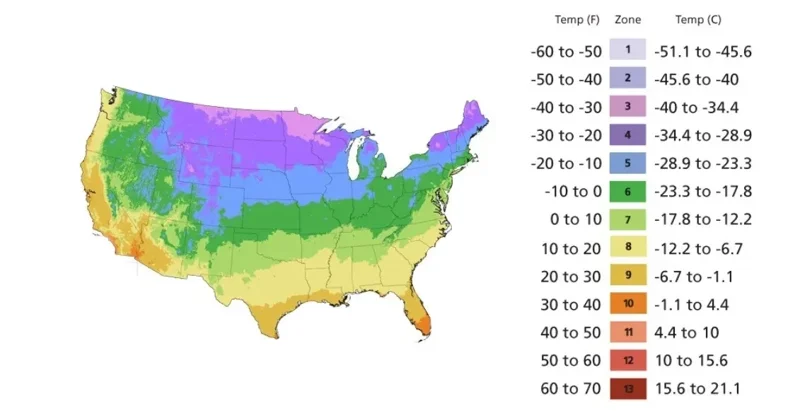
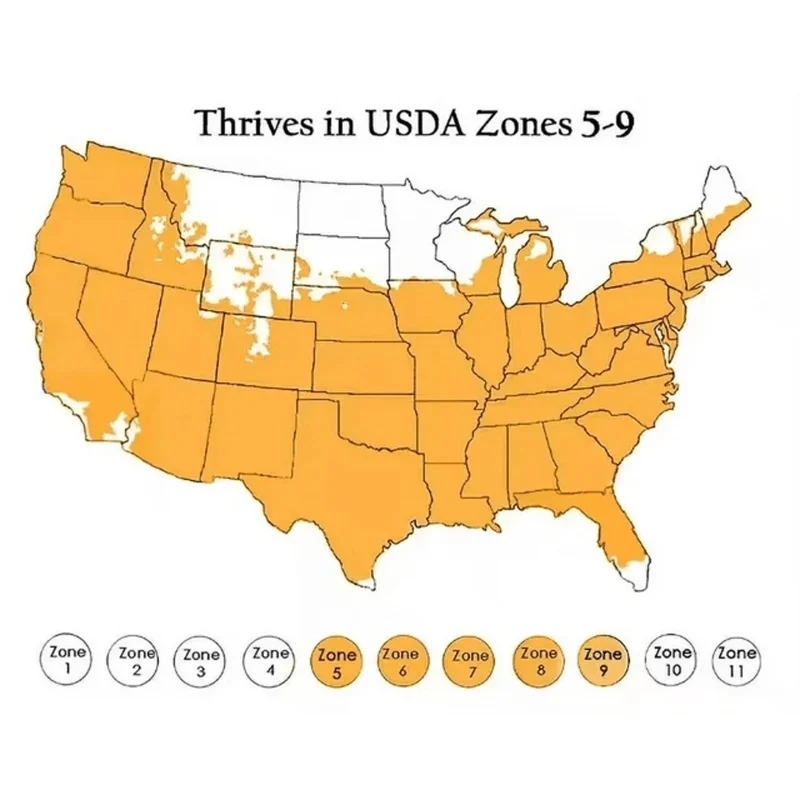
- Q: Will it survive winter in my zone? A: Helianthus tuberosus seeds are very cold hardy and are perennial, meaning they will typically survive winter in USDA Zones 3-9, returning year after year.
- Q: Can I use the tubers for cooking? A: Absolutely! The tubers are a delicious and versatile vegetable, perfect for roasting, boiling, frying, or eating raw. They are a popular choice for those looking for edible tuber seeds.
- Q: What kind of soil is best for these seeds? A: These plants prefer well-draining soil that is rich in organic matter, with a neutral pH. They are quite adaptable but will perform best in good quality soil.
Be the first to review “Jerusalem Artichoke Sunchoke Seeds – Helianthus Tuberosus – Yellow Flower – 20 Seeds”
You must be logged in to post a review.
People also Viewed
Sold 50 products
$32.38
Sold 50 products
$27.38
Sold 50 products
$32.38
Sold 50 products
$19.88
Sold 50 products
$62.38
Sold 50 products
$24.88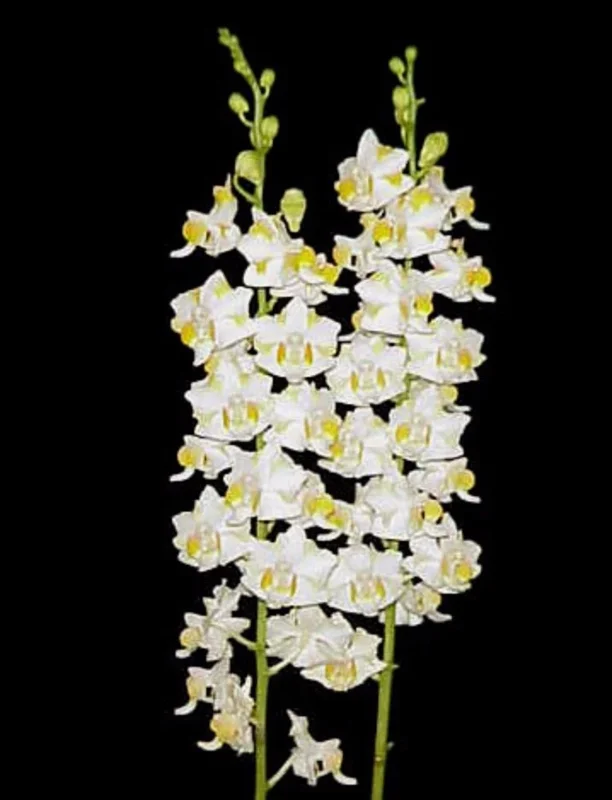
Houseplants
Phalaenopsis pulcherrima ‘Mauna Kea Snow’ Orchid Live Plant – White Flowers, Potted 2.5 in
Sold 50 products
$49.88
Sold 50 products
$49.88RELATED posts
Awapuhi Wild Ginger Plant: Zones, Care, and Propagation
Learn which USDA zones suit awapuhi wild ginger, plus sunlight, water, planting, propagation, pests, size, [...]
Awapuhi Shampoo Ginger – Care, Growing Zones, and Differences
Learn how to grow awapuhi (shampoo) ginger, its USDA zones, watering schedule, propagation tips, and [...]
Awapuhi Shampoo Plant Buying Guide – Choose the Right Zingiber zerumbet
META: Learn which awapuhi (shampoo ginger) plant or rhizome pack gives the best natural shampoo, [...]
Awapuhi Plant for Sale: Complete Buying Guide
Find the right awapuhi (shampoo ginger) plant, size, price, soil mix, and online source. Practical [...]
Shampoo Ginger Plant for Sale – Buying Guide & Tips
Find the right shampoo ginger plant, size, price, and care tips. Quick guide for U.S. [...]
Shampoo Ginger Plant (Awapuhi) Care Guide
Learn how to grow, care for, and use shampoo ginger (Zingiber zerumbet), the tropical awapuhi [...]
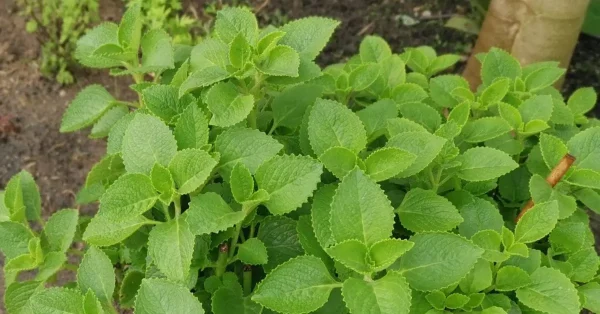
How to Grow Cuban Oregano Plants: A Complete Care Guide
If you’ve ever wanted a plant that combines the culinary punch of traditional oregano with [...]
Aug
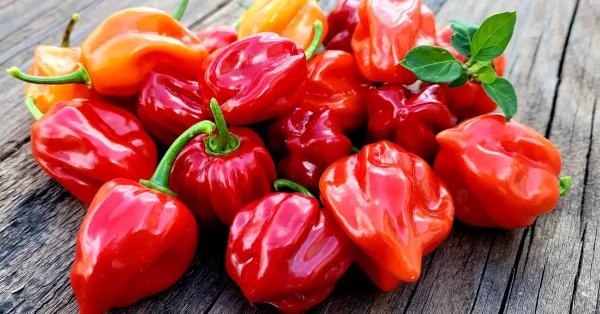
How to Grow Habanero Pepper Plants: A Step-by-Step Guide
Habanero pepper plants are prized for their vibrant colors, intense heat, and exceptional flavor, making [...]
Aug

Reviews
There are no reviews yet.