
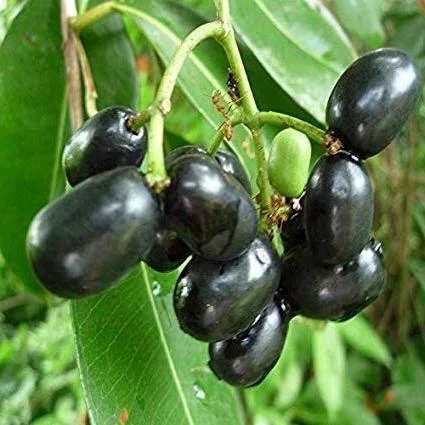
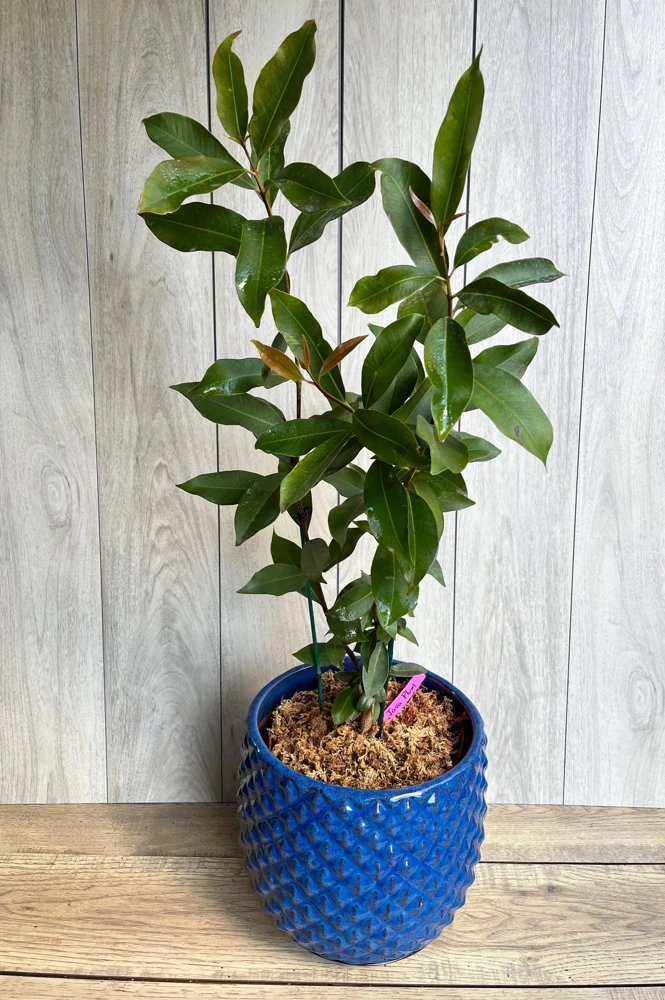
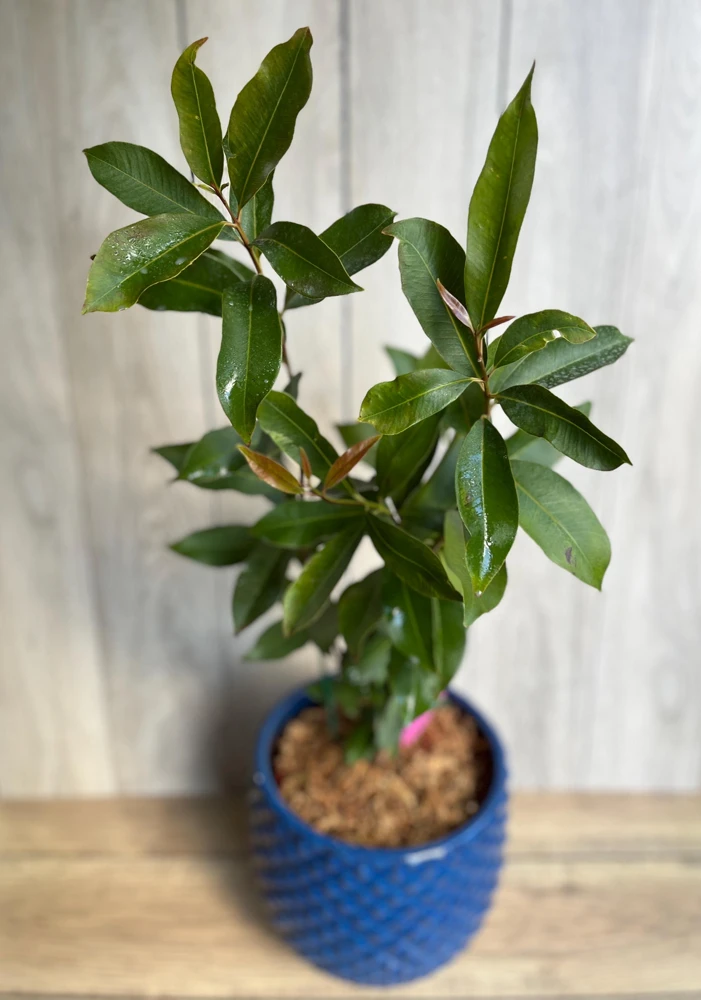
Java Plum Live Plant – Syzygium cumini – 3 Gallon Pot – Edible Fruit Tree – Cannot ship to CA
Original price was: $294.67.$194.71Current price is: $194.71.
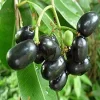
Cultivate your own exotic fruit with this Java Plum live plant, also known as Syzygium cumini, in a 3-gallon pot. This tropical evergreen tree produces delicious, purplish-black fruits and adds ornamental value to your garden.
Shipping and Return policies:
We stand behind our plants with our Alive & Thrive Guarantee. If you experience any issues within the first 30 days, please email us, and our team will be happy to help. When needed, we’ll send you a one-time replacement free of charge to make sure your garden keeps growing strong.

Reasonable Price
We offer reasonable price

Support 24/7
Contact us 24 hrs a day
100% Money Back
You’ve 30 days to Return
Payment Secure
100% secure payment
Overview
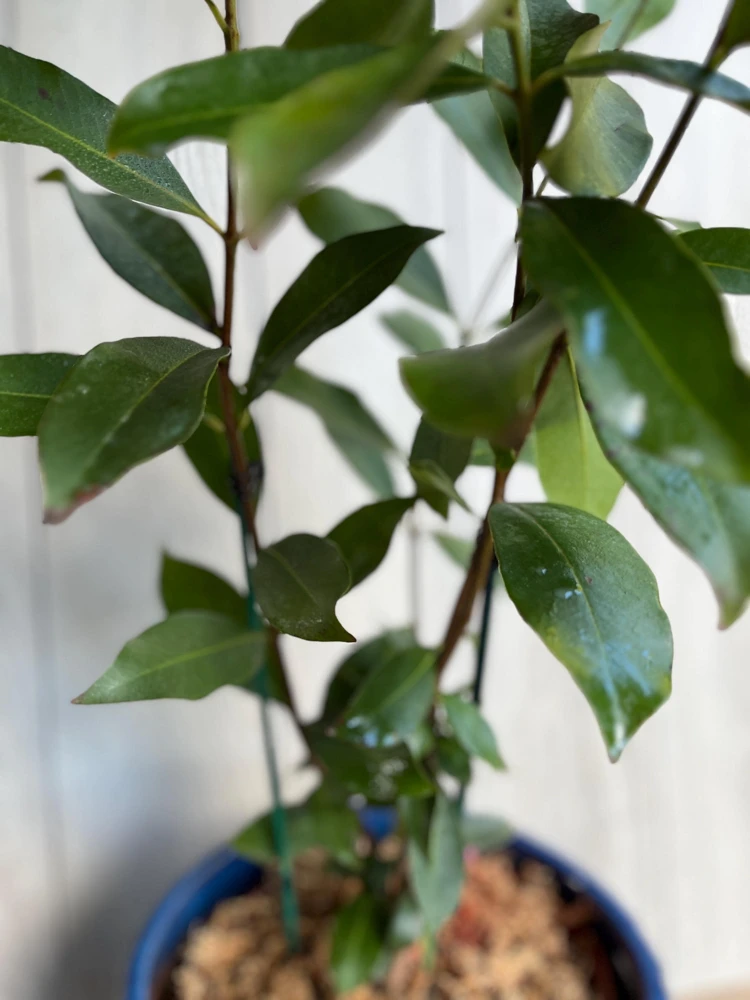
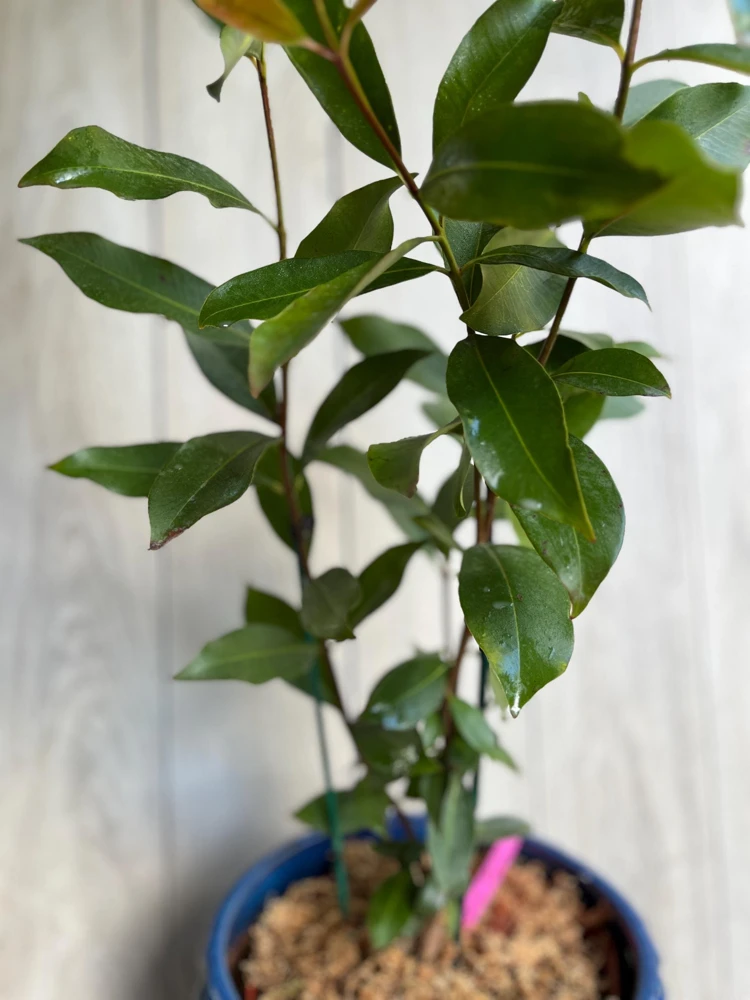
Bring the taste of the tropics to your home with our premium Java Plum live plant, presented in a robust 3-gallon pot. The Java Plum, scientifically known as Syzygium cumini, is a beautiful and productive evergreen tree native to the Indian subcontinent and Southeast Asia. Also commonly referred to as Black Plum, Malabar Plum, Jamun, Jamul, or Jamblang, this versatile tree is cherished for its glossy, dark green leaves and abundance of purplish-black fruits. Thriving in full sun and well-drained soil, it is an ideal choice for tropical and subtropical climates, offering both ornamental beauty and a bountiful harvest. This air-layered specimen ensures a healthy start and faster fruiting potential, allowing you to enjoy fresh, homegrown Java Plums sooner.
Key Benefits
The Java Plum live plant offers a multitude of advantages for any gardener or fruit enthusiast. Not only does it provide delicious, nutritious fruit, but it also enhances your landscape with its attractive foliage and stately presence. Investing in a Syzygium cumini tree means cultivating a piece of tropical paradise.
- Produces Delicious Edible Fruit: The primary benefit is the sweet and tangy, antioxidant-rich fruit that can be enjoyed fresh, made into jams, jellies, or used in various culinary creations.
- Ornamental Value: With its lush, dark green foliage and attractive form, the Java Plum tree serves as an excellent ornamental plant, enhancing the aesthetic appeal of your garden or yard.
- Adaptable to Tropical Climates: This tree thrives in warm, humid conditions, making it perfectly suited for tropical and subtropical regions where many other fruit trees might struggle.
- Relatively Low Maintenance: Once established, the Jamun fruit tree is known for its resilience and can tolerate some drought, requiring consistent moisture and regular fertilization for optimal fruit production.
- Rich in Antioxidants: The fruits are not only tasty but also packed with beneficial antioxidants, contributing to a healthy diet.
- Attracts Pollinators: While self-fertilizing, the tree’s blossoms can attract bees and other beneficial pollinators, contributing to local biodiversity.
Plant Care & Growing Tips
Caring for your Java Plum live plant is straightforward, especially when provided with the right conditions. This tropical tree flourishes with ample sunlight and consistent moisture. Ensure your planting site or container offers excellent drainage to prevent root issues. For optimal growth and fruit yield, follow these guidelines:
Light: The Syzygium cumini tree thrives in full sun, requiring at least 6-8 hours of direct sunlight daily for the best fruit production. While it can tolerate light shade, consistent exposure to sunlight is crucial for vigorous growth and abundant fruiting.
Watering: Regular watering is essential, particularly during the growing season. Keep the soil consistently moist but never waterlogged. Once established, the tree develops some drought tolerance, but consistent moisture is preferred. Avoid prolonged dry periods, especially when the tree is actively fruiting.
Soil: Plant your Malabar Plum care tree in well-draining soil that is rich in organic matter. Loamy or sandy soils with good drainage are ideal. A slightly acidic to neutral pH (6.0-7.0) is generally preferred. Good drainage is paramount to prevent root rot.
Temperature & Humidity: This tropical species grows best in warm climates with annual daytime temperatures between 68-90°F (20-32°C). It is not frost-tolerant, so protection from cold temperatures is necessary if you live in a region prone to frost. The tree tolerates high humidity, making it well-suited for its native tropical and subtropical environments.
Fertilization: Use a balanced, slow-release fertilizer designed for fruit trees. Fertilize tri-annually: in early spring, mid-summer, and late autumn, to support vigorous growth and fruit development. Follow the product’s instructions for application rates.
Pruning: Regular pruning is beneficial for promoting healthy growth, shaping the tree, and enhancing fruit production. Remove any dead, diseased, or crossing branches to maintain a strong, open canopy. The best time to prune is after the fruiting season.
Pests and Diseases: Monitor your tropical fruit plant for common pests such as aphids, fruit flies, and scale insects. Address infestations promptly with appropriate organic or chemical controls. Ensure good air circulation around the tree and avoid over-watering to minimize the risk of fungal diseases.
Size & Details
This Java Plum live plant is provided in a 3-gallon nursery pot, ensuring a well-established root system and a sturdy start for your garden. Air-layered, this specimen is designed for faster maturity and earlier fruit production compared to seed-grown trees. Java Plum trees typically grow into medium to large evergreen trees, reaching heights of 20-40 feet in their mature state, though they can be kept smaller with regular pruning. They have a moderate growth rate and can begin producing fruit within 3-5 years after planting, depending on growing conditions and care. The tree will arrive carefully packaged, ready for planting in your desired location, whether in the ground or a larger container.
Frequently Asked Questions
- Q: How big does this Java Plum live plant get? A: This Java Plum live plant is in a 3-gallon pot, and mature trees can reach heights of 20-40 feet, though they can be maintained at a smaller size with regular pruning.
- Q: What size pot does it come in? A: The plant is shipped in a 3-gallon nursery pot, providing a good foundation for transplanting.
- Q: Is this an indoor or outdoor plant? A: The Java Plum is a tropical outdoor tree best suited for USDA zones 9-11. In colder climates, it can be grown in a large container and brought indoors during winter.
- Q: How much sunlight does it need? A: This Syzygium cumini tree requires full sun, meaning at least 6-8 hours of direct sunlight per day, for optimal growth and fruit production.
- Q: Is this plant easy to care for? A: Once established, the Jamun fruit tree is relatively low-maintenance, especially in suitable climates. Consistent watering and fertilization are key to its success.
- Q: What condition will it arrive in? A: Your plant will arrive healthy and well-packaged, with its root ball intact within the 3-gallon pot, ready for transplanting.
- Q: Can I use Malabar Plum fruit in cooking? A: Yes, the fruits of the Malabar Plum care tree are highly versatile and can be eaten fresh, made into juices, jams, jellies, or used in various desserts and savory dishes.
- Q: How long until it produces fruit? A: As an air-layered plant, this Java Plum is expected to start producing fruit within 3-5 years under ideal growing conditions.
- Q: When is the best time to plant? A: The best time to plant is typically in spring or early summer, allowing the plant to establish itself before extreme temperatures.
- Q: Will it survive winter in my zone? A: Java Plum is not frost-tolerant. If you are outside USDA zones 9-11, you will need to protect it from cold or grow it in a container that can be moved indoors during winter.
Be the first to review “Java Plum Live Plant – Syzygium cumini – 3 Gallon Pot – Edible Fruit Tree – Cannot ship to CA”
You must be logged in to post a review.
People also Viewed
Sold 50 products
$32.38
Sold 50 products
$27.38
Sold 50 products
$32.38
Sold 50 products
$19.88
Sold 50 products
$62.38
Sold 50 products
$24.88
Houseplants
Phalaenopsis pulcherrima ‘Mauna Kea Snow’ Orchid Live Plant – White Flowers, Potted 2.5 in
Sold 50 products
$49.88
Sold 50 products
$49.88RELATED posts
Awapuhi Wild Ginger Plant: Zones, Care, and Propagation
Learn which USDA zones suit awapuhi wild ginger, plus sunlight, water, planting, propagation, pests, size, [...]
Awapuhi Shampoo Ginger – Care, Growing Zones, and Differences
Learn how to grow awapuhi (shampoo) ginger, its USDA zones, watering schedule, propagation tips, and [...]
Awapuhi Shampoo Plant Buying Guide – Choose the Right Zingiber zerumbet
META: Learn which awapuhi (shampoo ginger) plant or rhizome pack gives the best natural shampoo, [...]
Awapuhi Plant for Sale: Complete Buying Guide
Find the right awapuhi (shampoo ginger) plant, size, price, soil mix, and online source. Practical [...]
Shampoo Ginger Plant for Sale – Buying Guide & Tips
Find the right shampoo ginger plant, size, price, and care tips. Quick guide for U.S. [...]
Shampoo Ginger Plant (Awapuhi) Care Guide
Learn how to grow, care for, and use shampoo ginger (Zingiber zerumbet), the tropical awapuhi [...]
How to Grow Cuban Oregano Plants: A Complete Care Guide
If you’ve ever wanted a plant that combines the culinary punch of traditional oregano with [...]
Aug
How to Grow Habanero Pepper Plants: A Step-by-Step Guide
Habanero pepper plants are prized for their vibrant colors, intense heat, and exceptional flavor, making [...]
Aug
Reviews
There are no reviews yet.