
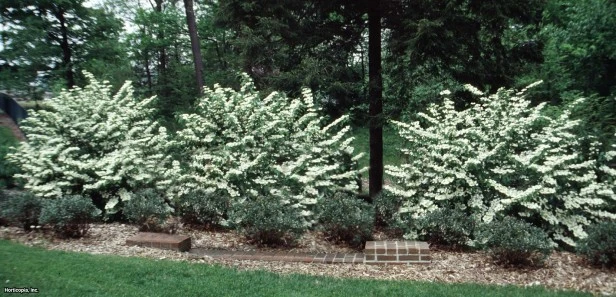
Japanese Snowball Viburnum Live Plant – 2.5 inch Pot – Outdoor Shrub
Original price was: $27.50.$11.50Current price is: $11.50.
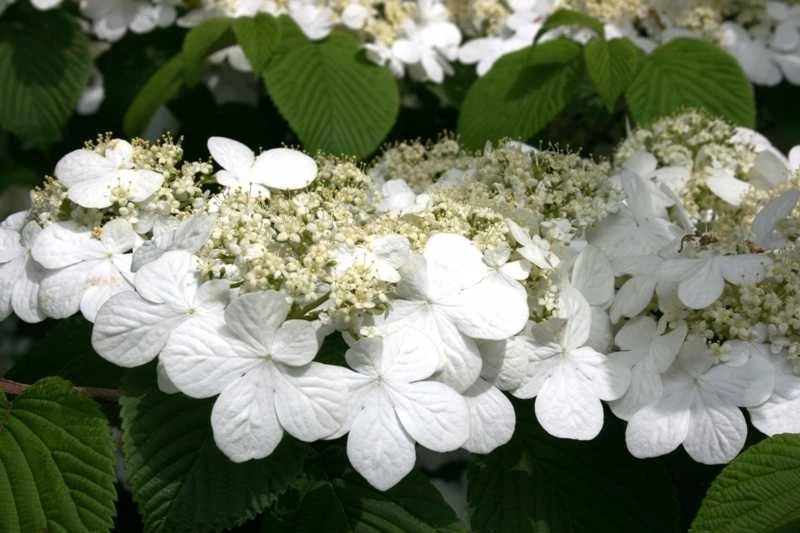
Add elegance to your landscape with the Japanese Snowball Viburnum, a stunning deciduous shrub known for its large, white, snowball-like flowers. This Viburnum plicatum arrives as a healthy 2.5 inch pot live plant, perfect for establishing in your garden and enjoying its spectacular spring blooms. Ideal for hedges, borders, or as a focal point.
Shipping and Return policies:
We stand behind our plants with our Alive & Thrive Guarantee. If you experience any issues within the first 30 days, please email us, and our team will be happy to help. When needed, we’ll send you a one-time replacement free of charge to make sure your garden keeps growing strong.

Reasonable Price
We offer reasonable price

Support 24/7
Contact us 24 hrs a day
100% Money Back
You’ve 30 days to Return
Payment Secure
100% secure payment
Overview
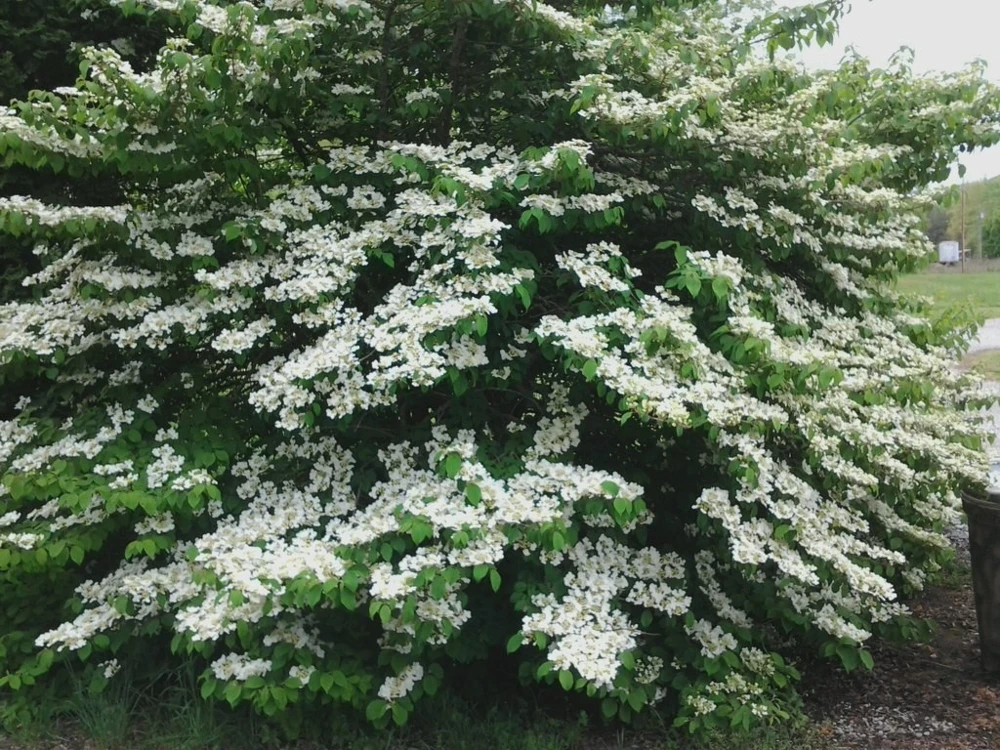
Transform your garden into a springtime wonderland with the exquisite Japanese Snowball Viburnum. This beloved ornamental shrub, scientifically known as Viburnum plicatum f. plicatum, is renowned for its breathtaking display of pure white, globe-shaped flower clusters that resemble snowballs. Arriving as a healthy Japanese Snowball Viburnum live plant in a 2.5-inch nursery pot, it is ready to be planted and establish itself in your outdoor space. Known for its vigorous growth and easy maintenance, this shrub provides a spectacular visual impact in late spring to early summer, making it a favorite among gardeners. Its lush green foliage turns to attractive reddish-purple hues in the fall, extending its season of interest. Whether you’re looking to create a stunning hedge, a beautiful border, or a captivating specimen plant, the Viburnum plicatum is an excellent choice for adding timeless beauty to any landscape.
Key Benefits
The Japanese Snowball Viburnum offers numerous advantages for any gardener, combining aesthetic appeal with robust growth and versatility. Its striking appearance and adaptable nature make it a valuable addition to diverse garden designs.
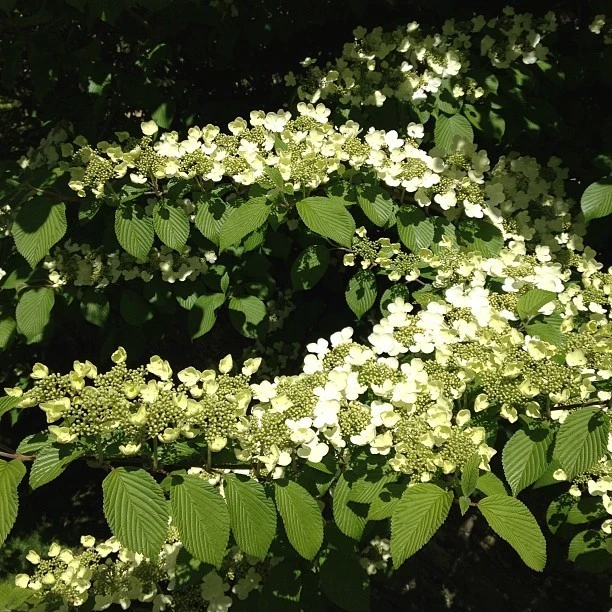
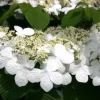
- Spectacular Spring Blooms: Enjoy an abundance of large, sterile, pure white flowers clustered into dense, rounded heads that truly resemble snowballs. These blooms create a dramatic and beautiful focal point in the late spring, lasting for several weeks. The sheer volume of flowers makes the Japanese Snowball Viburnum an unforgettable sight.
- Multi-Season Interest: Beyond its incredible spring floral display, this shrub offers attractive dark green, deeply veined foliage throughout the summer. In autumn, the leaves transform into rich shades of reddish-purple, providing vibrant color and extending the plant’s ornamental value well into the cooler months.
- Easy to Grow and Low Maintenance: Known for its hardiness and adaptability, the Viburnum plicatum is relatively easy to care for, making it suitable for both experienced gardeners and beginners. Once established, it requires minimal attention, thriving in a variety of conditions.
- Versatile Landscape Use: This beautiful shrub is incredibly versatile. It can be used as a standalone specimen plant, incorporated into mixed shrub borders, planted in groups for a mass effect, or even shaped into an informal hedge. Its stately presence enhances any garden setting.
- Attracts Pollinators: While the individual flowers are sterile, the overall presence of such a large floral display can still attract some beneficial insects to your garden, contributing to a healthy ecosystem.
- Deer Resistant: Generally, deer tend to avoid browsing on Japanese Snowball Viburnum, which is a significant advantage in areas where deer can be a problem for other ornamental plants.
- Robust Growth Habit: This shrub develops a strong, upright, and spreading habit, reaching a substantial size that can provide structure and screening in the landscape. Its reliable growth ensures a consistent and impressive display year after year.
Plant Care & Growing Tips
Caring for your Japanese Snowball Viburnum is straightforward, and with proper attention, it will flourish and provide years of beautiful blooms. Understanding its specific needs for sunlight, water, and soil will ensure its optimal health and growth. This guide will help you keep your snowball bush care routine effective.
For best results, plant your Viburnum plicatum in a location that receives full sun to partial shade. Full sun (at least 6 hours of direct sunlight per day) will promote the most abundant flowering, while partial shade (4-6 hours of sun, especially afternoon shade in hot climates) can help prevent leaf scorch. Ensure the soil is well-draining, as viburnums do not tolerate consistently wet feet. A rich, loamy soil with a slightly acidic to neutral pH (6.0-7.0) is ideal. Amend heavy clay soils with organic matter like compost to improve drainage and aeration. When planting, dig a hole twice as wide as the root ball and just as deep. Carefully remove the plant from its 2.5 inch pot, loosen any circling roots, and place it in the hole so the top of the root ball is level with the surrounding soil. Backfill with amended soil, gently tamp down to remove air pockets, and water thoroughly.
Water your Japanese Snowball Viburnum regularly, especially during its first growing season, to help establish a strong root system. Aim for consistently moist, but not waterlogged, soil. Once established, it is moderately drought-tolerant but will perform best with supplemental watering during prolonged dry spells. Apply a layer of organic mulch around the base of the plant to help retain soil moisture, regulate soil temperature, and suppress weeds. Fertilize in early spring with a balanced, slow-release granular fertilizer formulated for flowering shrubs. Pruning should be done after flowering in late spring or early summer. Remove any dead, damaged, or crossing branches. You can also prune to maintain desired size and shape, or to rejuvenate an older plant by removing one-third of the oldest stems each year over a three-year period. This ensures continuous vibrant growth and flowering for your snowball bush care regimen.
Size & Details
The Japanese Snowball Viburnum, specifically the Viburnum plicatum, is a deciduous shrub known for its impressive size and seasonal beauty. This offering is for a live plant shipped in a 2.5 inch pot, providing a healthy starter plant ready for transplanting into your garden. Typically, this shrub grows to a mature height of 8-15 feet and spreads 8-15 feet wide, forming a rounded to upright, spreading habit. The growth rate is moderate, meaning it will establish and grow at a steady pace, usually adding 1-2 feet per year once settled. It is a long-lived shrub, providing decades of enjoyment in the right conditions. The impressive snowball-like flowers, which are sterile and do not produce fruit, emerge in late spring to early summer, creating a stunning visual display. Expect your young plant to begin blooming within 1-3 years of planting, with increasing abundance as it matures. This Japanese snowball plant is a perfect addition for those seeking a robust and showy ornamental.
Frequently Asked Questions
- Q: How big does this plant get? A: The Japanese Snowball Viburnum typically grows to a mature height and spread of 8-15 feet, forming a large, rounded shrub. Its ultimate size depends on growing conditions and pruning.
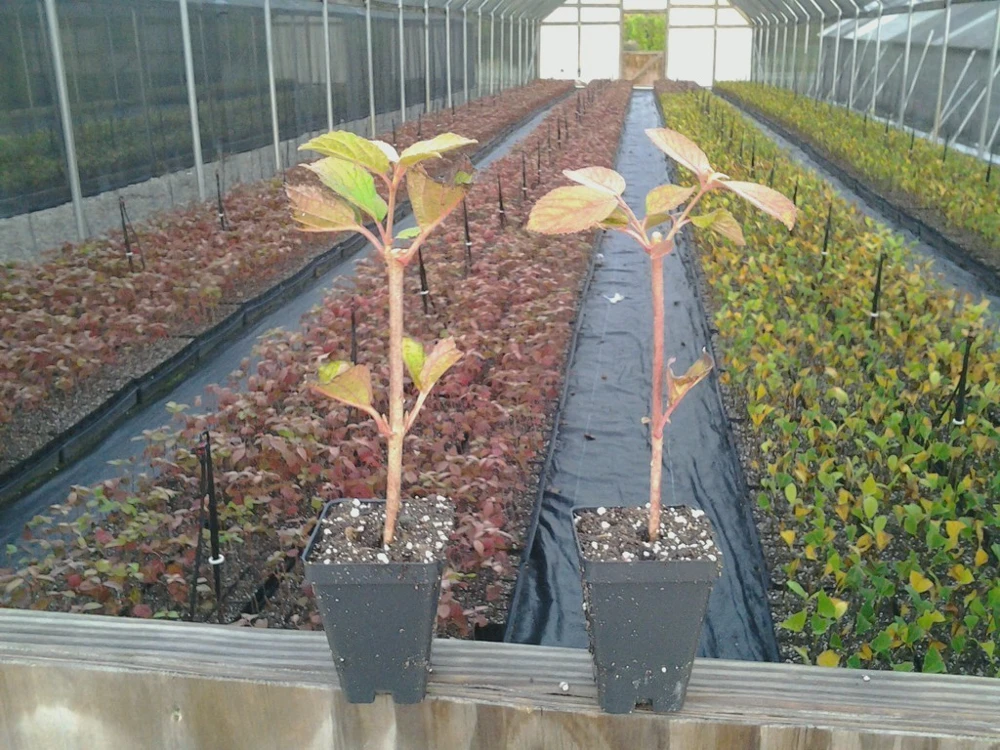
- Q: What size pot does it come in? A: This particular offering is for a live plant shipped in a 2.5 inch pot, making it a well-rooted young specimen ready for transplanting.
- Q: Is this an indoor or outdoor plant? A: The Japanese Snowball Viburnum is an outdoor shrub. It requires outdoor conditions to thrive and complete its natural growth cycle, including winter dormancy.
- Q: How much sunlight does it need? A: This shrub performs best in full sun (at least 6 hours of direct sunlight) to partial shade (4-6 hours of sun). More sun generally leads to more abundant flowering.
- Q: Is this plant easy to care for? A: Yes, the Viburnum plicatum is considered easy to care for and is quite hardy. It’s a good choice for gardeners of all experience levels, requiring minimal maintenance once established.
- Q: What condition will it arrive in? A: Your Japanese Snowball Viburnum will arrive as a healthy, well-rooted live plant in a 2.5-inch nursery pot, carefully packaged to ensure its safe journey.
- Q: Is it shipped in soil? A: Yes, the plant is shipped rooted in its nursery pot with soil, ensuring it stays hydrated and healthy during transit.
- Q: How long until it blooms? A: While already a young plant, it may take 1-3 years for your Japanese Snowball Viburnum to produce its first significant blooms after planting, with flowering becoming more prolific as it matures.
- Q: When is the best time to plant? A: The best time to plant your snowball bush care in the ground is in spring or early fall, allowing the plant sufficient time to establish its root system before extreme weather.
- Q: Will it survive winter in my zone? A: The Japanese Snowball Viburnum is hardy in USDA Zones 5-8, meaning it can tolerate winter temperatures down to -20°F (-29°C) in these regions.
- Q: What’s the minimum temperature it can tolerate? A: This shrub can generally tolerate winter temperatures as low as -20°F (-29°C) when established in appropriate USDA hardiness zones.
- Q: What are the best uses for an ornamental viburnum? A: The ornamental viburnum is excellent as a specimen plant, in shrub borders, for informal hedging, or as a backdrop for smaller plants due to its size and stunning floral display.
Be the first to review “Japanese Snowball Viburnum Live Plant – 2.5 inch Pot – Outdoor Shrub”
You must be logged in to post a review.
People also Viewed
Sold 50 products
$32.38
Sold 50 products
$27.38
Sold 50 products
$32.38
Sold 50 products
$19.88
Sold 50 products
$62.38
Sold 50 products
$24.88
Houseplants
Phalaenopsis pulcherrima ‘Mauna Kea Snow’ Orchid Live Plant – White Flowers, Potted 2.5 in
Sold 50 products
$49.88
Sold 50 products
$49.88RELATED posts
Awapuhi Wild Ginger Plant: Zones, Care, and Propagation
Learn which USDA zones suit awapuhi wild ginger, plus sunlight, water, planting, propagation, pests, size, [...]
Awapuhi Shampoo Ginger – Care, Growing Zones, and Differences
Learn how to grow awapuhi (shampoo) ginger, its USDA zones, watering schedule, propagation tips, and [...]
Awapuhi Shampoo Plant Buying Guide – Choose the Right Zingiber zerumbet
META: Learn which awapuhi (shampoo ginger) plant or rhizome pack gives the best natural shampoo, [...]
Awapuhi Plant for Sale: Complete Buying Guide
Find the right awapuhi (shampoo ginger) plant, size, price, soil mix, and online source. Practical [...]
Shampoo Ginger Plant for Sale – Buying Guide & Tips
Find the right shampoo ginger plant, size, price, and care tips. Quick guide for U.S. [...]
Shampoo Ginger Plant (Awapuhi) Care Guide
Learn how to grow, care for, and use shampoo ginger (Zingiber zerumbet), the tropical awapuhi [...]
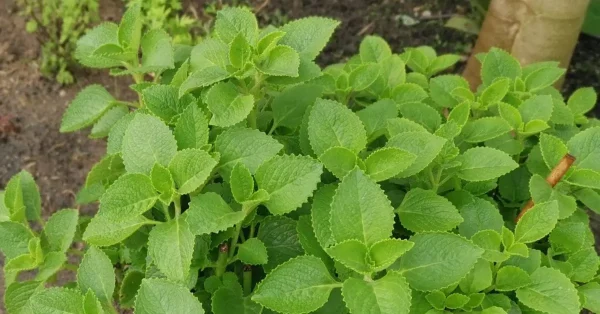
How to Grow Cuban Oregano Plants: A Complete Care Guide
If you’ve ever wanted a plant that combines the culinary punch of traditional oregano with [...]
Aug
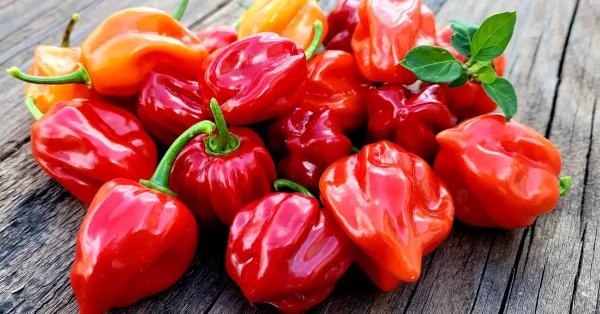
How to Grow Habanero Pepper Plants: A Step-by-Step Guide
Habanero pepper plants are prized for their vibrant colors, intense heat, and exceptional flavor, making [...]
Aug
Reviews
There are no reviews yet.