
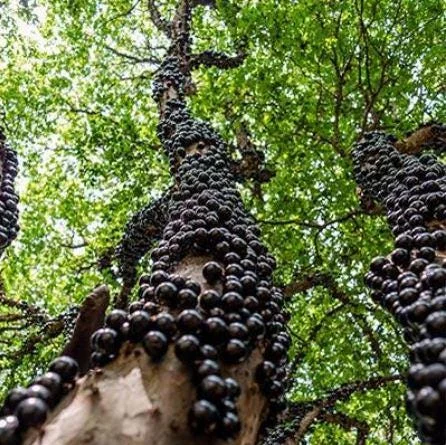
Jaboticaba Live Fruit Tree – Starter Plant – 4 inch Pot – Outdoor Grown
Original price was: $63.78.$26.19Current price is: $26.19.
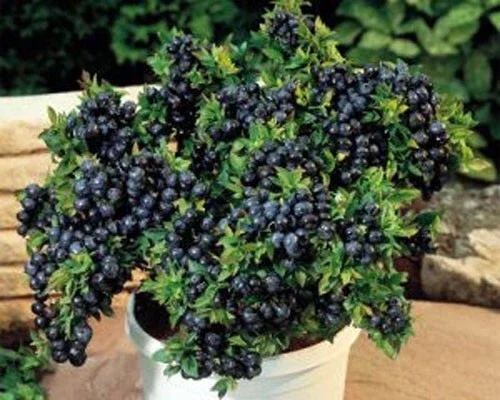
Cultivate your own delicious fruit with this jaboticaba tree live plant. This outdoor-grown starter plant, in a 4-inch pot, offers unique trunk-fruiting and ornamental appeal. Perfect for gardens in USDA Zones 9-11 or container growing.
Shipping and Return policies:
We stand behind our plants with our Alive & Thrive Guarantee. If you experience any issues within the first 30 days, please email us, and our team will be happy to help. When needed, we’ll send you a one-time replacement free of charge to make sure your garden keeps growing strong.

Reasonable Price
We offer reasonable price

Support 24/7
Contact us 24 hrs a day
100% Money Back
You’ve 30 days to Return
Payment Secure
100% secure payment
Overview
Embark on a rewarding gardening journey with this exceptional jaboticaba tree live plant. Known for its unique growth habit where fruits grow directly on the trunk and branches, the Jaboticaba (Myrciaria cauliflora) is a fascinating and productive addition to any outdoor garden. This starter plant comes in a 4-inch pot, having been carefully nurtured outdoors, making it well-acclimated for continued growth in your landscape. The Jaboticaba tree is celebrated for its sweet, purplish-black fruits that resemble grapes, offering a delightful and fresh taste. It’s a perfect choice for those looking to add an unusual and fruitful specimen to their collection, providing both ornamental beauty and delicious harvests. Growing your own jaboticaba tree live plant allows you to enjoy fresh, organic fruit right from your backyard. Discover how to grow jaboticaba successfully with this robust starter plant.
Key Benefits
Adding a Jaboticaba tree to your garden offers a plethora of advantages, both aesthetic and practical. This remarkable plant provides a unique visual appeal and a bounty of sweet, fresh fruit.
- Unique Fruiting Display: The most striking feature of the Jaboticaba is its cauliflorous nature, where fruits develop directly on the trunk and older branches. This creates a stunning visual spectacle, especially during fruiting season, making it a conversation starter in any garden. Enjoy the visual delight of fruits appearing right on the woody stems.
- Delicious, Nutritious Fruit: Enjoy sweet, grape-like fruits that are rich in antioxidants, vitamins, and minerals. They can be eaten fresh, made into jams, jellies, juices, or wines, offering a versatile culinary experience. The fresh, organic produce from your own jaboticaba tree live plant is a true delight.
- Ornamental Value: Beyond its fruit, the Jaboticaba boasts attractive, glossy green foliage and a smooth, appealing bark that can peel in patches, revealing lighter colors underneath. It serves as an excellent specimen tree or a unique hedge, enhancing the aesthetic of your landscape.
- Adaptable Growth: While preferring tropical and subtropical climates, the jaboticaba tree live plant can adapt to a range of conditions and can even be grown in containers in colder regions, allowing it to be moved indoors during winter. This makes it a versatile choice for many gardeners.
- Long Lifespan & Productivity: Jaboticaba trees are long-lived and can produce fruit for many decades, becoming a lasting legacy in your garden. With proper jaboticaba fruit tree care, it will yield abundant harvests for years to come.
- Low Maintenance Once Established: After the initial establishment phase, these trees are relatively low-maintenance, requiring less intensive care compared to many other fruit trees. This makes them a great option for busy gardeners.
- Attracts Wildlife: The fruits are a favorite among birds and other small wildlife, adding biodiversity to your garden ecosystem. This enhances the natural appeal of your garden space.
Plant Care & Growing Tips
To ensure your jaboticaba tree live plant thrives, understanding its specific care requirements is crucial. While generally hardy, providing optimal conditions will lead to stronger growth and more abundant fruit production. Jaboticaba trees prefer full sun to partial shade. In very hot climates, some afternoon shade can prevent leaf scorch. Aim for at least 6 hours of direct sunlight for best fruiting. They are relatively slow-growing, especially when young, so patience is key. Proper light exposure is fundamental to successful fruiting of your myrciaria cauliflora.
Watering is critical, especially for young trees. Keep the soil consistently moist but not waterlogged. Established trees can tolerate short periods of drought but will produce better with regular watering, particularly during dry spells and when fruiting. Well-draining, slightly acidic to neutral soil (pH 5.5-7.0) is ideal. Amending heavy clay soils with organic matter can improve drainage. Fertilize your jaboticaba tree live plant with a balanced, slow-release fertilizer designed for fruit trees, typically in spring and mid-summer. Follow package instructions, as over-fertilization can harm the plant. Protect young trees from frost; mature trees can tolerate brief dips below freezing but prolonged cold can cause damage. Understanding how to grow jaboticaba successfully involves monitoring soil moisture and providing adequate light, and protecting it from extreme temperatures. This jaboticaba outdoor plant will reward your efforts with delicious fruit.
Size & Details
This offering is for one jaboticaba tree live plant, supplied as a starter tree in a 4-inch nursery pot. The plant is outdoor-grown, ensuring it is robust and ready for transplanting into your garden or a larger container. At this starter stage, the plant’s height typically ranges from 6 to 12 inches, depending on growth. Jaboticaba trees are known for their slow to moderate growth rate, especially in their early years. Once established, they can eventually reach heights of 10 to 20 feet in ideal conditions, forming a dense, rounded canopy. Expect the first fruits to appear within 5-8 years from planting, though some varieties may fruit sooner. This plant is an excellent choice for those seeking a unique, long-term addition to their landscape, offering both beauty and a delicious harvest. Proper jaboticaba fruit tree care will help it reach its full potential.
Frequently Asked Questions
- Q: How big does this plant get? A: This starter plant comes in a 4-inch pot. When mature, a jaboticaba tree live plant can reach heights of 10 to 20 feet, forming a dense, rounded canopy, depending on growing conditions and variety.
- Q: Is this an indoor or outdoor plant? A: This Jaboticaba tree is grown outdoors and is primarily an outdoor fruit tree. In colder climates (below USDA Zone 9), it can be grown in a large container and moved indoors during winter. It is an excellent jaboticaba outdoor plant for warmer regions.
- Q: How much sunlight does it need? A: Jaboticaba trees thrive in full sun to partial shade, ideally receiving at least 6 hours of direct sunlight per day for optimal fruiting. In very hot regions, some afternoon shade can be beneficial.
- Q: Is this plant easy to care for? A: While requiring consistent moisture and protection from harsh frosts when young, Jaboticaba trees are relatively low-maintenance once established, making jaboticaba fruit tree care manageable for many gardeners.
- Q: What condition will it arrive in? A: Your jaboticaba tree live plant will arrive as a healthy starter plant in its 4-inch nursery pot, carefully packaged to ensure its safe journey to you.
- Q: When is the best time to plant? A: The best time to plant Jaboticaba is in spring or early summer after the last frost, allowing it ample time to establish before cooler weather. This gives the myrciaria cauliflora a strong start.
- Q: Will it survive winter in my zone? A: Jaboticaba trees are best suited for USDA Zones 9-11. In zones with frost, protection is needed, or they should be grown in containers and moved indoors. This is important for those wondering how to grow jaboticaba in diverse climates.
- Q: What kind of soil does it prefer? A: It prefers well-draining, slightly acidic to neutral soil (pH 5.5-7.0). Amending with organic matter is beneficial, especially in heavy clay soils, to ensure good drainage and nutrient availability for your jaboticaba tree live plant.
- Q: How long until it starts producing fruit? A: Jaboticaba trees typically start producing fruit within 5 to 8 years from planting, though some faster-growing varieties may fruit sooner with proper care.
- Q: Can I grow this plant in a container? A: Yes, Jaboticaba trees adapt well to container growing, especially beneficial for those in colder climates who need to bring the plant indoors during winter. Consider a large pot to allow for root development for your jaboticaba outdoor plant.
Be the first to review “Jaboticaba Live Fruit Tree – Starter Plant – 4 inch Pot – Outdoor Grown”
You must be logged in to post a review.
People also Viewed
Sold 50 products
$32.38
Sold 50 products
$27.38
Sold 50 products
$32.38
Sold 50 products
$19.88
Sold 50 products
$62.38
Sold 50 products
$24.88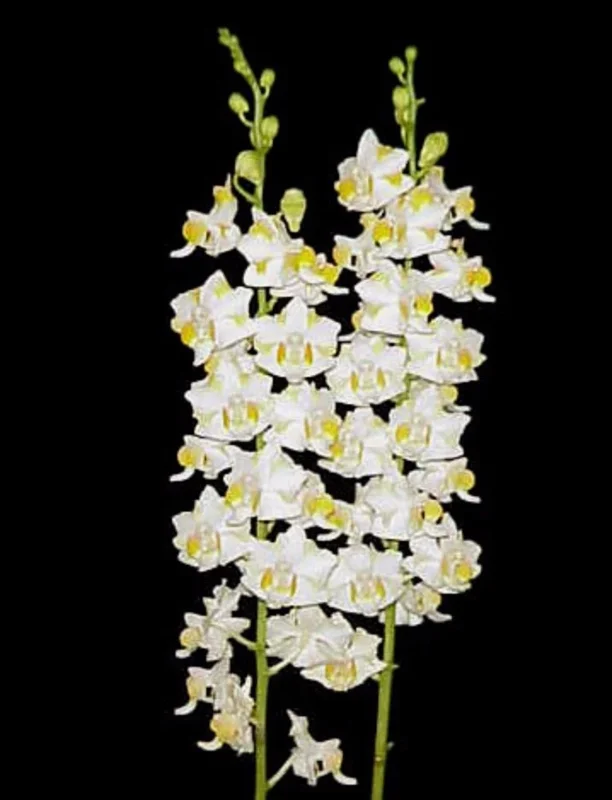
Houseplants
Phalaenopsis pulcherrima ‘Mauna Kea Snow’ Orchid Live Plant – White Flowers, Potted 2.5 in
Sold 50 products
$49.88
Sold 50 products
$49.88RELATED posts
Awapuhi Wild Ginger Plant: Zones, Care, and Propagation
Learn which USDA zones suit awapuhi wild ginger, plus sunlight, water, planting, propagation, pests, size, [...]
Awapuhi Shampoo Ginger – Care, Growing Zones, and Differences
Learn how to grow awapuhi (shampoo) ginger, its USDA zones, watering schedule, propagation tips, and [...]
Awapuhi Shampoo Plant Buying Guide – Choose the Right Zingiber zerumbet
META: Learn which awapuhi (shampoo ginger) plant or rhizome pack gives the best natural shampoo, [...]
Awapuhi Plant for Sale: Complete Buying Guide
Find the right awapuhi (shampoo ginger) plant, size, price, soil mix, and online source. Practical [...]
Shampoo Ginger Plant for Sale – Buying Guide & Tips
Find the right shampoo ginger plant, size, price, and care tips. Quick guide for U.S. [...]
Shampoo Ginger Plant (Awapuhi) Care Guide
Learn how to grow, care for, and use shampoo ginger (Zingiber zerumbet), the tropical awapuhi [...]
How to Grow Cuban Oregano Plants: A Complete Care Guide
If you’ve ever wanted a plant that combines the culinary punch of traditional oregano with [...]
Aug
How to Grow Habanero Pepper Plants: A Step-by-Step Guide
Habanero pepper plants are prized for their vibrant colors, intense heat, and exceptional flavor, making [...]
Aug

Reviews
There are no reviews yet.