
Isopogon Formosus Seeds – Rose Coneflower Drumsticks – 10 Seeds – Outdoor Shrub
Original price was: $23.00.$15.80Current price is: $15.80.
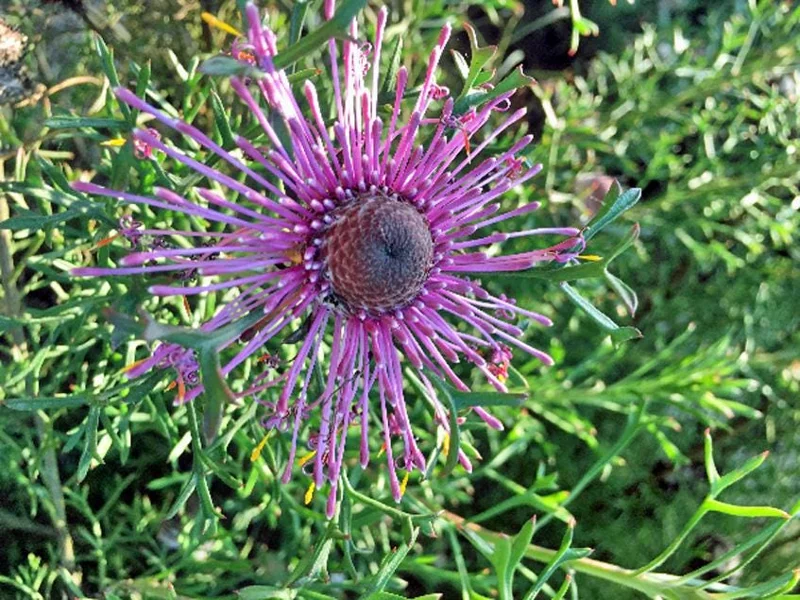
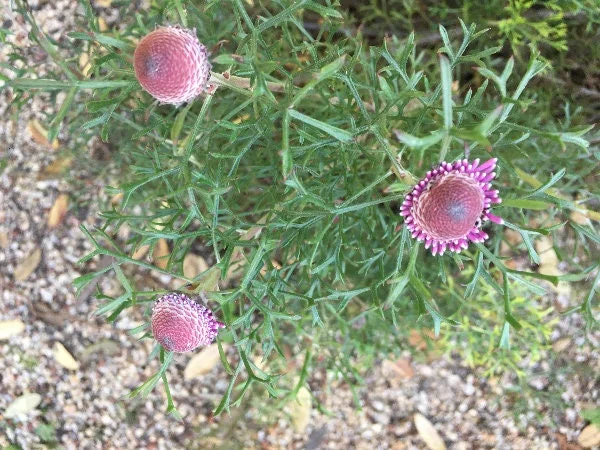
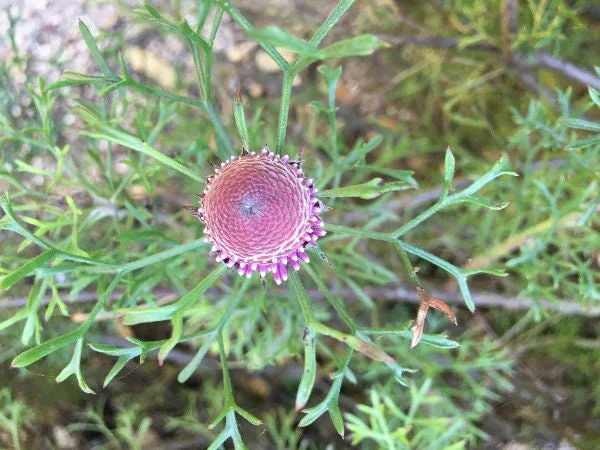
Cultivate the unique beauty of Isopogon Formosus seeds, also known as Rose Coneflower or Showy Drumsticks. This packet contains 10 seeds for growing a captivating Australian native shrub with distinctive pink to deep rose cone-like flowers, adding elegance to any garden.
Shipping and Return policies:
We stand behind our plants with our Alive & Thrive Guarantee. If you experience any issues within the first 30 days, please email us, and our team will be happy to help. When needed, we’ll send you a one-time replacement free of charge to make sure your garden keeps growing strong.

Reasonable Price
We offer reasonable price

Support 24/7
Contact us 24 hrs a day
100% Money Back
You’ve 30 days to Return
Payment Secure
100% secure payment
Overview
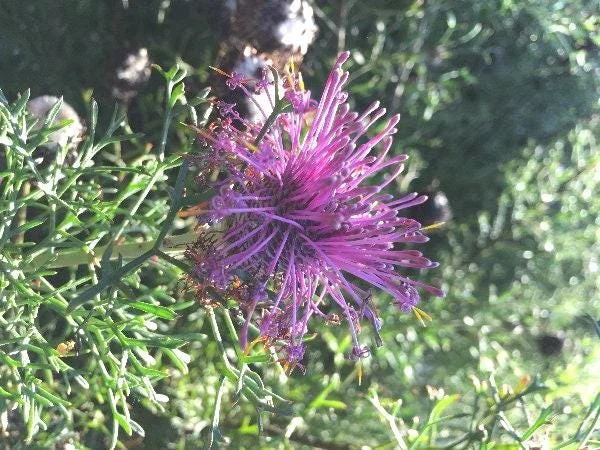
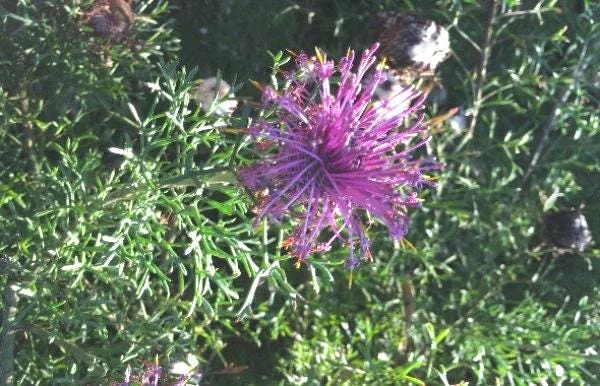
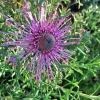
Embark on a rewarding gardening journey with Isopogon Formosus seeds, the gateway to cultivating the exquisite Rose Coneflower, sometimes called Showy Drumsticks. This remarkable Australian native shrub is celebrated for its truly unique and visually striking inflorescences. Unlike typical flowers, the blossoms of Isopogon Formosus resemble intricate cones or drumsticks, featuring tightly clustered, needle-like bracts in shades of pink to deep rose that beautifully encircle a central cone. These captivating structures create a striking visual contrast, often mistaken for delicate petals due to their appearance. Growing from Isopogon Formosus seeds allows you to introduce a touch of Australian wilderness and artistic elegance into your garden or landscape, captivating all who behold its botanical splendor.
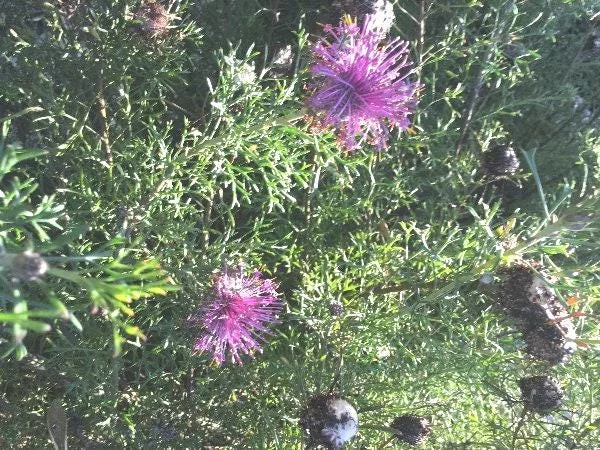
The shrub’s fine, needle-like foliage further enhances its charm, providing a delicate texture that complements the showy blooms. As a species native to Australia, the Rose Coneflower seeds are perfectly suited for warmer climates, thriving in well-drained soils and full sunlight. This resilient plant typically reaches a height of 3 to 5 feet, making it an ideal choice for various garden applications, from accent plantings to mixed borders. Discover the joy of nurturing this unique shrub from its initial seed stage to a magnificent flowering specimen that will undoubtedly become a focal point in your outdoor space.
Key Benefits
Choosing to plant Isopogon Formosus seeds offers a multitude of benefits, transforming your garden into a vibrant showcase of unique botanical artistry. This exceptional shrub provides both aesthetic appeal and a low-maintenance solution for gardeners:
- Unique Floral Display: The primary draw of Isopogon Formosus is its extraordinary cone-like flowers. These ‘drumsticks’ are a conversation starter, offering an exotic and captivating visual element unlike common garden blooms. Their intricate structure and vibrant pink to deep rose hues provide year-round interest.
- Drought Tolerance: Once established, this Australian native is remarkably drought-tolerant, making it an excellent choice for xeriscaping or gardens in regions with limited water resources. It thrives in well-drained conditions and requires minimal supplemental watering.
- Low Maintenance: Isopogon Formosus is a relatively low-maintenance shrub, requiring minimal pruning once mature to maintain its shape and promote healthy growth. Its natural resilience makes it perfect for busy gardeners.
- Attracts Pollinators: While subtle, the flowers can attract local pollinators, contributing to the biodiversity of your garden ecosystem.
- Architectural Interest: The unique form of the flowers and the fine foliage provide strong architectural interest, making it an ideal specimen plant or a striking addition to a contemporary garden design.
- Adaptable to Various Settings: Whether you’re creating a native garden, a rockery, or a mixed border, this shrub adapts well, especially when planted in its preferred full sun and well-drained soil conditions. Growing from Rose Coneflower seeds allows for versatile placement.
- Hardy in Warm Zones: Thriving in USDA Zones 9-11, it is a robust choice for warmer climates, offering reliable performance and beauty.
Plant Care & Growing Tips
Successfully growing Isopogon Formosus from Isopogon Formosus seeds is a rewarding process that requires attention to a few key environmental factors. Start by preparing your seeds for germination. Soaking the Isopogon Formosus seeds in warm water for approximately 24 hours can help soften their hard seed coats, encouraging quicker germination. After soaking, plant the seeds in a well-draining, sandy soil mix. You can sow them in pots indoors or directly into your garden bed, ensuring they are planted at a shallow depth of about 1/4 inch. Maintaining consistent moisture in the soil, without overwatering, is crucial during this initial phase, as these plants prefer well-drained conditions and are susceptible to root rot in waterlogged environments.
For optimal growth, Isopogon Formosus thrives in full sunlight, requiring at least 6-8 hours of direct sun daily to produce its best blooms. The ideal germination temperatures range from 70-80°F (21-27°C), with seedlings typically emerging within 4-6 weeks. Once your seedlings have developed several true leaves and are robust enough, they can be transplanted to their final sunny location. The plant prefers slightly acidic to neutral soil (pH 6.0-7.0) that is rich in organic matter but remains well-draining. Fertilization is generally minimal; a slow-release, low-phosphorus fertilizer designed for native plants can be applied sparingly in spring. Protect young plants from extreme cold, especially if you are at the cooler end of its hardiness range (USDA Zones 9-11). Patience is key when growing from Drumsticks plant seeds, as germination rates can vary, but with proper care, you will be rewarded with a magnificent shrub.
Size & Details
This product includes a packet containing 10 Isopogon Formosus seeds, allowing you to cultivate this unique Australian native shrub. Once established, the Isopogon Formosus, also known as Rose Coneflower, typically grows to a mature height of 3 to 5 feet (approximately 0.9 to 1.5 meters) with a similar spread, forming a dense, rounded shrub. Its growth rate is moderate, and with proper care, you can expect the plant to begin producing its distinctive cone-like flowers within 2-3 years from germination, reaching its full ornamental potential thereafter. The seeds are shipped in a protective packet, ensuring their viability upon arrival. This plant is best suited for outdoor cultivation in USDA hardiness zones 9-11, thriving in warm, sunny conditions.
The fine, needle-like foliage provides a delicate backdrop to the striking pink to deep rose-colored drumstick-like flowers. These seeds offer an opportunity to grow a truly unique specimen plant that adds architectural interest and exotic beauty to your garden. Ensure you have adequate space and suitable growing conditions to allow this beautiful shrub to flourish and showcase its remarkable blossoms.
Frequently Asked Questions
- Q: How big does this plant get? A: Isopogon Formosus typically grows to a height of 3 to 5 feet (0.9 to 1.5 meters) with a similar spread, forming a rounded, dense shrub. This makes it suitable for various garden placements without becoming overly large.
- Q: Is this an indoor or outdoor plant? A: Isopogon Formosus is primarily an outdoor plant, thriving in full sunlight and well-drained soil. It is best suited for USDA Hardiness Zones 9-11 and may require protection in colder climates.
- Q: How much sunlight does it need? A: This plant requires full sun, meaning at least 6-8 hours of direct sunlight per day, to ensure robust growth and abundant flowering.
- Q: Is this plant easy to care for? A: Once established, Isopogon Formosus is considered relatively low-maintenance and drought-tolerant. The initial germination and seedling care for Isopogon Formosus seeds require consistent attention to moisture and temperature.
- Q: What condition will the seeds arrive in? A: Your Isopogon Formosus seeds will arrive in a protective packet, carefully packaged to ensure their viability and readiness for planting.
- Q: How long until it blooms? A: From seed, Isopogon Formosus typically begins to flower within 2-3 years, as the shrub matures and establishes itself in your garden.
- Q: When is the best time to plant? A: The best time to plant Rose Coneflower seeds is in spring or early summer, once the danger of frost has passed and soil temperatures are consistently warm.
- Q: What type of soil does it prefer? A: This shrub thrives in well-draining, sandy soil. It is crucial to avoid heavy, waterlogged soils to prevent root rot.
- Q: Will it survive winter in my zone? A: Isopogon Formosus is hardy in USDA Zones 9-11. If you are in a colder zone, it will likely not survive winter outdoors without significant protection or being grown in a container that can be moved indoors.
- Q: Are these Drumsticks plant seeds suitable for beginners? A: While germinating these seeds requires a bit of patience and specific conditions, the established plant is quite resilient, making it a rewarding project for gardeners with some experience or dedicated beginners.
Be the first to review “Isopogon Formosus Seeds – Rose Coneflower Drumsticks – 10 Seeds – Outdoor Shrub”
You must be logged in to post a review.
People also Viewed
Sold 50 products
Original price was: $109.95.$79.98Current price is: $79.98.
Sold 50 products
Original price was: $25.00.$17.50Current price is: $17.50.
Flower Seeds
Olympic Onion Seeds – Allium crenulatum Flower Seeds – 10 Seed Pack – Outdoor Native Plant
Sold 50 products
Original price was: $25.00.$17.50Current price is: $17.50.
Sold 50 products
Original price was: $25.00.$17.50Current price is: $17.50.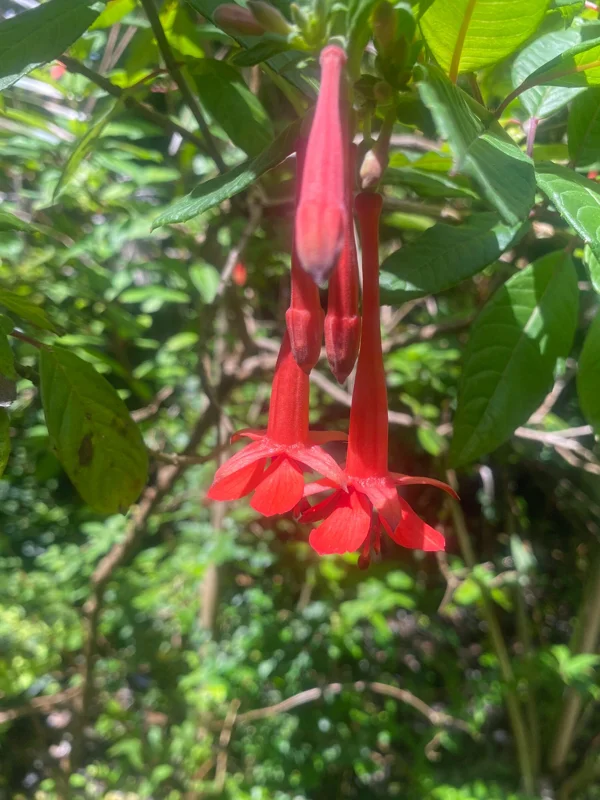
Flower Seeds
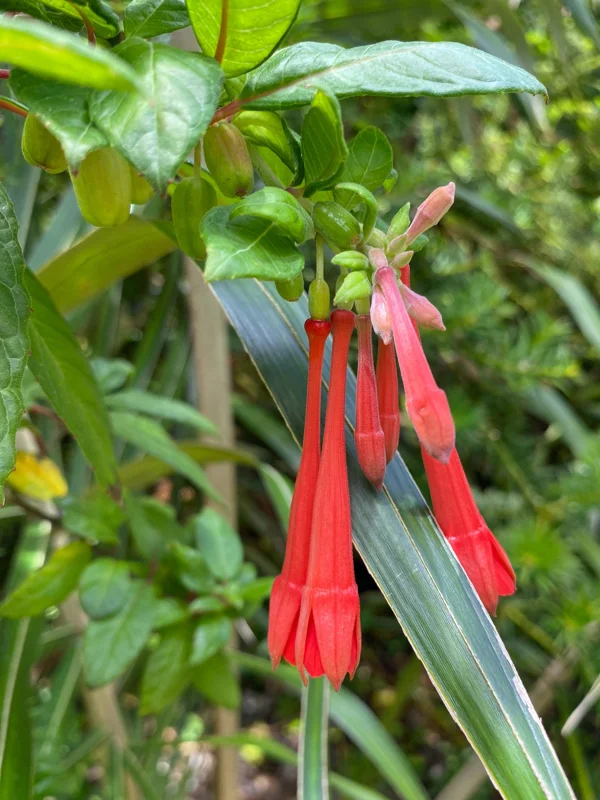
Fuchsia vulcanica Seeds – 20 Pack – Vibrant Orange Coral Flowers for Garden & Containers
Sold 50 products
Original price was: $25.00.$17.50Current price is: $17.50.
Sold 50 products
Original price was: $116.98.$95.68Current price is: $95.68.
Sold 50 products
Original price was: $21.00.$14.10Current price is: $14.10.
Aquatic Plant Seeds
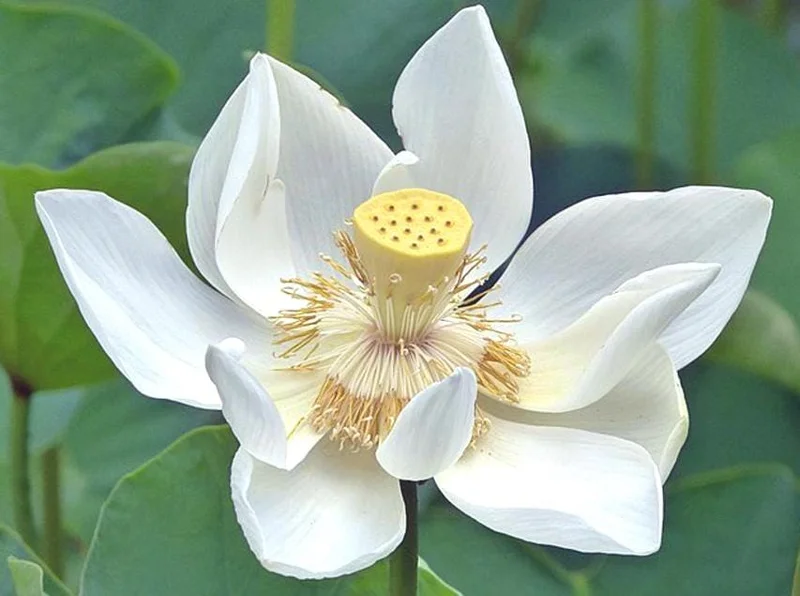
White Lotus Seeds – Nelumbo Nucifera Aquatic Pond Plant – 5 Seeds for Water Garden
Sold 50 products
Original price was: $29.00.$20.90Current price is: $20.90.RELATED posts
Awapuhi Wild Ginger Plant: Zones, Care, and Propagation
Learn which USDA zones suit awapuhi wild ginger, plus sunlight, water, planting, propagation, pests, size, [...]
Awapuhi Shampoo Ginger – Care, Growing Zones, and Differences
Learn how to grow awapuhi (shampoo) ginger, its USDA zones, watering schedule, propagation tips, and [...]
Awapuhi Shampoo Plant Buying Guide – Choose the Right Zingiber zerumbet
META: Learn which awapuhi (shampoo ginger) plant or rhizome pack gives the best natural shampoo, [...]
Awapuhi Plant for Sale: Complete Buying Guide
Find the right awapuhi (shampoo ginger) plant, size, price, soil mix, and online source. Practical [...]
Shampoo Ginger Plant for Sale – Buying Guide & Tips
Find the right shampoo ginger plant, size, price, and care tips. Quick guide for U.S. [...]
Shampoo Ginger Plant (Awapuhi) Care Guide
Learn how to grow, care for, and use shampoo ginger (Zingiber zerumbet), the tropical awapuhi [...]
How to Grow Cuban Oregano Plants: A Complete Care Guide
If you’ve ever wanted a plant that combines the culinary punch of traditional oregano with [...]
Aug
How to Grow Habanero Pepper Plants: A Step-by-Step Guide
Habanero pepper plants are prized for their vibrant colors, intense heat, and exceptional flavor, making [...]
Aug

Reviews
There are no reviews yet.