
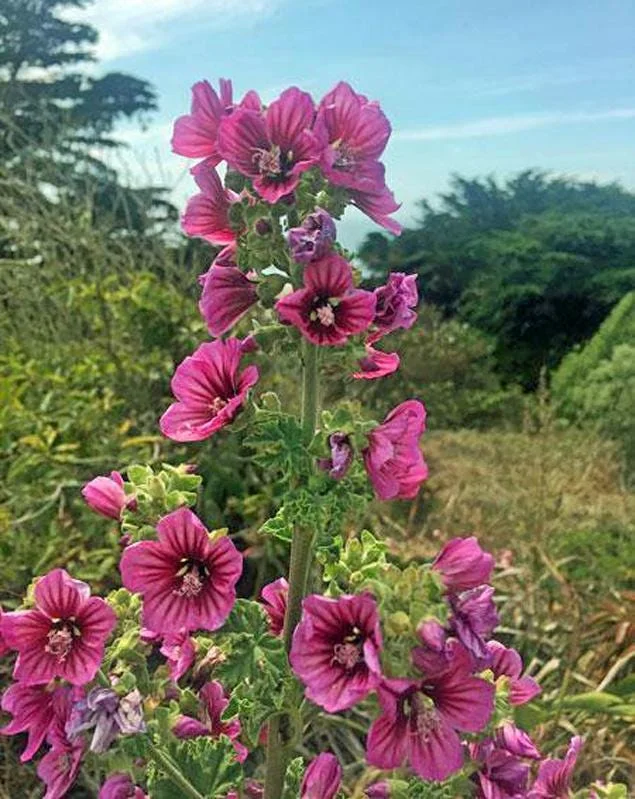
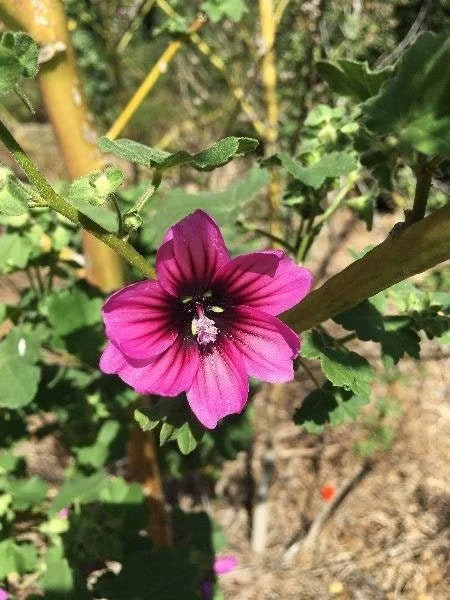
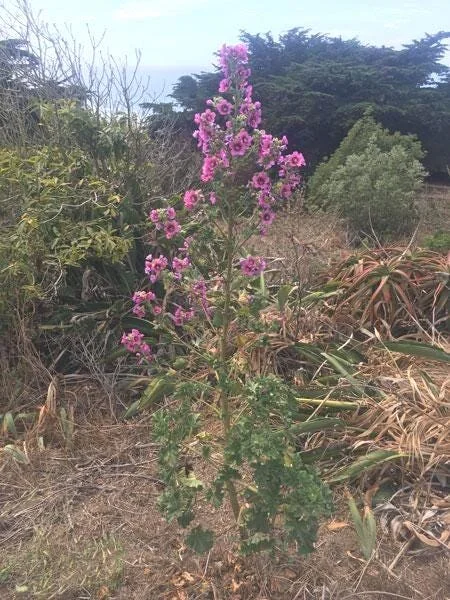
Island Mallow Seeds – Royal Mallow Drought Tolerant Perennial Seeds
Original price was: $25.00.$17.50Current price is: $17.50.
Cultivate stunning island mallow seeds, a robust and beautiful perennial known for its drought tolerance and striking appearance. Also called royal mallow seeds, these are perfect for a low-maintenance, full-sun garden, adding a touch of California native charm.
Shipping and Return policies:
We stand behind our plants with our Alive & Thrive Guarantee. If you experience any issues within the first 30 days, please email us, and our team will be happy to help. When needed, we’ll send you a one-time replacement free of charge to make sure your garden keeps growing strong.

Reasonable Price
We offer reasonable price

Support 24/7
Contact us 24 hrs a day
100% Money Back
You’ve 30 days to Return
Payment Secure
100% secure payment
Overview
Discover the beauty and resilience of island mallow seeds, perfect for gardeners seeking a unique and hardy addition to their landscape. These seeds will grow into Malva assurgentiflora, a fascinating perennial from the Malvaceae family. Commonly known as island mallow, mission mallow, royal mallow, or island tree mallow, this plant is celebrated for its sprawling habit and attractive foliage. Originating from California’s Channel Islands, it brings a touch of wild elegance to any garden. With its ability to thrive in challenging conditions, growing malva assurgentiflora seeds offers a rewarding experience for both novice and experienced gardeners.
The island mallow is a versatile plant, growing as a sprawling herb or a bushy shrub that can reach heights of 4-12 feet. Its adaptability makes it suitable for various garden designs, from naturalized areas to more structured beds. For those interested in sustainable gardening, these drought tolerant plant seeds are an excellent choice, requiring minimal water once established. Embrace the unique character of this botanical gem and enjoy the vibrant life it brings to your outdoor space.
Key Benefits
Choosing to plant island mallow seeds offers a multitude of benefits, making it a standout choice for any garden. Its natural hardiness and striking form contribute both aesthetically and ecologically.
- Exceptional Drought Tolerance: Once established, the island mallow requires very little water, making it an ideal choice for xeriscaping or gardens in arid regions. This reduces water usage and promotes sustainable gardening practices.
- Low Maintenance: This hardy perennial thrives with minimal intervention, preferring full sun and moist to dry soil. It’s an excellent option for busy gardeners or those looking for an easy-care plant.
- Vibrant Garden Addition: The plant’s sprawling habit and potential for attractive blooms (often described as pink mallow) add significant visual interest and texture to your landscape. It creates a lush, natural look.
- Attracts Pollinators: Like many native plants, the island mallow can attract beneficial insects and pollinators, contributing to the biodiversity and health of your garden ecosystem.
- Adaptable Growth: Growing royal mallow seeds allows for a versatile plant that can be cultivated as a sprawling groundcover or pruned into a bushy shrub, fitting various landscape needs and styles.
- Resilient Perennial: As a perennial, it returns year after year, providing long-term beauty and structure to your garden without the need for annual replanting.
- Native Charm: As a california native seeds option, it provides a unique opportunity to grow a plant endemic to the Channel Islands, offering an authentic regional touch.
Plant Care & Growing Tips
Cultivating island mallow seeds is a straightforward process, especially given the plant’s natural resilience. To ensure successful growth, understanding its preferred conditions is key. These plants thrive in full sun, meaning they need at least 6-8 hours of direct sunlight daily to reach their full potential. While they are drought tolerant once established, consistent moisture during germination and initial growth is crucial. They adapt well to various soil types but prefer well-draining conditions to prevent root rot. Good drainage is paramount for healthy growth.
For germination, sow malva assurgentiflora seeds about 1/4 inch deep and lightly cover them with soil. Keep the soil consistently moist in a bright location, but do not cover the container to allow for proper air circulation. Maintain temperatures around 65-70°F for optimal germination, which typically occurs within 7-30 days. Once seedlings are established, gradually reduce watering frequency, allowing the soil to dry out between waterings. Fertilization is generally not heavily required for this robust plant; a light application of a balanced, slow-release fertilizer in spring can support vigorous growth, especially in poorer soils. The island mallow is hardy in USDA Zones 8-11, making it suitable for a wide range of climates, particularly those with mild winters.
When planning your garden, consider the mature size of the plant. As a sprawling herb or bushy shrub, it can spread significantly. Provide ample space for it to grow or be prepared to prune it to maintain a desired shape and size. Pruning can also encourage bushier growth and more prolific flowering. These drought tolerant plant seeds will produce plants that are relatively pest and disease resistant, contributing to their low-maintenance appeal. Regular observation for any signs of stress or pests will help maintain a healthy and thriving island mallow.
Size & Details
The island mallow, grown from island mallow seeds, is a sprawling herb or bushy shrub that can reach an impressive height of 4 to 12 feet, with a similar spread, creating a substantial presence in the garden. Its robust growth habit allows it to fill spaces effectively, whether as a backdrop, a focal point, or a natural screen. The plant forms a sturdy structure over time, providing continuous interest. It ships as a packet of high-quality seeds, ready for you to begin your gardening journey. Expect initial growth to be moderate, with the plant establishing itself well within the first season and showing more significant size in subsequent years. The exact time to maturity can vary based on growing conditions, but once established, it offers long-lasting beauty.
These royal mallow seeds are ideal for those looking to cultivate a plant with a significant visual impact and ecological benefits. It’s important to consider its mature dimensions when choosing a planting location, ensuring it has enough room to flourish without overcrowding other plants. The plant’s natural form is quite attractive, but it also responds well to pruning if a more compact or shaped appearance is desired. This adaptability further enhances its appeal for diverse garden applications.
Frequently Asked Questions
- Q: How big does this plant get from island mallow seeds? A: The island mallow can grow quite large, reaching a height of 4 to 12 feet as a sprawling herb or bushy shrub. Ensure you provide ample space for its mature size in your garden layout.
- Q: Is this an indoor or outdoor plant? A: The island mallow is primarily an outdoor plant, thriving in full sun and suitable for USDA Zones 8-11. While it can be started indoors, it should be transplanted outside once conditions are favorable.
- Q: How much sunlight does it need? A: This plant requires full sun exposure, meaning at least 6-8 hours of direct sunlight per day, to grow vigorously and produce its best form. It is truly a sun-loving species.
- Q: Is this plant easy to care for? A: Yes, the island mallow is considered low-maintenance, especially once established. It is known for its drought tolerance and general hardiness, making it a good choice for various gardeners.
- Q: What condition will the royal mallow seeds arrive in? A: Your royal mallow seeds will arrive as a packet of dried, viable seeds, ready for planting. They will be carefully packaged to ensure their quality during transit.
- Q: How long until island mallow seeds germinate? A: Germination for malva assurgentiflora seeds typically takes between 7 to 30 days, provided the conditions (consistent moisture, bright spot, 65-70°F) are met. Patience is key during this initial phase.
- Q: Will it survive winter in my zone? A: The island mallow is hardy in USDA Zones 8-11. If you are in these zones, it should survive winter outdoors. In colder zones, it may need winter protection or be treated as an annual.
- Q: What type of soil does it prefer? A: This plant prefers moist to dry soil that is well-draining. It can tolerate a range of soil types but good drainage is essential to prevent waterlogging and root issues.
- Q: Can I use drought tolerant plant seeds like these in a rock garden? A: Absolutely! The drought tolerance and sprawling nature of island mallow make it an excellent candidate for rock gardens, xeriscapes, and other low-water landscape designs.
- Q: When is the best time to plant california native seeds like island mallow? A: Spring is generally the best time to sow island mallow seeds after the last frost, allowing the seedlings ample time to establish before the heat of summer.
Be the first to review “Island Mallow Seeds – Royal Mallow Drought Tolerant Perennial Seeds”
You must be logged in to post a review.
People also Viewed


Sold 50 products
Original price was: $109.95.$79.98Current price is: $79.98.

Sold 50 products
Original price was: $25.00.$17.50Current price is: $17.50.

Flower Seeds
Olympic Onion Seeds – Allium crenulatum Flower Seeds – 10 Seed Pack – Outdoor Native Plant
Sold 50 products
Original price was: $25.00.$17.50Current price is: $17.50.

Sold 50 products
Original price was: $25.00.$17.50Current price is: $17.50.

Flower Seeds
Fuchsia vulcanica Seeds – 20 Pack – Vibrant Orange Coral Flowers for Garden & Containers
Sold 50 products
Original price was: $25.00.$17.50Current price is: $17.50.

Sold 50 products
Original price was: $116.98.$95.68Current price is: $95.68.

Sold 50 products
Original price was: $21.00.$14.10Current price is: $14.10.

Aquatic Plant Seeds
White Lotus Seeds – Nelumbo Nucifera Aquatic Pond Plant – 5 Seeds for Water Garden
Sold 50 products
Original price was: $29.00.$20.90Current price is: $20.90.RELATED posts
Awapuhi Wild Ginger Plant: Zones, Care, and Propagation
Learn which USDA zones suit awapuhi wild ginger, plus sunlight, water, planting, propagation, pests, size, [...]
Awapuhi Shampoo Ginger – Care, Growing Zones, and Differences
Learn how to grow awapuhi (shampoo) ginger, its USDA zones, watering schedule, propagation tips, and [...]
Awapuhi Shampoo Plant Buying Guide – Choose the Right Zingiber zerumbet
META: Learn which awapuhi (shampoo ginger) plant or rhizome pack gives the best natural shampoo, [...]
Awapuhi Plant for Sale: Complete Buying Guide
Find the right awapuhi (shampoo ginger) plant, size, price, soil mix, and online source. Practical [...]
Shampoo Ginger Plant for Sale – Buying Guide & Tips
Find the right shampoo ginger plant, size, price, and care tips. Quick guide for U.S. [...]
Shampoo Ginger Plant (Awapuhi) Care Guide
Learn how to grow, care for, and use shampoo ginger (Zingiber zerumbet), the tropical awapuhi [...]

How to Grow Cuban Oregano Plants: A Complete Care Guide
If you’ve ever wanted a plant that combines the culinary punch of traditional oregano with [...]
Aug

How to Grow Habanero Pepper Plants: A Step-by-Step Guide
Habanero pepper plants are prized for their vibrant colors, intense heat, and exceptional flavor, making [...]
Aug
Reviews
There are no reviews yet.