
Hovenia Dulcis Honey Tree Seeds – Japanese Raisin Tree, Oriental Raisin Tree, 10 Seeds
Original price was: $25.00.$17.50Current price is: $17.50.
Cultivate the unique Hovenia Dulcis Honey Tree seeds, also known as the Japanese Raisin Tree seeds, in your garden. This hardy tree produces sweet, edible fruits that resemble raisins when dried. Perfect for zones 5-9, these Oriental Raisin Tree seeds offer a distinctive addition to any landscape.
Shipping and Return policies:
We stand behind our plants with our Alive & Thrive Guarantee. If you experience any issues within the first 30 days, please email us, and our team will be happy to help. When needed, we’ll send you a one-time replacement free of charge to make sure your garden keeps growing strong.

Reasonable Price
We offer reasonable price

Support 24/7
Contact us 24 hrs a day
100% Money Back
You’ve 30 days to Return
Payment Secure
100% secure payment
Overview
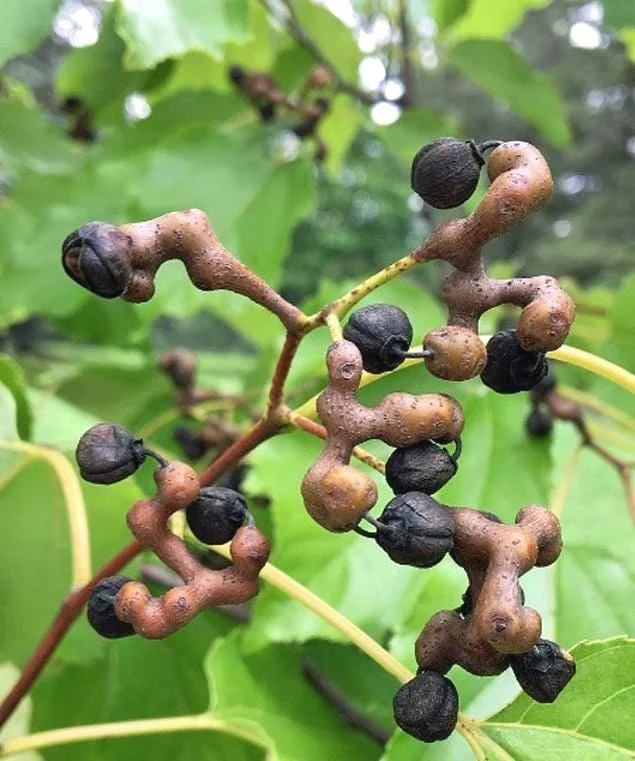
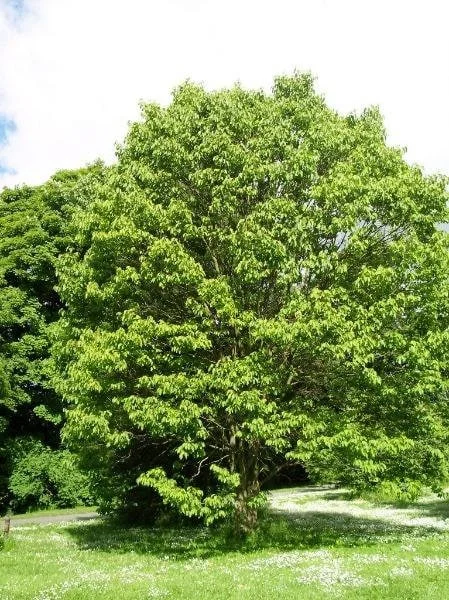
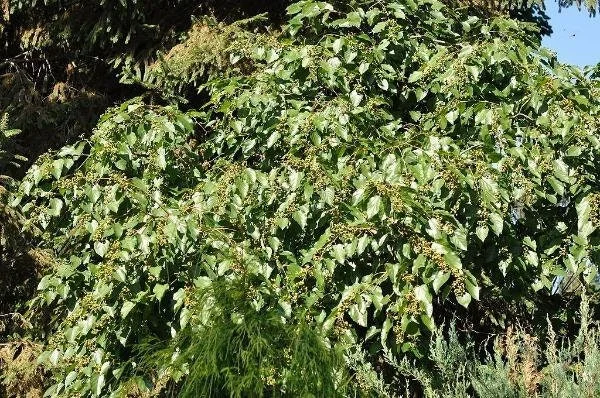
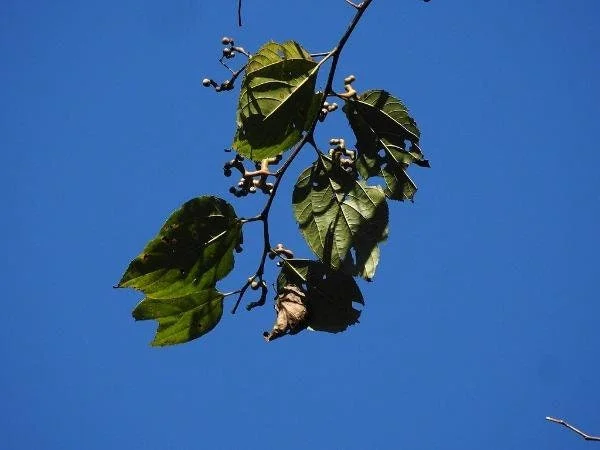
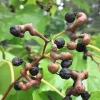
Embark on a rewarding gardening journey by planting Hovenia Dulcis Honey Tree seeds. This remarkable tree, known scientifically as Hovenia dulcis, offers a unique blend of ornamental beauty and edible fruit production. Originating from Eastern China, Korea, and the Himalayas, it’s widely recognized by its charming common names: Japanese Raisin Tree, Oriental Raisin Tree, and of course, Honey Tree. These Japanese Raisin Tree seeds are your gateway to growing a tree that can reach impressive heights of up to 40 feet, providing substantial shade and a striking presence in your landscape. The Hovenia dulcis is not just a tree; it’s a conversation starter, celebrated for its sweet, fragrant, and edible fruits that develop on its fleshy stalks. When dried, these fruits truly live up to the ‘raisin tree’ moniker, offering a delightful, naturally sweet treat.
Growing the Hovenia Dulcis Honey Tree from seed allows you to witness its full life cycle, from germination to a mature, fruit-bearing specimen. This hardy and adaptable tree thrives in a variety of conditions, making it suitable for many gardeners. Its timber is valued for construction and fine furnishings, and traditional uses highlight its health benefits when consumed in tea. With these 10 seeds, you can start your own grove of this fascinating plant, enjoying its lush foliage, cream-colored summer blooms, and bountiful harvest. Whether you’re an experienced horticulturist or a budding enthusiast, planting Hovenia Dulcis Honey Tree seeds promises a fulfilling and delicious experience.
Key Benefits
The Hovenia Dulcis Honey Tree offers a multitude of benefits, making it an excellent choice for diverse gardens and purposes. From its unique edible fruits to its robust growth habit, this tree is a valuable addition to any landscape.
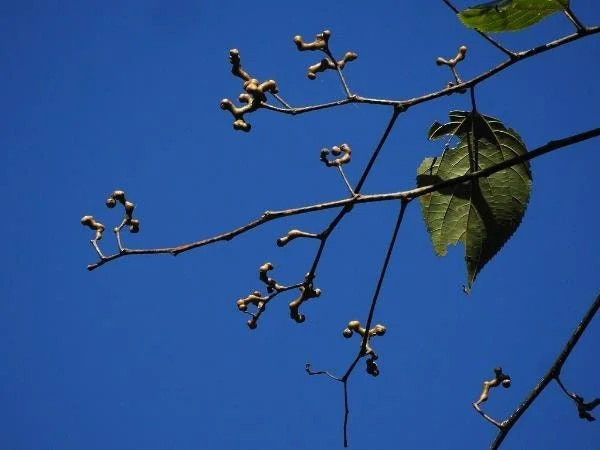
- Produces Edible & Sweet Fruits: The most distinctive feature of the Hovenia Dulcis Honey Tree is its uniquely flavored, sweet, and fragrant fruits. These can be enjoyed raw, cooked, or dried, resembling raisins in taste and texture, offering a natural and healthy snack.
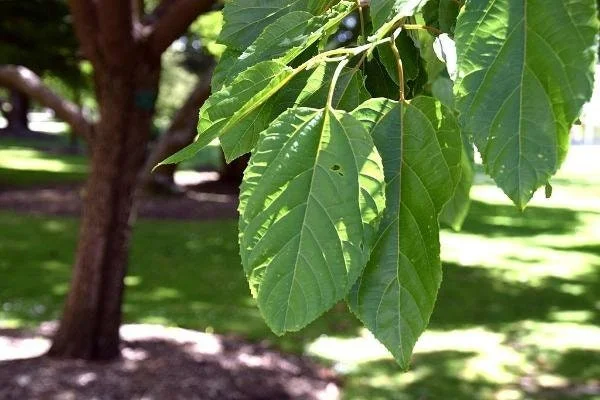
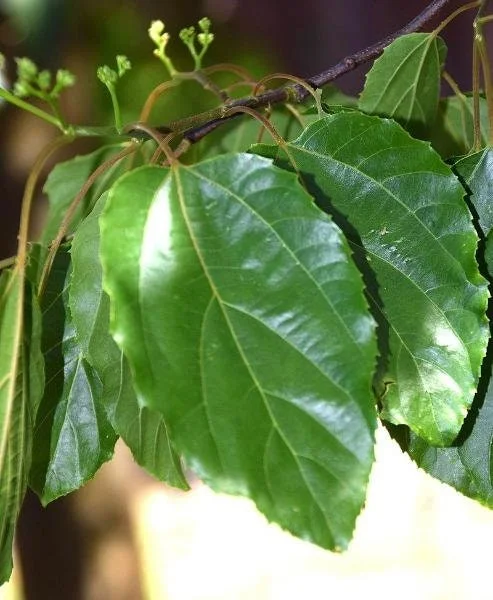
- Attractive Ornamental Tree: With shiny, pointed leaves and cream-colored flowers that bloom in mid-summer, the Japanese Raisin Tree provides significant aesthetic appeal, enhancing the beauty of your garden.
- Hardy & Adaptable: This tree is remarkably resilient, thriving in USDA Zones 5-9. It adapts well to various soil types and sunlight conditions, making it a relatively low-maintenance option for many regions.
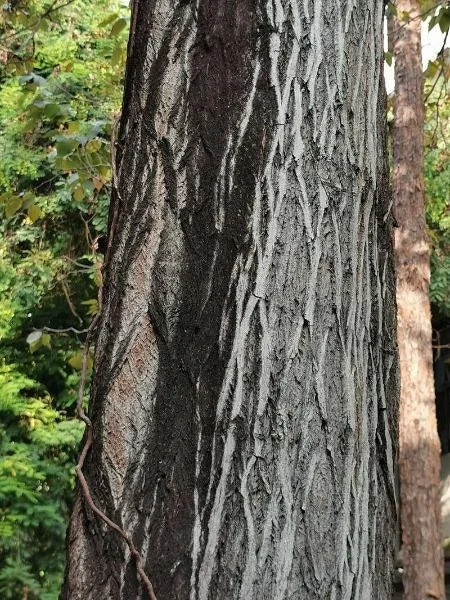
- Valuable Timber Source: Beyond its fruits and beauty, the timber of the Oriental Raisin Tree is prized for its quality, used in construction and for crafting fine furnishings.
- Potential Health Benefits: Traditionally, parts of the Hovenia dulcis have been used in teas for their purported health-promoting properties, adding another dimension to its value.
- Wildlife Attractor: The fruits can attract local wildlife, contributing to the biodiversity of your garden ecosystem.
- Unique Garden Specimen: Standing out from typical garden trees, the Hovenia Dulcis Honey Tree seeds offer the opportunity to grow a truly unique and interesting plant that will capture attention.
Plant Care & Growing Tips
Growing the Hovenia Dulcis Honey Tree from seeds requires a bit of patience and specific care to ensure successful germination and healthy growth. These seeds are known for their hard outer coating, which needs to be addressed for optimal results. Begin by gently rubbing the seeds with sandpaper to scarify the outer layer. This crucial step helps water penetrate the seed, initiating the germination process. After scarification, soak the seeds in warm water for three days, changing the water daily. This further softens the seed coat and prepares them for planting.
Once pre-treated, sow your Japanese Raisin Tree seeds in a good quality potting soil. Cover the pots with clear plastic to create a mini-greenhouse effect, maintaining high humidity. Place them in bright light, but avoid direct, intense sunlight that could overheat the soil. Germination can vary widely, from as little as 1 to 4 weeks, but it’s important to be patient, as some seeds may take up to a year to sprout. Once germinated, provide consistent moisture and gradually acclimate seedlings to ambient conditions. The Hovenia Dulcis Honey Tree prefers light shade during its early stages and well-drained soil. As the tree matures, it will tolerate a sunny position and moist sandy or loamy soils. For zones 5-9, ensure adequate winter protection for young trees in the colder parts of its range. Fertilize sparingly with a balanced, slow-release fertilizer during the growing season to support robust growth of your Oriental Raisin Tree.
Size & Details
These Hovenia Dulcis Honey Tree seeds are sold in a pack of 10, providing a great opportunity to start multiple trees. The Hovenia dulcis is a deciduous tree that can grow quite large, typically reaching heights of 30-40 feet and a similar spread at maturity. Its growth rate is moderate, establishing itself well once past the seedling stage. The tree produces its distinctive edible fruits in late summer to early fall. You can expect your tree to begin bearing fruit within 5-7 years from seed, depending on growing conditions. These Japanese Raisin Tree seeds offer the chance to cultivate a substantial shade tree with unique characteristics.
The seeds are shipped as dried, viable seeds, ready for your scarification and soaking treatment. Each seed has the potential to grow into a stately Oriental Raisin Tree, contributing to your landscape for many years. The timber is known for its durability and aesthetic qualities, making it a valuable long-term investment for those interested in its wood. With proper care and patience, these Hovenia Dulcis Honey Tree seeds will transform into magnificent, fruit-bearing trees.
Frequently Asked Questions
- Q: How big does the Hovenia Dulcis Honey Tree get? A: The Hovenia Dulcis Honey Tree can grow to an impressive size, typically reaching 30-40 feet tall and wide at maturity, providing substantial shade and a strong presence in the landscape.
- Q: Is this an indoor or outdoor plant? A: The Japanese Raisin Tree is primarily an outdoor tree, hardy in USDA Zones 5-9. While seedlings can be started indoors, the mature tree requires outdoor growing conditions.
- Q: How much sunlight does it need? A: Young Hovenia Dulcis Honey Tree seedlings prefer light shade, but mature trees thrive in a sunny position for optimal growth and fruit production.
- Q: Is this plant easy to care for? A: Once established, the Oriental Raisin Tree is considered a hardy and relatively low-maintenance tree. The initial germination process from seeds requires specific steps like scarification and soaking, but ongoing care is straightforward.
- Q: What condition will the seeds arrive in? A: The Hovenia Dulcis Honey Tree seeds will arrive as dried, viable seeds, carefully packaged to ensure their quality and readiness for planting.
- Q: Can I use the fruits from the Japanese Raisin Tree in cooking? A: Yes, the fruits of the Japanese Raisin Tree are edible and can be enjoyed raw, cooked, or dried. They have a sweet, unique flavor, especially when dried, resembling raisins.
- Q: When is the best time to plant these seeds? A: After the necessary pre-treatment (scarification and soaking), seeds can be sown indoors in late winter or early spring to get a head start, or directly outdoors after the last frost in suitable climates.
- Q: How long until the tree produces fruit? A: Typically, the Hovenia Dulcis Honey Tree will begin to bear fruit within 5-7 years after planting from seed, depending on environmental conditions and care.
- Q: Will the Oriental Raisin Tree survive winter in my zone? A: The Oriental Raisin Tree is hardy in USDA Zones 5-9. If you are in zone 5 or 6, it’s advisable to provide some winter protection for young trees during their first few years.
- Q: What’s the minimum temperature this tree can tolerate? A: Mature Hovenia dulcis trees can tolerate winter temperatures down to approximately -10 to -20 degrees Fahrenheit, corresponding to USDA Zone 5.
Be the first to review “Hovenia Dulcis Honey Tree Seeds – Japanese Raisin Tree, Oriental Raisin Tree, 10 Seeds”
You must be logged in to post a review.
People also Viewed
Sold 50 products
Original price was: $109.95.$79.98Current price is: $79.98.
Sold 50 products
Original price was: $25.00.$17.50Current price is: $17.50.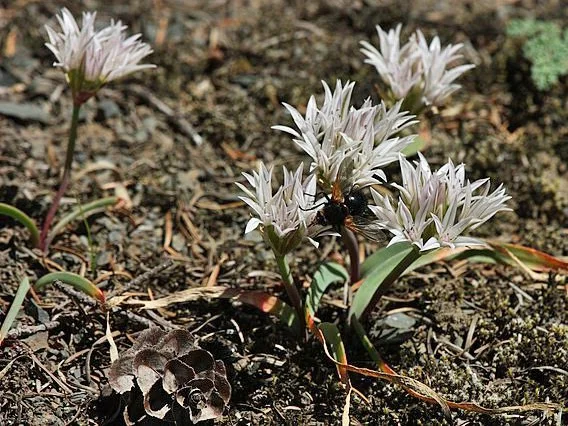
Flower Seeds
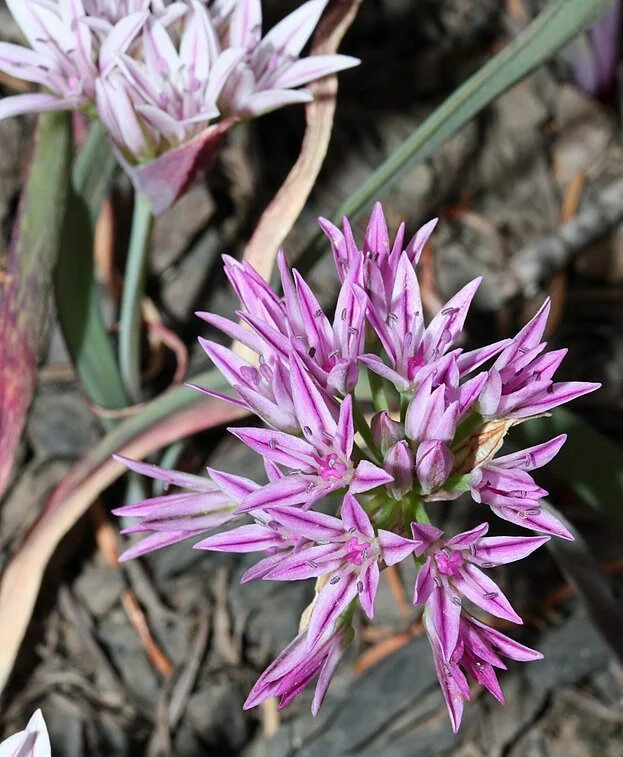
Olympic Onion Seeds – Allium crenulatum Flower Seeds – 10 Seed Pack – Outdoor Native Plant
Sold 50 products
Original price was: $25.00.$17.50Current price is: $17.50.
Sold 50 products
Original price was: $25.00.$17.50Current price is: $17.50.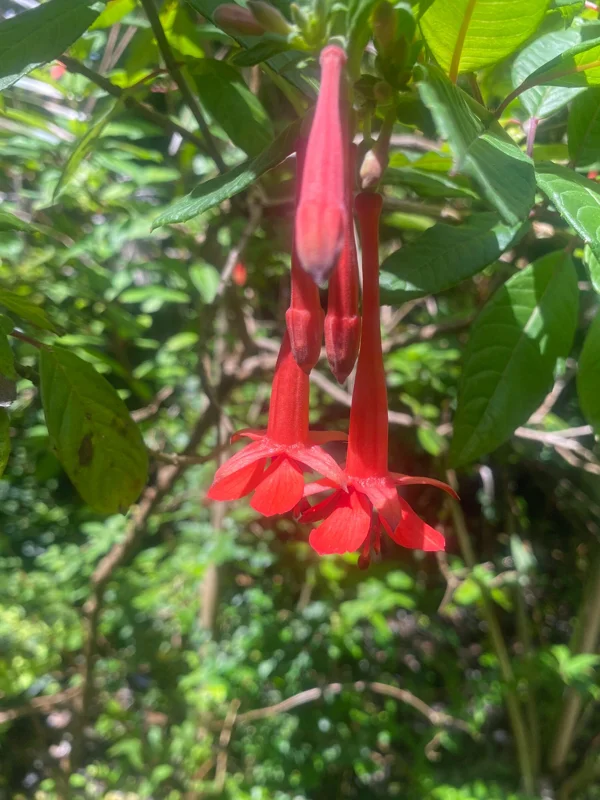
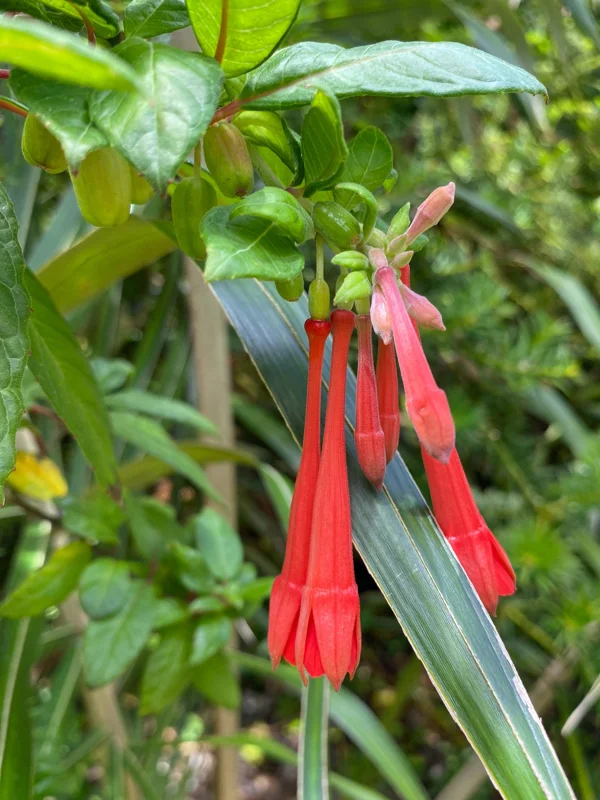
Flower Seeds
Fuchsia vulcanica Seeds – 20 Pack – Vibrant Orange Coral Flowers for Garden & Containers
Sold 50 products
Original price was: $25.00.$17.50Current price is: $17.50.
Sold 50 products
Original price was: $116.98.$95.68Current price is: $95.68.
Sold 50 products
Original price was: $21.00.$14.10Current price is: $14.10.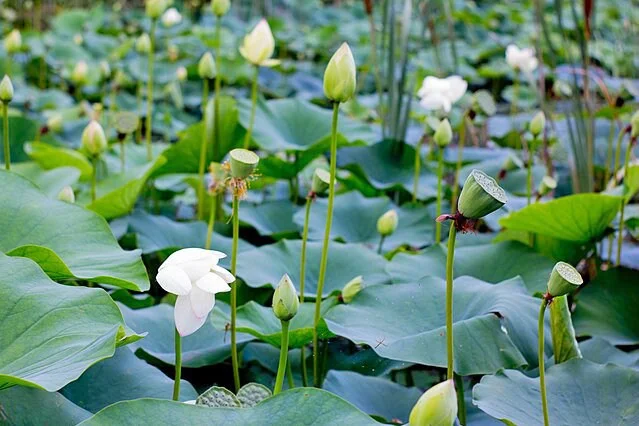
Aquatic Plant Seeds
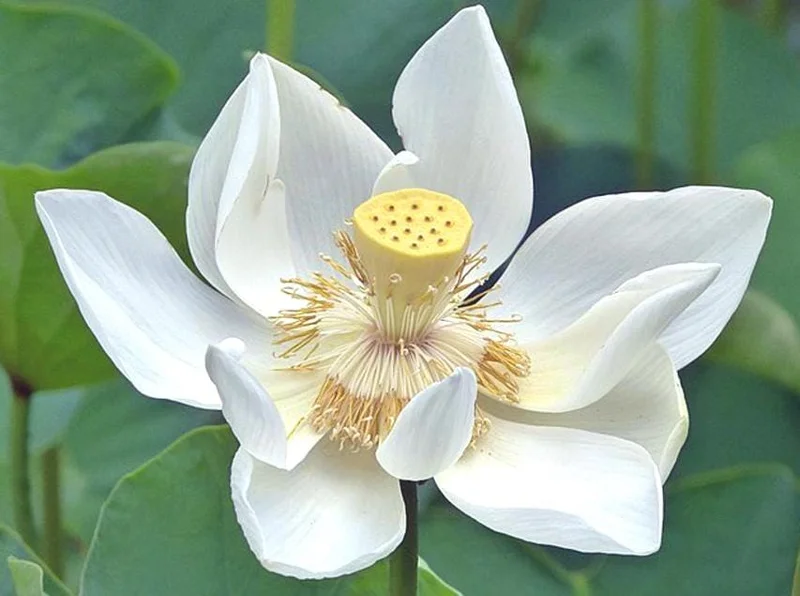
White Lotus Seeds – Nelumbo Nucifera Aquatic Pond Plant – 5 Seeds for Water Garden
Sold 50 products
Original price was: $29.00.$20.90Current price is: $20.90.RELATED posts
Awapuhi Wild Ginger Plant: Zones, Care, and Propagation
Learn which USDA zones suit awapuhi wild ginger, plus sunlight, water, planting, propagation, pests, size, [...]
Awapuhi Shampoo Ginger – Care, Growing Zones, and Differences
Learn how to grow awapuhi (shampoo) ginger, its USDA zones, watering schedule, propagation tips, and [...]
Awapuhi Shampoo Plant Buying Guide – Choose the Right Zingiber zerumbet
META: Learn which awapuhi (shampoo ginger) plant or rhizome pack gives the best natural shampoo, [...]
Awapuhi Plant for Sale: Complete Buying Guide
Find the right awapuhi (shampoo ginger) plant, size, price, soil mix, and online source. Practical [...]
Shampoo Ginger Plant for Sale – Buying Guide & Tips
Find the right shampoo ginger plant, size, price, and care tips. Quick guide for U.S. [...]
Shampoo Ginger Plant (Awapuhi) Care Guide
Learn how to grow, care for, and use shampoo ginger (Zingiber zerumbet), the tropical awapuhi [...]
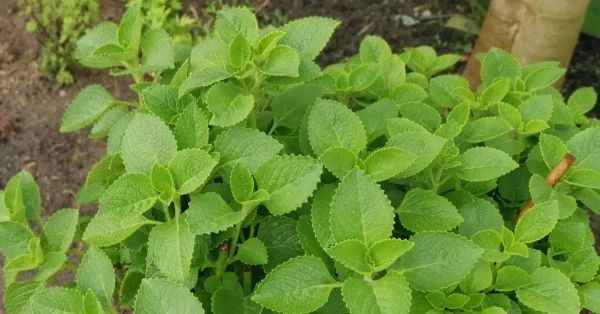
How to Grow Cuban Oregano Plants: A Complete Care Guide
If you’ve ever wanted a plant that combines the culinary punch of traditional oregano with [...]
Aug
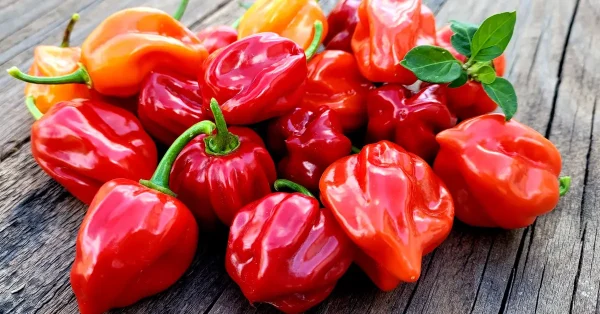
How to Grow Habanero Pepper Plants: A Step-by-Step Guide
Habanero pepper plants are prized for their vibrant colors, intense heat, and exceptional flavor, making [...]
Aug
Reviews
There are no reviews yet.