
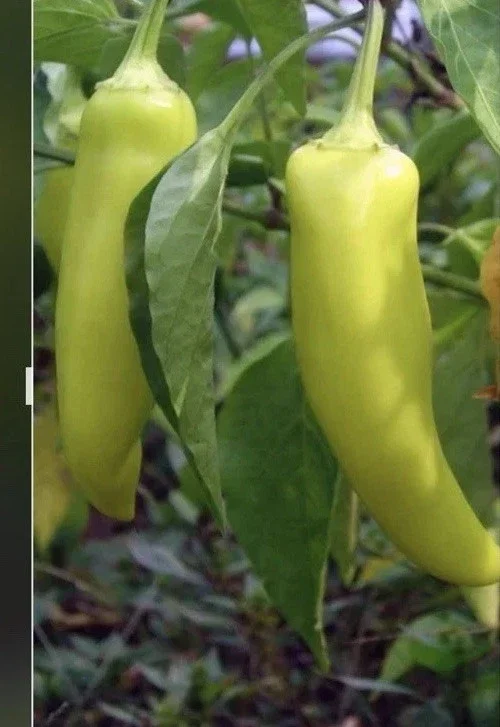
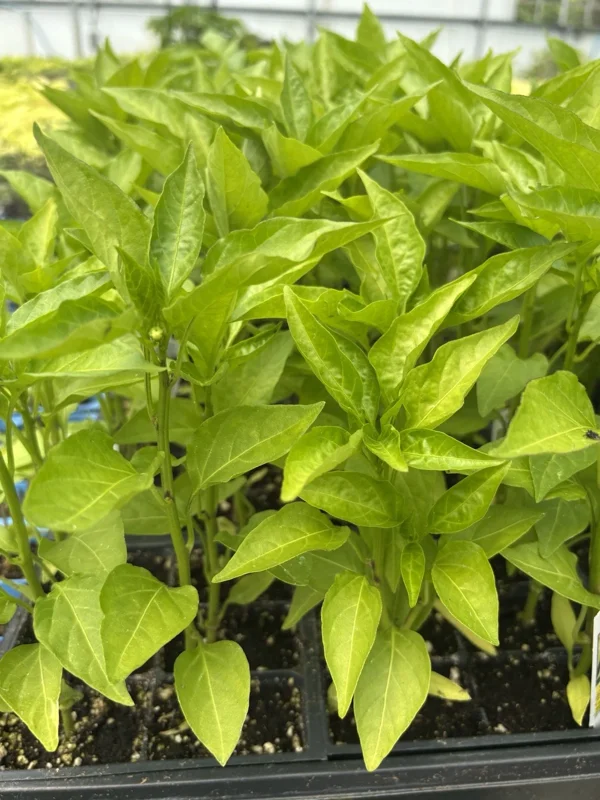
Hot Banana Pepper Live Plants – Pack of 3 Hot Chili Pepper Plants
$36.00
Cultivate your own flavorful peppers with this pack of 3 hot banana pepper live plants. Ideal for adding a kick to your culinary creations, these robust plants are perfect for both garden beds and container growing.
Shipping and Return policies:
We stand behind our plants with our Alive & Thrive Guarantee. If you experience any issues within the first 30 days, please email us, and our team will be happy to help. When needed, we’ll send you a one-time replacement free of charge to make sure your garden keeps growing strong.

Reasonable Price
We offer reasonable price

Support 24/7
Contact us 24 hrs a day
100% Money Back
You’ve 30 days to Return
Payment Secure
100% secure payment
Overview
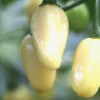
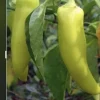
Bring the vibrant flavor and mild heat of hot banana pepper live plants directly to your home garden. This offering includes a robust pack of 3 healthy, vegetative-stage plants, ready to be transplanted and thrive. Known for their elongated, banana-like shape and bright colors ranging from green to yellow, and finally red when mature, these peppers are a favorite among gardeners and cooks alike. Often referred to as ‘Banana Wax Peppers’ due to their waxy skin, they offer a delightful balance of tang and a gentle warmth, making them versatile for a variety of dishes. Whether you’re pickling them, stuffing them, or slicing them fresh into salads, growing your own hot banana peppers ensures a fresh, organic supply right at your fingertips. These live plants provide a significant head start over seeds, allowing you to enjoy a harvest much sooner.
Key Benefits
Adding hot banana pepper live plants to your garden offers numerous advantages beyond just delicious produce. These plants are known for their prolific yields and ease of cultivation, making them a rewarding choice for gardeners of all experience levels.
- Abundant Harvests: Enjoy a generous supply of fresh hot banana peppers throughout the growing season, perfect for various culinary uses. The plants are known for their consistent production once established.
- Culinary Versatility: These peppers are ideal for pickling, grilling, stuffing, or adding a mild spicy crunch to salads and sandwiches. Their flavor profile complements a wide range of dishes.
- Garden Appeal: The bright, colorful peppers provide an attractive visual element to your garden or patio, transitioning from green to yellow and then red as they ripen, enhancing your outdoor space.
- Freshness and Flavor: Growing your own ensures the freshest possible peppers, bursting with flavor that far surpasses store-bought options. You control the growing conditions from start to finish.
- Gardening Satisfaction: Experience the joy and satisfaction of nurturing plants from a young stage to a bountiful harvest. These spicy pepper plants are a fulfilling addition to any vegetable patch.
- Disease Resistance: Many banana pepper varieties are bred for good disease resistance, contributing to easier care and more successful growth for gardeners.
- Container Friendly: Their manageable size makes them excellent candidates for container gardening, perfect for patios, balconies, or small urban spaces.
Plant Care & Growing Tips
Caring for your hot banana pepper live plant is straightforward, ensuring a successful and fruitful harvest. These plants prefer a location that receives at least 6-8 hours of direct sunlight per day. In warmer climates, some afternoon shade can be beneficial to prevent scorching. They thrive in well-draining soil that is rich in organic matter. A slightly acidic to neutral pH (6.0-6.8) is ideal. When planting, ensure proper spacing to allow for good air circulation, typically 18-24 inches apart.
Watering is crucial, especially during dry spells and when fruits are developing. Aim for consistently moist, but not waterlogged, soil. Check the soil moisture regularly by sticking your finger about an inch or two deep; if it feels dry, it’s time to water. Overwatering can lead to root rot, while underwatering can stress the plant and reduce yield. Fertilize your chili pepper plants every 2-4 weeks with a balanced fertilizer, or one slightly higher in phosphorus and potassium once flowering begins, to encourage fruit production. Support larger plants with stakes to prevent branches from breaking under the weight of the peppers. These plants are generally suitable for USDA hardiness zones 8-11, but can be grown as annuals in cooler regions. Protect young plants from late spring frosts and bring container plants indoors if temperatures drop unexpectedly.
Size & Details
This offering includes a pack of 3 hot banana pepper live plants, each in a vegetative growth stage, ready for transplanting. Typically, these plants will grow to an average height of 18-24 inches and spread about 12-18 inches wide, making them suitable for both in-ground gardens and larger containers. They are shipped as young plants, carefully packaged to ensure their health upon arrival. Expect fruits to begin developing approximately 60-75 days after transplanting, ripening from a pale green to a vibrant yellow, and eventually to red. The peppers themselves can reach lengths of 4-6 inches. These plants are known for their vigorous growth and consistent production throughout the warm season.
Frequently Asked Questions
- Q: How big does this plant get? A: A mature hot banana pepper live plant typically reaches 18-24 inches in height and spreads about 12-18 inches wide, making it a manageable size for most gardens or large containers.
- Q: Is this an indoor or outdoor plant? A: Hot banana pepper plants are primarily outdoor plants, thriving in full sun. However, they can be grown indoors in a sunny window or under grow lights, especially in cooler climates, to extend the growing season.
- Q: How much sunlight does it need? A: For optimal growth and fruit production, your spicy pepper plants require at least 6-8 hours of direct sunlight per day. More sun generally leads to a better harvest.
- Q: Is this plant easy to care for? A: Yes, banana pepper plants are considered relatively easy to care for, making them a good choice for beginner gardeners. Consistent watering, adequate sunlight, and occasional feeding are key.
- Q: What condition will it arrive in? A: Your hot banana pepper live plant will arrive as healthy, young plants in a vegetative state, carefully packaged to minimize stress during transit, ready for transplanting.
- Q: Can I use banana pepper in cooking? A: Absolutely! Hot banana peppers are incredibly versatile. They can be pickled, sliced into salads, stuffed, grilled, or added to salsas for a mild kick.
- Q: How long until it produces peppers? A: You can typically expect to see peppers developing on your chili pepper plants approximately 60-75 days after transplanting them into your garden or larger containers.
- Q: What’s the best soil for these peppers? A: Banana pepper plants prefer well-draining soil that is rich in organic matter. A good quality potting mix for containers or amended garden soil works best.
- Q: Do I need to support the plants? A: As the plants grow and begin to bear fruit, the branches can become heavy. Staking or caging your grow banana peppers is recommended to provide support and prevent breakage.
- Q: Will it survive winter in my zone? A: Hot banana pepper plants are tender perennials typically grown as annuals. They will only survive winter outdoors in USDA zones 8-11. In colder zones, they will need to be brought indoors or replanted annually.
Be the first to review “Hot Banana Pepper Live Plants – Pack of 3 Hot Chili Pepper Plants”
You must be logged in to post a review.
People also Viewed
Sold 50 products
$32.38
Sold 50 products
$27.38
Sold 50 products
$32.38
Sold 50 products
$19.88
Sold 50 products
$62.38
Sold 50 products
$24.88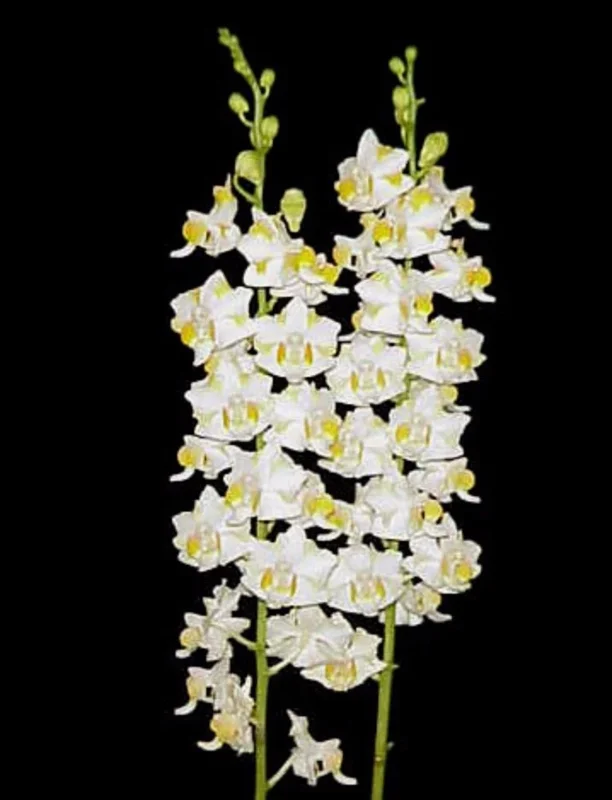
Houseplants
Phalaenopsis pulcherrima ‘Mauna Kea Snow’ Orchid Live Plant – White Flowers, Potted 2.5 in
Sold 50 products
$49.88
Sold 50 products
$49.88RELATED posts
Awapuhi Wild Ginger Plant: Zones, Care, and Propagation
Learn which USDA zones suit awapuhi wild ginger, plus sunlight, water, planting, propagation, pests, size, [...]
Awapuhi Shampoo Ginger – Care, Growing Zones, and Differences
Learn how to grow awapuhi (shampoo) ginger, its USDA zones, watering schedule, propagation tips, and [...]
Awapuhi Shampoo Plant Buying Guide – Choose the Right Zingiber zerumbet
META: Learn which awapuhi (shampoo ginger) plant or rhizome pack gives the best natural shampoo, [...]
Awapuhi Plant for Sale: Complete Buying Guide
Find the right awapuhi (shampoo ginger) plant, size, price, soil mix, and online source. Practical [...]
Shampoo Ginger Plant for Sale – Buying Guide & Tips
Find the right shampoo ginger plant, size, price, and care tips. Quick guide for U.S. [...]
Shampoo Ginger Plant (Awapuhi) Care Guide
Learn how to grow, care for, and use shampoo ginger (Zingiber zerumbet), the tropical awapuhi [...]
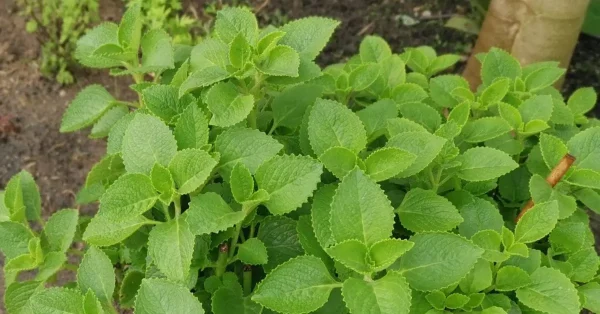
How to Grow Cuban Oregano Plants: A Complete Care Guide
If you’ve ever wanted a plant that combines the culinary punch of traditional oregano with [...]
Aug
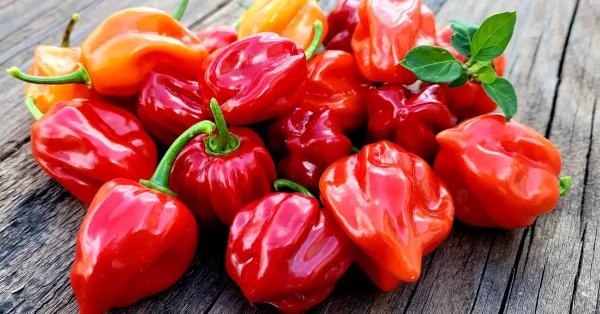
How to Grow Habanero Pepper Plants: A Step-by-Step Guide
Habanero pepper plants are prized for their vibrant colors, intense heat, and exceptional flavor, making [...]
Aug
Reviews
There are no reviews yet.