
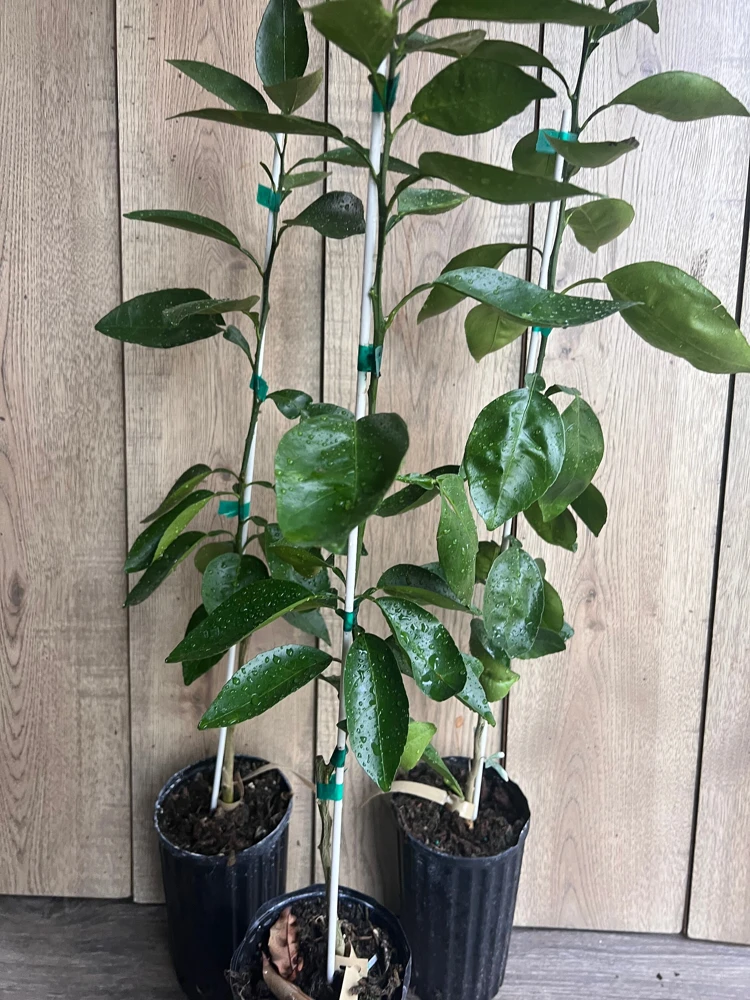
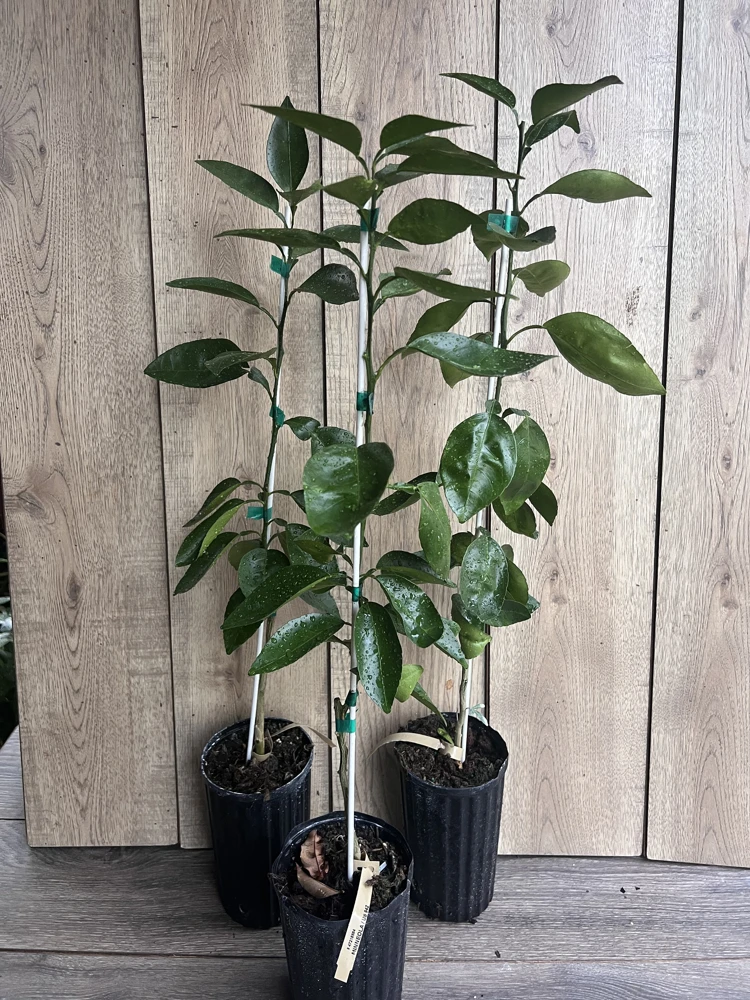
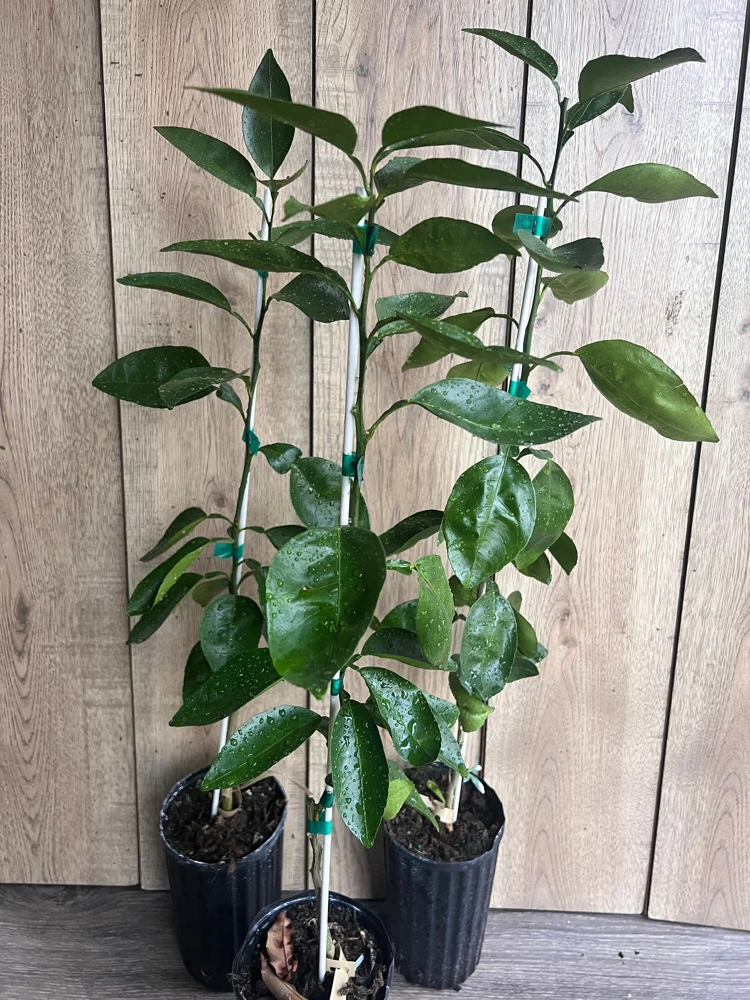
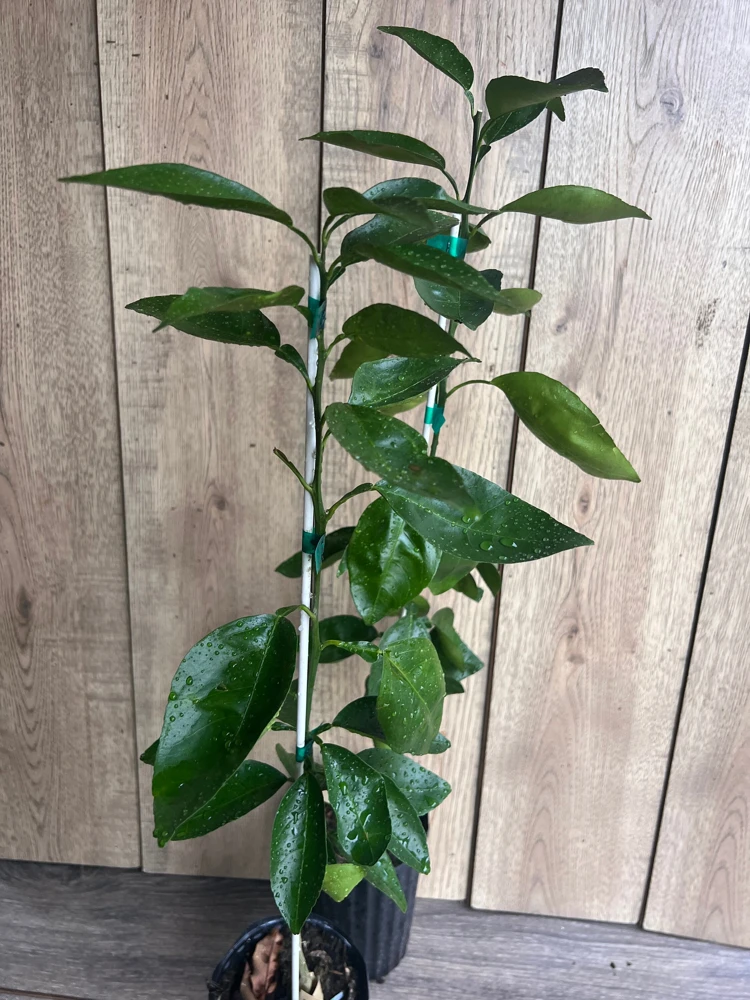
Hirado Pummelo Tree Live Plant – Grafted Citrus, 1/2 Gallon Pot – Cannot ship to CA
Original price was: $123.33.$75.37Current price is: $75.37.
Bring the joy of fresh citrus to your home with a hirado pummelo tree live plant. This grafted tree comes in a 1/2 Gallon pot, ready to thrive outdoors in warm climates. Enjoy large, juicy, sweet-tart pummelo fruit and fragrant white blossoms from this beautiful grafted pummelo tree.
Shipping and Return policies:
We stand behind our plants with our Alive & Thrive Guarantee. If you experience any issues within the first 30 days, please email us, and our team will be happy to help. When needed, we’ll send you a one-time replacement free of charge to make sure your garden keeps growing strong.

Reasonable Price
We offer reasonable price

Support 24/7
Contact us 24 hrs a day
100% Money Back
You’ve 30 days to Return
Payment Secure
100% secure payment
Overview
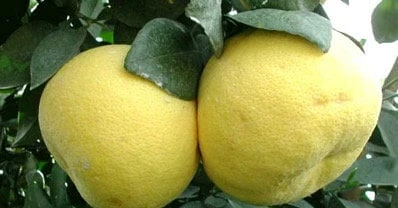
Cultivate your own exotic fruit with this exquisite hirado pummelo tree live plant. Known for its impressive size and delicious flavor, the Hirado Pummelo is a highly sought-after citrus variety that makes a stunning addition to any garden or orchard. This beautiful grafted pummelo tree arrives in a 1/2 Gallon pot, carefully nurtured and ready for planting. Hirado Pummelo trees are celebrated not only for their bountiful harvest of large, round fruits but also for their ornamental appeal, featuring glossy green leaves and clusters of fragrant white blossoms that fill the air with a sweet, citrusy scent during springtime. The fruit itself is a culinary delight, offering a perfect balance of sweetness and tartness, making it versatile for fresh consumption, juicing, or various culinary creations.
The Hirado Pummelo, sometimes referred to as ‘jeruk bali’ in some regions, is a true gem among citrus. Its thick, rough skin, ranging from green to yellow, encases a pale yellow to pinkish-red flesh that is juicy and easy to peel. This robust tree thrives in subtropical to tropical climates, making it an excellent choice for those looking to add a productive and beautiful specimen to their outdoor space. With proper care, including consistent watering and occasional pruning, your pummelo citrus tree will reward you with years of delicious fruit.
Key Benefits
Adding a hirado pummelo tree live plant to your landscape offers numerous advantages, blending aesthetic appeal with practical benefits. This remarkable tree is not just a source of fruit but a vibrant, fragrant addition to your outdoor environment.
- Delicious, Versatile Fruit: Enjoy large, juicy pummelos with a refreshing sweet and slightly tart flavor. Perfect for eating fresh, juicing, or incorporating into salads, desserts, and savory dishes. The fruit from a grafted pummelo tree is of superior quality and flavor.
- Fragrant Blossoms: In spring, the tree produces clusters of highly fragrant white flowers that release a delightful citrus scent, enhancing your garden’s ambiance.
- Ornamental Appeal: With its glossy green leaves and attractive fruit, the Hirado Pummelo tree is a beautiful addition to any garden or patio, offering year-round visual interest.
- Relatively Easy to Care For: This tree is known for being relatively low-maintenance, thriving with basic care like adequate sunlight, water, and occasional fertilization, making growing pummelo fruit accessible for many gardeners.
- Productive Harvests: Once established, the tree can yield bountiful harvests of delicious fruit annually, providing a sustainable source of fresh produce.
- Health Benefits: Pummelos are a good source of Vitamin C and other essential nutrients, contributing to a healthy diet.
- Long-Lived Specimen: With proper hirado pummelo care, these trees can live for many years, becoming a lasting feature in your garden.
Plant Care & Growing Tips
Ensuring the health and productivity of your hirado pummelo tree live plant involves understanding its specific needs for sunlight, water, and nutrition. These trees thrive in warm environments and appreciate consistent care. Choose a planting location that receives full sunlight for most of the day, ideally 6-8 hours. Hirado Pummelo trees are best suited for subtropical to tropical climates and prefer well-drained soil with good air circulation. If planting in a container, ensure it has adequate drainage holes and use a high-quality potting mix formulated for citrus.
Watering is crucial, especially during hot and dry periods. Keep the soil consistently moist but never waterlogged. Deep watering once or twice a week is generally sufficient, but adjust based on weather conditions and soil moisture levels. You can check the soil moisture by inserting your finger about an inch or two deep; if it feels dry, it’s time to water. Fertilize your grafted pummelo tree with a balanced citrus fertilizer according to the manufacturer’s instructions. Apply fertilizer in early spring before new growth begins and again in late spring or early summer. Avoid fertilizing in late summer or fall, as this can stimulate new growth that may be vulnerable to winter cold. Proper fertilization is key to growing pummelo fruit successfully.
Pruning should be done as needed to remove dead, diseased, or crossing branches. This helps maintain the tree’s shape, improves air circulation, and promotes fruit production. Major pruning is best performed in late winter or early spring before new growth starts. Thinning excess fruit when they are small ensures that the remaining fruit has enough space to grow and mature properly, leading to larger, higher-quality pummelos. For optimal hirado pummelo care, monitor for pests and diseases, addressing any issues promptly with appropriate organic or chemical treatments.
Size & Details
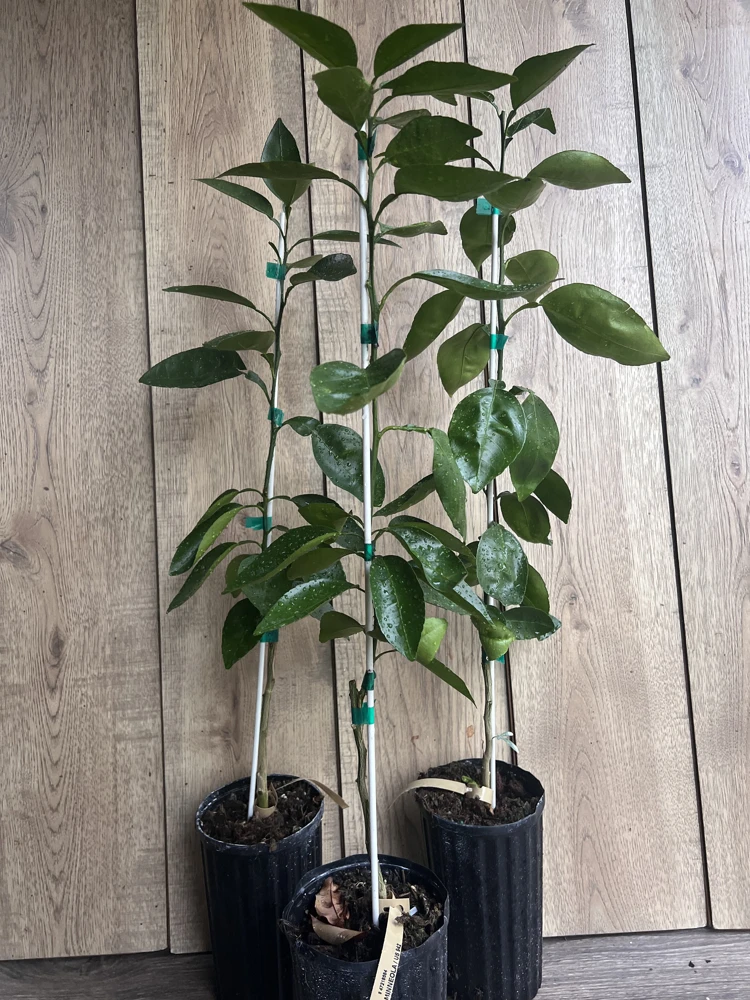
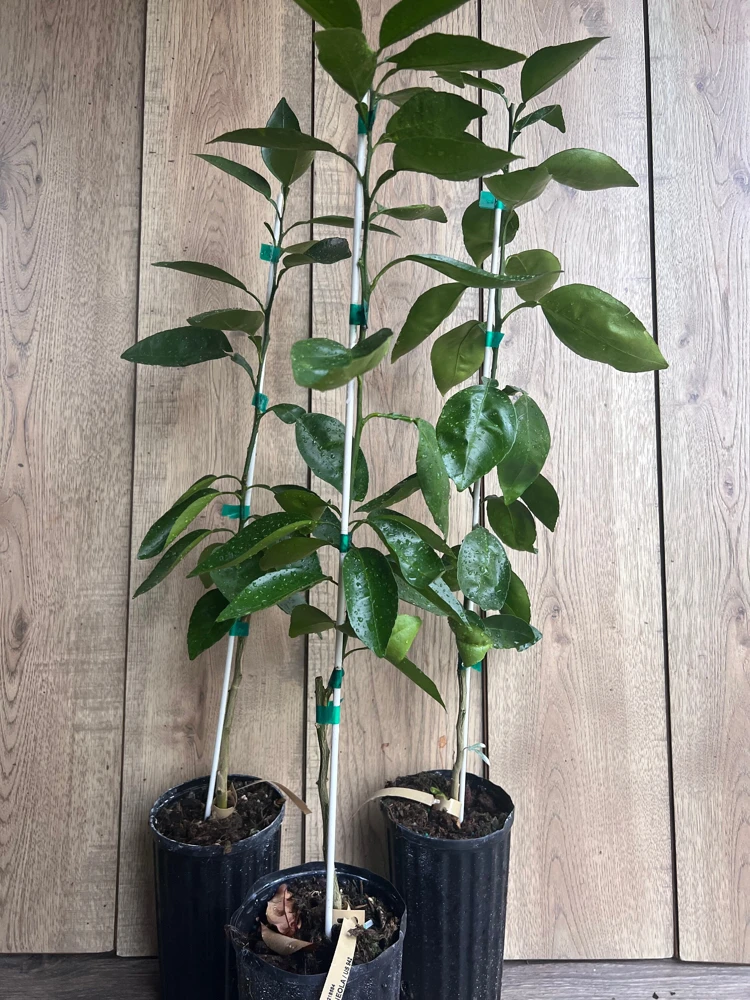
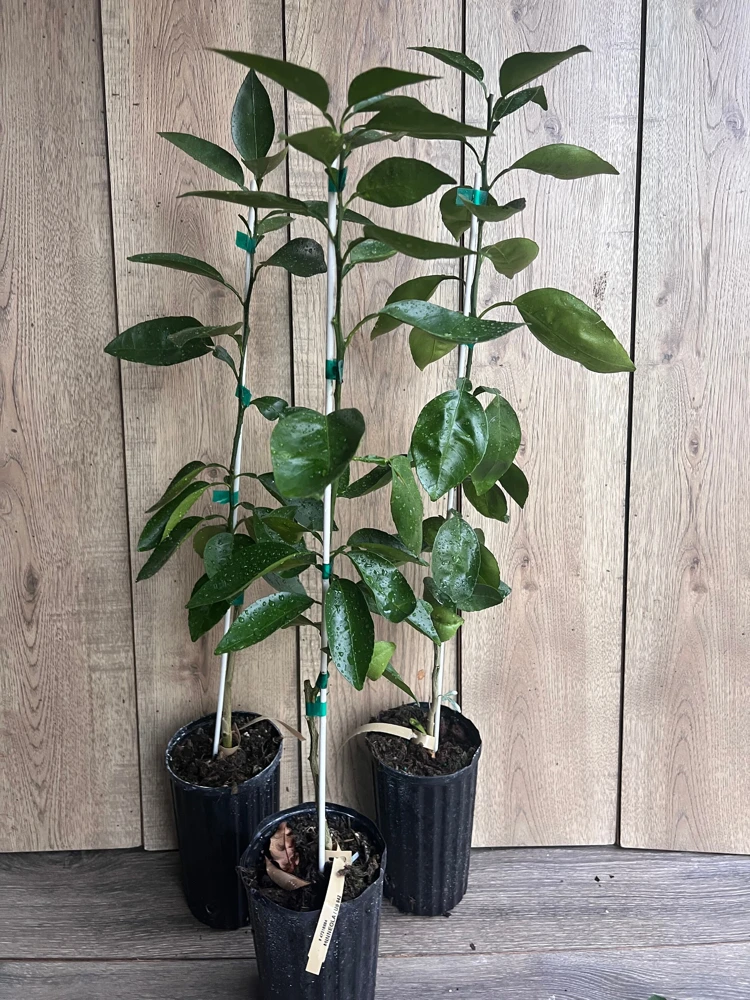
This hirado pummelo tree live plant is a grafted specimen, meaning it has been specially cultivated to ensure robust growth and excellent fruit production. It arrives in a 1/2 Gallon nursery pot, providing a healthy root system ready for transplanting. While the exact height at shipment may vary, these young trees are typically well-branched and established, ready to continue their growth in your garden. Hirado Pummelo trees can grow to be quite large in optimal conditions, often reaching heights of 10-20 feet or more, with a similar spread, creating a substantial and productive tree. The tree will begin producing fruit within a few years of planting, with harvests typically occurring in late fall to winter, depending on your specific climate.
The fruit of the Hirado Pummelo is notably large, often weighing over a pound, with a thick rind that is easy to peel. Expect your tree to mature and produce increasingly abundant harvests as it ages, provided it receives consistent hirado pummelo care. This tree is suitable for outdoor planting in USDA zones where citrus thrives, or it can be grown in large containers in colder climates, allowing it to be moved indoors during winter months. Its vigorous growth habit and attractive foliage make it a standout choice for home growers.
Frequently Asked Questions
- Q: How big does this hirado pummelo tree live plant get? A: In ideal outdoor conditions, Hirado Pummelo trees can grow to a height of 10-20 feet with a similar spread. Its ultimate size can be managed with regular pruning.
- Q: What size pot does it come in? A: The grafted pummelo tree is shipped in a 1/2 Gallon nursery pot, providing a strong start for your new plant.
- Q: Is this an indoor or outdoor plant? A: Hirado Pummelo trees thrive outdoors in subtropical to tropical climates. In colder regions, they can be grown in large containers and moved indoors during winter.
- Q: How much sunlight does it need? A: This pummelo citrus tree requires full sun exposure, meaning at least 6-8 hours of direct sunlight per day for optimal growth and fruit production.
- Q: Is this plant easy to care for? A: Yes, with proper attention to its basic needs for sunlight, water, and nutrients, the Hirado Pummelo is considered relatively easy to care for, making growing pummelo fruit enjoyable for many.
- Q: What condition will it arrive in? A: Your tree will arrive as a healthy, live plant in a 1/2 Gallon pot, carefully packaged to ensure its safe journey to your home.
- Q: How long until it blooms and produces fruit? A: As a grafted tree, it typically begins blooming and producing fruit within 2-4 years after planting, with harvests increasing as the tree matures.
- Q: When is the best time to plant a hirado pummelo tree live plant? A: The best time to plant is in spring or early summer, allowing the tree ample time to establish its root system before extreme weather.
- Q: What are the main steps for good hirado pummelo care? A: Key steps include providing full sun, consistent watering (keeping soil moist but not waterlogged), regular fertilization with citrus-specific food, and occasional pruning to maintain shape and health.
- Q: Will it survive winter in my zone? A: Hirado Pummelo trees are best suited for USDA zones 9-11. If you live in a colder zone, you will need to protect the tree from frost or grow it in a container to bring indoors during winter.
Be the first to review “Hirado Pummelo Tree Live Plant – Grafted Citrus, 1/2 Gallon Pot – Cannot ship to CA”
You must be logged in to post a review.
People also Viewed
Sold 50 products
$32.38
Sold 50 products
$27.38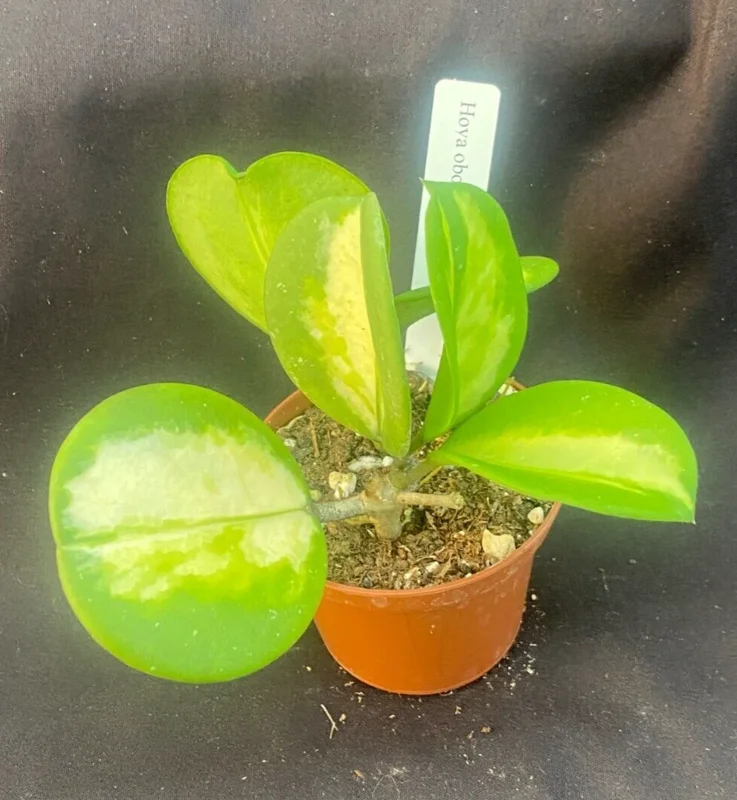
Sold 50 products
$32.38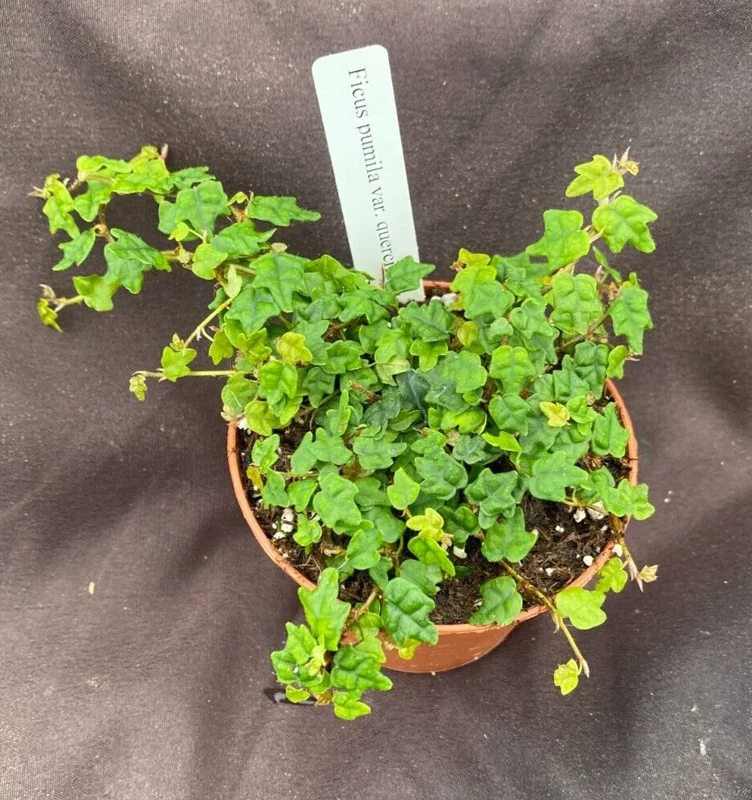
Sold 50 products
$19.88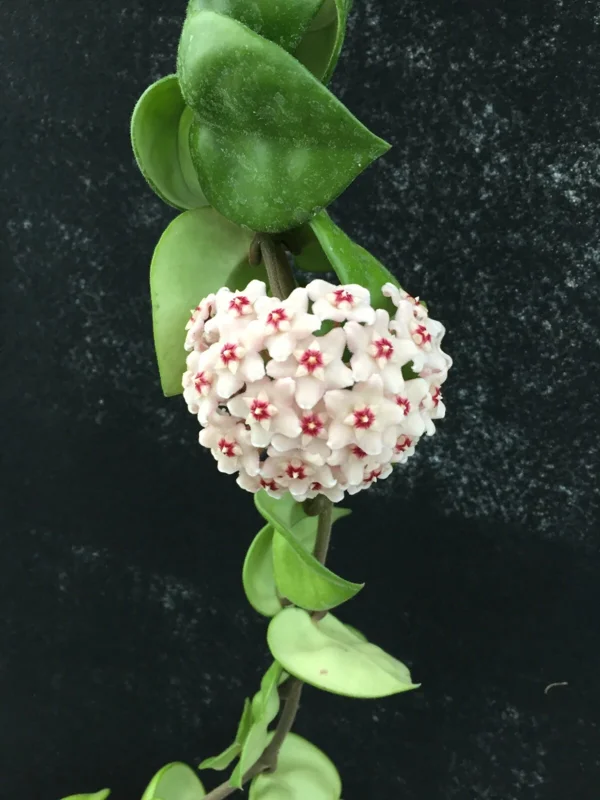
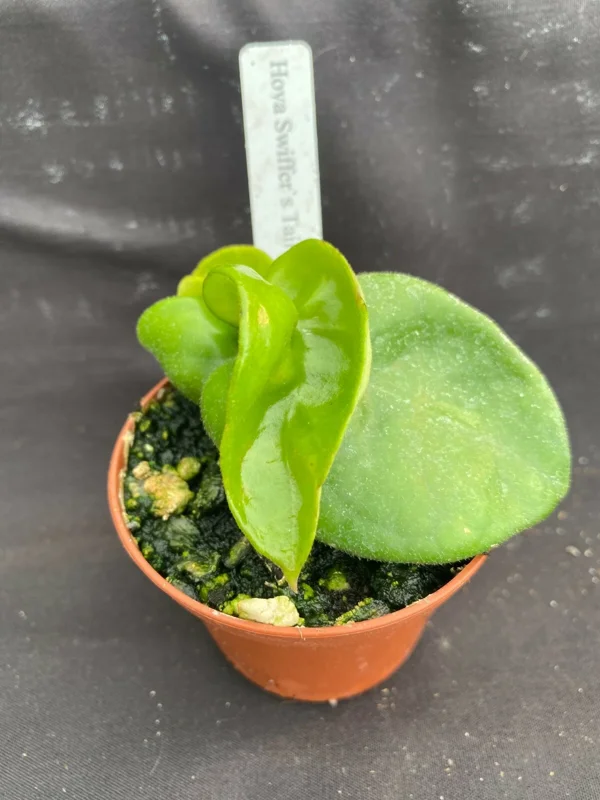
Sold 50 products
$62.38
Sold 50 products
$24.88
Houseplants
Phalaenopsis pulcherrima ‘Mauna Kea Snow’ Orchid Live Plant – White Flowers, Potted 2.5 in
Sold 50 products
$49.88
Sold 50 products
$49.88RELATED posts
Awapuhi Wild Ginger Plant: Zones, Care, and Propagation
Learn which USDA zones suit awapuhi wild ginger, plus sunlight, water, planting, propagation, pests, size, [...]
Awapuhi Shampoo Ginger – Care, Growing Zones, and Differences
Learn how to grow awapuhi (shampoo) ginger, its USDA zones, watering schedule, propagation tips, and [...]
Awapuhi Shampoo Plant Buying Guide – Choose the Right Zingiber zerumbet
META: Learn which awapuhi (shampoo ginger) plant or rhizome pack gives the best natural shampoo, [...]
Awapuhi Plant for Sale: Complete Buying Guide
Find the right awapuhi (shampoo ginger) plant, size, price, soil mix, and online source. Practical [...]
Shampoo Ginger Plant for Sale – Buying Guide & Tips
Find the right shampoo ginger plant, size, price, and care tips. Quick guide for U.S. [...]
Shampoo Ginger Plant (Awapuhi) Care Guide
Learn how to grow, care for, and use shampoo ginger (Zingiber zerumbet), the tropical awapuhi [...]
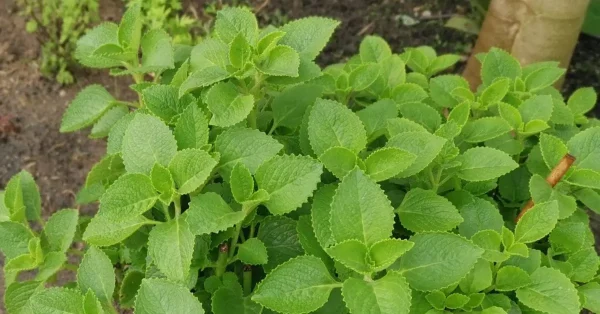
How to Grow Cuban Oregano Plants: A Complete Care Guide
If you’ve ever wanted a plant that combines the culinary punch of traditional oregano with [...]
Aug
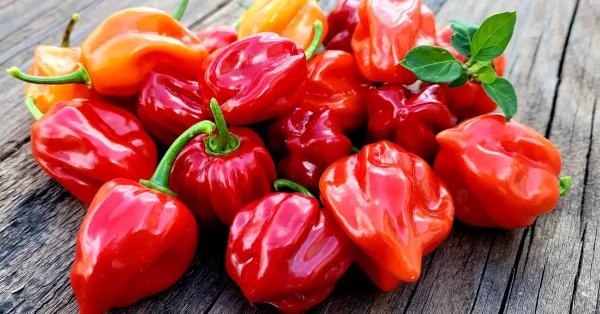
How to Grow Habanero Pepper Plants: A Step-by-Step Guide
Habanero pepper plants are prized for their vibrant colors, intense heat, and exceptional flavor, making [...]
Aug



Reviews
There are no reviews yet.