
Himalayan Barberry Seeds – Berberis aristata for Garden & Hedges – 10 Seeds Outdoor
Original price was: $23.00.$15.80Current price is: $15.80.
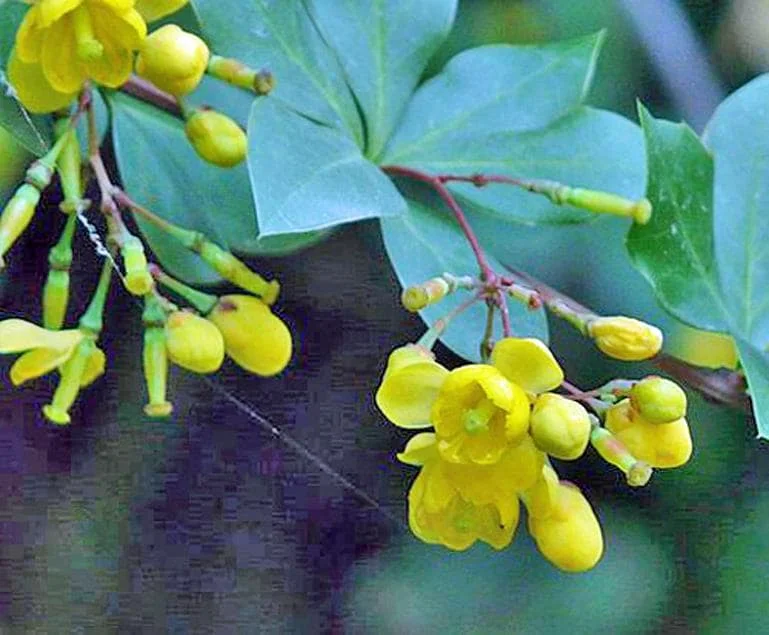
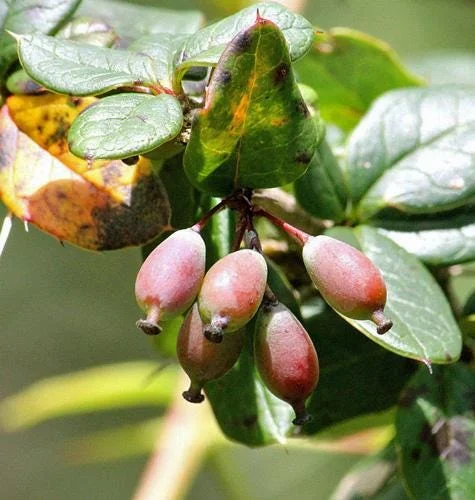
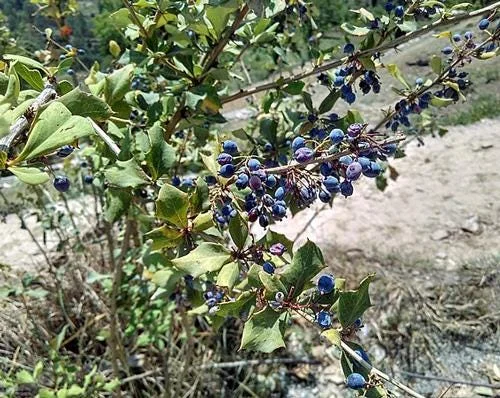
Cultivate the resilient Himalayan Barberry seeds (Berberis aristata), perfect for creating natural hedges and adding ornamental value to your garden. This deciduous shrub offers vibrant yellow flowers and tart red berries, thriving in various soil types and USDA Zones 5-9.
Shipping and Return policies:
We stand behind our plants with our Alive & Thrive Guarantee. If you experience any issues within the first 30 days, please email us, and our team will be happy to help. When needed, we’ll send you a one-time replacement free of charge to make sure your garden keeps growing strong.

Reasonable Price
We offer reasonable price

Support 24/7
Contact us 24 hrs a day
100% Money Back
You’ve 30 days to Return
Payment Secure
100% secure payment
Overview
Embark on a rewarding gardening journey by cultivating Himalayan Barberry seeds (Berberis aristata). Also known as Tree Turmeric or Indian Barberry, this deciduous shrub is a resilient and visually appealing addition to any landscape. Native to the majestic Himalayan region, it’s celebrated for its robust nature and distinctive features. Starting from Berberis aristata seeds allows you to experience the full life cycle of this remarkable plant, from germination to its mature, berry-laden form. The Himalayan Barberry is not just an ornamental plant; it holds cultural significance and has traditional uses, making it a truly unique choice for gardeners seeking both beauty and heritage. Its adaptability to various soil types and its hardiness make it an excellent candidate for a wide range of outdoor settings, from formal gardens to naturalized areas.
These Himalayan Barberry seeds offer the opportunity to grow a shrub that brings year-round interest. In late spring, it bursts into clusters of bright yellow flowers, providing a stunning contrast against its leathery, spiky leaves. As summer progresses into fall, these flowers give way to tart, vibrant red berries, which are not only decorative but also attract local wildlife. Whether you’re planning a new hedge, defining a border, or seeking an effective plant for erosion control, the Himalayan Barberry seeds provide a foundation for a plant that delivers both aesthetic appeal and practical utility. Its thorny branches also offer a natural deterrent, enhancing security for your garden space.
Key Benefits
Growing Himalayan Barberry seeds offers numerous advantages for your outdoor space, blending natural beauty with practical functionality. This resilient shrub is an excellent choice for diverse garden designs.
- Vibrant Seasonal Interest: Enjoy a dynamic display throughout the year, from bright yellow spring flowers to striking red berries in summer and fall. The berries provide a pop of color and visual appeal long after the blooming season.
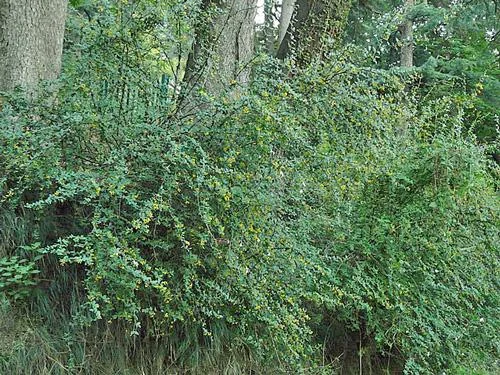
- Excellent for Hedges and Borders: The dense, thorny growth habit of the Himalayan Barberry makes it an ideal plant for creating natural, impenetrable hedges and clearly defined garden borders, offering both beauty and security.
- Drought-Tolerant and Low Maintenance: Once established, this shrub is highly adaptable and requires minimal watering, making it a perfect choice for gardeners seeking a resilient and easy-care plant. It thrives in a variety of conditions, reducing the need for constant attention.
- Erosion Control: Its strong root system helps stabilize soil, making it an effective plant for erosion control on slopes or in areas prone to soil degradation. This provides an ecological benefit to your landscape.
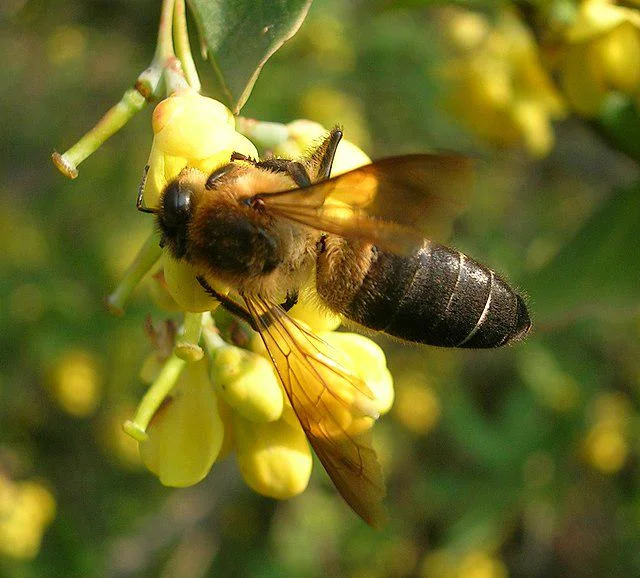
- Wildlife Attraction: The bright berries serve as a food source for various bird species, bringing natural activity and life to your garden, enhancing biodiversity and creating a lively environment.
- Cultural and Traditional Significance: Beyond its ornamental value, the Berberis aristata seeds grow into a plant known for its historical and traditional uses, adding a layer of depth and interest to your garden narrative.
- Adaptable to Various Soil Types: This hardy shrub thrives in a wide range of soil conditions, from sandy to clay, as long as drainage is adequate, making it versatile for many garden settings.
Plant Care & Growing Tips
Cultivating Himalayan Barberry seeds into thriving shrubs is a rewarding process that requires attention to specific conditions. This plant, also known as Tree Turmeric seeds, is generally hardy but benefits from proper care, especially during its initial growth phases. For successful germination, it’s crucial to scarify the hard seed coat. Gently rubbing the seeds with sandpaper or nicking them with a knife helps improve water absorption. After scarification, soak the Berberis aristata seeds in room temperature water for 24 hours. Prepare a seed starting tray with a well-draining mix, such as peat moss and perlite, and sow the seeds on the surface, lightly pressing them in. Maintain consistent moisture by misting regularly and place the tray in a warm location (65-75°F / 18-24°C) with indirect sunlight. Germination typically takes 4-8 weeks.
Once seedlings emerge, provide them with ample light and gradually acclimate them to outdoor conditions before transplanting. The mature Himalayan Barberry prefers full sun to partial shade, requiring at least 6 hours of direct sunlight daily for optimal growth and berry production. Well-drained soil is paramount; while it tolerates various soil types, waterlogged conditions can be detrimental. Water young plants regularly to establish a strong root system, then reduce frequency for established plants as they become more drought-tolerant. A balanced, slow-release fertilizer can be applied in early spring to encourage vigorous growth. This resilient shrub is hardy in USDA Zones 5-9 and can withstand cold temperatures. Pruning for shape or to remove dead branches is best done in late winter or early spring before new growth begins.
Size & Details
This product includes 10 Himalayan Barberry seeds (Berberis aristata), providing a generous quantity to start your garden project. Each seed has the potential to grow into a robust, deciduous shrub that typically reaches a mature height of 6-10 feet (1.8-3 meters) and a spread of 4-6 feet (1.2-1.8 meters), forming a dense, bushy habit. The growth rate is moderate, allowing for steady development over a few years to reach its full size. These Berberis aristata seeds are shipped as raw, untreated seeds, ready for your germination process. Expected time to bloom for established plants is usually within 2-3 years after planting, with berries following shortly after.
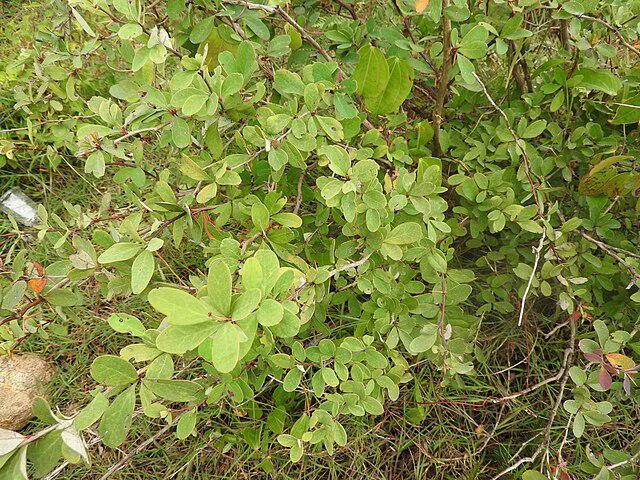
The mature Himalayan Barberry is characterized by its thorny branches, leathery, spiky green leaves, and vibrant yellow flowers in spring, followed by tart red berries. It’s a plant that offers significant visual interest and structural presence in the landscape. When growing from Indian Barberry seeds, you can anticipate a hardy and adaptable shrub that will become a long-term feature in your garden. The exact dimensions and density of the mature plant will vary slightly based on growing conditions, soil quality, and pruning practices, but it consistently provides a strong, ornamental presence. These Tree Turmeric seeds are perfect for those looking to cultivate a resilient and culturally rich plant.
Frequently Asked Questions
- Q: How big does the Himalayan Barberry plant get? A: The Himalayan Barberry typically grows to a height of 6-10 feet (1.8-3 meters) and can spread 4-6 feet (1.2-1.8 meters) wide. Its mature size makes it suitable for hedges, borders, or as a stand-alone specimen.
- Q: Is this an indoor or outdoor plant? A: The Himalayan Barberry (Berberis aristata) is an outdoor plant, hardy in USDA Zones 5-9. It thrives in garden settings and is not typically grown as an indoor houseplant.
- Q: How much sunlight does it need? A: This shrub prefers full sun to partial shade, ideally receiving at least 6 hours of direct sunlight per day. Adequate sunlight is crucial for optimal growth and abundant flowering and fruiting.
- Q: Is this plant easy to care for? A: Yes, once established, the Himalayan Barberry is considered low-maintenance and quite drought-tolerant. The main effort is during the initial germination and establishment phases of the Himalayan Barberry seeds.
- Q: What condition will the seeds arrive in? A: The product includes 10 Himalayan Barberry seeds, which will arrive as raw, untreated seeds, ready for you to begin the scarification and germination process.
- Q: How long until it blooms and produces berries? A: When grown from Berberis aristata seeds, the plant typically takes about 2-3 years to reach maturity and begin flowering and producing its distinctive red berries.
- Q: What’s the best time to plant these seeds? A: The best time to sow Himalayan Barberry seeds is usually in late winter or early spring, allowing for a stratification period if needed, to coincide with natural germination cycles.
- Q: Will it survive winter in my zone? A: The Himalayan Barberry is cold-hardy and thrives in USDA Zones 5-9, meaning it can tolerate winter conditions in these regions.
- Q: What type of soil does the Himalayan Barberry prefer? A: It is adaptable to various soil types, but it performs best in well-draining soil. Avoid heavy, waterlogged conditions to prevent root issues.
- Q: Can I use Indian Barberry seeds for traditional purposes? A: While the plant has traditional uses, this product is sold for ornamental gardening. Any use for medicinal or culinary purposes should be researched thoroughly and done with caution.
Be the first to review “Himalayan Barberry Seeds – Berberis aristata for Garden & Hedges – 10 Seeds Outdoor”
You must be logged in to post a review.
People also Viewed
Sold 50 products
Original price was: $109.95.$79.98Current price is: $79.98.
Sold 50 products
Original price was: $25.00.$17.50Current price is: $17.50.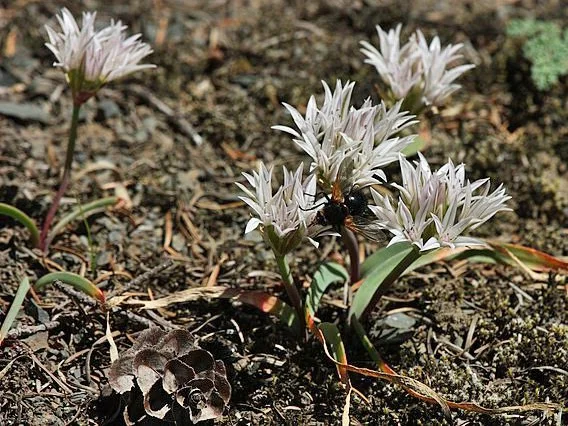
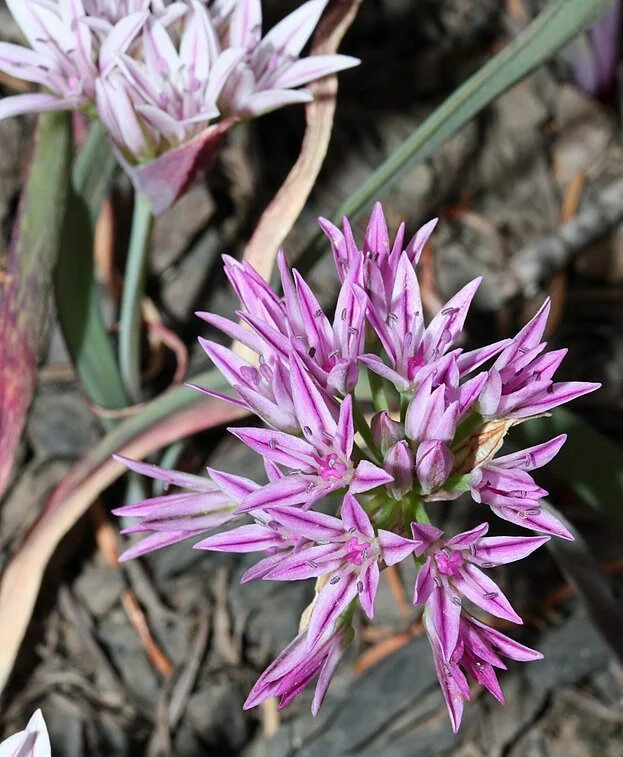
Flower Seeds
Olympic Onion Seeds – Allium crenulatum Flower Seeds – 10 Seed Pack – Outdoor Native Plant
Sold 50 products
Original price was: $25.00.$17.50Current price is: $17.50.
Sold 50 products
Original price was: $25.00.$17.50Current price is: $17.50.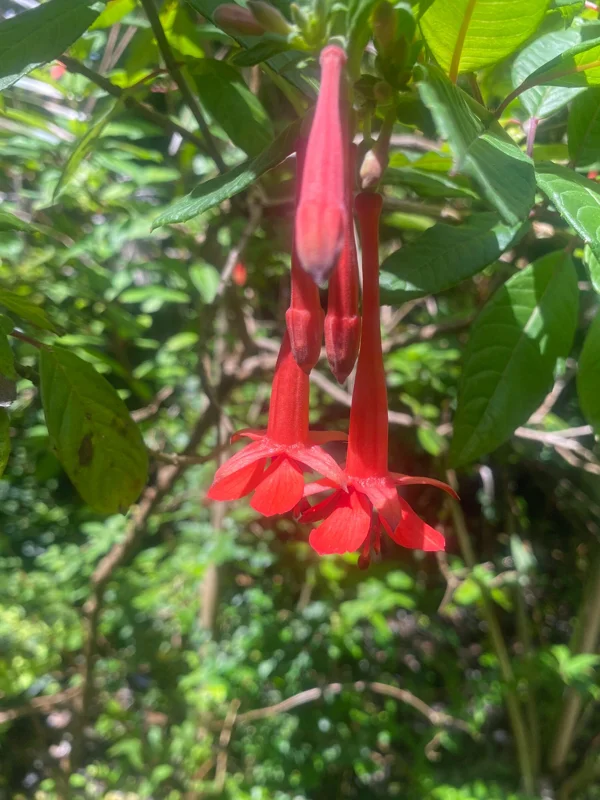
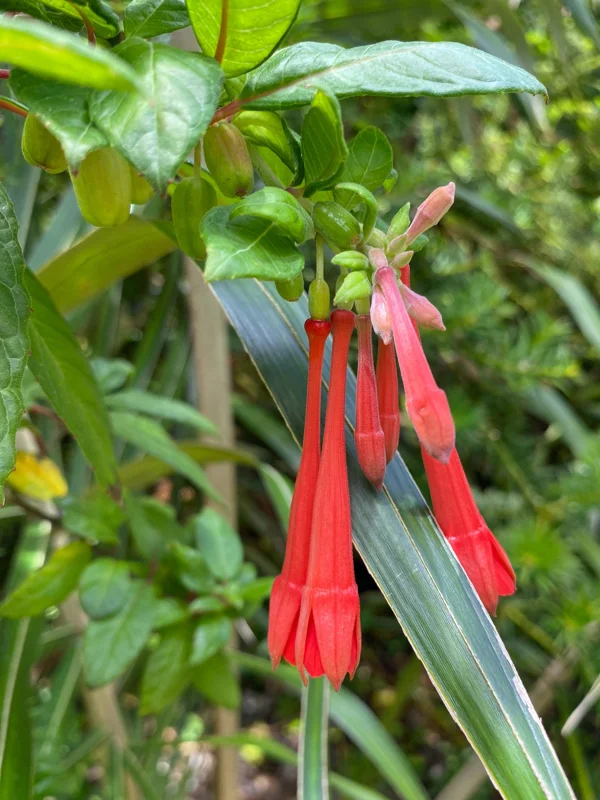
Flower Seeds
Fuchsia vulcanica Seeds – 20 Pack – Vibrant Orange Coral Flowers for Garden & Containers
Sold 50 products
Original price was: $25.00.$17.50Current price is: $17.50.
Sold 50 products
Original price was: $116.98.$95.68Current price is: $95.68.
Sold 50 products
Original price was: $21.00.$14.10Current price is: $14.10.
Aquatic Plant Seeds
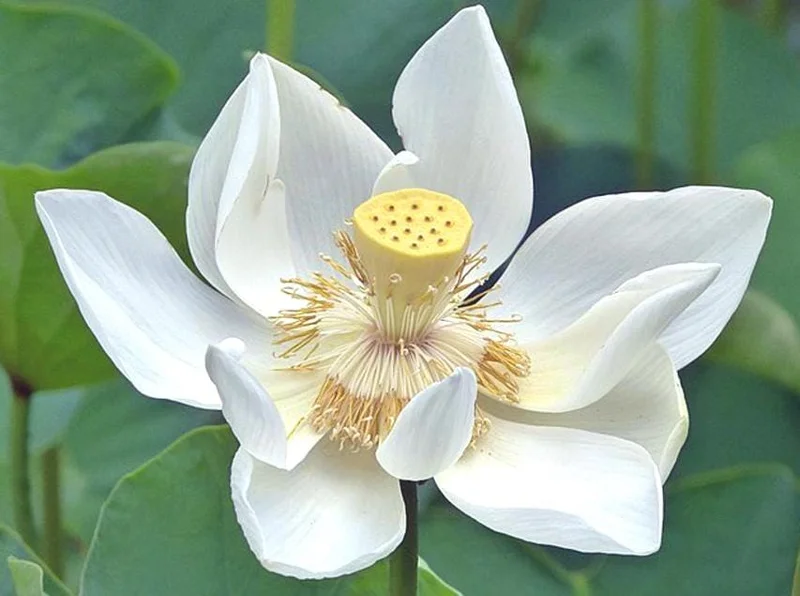
White Lotus Seeds – Nelumbo Nucifera Aquatic Pond Plant – 5 Seeds for Water Garden
Sold 50 products
Original price was: $29.00.$20.90Current price is: $20.90.RELATED posts
Awapuhi Wild Ginger Plant: Zones, Care, and Propagation
Learn which USDA zones suit awapuhi wild ginger, plus sunlight, water, planting, propagation, pests, size, [...]
Awapuhi Shampoo Ginger – Care, Growing Zones, and Differences
Learn how to grow awapuhi (shampoo) ginger, its USDA zones, watering schedule, propagation tips, and [...]
Awapuhi Shampoo Plant Buying Guide – Choose the Right Zingiber zerumbet
META: Learn which awapuhi (shampoo ginger) plant or rhizome pack gives the best natural shampoo, [...]
Awapuhi Plant for Sale: Complete Buying Guide
Find the right awapuhi (shampoo ginger) plant, size, price, soil mix, and online source. Practical [...]
Shampoo Ginger Plant for Sale – Buying Guide & Tips
Find the right shampoo ginger plant, size, price, and care tips. Quick guide for U.S. [...]
Shampoo Ginger Plant (Awapuhi) Care Guide
Learn how to grow, care for, and use shampoo ginger (Zingiber zerumbet), the tropical awapuhi [...]
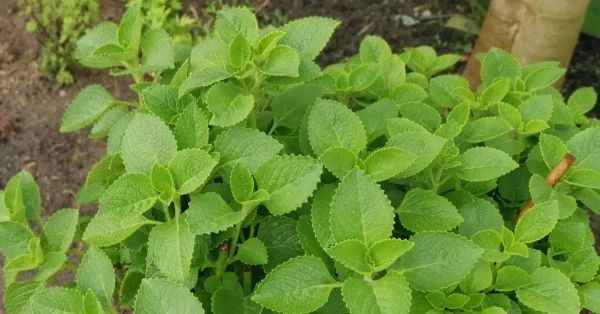
How to Grow Cuban Oregano Plants: A Complete Care Guide
If you’ve ever wanted a plant that combines the culinary punch of traditional oregano with [...]
Aug
How to Grow Habanero Pepper Plants: A Step-by-Step Guide
Habanero pepper plants are prized for their vibrant colors, intense heat, and exceptional flavor, making [...]
Aug
Reviews
There are no reviews yet.