
Hazelnut Tree Live Plant – American Hazelnut – Quart Pot – Outdoor Shrub
Original price was: $41.30.$25.30Current price is: $25.30.
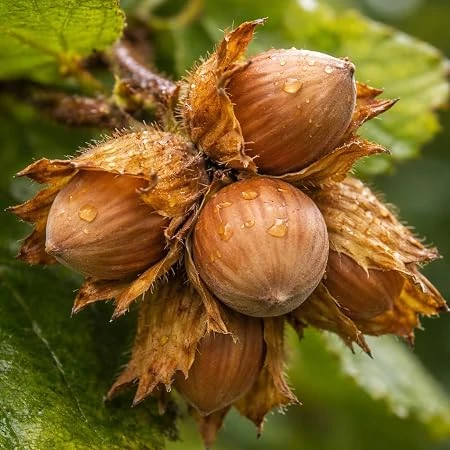
Cultivate your own delicious nuts with this hazelnut live plant, an American Hazelnut (Corylus americana) in a quart pot. This resilient shrub is ideal for edible landscaping, providing both beauty and a bountiful harvest. Enjoy fresh, nutritious hazelnuts from your own garden.
Shipping and Return policies:
We stand behind our plants with our Alive & Thrive Guarantee. If you experience any issues within the first 30 days, please email us, and our team will be happy to help. When needed, we’ll send you a one-time replacement free of charge to make sure your garden keeps growing strong.

Reasonable Price
We offer reasonable price

Support 24/7
Contact us 24 hrs a day
100% Money Back
You’ve 30 days to Return
Payment Secure
100% secure payment
Overview
Bring the joy of homegrown nuts to your garden with this robust hazelnut live plant. Specifically, this is the American Hazelnut (Corylus americana), a native deciduous shrub prized for its delicious, easy-to-harvest nuts and attractive foliage. Growing a hazelnut live plant offers the unique satisfaction of cultivating your own food source, contributing to local wildlife, and enhancing your landscape with a hardy, adaptable specimen. Often referred to as the American Filbert, this plant is a fantastic choice for gardeners looking for both ornamental value and a practical yield. It’s a low-maintenance option that thrives in a variety of conditions, making it suitable for both experienced and novice gardeners.
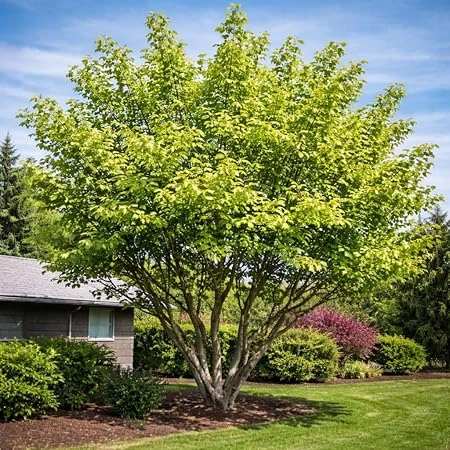
The American Hazelnut is known for its multi-stemmed growth habit, forming a dense shrub that can also be trained into a small tree. Its leaves turn a beautiful yellow-orange in the fall, adding seasonal interest to your property. Beyond its aesthetic appeal, the primary draw is the production of tasty hazelnuts, which are smaller than their European counterparts but equally flavorful. This quart pot size ensures you receive a healthy, well-established young plant ready for transplanting into your garden, providing a head start on enjoying its many benefits.
Key Benefits
The American Hazelnut offers a wealth of advantages for any gardener, from its edible produce to its ecological contributions. Planting a hazelnut live plant enriches your outdoor space in multiple ways:
- Delicious Edible Nuts: Harvest your own fresh, nutritious hazelnuts, perfect for snacking, baking, or cooking. These nuts are a healthy source of protein, fiber, and healthy fats.
- Wildlife Attraction: The nuts provide an important food source for squirrels, birds, and other wildlife, making your garden a haven for local fauna. This helps support biodiversity in your area.
- Low Maintenance: Once established, the american hazelnut tree is remarkably resilient and requires minimal care. It tolerates a range of soil types and is generally pest and disease resistant.
- Attractive Landscape Plant: With its multi-stemmed form, green foliage, and vibrant fall color, it serves as an excellent specimen plant, hedge, or border shrub in your garden design.
- Erosion Control: Its extensive root system helps to stabilize soil, making it a good choice for slopes or areas prone to erosion. This contributes to the overall health of your land.
- Native Plant: As a native species, corylus americana is well-adapted to local climates and ecosystems, requiring less intervention and supporting native pollinators and wildlife.
- Cold Hardy: This species is very cold hardy, thriving in a wide range of USDA zones and capable of withstanding harsh winter conditions.
Plant Care & Growing Tips
Caring for your hazelnut live plant is relatively straightforward, making it an excellent choice for gardeners of all skill levels. To ensure a thriving American Hazelnut, consider its specific needs for sunlight, soil, and water. This plant prefers a location with at least 6 hours of direct sunlight per day, though it can tolerate some partial shade. Full sun exposure will lead to the best nut production and overall plant health. When planting, dig a hole twice as wide as the root ball and just as deep, ensuring the top of the root ball is level with the ground. Backfill with native soil, gently tamping down to remove air pockets, and water thoroughly.
The American Hazelnut is adaptable to various soil types but thrives best in well-draining, loamy soil with a pH between 6.0 and 7.0. Avoid heavy, waterlogged soils, as these can lead to root rot. While established plants are drought-tolerant, consistent watering is crucial during the first year after planting to help the root system develop. Once established, water deeply during prolonged dry periods. Fertilization is generally not heavily required; however, a balanced, slow-release fertilizer can be applied in early spring if soil tests indicate nutrient deficiencies. Pruning should focus on removing dead, damaged, or crossing branches to improve air circulation and maintain a desirable shape. You can also prune to encourage a more tree-like form or to manage its size as a shrub.
This species is remarkably hardy and can withstand temperatures as low as -30°F (-34°C), making it suitable for USDA Zones 4-9. While generally resilient, keep an eye out for common pests like Japanese beetles or diseases such as Eastern Filbert Blight. Proper air circulation and sanitation can help prevent most issues. Planting multiple hazelnut plants (at least two) is recommended for better cross-pollination and a more abundant harvest of your edible nut plant. Plant them approximately 8-10 feet apart to allow for mature growth and good air circulation.
Size & Details
This hazelnut live plant arrives in a convenient quart pot, indicating a well-rooted and established young specimen ready for planting. At maturity, the American Hazelnut typically grows to a height of 10-18 feet with a similar spread, forming a dense, multi-stemmed shrub. Its growth rate is moderate, allowing it to establish quickly in your garden. The nuts, which are smaller than European varieties, mature in late summer to early fall, usually around September or October. You can expect your plant to begin producing nuts within 3-5 years of planting, with increasing yields as it matures.
The plant is shipped as a healthy, actively growing specimen, carefully packaged to ensure its safe arrival. The quart pot provides enough soil and space for the young plant to thrive during transit and before transplanting. Its robust nature makes it an excellent choice for various landscaping applications, from naturalized areas and wildlife habitats to edible gardens and windbreaks. The fall foliage provides a beautiful seasonal display, adding another layer of appeal to this versatile and productive shrub.
Frequently Asked Questions
- Q: How big will this hazelnut live plant get? A: The American Hazelnut typically grows 10-18 feet tall and wide, forming a dense, multi-stemmed shrub. Its mature size can vary slightly depending on growing conditions and pruning.
- Q: Is this an indoor or outdoor plant? A: The hazelnut live plant is an outdoor shrub, best suited for planting directly in the ground in your garden or landscape. It requires outdoor conditions to thrive and produce nuts.
- Q: How much sunlight does the american hazelnut tree need? A: American Hazelnut trees prefer full sun, meaning at least 6 hours of direct sunlight per day. They can tolerate partial shade, but nut production may be reduced.
- Q: Is this plant easy to care for? A: Yes, the American Hazelnut is considered a low-maintenance plant. Once established, it is quite hardy and drought-tolerant, making it a good choice for beginners.
- Q: What condition will it arrive in? A: Your corylus americana will arrive as a healthy, actively growing plant in a quart pot, carefully packaged to ensure its safety during transit.
- Q: When is the best time to plant a hazelnut tree? A: The best time to plant a hazelnut tree is in early spring or fall when temperatures are moderate. This allows the plant to establish its root system before extreme weather.
- Q: Will it survive winter in my zone? A: The American Hazelnut is very cold hardy and thrives in USDA Zones 4-9, meaning it can withstand cold winters in a wide range of regions across the U.S.
- Q: Do I need more than one hazelnut plant for nuts? A: Yes, it is highly recommended to plant at least two American Hazelnut plants for cross-pollination to ensure a good harvest of nuts.
- Q: What kind of soil does this edible nut plant prefer? A: It prefers well-draining, loamy soil with a slightly acidic to neutral pH (6.0-7.0). Avoid heavy, waterlogged soils.
- Q: How long until I can harvest nuts from my hazelnut live plant? A: You can typically expect your hazelnut plant to start producing nuts within 3-5 years of planting, with production increasing as the plant matures.
Be the first to review “Hazelnut Tree Live Plant – American Hazelnut – Quart Pot – Outdoor Shrub”
You must be logged in to post a review.
People also Viewed
Sold 50 products
$32.38
Sold 50 products
$27.38
Sold 50 products
$32.38
Sold 50 products
$19.88
Sold 50 products
$62.38
Sold 50 products
$24.88
Houseplants
Phalaenopsis pulcherrima ‘Mauna Kea Snow’ Orchid Live Plant – White Flowers, Potted 2.5 in
Sold 50 products
$49.88
Sold 50 products
$49.88RELATED posts
Awapuhi Wild Ginger Plant: Zones, Care, and Propagation
Learn which USDA zones suit awapuhi wild ginger, plus sunlight, water, planting, propagation, pests, size, [...]
Awapuhi Shampoo Ginger – Care, Growing Zones, and Differences
Learn how to grow awapuhi (shampoo) ginger, its USDA zones, watering schedule, propagation tips, and [...]
Awapuhi Shampoo Plant Buying Guide – Choose the Right Zingiber zerumbet
META: Learn which awapuhi (shampoo ginger) plant or rhizome pack gives the best natural shampoo, [...]
Awapuhi Plant for Sale: Complete Buying Guide
Find the right awapuhi (shampoo ginger) plant, size, price, soil mix, and online source. Practical [...]
Shampoo Ginger Plant for Sale – Buying Guide & Tips
Find the right shampoo ginger plant, size, price, and care tips. Quick guide for U.S. [...]
Shampoo Ginger Plant (Awapuhi) Care Guide
Learn how to grow, care for, and use shampoo ginger (Zingiber zerumbet), the tropical awapuhi [...]
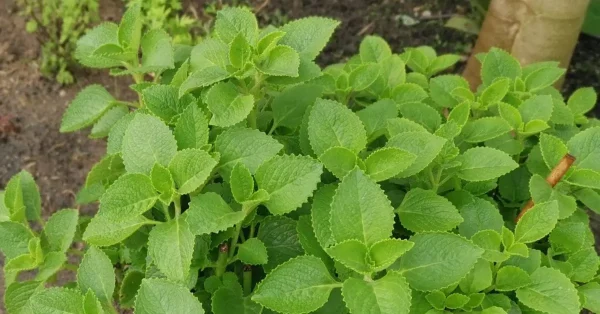
How to Grow Cuban Oregano Plants: A Complete Care Guide
If you’ve ever wanted a plant that combines the culinary punch of traditional oregano with [...]
Aug
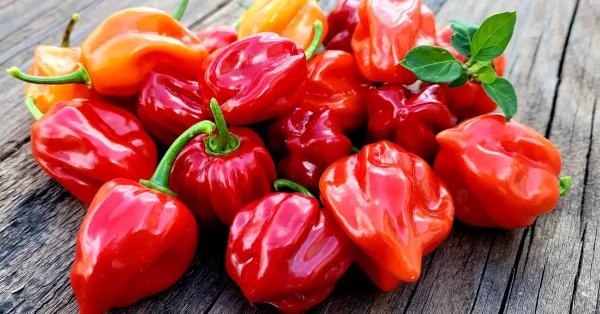
How to Grow Habanero Pepper Plants: A Step-by-Step Guide
Habanero pepper plants are prized for their vibrant colors, intense heat, and exceptional flavor, making [...]
Aug

Reviews
There are no reviews yet.