
Grand Wormwood Seeds – Artemisia Absinthium – 20 Seeds for Garden & Flavoring
Original price was: $25.00.$17.50Current price is: $17.50.
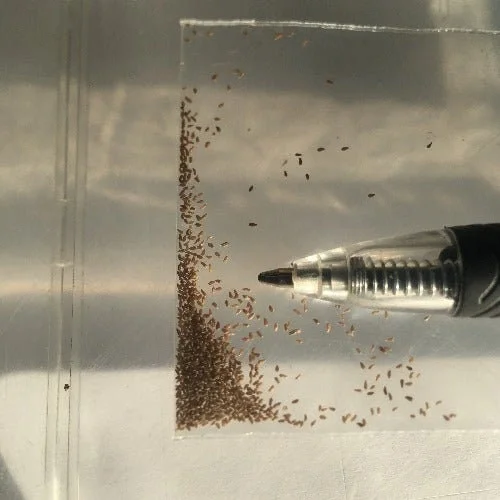
Cultivate your own grand wormwood seeds (Artemisia Absinthium) with this pack of 20 seeds. This herbaceous perennial is known for its distinctive silvery-gray foliage and traditional uses in flavoring and medicine. Perfect for adding a unique aromatic plant to your garden, attracting birds, bees, and butterflies, and thriving in full sun with minimal water needs.
Shipping and Return policies:
We stand behind our plants with our Alive & Thrive Guarantee. If you experience any issues within the first 30 days, please email us, and our team will be happy to help. When needed, we’ll send you a one-time replacement free of charge to make sure your garden keeps growing strong.

Reasonable Price
We offer reasonable price

Support 24/7
Contact us 24 hrs a day
100% Money Back
You’ve 30 days to Return
Payment Secure
100% secure payment
Overview
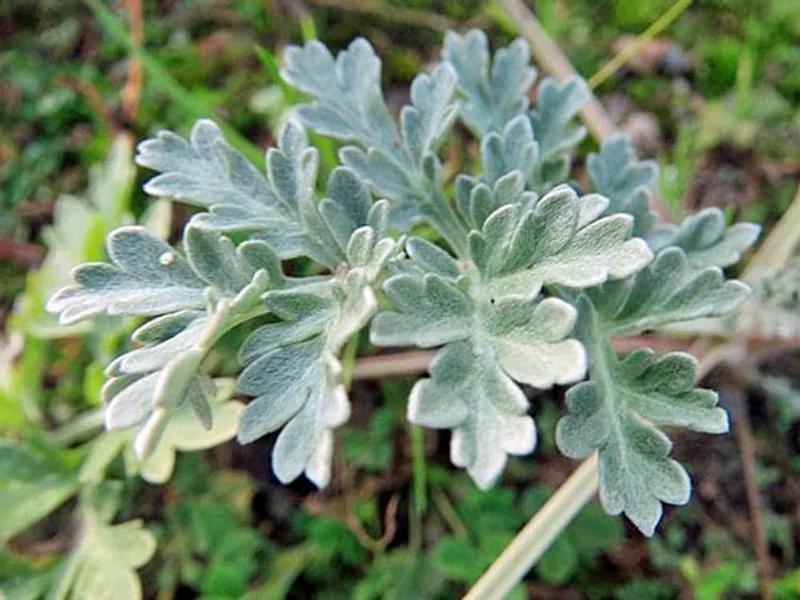
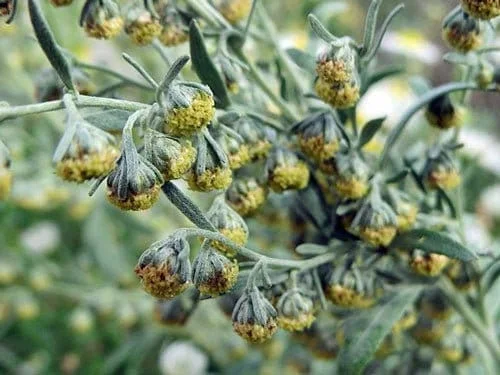
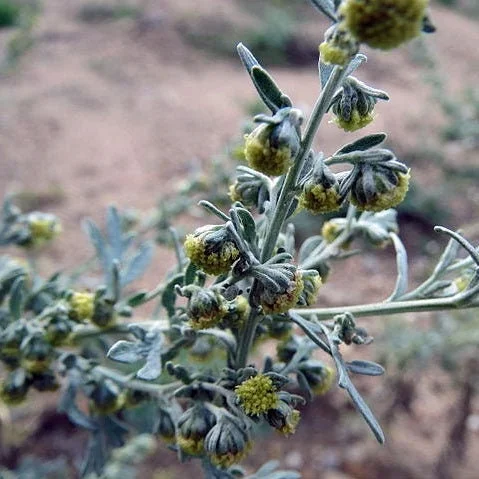
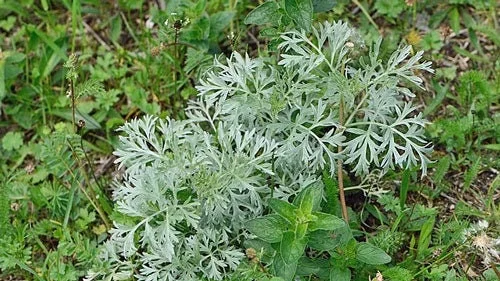
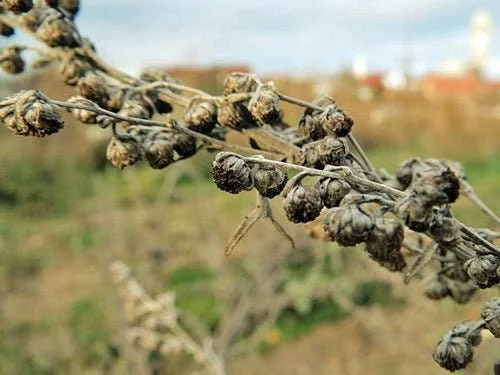
Discover the intriguing world of grand wormwood seeds (Artemisia absinthium), a fascinating herbaceous evergreen perennial belonging to the Asteraceae family. Native to regions spanning from Europe to Siberia and the western Himalayas, this plant is steeped in history and tradition. Known by many familiar names including wormwood, absinthe wormwood, and mugwort, it holds a prominent place in both culinary and medicinal contexts. These Artemisia absinthium seeds offer you the opportunity to grow this unique specimen in your own garden. Its striking green-gray foliage, covered in tiny silver hairs, adds a distinctive aesthetic appeal, while its pale yellow, tubular flowers bloom from early summer to early autumn, attracting a variety of pollinators like birds, bees, and butterflies.
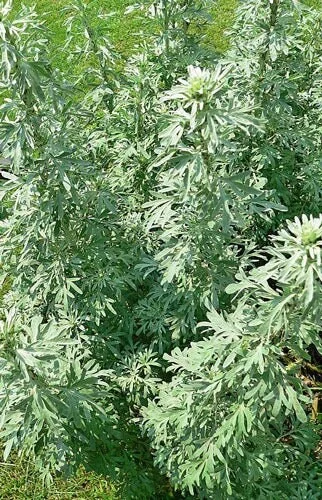
Grand wormwood seeds are an excellent choice for gardeners looking for a resilient and low-maintenance plant. Once established, this perennial can reach a height of 2-3 feet and a width of 1-2 feet, forming a beautiful presence in a sunny spot. Beyond its ornamental value, Artemisia absinthium is famously an ingredient in the spirit Absinthe and is used for flavoring many wines and spirits. It also has a long history of traditional use as a medicine for various ailments, including infections and upset stomach, or to help stimulate appetite. Growing your own grand wormwood seeds allows you to experience this versatile plant firsthand, from its germination to its full maturity in your outdoor landscape.
Key Benefits
Growing grand wormwood seeds offers a multitude of benefits, enriching your garden and providing a plant with diverse applications. This resilient perennial is a rewarding addition for both novice and experienced gardeners.
- Distinctive Ornamental Appeal: The silvery-gray, finely divided foliage of Artemisia absinthium provides a unique texture and color contrast in garden beds, making it an excellent choice for adding visual interest. Its airy appearance complements other plants beautifully.
- Attracts Pollinators: During its blooming period from early summer to early autumn, the pale yellow flowers of the wormwood plant attract beneficial insects such as bees and butterflies, contributing to a healthier garden ecosystem.
- Traditional Flavoring Agent: Renowned for its use in Absinthe and various other wines and spirits, growing your own Artemisia absinthium seeds allows you to explore its traditional culinary applications and unique bitter flavor.
- Low Maintenance and Drought Tolerant: Once established, grand wormwood is remarkably easy to care for. It thrives in full sun and has low to average water needs, making it an ideal plant for xeriscaping or gardens in drier climates.
- Medicinal and Herbal Uses: Historically, wormwood has been utilized in traditional medicine for its properties, including aiding digestion and acting as an anti-inflammatory. Cultivating your own provides access to this versatile herb.
- Deer and Rabbit Resistant: The strong aromatic compounds in Artemisia absinthium tend to deter common garden pests like deer and rabbits, helping to protect your garden from unwanted visitors.
- Hardy Perennial: Suitable for USDA Zones 4-8, this plant is a hardy perennial, meaning it will return year after year, providing continuous beauty and utility with minimal effort.
Plant Care & Growing Tips
Cultivating grand wormwood seeds into a thriving plant is a straightforward process, especially with the right care. This resilient perennial prefers specific conditions to reach its full potential. For germination, a good starting mix is crucial. Combine equal parts of potting soil, vermiculite, and peat moss. Spread the grand wormwood seeds evenly on top of this media and gently press them down. Do not bury them deeply, as they often require some light to germinate. Mist the surface with a spray bottle to keep the media moist. Covering the seed tray with clear plastic helps maintain a consistent temperature of around 75°F (24°C) and high humidity. Place the tray under a bright light source until germination occurs, misting as needed to prevent the media from drying out.
Once seedlings are established, transplant them to their permanent location. Artemisia absinthium thrives in full sun, requiring at least 6-8 hours of direct sunlight per day to grow robustly and produce its characteristic silvery foliage. It is adaptable to various soil types but absolutely requires well-draining soil. Poor drainage can lead to root rot. If your soil is heavy clay, amend it with sand or grit to improve drainage. The plant has low to average water needs; allow the soil to dry out between waterings. Overwatering is a common mistake that can harm this plant. It is hardy in USDA Zones 4-8, tolerating a wide range of temperatures. Fertilization is generally not heavily required; a light application of a balanced, slow-release fertilizer in spring is usually sufficient. Keep an eye out for common garden pests, though its strong scent often deters many. Pruning can be done in early spring to encourage bushier growth and maintain shape.
For those interested in the wormwood plant care, it’s important to note its vigorous growth habit. Regular deadheading of spent flowers can prevent self-seeding, though some gardeners prefer to let it naturalize. While generally pest-resistant, occasional issues with aphids or spider mites can occur, which can be managed with insecticidal soap. Ensure good air circulation around the plant to prevent fungal diseases. This robust plant, also known as absinthe wormwood, is an excellent choice for a low-maintenance, drought-tolerant garden, bringing both beauty and a touch of historical intrigue.
Size & Details
This product includes 20 seeds of Artemisia absinthium, commonly known as grand wormwood. Once mature, this herbaceous perennial typically grows to a height of 2-3 feet (60-90 cm) and spreads 1-2 feet (30-60 cm) wide, forming an upright, bushy habit. The plant is characterized by its fibrous root system. The cauline leaves are green-gray and spirally arranged, covered in tiny silver hairs, while the basal leaves are longer, reaching 8-9 inches (20-23 cm) with extended petioles, and are tripinnate in shape. The flowers are pale yellow, tubular, and appear in clusters, blooming from early summer until early autumn.
These Artemisia absinthium seeds will mature into plants that prefer full sun exposure and have low to average water requirements, making them suitable for xeriscaping. They are well-suited for outdoor cultivation in USDA Hardiness Zones 4-8. The seeds are shipped in a protective packet, ensuring their viability for planting. With proper care, you can expect germination within a few weeks, leading to mature plants that will provide aesthetic appeal, attract pollinators, and offer traditional uses for many years.
Frequently Asked Questions
- Q: How big does a grand wormwood plant get? A: A mature grand wormwood plant typically grows to about 2-3 feet (60-90 cm) tall and 1-2 feet (30-60 cm) wide. Its size can vary slightly depending on growing conditions and climate.
- Q: Is this an indoor or outdoor plant? A: Grand wormwood seeds are intended for growing outdoor plants. Artemisia absinthium thrives in full sun and is best suited for garden beds, borders, or large outdoor containers where it can receive ample light.
- Q: How much sunlight does it need? A: This plant requires full sun exposure, meaning at least 6-8 hours of direct sunlight per day. Adequate sunlight is crucial for healthy growth and vibrant foliage.
- Q: Is this plant easy to care for? A: Yes, once established, Artemisia absinthium is considered a low-maintenance plant. It is drought-tolerant and requires minimal watering, making it a good choice for gardeners seeking an easy-care perennial.
- Q: What condition will the seeds arrive in? A: The grand wormwood seeds will arrive in a protective seed packet, carefully packaged to ensure their integrity and viability for planting.
- Q: How long until it blooms? A: After planting the mugwort seeds and establishing the plant, you can expect the pale yellow flowers to bloom from early summer until early autumn, typically in its second year of growth.
- Q: Will it survive winter in my zone? A: Yes, grand wormwood is a hardy perennial suitable for USDA Zones 4-8, meaning it can tolerate winter conditions in these regions and will return each spring.
- Q: Can I use this wormwood for flavoring? A: Yes, Artemisia absinthium is traditionally used for flavoring various spirits and wines, most notably Absinthe. Growing your own allows you to explore these traditional uses.
- Q: What’s the best soil type for grand wormwood? A: Grand wormwood prefers well-draining soil. While adaptable, it’s crucial to ensure the soil doesn’t retain too much moisture, as this can lead to root issues.
- Q: Is this plant good for beginners? A: Yes, its low-maintenance nature and resilience make it a suitable plant for beginner gardeners looking to grow a unique and versatile perennial.
Be the first to review “Grand Wormwood Seeds – Artemisia Absinthium – 20 Seeds for Garden & Flavoring”
You must be logged in to post a review.
People also Viewed
Sold 50 products
Original price was: $109.95.$79.98Current price is: $79.98.
Sold 50 products
Original price was: $25.00.$17.50Current price is: $17.50.
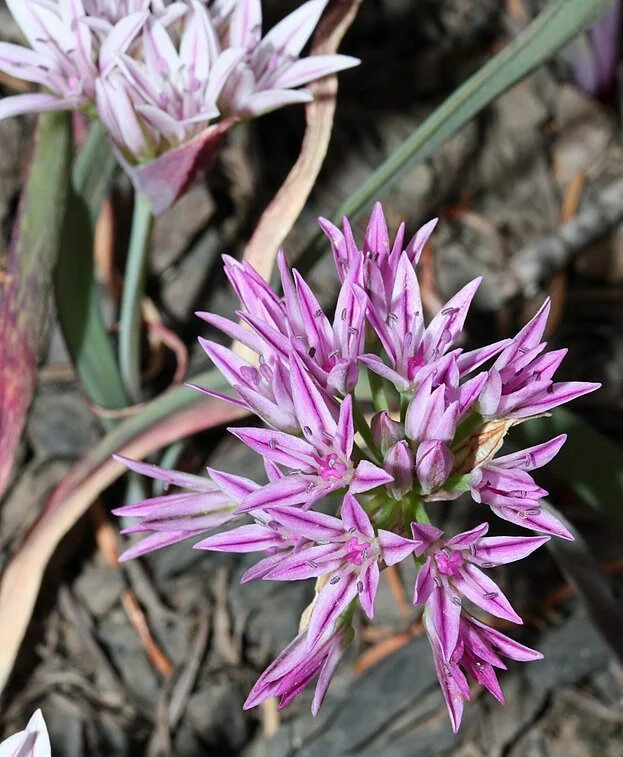
Flower Seeds
Olympic Onion Seeds – Allium crenulatum Flower Seeds – 10 Seed Pack – Outdoor Native Plant
Sold 50 products
Original price was: $25.00.$17.50Current price is: $17.50.
Sold 50 products
Original price was: $25.00.$17.50Current price is: $17.50.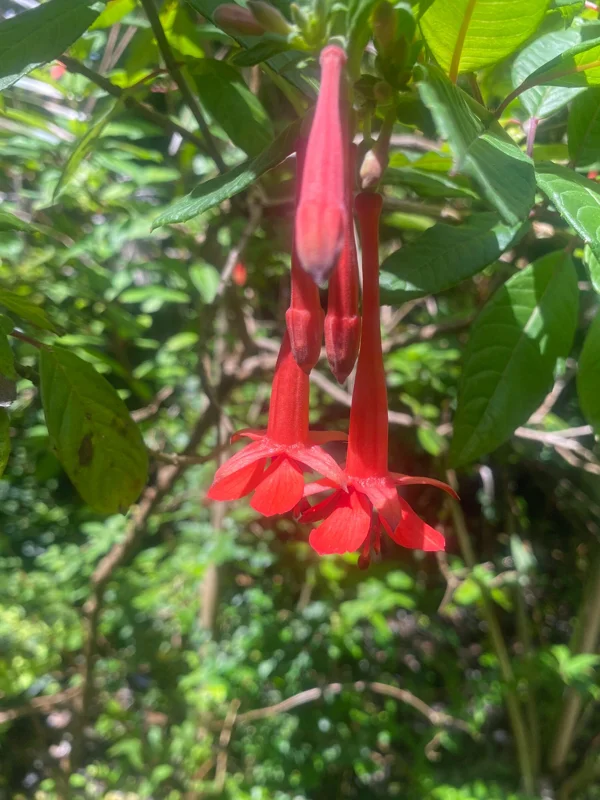
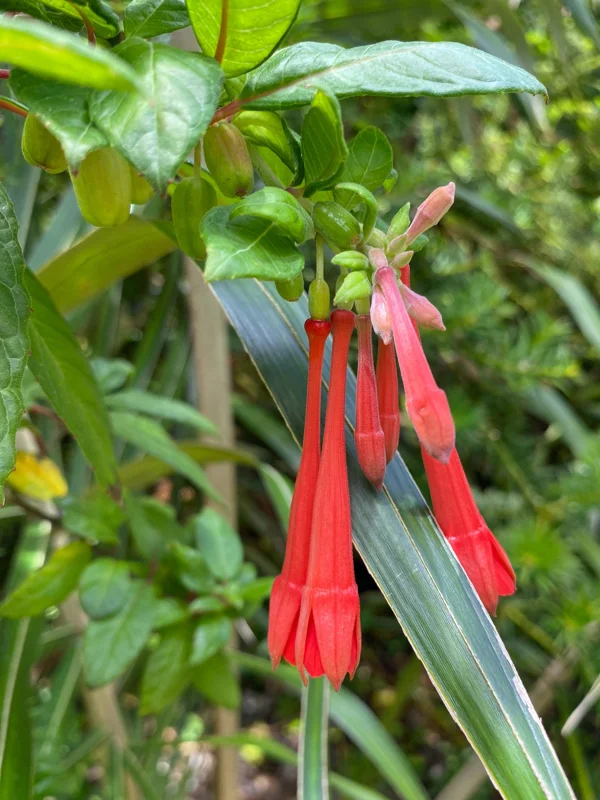
Flower Seeds
Fuchsia vulcanica Seeds – 20 Pack – Vibrant Orange Coral Flowers for Garden & Containers
Sold 50 products
Original price was: $25.00.$17.50Current price is: $17.50.
Sold 50 products
Original price was: $116.98.$95.68Current price is: $95.68.
Sold 50 products
Original price was: $21.00.$14.10Current price is: $14.10.
Aquatic Plant Seeds
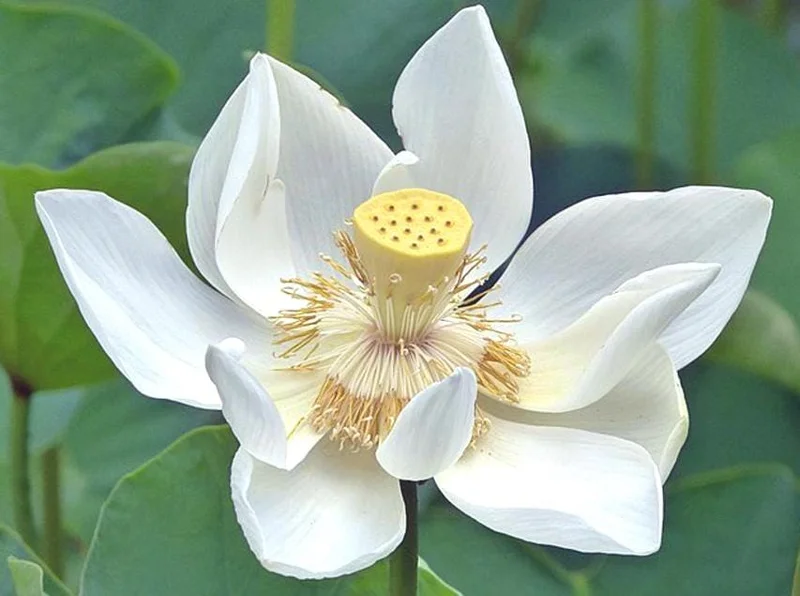
White Lotus Seeds – Nelumbo Nucifera Aquatic Pond Plant – 5 Seeds for Water Garden
Sold 50 products
Original price was: $29.00.$20.90Current price is: $20.90.RELATED posts
Awapuhi Wild Ginger Plant: Zones, Care, and Propagation
Learn which USDA zones suit awapuhi wild ginger, plus sunlight, water, planting, propagation, pests, size, [...]
Awapuhi Shampoo Ginger – Care, Growing Zones, and Differences
Learn how to grow awapuhi (shampoo) ginger, its USDA zones, watering schedule, propagation tips, and [...]
Awapuhi Shampoo Plant Buying Guide – Choose the Right Zingiber zerumbet
META: Learn which awapuhi (shampoo ginger) plant or rhizome pack gives the best natural shampoo, [...]
Awapuhi Plant for Sale: Complete Buying Guide
Find the right awapuhi (shampoo ginger) plant, size, price, soil mix, and online source. Practical [...]
Shampoo Ginger Plant for Sale – Buying Guide & Tips
Find the right shampoo ginger plant, size, price, and care tips. Quick guide for U.S. [...]
Shampoo Ginger Plant (Awapuhi) Care Guide
Learn how to grow, care for, and use shampoo ginger (Zingiber zerumbet), the tropical awapuhi [...]
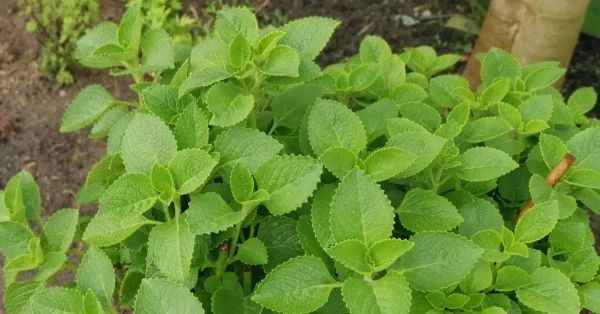
How to Grow Cuban Oregano Plants: A Complete Care Guide
If you’ve ever wanted a plant that combines the culinary punch of traditional oregano with [...]
Aug
How to Grow Habanero Pepper Plants: A Step-by-Step Guide
Habanero pepper plants are prized for their vibrant colors, intense heat, and exceptional flavor, making [...]
Aug
Reviews
There are no reviews yet.