
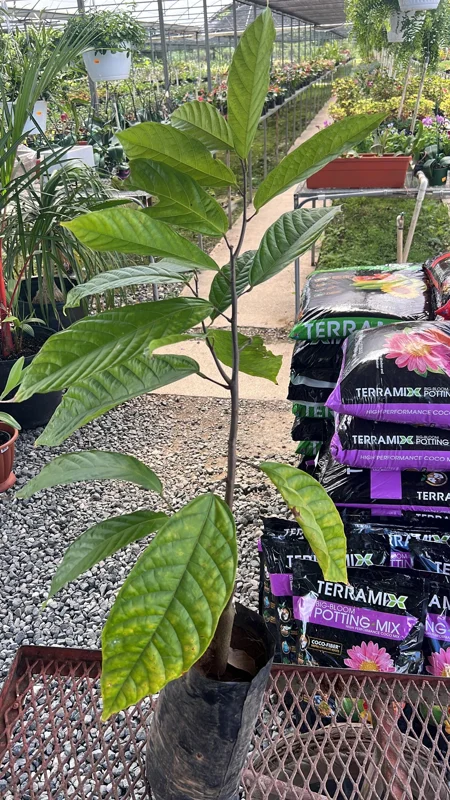
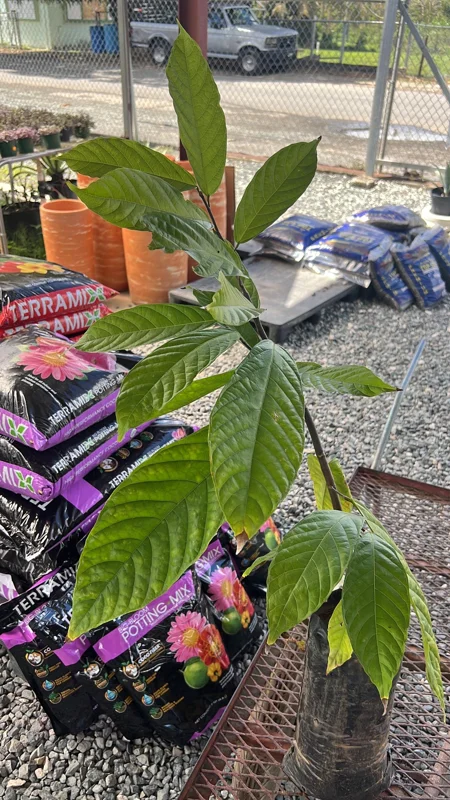
Grafted Yellow Cacao Tree Live Plant 2-3ft – Grow Your Own Chocolate
$165.00
Bring the tropics home with a grafted yellow cacao tree, a 2-3ft live plant that allows you to grow your own chocolate. These healthy, vibrant trees are ready to thrive and produce delicious cacao beans. Perfect for tropical climates or indoor growing with proper care.
Shipping and Return policies:
We stand behind our plants with our Alive & Thrive Guarantee. If you experience any issues within the first 30 days, please email us, and our team will be happy to help. When needed, we’ll send you a one-time replacement free of charge to make sure your garden keeps growing strong.

Reasonable Price
We offer reasonable price

Support 24/7
Contact us 24 hrs a day
100% Money Back
You’ve 30 days to Return
Payment Secure
100% secure payment
Overview
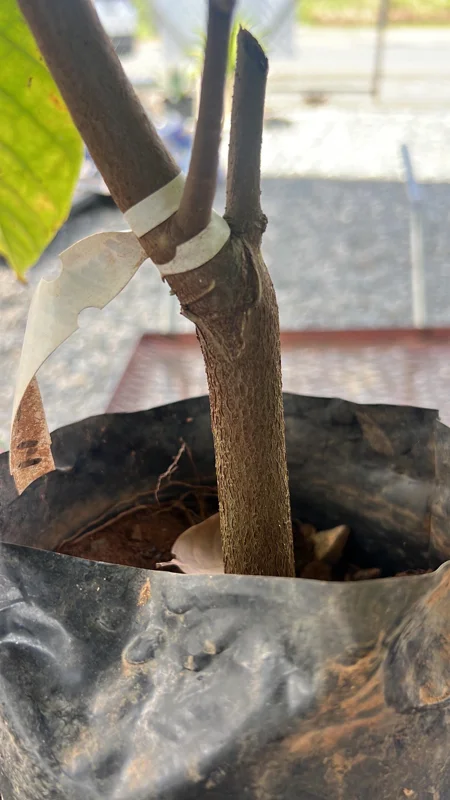
Embark on the ultimate gardening adventure with your very own grafted yellow cacao tree. This 2-3ft live plant, scientifically known as Theobroma cacao, is the source of the world’s most beloved treat – chocolate! Imagine harvesting fresh cacao pods and transforming them into your own unique chocolate creations. Our healthy and vibrant cacao trees are carefully grafted to ensure robust growth and earlier fruit production, making the dream of cultivating your own chocolate a reality. Ideal for enthusiasts in tropical and warm climates, or those with suitable indoor environments, this plant offers both an exotic aesthetic and a rewarding harvest.
Cultivating a cacao tree live plant is not just about growing a fruit; it’s about connecting with the origins of chocolate and engaging in a sustainable practice. Each tree is nurtured to be strong and ready to establish in its new home, promising a unique and educational experience for gardeners of all levels. Whether you’re looking to add an exotic touch to your garden or patio, or you’re passionate about sustainable food sources, this cacao tree is an exceptional choice that combines beauty with bountiful production.
Key Benefits
Owning a grafted yellow cacao tree offers a multitude of benefits, from the sheer joy of growing your own food to contributing to sustainable practices. These benefits extend beyond just the delicious yield, encompassing environmental and personal enrichment.
- Grow Your Own Chocolate: Experience the incredible satisfaction of harvesting cacao beans directly from your own garden. This tree provides the raw ingredient for making homemade chocolate, offering a unique culinary journey from bean to bar.
- Exotic Tropical Appeal: The lush foliage and unique pods of the Theobroma cacao plant add a stunning, exotic touch to any garden, patio, or suitable indoor space. It transforms your environment into a tropical oasis.
- Sustainable & Eco-Friendly: By cultivating your own cacao, you contribute to reducing the demand for unsustainably sourced chocolate, promoting an eco-conscious lifestyle and supporting biodiversity.
- Healthy & Robust Plants: Our grafted trees are selected for their vigor and health, ensuring you receive a strong specimen ready to thrive and produce fruit efficiently. Grafting also often leads to earlier and more reliable harvests.
- Educational & Rewarding: Learning how to grow your own chocolate is an incredibly enriching and educational experience, perfect for gardeners and food enthusiasts alike. Witnessing the entire process from flower to pod is truly gratifying.
- Freshness & Flavor: Enjoy the unparalleled freshness and rich flavor of cacao beans harvested right from your backyard, a taste experience far superior to commercially processed varieties.
- Potential Indoor Cultivation: For those in cooler climates, with proper care and environmental controls, this cacao tree live plant can be successfully grown indoors, bringing its tropical charm inside your home.
Plant Care & Growing Tips
Caring for your grafted yellow cacao tree requires attention to its specific tropical needs, but with the right environment, it can flourish beautifully. Cacao trees thrive in warm, humid conditions, mimicking their native rainforest habitat. They prefer a location with partial shade, especially when young, as direct, intense sunlight can scorch their leaves. As they mature, they can tolerate more sun, but still benefit from some afternoon protection. If growing indoors, provide bright, indirect light, possibly supplemented with grow lights during shorter days.
Consistent moisture is crucial for a healthy Theobroma cacao plant. The soil should be kept consistently moist but never waterlogged. Water thoroughly when the top inch of soil feels dry to the touch, and ensure good drainage to prevent root rot. High humidity is also essential; consider misting regularly, using a pebble tray, or placing a humidifier nearby if growing indoors. The ideal temperature range for cacao is between 65°F and 85°F (18°C-29°C), and they are not tolerant of frost. In USDA zones where temperatures drop below 50°F (10°C), indoor cultivation or protection is necessary.
For soil, a rich, well-draining, slightly acidic to neutral potting mix is best. Amend with organic matter like compost to improve fertility and moisture retention. Fertilize your chocolate plant care routine every 2-4 weeks during the growing season (spring through fall) with a balanced liquid fertilizer, reducing frequency in winter. Watch out for common pests like aphids and mealybugs, and treat promptly with organic insecticidal soap if spotted. Pruning can help maintain shape and encourage branching, leading to more fruit production.
Size & Details
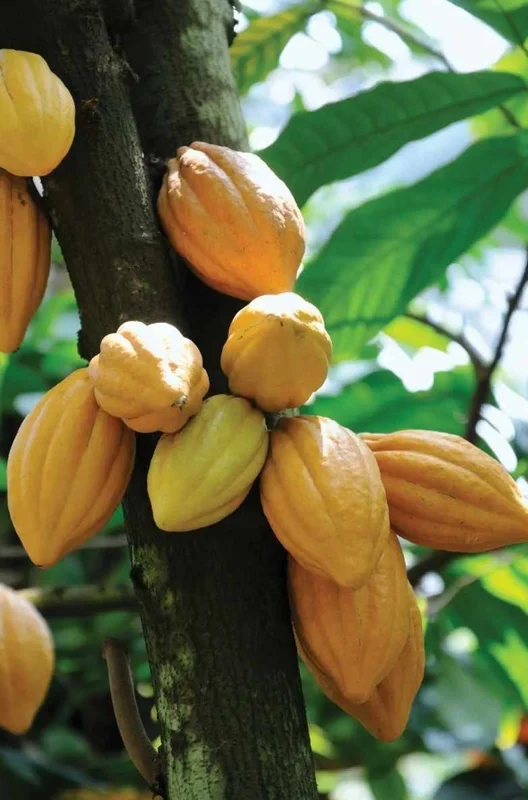
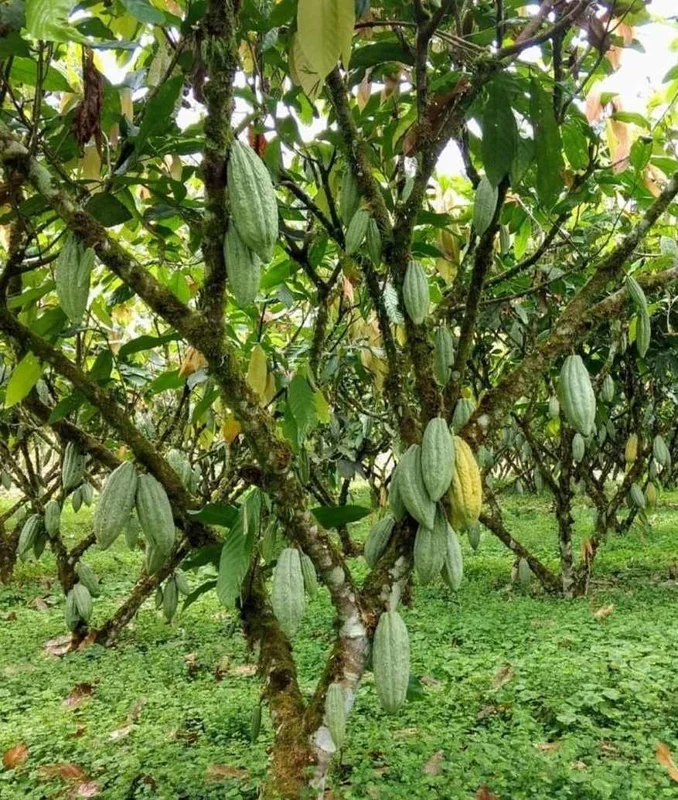
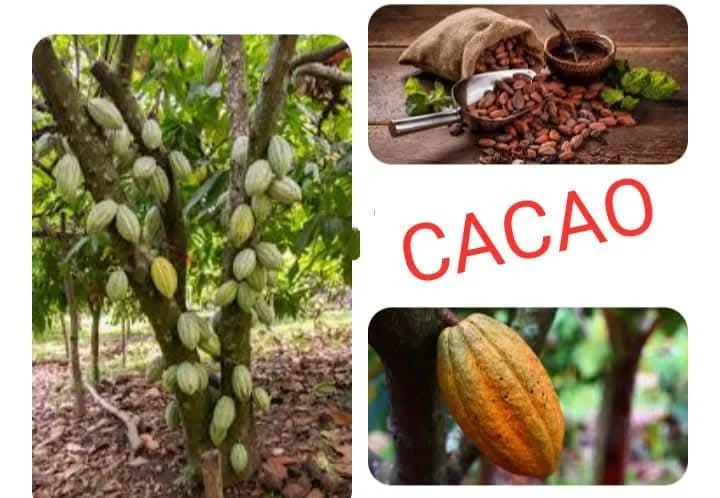
This offering is for one grafted yellow cacao tree, a live plant specimen that stands approximately 2-3 feet tall from the base of the pot to the tip of its highest leaf. The tree is shipped in a nursery pot, typically a 1-gallon or 3-gallon size, providing a well-established root system for successful transplanting. Cacao trees are known for their moderate growth rate and can eventually reach heights of 15-25 feet in ideal outdoor conditions, though they can be maintained at smaller sizes through pruning for container growing. Expect the tree to begin producing fruit within 3-5 years after planting, thanks to the grafting process which accelerates maturity compared to seed-grown plants. The pods, containing the precious cacao beans, will transition from green to a vibrant yellow when ripe, indicating they are ready for harvest. This cacao tree live plant is a long-term investment in delicious, homegrown chocolate.
Frequently Asked Questions
- Q: How big does this grafted yellow cacao tree get? A: This particular live plant is 2-3 feet tall upon arrival. In optimal outdoor conditions, cacao trees can reach 15-25 feet, but they can be kept smaller through pruning, especially when grown in containers.
- Q: Is this an indoor or outdoor plant? A: Cacao trees are tropical plants. They thrive outdoors in USDA zones 10-11. In cooler climates, they can be grown indoors as a houseplant, provided they receive adequate warmth, humidity, and bright, indirect light.
- Q: How much sunlight does my Theobroma cacao plant need? A: Young cacao trees prefer partial shade, especially protection from intense afternoon sun. As they mature, they can tolerate more light but still benefit from some dappled shade. Indoors, aim for bright, indirect light.
- Q: Is this plant easy to care for? A: While it has specific requirements for warmth and humidity, caring for a cacao tree live plant is manageable for dedicated gardeners. Consistent watering, good drainage, and protection from cold are key to successful chocolate plant care.
- Q: What condition will it arrive in? A: Your cacao tree will arrive as a healthy, well-rooted 2-3ft grafted live plant, securely packaged in its nursery pot to minimize stress during transit and ensure it’s ready for planting.
- Q: How long until it produces fruit? A: Due to being a grafted specimen, your cacao tree can start producing fruit within 3-5 years after planting, which is significantly faster than trees grown from seed.
- Q: What’s the best soil for my grafted yellow cacao tree? A: Cacao trees prefer rich, well-draining, slightly acidic to neutral soil. A good quality potting mix amended with organic compost works well, especially for container growing.
- Q: Can I really grow your own chocolate from this tree? A: Yes! This is a genuine cacao tree that will produce pods containing beans that can be processed into chocolate. It’s a rewarding process for those interested in making their own chocolate from scratch.
- Q: How often should I water my cacao tree? A: Keep the soil consistently moist but not waterlogged. Water thoroughly when the top inch of soil feels dry. Reduce watering frequency during cooler months or if growing indoors.
- Q: What is the ideal temperature range for this plant? A: Cacao trees thrive in temperatures between 65°F and 85°F (18°C-29°C). They are very sensitive to cold and will not tolerate frost, making protection crucial in cooler climates.
Be the first to review “Grafted Yellow Cacao Tree Live Plant 2-3ft – Grow Your Own Chocolate”
You must be logged in to post a review.
People also Viewed
Sold 50 products
Original price was: $37.48.$23.98Current price is: $23.98.
Sold 50 products
$32.38
Sold 50 products
$27.38
Sold 50 products
$32.38
Sold 50 products
$19.88
Sold 50 products
$62.38
Sold 50 products
$24.88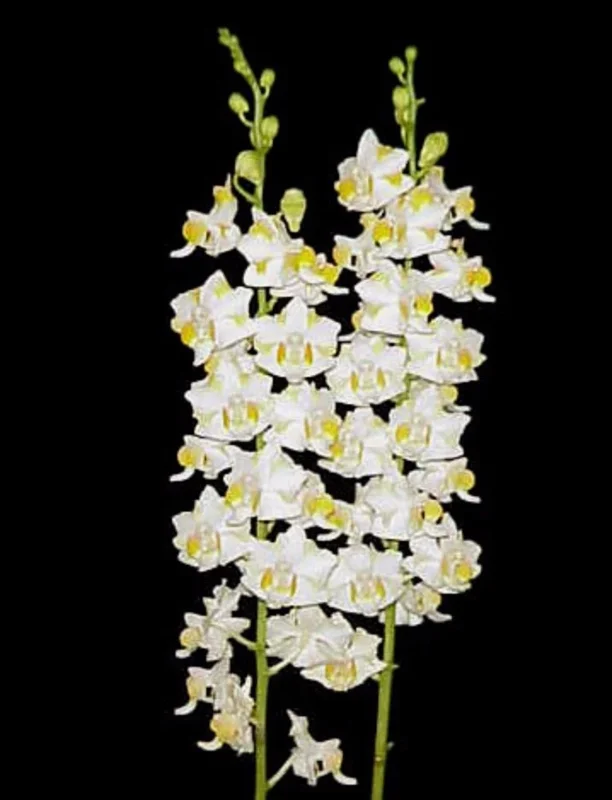
Houseplants
Phalaenopsis pulcherrima ‘Mauna Kea Snow’ Orchid Live Plant – White Flowers, Potted 2.5 in
Sold 50 products
$49.88RELATED posts
Awapuhi Wild Ginger Plant: Zones, Care, and Propagation
Learn which USDA zones suit awapuhi wild ginger, plus sunlight, water, planting, propagation, pests, size, [...]
Awapuhi Shampoo Ginger – Care, Growing Zones, and Differences
Learn how to grow awapuhi (shampoo) ginger, its USDA zones, watering schedule, propagation tips, and [...]
Awapuhi Shampoo Plant Buying Guide – Choose the Right Zingiber zerumbet
META: Learn which awapuhi (shampoo ginger) plant or rhizome pack gives the best natural shampoo, [...]
Awapuhi Plant for Sale: Complete Buying Guide
Find the right awapuhi (shampoo ginger) plant, size, price, soil mix, and online source. Practical [...]
Shampoo Ginger Plant for Sale – Buying Guide & Tips
Find the right shampoo ginger plant, size, price, and care tips. Quick guide for U.S. [...]
Shampoo Ginger Plant (Awapuhi) Care Guide
Learn how to grow, care for, and use shampoo ginger (Zingiber zerumbet), the tropical awapuhi [...]
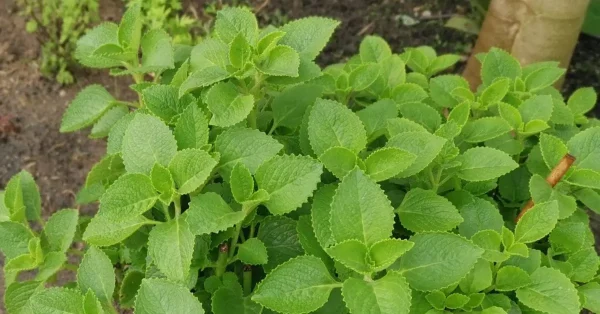
How to Grow Cuban Oregano Plants: A Complete Care Guide
If you’ve ever wanted a plant that combines the culinary punch of traditional oregano with [...]
Aug
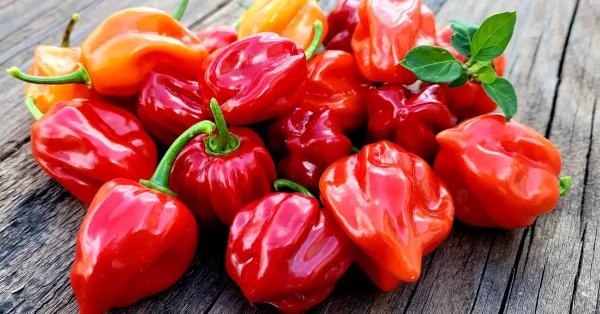
How to Grow Habanero Pepper Plants: A Step-by-Step Guide
Habanero pepper plants are prized for their vibrant colors, intense heat, and exceptional flavor, making [...]
Aug
Reviews
There are no reviews yet.