
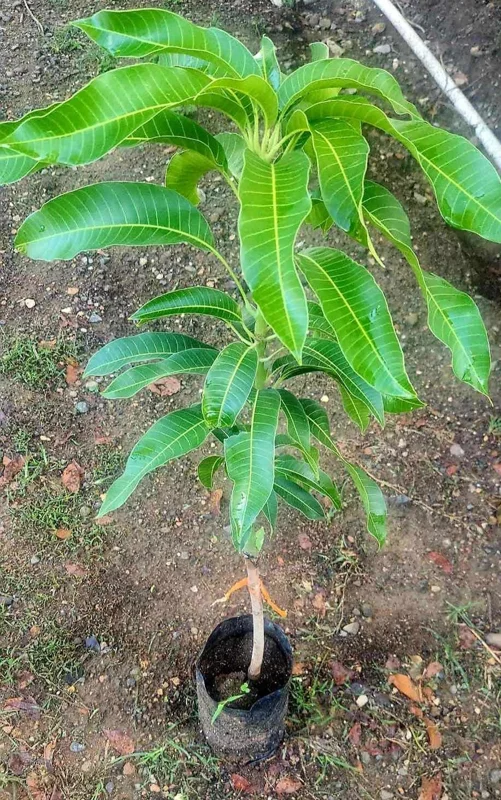
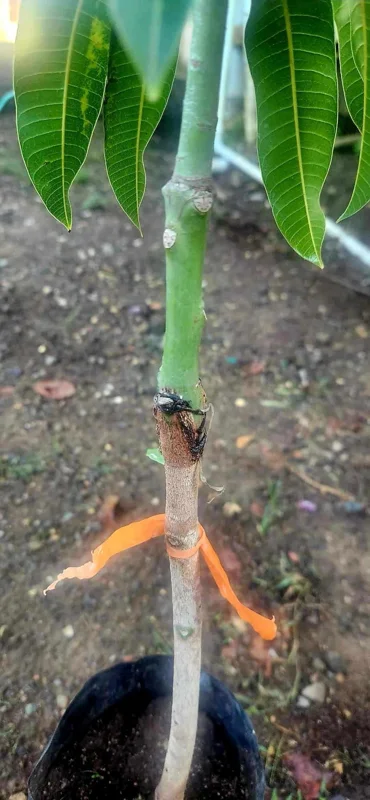
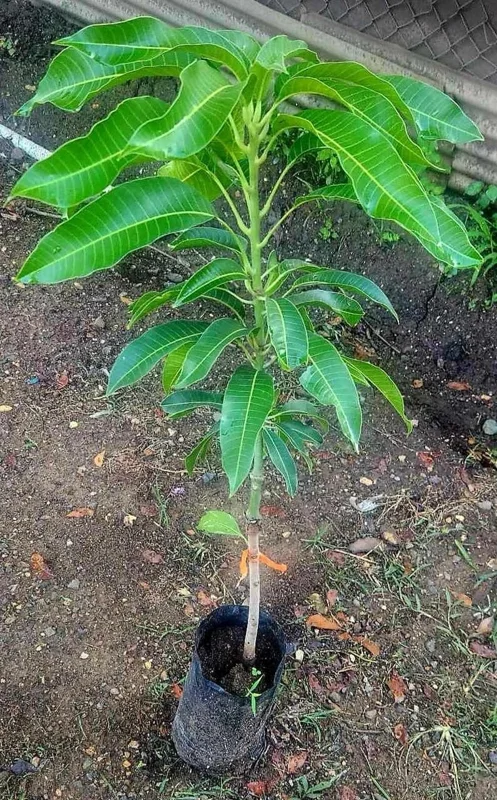
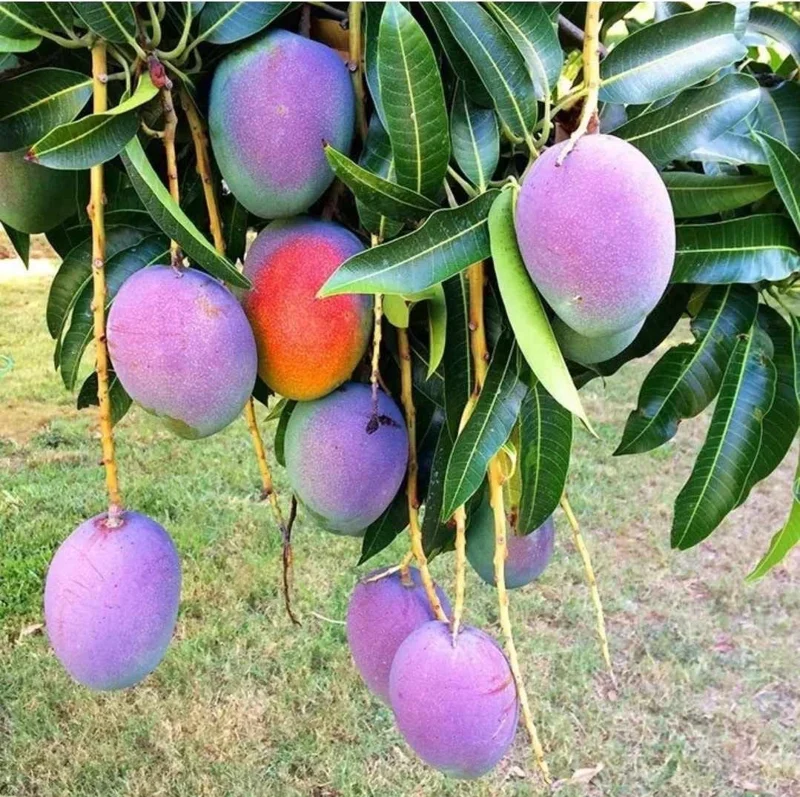
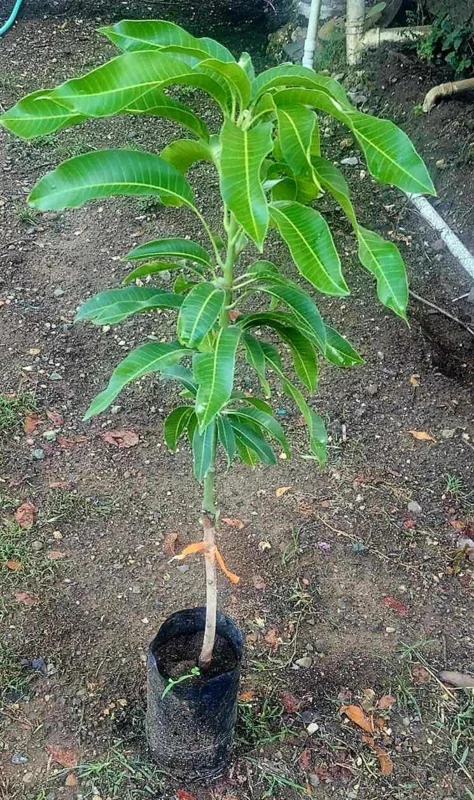
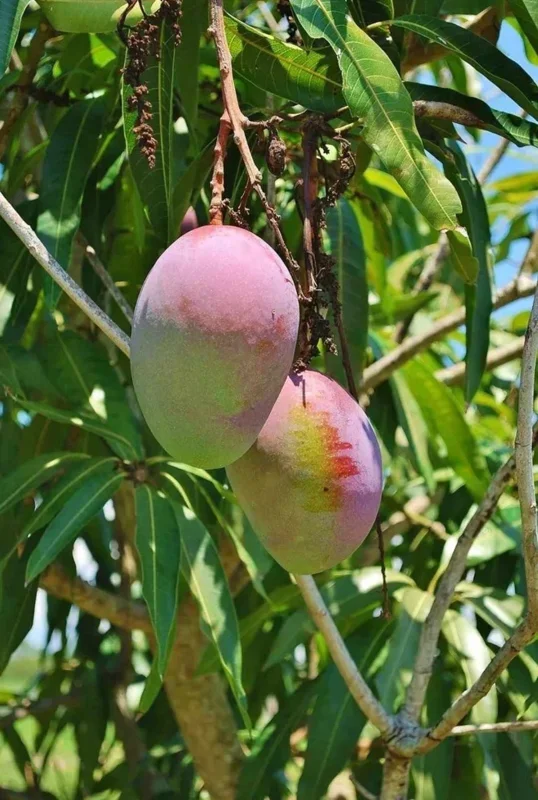
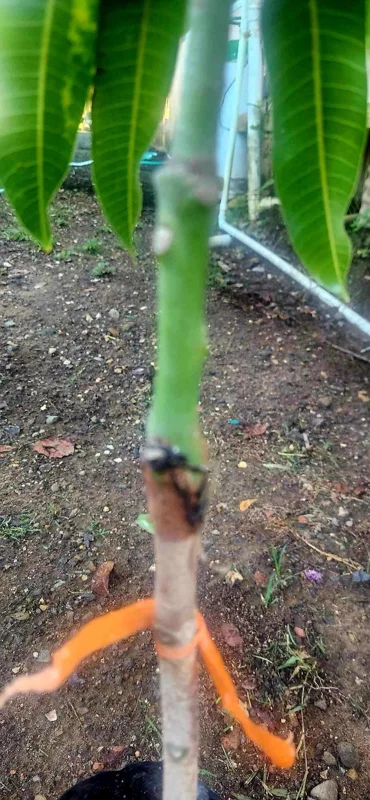
Grafted Rapoza Mango Live Fruit Tree (3-4ft) – Mangifera indica
$400.00
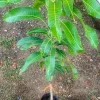
Bring the tropics to your home with a grafted rapoza mango tree. This 3-4ft live fruit tree, also known as Mangifera indica, is cold-resistant and fast-growing, perfect for your patio or garden. Enjoy sweet, edible fruit in just 1.5 years!
Shipping and Return policies:
We stand behind our plants with our Alive & Thrive Guarantee. If you experience any issues within the first 30 days, please email us, and our team will be happy to help. When needed, we’ll send you a one-time replacement free of charge to make sure your garden keeps growing strong.

Reasonable Price
We offer reasonable price

Support 24/7
Contact us 24 hrs a day
100% Money Back
You’ve 30 days to Return
Payment Secure
100% secure payment
Overview
Cultivate your own tropical paradise with the exquisite grafted rapoza mango tree. This particular variety, scientifically known as Mangifera indica, is a live fruit tree renowned for its delicious, sweet mangoes. Unlike seed-grown trees that can take over a decade to produce fruit, our grafted trees are designed to bear fruit much faster, typically within 1.5 years. This makes them an ideal choice for both seasoned gardeners and enthusiastic beginners eager to enjoy fresh, homegrown mangoes. The Rapoza mango is a rare and highly sought-after type, offering a unique flavor profile perfect for a variety of culinary uses, from fresh eating to jams and chutneys. This live mango tree specimen is a robust 3-4ft tall, ready to thrive in your landscape or a large container.
Originating from warm climates, the rapoza mango plant is surprisingly cold-resistant, making it adaptable to a wider range of growing zones. Its evergreen foliage provides year-round beauty, while its vigorous growth habit ensures a healthy and productive tree. Whether you’re looking to enhance your garden, add a focal point to your patio, or simply enjoy the benefits of fresh fruit, this grafted mango tree is an excellent investment. The ease of care combined with its rapid fruiting cycle makes it a rewarding addition to any home.
Key Benefits
Investing in a grafted rapoza mango tree offers a multitude of advantages, enriching your outdoor space and providing a bountiful harvest. This live mango tree is a true gem for any fruit enthusiast or gardener.
-
Early Fruit Production: Thanks to the grafting process, this grafted rapoza mango tree begins producing delicious fruit in approximately 1.5 years, significantly faster than non-grafted trees which can take up to 15 years. Enjoy fresh mangoes sooner!
-
Exceptional Flavor: The Rapoza mango is celebrated for its incredibly sweet and rich taste, making it perfect for eating fresh, preparing tropical desserts, or crafting homemade jams and chutneys. Experience gourmet flavor right from your backyard.
-
Cold Resistance: Despite its tropical origins, this rapoza mango plant exhibits good cold resistance, allowing it to thrive in various climates and potentially extending its growing range beyond typical tropical zones.
-
Fast Growing: This variety is known for its fast growth rate, quickly establishing itself and developing into a productive fruit-bearing tree. You’ll see noticeable growth and development in a relatively short period.
-
Air Purifying Qualities: Beyond its fruit, the tree acts as a natural air purifier, contributing to a healthier environment both indoors and outdoors. Its lush foliage helps improve air quality.
-
Versatile Placement: Suitable for both patio container growing or direct planting in the garden, its adaptable nature makes it a perfect addition to diverse outdoor spaces, even in smaller yards.
-
Evergreen Beauty: The vibrant evergreen foliage provides continuous visual interest throughout the year, adding a lush, tropical aesthetic to your landscape even when not in fruit.
Plant Care & Growing Tips
Caring for your grafted rapoza mango tree is a rewarding experience that ensures a healthy plant and abundant fruit. This live mango tree thrives with proper attention to its specific needs. For optimal growth, choose a location that receives ample sunlight. Mango trees require at least 6-8 hours of direct sunlight per day to produce the best fruit. If growing in a container, ensure it’s large enough to accommodate the root ball and allows for future growth, and consider moving it indoors or to a sheltered location if temperatures drop significantly below 40°F (4°C), especially for a young cold resistant mango.
When it comes to watering, consistency is key, especially during flowering and fruiting periods. Water deeply when the top 2-3 inches of soil feel dry, but allow the soil to dry out slightly between waterings to prevent root rot. Good drainage is crucial; a well-draining potting mix for container plants or sandy loam soil for in-ground planting is ideal. Fertilize your rapoza mango plant with a balanced slow-release fertilizer formulated for fruit trees, typically in early spring and mid-summer. Monitor for common pests like aphids or scale and treat with organic insecticidal soap if necessary. Pruning should be done after fruiting to maintain shape, encourage new growth, and improve air circulation within the canopy.
The Mangifera indica is generally resilient, but consistent care will yield the best results. Protect young trees from strong winds and frost during their first few years. Ensure the tree receives adequate nutrients and water to support its fast growth and fruit development. With proper care, your grafted rapoza mango tree will become a cherished and productive part of your garden for many years.
Size & Details
This offering is for one grafted rapoza mango tree, a live fruit tree specimen that stands approximately 3-4 feet tall from the base of the root system to the tip of its tallest branch. As a grafted tree, it boasts a robust rootstock and a healthy scion, ensuring genetic consistency and accelerated fruit production. This live mango tree is shipped as a bare root plant with soil, carefully packaged to protect its delicate roots during transit. While individual trees may vary slightly in branch and leaf structure, each plant is selected to meet the specified height and quality standards, ready for immediate planting upon arrival.
The rapoza mango plant is known for its relatively fast growth rate, and with proper care, it will continue to mature and develop its full potential. Expect your tree to begin bearing fruit in about 1.5 years from planting, a significant advantage over seed-grown trees which can take up to 15 years to reach maturity. This makes the grafted rapoza mango tree an excellent choice for those eager to enjoy fresh, tropical fruit without a lengthy wait. The tree is suitable for planting directly in the ground in appropriate climates or can be grown in a large container on a patio or deck, offering flexibility for various gardening setups.
Frequently Asked Questions
- Q: How big does this plant get? A: This grafted rapoza mango tree is approximately 3-4 feet tall upon arrival. With proper care, it can grow to a mature height of 10-20 feet, though container growing can keep it more compact.
- Q: Is this an indoor or outdoor plant? A: While it is a tropical plant, the rapoza mango plant can be grown outdoors in USDA zones where temperatures do not consistently drop below freezing. It can also be grown in large containers and brought indoors during colder months.
- Q: How much sunlight does it need? A: This live mango tree requires at least 6-8 hours of direct sunlight per day to thrive and produce fruit. Choose a sunny location in your garden or a bright spot on your patio.
- Q: Is this plant easy to care for? A: Yes, the grafted rapoza mango tree is considered moderately easy to care for. It primarily needs consistent watering, good drainage, and ample sunlight. Its cold-resistant nature also makes it more forgiving than some other tropical fruit trees.
- Q: What condition will it arrive in? A: Your grafted rapoza mango tree will arrive as a bare root plant with soil, carefully packaged to ensure its health and vitality during shipping. We take great care to protect the roots and foliage.
- Q: How long until it bears fruit? A: Thanks to the grafting process, this live mango tree is expected to bear fruit within approximately 1.5 years of planting, significantly reducing the wait compared to non-grafted trees.
- Q: What is a bare root plant? A: A bare root plant means the tree is shipped with its roots exposed and packed in a medium like soil or peat moss to keep them moist, rather than in a pot with a large amount of soil. This method helps reduce shipping costs and transplant shock.
- Q: Can I use the fruit for jams and chutneys? A: Absolutely! The sweet taste of the rapoza mango plant makes it perfect for a variety of culinary uses, including delicious homemade jams, chutneys, smoothies, and fresh eating.
- Q: Will it survive winter in my zone? A: This cold resistant mango variety can tolerate some cooler temperatures. However, if your region experiences prolonged freezing temperatures, it is best to provide winter protection or grow it in a container to move indoors.
- Q: What type of soil does it prefer? A: The Mangifera indica prefers well-draining, slightly acidic to neutral soil. A good quality potting mix for containers or a sandy loam for in-ground planting is recommended.
Be the first to review “Grafted Rapoza Mango Live Fruit Tree (3-4ft) – Mangifera indica”
You must be logged in to post a review.
People also Viewed
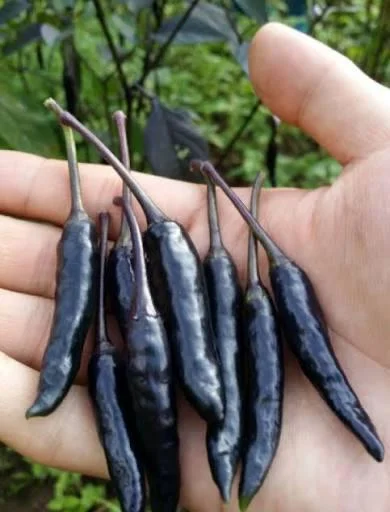
Sold 50 products
Original price was: $37.48.$23.98Current price is: $23.98.
Sold 50 products
$32.38
Sold 50 products
$27.38
Sold 50 products
$32.38
Sold 50 products
$19.88
Sold 50 products
$62.38
Sold 50 products
$24.88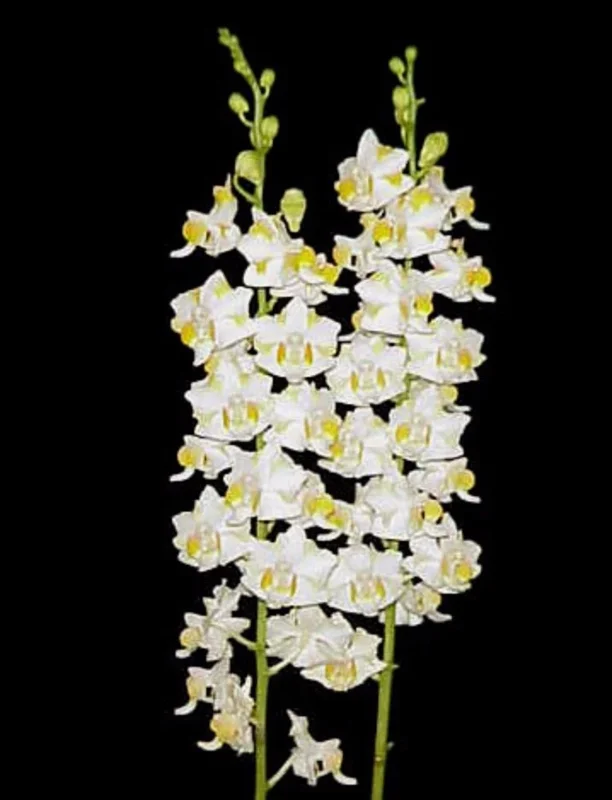
Houseplants
Phalaenopsis pulcherrima ‘Mauna Kea Snow’ Orchid Live Plant – White Flowers, Potted 2.5 in
Sold 50 products
$49.88RELATED posts
Awapuhi Wild Ginger Plant: Zones, Care, and Propagation
Learn which USDA zones suit awapuhi wild ginger, plus sunlight, water, planting, propagation, pests, size, [...]
Awapuhi Shampoo Ginger – Care, Growing Zones, and Differences
Learn how to grow awapuhi (shampoo) ginger, its USDA zones, watering schedule, propagation tips, and [...]
Awapuhi Shampoo Plant Buying Guide – Choose the Right Zingiber zerumbet
META: Learn which awapuhi (shampoo ginger) plant or rhizome pack gives the best natural shampoo, [...]
Awapuhi Plant for Sale: Complete Buying Guide
Find the right awapuhi (shampoo ginger) plant, size, price, soil mix, and online source. Practical [...]
Shampoo Ginger Plant for Sale – Buying Guide & Tips
Find the right shampoo ginger plant, size, price, and care tips. Quick guide for U.S. [...]
Shampoo Ginger Plant (Awapuhi) Care Guide
Learn how to grow, care for, and use shampoo ginger (Zingiber zerumbet), the tropical awapuhi [...]
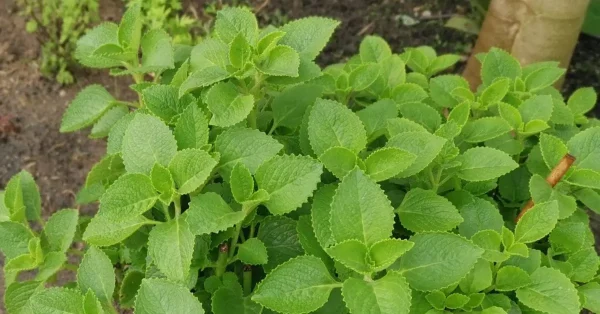
How to Grow Cuban Oregano Plants: A Complete Care Guide
If you’ve ever wanted a plant that combines the culinary punch of traditional oregano with [...]
Aug
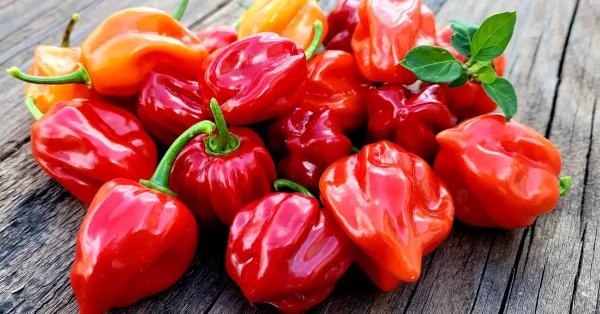
How to Grow Habanero Pepper Plants: A Step-by-Step Guide
Habanero pepper plants are prized for their vibrant colors, intense heat, and exceptional flavor, making [...]
Aug
Reviews
There are no reviews yet.