
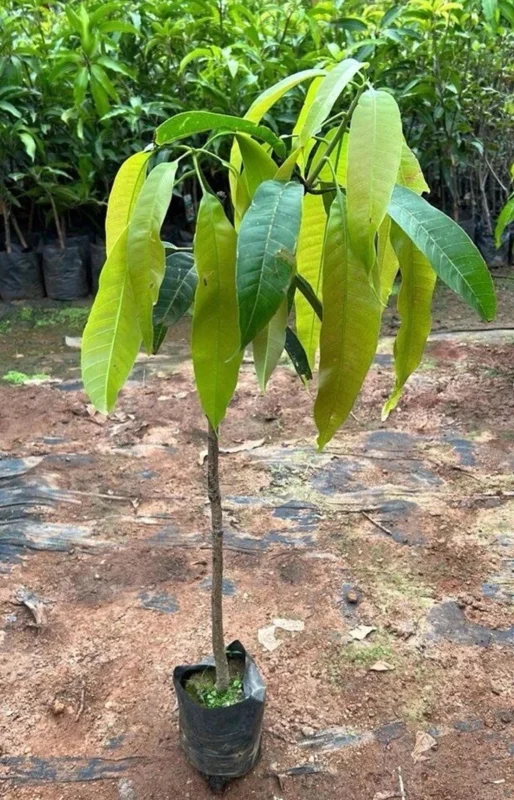
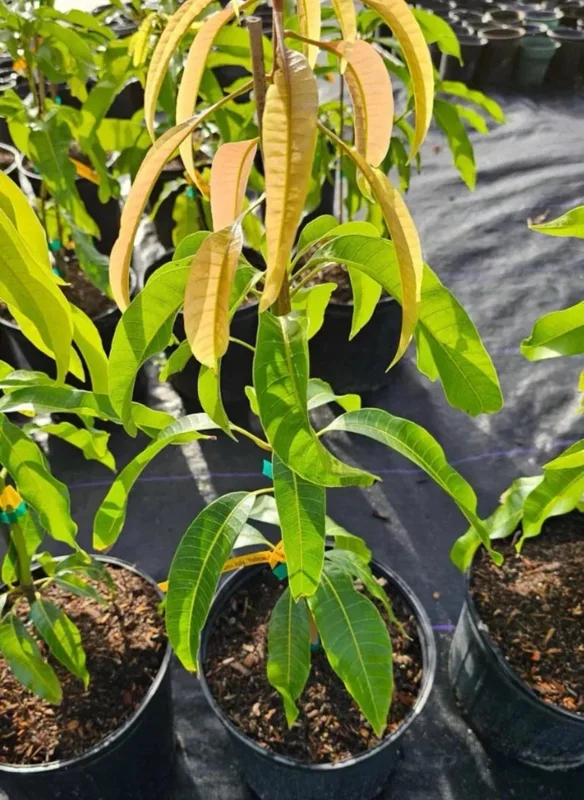
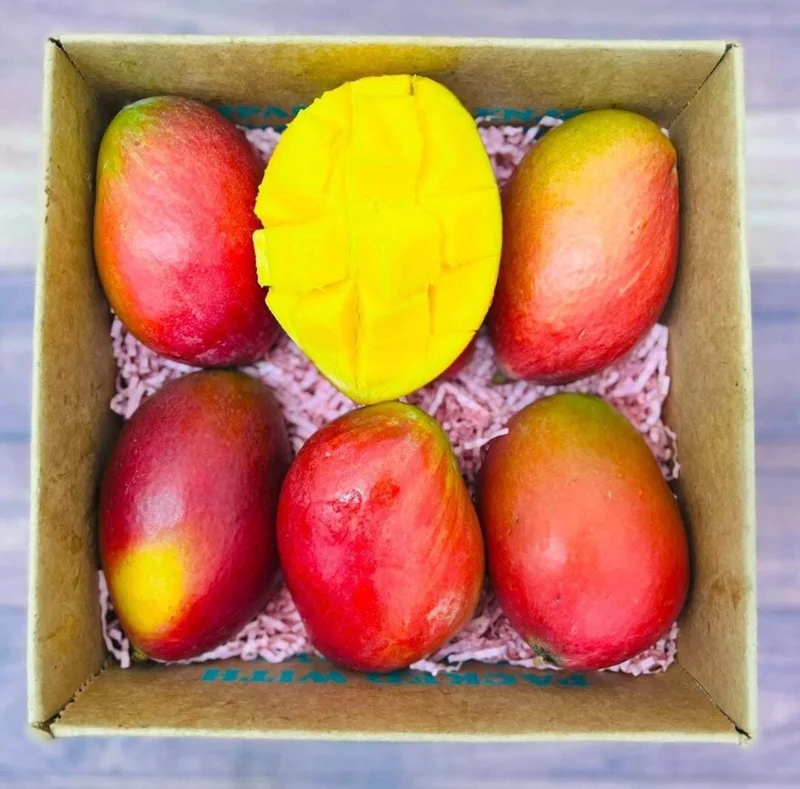
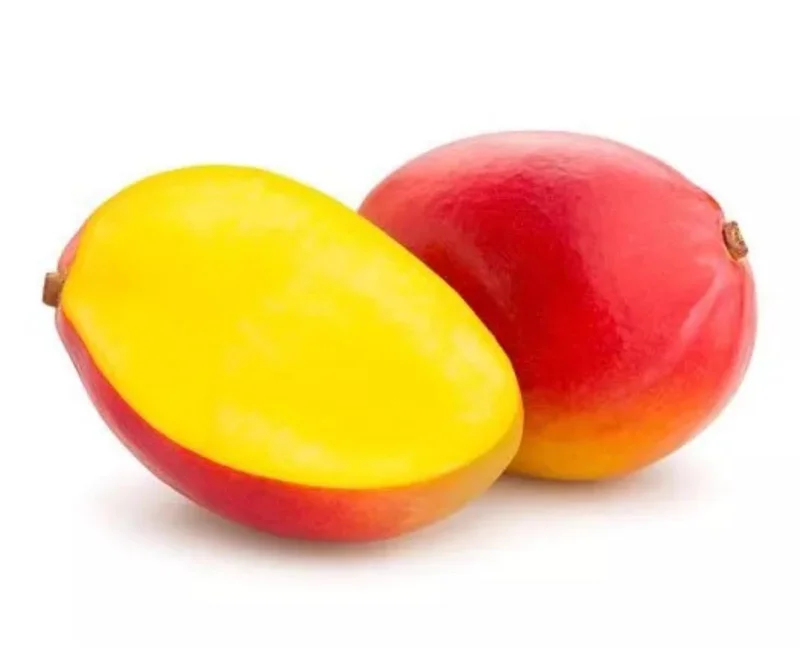
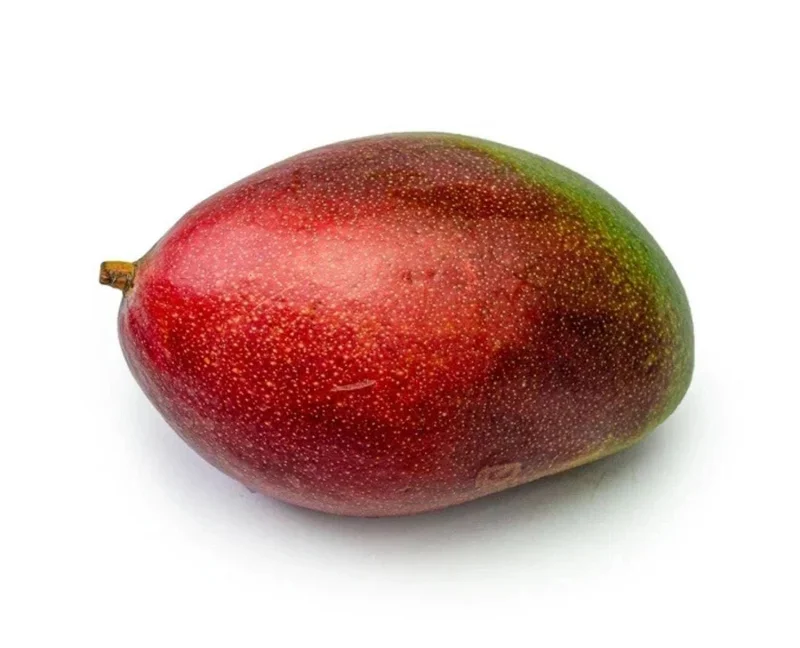
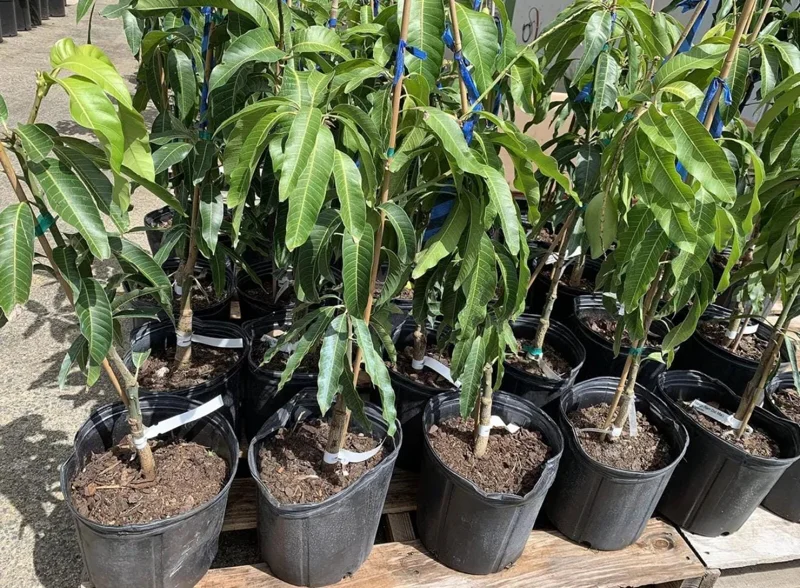
Grafted Palmer Mango Tree Live Plant – Early Fruiting, Sweet Flavor, 2-3ft Tall
$205.00
Bring the taste of the tropics to your garden with a grafted palmer mango tree. This live plant is celebrated for its early fruiting mango, producing sweet, flavorful fruit. Ideal for warm climates, it’s a robust addition to any fruit-lover’s collection.
Shipping and Return policies:
We stand behind our plants with our Alive & Thrive Guarantee. If you experience any issues within the first 30 days, please email us, and our team will be happy to help. When needed, we’ll send you a one-time replacement free of charge to make sure your garden keeps growing strong.

Reasonable Price
We offer reasonable price

Support 24/7
Contact us 24 hrs a day
100% Money Back
You’ve 30 days to Return
Payment Secure
100% secure payment
Overview
Cultivate your own tropical paradise with the magnificent grafted palmer mango tree. This live plant is a fantastic choice for enthusiasts eager to enjoy homegrown mangoes sooner rather than later. Renowned for its superior taste and early fruiting characteristics, the Palmer mango variety is a favorite among gardeners and fruit connoisseurs alike. Grafting ensures that your tree will bear fruit in just a few seasons, a significant advantage over seed-grown trees. Originating from Florida, the Palmer mango (Mangifera indica ‘Palmer’) is a robust and visually appealing tree, making it a wonderful addition to any garden or large container.
The palmer mango plant is celebrated not only for its delicious fruit but also for its ornamental value. Its lush green foliage provides ample shade and a touch of exotic beauty to your landscape. Whether you’re an experienced gardener or just starting your journey with tropical fruit trees, this grafted specimen offers a rewarding and relatively straightforward growing experience. Get ready to savor the rich, creamy texture and sweet, aromatic flavor of your very own Palmer mangoes.
Key Benefits
Investing in a grafted palmer mango tree brings a host of advantages, transforming your outdoor space into a productive and beautiful oasis. From its delectable fruit to its resilient nature, this plant offers numerous reasons to become a cherished part of your garden.
- Superior Flavor Profile: The Palmer mango is highly prized for its exceptional taste. Each fruit boasts a rich, creamy texture with minimal fiber and a delightfully sweet, aromatic flavor that truly stands out. Enjoy the authentic taste of tropical sunshine straight from your backyard.
- Early Fruiting Capability: Thanks to the grafting process, this early fruiting mango tree begins to produce fruit much faster than trees grown from seed. You can anticipate harvesting your own delicious mangoes in just a few seasons, offering quicker gratification for your gardening efforts.
- Hardy and Resilient Growth: The Palmer variety is known for its robust nature, thriving in warm climates and exhibiting good resistance to many common diseases. This makes it a dependable choice for those looking for a resilient tropical fruit tree that can withstand various environmental challenges.
- Aesthetic Appeal: Beyond its fruit production, the palmer mango plant is a beautiful specimen. Its dense, evergreen foliage provides a lush, tropical look, enhancing the visual appeal of your garden, patio, or large conservatory.
- Homegrown Nutritional Benefits: Enjoy fresh, organic mangoes picked at their peak ripeness. Mangoes are packed with vitamins, minerals, and antioxidants, contributing to a healthy diet. Growing your own ensures you have access to the freshest and most nutritious fruit.
- Versatile Use: The fruit of the Palmer mango is excellent for eating fresh, making smoothies, desserts, salsas, and preserves. Its versatility in the kitchen means you’ll find endless ways to enjoy your harvest.
- Pollinator Attraction: The flowers of the mango tree can attract beneficial pollinators to your garden, contributing to a healthier ecosystem and supporting local biodiversity.
Plant Care & Growing Tips
To ensure your grafted palmer mango tree thrives and produces abundant fruit, consistent and appropriate care is essential. This tropical species requires specific conditions to reach its full potential, transforming into a productive and beautiful addition to your garden.
Sunlight: Palmer mangoes are sun-loving plants. They require at least 6-8 hours of direct full sun per day for optimal growth and fruit production. Position your tree in the brightest spot available in your garden. If growing in a container, ensure it’s placed where it receives maximum sunlight, especially during the fruiting season. Insufficient light can lead to poor fruit set and overall weaker growth.
Watering: Regular watering is crucial, especially for young trees and during dry periods. While established trees can tolerate some drought, consistent moisture will promote better growth and fruit development. Water deeply when the top 2-3 inches of soil feel dry to the touch. Avoid overwatering, which can lead to root rot; ensure the soil drains well. Reduce watering slightly during cooler, dormant periods.
Soil: The palmer mango plant prefers well-draining, slightly acidic to neutral soil (pH 6.0-7.0). A loamy soil rich in organic matter is ideal. If your soil is heavy clay, amend it with compost, sand, or perlite to improve drainage. For container growing, use a high-quality potting mix formulated for fruit trees or palms, ensuring excellent drainage.
Temperature & Hardiness: Palmer mangoes are tropical plants and are sensitive to cold. They thrive in warm climates and prefer temperatures between 70°F and 90°F (21°C-32°C). They can tolerate brief dips to 30°F (-1°C) once established, but prolonged exposure to freezing temperatures can cause damage or even death. This tropical fruit tree is best suited for USDA Hardiness Zones 9-11. In cooler zones, it can be grown in large containers and moved indoors during winter.
Fertilization: Fertilize your young grafted palmer mango tree every 2-3 months during the growing season (spring through fall) with a balanced fertilizer specifically designed for fruit trees or tropical plants. As the tree matures and begins to fruit, switch to a fertilizer higher in potassium and phosphorus to encourage bloom and fruit development. Always follow the product’s instructions and avoid over-fertilizing, which can burn the roots.
Pruning: Prune your mango tree to maintain a manageable size, encourage air circulation, and remove any dead, diseased, or crossing branches. Light pruning after harvest is generally recommended to shape the tree and promote new growth for the next season’s fruit. Avoid heavy pruning just before or during flowering, as this can reduce your yield.
Size & Details
This offering is for a grafted palmer mango tree, typically measuring 2-3 feet tall upon arrival. Grafted trees offer the distinct advantage of genetic identicality to the parent tree, ensuring the desired fruit quality and an earlier fruiting timeline compared to seed-grown plants. Your tree will arrive as a live plant, carefully packaged to ensure its health during transit, ready for planting in your garden or a larger container.
The palmer mango plant is a moderate to fast grower, and with proper care, it can reach heights of 15-20 feet or more in the ground, though it can be maintained smaller with regular pruning. When grown in a container, its size will be more restricted, making it suitable for patios or sunrooms. This early fruiting mango variety can start producing fruit within 2-4 years of planting, offering a quicker path to enjoying your own delicious harvest. Expected fruit size is typically medium to large, with a distinct oblong shape and beautiful reddish-purple blush when ripe.
Frequently Asked Questions
- Q: How big does this grafted palmer mango tree get? A: In optimal conditions in the ground, a mature grafted palmer mango tree can reach 15-20 feet or more. However, its size can be managed effectively through regular pruning, especially if grown in a large container.
- Q: Is this an indoor or outdoor plant? A: The palmer mango plant is a tropical outdoor tree best suited for USDA Hardiness Zones 9-11. In cooler climates, it can be grown in a large pot and brought indoors during the colder months to protect it from frost.
- Q: How much sunlight does my early fruiting mango tree need? A: For the best growth and fruit production, your mango tree requires at least 6-8 hours of direct, full sunlight per day. Choose the sunniest location in your garden or patio.
- Q: Is this tree easy to care for? A: While it requires specific conditions like full sun and consistent watering, the grafted palmer mango tree is considered moderately easy to care for, especially in suitable climates. Its disease resistance also contributes to its ease of maintenance.
- Q: What condition will the grafted palmer mango tree arrive in? A: Your grafted palmer mango tree will arrive as a healthy, live plant, typically 2-3 feet tall, carefully packaged to minimize stress during shipping. It will be ready for immediate planting or transplanting into a larger pot.
- Q: How long until it starts bearing fruit? A: Thanks to the grafting process, this early fruiting mango variety can start producing delicious fruit within 2-4 years after planting, much sooner than trees grown from seed.
- Q: What type of soil is best for growing mangoes? A: Mango trees thrive in well-draining, loamy soil that is rich in organic matter and has a slightly acidic to neutral pH (6.0-7.0). Good drainage is crucial to prevent root issues.
- Q: Can I grow this tropical fruit tree in a large pot? A: Yes, the palmer mango plant can be successfully grown in a large container (20-30 gallon or larger) if you live outside its recommended hardiness zones, allowing you to move it indoors during winter.
- Q: When is the best time to plant a grafted palmer mango tree? A: The best time to plant is typically in the spring or early summer, after the last threat of frost has passed, allowing the tree ample time to establish itself before cooler weather.
- Q: Will my palmer mango plant attract pests? A: While mangoes can be susceptible to some pests, the Palmer variety is known for good resistance to common diseases. Regular inspection and good cultural practices can help prevent most pest issues.
Be the first to review “Grafted Palmer Mango Tree Live Plant – Early Fruiting, Sweet Flavor, 2-3ft Tall”
You must be logged in to post a review.
People also Viewed
Sold 50 products
Original price was: $37.48.$23.98Current price is: $23.98.
Sold 50 products
$32.38
Sold 50 products
$27.38
Sold 50 products
$32.38
Sold 50 products
$19.88
Sold 50 products
$62.38
Sold 50 products
$24.88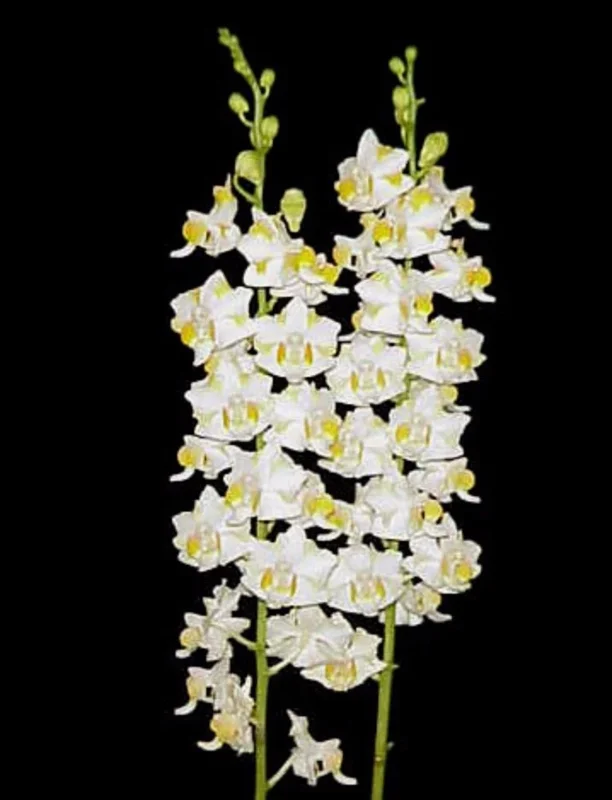
Houseplants
Phalaenopsis pulcherrima ‘Mauna Kea Snow’ Orchid Live Plant – White Flowers, Potted 2.5 in
Sold 50 products
$49.88RELATED posts
Awapuhi Wild Ginger Plant: Zones, Care, and Propagation
Learn which USDA zones suit awapuhi wild ginger, plus sunlight, water, planting, propagation, pests, size, [...]
Awapuhi Shampoo Ginger – Care, Growing Zones, and Differences
Learn how to grow awapuhi (shampoo) ginger, its USDA zones, watering schedule, propagation tips, and [...]
Awapuhi Shampoo Plant Buying Guide – Choose the Right Zingiber zerumbet
META: Learn which awapuhi (shampoo ginger) plant or rhizome pack gives the best natural shampoo, [...]
Awapuhi Plant for Sale: Complete Buying Guide
Find the right awapuhi (shampoo ginger) plant, size, price, soil mix, and online source. Practical [...]
Shampoo Ginger Plant for Sale – Buying Guide & Tips
Find the right shampoo ginger plant, size, price, and care tips. Quick guide for U.S. [...]
Shampoo Ginger Plant (Awapuhi) Care Guide
Learn how to grow, care for, and use shampoo ginger (Zingiber zerumbet), the tropical awapuhi [...]
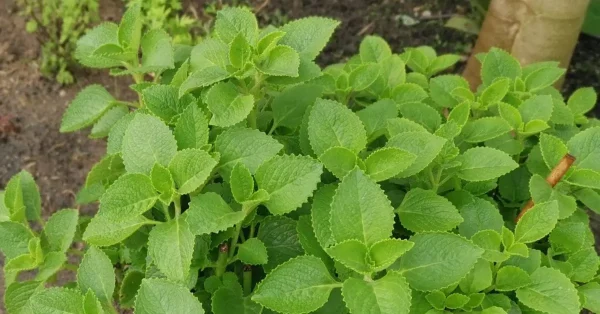
How to Grow Cuban Oregano Plants: A Complete Care Guide
If you’ve ever wanted a plant that combines the culinary punch of traditional oregano with [...]
Aug
How to Grow Habanero Pepper Plants: A Step-by-Step Guide
Habanero pepper plants are prized for their vibrant colors, intense heat, and exceptional flavor, making [...]
Aug
Reviews
There are no reviews yet.