
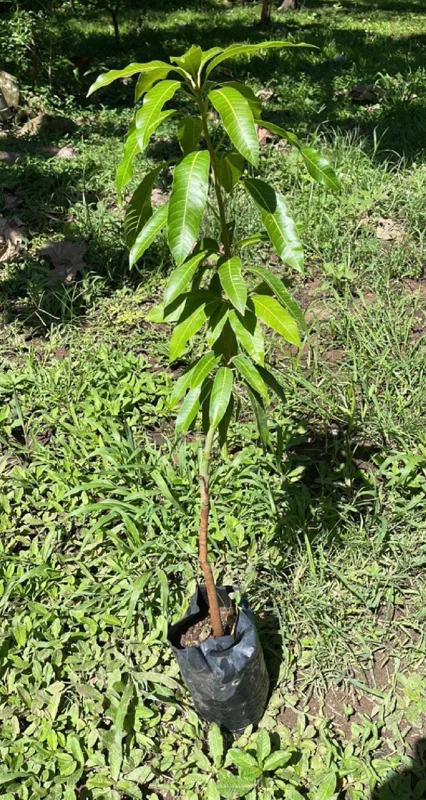
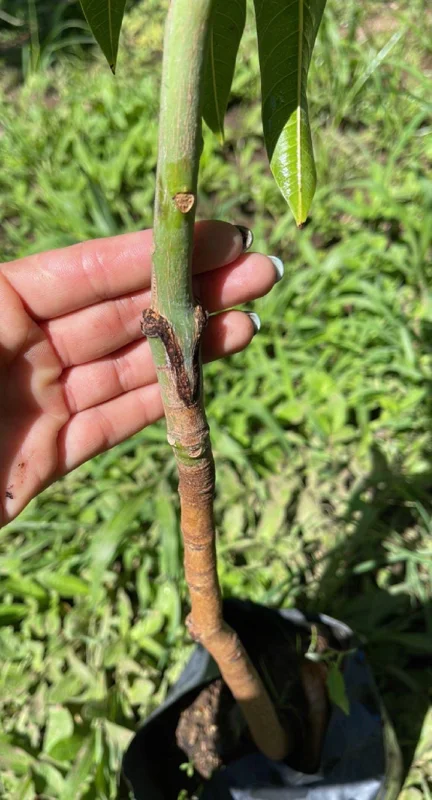
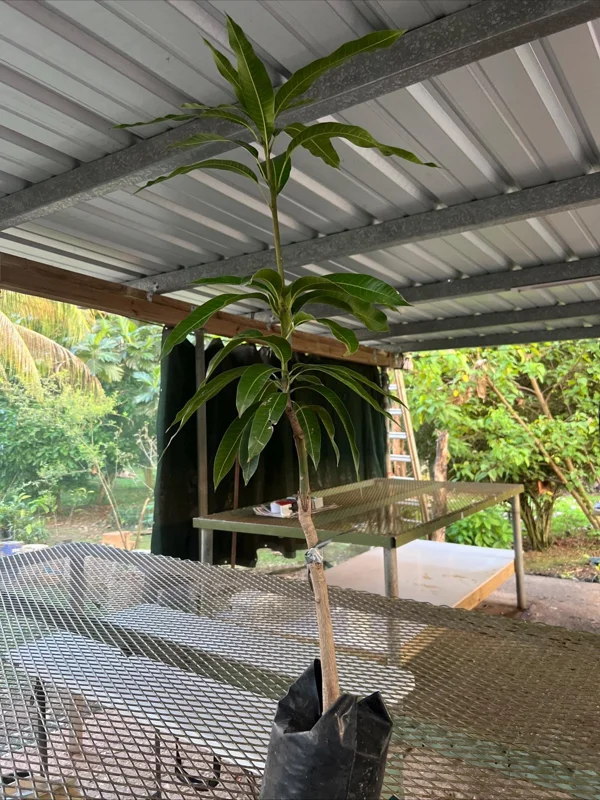
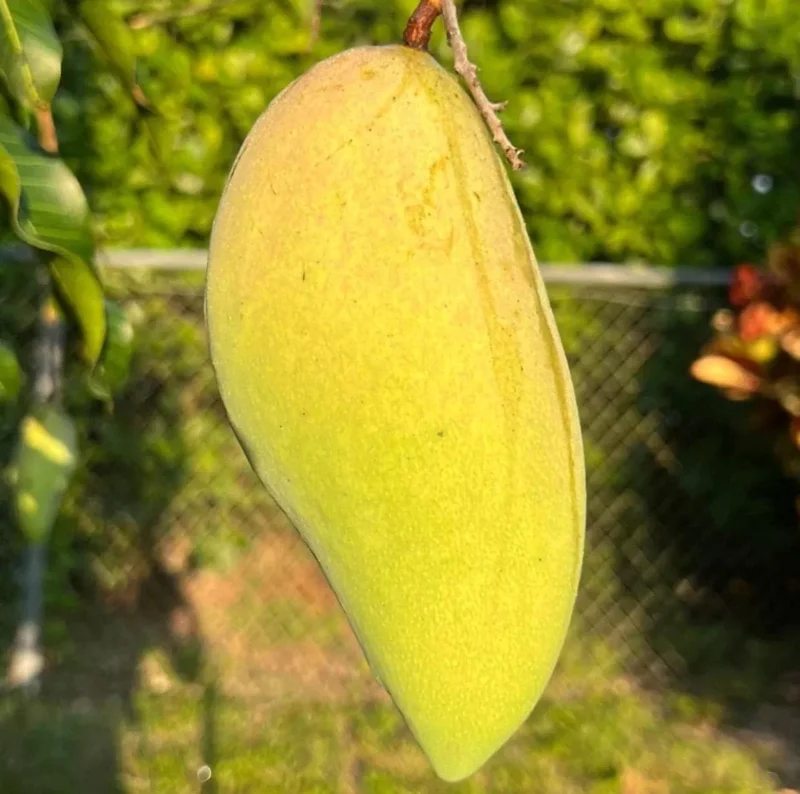
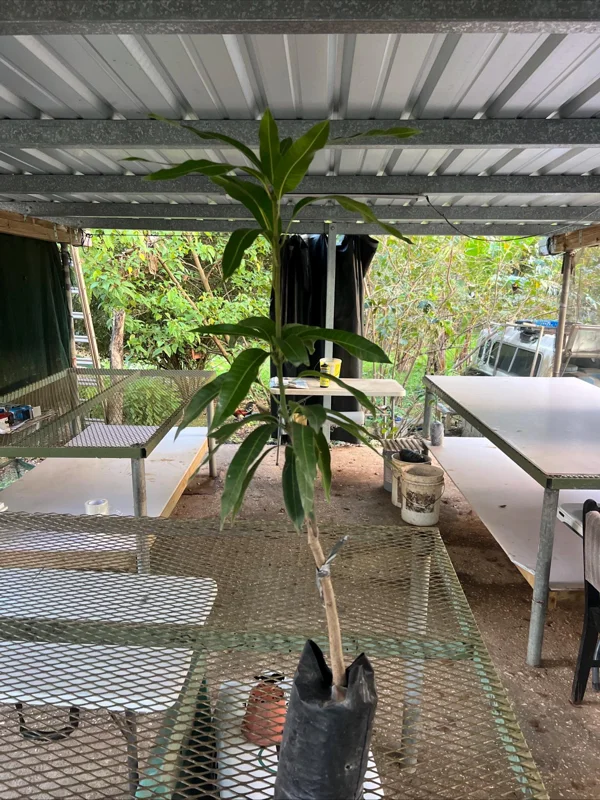
Grafted Nam Doc Mai Mango Tree Live Plant – Early Fruiting, 2-3ft Tall
$205.00
Bring the taste of the tropics to your home with a Grafted Nam Doc Mai Mango Tree. This 2-3ft tall live plant is an early fruiting mango tree, known for its superior taste and creamy texture. Perfect for warm climates, it’s a resilient addition to any garden.
Shipping and Return policies:
We stand behind our plants with our Alive & Thrive Guarantee. If you experience any issues within the first 30 days, please email us, and our team will be happy to help. When needed, we’ll send you a one-time replacement free of charge to make sure your garden keeps growing strong.

Reasonable Price
We offer reasonable price

Support 24/7
Contact us 24 hrs a day
100% Money Back
You’ve 30 days to Return
Payment Secure
100% secure payment
Overview
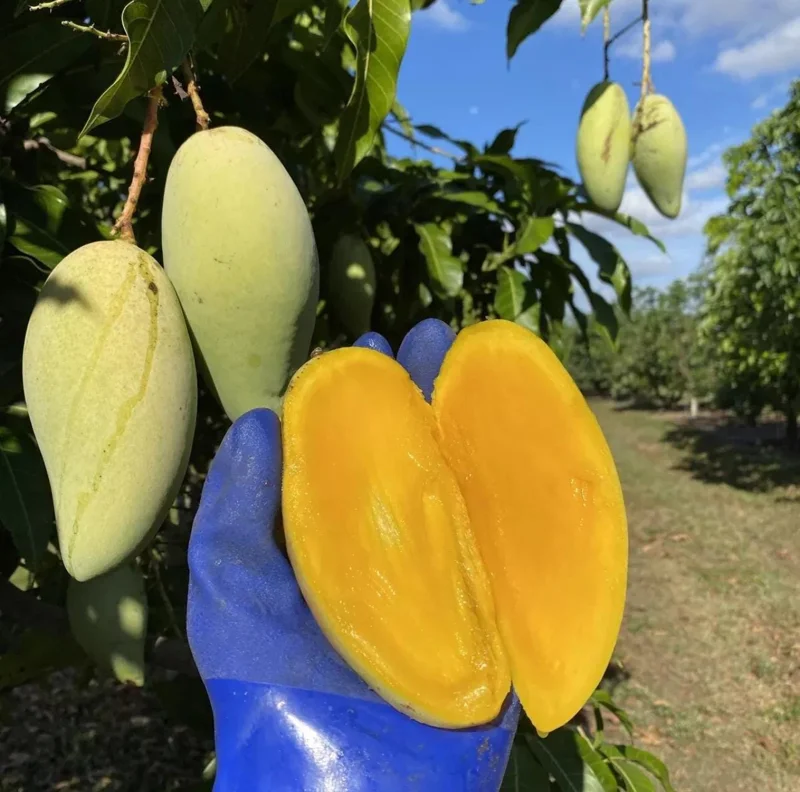
Transform your garden into a tropical oasis with the exquisite Grafted Nam Doc Mai Mango Tree. This live plant, typically standing 2-3 feet tall, is a highly sought-after variety renowned for its exceptional flavor and texture. The Nam Doc Mai mango is celebrated for its sweet, aromatic, and creamy flesh, making it a favorite among mango connoisseurs. Through the grafting process, this particular tree is designed for early fruiting mango tree, allowing you to enjoy your own home-grown mangoes much sooner than from seed-grown trees. Whether you’re an experienced gardener or just starting, cultivating your own Nam Doc Mai Mango Tree promises a rewarding and delicious experience.
Originating from Thailand, the Nam Doc Mai (also spelled ‘Nam Dok Mai’) is a monoembryonic mango variety, meaning it typically produces a single embryo per seed. This ensures that the grafted tree will bear fruit true to the parent variety’s characteristics. Its vigorous growth and resilience make it an excellent choice for warm climates, adding both beauty and bounty to your landscape. Get ready to savor the rich taste of fresh, sun-ripened mangoes straight from your backyard.
Key Benefits
Choosing a Grafted Nam Doc Mai Mango Tree offers numerous advantages for the home gardener and fruit enthusiast. Its unique qualities make it a standout choice:
- Superior Taste Profile: Enjoy mangoes with an unparalleled sweet, aromatic flavor and a lusciously creamy, fiberless texture. The Nam Doc Mai is consistently rated as one of the best tasting mango varieties globally.
- Early Fruiting: Thanks to the grafting process, your early fruiting mango tree will typically begin producing fruit within just a few seasons, significantly faster than trees grown from seed.
- High Yields: Mature Nam Doc Mai trees are known for their prolific fruiting, providing an abundant harvest of delicious mangoes for fresh eating, desserts, and preserves.
- Disease Resistance: This robust variety exhibits good resistance to many common mango diseases, contributing to a healthier and more productive plant with less effort.
- Adaptable Growth: While thriving in warm climates, the Nam Doc Mai Mango Tree can be grown in large containers in cooler zones, allowing it to be moved indoors during winter.
- Ornamental Value: Beyond its fruit, the tree itself is attractive, with lush green foliage that adds a tropical aesthetic to any garden or patio space.
- Homegrown Freshness: Experience the joy and satisfaction of harvesting your own fresh, organic mangoes, ensuring peak ripeness and flavor right from your garden.
Plant Care & Growing Tips
Proper mango plant care is essential for a thriving and productive Grafted Nam Doc Mai Mango Tree. Follow these guidelines to ensure your tree flourishes:
Sunlight: Mango trees are sun-loving plants. Provide your tree with full sun exposure, meaning at least 6-8 hours of direct sunlight per day. In very hot climates, some afternoon shade can be beneficial to prevent sunburn on young trees. If growing indoors, place it near a south-facing window or use supplemental grow lights to meet its light requirements.
Watering: Regular watering is crucial, especially during dry periods and when the tree is young. Water deeply once or twice a week, allowing the top few inches of soil to dry out slightly between waterings. Avoid overwatering, as this can lead to root rot. Reduce watering frequency during the cooler, dormant months. Consistent moisture is vital for the development of the fruit on your early fruiting mango tree.
Soil: The Nam Doc Mai Mango Tree prefers well-draining, loamy soil with a slightly acidic to neutral pH (6.0-7.0). If your soil is heavy clay, amend it with organic matter like compost and sand to improve drainage. For container-grown trees, use a high-quality potting mix specifically formulated for fruit trees or tropical plants. Ensure good drainage to prevent waterlogging.
Temperature & USDA Hardiness Zone: This tropical fruit tree thrives in warm climates. It is best suited for USDA Hardiness Zones 9-11, where temperatures rarely drop below freezing. Young trees are particularly sensitive to cold and should be protected if temperatures are expected to fall. Mature trees can tolerate brief dips to just above freezing, but sustained cold will damage or kill the plant. Maintaining optimal conditions is key for successful mango plant care.
Fertilization: Fertilize your Grafted Nam Doc Mai Mango Tree regularly during the growing season (spring through fall). Use a balanced fertilizer with a higher phosphorus content to encourage flowering and fruiting, or a specialized fruit tree fertilizer. Follow the product’s instructions for application rates. Reduce or stop fertilizing during winter. A healthy feeding regimen will contribute to a bountiful harvest from your early fruiting mango tree.
Pruning: Prune your mango tree to maintain a manageable size, encourage branching, and remove dead or diseased wood. The best time to prune is after harvest. An open canopy improves air circulation and sunlight penetration, which is beneficial for fruit development and overall tree health. Regular pruning is an important aspect of long-term mango plant care.
Size & Details
This offering is for a Grafted Nam Doc Mai Mango Tree, typically supplied as a live plant approximately 2-3 feet in height from the base of the pot to the top of the foliage. These young trees are ready for planting in your garden or a larger container. Grafted trees offer the advantage of genetic consistency with the parent plant, ensuring the desirable characteristics of the Nam Doc Mai variety, including its superior taste and early fruiting habit. While growth rates vary depending on climate and care, this variety is known for its relatively vigorous growth once established.
The tree will arrive in a nursery pot, with its root ball intact, ready for transplanting. Expect your Nam Doc Mai Mango Tree to begin flowering and fruiting within 2-4 years under ideal growing conditions. With proper mango plant care, it will mature into a medium-sized tree, typically reaching 10-20 feet in height in the ground, making it suitable for many home gardens. For container growing, regular pruning will help maintain a more compact size.
Frequently Asked Questions
- Q: How big does this plant get? A: A Grafted Nam Doc Mai Mango Tree typically grows to about 10-20 feet tall in the ground, but can be kept smaller with regular pruning, especially when grown in a container.
- Q: What size pot does it come in? A: The tree will arrive in a nursery pot, ready for transplanting into a larger pot or directly into your garden. Specific pot size may vary, but it will be appropriate for a 2-3ft tall plant.
- Q: Is this an indoor or outdoor plant? A: The Nam Doc Mai Mango Tree is a tropical outdoor plant best suited for USDA Zones 9-11. In cooler climates, it can be grown outdoors in a container during warm months and moved indoors for winter.
- Q: How much sunlight does it need? A: This early fruiting mango tree requires full sun, meaning at least 6-8 hours of direct sunlight per day, for optimal growth and fruit production.
- Q: Is this plant easy to care for? A: With proper mango plant care, including adequate sunlight, watering, and well-draining soil, the Nam Doc Mai is a relatively easy-to-grow fruit tree for those in suitable climates.
- Q: What condition will it arrive in? A: Your Grafted Nam Doc Mai Mango Tree will be carefully packaged to ensure it arrives healthy, with its root ball protected and foliage intact, ready for planting.
- Q: How long until it blooms and fruits? A: As an early fruiting mango tree, you can expect it to start blooming and producing fruit within 2-4 years after planting, given proper care and conditions.
- Q: What is the best soil for this mango plant? A: A well-draining, loamy soil with a slightly acidic to neutral pH (6.0-7.0) is ideal for a Nam Doc Mai Mango Tree.
- Q: Can I use the mangoes for cooking? A: Absolutely! Nam Doc Mai mangoes are prized for their sweet flavor and firm flesh, making them excellent for fresh eating, desserts, smoothies, and various culinary applications.
- Q: Will it survive winter in my zone? A: If you are outside USDA Zones 9-11, your Nam Doc Mai Mango Tree will need winter protection. It should be brought indoors or provided with significant cover if temperatures drop below freezing.
Be the first to review “Grafted Nam Doc Mai Mango Tree Live Plant – Early Fruiting, 2-3ft Tall”
You must be logged in to post a review.
People also Viewed
Sold 50 products
Original price was: $37.48.$23.98Current price is: $23.98.
Sold 50 products
$32.38
Sold 50 products
$27.38
Sold 50 products
$32.38
Sold 50 products
$19.88
Sold 50 products
$62.38
Sold 50 products
$24.88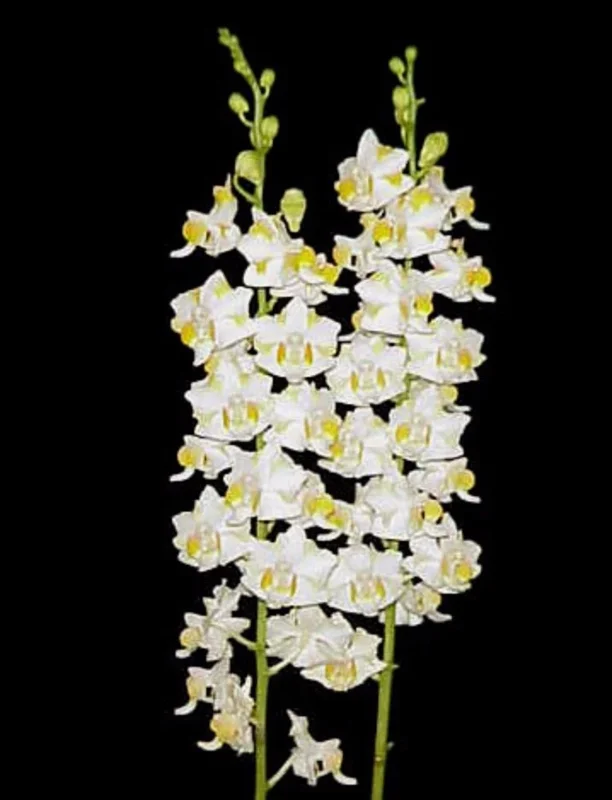
Houseplants
Phalaenopsis pulcherrima ‘Mauna Kea Snow’ Orchid Live Plant – White Flowers, Potted 2.5 in
Sold 50 products
$49.88RELATED posts
Awapuhi Wild Ginger Plant: Zones, Care, and Propagation
Learn which USDA zones suit awapuhi wild ginger, plus sunlight, water, planting, propagation, pests, size, [...]
Awapuhi Shampoo Ginger – Care, Growing Zones, and Differences
Learn how to grow awapuhi (shampoo) ginger, its USDA zones, watering schedule, propagation tips, and [...]
Awapuhi Shampoo Plant Buying Guide – Choose the Right Zingiber zerumbet
META: Learn which awapuhi (shampoo ginger) plant or rhizome pack gives the best natural shampoo, [...]
Awapuhi Plant for Sale: Complete Buying Guide
Find the right awapuhi (shampoo ginger) plant, size, price, soil mix, and online source. Practical [...]
Shampoo Ginger Plant for Sale – Buying Guide & Tips
Find the right shampoo ginger plant, size, price, and care tips. Quick guide for U.S. [...]
Shampoo Ginger Plant (Awapuhi) Care Guide
Learn how to grow, care for, and use shampoo ginger (Zingiber zerumbet), the tropical awapuhi [...]
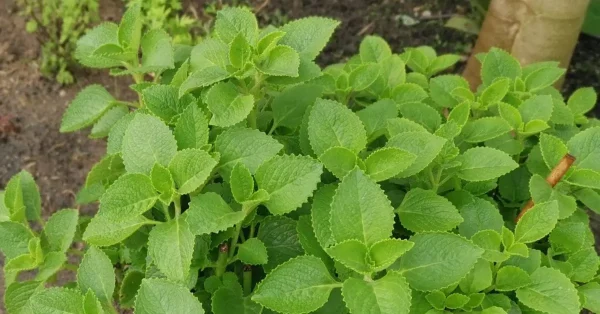
How to Grow Cuban Oregano Plants: A Complete Care Guide
If you’ve ever wanted a plant that combines the culinary punch of traditional oregano with [...]
Aug
How to Grow Habanero Pepper Plants: A Step-by-Step Guide
Habanero pepper plants are prized for their vibrant colors, intense heat, and exceptional flavor, making [...]
Aug
Reviews
There are no reviews yet.