
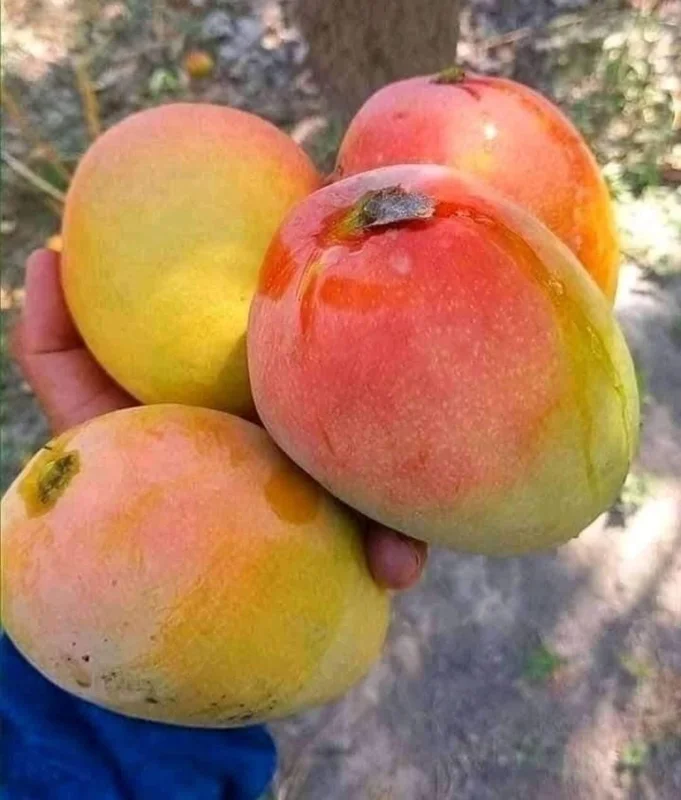
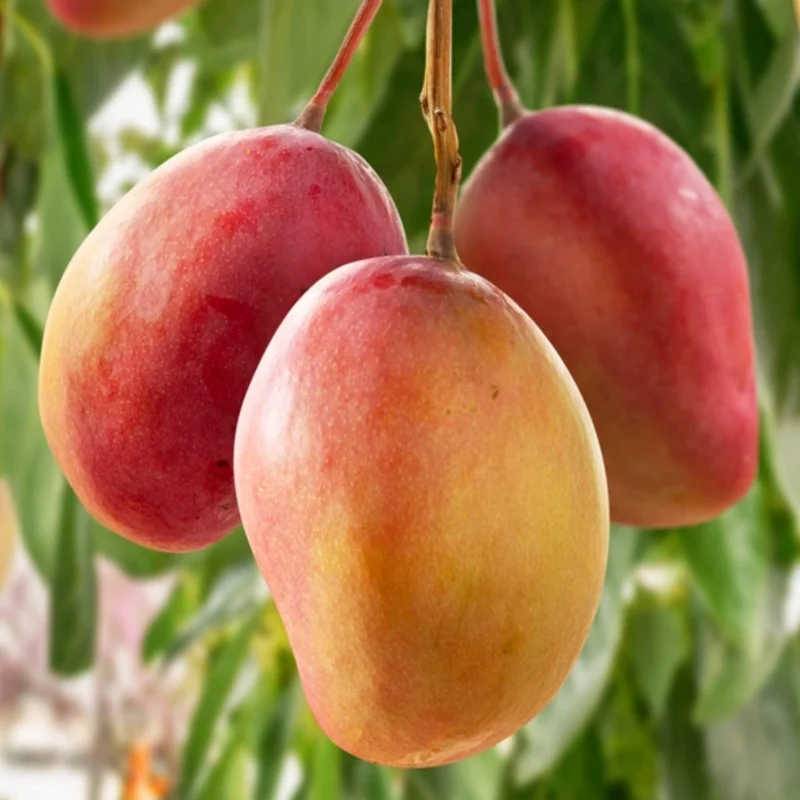
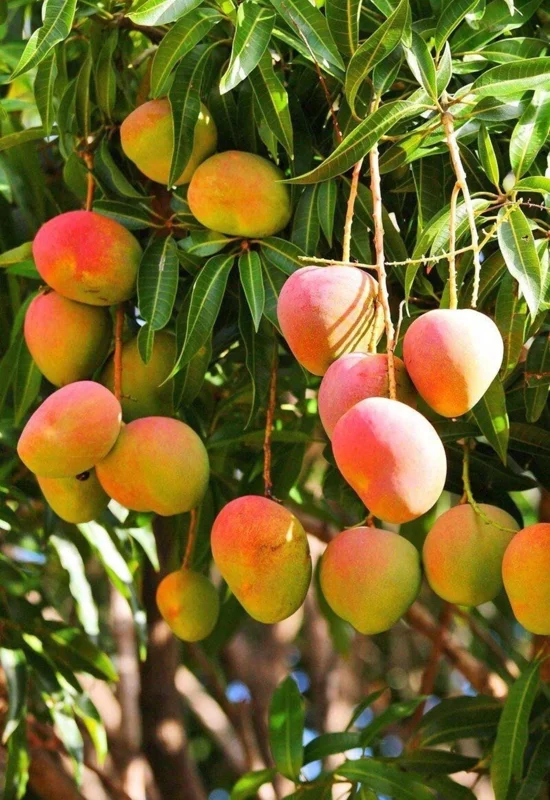
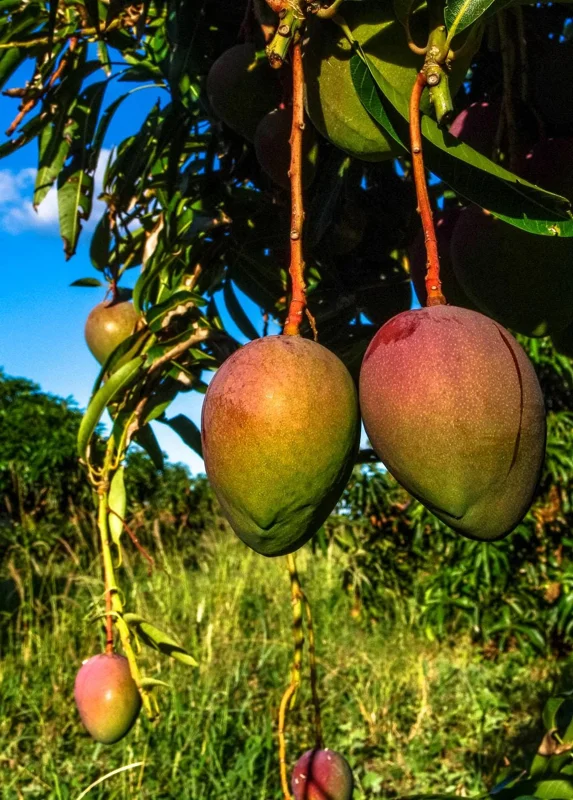
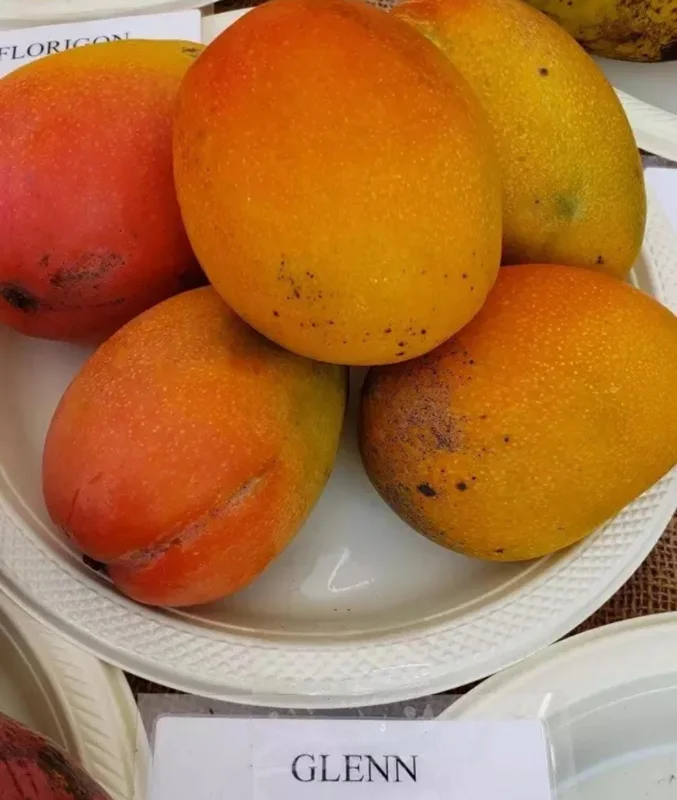
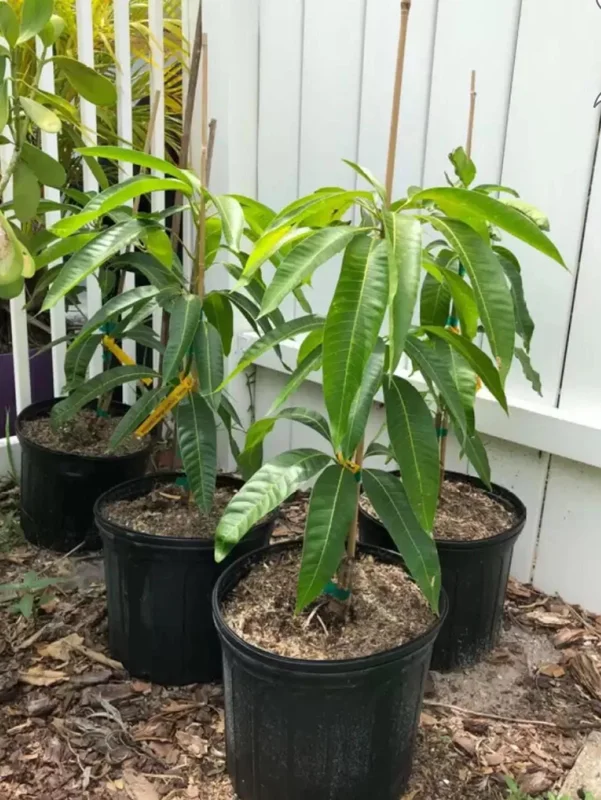
Grafted Ambika Mango Tree Live Plant – 2-3 ft Tall – Grow Your Own Sweet Mangoes
$237.50
Cultivate your own tropical paradise with a grafted mango tree, Ambika variety. This healthy, 2-3 ft tall live plant is perfect for home gardens, offering delicious, sweet fruit. Enjoy fresh, homegrown mangoes with this easy-to-grow specimen.
Shipping and Return policies:
We stand behind our plants with our Alive & Thrive Guarantee. If you experience any issues within the first 30 days, please email us, and our team will be happy to help. When needed, we’ll send you a one-time replacement free of charge to make sure your garden keeps growing strong.

Reasonable Price
We offer reasonable price

Support 24/7
Contact us 24 hrs a day
100% Money Back
You’ve 30 days to Return
Payment Secure
100% secure payment
Overview
Embark on a journey to cultivate your own tropical harvest with this premium grafted mango tree, Ambika variety. Known for its exceptional flavor and robust growth, the Ambika mango is a highly sought-after fruit. This live plant, standing at a healthy 2-3 feet tall, is ready to be planted in your garden, offering the promise of delicious, homegrown mangoes. Grafting ensures that you receive a tree with desirable characteristics, such as disease resistance and early fruiting, making it an excellent choice for both novice and experienced gardeners. Imagine plucking sweet, juicy mangoes directly from your backyard – a dream made possible with this magnificent Ambika mango plant.
Mango trees (Mangifera indica) are iconic symbols of tropical abundance, and the Ambika variety stands out for its consistent production of high-quality fruit. This specific tree has been carefully grafted to provide you with a superior specimen, ensuring genetic purity and vigorous growth. Whether you’re looking to enhance your landscape or simply desire to grow mangoes at home for personal enjoyment, this tree offers both aesthetic beauty and bountiful rewards. Its vibrant green foliage and eventual canopy will provide shade and a touch of the tropics to any outdoor space.
Key Benefits
Investing in a grafted mango tree brings a multitude of benefits, transforming your garden into a productive and beautiful oasis. From the joy of harvesting your own fruit to the aesthetic appeal, this plant is a true garden gem:
- Homegrown Delights: Enjoy the unparalleled taste of fresh, organic mangoes straight from your garden. There’s nothing quite like the flavor of a perfectly ripe mango grown with your own care, far superior to store-bought varieties.
- Superior Ambika Variety: The Ambika mango is celebrated for its sweet, fiber-free flesh and rich aroma. This variety is known for its consistent quality and delicious taste, making it a favorite among mango connoisseurs.
- Disease Resistance: Grafted trees often inherit improved resistance to common mango diseases, leading to a healthier plant and more reliable fruit production. This reduces the need for extensive chemical treatments, promoting an eco-friendly garden.
- Early Fruiting: Grafted mango trees typically begin bearing fruit much sooner than trees grown from seed, allowing you to enjoy your first harvest within a few years of planting. This accelerates your journey to grow mangoes at home.
- Enhanced Garden Appeal: With its lush green foliage and eventually, colorful fruit, this tropical fruit tree adds significant beauty and a touch of the exotic to your landscape. It creates a focal point and provides natural shade.
- Healthy & Vigorous Growth: Our trees are nurtured to be healthy and fast-growing, ensuring a strong start in your garden. A vigorous plant adapts better to its new environment and establishes quickly.
- Sustainable Living: By growing your own fruit, you contribute to a more sustainable lifestyle, reducing your carbon footprint and enjoying fresh produce without the associated transportation and packaging.
Plant Care & Growing Tips
Caring for your grafted mango tree is a rewarding experience that ensures a healthy plant and abundant fruit. Mango trees thrive in warm, sunny climates and require specific conditions to flourish. For optimal growth, choose a location that receives at least 6-8 hours of direct sunlight per day. In cooler climates, consider planting in a large container that can be moved indoors during winter, or in a sheltered spot with southern exposure. The ideal temperature range for mango trees is between 75-95°F (24-35°C).
Watering is crucial, especially during the establishment phase and when the tree is flowering or fruiting. Water deeply and regularly, allowing the top few inches of soil to dry out between waterings. Avoid overwatering, as this can lead to root rot. A well-draining soil is paramount for mango trees. They prefer slightly acidic to neutral soil (pH 6.0-7.0) that is rich in organic matter. Amend heavy clay soils with compost and sand to improve drainage, or sandy soils with organic matter to improve water retention. Fertilize your Ambika mango plant with a balanced slow-release fertilizer designed for fruit trees, typically in early spring and mid-summer. Follow the product instructions for application rates.
Pruning should be done to maintain the tree’s shape, remove dead or diseased branches, and encourage better air circulation and fruit production. The best time for pruning is after harvest. Watch out for common pests like aphids, scale, and mealybugs, and treat them with horticultural oil or neem oil if necessary. With proper care, your disease resistant mango tree will thrive and provide you with delicious fruit for many years. Ensure adequate air circulation around the canopy to prevent fungal issues, especially in humid environments, which is crucial for a healthy tropical fruit tree.
Size & Details
This offering is for one healthy, grafted mango tree of the Ambika variety, measuring approximately 2-3 feet in height from the base of the pot to the top of the foliage. The tree is shipped as a live, potted plant, ensuring minimal transplant shock and a strong start in your garden. The exact pot size may vary but will be adequate for safe transit and initial growth. Mango trees are known for their moderate to fast growth rate, and with proper care, this tree can reach a mature height of 10-20 feet in a home garden setting, though it can be kept smaller with regular pruning. Expect your tree to begin flowering and fruiting within 2-4 years of planting, provided it receives optimal growing conditions. The Ambika mango is a productive variety, and you can anticipate a good yield once the tree is established and mature. This makes it an ideal choice for those who want to grow mangoes at home without a long wait.
Frequently Asked Questions
- Q: How big does this grafted mango tree get? A: This Ambika mango tree is currently 2-3 feet tall. With proper care and pruning, it can reach a mature height of 10-20 feet in a garden setting, making it a manageable tropical fruit tree for most backyards.
- Q: Is this an indoor or outdoor plant? A: The grafted mango tree is primarily an outdoor plant, thriving in USDA zones 9-11. In cooler climates, it can be grown in a large container and brought indoors during winter to protect it from frost.
- Q: How much sunlight does it need? A: Your Ambika mango plant requires at least 6-8 hours of direct sunlight per day to produce the best fruit. Choose a sunny location in your garden or a bright spot if growing indoors.
- Q: Is this plant easy to care for? A: Mango trees are relatively easy to care for once established, requiring consistent watering, good drainage, and occasional fertilization. It’s an excellent choice for those looking to grow mangoes at home with moderate gardening experience.
- Q: What condition will it arrive in? A: Your mango tree will arrive as a healthy, live, potted plant, carefully packaged to ensure its safety during transit. We take great care to minimize stress during shipping.
- Q: How long until it blooms and produces fruit? A: As a grafted tree, you can expect your Ambika mango tree to start flowering and producing fruit within 2-4 years of planting, much faster than seed-grown trees. Patience will be rewarded with delicious mangoes.
- Q: Will it survive winter in my zone? A: Mango trees are tropical and sensitive to frost. They will survive winters outdoors only in USDA Zones 9-11. If you are in a colder zone, you will need to provide winter protection or grow it in a container that can be moved indoors. This is key to maintaining a healthy disease resistant mango.
- Q: What type of soil is best for this mango tree? A: A well-draining, slightly acidic to neutral soil (pH 6.0-7.0) rich in organic matter is ideal. Avoid heavy clay soils that retain too much moisture, which can lead to root issues.
- Q: Can I grow this mango tree on a patio? A: Yes, this 2-3 ft grafted mango tree can be grown in a large container on a patio, especially in areas with colder winters where it can be moved indoors. Ensure the container has excellent drainage.
- Q: What makes the Ambika variety special? A: The Ambika variety is prized for its exceptionally sweet, juicy, and fiber-free fruit. It’s a highly regarded cultivar known for its superior flavor profile and consistent production, making it a top choice for a tropical fruit tree.
Be the first to review “Grafted Ambika Mango Tree Live Plant – 2-3 ft Tall – Grow Your Own Sweet Mangoes”
You must be logged in to post a review.
People also Viewed
Sold 50 products
Original price was: $37.48.$23.98Current price is: $23.98.
Sold 50 products
$32.38
Sold 50 products
$27.38
Sold 50 products
$32.38
Sold 50 products
$19.88
Sold 50 products
$62.38
Sold 50 products
$24.88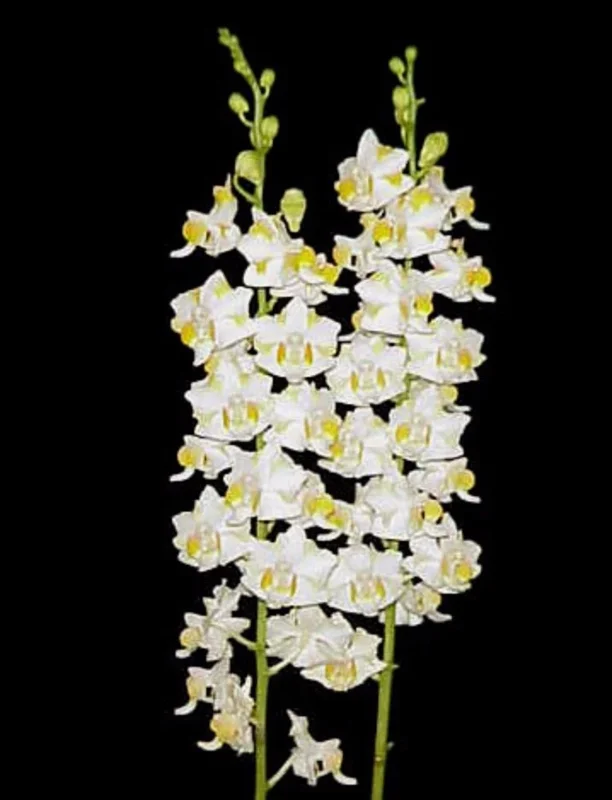
Houseplants
Phalaenopsis pulcherrima ‘Mauna Kea Snow’ Orchid Live Plant – White Flowers, Potted 2.5 in
Sold 50 products
$49.88RELATED posts
Awapuhi Wild Ginger Plant: Zones, Care, and Propagation
Learn which USDA zones suit awapuhi wild ginger, plus sunlight, water, planting, propagation, pests, size, [...]
Awapuhi Shampoo Ginger – Care, Growing Zones, and Differences
Learn how to grow awapuhi (shampoo) ginger, its USDA zones, watering schedule, propagation tips, and [...]
Awapuhi Shampoo Plant Buying Guide – Choose the Right Zingiber zerumbet
META: Learn which awapuhi (shampoo ginger) plant or rhizome pack gives the best natural shampoo, [...]
Awapuhi Plant for Sale: Complete Buying Guide
Find the right awapuhi (shampoo ginger) plant, size, price, soil mix, and online source. Practical [...]
Shampoo Ginger Plant for Sale – Buying Guide & Tips
Find the right shampoo ginger plant, size, price, and care tips. Quick guide for U.S. [...]
Shampoo Ginger Plant (Awapuhi) Care Guide
Learn how to grow, care for, and use shampoo ginger (Zingiber zerumbet), the tropical awapuhi [...]
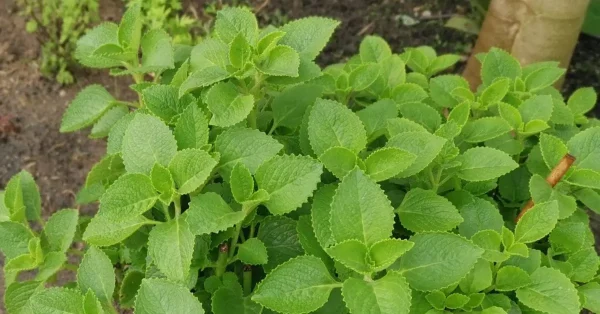
How to Grow Cuban Oregano Plants: A Complete Care Guide
If you’ve ever wanted a plant that combines the culinary punch of traditional oregano with [...]
Aug
How to Grow Habanero Pepper Plants: A Step-by-Step Guide
Habanero pepper plants are prized for their vibrant colors, intense heat, and exceptional flavor, making [...]
Aug
Reviews
There are no reviews yet.