
Golden Midget Watermelon Seeds – 10 Mini Sweet Melon Seeds for Gardens & Containers
Original price was: $33.99.$13.99Current price is: $13.99.
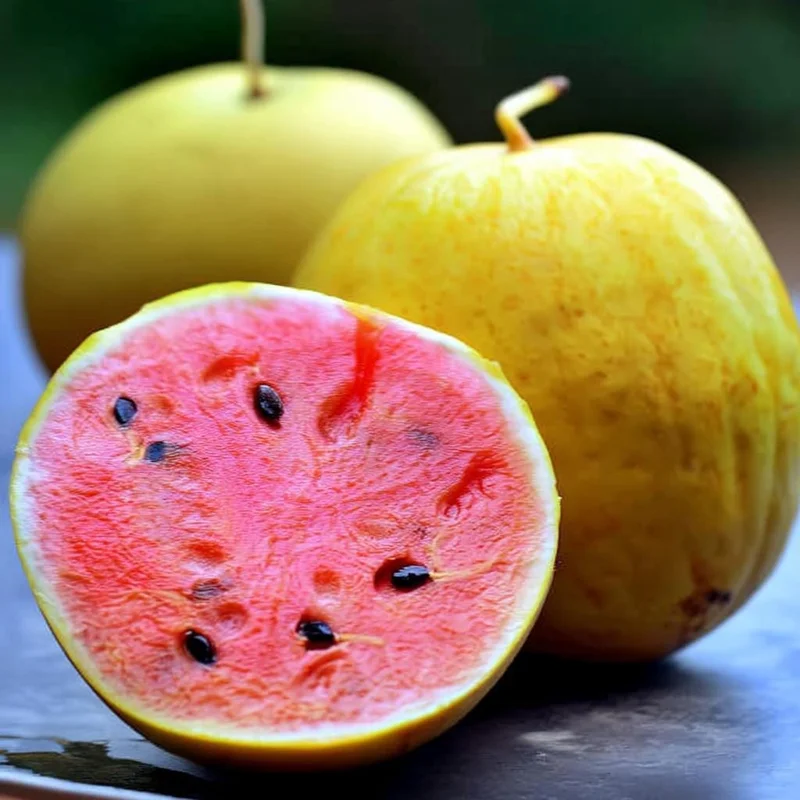
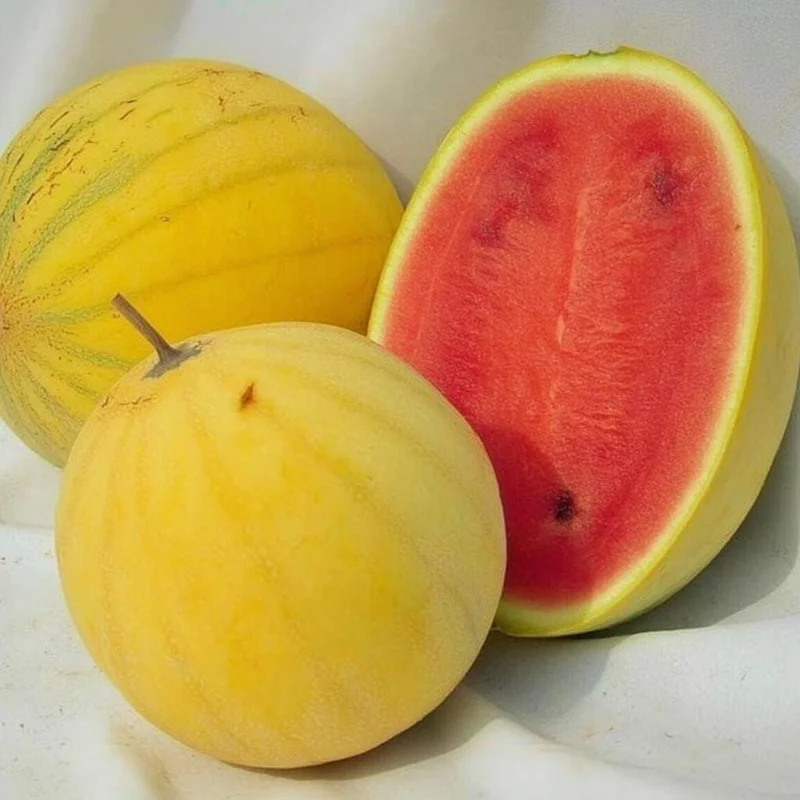
Cultivate your own delicious and compact golden midget watermelon seeds. This variety is perfect for home gardens, containers, and small spaces, yielding sweet, golden-skinned fruits. Enjoy fresh, family-friendly snacks with these easy-to-grow mini watermelon seeds.
Shipping and Return policies:
We stand behind our plants with our Alive & Thrive Guarantee. If you experience any issues within the first 30 days, please email us, and our team will be happy to help. When needed, we’ll send you a one-time replacement free of charge to make sure your garden keeps growing strong.

Reasonable Price
We offer reasonable price

Support 24/7
Contact us 24 hrs a day
100% Money Back
You’ve 30 days to Return
Payment Secure
100% secure payment
Overview
Embark on a delightful gardening journey with golden midget watermelon seeds, a superb choice for both novice and experienced growers. These unique seeds promise to bring a burst of sunshine to your garden with their compact, fast-growing nature and the production of small, sweet, and distinctively golden-skinned fruits. The Golden Midget Watermelon (Citrullus lanatus) is celebrated for its tender, juicy flesh and vibrant color, making it an excellent addition to any summer spread. Ideal for those with limited space, these compact watermelon seeds thrive in home gardens, raised beds, and even containers, offering a highly productive yield without requiring extensive acreage. Discover the joy of harvesting your own miniature watermelons, perfect for fresh eating and creating memorable family moments.
Cultivating golden midget watermelon seeds means enjoying the freshest, sweetest watermelons right from your backyard. This variety is specifically bred for its manageable size and robust flavor, ensuring a rewarding harvest. Whether you’re looking to maximize a small urban garden or add a charming, productive crop to a larger plot, these seeds provide an accessible path to growing delicious, golden treasures. Their ease of growth and impressive output make them a favorite among gardeners seeking both beauty and bounty.
Key Benefits
Growing golden midget watermelon seeds offers a multitude of advantages, transforming your gardening efforts into a rewarding experience with delicious results. Beyond the sheer joy of fresh produce, these seeds bring specific benefits to your garden and table:
- Space-Saving Growth: The compact vine structure of the Golden Midget Watermelon makes it an ideal choice for small gardens, patios, and container gardening. You don’t need a vast field to enjoy fresh watermelons, making these mini watermelon seeds perfect for urban growers.
- Sweet & Flavorful Fruit: These watermelons are renowned for their exceptional sweetness and tender, juicy golden flesh. They offer a delightful taste experience that surpasses many store-bought varieties, ensuring a truly gourmet snack.
- High Productivity: Despite their compact size, Golden Midget Watermelon plants are surprisingly productive, yielding an abundant harvest of small, perfectly sized fruits throughout the growing season. This ensures a steady supply of fresh treats.
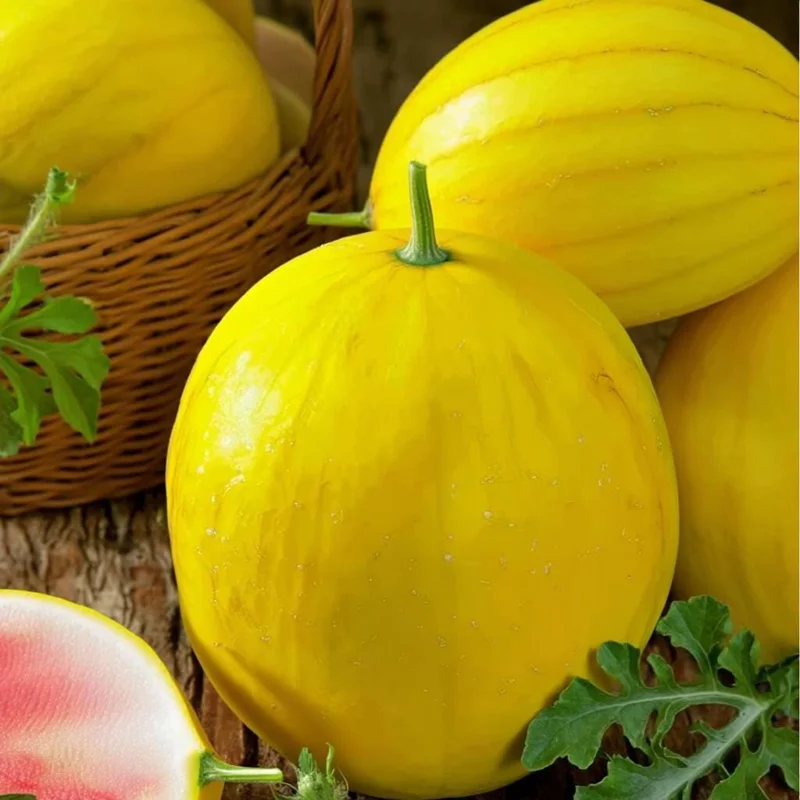
- Distinctive Appearance: The bright golden rind of the mature fruit adds a unique visual appeal to your garden and table. It’s a fantastic conversation starter and a beautiful addition to any fruit platter.
- Easy to Grow: These seeds are well-suited for gardeners of all skill levels. With straightforward planting and care instructions, even beginners can achieve a successful and plentiful harvest of sweet golden watermelon.
- Versatile for Fresh Eating: The small size makes these watermelons perfect for individual servings, lunchboxes, or quick, healthy snacks. Their robust flavor holds up well, whether chilled or at room temperature.
- Container Gardening Friendly: For those with limited ground space, these watermelon seeds for containers are an excellent solution. They adapt well to large pots, allowing you to cultivate delicious fruit on balconies or small patios.
Plant Care & Growing Tips
Successful cultivation of golden midget watermelon seeds begins with proper planting and attentive care. These melons thrive in warm conditions and require specific attention to light, water, and soil to produce their best fruits. For optimal growth, sow seeds indoors 3–4 weeks before the last expected frost date in your area. This gives seedlings a head start. Alternatively, you can sow directly outdoors once all danger of frost has passed and the soil temperature consistently reaches at least 70°F (21°C). Plant seeds ½ inch deep in moist, well-drained soil. Germination typically occurs within 7–10 days under ideal conditions. Once seedlings are established, thin them to be 18–24 inches apart within rows, with rows spaced 3–4 feet apart to allow ample room for vine growth and fruit development.
Golden Midget Watermelon plants demand full sun exposure, meaning at least 6-8 hours of direct sunlight daily to produce sweet, abundant fruits. They prefer fertile, well-drained soil rich in organic matter. Consistent watering is crucial, especially during the flowering and fruit development stages. Avoid overhead watering to prevent fungal diseases, and ensure the soil remains moist but not waterlogged. Mulching around the plants is highly recommended to help retain soil moisture, suppress weeds, and keep the fruits clean as they develop. Fertilize lightly with a balanced fertilizer, particularly as the vines begin to spread and fruits start to form, to support strong vine growth and the development of abundant, sweet melons. Keep an eye out for common pests like aphids and squash bugs, and address them promptly with organic pest control methods if necessary. Harvesting is a rewarding moment; look for the rind to turn a distinct golden color, and the fruit should easily detach from the vine with a gentle tug. This indicates a perfectly ripe and delicious sweet golden watermelon, ready for enjoyment.
Size & Details
Each packet contains 10 golden midget watermelon seeds, providing a generous start for your home garden. These seeds will grow into compact vines, typically spreading 6-8 feet, making them ideal watermelon seeds for containers or smaller garden plots. The fruits themselves are miniature, usually weighing between 2-3 pounds, with a diameter of about 6-8 inches. They are ready for harvest approximately 70-75 days from planting, offering a relatively quick turnaround for fresh produce. The seeds are shipped in a protective packet to ensure viability upon arrival, ready for immediate planting or storage until the optimal growing season. Expect a bountiful yield of these delightful mini watermelon seeds, perfect for individual servings or small family gatherings.
Frequently Asked Questions
- Q: How big do Golden Midget Watermelons get? A: These are a mini watermelon variety, with fruits typically weighing 2-3 pounds and reaching about 6-8 inches in diameter. The vines themselves are compact, usually spreading 6-8 feet.
- Q: Is this an indoor or outdoor plant? A: Golden Midget Watermelon is an outdoor plant that thrives in full sun and warm temperatures. While you can start seeds indoors, the plants need to be transplanted outdoors for fruit production.
- Q: How much sunlight does it need? A: These watermelons require full sun, meaning at least 6-8 hours of direct sunlight per day, to produce the sweetest and most abundant fruits.
- Q: Is this plant easy to care for? A: Yes, golden midget watermelon seeds are considered easy to grow, making them suitable for beginner gardeners. They require consistent watering, full sun, and well-drained soil.
- Q: Can I grow these in containers? A: Absolutely! These compact watermelon seeds are an excellent choice for container gardening due to their manageable vine size. Use large pots (at least 5-gallon capacity) to allow sufficient root development.
- Q: How long until it’s ready to harvest? A: Golden Midget Watermelons are typically ready for harvest approximately 70-75 days after planting. You’ll know they’re ripe when the rind turns a distinct golden color.
- Q: What condition will the seeds arrive in? A: The golden midget watermelon seeds will arrive in a sealed packet, ensuring their viability and readiness for planting. Store them in a cool, dry place until you’re ready to sow.
- Q: What’s the best way to water Golden Midget Watermelons? A: Water consistently, especially during flowering and fruit development. Drip irrigation or watering at the base of the plant is best to avoid wetting the foliage, which can prevent fungal issues.
- Q: Do I need to fertilize these plants? A: Yes, light fertilization can support strong vine growth and abundant fruit production. A balanced fertilizer applied when vines begin to spread and fruits start to form is beneficial for your sweet golden watermelon.
- Q: Will these grow in all climates? A: Golden Midget Watermelons prefer warm climates. They are typically grown as annuals and thrive in USDA zones where there is a long, warm growing season without late frosts.
Be the first to review “Golden Midget Watermelon Seeds – 10 Mini Sweet Melon Seeds for Gardens & Containers”
You must be logged in to post a review.
People also Viewed
Sold 50 products
Original price was: $37.48.$23.98Current price is: $23.98.
Sold 50 products
$32.38
Sold 50 products
$27.38
Sold 50 products
$32.38
Sold 50 products
$19.88
Sold 50 products
$62.38
Sold 50 products
$24.88
Houseplants
Phalaenopsis pulcherrima ‘Mauna Kea Snow’ Orchid Live Plant – White Flowers, Potted 2.5 in
Sold 50 products
$49.88RELATED posts
Awapuhi Wild Ginger Plant: Zones, Care, and Propagation
Learn which USDA zones suit awapuhi wild ginger, plus sunlight, water, planting, propagation, pests, size, [...]
Awapuhi Shampoo Ginger – Care, Growing Zones, and Differences
Learn how to grow awapuhi (shampoo) ginger, its USDA zones, watering schedule, propagation tips, and [...]
Awapuhi Shampoo Plant Buying Guide – Choose the Right Zingiber zerumbet
META: Learn which awapuhi (shampoo ginger) plant or rhizome pack gives the best natural shampoo, [...]
Awapuhi Plant for Sale: Complete Buying Guide
Find the right awapuhi (shampoo ginger) plant, size, price, soil mix, and online source. Practical [...]
Shampoo Ginger Plant for Sale – Buying Guide & Tips
Find the right shampoo ginger plant, size, price, and care tips. Quick guide for U.S. [...]
Shampoo Ginger Plant (Awapuhi) Care Guide
Learn how to grow, care for, and use shampoo ginger (Zingiber zerumbet), the tropical awapuhi [...]
How to Grow Cuban Oregano Plants: A Complete Care Guide
If you’ve ever wanted a plant that combines the culinary punch of traditional oregano with [...]
Aug
How to Grow Habanero Pepper Plants: A Step-by-Step Guide
Habanero pepper plants are prized for their vibrant colors, intense heat, and exceptional flavor, making [...]
Aug

Reviews
There are no reviews yet.