
Goji Berry Seeds – Black, Red, or Mixed Pack – 20 Seeds – Lycium Barbarum Ruthenicum – Outdoor Fruiting Shrub
Price range: $13.60 through $14.40
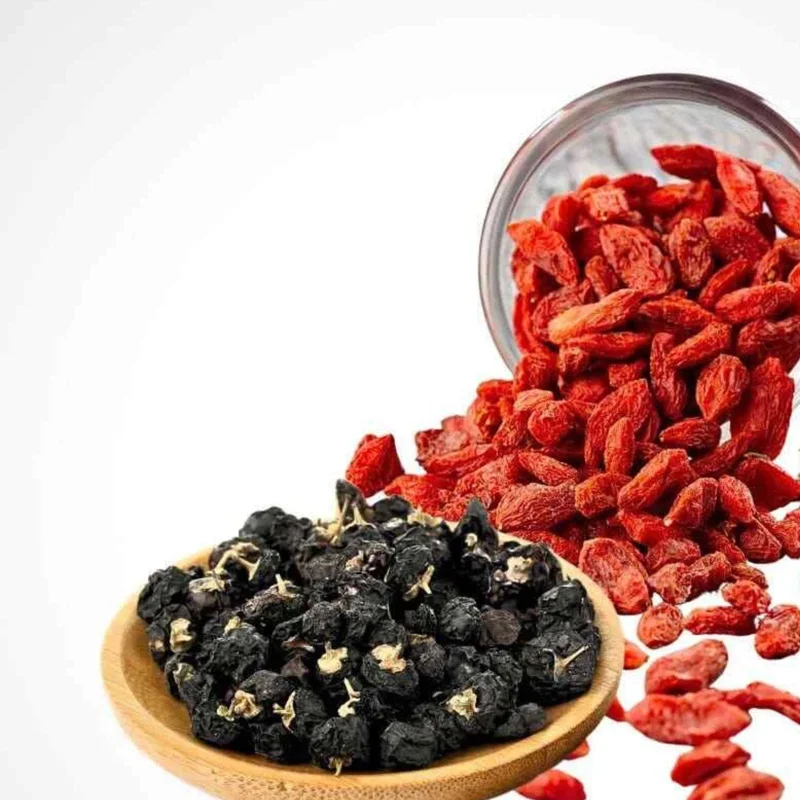
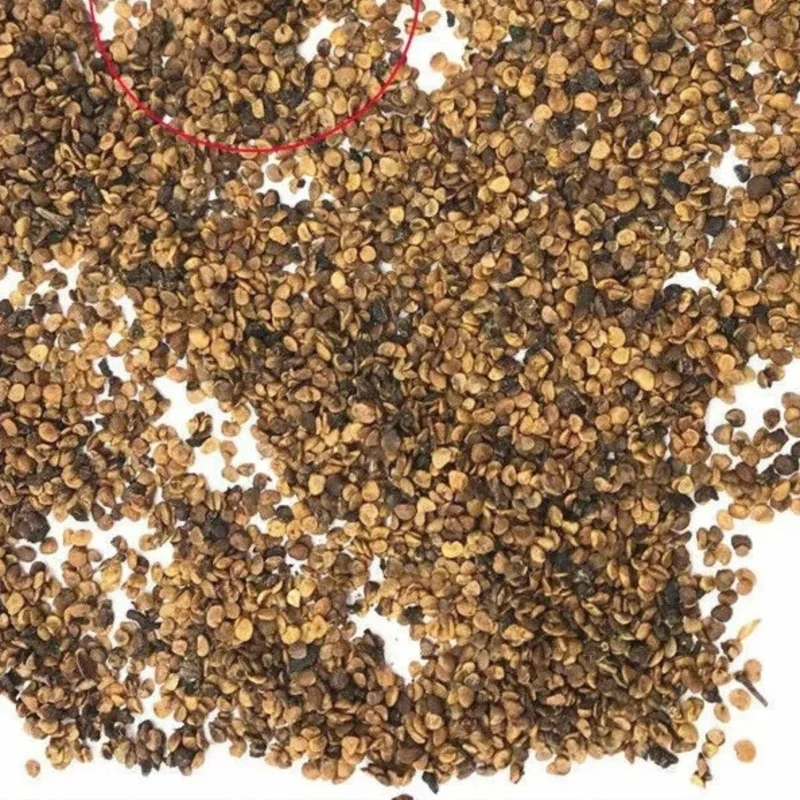
Cultivate your own healthy superfood with our premium goji berry seeds. Select from 20 Black Goji (Lycium ruthenicum), Red Goji (Lycium barbarum), or a convenient Mixed Pack to start growing these resilient fruiting shrubs in your home garden. Ideal for enthusiasts eager to grow goji berry plants from scratch.
Shipping and Return policies:
We stand behind our plants with our Alive & Thrive Guarantee. If you experience any issues within the first 30 days, please email us, and our team will be happy to help. When needed, we’ll send you a one-time replacement free of charge to make sure your garden keeps growing strong.

Reasonable Price
We offer reasonable price

Support 24/7
Contact us 24 hrs a day
100% Money Back
You’ve 30 days to Return
Payment Secure
100% secure payment
Overview
Embark on a rewarding gardening journey by growing your own goji berry seeds. This collection offers you the choice between two distinct varieties: the intriguing Black Goji (Lycium ruthenicum) and the more commonly known Red Goji (Lycium barbarum), or a convenient Mixed Pack containing both. Each pack provides 20 high-quality seeds, ready to be nurtured into productive, fruiting shrubs. Known for their resilience and nutritional berries, these wolfberry plants are an excellent addition to any suitable home garden or plant collection. Whether you’re a seasoned gardener or just starting, our goji berry seeds provide a fantastic opportunity to cultivate these unique plants.
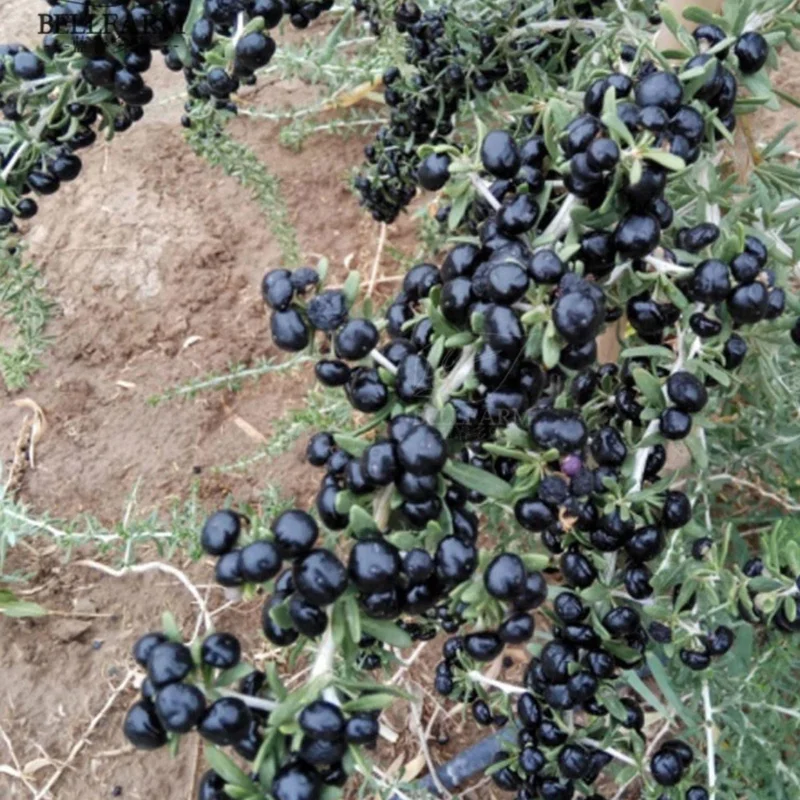
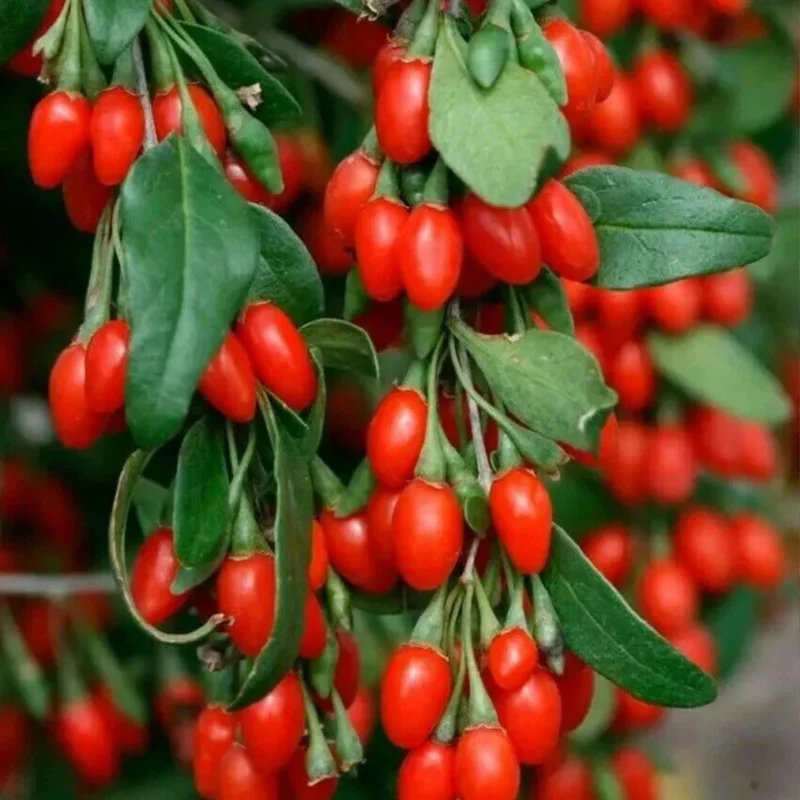
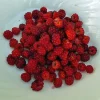
The Black Goji, also known as black wolfberry, produces dark, nutrient-rich fruits, while the Red Goji yields the familiar vibrant red or orange-red berries. Both are woody shrubs that thrive in well-draining soil and full sun, making them suitable for outdoor gardens or appropriately sized containers. Discover the satisfaction of harvesting your own fresh goji berries, a superfood renowned for its health benefits.
Key Benefits
Growing goji berry seeds offers numerous advantages, from the joy of cultivation to the healthful bounty of fresh berries. These plants are not only productive but also add an interesting botanical element to your landscape.
- Nutritional Superfood: Harvest your own fresh goji berries, packed with antioxidants and vitamins. The fruits from these wolfberry seeds are celebrated for their health-promoting properties.
- Unique Garden Addition: Both Black and Red Goji varieties are distinctive fruiting shrubs, offering visual interest with their growth habit and colorful berries.
- Adaptable Growth: These plants are relatively adaptable, thriving in various outdoor garden settings or containers, given the right care and conditions.
- Freshness & Quality: Ensure the freshest berries by growing them yourself, free from commercial pesticides or preservatives.
- Educational Experience: A great project for gardeners of all levels, providing an opportunity to learn about growing fruiting shrubs from goji berry seeds.
- Choice of Varieties: Select between Black Goji, Red Goji, or a Mixed Pack to experience the different flavors and characteristics of each wolfberry type.
- Support Pollinators: Goji berry flowers can attract beneficial insects to your garden, contributing to a healthy ecosystem.
Plant Care & Growing Tips
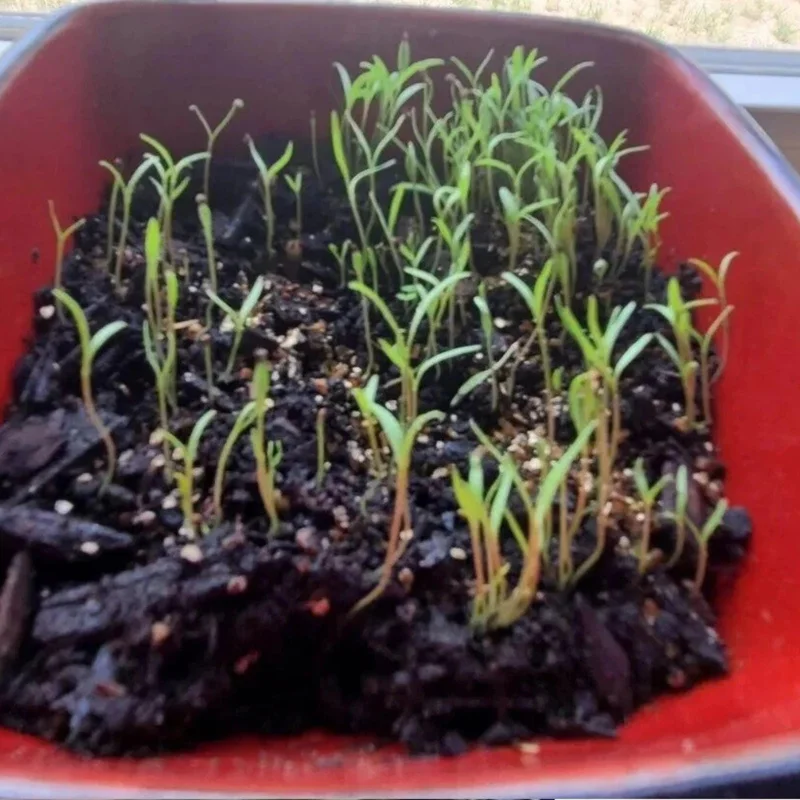
Successfully growing goji berry seeds requires attention to a few key factors, ensuring strong, healthy plants. Start with a clean, well-draining seed-starting mix. Sow the seeds according to species-specific instructions, typically at a shallow depth. Maintain consistent, light moisture in the growing medium, avoiding waterlogging, which can lead to damping off.
Provide suitable warmth for germination, often achieved with a seed-starting mat. Once seedlings emerge, place them in a bright location, gradually acclimating them to stronger, direct sunlight. Goji berry plants generally prefer full sun exposure for optimal fruit production, needing at least 6-8 hours of direct sunlight per day. Water regularly as seedlings establish, but allow the top inch of soil to dry slightly between waterings to prevent root rot. As the plants mature, they become more drought-tolerant but still benefit from consistent moisture during fruiting periods. Fertilize sparingly with a balanced organic fertilizer once established, following product instructions. These woody shrubs are generally hardy but may benefit from winter protection in colder climates, making them suitable for USDA zones 5-9. Keep an eye out for common garden pests and diseases, addressing them promptly with organic solutions.
Size & Details
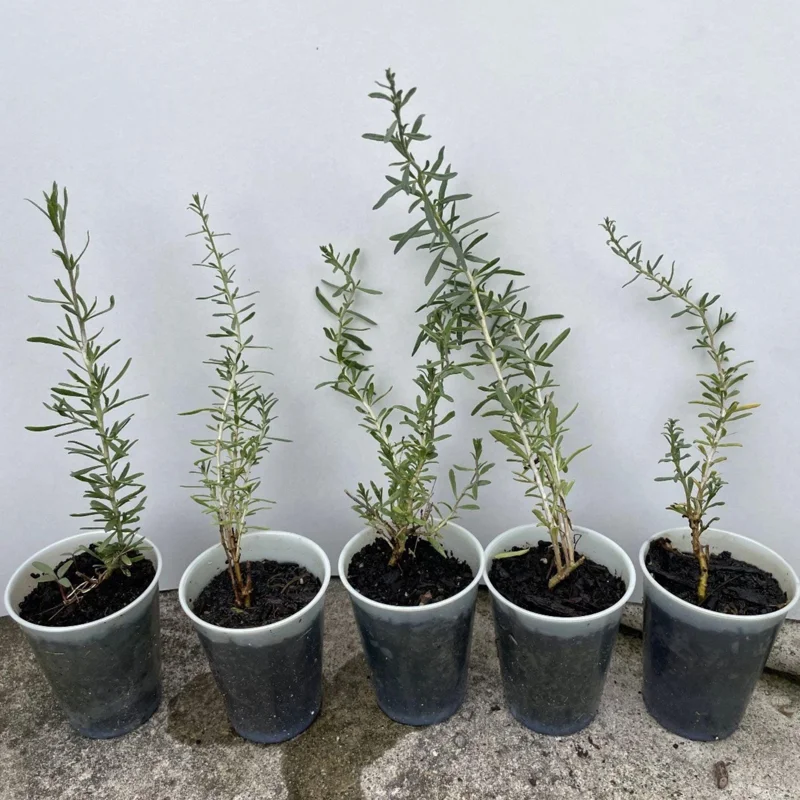
This product includes goji berry seeds in packs of 20, with options for Black Goji (Lycium ruthenicum), Red Goji (Lycium barbarum), or a Mixed Pack. Goji berry plants are woody shrubs that can grow to a mature height of 3 to 10 feet, with a similar spread, depending on the variety and growing conditions. They exhibit a branching growth habit. Fruit color varies: black-purple for black wolfberry, and red or orange-red for red goji. The seeds ship in protective packaging to ensure viability. With proper care, these shrubs can begin producing fruit within 1-2 years after planting, offering a long season of delicious berries. Starting with goji berry seeds allows you to cultivate these plants from their very beginning, observing their full life cycle.
Frequently Asked Questions
- Q: How many goji berry seeds are included in each pack? A: Each pack contains 20 high-quality goji berry seeds, offering a good quantity to start your home garden project.
- Q: Can I grow goji berry plants indoors? A: While goji berry plants prefer full sun outdoors, they can be started indoors and grown in large containers. However, for optimal fruit production, they typically require significant outdoor sunlight.
- Q: What is the difference between Black Goji and Red Goji? A: Black Goji (Lycium ruthenicum) produces black-purple berries, while Red Goji (Lycium barbarum) yields red or orange-red berries. Both are nutrient-rich wolfberries, but they offer distinct flavors and appearances.
- Q: How much sunlight do these goji berry plants need? A: Goji berry plants, grown from these wolfberry seeds, thrive in full sun, requiring at least 6-8 hours of direct sunlight per day for the best growth and fruit production.
- Q: Is it difficult to grow goji berry from seeds? A: Growing goji berry seeds is a rewarding process that requires patience and consistent care, especially during germination and early seedling stages. It’s suitable for gardeners with some basic experience or enthusiastic beginners.
- Q: When is the best time to plant goji berry seeds? A: The best time to plant red goji seeds or black goji seeds is typically in the spring after the last frost, or they can be started indoors 6-8 weeks before the last frost date.
- Q: What kind of soil is best for growing goji berry? A: Goji berry plants prefer well-draining soil. A sandy loam or loamy soil with good organic content is ideal for promoting healthy root development and overall plant vigor.
- Q: How long does it take for goji berry plants to produce fruit? A: Once established from goji berry seeds, plants typically begin to produce fruit within 1 to 2 years, with yields increasing as the plant matures.
| Varian | 20 Black Goji Seeds, 20 Mix Goji Seeds, 20 Red Goji Seeds |
|---|
Be the first to review “Goji Berry Seeds – Black, Red, or Mixed Pack – 20 Seeds – Lycium Barbarum Ruthenicum – Outdoor Fruiting Shrub”
You must be logged in to post a review.
People also Viewed
Sold 50 products
Original price was: $109.95.$79.98Current price is: $79.98.
Sold 50 products
Original price was: $25.00.$17.50Current price is: $17.50.
Flower Seeds
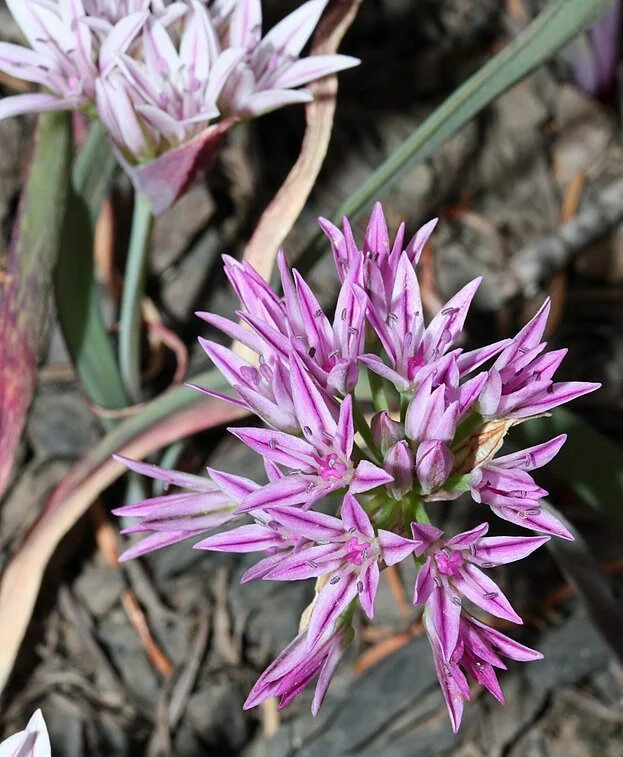
Olympic Onion Seeds – Allium crenulatum Flower Seeds – 10 Seed Pack – Outdoor Native Plant
Sold 50 products
Original price was: $25.00.$17.50Current price is: $17.50.
Sold 50 products
Original price was: $25.00.$17.50Current price is: $17.50.
Flower Seeds
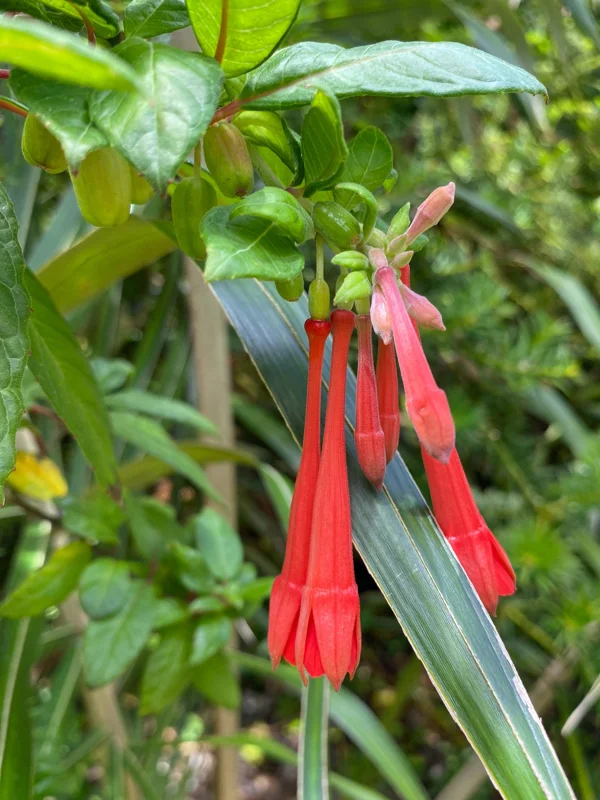
Fuchsia vulcanica Seeds – 20 Pack – Vibrant Orange Coral Flowers for Garden & Containers
Sold 50 products
Original price was: $25.00.$17.50Current price is: $17.50.
Sold 50 products
Original price was: $116.98.$95.68Current price is: $95.68.
Sold 50 products
Original price was: $21.00.$14.10Current price is: $14.10.
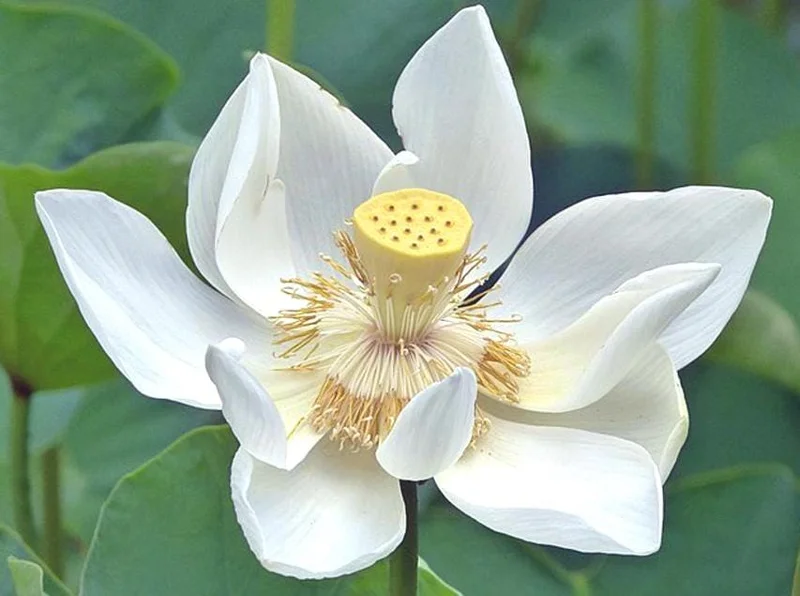
Aquatic Plant Seeds
White Lotus Seeds – Nelumbo Nucifera Aquatic Pond Plant – 5 Seeds for Water Garden
Sold 50 products
Original price was: $29.00.$20.90Current price is: $20.90.RELATED posts
Awapuhi Wild Ginger Plant: Zones, Care, and Propagation
Learn which USDA zones suit awapuhi wild ginger, plus sunlight, water, planting, propagation, pests, size, [...]
Awapuhi Shampoo Ginger – Care, Growing Zones, and Differences
Learn how to grow awapuhi (shampoo) ginger, its USDA zones, watering schedule, propagation tips, and [...]
Awapuhi Shampoo Plant Buying Guide – Choose the Right Zingiber zerumbet
META: Learn which awapuhi (shampoo ginger) plant or rhizome pack gives the best natural shampoo, [...]
Awapuhi Plant for Sale: Complete Buying Guide
Find the right awapuhi (shampoo ginger) plant, size, price, soil mix, and online source. Practical [...]
Shampoo Ginger Plant for Sale – Buying Guide & Tips
Find the right shampoo ginger plant, size, price, and care tips. Quick guide for U.S. [...]
Shampoo Ginger Plant (Awapuhi) Care Guide
Learn how to grow, care for, and use shampoo ginger (Zingiber zerumbet), the tropical awapuhi [...]
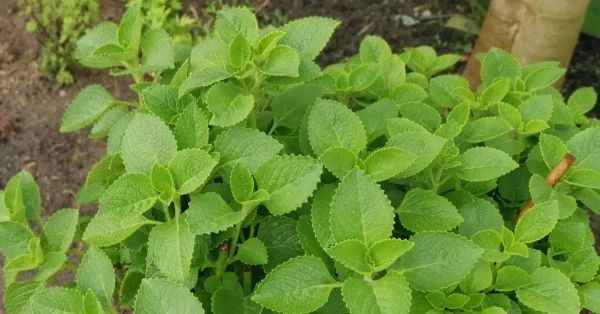
How to Grow Cuban Oregano Plants: A Complete Care Guide
If you’ve ever wanted a plant that combines the culinary punch of traditional oregano with [...]
Aug
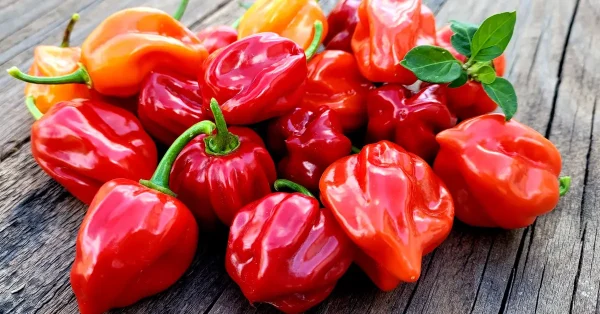
How to Grow Habanero Pepper Plants: A Step-by-Step Guide
Habanero pepper plants are prized for their vibrant colors, intense heat, and exceptional flavor, making [...]
Aug

Reviews
There are no reviews yet.