
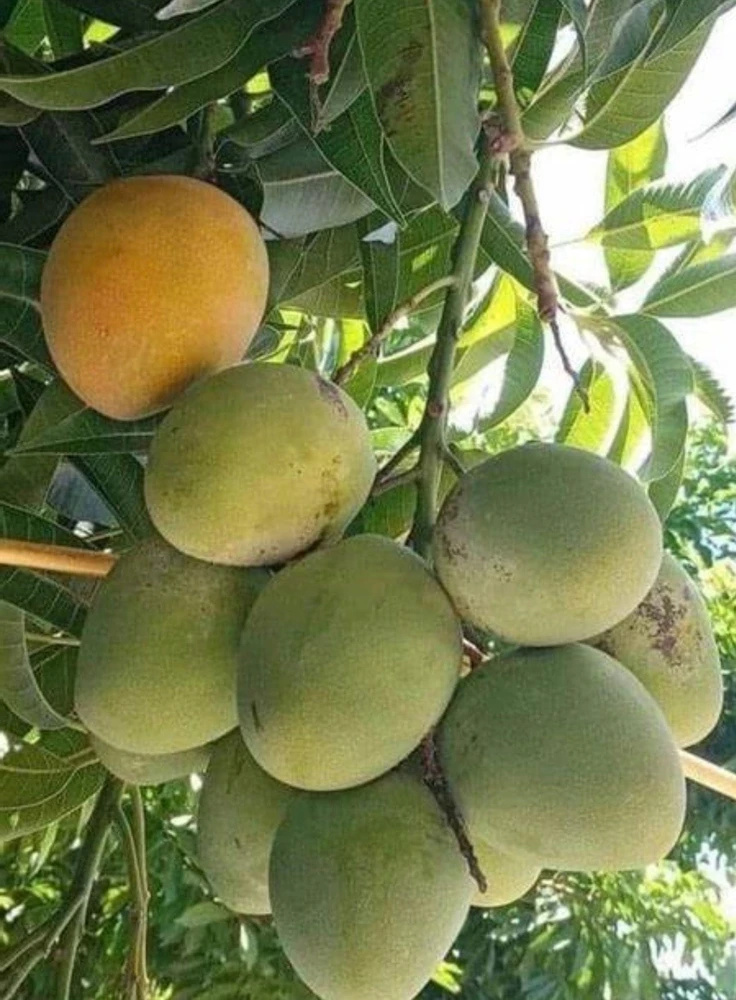
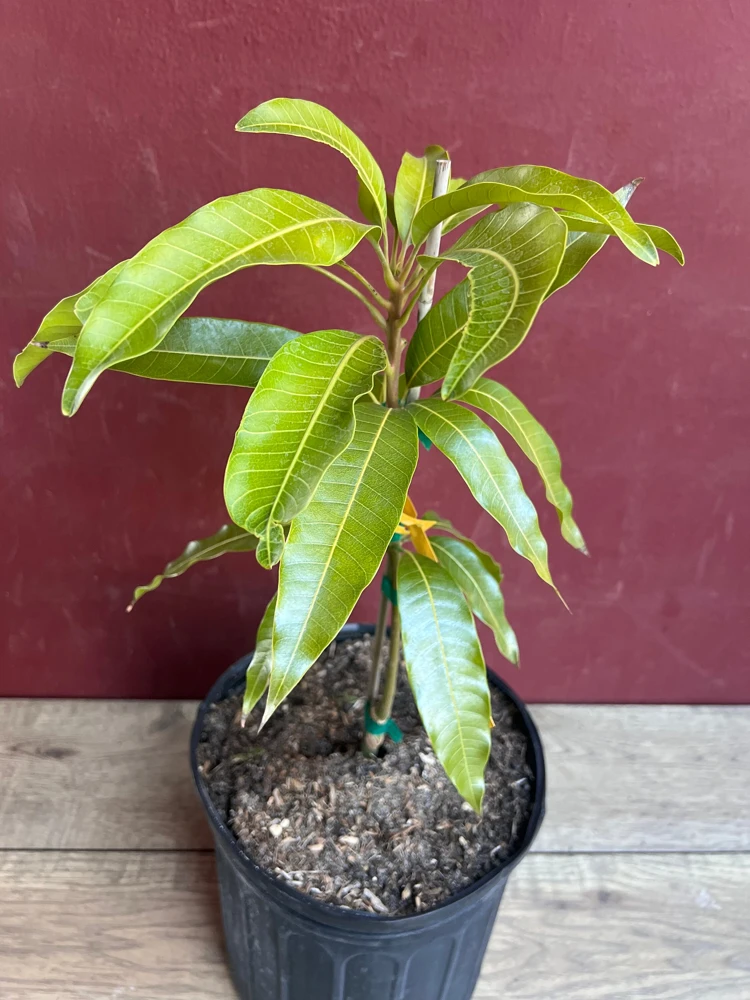
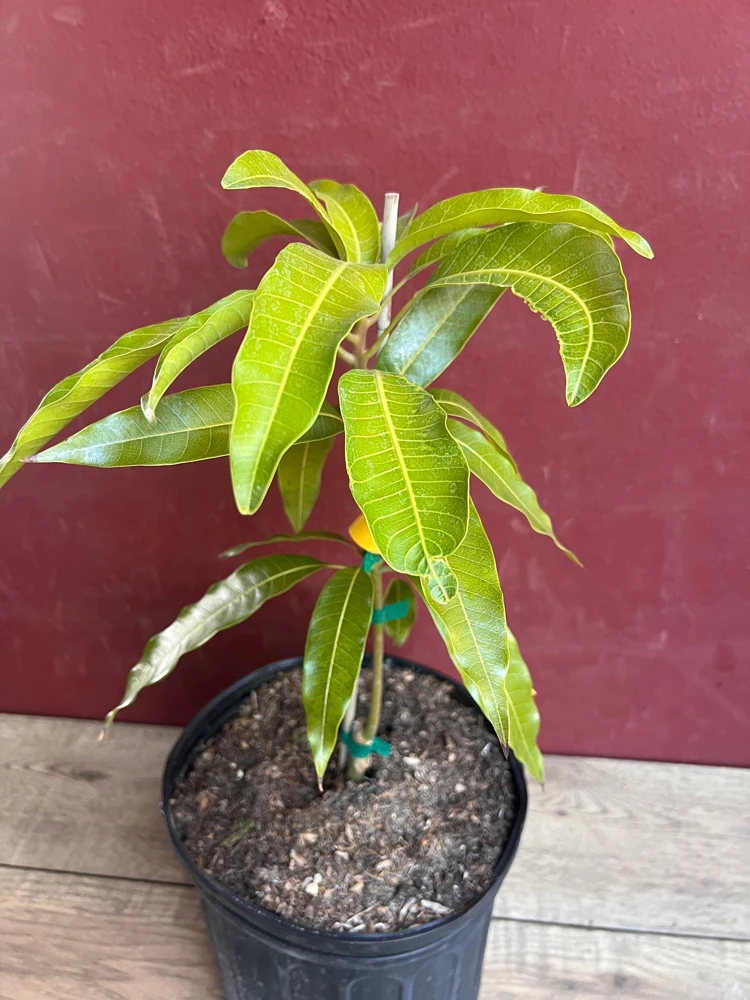
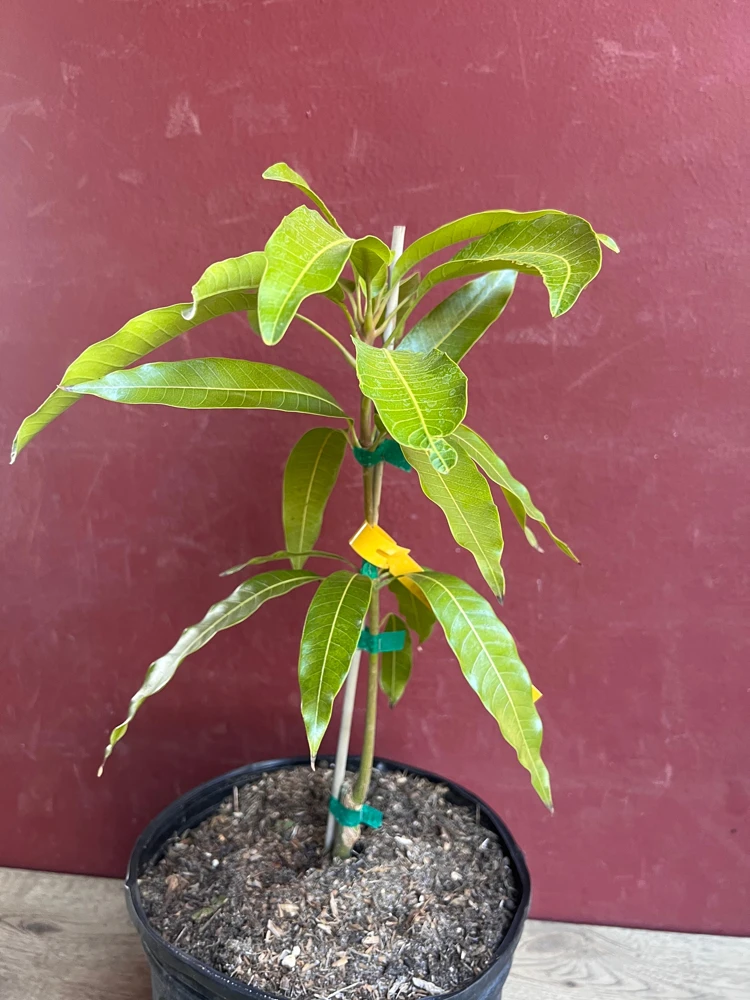
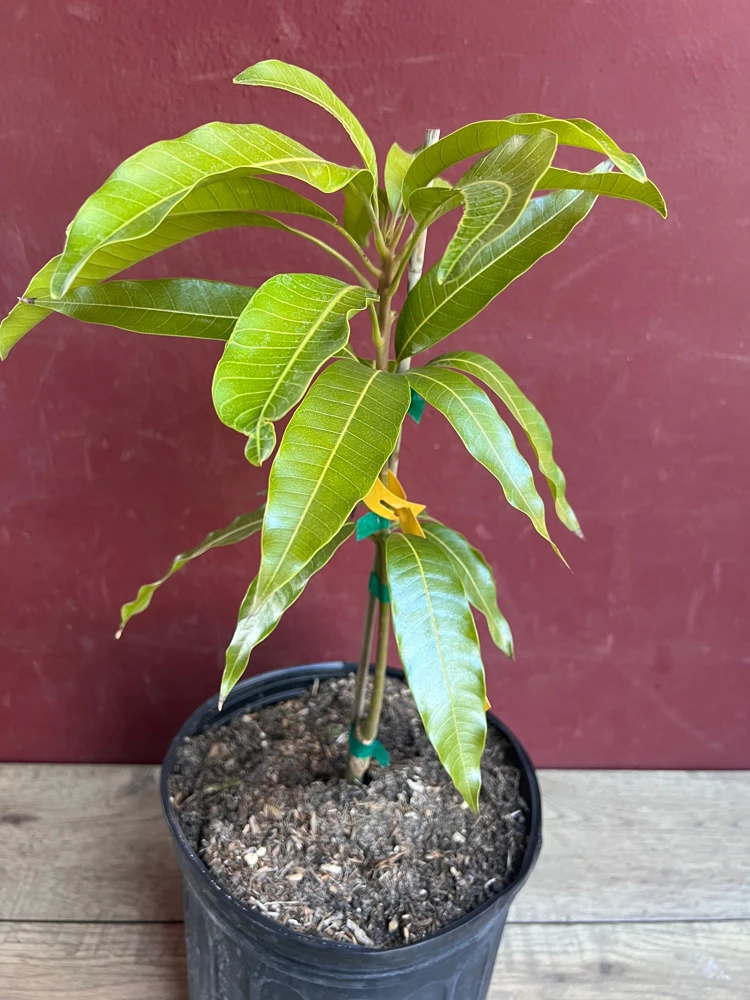
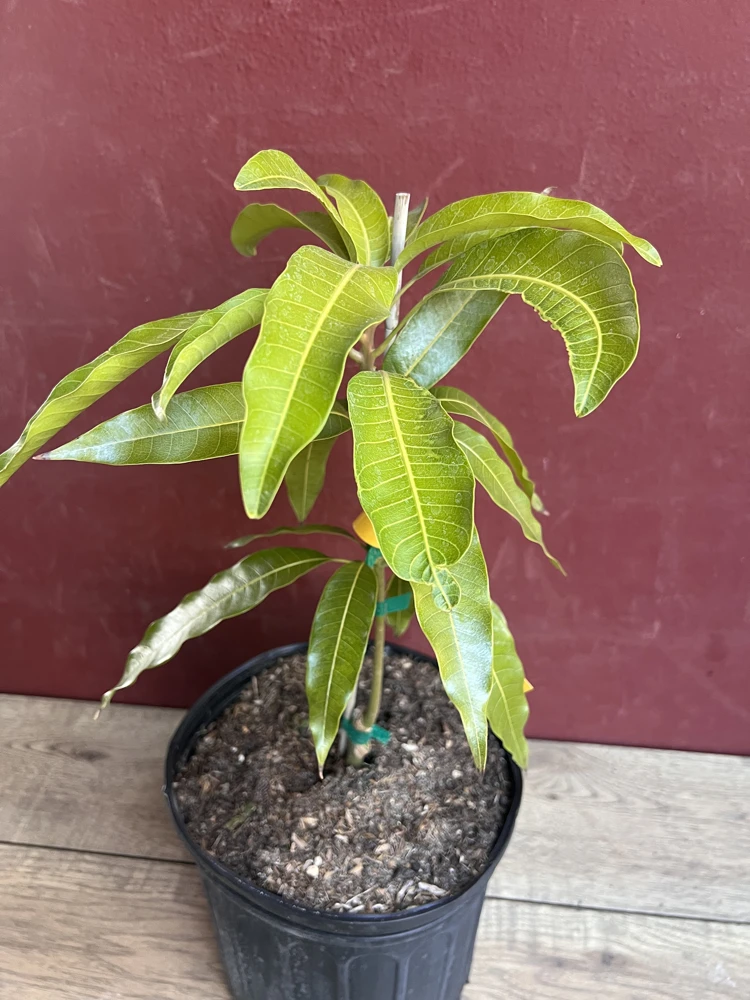
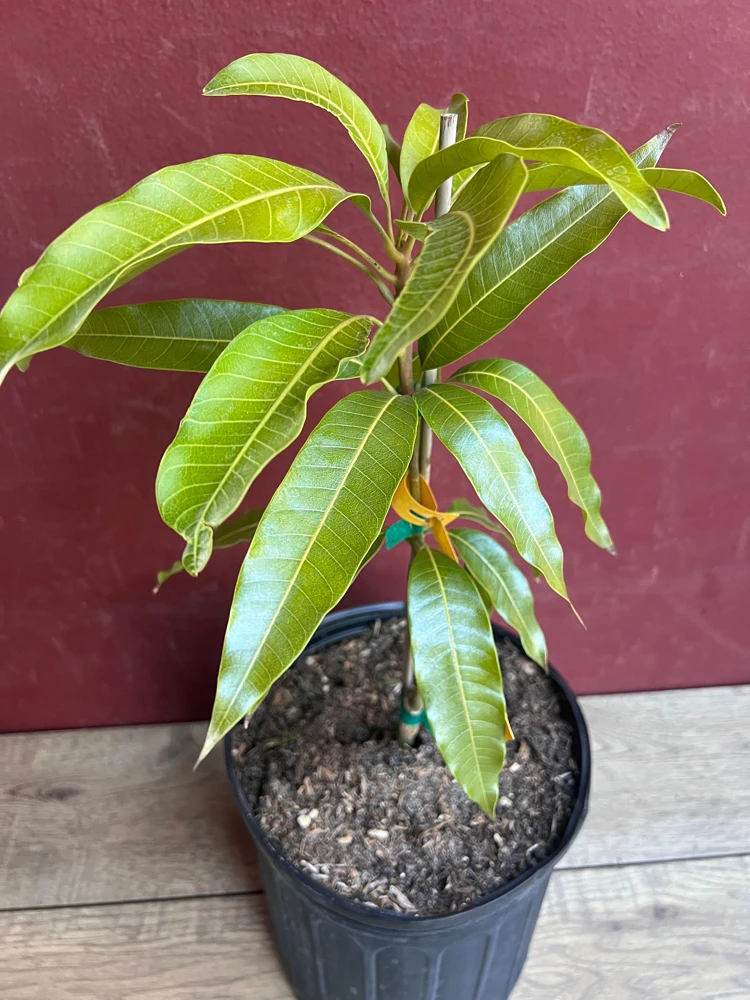
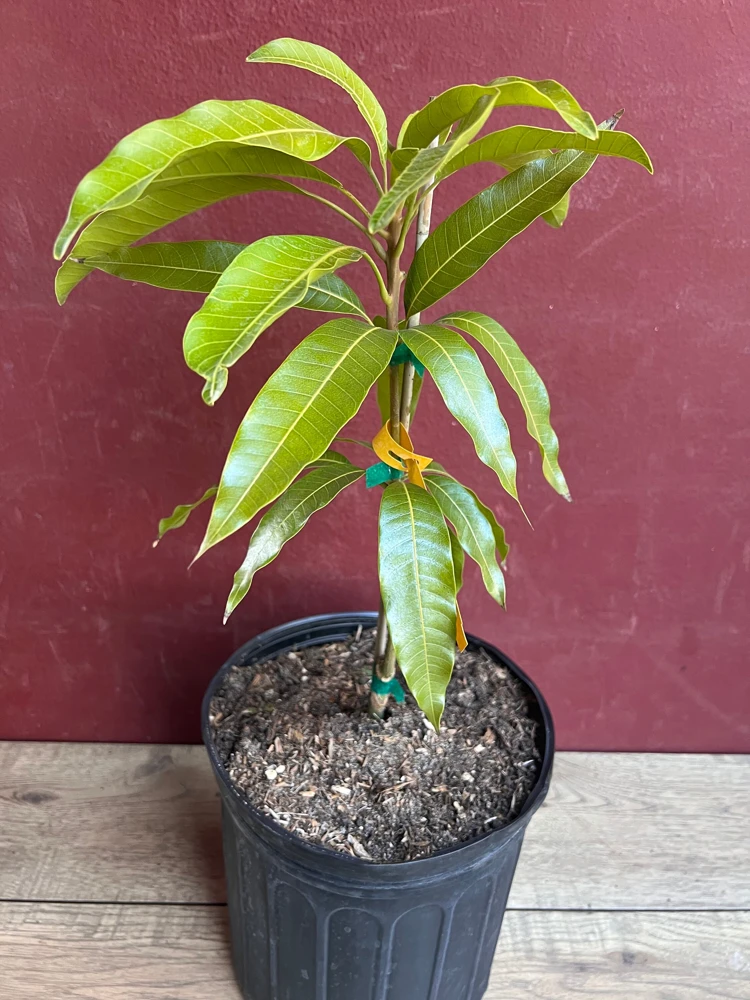
Fruit Punch Mango Tree Live Plant – Grafted – 3 Gallon Pot – Outdoor – Cannot ship to CA
Original price was: $239.81.$144.65Current price is: $144.65.
Bring the tropics to your garden with a fruit punch mango tree. This grafted live plant comes in a 3-gallon pot, ready to produce sweet, flavorful mangoes with notes of pineapple and peach. Ideal for outdoor growing in warm climates.
Shipping and Return policies:
We stand behind our plants with our Alive & Thrive Guarantee. If you experience any issues within the first 30 days, please email us, and our team will be happy to help. When needed, we’ll send you a one-time replacement free of charge to make sure your garden keeps growing strong.

Reasonable Price
We offer reasonable price

Support 24/7
Contact us 24 hrs a day
100% Money Back
You’ve 30 days to Return
Payment Secure
100% secure payment
Overview
Introducing the extraordinary fruit punch mango tree, a delightful addition for any home gardener seeking a taste of the tropics. This grafted live plant, provided in a robust 3-gallon pot, is renowned for its uniquely flavored fruit that truly lives up to its name. The Fruit Punch mango is a hybrid variety, carefully developed to offer a distinct taste reminiscent of a tropical fruit punch, blending classic mango sweetness with bright, zesty undertones. Each fruit punch mango tree promises to transform your backyard into an exotic orchard, yielding vibrant, smooth-textured mangoes that are a joy to harvest and savor.
Cultivating a grafted mango tree like the Fruit Punch variety offers numerous advantages, including earlier fruiting and consistent fruit quality compared to seed-grown plants. This particular mango cultivar is cherished for its refreshing taste profile, which often includes delightful notes of pineapple, peach, and citrus. If you’re a fan of mangoes and eager to explore new, exciting varieties, the fruit punch mango tree is an excellent choice. Its vigorous growth and delicious yield make it a rewarding project for both novice and experienced gardeners, ensuring a continuous supply of exquisite tropical fruit.
Key Benefits
The fruit punch mango tree offers a multitude of benefits, making it a highly desirable plant for any garden. From its delicious fruit to its ornamental value, this tree enriches your outdoor space in many ways.
- Exceptional Flavor Profile: Enjoy mangoes with a unique, complex taste that combines traditional mango sweetness with refreshing notes of pineapple, peach, and citrus, truly living up to its “fruit punch” name. Growing a fruit punch mango tree means having access to these gourmet fruits right at home.
- High Yield Potential: Grafted mango trees are known for their ability to produce fruit sooner and more reliably than seed-grown trees, offering abundant harvests of delicious mangoes when properly cared for. This makes the grafted mango tree a productive investment.
- Versatile Culinary Uses: The sweet and tangy flavor of Fruit Punch mangoes makes them perfect for eating fresh, blending into smoothies, adding to fruit salads, creating delectable desserts, or even incorporating into savory dishes like salsas and chutneys.
- Ornamental Garden Addition: Beyond its fruit, the fruit punch mango tree is an attractive plant with lush green foliage, providing a beautiful tropical aesthetic to your garden or patio. It enhances the visual appeal of any landscape.
- Health Benefits: Mangoes are rich in vitamins, minerals, and antioxidants, contributing to a healthy diet. Having your own tropical fruit tree ensures a fresh, organic source of these nutritious fruits.
- Long-Term Investment: A well-maintained mango tree can provide decades of fruit, making it a sustainable and rewarding long-term investment for your home and health.
- Adaptability: While preferring warm climates, this mango tree outdoor variety can thrive in various suitable environments, bringing tropical joy to a wider range of gardeners.
Plant Care & Growing Tips
Caring for your fruit punch mango tree involves understanding its specific needs for sunlight, water, and soil to ensure optimal growth and fruit production. Mango trees thrive in warm conditions and require plenty of sunlight. They prefer full sun, meaning at least 6 hours of direct light per day, though they can tolerate partial sun (4 hours) with potentially less reliable fruiting. Good air circulation is also essential for a healthy tree.
When it comes to watering, consistency is key, especially during warmer months. Water your grafted mango tree a few times a week during the growing season, allowing the topsoil to dry slightly between waterings. In winter, reduce watering to once every two weeks. Proper drainage is crucial; mangoes do not tolerate soggy roots. For soil, a well-draining mixture is vital. If planting in a container, use a lightweight, nutritive potting soil. A suggested mix includes 40% compost, 40% mulch/peat moss, and 20% sand and perlite, with a base layer of broken pottery or gravel for enhanced drainage.
Fertilization is important for a thriving fruit punch mango tree. Fertilize in spring, summer, and fall. Young trees need higher nitrogen, but once they start bearing fruit, switch to a fertilizer with higher phosphorus and potassium (e.g., 5-8-10 NPK) to promote flowering and fruiting. Organic options like compost, rock phosphate, guano, blood meal, bone meal, seaweed, or potassium sulfate can also provide these nutrients. Maintain average temperatures between low 60s to high 90s Fahrenheit. Protecting your mango tree outdoor from frost is essential in cooler climates.
Size & Details
This fruit punch mango tree is a live, grafted plant, delivered in a 3-gallon nursery pot, ready for planting upon arrival. Grafted trees typically begin bearing fruit sooner than trees grown from seed, often within 2-4 years under ideal conditions. The mature height of a Fruit Punch mango tree can vary depending on growing conditions and pruning, but they generally reach 10-20 feet tall when planted in the ground, making them a manageable size for many home gardens. For container growing, regular pruning can maintain a more compact, desk-friendly size, allowing for an indoor tropical fruit tree experience in colder regions.
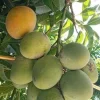
The tree will arrive healthy and well-established in its 3-gallon container, similar to the pictures provided. This size provides a good head start for growth and establishment in your garden. With proper care, you can expect this grafted mango tree to grow vigorously and provide delicious fruit for many years. It is important to note that this specific variety is a mango tree outdoor plant in USDA Zones 9-11, requiring protection or indoor care in colder climates.
Frequently Asked Questions
- Q: How big does this Fruit Punch Mango Tree get? A: When planted in the ground, a fruit punch mango tree can reach heights of 10-20 feet. In containers, its size can be managed with regular pruning to keep it more compact and suitable for smaller spaces or patios.
- Q: What size pot does it come in? A: This grafted mango tree is shipped in a 3-gallon nursery pot, providing a strong root system and a good start for growth in your garden.
- Q: Is this an indoor or outdoor plant? A: The fruit punch mango tree is primarily an outdoor plant, thriving in warm, tropical, or subtropical climates (USDA Zones 9-11). It can be grown indoors in a large container in colder regions, provided it receives sufficient light and warmth.
- Q: How much sunlight does it need? A: For optimal fruiting, this tropical fruit tree requires full sun, meaning at least 6 hours of direct sunlight per day. It can tolerate partial sun but may produce less fruit.
- Q: Is this plant easy to care for? A: Mango trees require consistent care, especially regarding watering, sunlight, and proper fertilization. They are not considered extremely difficult but do need attention to thrive, making them a moderately easy plant for gardeners with some experience.
- Q: What condition will it arrive in? A: Your fruit punch mango tree will arrive as a healthy, live plant in its 3-gallon pot, well-packaged to ensure its safety during transit.
- Q: When is the best time to plant a mango tree? A: The best time to plant a mango tree outdoor is in spring or early summer after the last chance of frost has passed, allowing it ample time to establish before cooler weather.
- Q: What type of soil is best for a Fruit Punch Mango Tree? A: A well-draining soil mix is crucial. For container planting, a blend of compost, mulch/peat moss, sand, and perlite with good drainage at the bottom is recommended for your fruit punch mango tree.
- Q: How long until it starts producing fruit? A: As a grafted tree, you can typically expect your grafted mango tree to start producing fruit within 2-4 years after planting, given proper care and ideal growing conditions.
- Q: Will it survive winter in my zone? A: The fruit punch mango tree is suitable for USDA Zones 9-11. If you are in a colder zone, you will need to provide winter protection or grow it in a container that can be moved indoors during cold periods.
Be the first to review “Fruit Punch Mango Tree Live Plant – Grafted – 3 Gallon Pot – Outdoor – Cannot ship to CA”
You must be logged in to post a review.
People also Viewed
Sold 50 products
$32.38
Sold 50 products
$27.38
Sold 50 products
$32.38
Sold 50 products
$19.88
Sold 50 products
$62.38
Sold 50 products
$24.88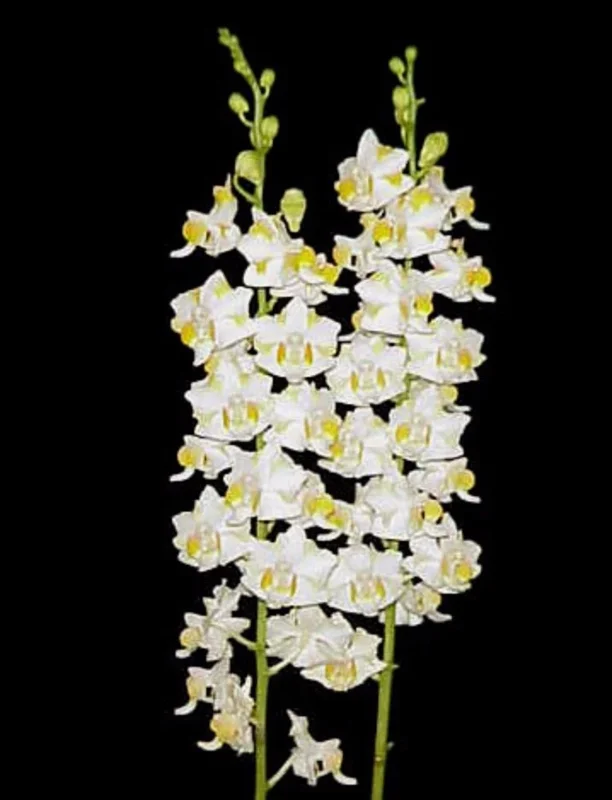
Houseplants
Phalaenopsis pulcherrima ‘Mauna Kea Snow’ Orchid Live Plant – White Flowers, Potted 2.5 in
Sold 50 products
$49.88
Sold 50 products
$49.88RELATED posts
Awapuhi Wild Ginger Plant: Zones, Care, and Propagation
Learn which USDA zones suit awapuhi wild ginger, plus sunlight, water, planting, propagation, pests, size, [...]
Awapuhi Shampoo Ginger – Care, Growing Zones, and Differences
Learn how to grow awapuhi (shampoo) ginger, its USDA zones, watering schedule, propagation tips, and [...]
Awapuhi Shampoo Plant Buying Guide – Choose the Right Zingiber zerumbet
META: Learn which awapuhi (shampoo ginger) plant or rhizome pack gives the best natural shampoo, [...]
Awapuhi Plant for Sale: Complete Buying Guide
Find the right awapuhi (shampoo ginger) plant, size, price, soil mix, and online source. Practical [...]
Shampoo Ginger Plant for Sale – Buying Guide & Tips
Find the right shampoo ginger plant, size, price, and care tips. Quick guide for U.S. [...]
Shampoo Ginger Plant (Awapuhi) Care Guide
Learn how to grow, care for, and use shampoo ginger (Zingiber zerumbet), the tropical awapuhi [...]
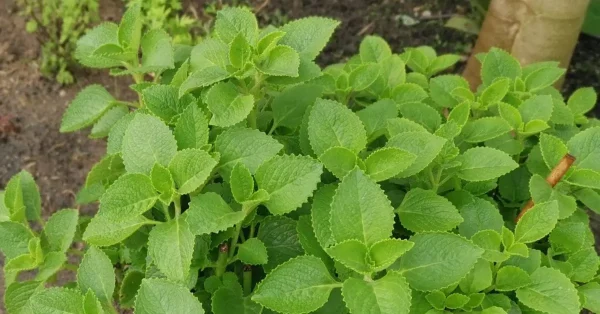
How to Grow Cuban Oregano Plants: A Complete Care Guide
If you’ve ever wanted a plant that combines the culinary punch of traditional oregano with [...]
Aug
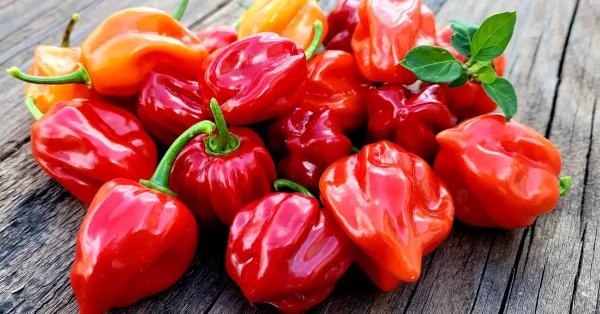
How to Grow Habanero Pepper Plants: A Step-by-Step Guide
Habanero pepper plants are prized for their vibrant colors, intense heat, and exceptional flavor, making [...]
Aug
Reviews
There are no reviews yet.