
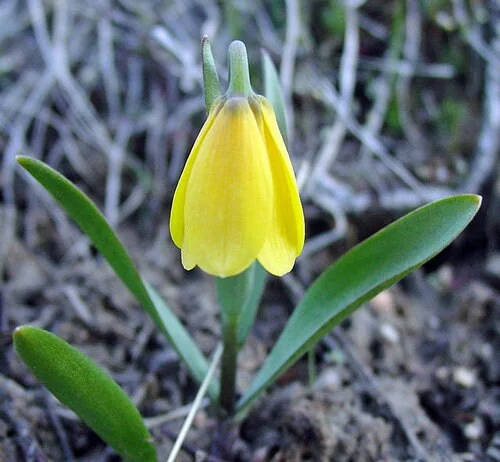
Fritillaria Pudica Seeds – Yellow Fritillary Wildflower – 10 Seeds – Outdoor
Original price was: $25.00.$17.50Current price is: $17.50.
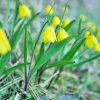
Cultivate stunning wildflowers with our Fritillaria pudica seeds. This pack of 10 seeds allows you to grow the beautiful Yellow Fritillary, known for its vibrant yellow, bell-shaped flowers. Ideal for naturalistic gardens and attracting pollinators, these perennial seeds bring delicate charm to any outdoor space.
Shipping and Return policies:
We stand behind our plants with our Alive & Thrive Guarantee. If you experience any issues within the first 30 days, please email us, and our team will be happy to help. When needed, we’ll send you a one-time replacement free of charge to make sure your garden keeps growing strong.

Reasonable Price
We offer reasonable price

Support 24/7
Contact us 24 hrs a day
100% Money Back
You’ve 30 days to Return
Payment Secure
100% secure payment
Overview
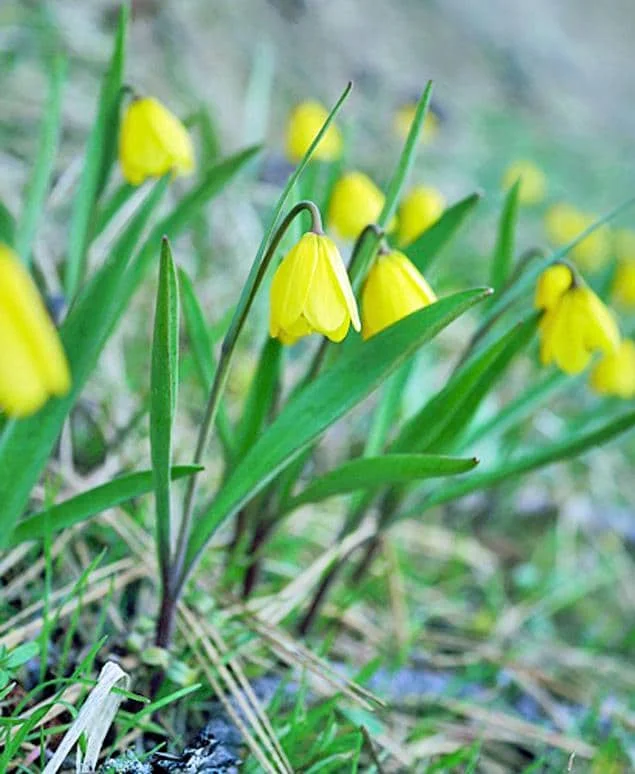
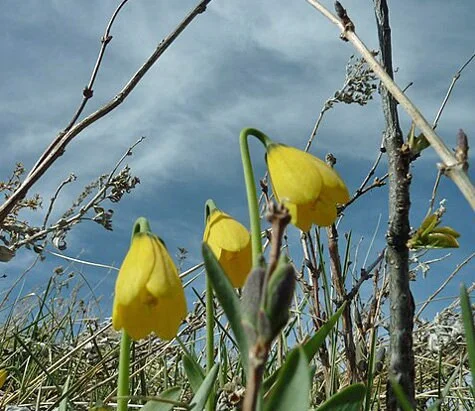
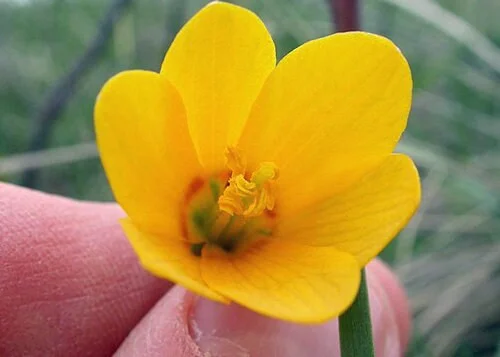
Embark on a rewarding gardening journey by planting Fritillaria pudica seeds, commonly known as Yellow Fritillary or Yellow Mission Bells. This exquisite perennial wildflower is a native of western North America, bringing a touch of natural elegance to any garden or landscape. Each packet contains 10 high-quality seeds, ready to be nurtured into charming plants featuring bright yellow, bell-shaped flowers. The delicate appearance and vibrant color of the yellow fritillary seeds make them a popular choice for wildflower gardens, rockeries, and naturalistic settings, where they can thrive and provide essential nectar for local pollinators. Growing these seeds allows you to contribute to local ecosystem diversity while enjoying their unique beauty.
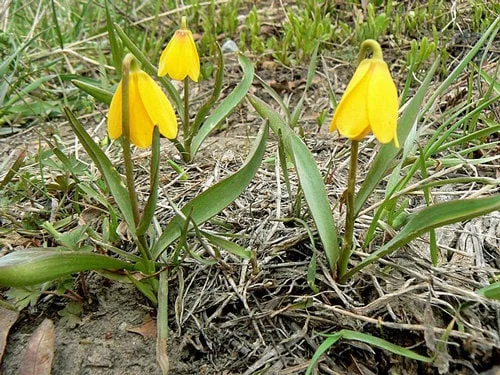
The Fritillaria pudica seeds promise a delightful display of bell-shaped blooms that typically appear in spring. These plants are relatively low-growing, reaching heights of approximately 8-16 inches (20-40 cm), making them suitable for various garden designs, from border accents to mass plantings in meadows. The narrow, lance-shaped leaves complement the distinctive flowers, creating an overall appealing aesthetic. With proper care and attention to their specific germination requirements, these seeds will flourish into robust plants that return year after year, enriching your outdoor space with their vibrant charm.
Key Benefits
Planting Fritillaria pudica seeds offers a myriad of benefits for both your garden and the environment. These unique wildflowers provide significant ecological value and aesthetic appeal:
- Vibrant Floral Display: The bright yellow, bell-shaped flowers of the Yellow Fritillary create a cheerful and striking visual impact in spring, adding a splash of color to your garden when many other plants are just beginning to emerge.
- Pollinator Attraction: Fritillaria pudica is an excellent source of nectar for bees and other beneficial insects, making it a valuable addition to any pollinator-friendly garden and supporting local biodiversity.
- Naturalistic Landscape Enhancement: Perfect for creating a natural, meadow-like feel, these wildflowers integrate seamlessly into native plant gardens, open woodlands, and grassland designs, enhancing the natural beauty of your outdoor space.
- Low Maintenance Perennial: Once established, the Yellow Fritillary is a hardy and resilient perennial that requires minimal ongoing care, returning year after year with its charming blooms.
- Adaptable Growth: Native to diverse habitats, these plants are well-suited for a range of conditions within their hardiness zones, making them a versatile choice for many gardeners.
- Unique Appeal: The distinctive form and color of the Yellow Fritillary flowers offer a unique aesthetic that stands out from more common garden blooms, providing an interesting focal point.
- Erosion Control: In natural settings, their root systems can help stabilize soil, contributing to erosion control in appropriate landscapes.
Plant Care & Growing Tips
Successful germination and growth of Fritillaria pudica seeds require specific care, particularly regarding seed stratification. To begin, clean your yellow fritillary seeds to remove any debris. Cold stratification is crucial for breaking seed dormancy; place the seeds in a damp paper towel within a plastic bag and refrigerate for several weeks. This mimics their natural winter cycle and prepares them for germination. After stratification, sow the seeds lightly in well-draining soil. A mix of sand and compost works well to ensure adequate drainage and nutrients.
Maintain consistent moisture in the soil, ensuring it is damp but not waterlogged, which can lead to rot. Provide a cool, shaded environment for germination, with temperatures ideally ranging from 50-60°F (10-15°C). Germination can be a slow process, sometimes taking several weeks to a few months, so patience is key. Once seedlings emerge, transition them to an area with bright, indirect light. As they develop true leaves, transplant them carefully into individual pots, allowing them space to grow. Gradually acclimate the young plants to outdoor conditions before planting them in their final spot in your garden, ensuring they have well-draining soil and partial sunlight. The Fritillaria pudica germination process is meticulous but rewarding.
For established plants, Fritillaria pudica thrives in USDA Zones 5-7. They prefer partial sun to dappled shade, especially in warmer climates, to protect their delicate flowers from intense afternoon heat. While they appreciate consistent moisture during their active growing season in spring, they are relatively drought-tolerant once dormant in summer. Avoid overwatering, which can lead to bulb rot. Fertilization is generally not heavily required; a light application of a balanced, slow-release fertilizer in early spring can support vigorous growth. Keep an eye out for common garden pests, though Fritillaria species are generally resistant to most. With these detailed tips, your yellow mission bells seeds will grow into robust, beautiful wildflowers.
Size & Details
This product includes 10 high-quality Fritillaria pudica seeds, carefully selected to ensure optimal germination potential. Once grown, the Yellow Fritillary plants typically reach a modest height of about 8-16 inches (20-40 cm), making them suitable for various garden applications without overpowering other plants. Their slender stature and delicate bell-shaped flowers create an elegant presence. The plant develops narrow, lance-shaped leaves that emerge in spring alongside the blooms.
The seeds are ready for planting after a period of cold stratification, and with proper care, you can expect germination to occur over several weeks to months. The plants will establish over their first year, with blooms typically appearing in subsequent springs. They are shipped as dry seeds, ensuring easy storage until you are ready to begin the germination process. These perennial wildflowers will return reliably year after year, providing continuous beauty and ecological benefits to your garden.
Frequently Asked Questions
- Q: How big does Fritillaria pudica get? A: The Fritillaria pudica plant typically grows to a height of about 8-16 inches (20-40 centimeters) with slender stems and bell-shaped flowers. Its compact size makes it suitable for various garden settings.
- Q: Is this an indoor or outdoor plant? A: Yellow Fritillary is an outdoor perennial wildflower native to western North America. It thrives in naturalistic landscapes, meadows, and open woodlands. It is not typically grown as an indoor houseplant.
- Q: How much sunlight do Fritillaria pudica seeds need for germination? A: After cold stratification, sow Fritillaria pudica seeds in a cool, shaded environment for germination. Once seedlings emerge, they prefer bright, indirect light before being acclimated to partial sunlight outdoors.
- Q: Is this plant easy to care for? A: While germinating Fritillaria pudica seeds requires specific steps like cold stratification and consistent moisture, established plants are relatively low-maintenance perennials, making them a rewarding choice for gardeners.
- Q: What condition will the seeds arrive in? A: The product consists of 10 dry Fritillaria pudica seeds, carefully packaged to ensure their viability and readiness for the stratification and planting process upon arrival.
- Q: How long until Fritillaria pudica blooms? A: After successful germination from yellow fritillary seeds, the plants typically establish their root system in the first year. Blooms usually appear in the spring of the second year and in subsequent years.
- Q: Will Fritillaria pudica survive winter in my zone? A: Yes, Fritillaria pudica is hardy in USDA Zones 5-7. It is a perennial plant that is well-adapted to surviving cold winters within these zones, returning each spring with new growth and flowers.
- Q: What type of soil is best for growing yellow fritillary? A: Yellow Fritillary seeds and plants prefer well-draining soil. A mix that includes sand and compost is ideal to prevent waterlogging and ensure healthy root development.
- Q: Do these seeds attract pollinators? A: Absolutely! Fritillaria pudica flowers are known to provide nectar for pollinators, making them an excellent choice for supporting local bee populations and other beneficial insects in your garden.
- Q: When is the best time to plant Fritillaria pudica seeds? A: The best time to plant Fritillaria pudica seeds is typically in the fall or late winter after they have undergone their required cold stratification period, mimicking their natural outdoor cycle.
Be the first to review “Fritillaria Pudica Seeds – Yellow Fritillary Wildflower – 10 Seeds – Outdoor”
You must be logged in to post a review.
People also Viewed
Sold 50 products
Original price was: $109.95.$79.98Current price is: $79.98.
Sold 50 products
Original price was: $25.00.$17.50Current price is: $17.50.
Flower Seeds
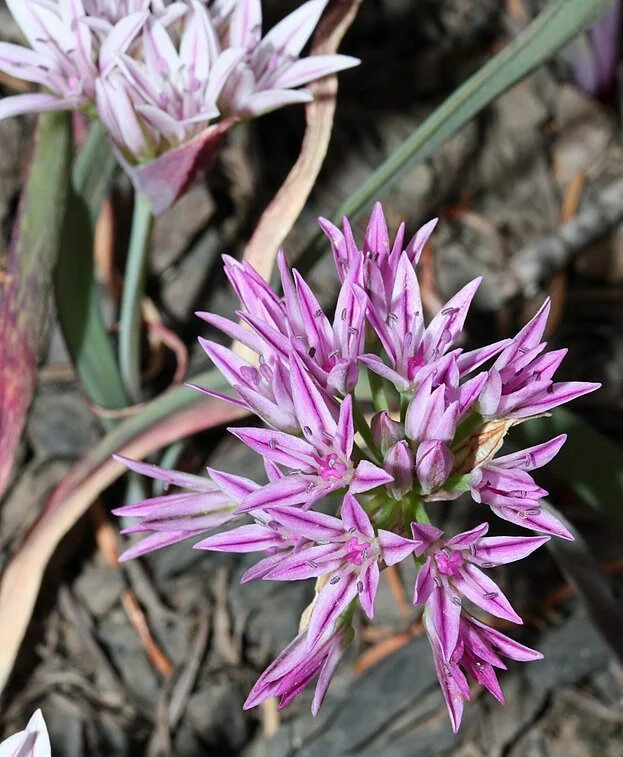
Olympic Onion Seeds – Allium crenulatum Flower Seeds – 10 Seed Pack – Outdoor Native Plant
Sold 50 products
Original price was: $25.00.$17.50Current price is: $17.50.
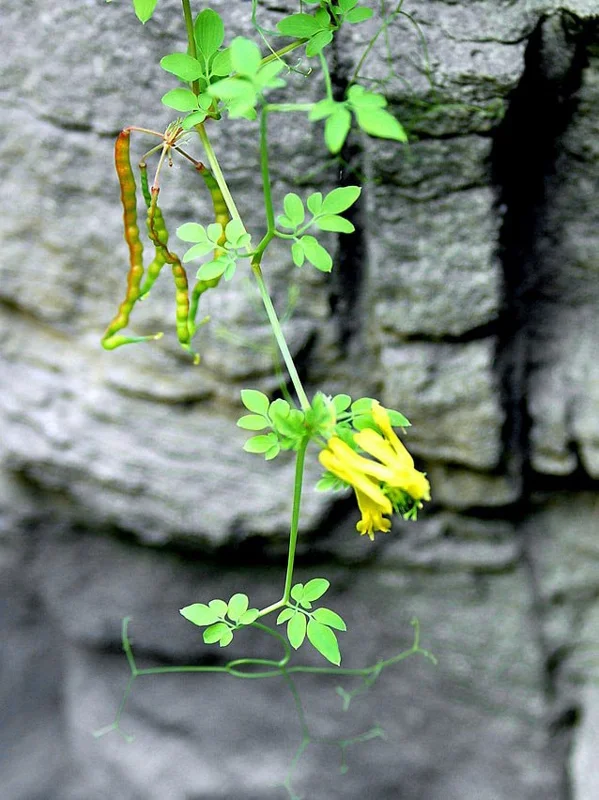
Sold 50 products
Original price was: $25.00.$17.50Current price is: $17.50.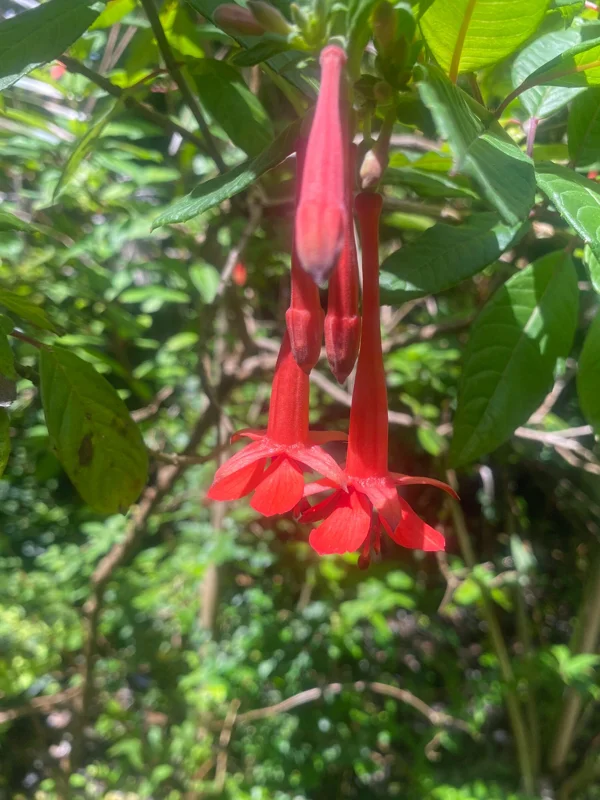
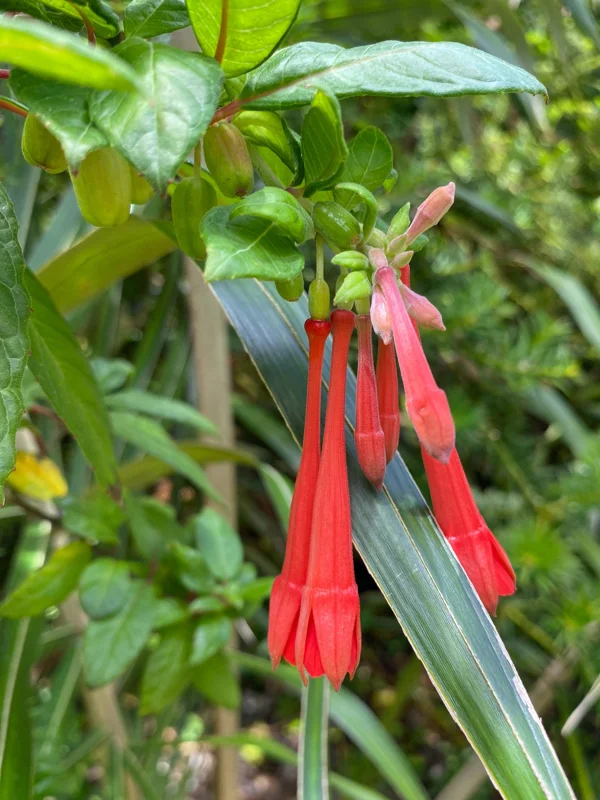
Flower Seeds
Fuchsia vulcanica Seeds – 20 Pack – Vibrant Orange Coral Flowers for Garden & Containers
Sold 50 products
Original price was: $25.00.$17.50Current price is: $17.50.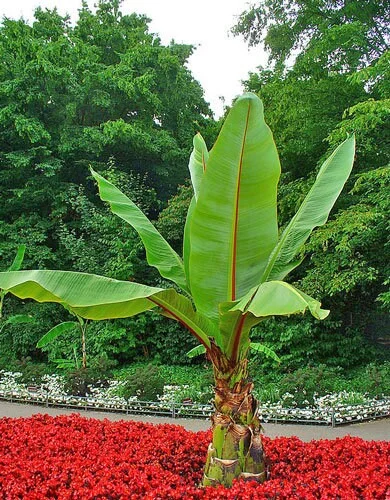
Sold 50 products
Original price was: $116.98.$95.68Current price is: $95.68.
Sold 50 products
Original price was: $21.00.$14.10Current price is: $14.10.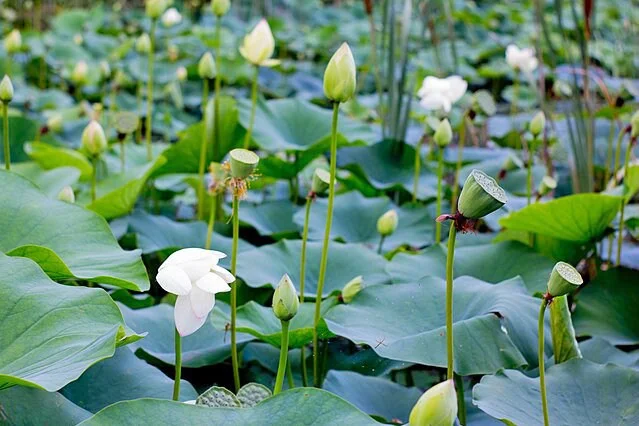
Aquatic Plant Seeds
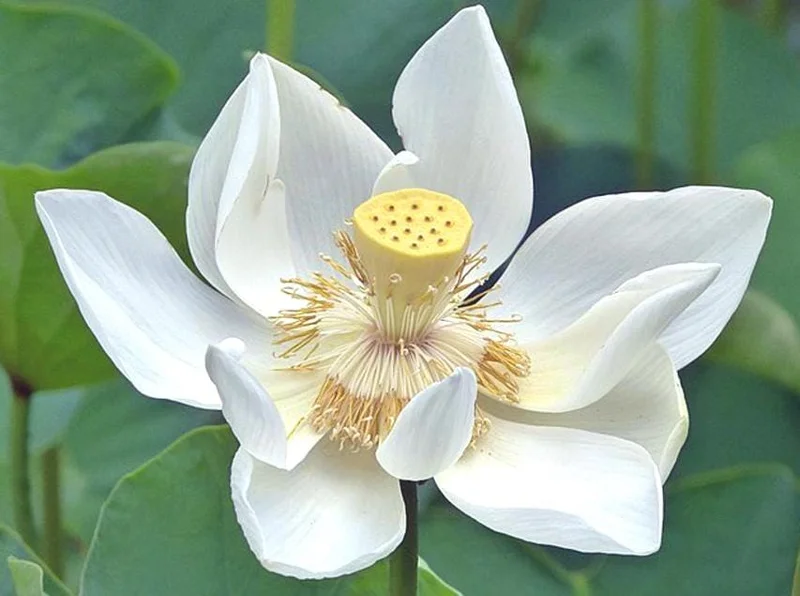
White Lotus Seeds – Nelumbo Nucifera Aquatic Pond Plant – 5 Seeds for Water Garden
Sold 50 products
Original price was: $29.00.$20.90Current price is: $20.90.RELATED posts
Awapuhi Wild Ginger Plant: Zones, Care, and Propagation
Learn which USDA zones suit awapuhi wild ginger, plus sunlight, water, planting, propagation, pests, size, [...]
Awapuhi Shampoo Ginger – Care, Growing Zones, and Differences
Learn how to grow awapuhi (shampoo) ginger, its USDA zones, watering schedule, propagation tips, and [...]
Awapuhi Shampoo Plant Buying Guide – Choose the Right Zingiber zerumbet
META: Learn which awapuhi (shampoo ginger) plant or rhizome pack gives the best natural shampoo, [...]
Awapuhi Plant for Sale: Complete Buying Guide
Find the right awapuhi (shampoo ginger) plant, size, price, soil mix, and online source. Practical [...]
Shampoo Ginger Plant for Sale – Buying Guide & Tips
Find the right shampoo ginger plant, size, price, and care tips. Quick guide for U.S. [...]
Shampoo Ginger Plant (Awapuhi) Care Guide
Learn how to grow, care for, and use shampoo ginger (Zingiber zerumbet), the tropical awapuhi [...]
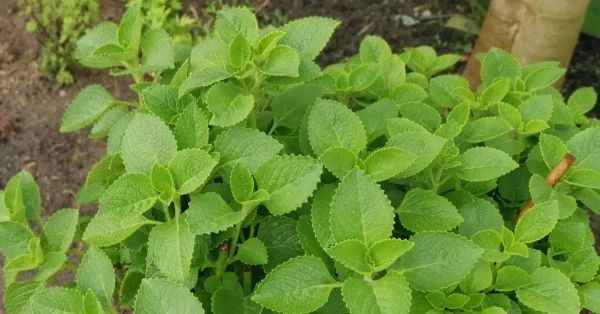
How to Grow Cuban Oregano Plants: A Complete Care Guide
If you’ve ever wanted a plant that combines the culinary punch of traditional oregano with [...]
Aug
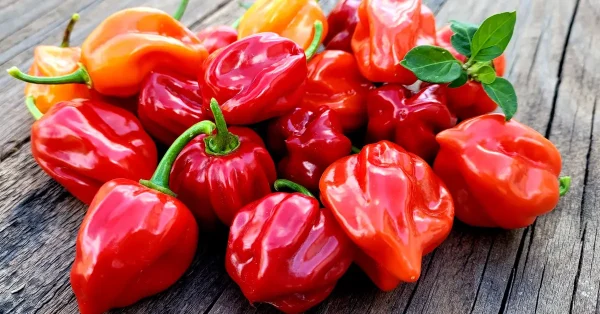
How to Grow Habanero Pepper Plants: A Step-by-Step Guide
Habanero pepper plants are prized for their vibrant colors, intense heat, and exceptional flavor, making [...]
Aug

Reviews
There are no reviews yet.