
Fringed Pink Dianthus Seeds – Superb Lavender Blooms for Garden Zones 3-9
Original price was: $23.00.$15.80Current price is: $15.80.
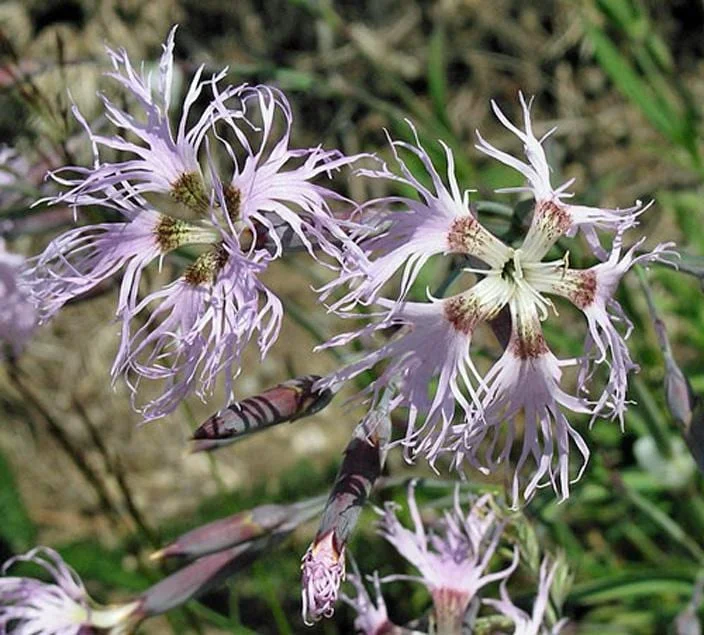
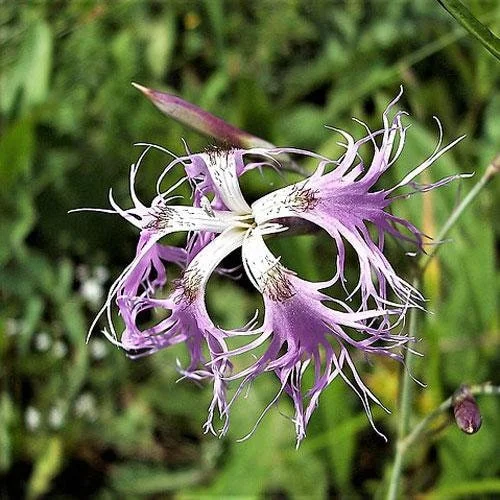
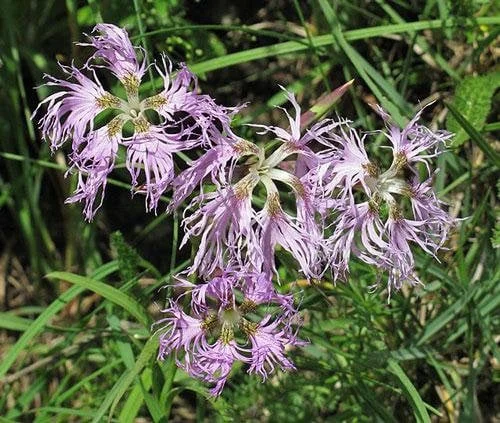
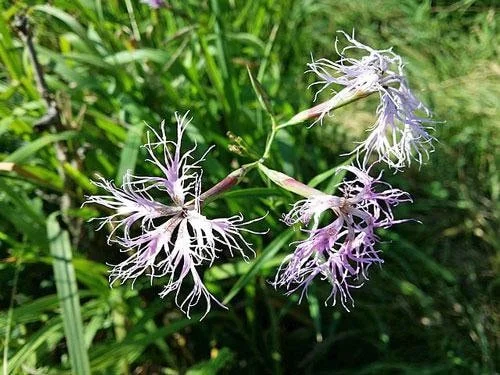
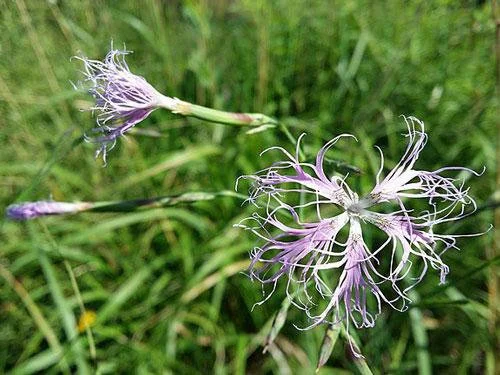
Cultivate stunning Fringed Pink Dianthus seeds for your garden. These perennial seeds produce exquisite lavender to pink blooms with a delightful sweet fragrance, perfect for attracting birds, bees, and butterflies. Ideal for gardeners in USDA Zones 3-9, they grow to about a foot tall.
Shipping and Return policies:
We stand behind our plants with our Alive & Thrive Guarantee. If you experience any issues within the first 30 days, please email us, and our team will be happy to help. When needed, we’ll send you a one-time replacement free of charge to make sure your garden keeps growing strong.

Reasonable Price
We offer reasonable price

Support 24/7
Contact us 24 hrs a day
100% Money Back
You’ve 30 days to Return
Payment Secure
100% secure payment
Overview
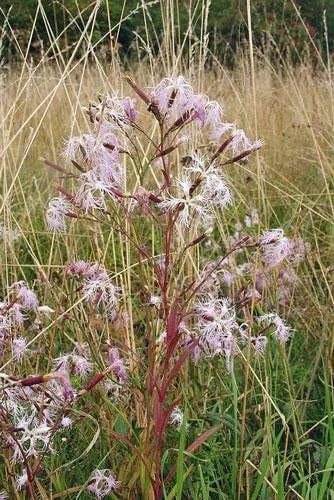
Embark on a rewarding gardening journey with Fringed Pink Dianthus seeds, scientifically known as Dianthus superbus. These exceptional perennial flower seeds promise to transform your outdoor space with their superb lavender to pink blooms and captivating sweet scent. Native to temperate Eurasia, this herbaceous perennial is also commonly referred to as Superb Pink or Large Pink, renowned for its delicate, fringed petals. Growing to a manageable height of about a foot, this plant forms attractive gray-green foliage mats, making it an excellent choice for borders, rock gardens, or mass plantings. Our Fringed Pink Dianthus seeds offer a unique opportunity to cultivate a beautiful, fragrant, and pollinator-friendly addition to your landscape, thriving in a wide range of climates from USDA Zones 3-9.
The charm of the Fringed Pink Dianthus seeds lies not only in its visual appeal but also in its intoxicating fragrance. These hardy seeds are designed for gardeners seeking a low-maintenance yet high-impact floral display. From late spring until early fall, your garden will be adorned with a continuous show of these unique, four-petaled flowers, creating a vibrant tapestry of color and aroma. Growing these Dianthus superbus seeds from scratch allows you to witness the full life cycle of this magnificent plant, providing a deeply satisfying gardening experience.
Key Benefits
Planting Fringed Pink Dianthus seeds offers a multitude of benefits for both your garden and the local ecosystem. These resilient seeds grow into robust plants that provide continuous beauty and fragrance throughout the growing season. Cultivating these lavender Dianthus seeds will enrich your garden in several ways:
- Stunning Visual Appeal: Enjoy a prolonged display of beautiful pink to lavender flowers with uniquely fringed petals, adding a delicate texture and vibrant color to any garden space.
- Delightful Fragrance: The sweetly scented blooms emit a captivating aroma, particularly when planted in groups, enhancing the sensory experience of your garden and creating a welcoming atmosphere.
- Attracts Pollinators: These flowers are a magnet for beneficial garden visitors, including birds, bees, and butterflies, supporting local biodiversity and contributing to a healthy garden ecosystem.
- Hardy Perennial: Once established, these perennial flower seeds return year after year, offering lasting beauty with minimal effort. They are well-suited for a broad range of climates, thriving in USDA Zones 3-9.
- Low Maintenance: Known for their adaptability and resilience, Fringed Pink Dianthus plants require relatively little care, making them an excellent choice for both experienced and novice gardeners.
- Versatile Landscaping: With a compact growth habit of about a foot tall and wide, they are perfect for use in borders, rock gardens, containers, or as ground cover, providing flexible design options.
- Medicinal History: Historically, the leaves and flowers of Dianthus superbus were boiled to make a drink, adding an interesting historical dimension to this beautiful plant.
Plant Care & Growing Tips
Growing Fringed Pink Dianthus seeds successfully begins with proper germination and establishment. After a 60-day cold stratification period in your refrigerator (seeds mixed with slightly moistened soil in a ziplock bag), sow the seeds into a well-drained, sandy compost. Cover them to their own depth with sand or grit and place the tray in filtered light, keeping the soil moist until germination. Once seedlings emerge, provide ample light to encourage strong growth. These plants thrive in full sun to partial shade, ideally receiving at least 6 hours of direct sunlight per day to promote abundant flowering. Ensure your growing area is located where it can soak up the sun, especially if you’re aiming for a lush display of lavender Dianthus seeds.
For established plants, Fringed Pink Dianthus prefers well-draining soil, ideally a sandy or loamy mixture. Avoid heavy clay soils that retain too much moisture, as this can lead to root rot. Water regularly to keep the soil consistently moist, especially during dry spells, but allow the top inch or two of soil to dry out between waterings. Overwatering is a common pitfall. These hardy perennials are generally tolerant of a range of temperatures and are well-suited for USDA Zones 3-9, meaning they can withstand cold winters and hot summers within this range. Fertilization is typically not heavy; a balanced slow-release granular fertilizer in spring can encourage vigorous growth and more blooms. Deadheading spent flowers will also promote continuous blooming throughout the season, maximizing the visual impact of your fragrant pink seeds.
Size & Details
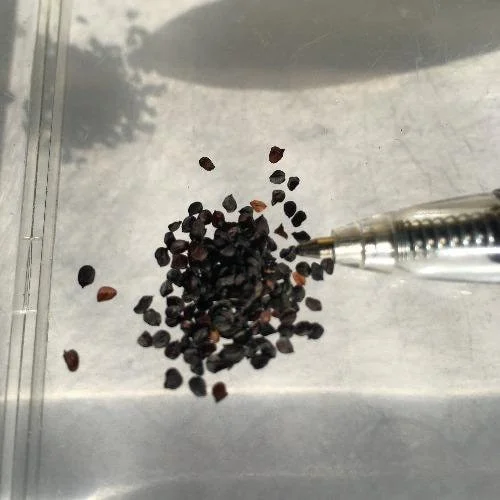
The Fringed Pink Dianthus seeds you receive are ready for stratification and planting, promising to grow into mature plants that typically reach an average height and width of approximately 1 foot (30 cm). This compact size makes them ideal for various garden applications, from front borders and rock gardens to container plantings. The plants develop a mat-forming habit with linear, gray-green leaves at the base, providing an attractive backdrop for the brightly colored flowers. You can expect these beautiful flowers, ranging from pink to lavender with distinct fringed petals, to be in bloom from late spring through early fall, offering a long season of interest. The growth rate is moderate, with plants typically establishing well in their first year and producing a more robust display in subsequent seasons. This perennial nature of Dianthus superbus seeds ensures a lasting presence in your garden.
Frequently Asked Questions
- Q: How big does Fringed Pink Dianthus get? A: Fringed Pink Dianthus typically grows to about 1 foot (30 cm) tall and wide, forming a compact, mat-like habit of gray-green foliage. This makes it an excellent choice for various garden settings without taking up too much space.
- Q: Is this an indoor or outdoor plant? A: These Dianthus superbus seeds are primarily for outdoor cultivation. They are hardy perennials thriving in garden beds, borders, and rock gardens within USDA Zones 3-9, and are not typically grown as indoor houseplants.
- Q: How much sunlight does Fringed Pink Dianthus need? A: Fringed Pink Dianthus thrives in full sun to partial shade, ideally requiring at least 6 hours of direct sunlight per day for optimal growth and abundant flowering. Adequate light is crucial for the vibrant blooms of these lavender Dianthus seeds.
- Q: Is this plant easy to care for? A: Yes, Fringed Pink Dianthus is considered relatively easy to care for, making it suitable for both beginner and experienced gardeners. It’s known for its hardiness and drought tolerance once established, requiring well-draining soil and moderate watering.
- Q: When is the best time to plant Fringed Pink Dianthus seeds? A: After cold stratification, Fringed Pink Dianthus seeds can be sown in late winter or early spring indoors, or directly outdoors after the last frost. This allows them to establish before the peak growing season.
- Q: Will it survive winter in my zone? A: Fringed Pink Dianthus is hardy in USDA Zones 3-9. If you are within this range, the plants should survive winter and return in spring. In colder zones, some winter protection might be beneficial.
- Q: Do these flowers attract pollinators? A: Absolutely! The sweetly scented flowers of Fringed Pink Dianthus are a strong attractant for birds, bees, and butterflies, helping to support local pollinator populations and enhance your garden’s biodiversity.
- Q: What type of soil is best for Dianthus superbus? A: Dianthus superbus seeds prefer well-draining, sandy, or loamy soil. Good drainage is crucial to prevent root rot, so avoid heavy clay soils.
- Q: How long until Fringed Pink Dianthus blooms from seed? A: While germination can take some time, Fringed Pink Dianthus typically blooms in its second year from seed. Once established, it will bloom from late spring until early fall annually.
- Q: Can I use these fragrant pink seeds in containers? A: Yes, due to their compact size, Fringed Pink Dianthus is an excellent choice for containers and pots, especially if you want to enjoy their sweet fragrance up close on a patio or balcony.
Be the first to review “Fringed Pink Dianthus Seeds – Superb Lavender Blooms for Garden Zones 3-9”
You must be logged in to post a review.
People also Viewed
Sold 50 products
Original price was: $109.95.$79.98Current price is: $79.98.
Sold 50 products
Original price was: $25.00.$17.50Current price is: $17.50.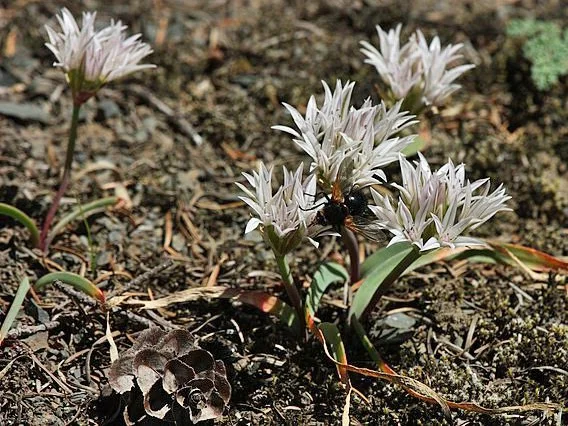
Flower Seeds
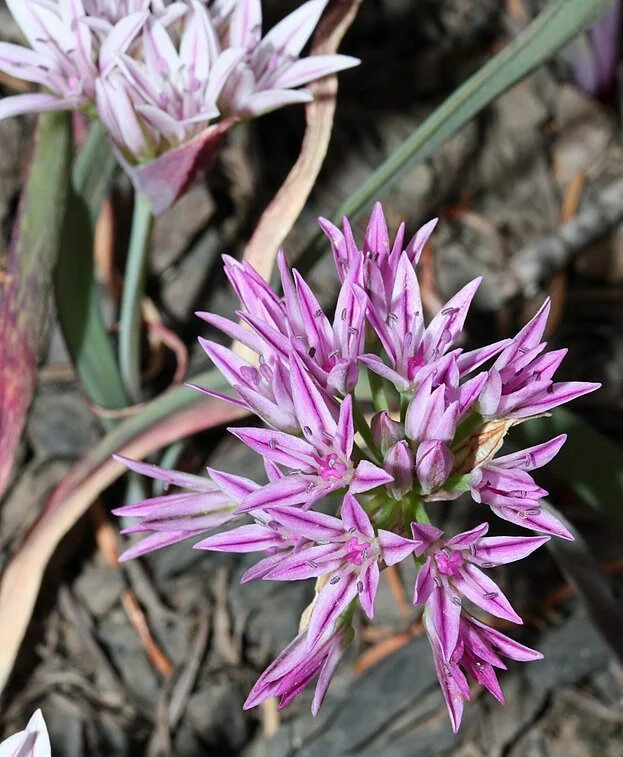
Olympic Onion Seeds – Allium crenulatum Flower Seeds – 10 Seed Pack – Outdoor Native Plant
Sold 50 products
Original price was: $25.00.$17.50Current price is: $17.50.
Sold 50 products
Original price was: $25.00.$17.50Current price is: $17.50.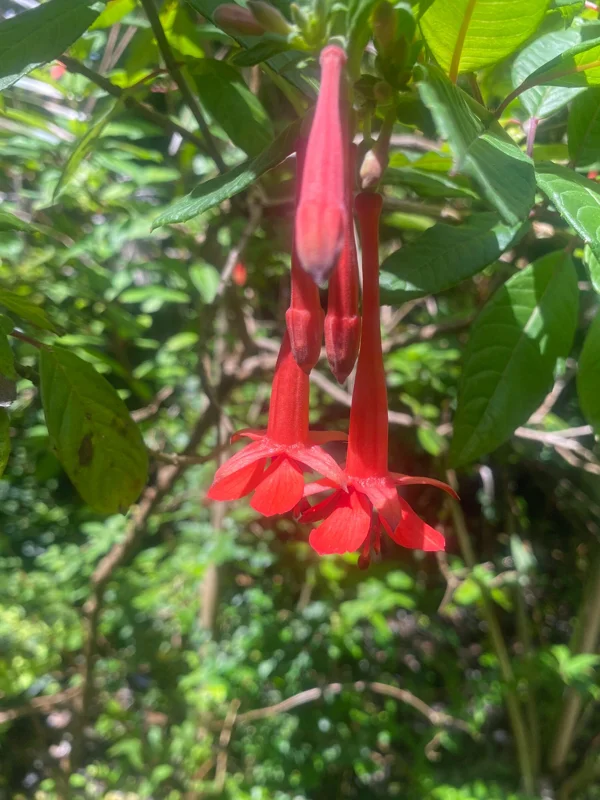
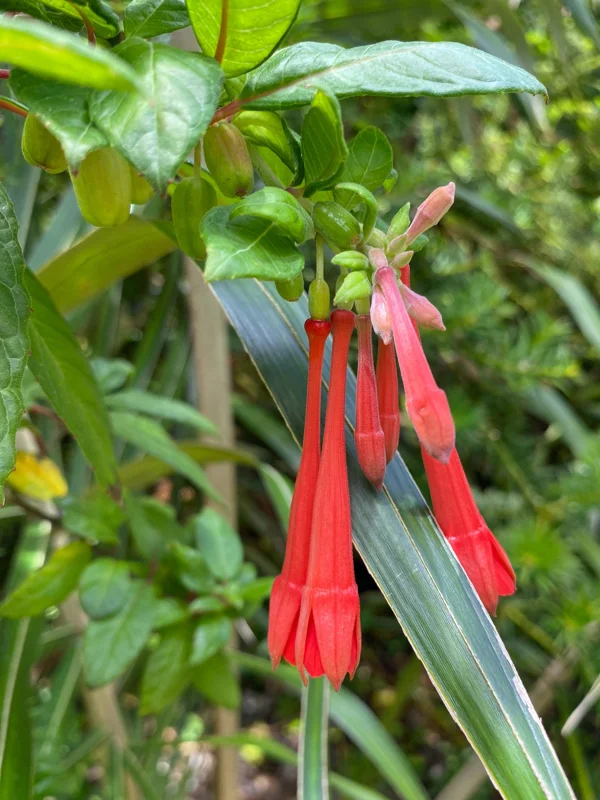
Flower Seeds
Fuchsia vulcanica Seeds – 20 Pack – Vibrant Orange Coral Flowers for Garden & Containers
Sold 50 products
Original price was: $25.00.$17.50Current price is: $17.50.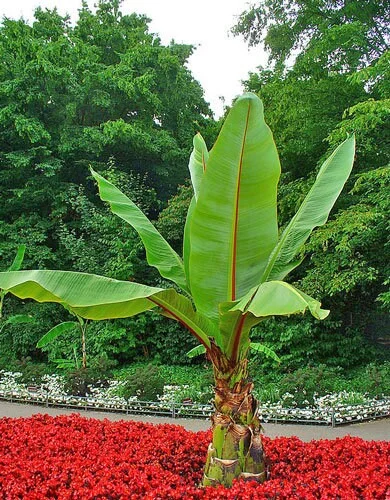
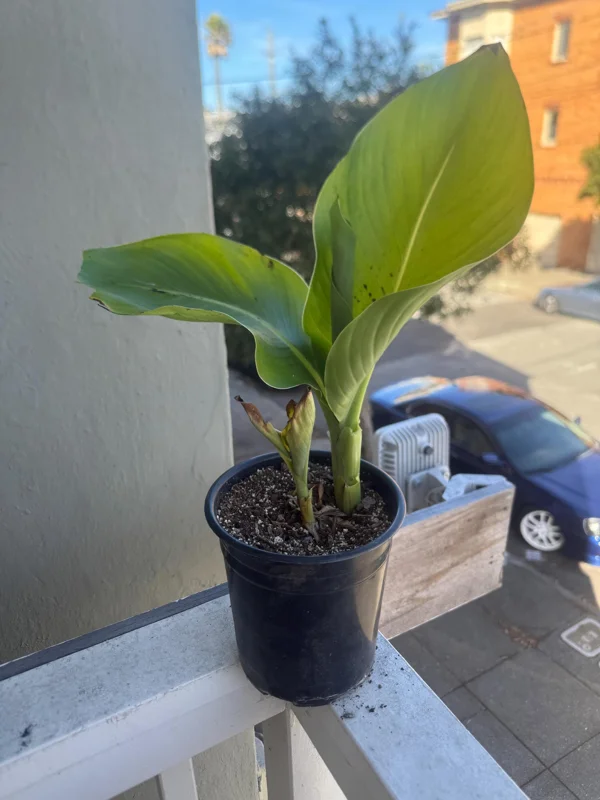
Sold 50 products
Original price was: $116.98.$95.68Current price is: $95.68.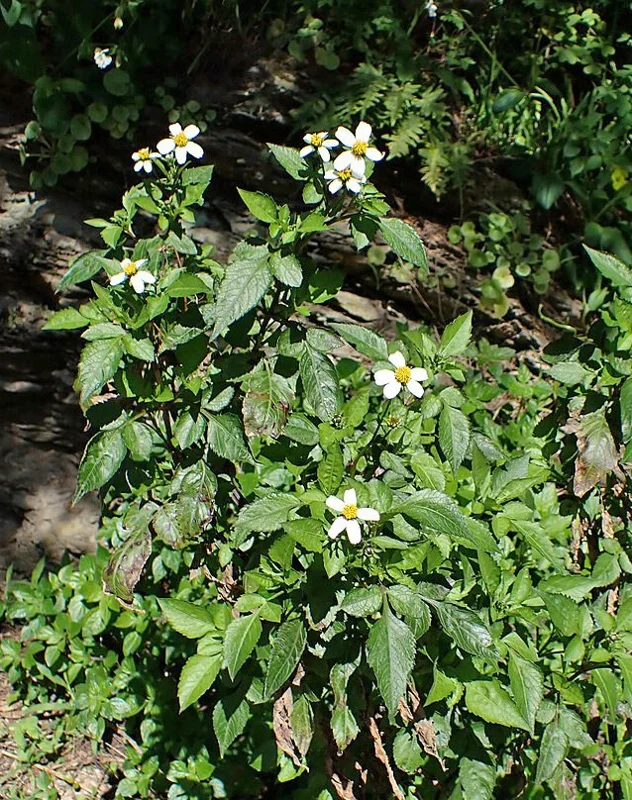
Sold 50 products
Original price was: $21.00.$14.10Current price is: $14.10.
Aquatic Plant Seeds
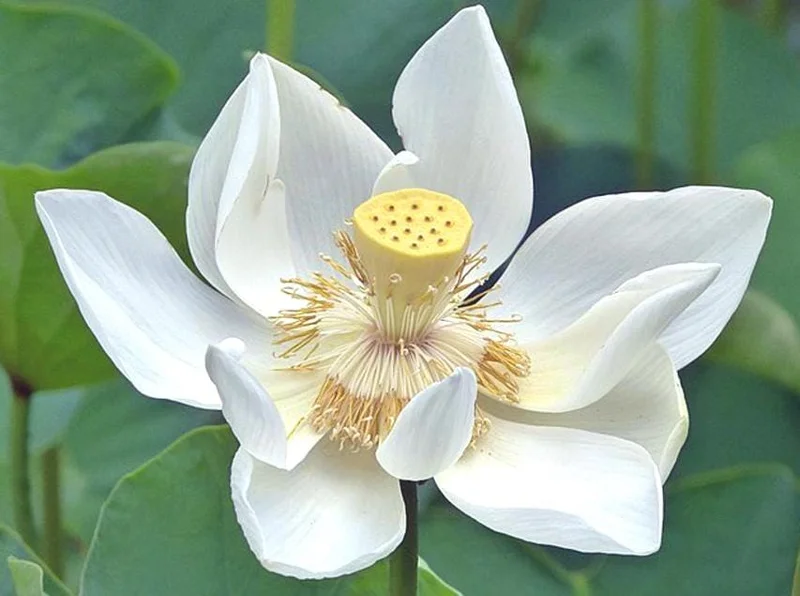
White Lotus Seeds – Nelumbo Nucifera Aquatic Pond Plant – 5 Seeds for Water Garden
Sold 50 products
Original price was: $29.00.$20.90Current price is: $20.90.RELATED posts
Awapuhi Wild Ginger Plant: Zones, Care, and Propagation
Learn which USDA zones suit awapuhi wild ginger, plus sunlight, water, planting, propagation, pests, size, [...]
Awapuhi Shampoo Ginger – Care, Growing Zones, and Differences
Learn how to grow awapuhi (shampoo) ginger, its USDA zones, watering schedule, propagation tips, and [...]
Awapuhi Shampoo Plant Buying Guide – Choose the Right Zingiber zerumbet
META: Learn which awapuhi (shampoo ginger) plant or rhizome pack gives the best natural shampoo, [...]
Awapuhi Plant for Sale: Complete Buying Guide
Find the right awapuhi (shampoo ginger) plant, size, price, soil mix, and online source. Practical [...]
Shampoo Ginger Plant for Sale – Buying Guide & Tips
Find the right shampoo ginger plant, size, price, and care tips. Quick guide for U.S. [...]
Shampoo Ginger Plant (Awapuhi) Care Guide
Learn how to grow, care for, and use shampoo ginger (Zingiber zerumbet), the tropical awapuhi [...]
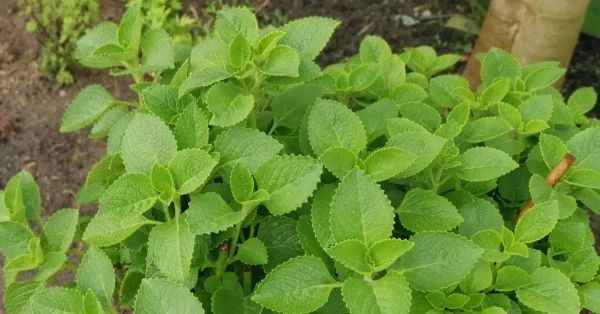
How to Grow Cuban Oregano Plants: A Complete Care Guide
If you’ve ever wanted a plant that combines the culinary punch of traditional oregano with [...]
Aug
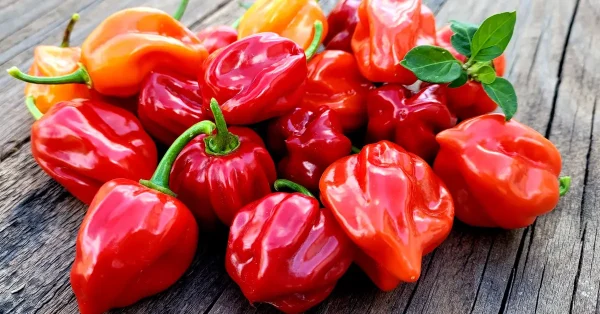
How to Grow Habanero Pepper Plants: A Step-by-Step Guide
Habanero pepper plants are prized for their vibrant colors, intense heat, and exceptional flavor, making [...]
Aug
Reviews
There are no reviews yet.