
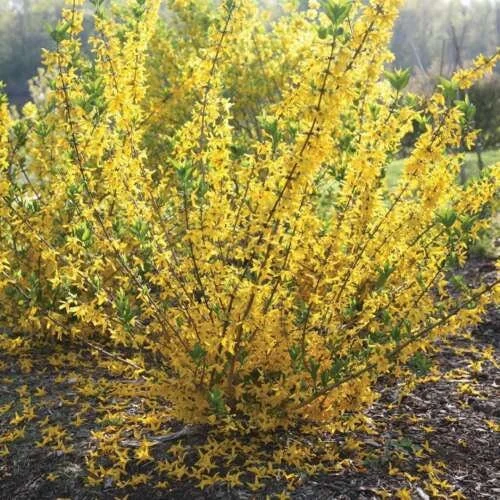
Forsythia ‘Flying Machine’ Live Plant – Deciduous Shrub, 7 Inch Starter
Original price was: $31.90.$16.90Current price is: $16.90.
Bring early spring color to your garden with the Forsythia ‘Flying Machine’ live plant. This vibrant deciduous shrub produces an abundance of stunning gold-yellow flowers before its leaves emerge, creating a spectacular display. It’s an easy care Forsythia, perfect for adding a splash of sunshine to any landscape. Ideal for hedges, borders, or as a standalone specimen.
Shipping and Return policies:
We stand behind our plants with our Alive & Thrive Guarantee. If you experience any issues within the first 30 days, please email us, and our team will be happy to help. When needed, we’ll send you a one-time replacement free of charge to make sure your garden keeps growing strong.

Reasonable Price
We offer reasonable price

Support 24/7
Contact us 24 hrs a day
100% Money Back
You’ve 30 days to Return
Payment Secure
100% secure payment
Overview
Introducing the magnificent Forsythia ‘Flying Machine’ live plant, a true harbinger of spring that will transform your garden with its brilliant golden-yellow blooms. This exceptional deciduous shrub is celebrated for its vigorous growth and abundant flowering, often being one of the first plants to burst into color after winter’s dormancy. The ‘Flying Machine’ variety is particularly noted for its profusion of large, cheerful flowers that completely cover the branches, creating an awe-inspiring spectacle. Ideal for gardeners seeking a low-maintenance yet high-impact plant, this Forsythia offers a spectacular display when little else is in bloom. Its rapid growth and adaptability make it a popular choice for various landscaping needs, from creating vibrant hedges to serving as an eye-catching specimen plant. Embrace the beauty and resilience of this stunning plant.
The Forsythia, a member of the olive family (Oleaceae), is native to eastern Asia and has long been cherished in gardens worldwide for its striking early spring flowers. The ‘Flying Machine’ cultivar stands out with its particularly strong bloom production and robust habit. This plant is not just about its flowers; its bright green foliage provides a lovely backdrop throughout the summer, and its architectural branch structure adds interest in the winter months. It’s a versatile and rewarding plant that brings joy and color year after year, establishing itself as a garden favorite. The vibrant gold-yellow flowers are a welcome sight, signaling the end of winter and the arrival of warmer days.
Key Benefits
The Forsythia ‘Flying Machine’ live plant offers a multitude of benefits, making it an excellent addition to almost any garden. Its ease of care and stunning visual appeal are just a few reasons why it’s so beloved by gardeners.
- Spectacular Early Spring Blooms: This Forsythia is renowned for its explosion of large, luminous gold-yellow flowers that appear before the leaves in early spring, providing an unparalleled splash of color when the garden is otherwise dormant. It’s truly a showstopper.
- Vigorous & Adaptable Growth: The ‘Flying Machine’ is a robust and fast-growing shrub, quickly establishing itself in your landscape. It adapts well to various soil conditions and can tolerate a range of environments, making it a resilient choice.
- Low Maintenance & Easy Care: This is an easy care Forsythia, requiring minimal attention once established. It’s drought-tolerant and generally pest and disease resistant, perfect for busy gardeners or those new to plant care.
- Versatile Landscaping Use: Its upright, spreading habit makes it suitable for many garden applications. Use it as a vibrant hedge, a striking border plant, for erosion control on slopes, or as a magnificent specimen plant to draw the eye.
- Attracts Pollinators: The early spring flowers provide a valuable nectar source for early emerging bees and other pollinators, contributing to the biodiversity of your garden ecosystem.
- Year-Round Interest: While famous for its spring flowers, the bright green foliage provides attractive texture in summer, and the sturdy branch structure offers winter interest, making it a valuable plant throughout the seasons.
- Excellent for Cut Flowers: The branches, laden with golden blooms, are perfect for cutting and bringing indoors to create stunning early spring arrangements, brightening your home.
Plant Care & Growing Tips
Caring for your Forsythia ‘Flying Machine’ live plant is straightforward, ensuring a magnificent display of flowers each spring. This hardy deciduous outdoor plant thrives with basic attention. When planting, choose a location that receives full sun to partial shade. Full sun (at least 6 hours of direct sunlight daily) will encourage the most abundant flowering, while partial shade will still allow it to grow well, though with potentially fewer blooms. Ensure the soil is well-drained, as Forsythia does not like to sit in waterlogged conditions, which can lead to root rot. While adaptable to various soil types, a rich, loamy soil with good organic content is ideal.
Water your new Forsythia regularly during its first growing season to help it establish a strong root system. Once established, it becomes quite drought-tolerant and will only need supplemental watering during prolonged dry spells. Fertilize in early spring with a balanced, slow-release granular fertilizer formulated for flowering shrubs. Avoid over-fertilizing, as this can lead to excessive foliage growth at the expense of flowers. Pruning is best done immediately after flowering in late spring. This ensures you don’t cut off next year’s flower buds, which form on old wood. Remove any dead, damaged, or crossing branches, and thin out about one-third of the oldest, thickest stems to the ground to encourage new growth and maintain a desirable shape. This maintenance helps keep your Forsythia shrub care routine effective and simple.
The yellow flowering shrub is generally robust and resistant to most pests and diseases. However, keep an eye out for common garden issues like powdery mildew in humid conditions or occasional aphid infestations. These can typically be managed with proper air circulation, appropriate watering practices, and organic pest control methods if necessary. This easy care Forsythia is a resilient choice for a vibrant, low-effort garden.
Size & Details
This offering is for a Forsythia ‘Flying Machine’ live plant, typically a starter plant approximately 7 inches tall, well-rooted in a 2.5-inch pot. This vigorous deciduous shrub is known for its rapid growth, often reaching a mature height of 5-8 feet and a similar spread, creating a substantial presence in the landscape. It boasts a medium growth rate, quickly filling out designated spaces. The plant will arrive ready for planting, with a healthy root system developed in its nursery pot. Expect a stunning display of gold-yellow flowers in early spring, with the plant reaching its full flowering potential within a few years of planting. The mature size makes it an excellent choice for a hedge or a prominent specimen in your garden. This deciduous outdoor plant is shipped in its nursery pot to ensure minimal stress during transit.
Frequently Asked Questions
- Q: How big does this plant get? A: The Forsythia ‘Flying Machine’ typically grows to a mature height of 5-8 feet tall and can spread similarly wide, forming a dense, upright shrub. Its size makes it ideal for various landscape uses, from hedges to standalone features.
- Q: Is this an indoor or outdoor plant? A: This is a deciduous outdoor plant, specifically a shrub that thrives in garden settings. It requires outdoor conditions to properly establish and produce its characteristic early spring blooms.
- Q: How much sunlight does it need? A: For the best flowering display, the Forsythia ‘Flying Machine’ live plant prefers full sun, meaning at least 6 hours of direct sunlight per day. It can tolerate partial shade, but flowering may be less prolific.
- Q: What condition will it arrive in? A: Your plant will arrive as a healthy, well-rooted starter plant, approximately 7 inches tall, in a 2.5-inch nursery pot. It will be carefully packaged to ensure it reaches you in excellent condition, ready for planting.
- Q: When is the best time to plant? A: The best time to plant your yellow flowering shrub is in spring or fall when temperatures are moderate. This allows the plant to establish its root system before the stress of extreme summer heat or winter cold.
- Q: Is this plant easy to care for? A: Yes, the Forsythia ‘Flying Machine’ live plant is considered an easy care Forsythia. It is remarkably resilient, drought-tolerant once established, and generally resistant to pests and diseases, making it suitable for gardeners of all skill levels.
- Q: Will it survive winter in my zone? A: This Forsythia is hardy in USDA Zones 6-8. If you are within these zones, it will readily survive winter and return with vibrant blooms each spring. Protection might be needed in colder zones.
- Q: How often should I water my Forsythia? A: While establishing, water regularly to keep the soil consistently moist but not waterlogged. Once mature, it’s quite drought-tolerant and generally only needs watering during extended dry periods.
- Q: What kind of soil does it prefer? A: The Forsythia ‘Flying Machine’ thrives in well-drained soil. It’s adaptable to various soil types but prefers a moderately fertile, loamy soil. Good drainage is key to preventing root issues.
- Q: When should I prune my Forsythia? A: Pruning should be done immediately after the plant finishes flowering in late spring. Pruning at this time ensures you don’t remove next year’s flower buds, which form on old wood.
Be the first to review “Forsythia ‘Flying Machine’ Live Plant – Deciduous Shrub, 7 Inch Starter”
You must be logged in to post a review.
People also Viewed
Sold 50 products
$32.38
Sold 50 products
$27.38
Sold 50 products
$32.38
Sold 50 products
$19.88
Sold 50 products
$62.38
Sold 50 products
$24.88
Houseplants
Phalaenopsis pulcherrima ‘Mauna Kea Snow’ Orchid Live Plant – White Flowers, Potted 2.5 in
Sold 50 products
$49.88
Sold 50 products
$49.88RELATED posts
Awapuhi Wild Ginger Plant: Zones, Care, and Propagation
Learn which USDA zones suit awapuhi wild ginger, plus sunlight, water, planting, propagation, pests, size, [...]
Awapuhi Shampoo Ginger – Care, Growing Zones, and Differences
Learn how to grow awapuhi (shampoo) ginger, its USDA zones, watering schedule, propagation tips, and [...]
Awapuhi Shampoo Plant Buying Guide – Choose the Right Zingiber zerumbet
META: Learn which awapuhi (shampoo ginger) plant or rhizome pack gives the best natural shampoo, [...]
Awapuhi Plant for Sale: Complete Buying Guide
Find the right awapuhi (shampoo ginger) plant, size, price, soil mix, and online source. Practical [...]
Shampoo Ginger Plant for Sale – Buying Guide & Tips
Find the right shampoo ginger plant, size, price, and care tips. Quick guide for U.S. [...]
Shampoo Ginger Plant (Awapuhi) Care Guide
Learn how to grow, care for, and use shampoo ginger (Zingiber zerumbet), the tropical awapuhi [...]
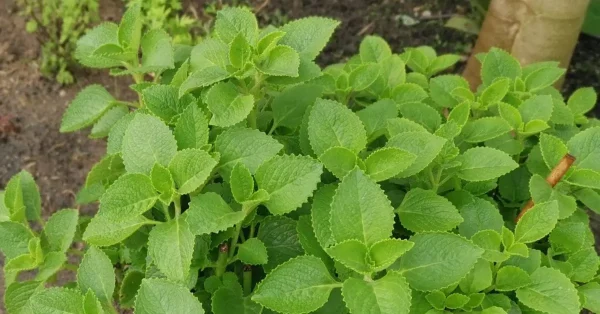
How to Grow Cuban Oregano Plants: A Complete Care Guide
If you’ve ever wanted a plant that combines the culinary punch of traditional oregano with [...]
Aug
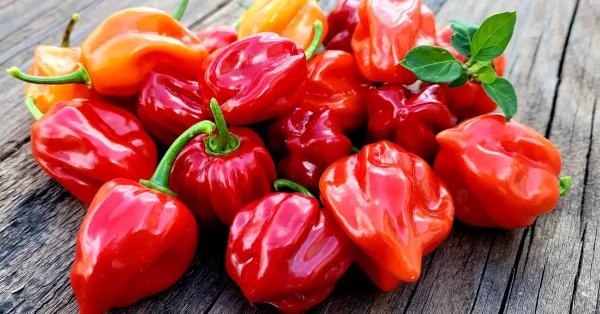
How to Grow Habanero Pepper Plants: A Step-by-Step Guide
Habanero pepper plants are prized for their vibrant colors, intense heat, and exceptional flavor, making [...]
Aug
Reviews
There are no reviews yet.