
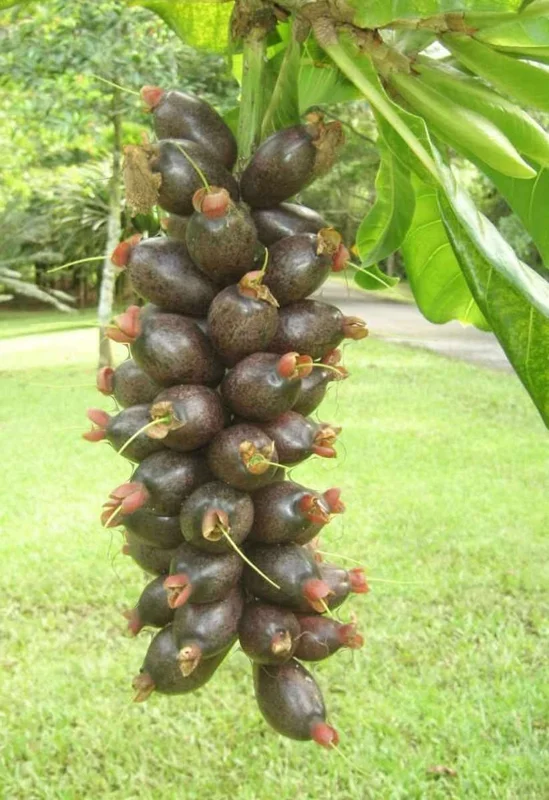
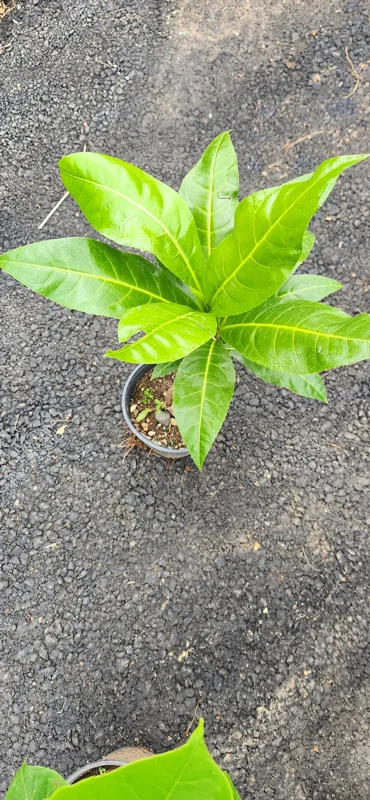
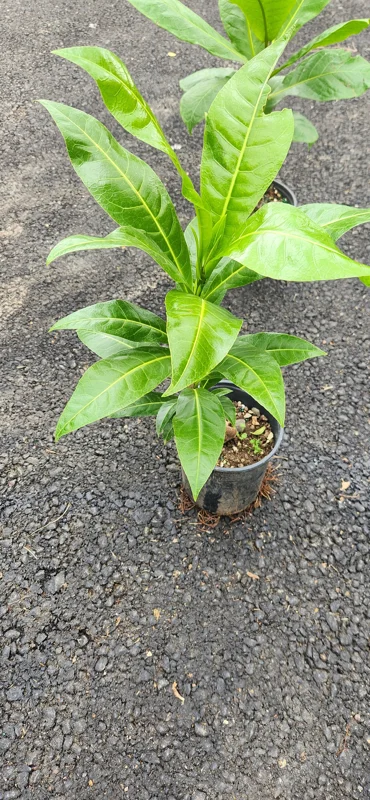
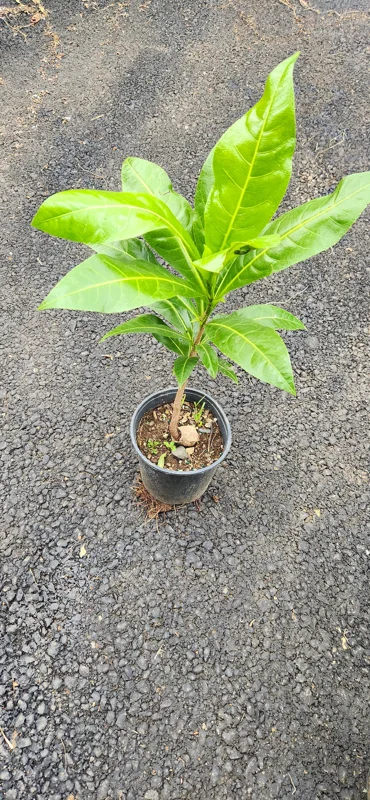
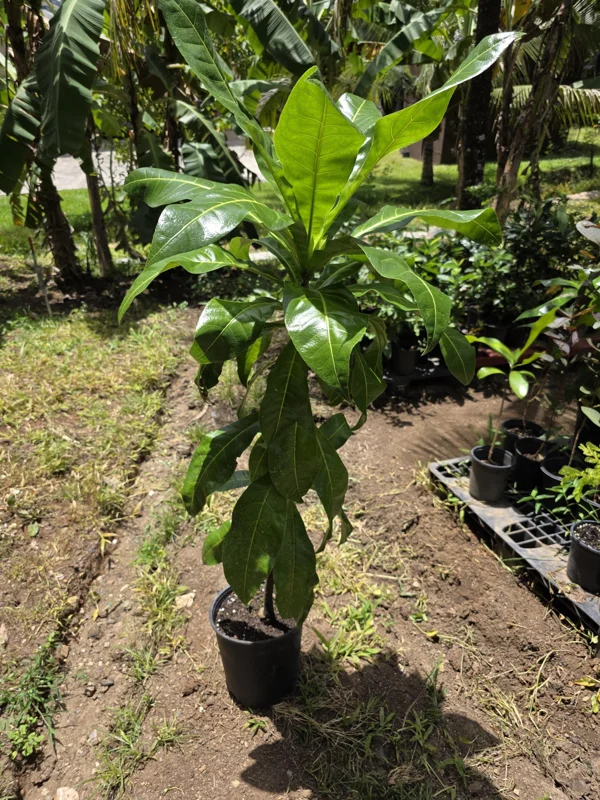
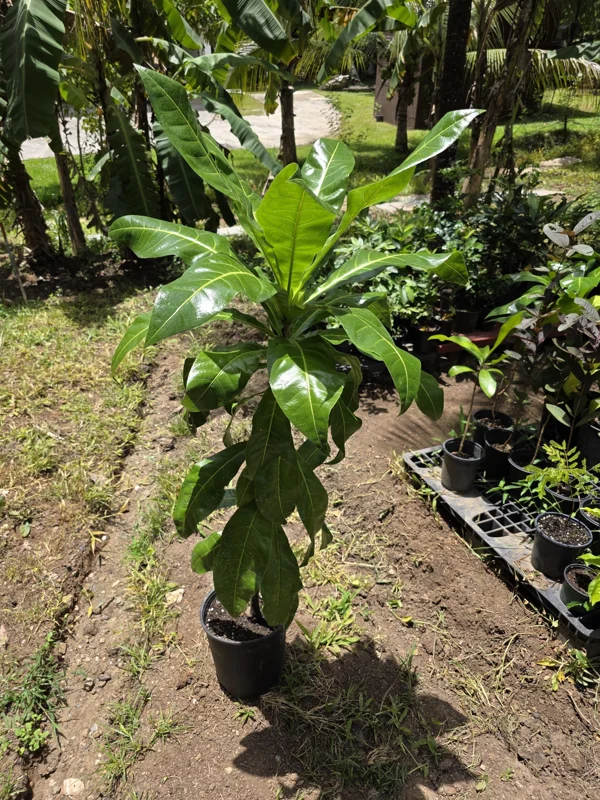
Fiji Nut Tree Live Plant (Barringtonia edulis) – Tropical Edible Nuts – 3-4ft Tall
$300.00
Cultivate your own exotic fiji nut tree live plant (Barringtonia edulis). This 3-4ft tall specimen is known for its delicious and nutritious edible nuts, perfect for tropical and subtropical climates.
- Produces healthy, versatile nuts for roasting or snacking.
- Low maintenance and resilient, ideal for food forests.
Shipping and Return policies:
We stand behind our plants with our Alive & Thrive Guarantee. If you experience any issues within the first 30 days, please email us, and our team will be happy to help. When needed, we’ll send you a one-time replacement free of charge to make sure your garden keeps growing strong.

Reasonable Price
We offer reasonable price

Support 24/7
Contact us 24 hrs a day
100% Money Back
You’ve 30 days to Return
Payment Secure
100% secure payment
Overview
Transform your garden with the exotic fiji nut tree live plant (Barringtonia edulis). This remarkable tree, also known as the Pacific Walnut or Cutnut, is native to the South Pacific islands and is highly prized for its delicious and nutritious nuts. Growing to an impressive 3-4 feet tall, this live plant offers a unique opportunity to cultivate a rare and valuable food source in your own backyard or food forest. The Fiji Nut Tree is not only a source of healthy, edible nuts but also a beautiful addition to any tropical or subtropical landscape, providing shade and a lush, vibrant presence. Its resilient nature makes it an excellent choice for both experienced gardeners and those new to cultivating exotic fruit and nut trees.
The barringtonia edulis plant is a fast-growing species that thrives in warm climates, making it a perfect fit for a tropical food forest or a garden aiming for sustainable living. Its adaptability to various soil types and relatively low maintenance requirements contribute to its appeal. Imagine harvesting your own supply of rich, healthy nuts directly from your garden, a truly rewarding experience for any plant enthusiast.
Key Benefits
The fiji nut tree live plant offers a multitude of benefits, from its delicious produce to its ecological advantages:
- Delicious & Nutritious Nuts: The primary draw of the Fiji Nut Tree is its highly sought-after nuts. These nuts are rich in healthy fats, protein, and essential nutrients, making them a fantastic addition to your diet. They can be roasted, boiled, or eaten raw, offering a versatile ingredient for various culinary applications.
- Fast Growing & Resilient: This tree exhibits a robust growth rate, quickly establishing itself in suitable climates. It’s known for its resilience, tolerating different soil conditions and requiring minimal care once established, making it an excellent choice for a low-maintenance edible nut tree.
- Low Maintenance: Despite its exotic nature, the barringtonia edulis plant is surprisingly easy to care for. It adapts well to various soil types and doesn’t demand constant attention, allowing you to enjoy its benefits without extensive gardening effort.
- Ecologically Friendly: Planting a Fiji Nut Tree contributes to biodiversity and promotes sustainable living. It’s a perfect choice for those looking to create a self-sufficient garden or a tropical food forest, reducing reliance on commercial food sources.
- Adaptable to Sun Exposure: While it prefers full sun for optimal growth and nut production, the Fiji Nut Tree can also adapt to partial shade, offering flexibility in planting location within your garden.
- Unique Garden Addition: Beyond its edible benefits, the Fiji Nut Tree adds a unique, tropical aesthetic to your landscape. Its lush foliage and impressive stature make it a focal point, enhancing the beauty and exotic feel of your outdoor space.
Plant Care & Growing Tips
Caring for your fiji nut tree live plant is straightforward, especially when provided with the right conditions. This tropical species thrives in warm, humid environments. For optimal growth and nut production, full sun exposure is preferred, meaning at least 6-8 hours of direct sunlight per day. While it can tolerate partial shade, nut yields may be reduced. Ensure your planting location offers ample space for the tree to grow, as it can reach a considerable size at maturity.
When it comes to soil, the barringtonia edulis plant is quite adaptable but prefers well-draining, fertile soil. A slightly acidic to neutral pH is ideal. If your soil is heavy clay, amend it with organic matter like compost or aged manure to improve drainage and fertility. Consistent watering is crucial, especially during dry periods and for young trees. The soil should be kept consistently moist but not waterlogged. Once established, the tree exhibits some drought tolerance, but regular watering will promote healthier growth and better nut yields. Fertilize your edible nut tree with a balanced slow-release fertilizer during the growing season (spring and summer) to support its vigorous growth and fruit development.
The Fiji Nut Tree is a tropical plant, so it’s best suited for USDA Hardiness Zones 10-11, where temperatures rarely drop below freezing. In cooler climates, it can be grown in large containers and moved indoors during winter, or cultivated in a greenhouse. Protect young trees from strong winds, which can damage their developing branches. Pests and diseases are generally not a major concern for the fiji nut tree care, but regular inspection for common garden pests will help in early detection and treatment if necessary. Proper air circulation and avoiding overwatering will also help prevent fungal issues.
Size & Details
This offering is for a vibrant fiji nut tree live plant, measuring approximately 3-4 feet in height. These trees are typically shipped in a nursery pot, ensuring they arrive healthy and ready for planting. The Fiji Nut Tree is known for its medium to fast growth rate, and with proper care, it will develop into a robust, productive tree. While it starts at a manageable height, mature trees can reach impressive sizes, making them a significant feature in your landscape. The specific growth rate will depend on local climate conditions, soil quality, and care practices, but you can expect noticeable growth within the first few years.
The nuts typically begin to form after several years, with trees reaching peak production within 5-7 years. Each nut is encased in a fibrous husk, similar to a coconut, and contains a single, elongated kernel that is highly prized. This tropical food forest specimen is an investment in future harvests, providing a sustainable source of healthy nuts for years to come. Ensure you have adequate space for its mature size, as it will become a substantial and beautiful addition to your garden.
Frequently Asked Questions
- Q: How big does this Fiji Nut Tree get? A: This particular fiji nut tree live plant is 3-4 feet tall upon arrival. With optimal conditions, mature trees can reach heights of 30-50 feet, developing a broad canopy.
- Q: Is this an indoor or outdoor plant? A: The Fiji Nut Tree is primarily an outdoor plant, thriving in tropical and subtropical climates (USDA Zones 10-11). In cooler regions, it can be grown in a large container and brought indoors during cold weather.
- Q: How much sunlight does the Barringtonia edulis plant need? A: This tree prefers full sun, ideally receiving 6-8 hours of direct sunlight daily, for best growth and nut production. It can tolerate partial shade, but yields may be lower.
- Q: Is this plant easy to care for? A: Yes, the barringtonia edulis plant is considered relatively low maintenance once established. It’s resilient and adaptable to various soil types, making fiji nut tree care manageable for most gardeners.
- Q: What condition will the Fiji Nut Tree arrive in? A: Your fiji nut tree live plant will arrive well-packaged in a nursery pot, ensuring its health and vitality during transit. It will be ready for immediate planting or transplanting into a larger container.
- Q: Can I use the nuts for cooking? A: Absolutely! The nuts from this edible nut tree are highly versatile. They can be roasted, boiled, or eaten raw and are a nutritious addition to various dishes or as a healthy snack.
- Q: How long until it produces nuts? A: Typically, the Fiji Nut Tree will begin producing nuts within 3-5 years after planting, with full production achieved around 5-7 years. Patience is key for this rewarding tropical food forest tree.
- Q: What type of soil is best for a Fiji Nut Tree? A: The fiji nut tree live plant thrives in well-draining, fertile soil. It tolerates a range of soil types but benefits from organic matter to enhance drainage and nutrient content.
- Q: Will it survive winter in my zone? A: The Fiji Nut Tree is sensitive to frost. It is best suited for USDA Hardiness Zones 10 and 11. If you live in a colder zone, consider growing it in a container that can be moved indoors during winter.
- Q: Is the Fiji Nut Tree drought-tolerant? A: Once established, the barringtonia edulis plant exhibits some drought tolerance. However, consistent moisture, especially during dry spells and for young trees, will promote healthier growth and better nut yields.
Be the first to review “Fiji Nut Tree Live Plant (Barringtonia edulis) – Tropical Edible Nuts – 3-4ft Tall”
You must be logged in to post a review.
People also Viewed
Sold 50 products
Original price was: $37.48.$23.98Current price is: $23.98.
Sold 50 products
$32.38
Sold 50 products
$27.38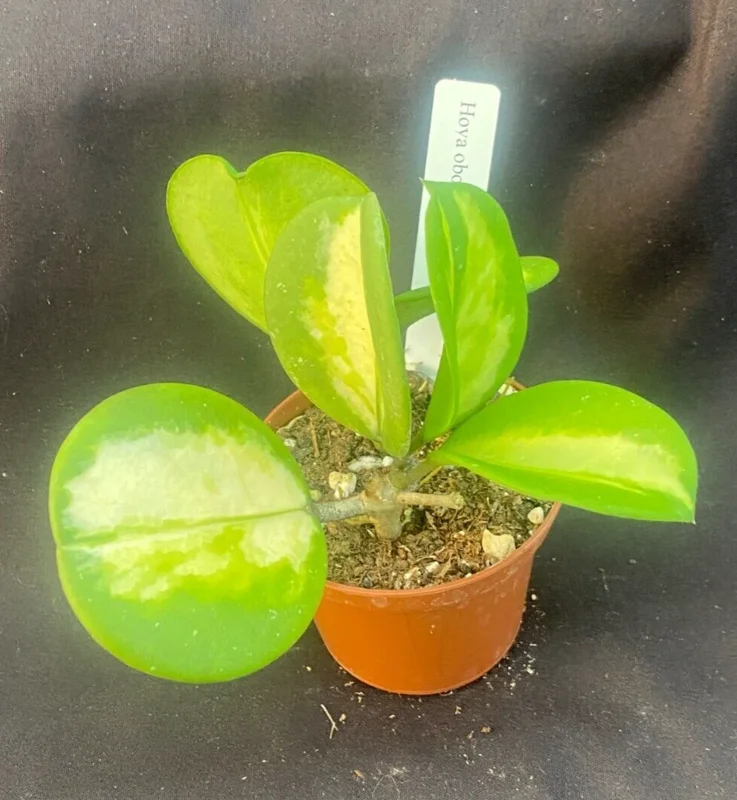
Sold 50 products
$32.38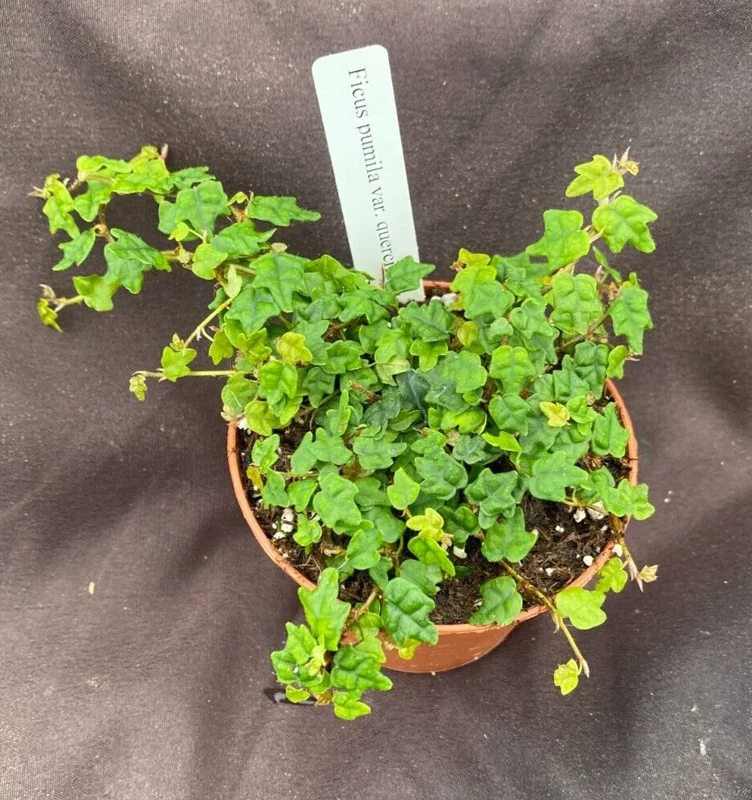
Sold 50 products
$19.88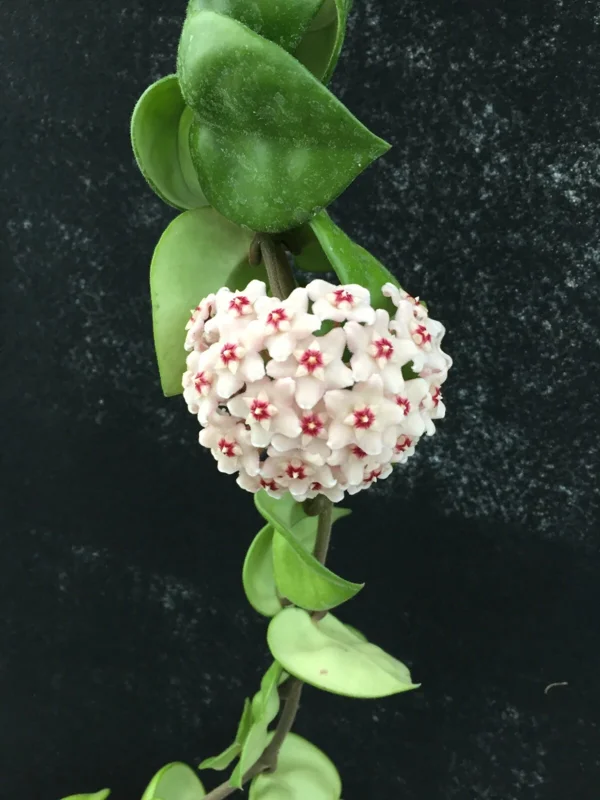
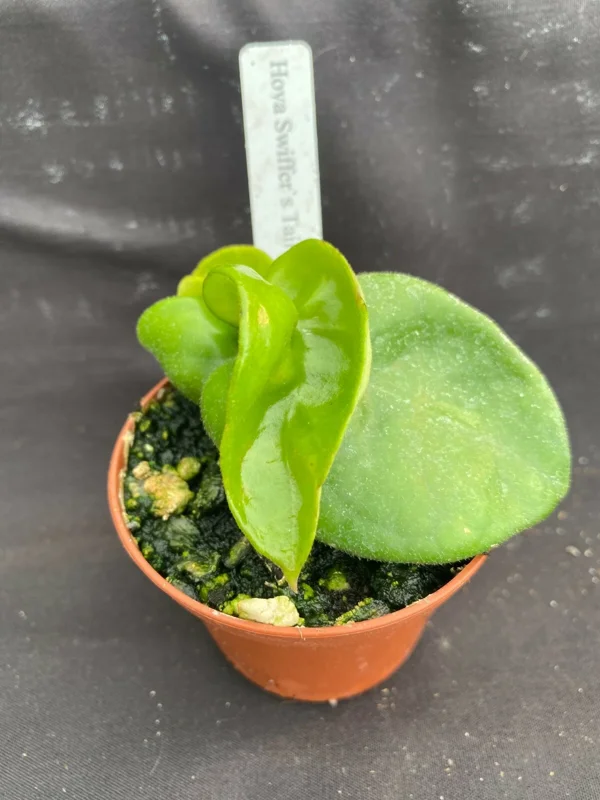
Sold 50 products
$62.38
Sold 50 products
$24.88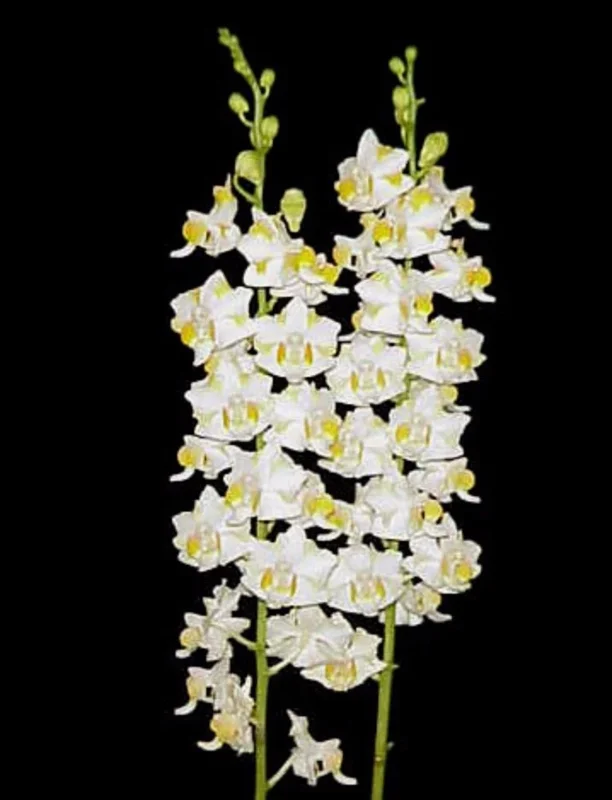
Houseplants
Phalaenopsis pulcherrima ‘Mauna Kea Snow’ Orchid Live Plant – White Flowers, Potted 2.5 in
Sold 50 products
$49.88RELATED posts
Awapuhi Wild Ginger Plant: Zones, Care, and Propagation
Learn which USDA zones suit awapuhi wild ginger, plus sunlight, water, planting, propagation, pests, size, [...]
Awapuhi Shampoo Ginger – Care, Growing Zones, and Differences
Learn how to grow awapuhi (shampoo) ginger, its USDA zones, watering schedule, propagation tips, and [...]
Awapuhi Shampoo Plant Buying Guide – Choose the Right Zingiber zerumbet
META: Learn which awapuhi (shampoo ginger) plant or rhizome pack gives the best natural shampoo, [...]
Awapuhi Plant for Sale: Complete Buying Guide
Find the right awapuhi (shampoo ginger) plant, size, price, soil mix, and online source. Practical [...]
Shampoo Ginger Plant for Sale – Buying Guide & Tips
Find the right shampoo ginger plant, size, price, and care tips. Quick guide for U.S. [...]
Shampoo Ginger Plant (Awapuhi) Care Guide
Learn how to grow, care for, and use shampoo ginger (Zingiber zerumbet), the tropical awapuhi [...]
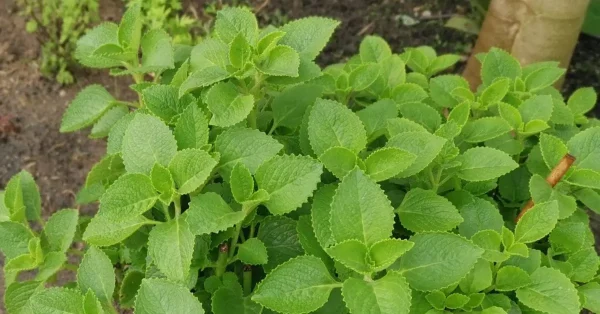
How to Grow Cuban Oregano Plants: A Complete Care Guide
If you’ve ever wanted a plant that combines the culinary punch of traditional oregano with [...]
Aug
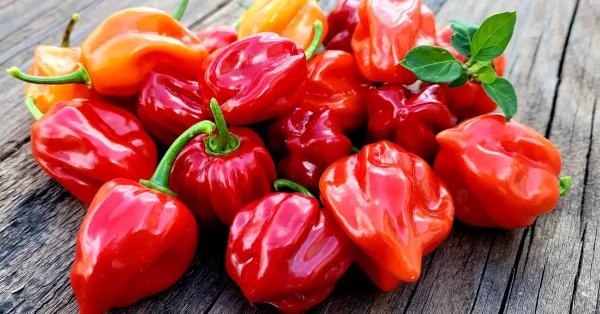
How to Grow Habanero Pepper Plants: A Step-by-Step Guide
Habanero pepper plants are prized for their vibrant colors, intense heat, and exceptional flavor, making [...]
Aug
Reviews
There are no reviews yet.