
Ficus Racemosa Seeds – Cluster Fig Tree (Audumbara) – 100 Seeds – Outdoor Tree
Original price was: $25.00.$17.50Current price is: $17.50.
Cultivate the majestic ficus racemosa seeds, also known as the cluster fig tree or Audumbara. These 100 seeds allow you to grow a large, deciduous tree known for its distinctive trunk and abundant fig-like fruits. Ideal for outdoor landscapes in warmer climates, these seeds promise a rewarding growing experience.
Shipping and Return policies:
We stand behind our plants with our Alive & Thrive Guarantee. If you experience any issues within the first 30 days, please email us, and our team will be happy to help. When needed, we’ll send you a one-time replacement free of charge to make sure your garden keeps growing strong.

Reasonable Price
We offer reasonable price

Support 24/7
Contact us 24 hrs a day
100% Money Back
You’ve 30 days to Return
Payment Secure
100% secure payment
Overview
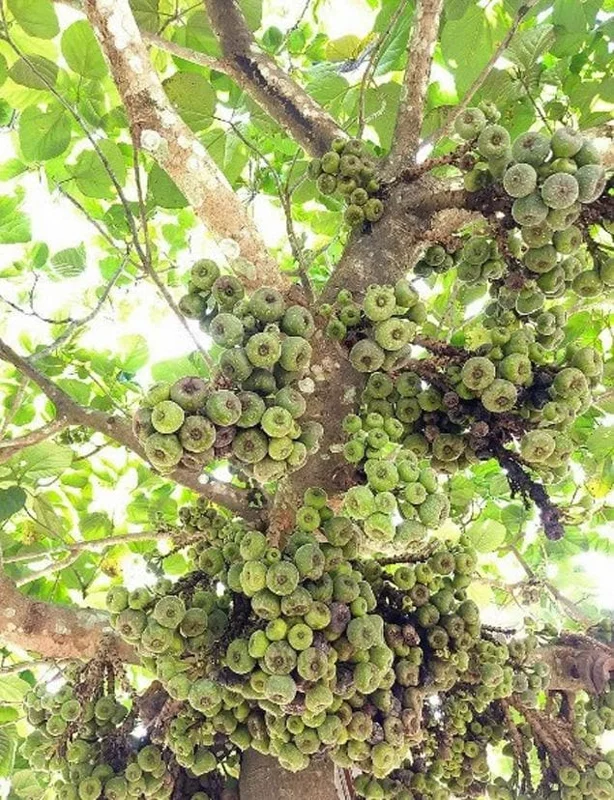
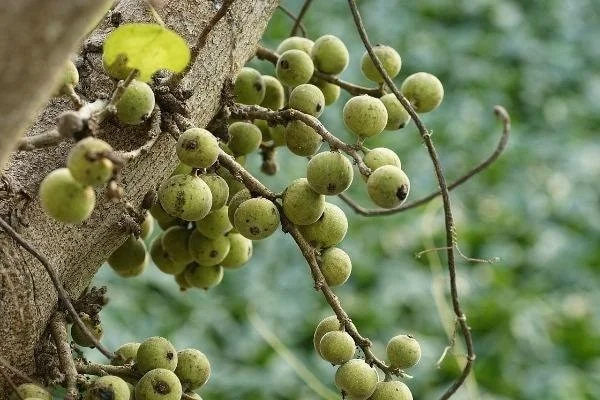
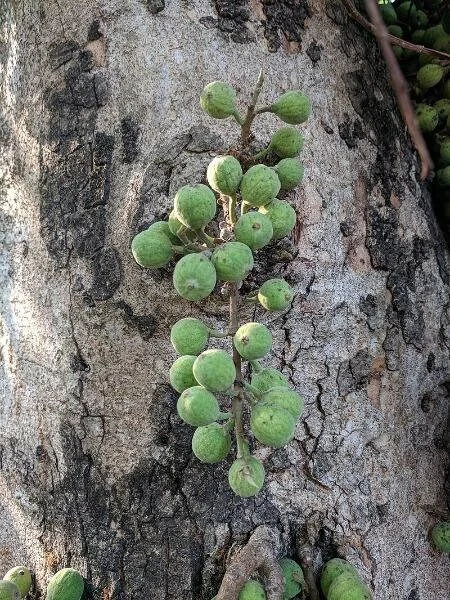
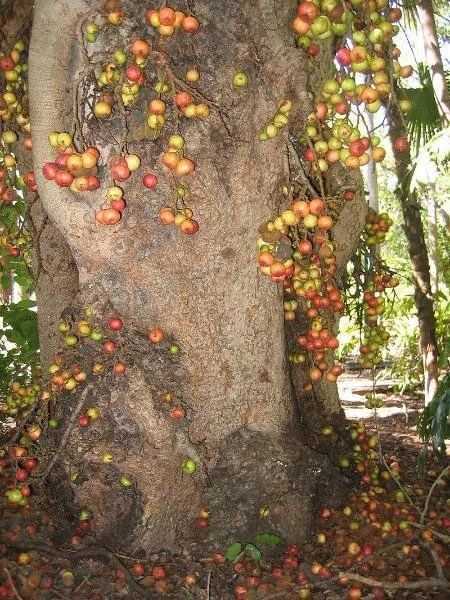
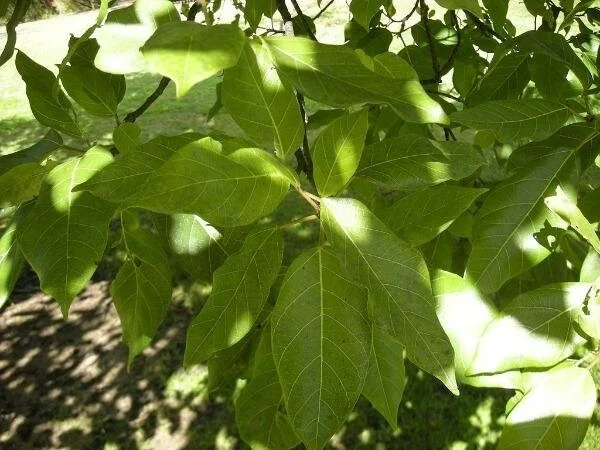
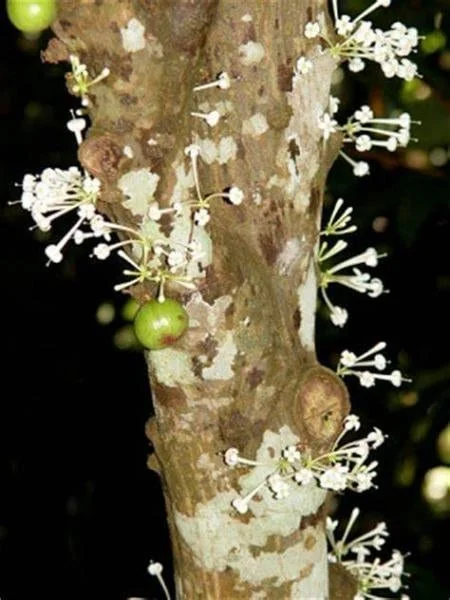
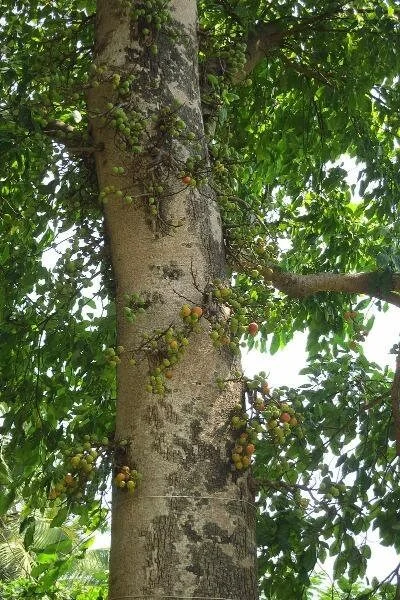
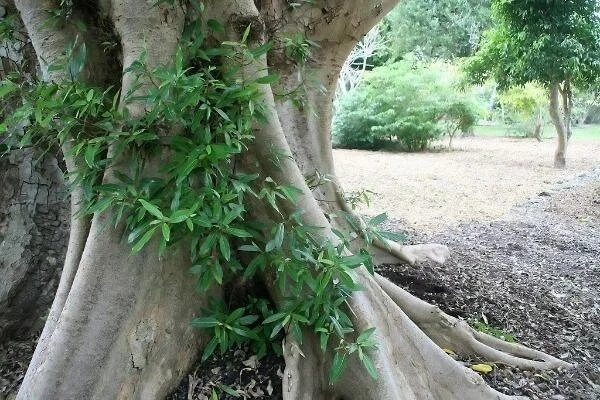
Embark on the journey of growing a magnificent natural wonder with these premium ficus racemosa seeds. Also known as the cluster fig tree, Indian Fig Tree, or Audumbara, Ficus racemosa is a large, deciduous tree native to parts of Asia, revered for its ecological importance and striking presence. This offering includes 100 high-quality seeds, providing you with the opportunity to cultivate this impressive species in your own garden or landscape. Known for its distinctive, often gnarled trunk and branches, and glossy green, heart-shaped leaves, the Audumbara tree is a true spectacle. It produces unique fig-like fruits that grow in clusters directly along its branches, hence the common name “cluster fig.” These fruits are not only visually interesting but also serve as a vital food source for local wildlife. Growing your own ficus racemosa seeds allows you to contribute to biodiversity and enjoy a truly unique botanical specimen.
The Ficus racemosa can reach towering heights of 65-100 feet or more, developing a wide, spreading canopy that provides ample shade and a significant presence in any outdoor setting. Its adaptability to various habitats, from dry forests to riverbanks, makes it a resilient choice for suitable climates. The cultural significance of the indian fig tree seeds in many regions adds another layer of appreciation for this remarkable plant. Whether you are an experienced gardener or a passionate enthusiast, germinating these seeds offers a fulfilling project that culminates in the growth of a truly majestic tree.
Key Benefits
Growing the cluster fig tree from seed offers numerous advantages, from ecological impact to aesthetic appeal. This remarkable tree provides a host of benefits for your landscape and local ecosystem:
- Ecological Importance: The Ficus racemosa is a critical food source for various wildlife, particularly birds and monkeys, thanks to its abundant fig-like fruits. Planting these ficus racemosa seeds contributes to supporting local biodiversity.
- Striking Landscape Feature: With its impressive height, spreading canopy, and uniquely gnarled trunk and branches, the cluster fig tree makes a powerful and beautiful statement in any large garden or park setting. Its distinctive growth habit ensures it stands out.
- Cultural Significance: Known as Audumbara, this tree holds deep cultural and spiritual importance in many Asian regions, adding a layer of heritage and meaning to your planting efforts.
- Resilience and Adaptability: Ficus racemosa thrives in a variety of habitats, demonstrating strong resilience once established. It can adapt to different soil conditions and moisture levels, making it a robust choice for appropriate climates.
- Shade Provider: Due to its potential for immense size and spreading canopy, a mature indian fig tree seeds provides excellent shade, creating cooler microclimates and comfortable outdoor living spaces.
Plant Care & Growing Tips
Successfully germinating and growing ficus racemosa seeds requires a thoughtful approach, starting with proper preparation. The hard seed coat necessitates scarification; gently abrade the seed coat with fine sandpaper or nick it with a knife to help water penetrate. After scarification, soak the seeds in warm water for approximately 24 hours to further aid in germination. Plant the prepared seeds in a high-quality, well-draining potting mix, covering them with only a thin layer of soil. Maintaining consistent moisture in the soil is crucial, but avoid waterlogging. Provide a warm environment, ideally between 70-80°F (21-27°C), which can be achieved with a heat mat if growing indoors.
Germination of cluster fig tree seeds can be a patient process, often taking several weeks to a few months. Once seedlings emerge, provide them with bright, indirect light to prevent scorching. As the seedlings develop their true leaves, carefully transplant them into individual pots to allow for adequate root development. Gradually acclimate the young plants to outdoor conditions over a period of a week or two before planting them in their final outdoor location. Choose a spot with well-draining soil and ample sunlight for optimal growth. In terms of hardiness, the indian fig tree seeds thrive in USDA Zones 10-11, preferring warmer climates. Regular watering is important during establishment, and once mature, the trees are relatively drought-tolerant. Fertilize sparingly with a balanced, slow-release fertilizer during the growing season to support healthy development of your ficus racemosa seeds.
Size & Details
This product includes 100 Ficus racemosa seeds, ready for germination. The Ficus racemosa, or cluster fig tree, is known for its impressive growth potential. As a mature tree, it can reach heights of 20-30 meters (65-100 feet) or more, with a substantial spreading canopy. The growth rate is moderate to fast under ideal conditions, allowing it to establish itself as a significant landscape feature over time. The seeds are shipped in a protective packet to ensure their viability upon arrival. While germination can take several weeks to months, with proper care, these seeds will develop into robust seedlings. Expect a young tree to begin forming its distinctive gnarled trunk and branches within a few years, eventually producing its characteristic cluster figs. These seeds offer the opportunity to cultivate a truly majestic and ecologically valuable tree.
Frequently Asked Questions
- Q: How big does the Ficus racemosa tree get? A: The ficus racemosa seeds can grow into a large tree, typically reaching heights of 65-100 feet (20-30 meters) or more, with a wide, spreading canopy once mature.
- Q: Is this an indoor or outdoor plant? A: The cluster fig tree is primarily an outdoor tree, suitable for large landscapes in warm climates. Young seedlings can be started indoors but should be transplanted outside when ready.
- Q: How much sunlight does the Ficus racemosa need? A: This tree thrives in full sun to partial shade. For optimal growth and fruit production, aim for at least 6-8 hours of direct sunlight per day once established outdoors.
- Q: Is this plant easy to care for? A: Germinating ficus racemosa seeds requires specific steps like scarification and consistent warmth. Once established, the mature tree is relatively low-maintenance, adapting well to its environment.
- Q: What condition will the seeds arrive in? A: The 100 Ficus racemosa seeds will arrive in a well-packaged, protective packet to ensure their quality and viability for planting.
- Q: How long until the Ficus racemosa produces fruit? A: The indian fig tree seeds will take several years to mature into a fruit-bearing tree. The exact timeline depends on growing conditions and care, but typically 5-10 years for significant fruit production.
- Q: What’s the minimum temperature the Ficus racemosa can tolerate? A: Ficus racemosa is best suited for USDA Hardiness Zones 10-11, meaning it prefers tropical to subtropical climates and is not tolerant of freezing temperatures.
- Q: What is the best soil for growing Ficus racemosa? A: A well-draining potting mix is essential for seed germination. Once planted outdoors, the ficus racemosa seeds prefer well-draining soil, thriving in various soil types from loamy to sandy.
- Q: How do I scarify the Ficus racemosa seeds? A: Gently abrade the hard seed coat with sandpaper or carefully nick it with a sharp knife. This process helps water penetrate the seed, which is crucial for ficus racemosa germination.
- Q: Can I grow this tree in a large pot permanently? A: While possible to start in a large pot, due to its immense mature size, the cluster fig tree is best suited for planting directly in the ground in suitable climates to allow for its full growth potential.
Be the first to review “Ficus Racemosa Seeds – Cluster Fig Tree (Audumbara) – 100 Seeds – Outdoor Tree”
You must be logged in to post a review.
People also Viewed
Sold 50 products
Original price was: $109.95.$79.98Current price is: $79.98.
Sold 50 products
Original price was: $25.00.$17.50Current price is: $17.50.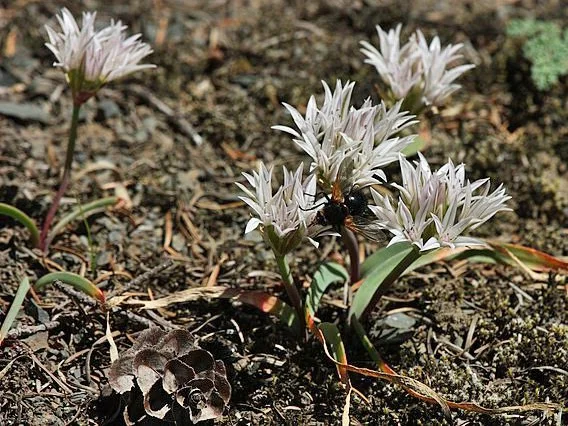
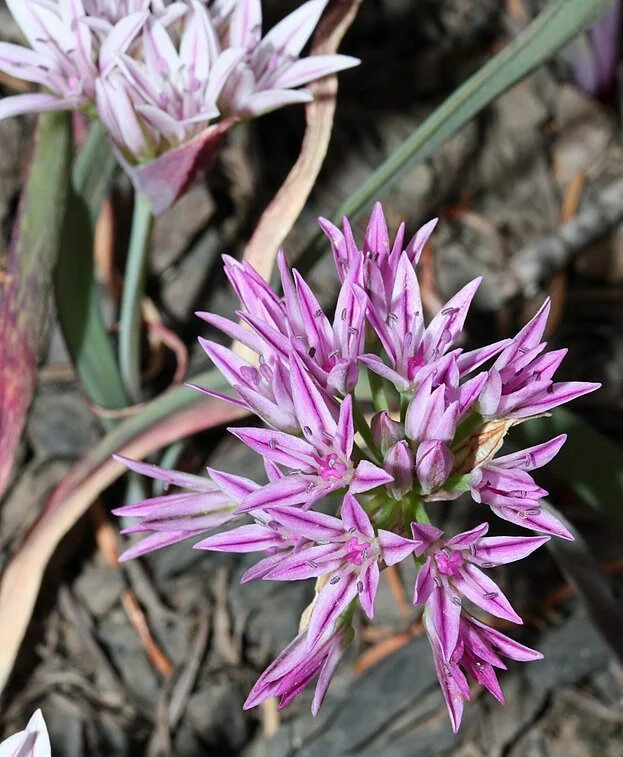
Flower Seeds
Olympic Onion Seeds – Allium crenulatum Flower Seeds – 10 Seed Pack – Outdoor Native Plant
Sold 50 products
Original price was: $25.00.$17.50Current price is: $17.50.
Sold 50 products
Original price was: $25.00.$17.50Current price is: $17.50.
Flower Seeds
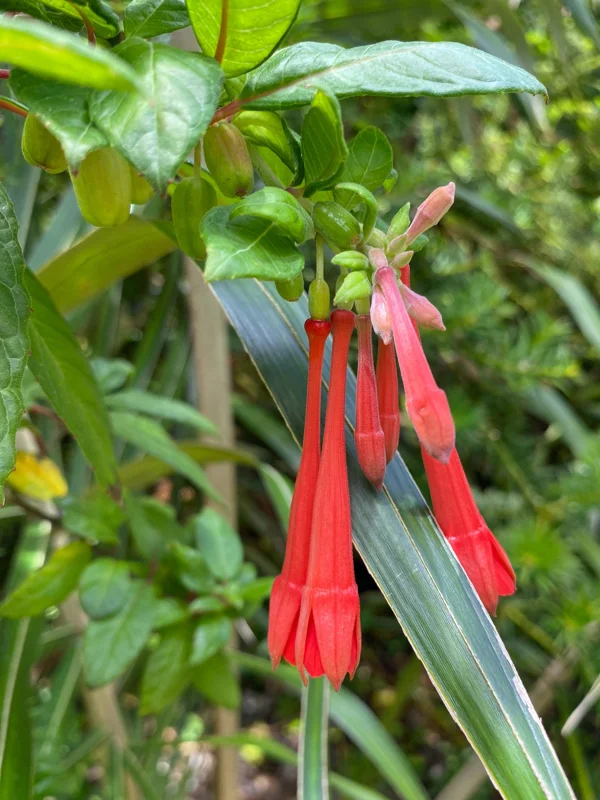
Fuchsia vulcanica Seeds – 20 Pack – Vibrant Orange Coral Flowers for Garden & Containers
Sold 50 products
Original price was: $25.00.$17.50Current price is: $17.50.
Sold 50 products
Original price was: $116.98.$95.68Current price is: $95.68.
Sold 50 products
Original price was: $21.00.$14.10Current price is: $14.10.
Aquatic Plant Seeds
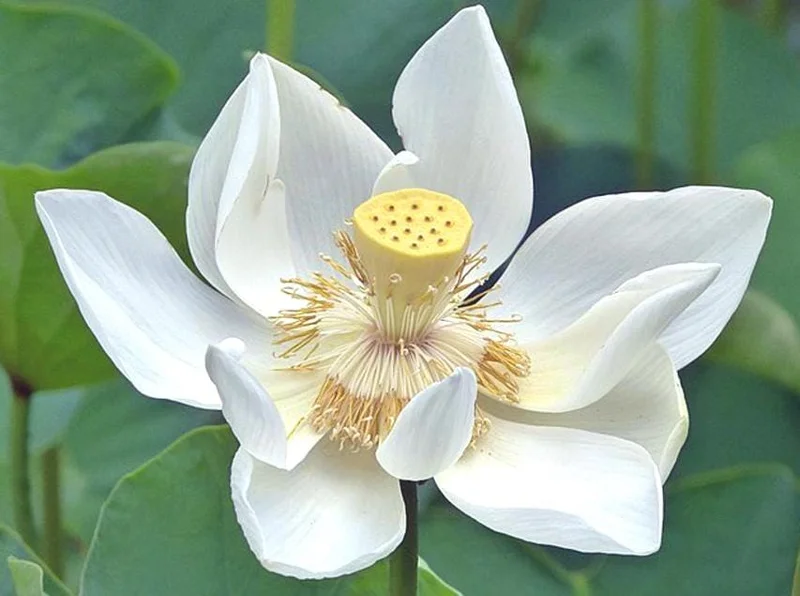
White Lotus Seeds – Nelumbo Nucifera Aquatic Pond Plant – 5 Seeds for Water Garden
Sold 50 products
Original price was: $29.00.$20.90Current price is: $20.90.RELATED posts
Awapuhi Wild Ginger Plant: Zones, Care, and Propagation
Learn which USDA zones suit awapuhi wild ginger, plus sunlight, water, planting, propagation, pests, size, [...]
Awapuhi Shampoo Ginger – Care, Growing Zones, and Differences
Learn how to grow awapuhi (shampoo) ginger, its USDA zones, watering schedule, propagation tips, and [...]
Awapuhi Shampoo Plant Buying Guide – Choose the Right Zingiber zerumbet
META: Learn which awapuhi (shampoo ginger) plant or rhizome pack gives the best natural shampoo, [...]
Awapuhi Plant for Sale: Complete Buying Guide
Find the right awapuhi (shampoo ginger) plant, size, price, soil mix, and online source. Practical [...]
Shampoo Ginger Plant for Sale – Buying Guide & Tips
Find the right shampoo ginger plant, size, price, and care tips. Quick guide for U.S. [...]
Shampoo Ginger Plant (Awapuhi) Care Guide
Learn how to grow, care for, and use shampoo ginger (Zingiber zerumbet), the tropical awapuhi [...]
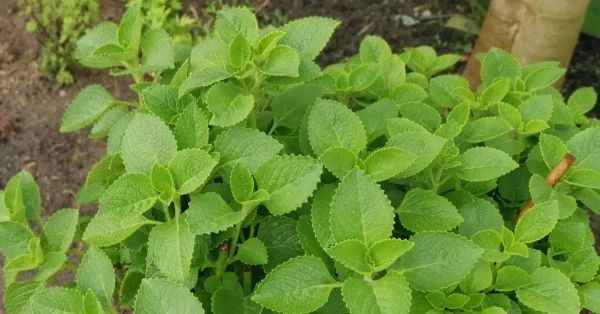
How to Grow Cuban Oregano Plants: A Complete Care Guide
If you’ve ever wanted a plant that combines the culinary punch of traditional oregano with [...]
Aug
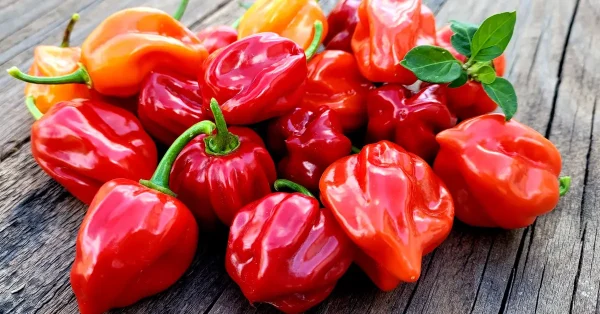
How to Grow Habanero Pepper Plants: A Step-by-Step Guide
Habanero pepper plants are prized for their vibrant colors, intense heat, and exceptional flavor, making [...]
Aug

Reviews
There are no reviews yet.