
European Spindle Seeds – Euonymus europaeus – 100 Seeds for Outdoor Planting
Original price was: $25.00.$17.50Current price is: $17.50.
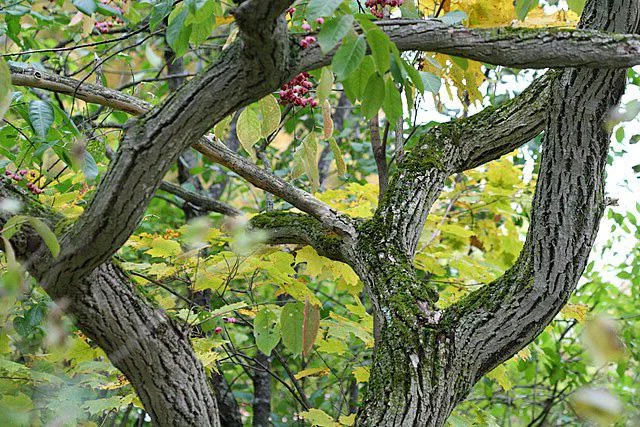
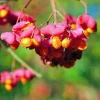
Cultivate the beautiful European Spindle seeds (Euonymus europaeus) in your garden. These deciduous shrub seeds promise a stunning autumn display with brilliant red-purple foliage and unique pink-orange fruits, attracting birds. Perfect for hedgerows and naturalized areas, offering year-round interest and low maintenance.
Shipping and Return policies:
We stand behind our plants with our Alive & Thrive Guarantee. If you experience any issues within the first 30 days, please email us, and our team will be happy to help. When needed, we’ll send you a one-time replacement free of charge to make sure your garden keeps growing strong.

Reasonable Price
We offer reasonable price

Support 24/7
Contact us 24 hrs a day
100% Money Back
You’ve 30 days to Return
Payment Secure
100% secure payment
Overview
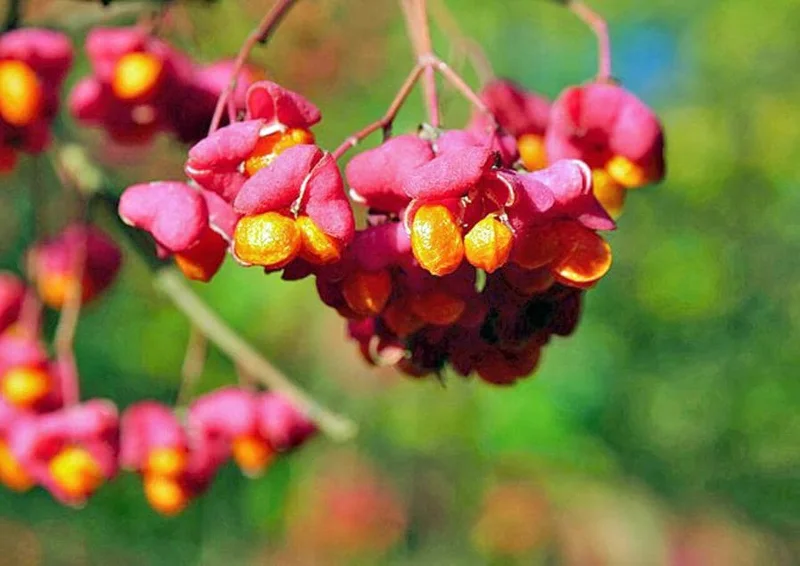
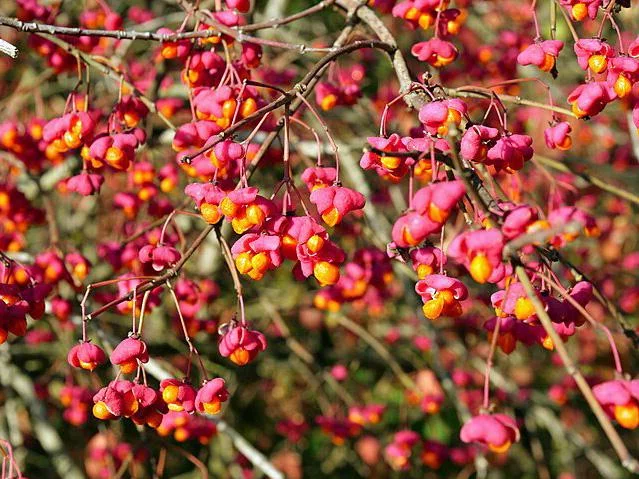
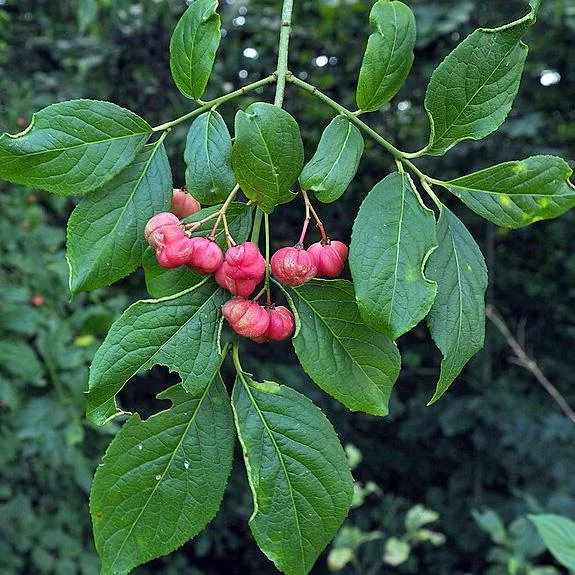
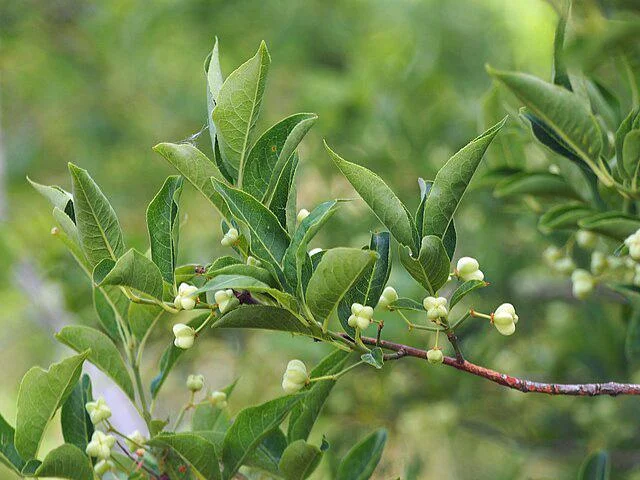
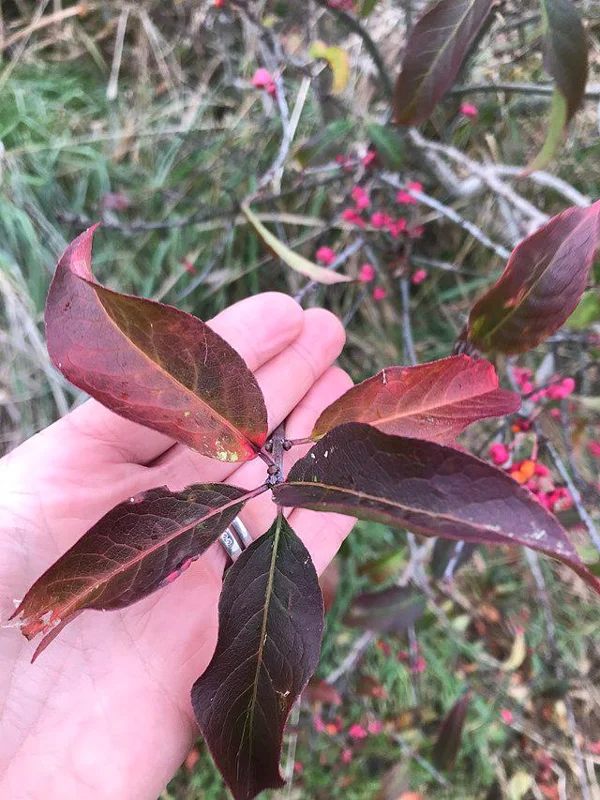
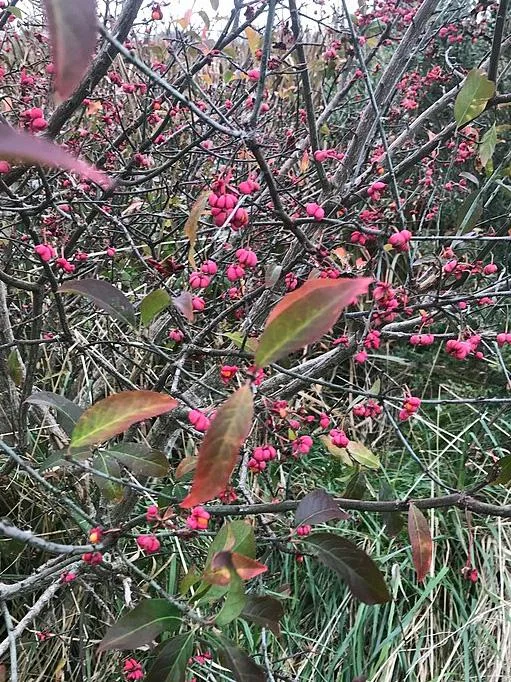
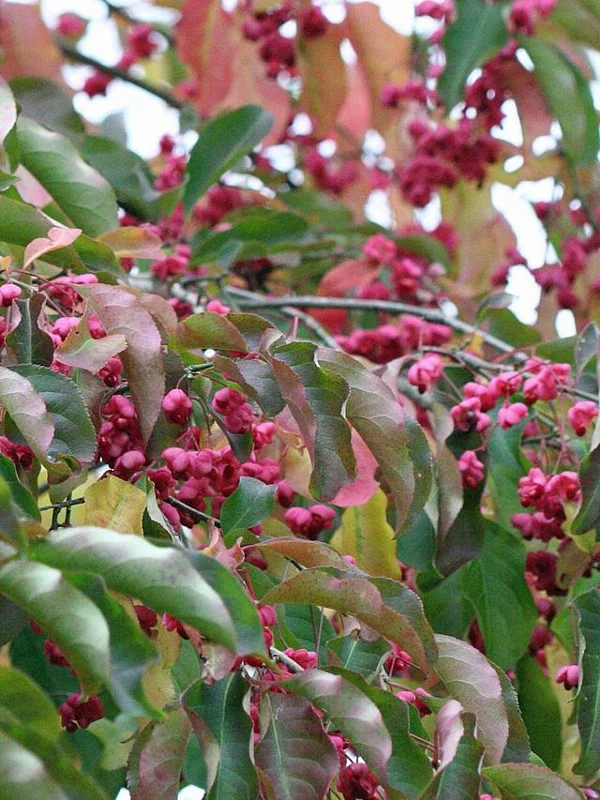
Embark on a rewarding gardening journey by planting European Spindle seeds. Euonymus europaeus, commonly known as European Spindle, is a captivating deciduous shrub or small tree celebrated for its dramatic seasonal transformation. Native to Europe and western Asia, this plant adds unparalleled beauty to any landscape, particularly during the autumn months. From these Euonymus europaeus seeds, you can cultivate a robust plant that typically grows 10 to 20 feet tall, providing a striking focal point or an excellent addition to hedgerows and woodland edges. The vibrant display of green, lance-shaped leaves that transition to brilliant red or purple hues is a true spectacle. Beyond its foliage, the European Spindle is also renowned for its distinctive four-lobed, pink capsules that gracefully split open to reveal bright orange seeds, a delightful treat for local birds.
Starting with European Spindle seeds allows you to nurture this hardy, low-maintenance shrub from its very beginning. While germination requires patience and cold stratification, the effort is well worth the reward. This plant thrives in a variety of well-drained soils and can tolerate conditions ranging from full sun to partial shade, making it adaptable to many garden settings. Its wildlife-friendly nature, especially for birds drawn to its ornamental fruit, enhances biodiversity in your outdoor space. Choose these European Spindle seeds to introduce a touch of natural elegance and year-round interest to your landscape, transforming it with its unique charm and ecological benefits.
Key Benefits
Planting European Spindle seeds offers numerous advantages, enriching your garden with both aesthetic appeal and ecological value. This versatile shrub delivers exceptional beauty and functionality throughout the seasons:
- Stunning Autumn Foliage: Enjoy an extraordinary display as the plant’s green leaves transform into brilliant shades of red and purple, creating a breathtaking visual impact in your fall garden. The vibrant color of the European Spindle plant is unmatched.
- Unique Ornamental Fruits: Witness the emergence of distinctive four-lobed, pink seed capsules that open to reveal bright orange seeds, adding fascinating texture and color to the plant during late summer and fall.
- Attracts Wildlife: The striking orange seeds are a natural food source, making the European Spindle a magnet for various bird species, enhancing the biodiversity and lively atmosphere of your garden.
- Hardy and Adaptable: These seeds will grow into a resilient shrub capable of thriving in USDA zones 3-7. It tolerates a range of conditions from full sun to partial shade and adapts to various well-drained soil types.
- Low Maintenance: Once established, the European Spindle requires minimal care, making it an excellent choice for gardeners seeking a beautiful yet undemanding plant. Cultivating Euonymus europaeus seeds is a rewarding experience.
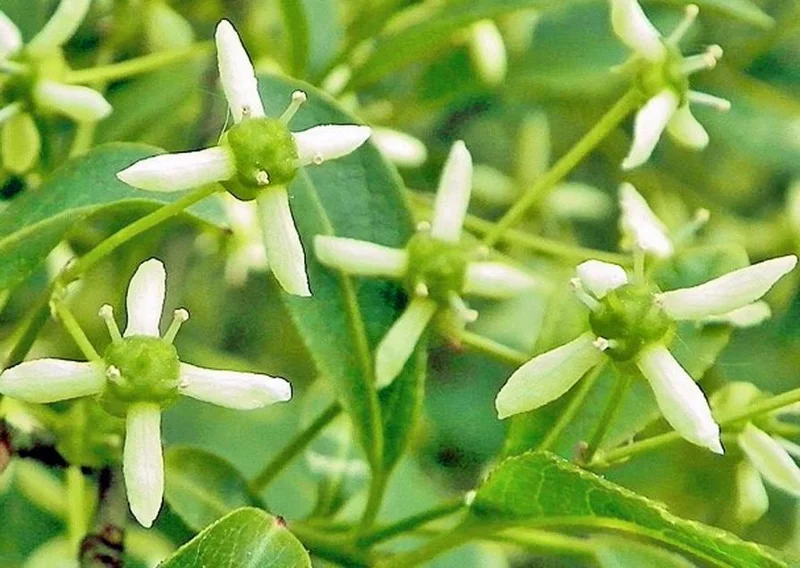
- Year-Round Interest: From its inconspicuous yellow-green flowers in late spring to its vibrant fall foliage and unique winter fruits, this shrub provides continuous visual appeal throughout the year.
- Versatile Landscaping Use: Ideal for hedgerows, woodland edges, borders, or as a specimen plant, the European Spindle fits seamlessly into diverse garden designs.
Plant Care & Growing Tips
Successfully growing from European Spindle seeds requires understanding its specific needs, particularly regarding germination and ongoing care. The initial step for germinating Euonymus europaeus seeds involves cold stratification. First, soak the seeds in warm water for 24 hours to help soften their tough outer coat. Following this, mix the seeds with a moist medium like sand or peat moss, then place them in a refrigerator at 34–40°F (1–4°C) for a period of 3 to 4 months. This mimics natural winter conditions, breaking dormancy and encouraging germination. After stratification, sow the seeds about ½ inch deep in a quality, well-draining seed-starting mix. Maintain consistent moisture in the soil, ensuring it’s never waterlogged, and place the containers in a warm, bright location with indirect sunlight. Germination can be slow, sometimes taking several months or even up to a year, so patience is key.
Once seedlings are established and have developed a few true leaves, they can be carefully transplanted into individual pots. Before moving them outdoors permanently, harden off the young plants by gradually exposing them to outdoor conditions over a week or two. Mature European Spindle plants thrive in well-drained soils, tolerating a wide range from sandy to clay, but perform best in consistently moist, fertile conditions. They are adaptable to sunlight, growing well in full sun, which often enhances fall color, or partial shade. These plants are hardy in USDA zones 3-7. Fertilization is generally not heavily required; a balanced, slow-release fertilizer in spring can support healthy growth, but avoid over-fertilizing. Watch out for common pests like scale insects or spider mites, treating them with appropriate horticultural oils or insecticidal soaps if necessary. With proper care, your deciduous shrub seeds will grow into robust, beautiful plants.
Size & Details
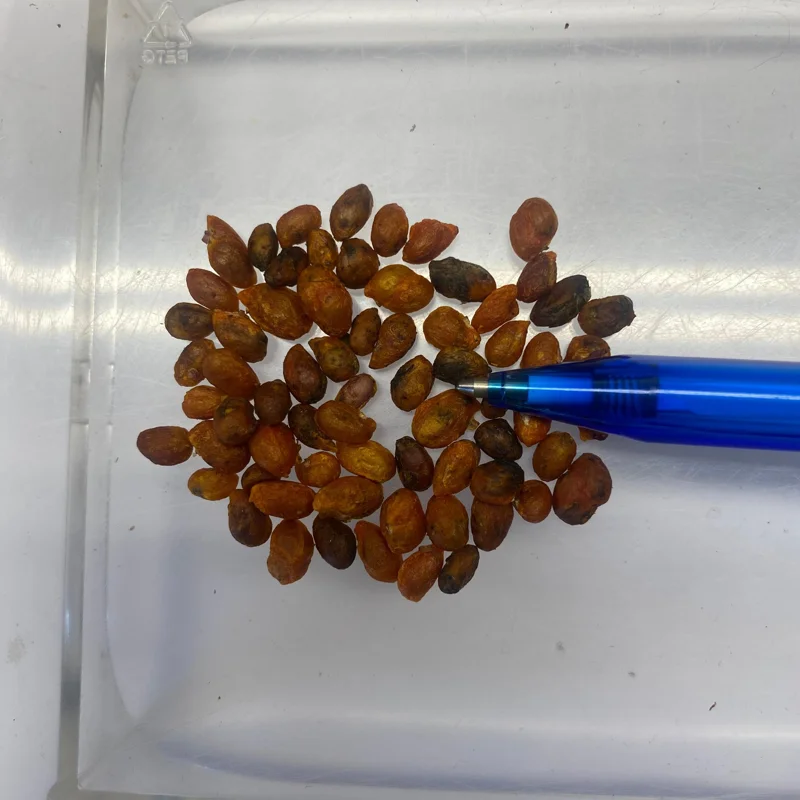
This offering includes 100 seeds of Euonymus europaeus, commonly known as the European Spindle. Each seed has the potential to grow into a resilient deciduous shrub or small tree. Mature plants typically reach a height of 10 to 20 feet with a spread of 8 to 15 feet, forming an upright, spreading habit. The growth rate is moderate, allowing the plant to establish itself well within a few years. These European Spindle seeds provide an economical way to cultivate multiple plants for hedgerows, naturalized areas, or as individual specimens.
The seeds are shipped in a protective packet, ensuring their viability upon arrival. Expect the first significant autumn color and fruit production to occur within 3-5 years after planting, depending on growing conditions. The plant’s unique pink capsules, revealing bright orange seeds, are a late-season highlight, typically appearing in late summer and persisting into winter. These seeds are suitable for outdoor planting across a wide range of climates within their hardiness zones.
Frequently Asked Questions
- Q: How big does the European Spindle plant get? A: The European Spindle plant typically grows to a height of 10 to 20 feet and can spread 8 to 15 feet wide, forming a moderately sized shrub or small tree.
- Q: Is this an indoor or outdoor plant? A: The European Spindle seeds are intended for growing outdoor plants. They are a hardy deciduous shrub best suited for gardens, hedgerows, and natural landscapes.
- Q: How much sunlight does it need? A: This plant is quite adaptable and thrives in conditions ranging from full sun to partial shade. Full sun exposure often leads to more vibrant fall foliage color.
- Q: Is this plant easy to care for? A: Once established, the European Spindle is considered a low-maintenance shrub. The main effort is in the initial germination process which requires cold stratification.
- Q: What condition will the seeds arrive in? A: Your Euonymus europaeus seeds will arrive in a sealed packet, ensuring they are protected and viable for planting.
- Q: How long until it blooms or produces fruit? A: The plant produces small, inconspicuous yellow-green flowers in late spring. Ornamental fruits typically develop in late summer and become prominent in fall, usually 3-5 years after planting from seed.
- Q: Will the European Spindle survive winter in my zone? A: Yes, the European Spindle is very hardy and can survive winters in USDA Hardiness Zones 3-7, making it suitable for many temperate climates across the US.
- Q: What’s the minimum temperature it can tolerate? A: This plant is cold-hardy down to approximately -40°F (-40°C), making it resilient in very cold winter conditions within its specified hardiness zones.
- Q: Do I need to stratify these European Spindle seeds? A: Yes, cold stratification is essential for successful germination of European Spindle seeds. This involves a period of cold, moist storage for 3-4 months before planting.
- Q: What kind of soil does the European Spindle prefer? A: It prefers well-drained soils, but is adaptable to various soil types, including loamy, sandy, or clay, as long as drainage is adequate.
Be the first to review “European Spindle Seeds – Euonymus europaeus – 100 Seeds for Outdoor Planting”
You must be logged in to post a review.
People also Viewed


Sold 50 products
Original price was: $109.95.$79.98Current price is: $79.98.

Sold 50 products
Original price was: $25.00.$17.50Current price is: $17.50.

Flower Seeds
Olympic Onion Seeds – Allium crenulatum Flower Seeds – 10 Seed Pack – Outdoor Native Plant
Sold 50 products
Original price was: $25.00.$17.50Current price is: $17.50.

Sold 50 products
Original price was: $25.00.$17.50Current price is: $17.50.

Flower Seeds
Fuchsia vulcanica Seeds – 20 Pack – Vibrant Orange Coral Flowers for Garden & Containers
Sold 50 products
Original price was: $25.00.$17.50Current price is: $17.50.

Sold 50 products
Original price was: $116.98.$95.68Current price is: $95.68.

Sold 50 products
Original price was: $21.00.$14.10Current price is: $14.10.

Aquatic Plant Seeds
White Lotus Seeds – Nelumbo Nucifera Aquatic Pond Plant – 5 Seeds for Water Garden
Sold 50 products
Original price was: $29.00.$20.90Current price is: $20.90.RELATED posts
Awapuhi Wild Ginger Plant: Zones, Care, and Propagation
Learn which USDA zones suit awapuhi wild ginger, plus sunlight, water, planting, propagation, pests, size, [...]
Awapuhi Shampoo Ginger – Care, Growing Zones, and Differences
Learn how to grow awapuhi (shampoo) ginger, its USDA zones, watering schedule, propagation tips, and [...]
Awapuhi Shampoo Plant Buying Guide – Choose the Right Zingiber zerumbet
META: Learn which awapuhi (shampoo ginger) plant or rhizome pack gives the best natural shampoo, [...]
Awapuhi Plant for Sale: Complete Buying Guide
Find the right awapuhi (shampoo ginger) plant, size, price, soil mix, and online source. Practical [...]
Shampoo Ginger Plant for Sale – Buying Guide & Tips
Find the right shampoo ginger plant, size, price, and care tips. Quick guide for U.S. [...]
Shampoo Ginger Plant (Awapuhi) Care Guide
Learn how to grow, care for, and use shampoo ginger (Zingiber zerumbet), the tropical awapuhi [...]

How to Grow Cuban Oregano Plants: A Complete Care Guide
If you’ve ever wanted a plant that combines the culinary punch of traditional oregano with [...]
Aug

How to Grow Habanero Pepper Plants: A Step-by-Step Guide
Habanero pepper plants are prized for their vibrant colors, intense heat, and exceptional flavor, making [...]
Aug
Reviews
There are no reviews yet.