
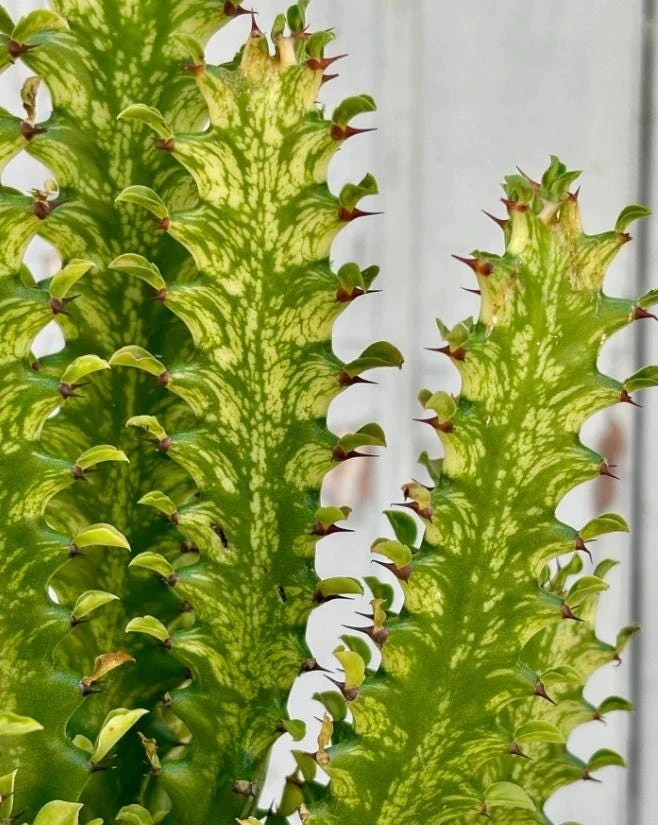
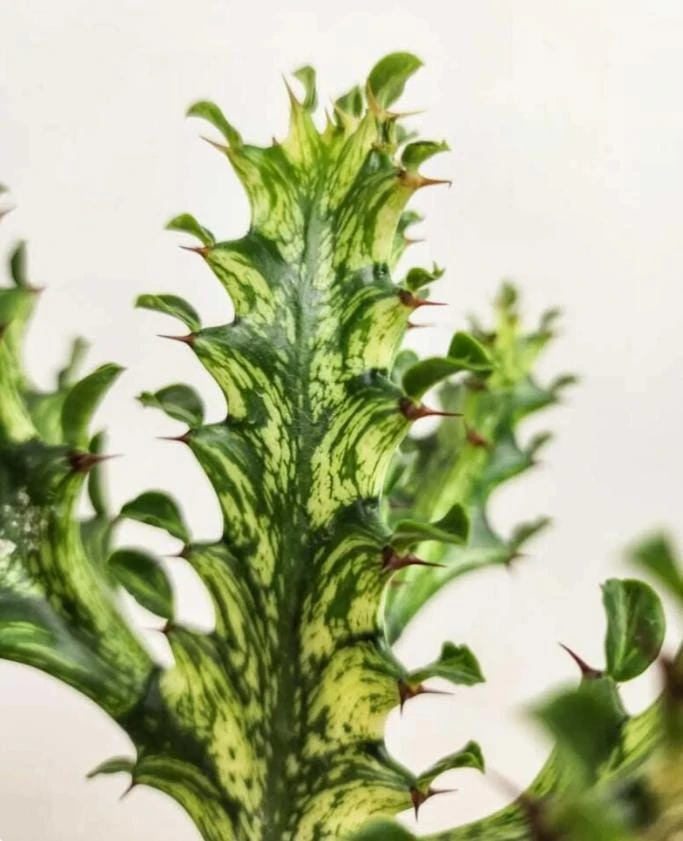
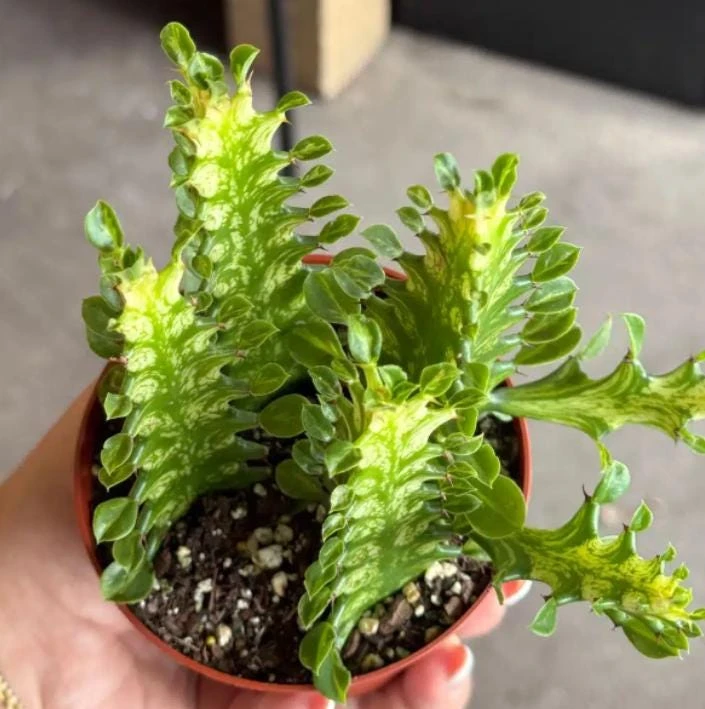
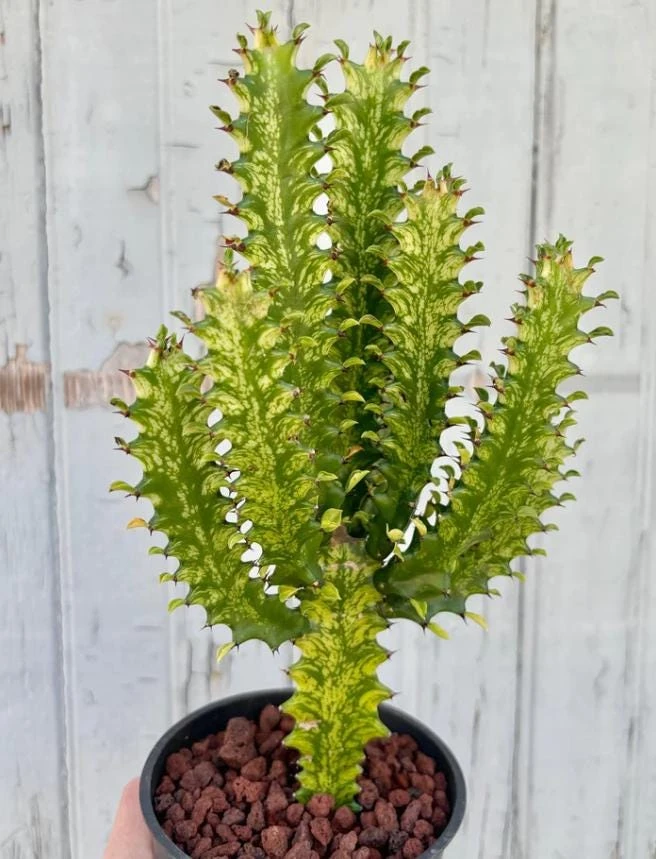
Euphorbia Trigona Variegated Live Plant – 3-4″ Tall African Milk Tree Houseplant Indoor
Original price was: $33.99.$17.98Current price is: $17.98.
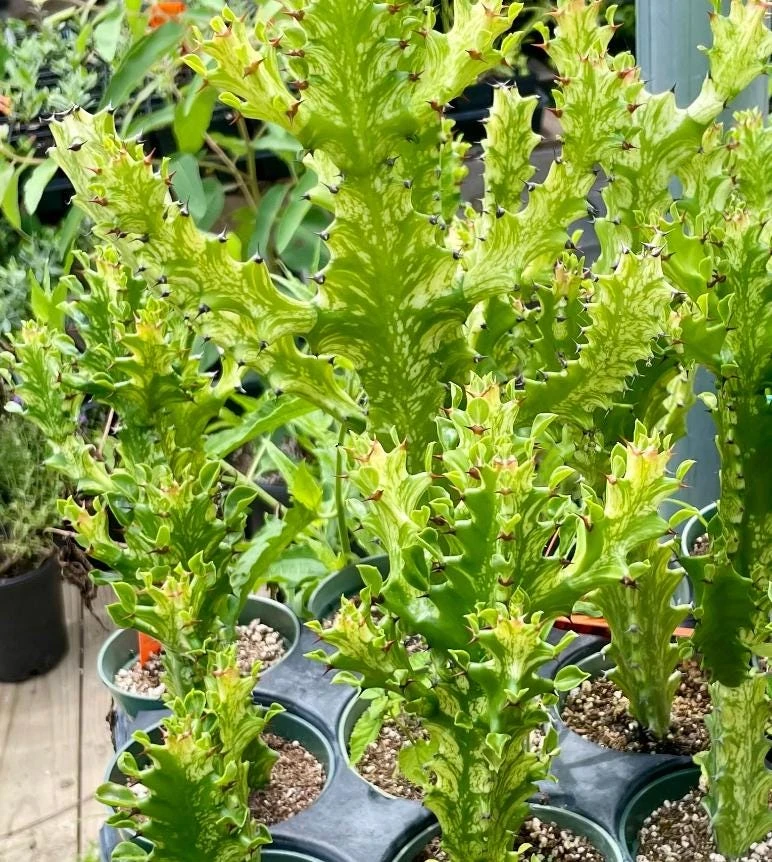
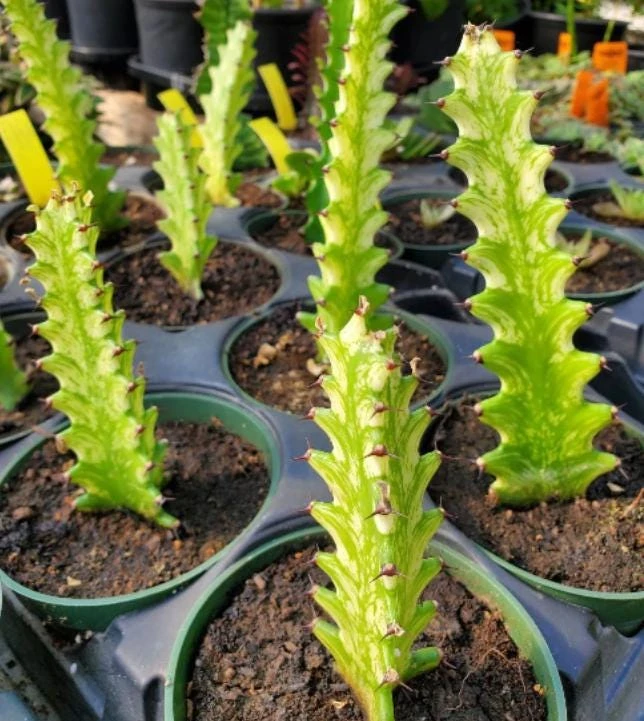
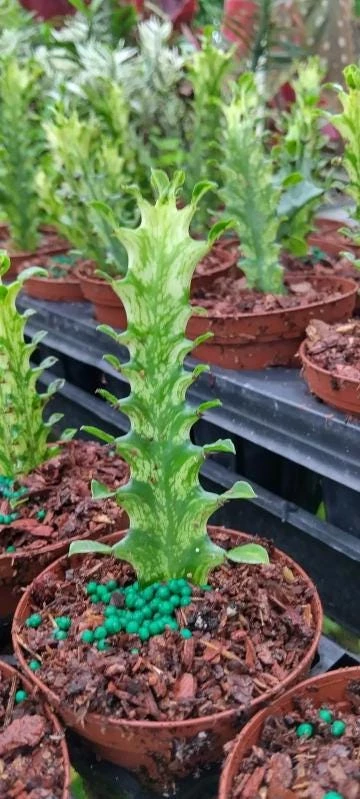
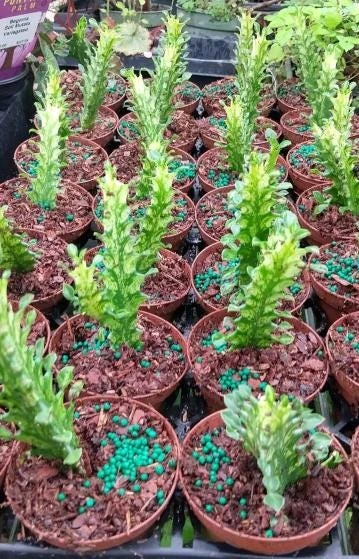
Introduce an exotic touch with this 3-4 inch Euphorbia Trigona Variegated live plant. Also known as the African Milk Tree houseplant, this stunning variegated succulent care is easy and perfect for enhancing indoor decor.
Shipping and Return policies:
We stand behind our plants with our Alive & Thrive Guarantee. If you experience any issues within the first 30 days, please email us, and our team will be happy to help. When needed, we’ll send you a one-time replacement free of charge to make sure your garden keeps growing strong.

Reasonable Price
We offer reasonable price

Support 24/7
Contact us 24 hrs a day
100% Money Back
You’ve 30 days to Return
Payment Secure
100% secure payment
Overview
Introduce a touch of exotic elegance to your indoor plant collection with the Euphorbia Trigona Variegated live plant. This stunning succulent, commonly known as the African Milk Tree, is celebrated for its distinctive, upright, candelabra-like stems that are beautifully mottled with shades of green and creamy white. Originating from Central Africa, Euphorbia trigona ‘Rubra’ variegata offers a unique visual appeal that stands out from traditional houseplants. Its architectural form and vibrant coloration make it a captivating focal point in any room, providing a modern and sophisticated aesthetic. This particular offering is a healthy, established plant, ready to thrive in your home and instantly elevate your interior decor. Whether you’re a seasoned succulent enthusiast or just beginning your plant journey, the African Milk Tree houseplant is an excellent choice for its striking appearance and relatively low maintenance houseplant needs.
The Euphorbia Trigona Variegated live plant is not just a pretty face; it’s also a resilient and rewarding plant to grow. Its unique columnar growth habit and fascinating leaf patterns make it a conversation starter, often mistaken for a cactus due to its spiny edges. However, it is a succulent from the Euphorbia family, known for its milky white sap (latex) which can be irritating, so handling with care is advised. This variant’s variegation adds an extra layer of charm, ensuring that each plant is a unique piece of living art. It’s an ideal choice for those looking to add structure and an unusual silhouette to their plant arrangements, bringing a piece of the African landscape right into your living space, making it a true indoor plant for collectors.
Key Benefits
The Euphorbia Trigona Variegated live plant offers a multitude of benefits that make it a favorite among plant enthusiasts. Its unique characteristics contribute to both its aesthetic appeal and ease of care, making it a valuable addition to any home.
- Striking Visual Appeal: The variegated stems, with their distinctive green and white patterns, create a visually stunning display. Its architectural, upright growth habit adds a modern and sculptural element to any room, making it a natural focal point. This African Milk Tree houseplant truly stands out.
- Low Maintenance: This succulent is incredibly forgiving and requires minimal attention, making it perfect for busy individuals or those new to plant care. It thrives on neglect, preferring infrequent watering and bright light, embodying the definition of a low maintenance houseplant.
- Drought Tolerant: As a succulent, it is highly drought-resistant, storing water in its thick stems. This means less frequent watering, reducing the risk of overwatering which is a common plant killer, simplifying variegated succulent care.
- Air Purifying Qualities: Like many houseplants, this plant contributes to a healthier indoor environment by helping to filter toxins from the air, promoting better air quality in your home.
- Unique Addition to Collections: For succulent collectors, the variegated form of Euphorbia Trigona is a highly sought-after and distinctive specimen, offering a different texture and form compared to more common succulents. It’s truly an indoor plant for collectors.
- Adaptable to Indoor Conditions: It adapts well to typical indoor temperatures and humidity levels, making it an excellent choice for homes and offices. Its ability to thrive in various indoor settings contributes to its popularity.
- Long Lifespan: With proper care, the African Milk Tree can live for many years, growing into an impressive, stately specimen that continues to enhance your home’s aesthetic for decades.
Plant Care & Growing Tips
Caring for your Euphorbia Trigona Variegated live plant is relatively straightforward, making it an excellent choice for both novice and experienced plant parents. To ensure your African Milk Tree houseplant thrives, focus on providing adequate light, proper watering, and well-draining soil. This plant is known for its resilience, but understanding its basic needs will help it flourish and display its beautiful variegation to its fullest. Effective variegated succulent care starts with these fundamentals.
Sunlight requirements: The African Milk Tree prefers bright, indirect light. A south or west-facing window is ideal, where it can receive several hours of bright light daily. While it can tolerate some direct morning sun, intense afternoon sun can scorch its variegated stems, especially in hotter climates. If light is insufficient, the plant may become leggy and its variegation less pronounced. Rotate your plant periodically to ensure even growth. For optimal care, aim for at least 4-6 hours of bright light per day.
Watering schedule and soil moisture preferences: This succulent is highly drought-tolerant. Water thoroughly when the soil is completely dry to the touch, then allow it to dry out completely again before the next watering. Overwatering is the most common cause of problems, leading to root rot. During winter months, when the plant’s growth slows, reduce watering significantly. Ensure the pot has drainage holes to prevent waterlogging. Good drainage is crucial for a healthy plant.
Soil type and drainage requirements: Use a well-draining potting mix specifically formulated for succulents or cacti. A mix of potting soil, perlite, and coarse sand in equal parts works well. Excellent drainage is paramount to prevent water from sitting around the roots, which can lead to fungal issues. Temperature range and USDA hardiness zone: Ideal temperatures for this plant range from 65-80°F (18-27°C). It is not frost-tolerant and should be protected from temperatures below 50°F (10°C). It is typically grown as an indoor plant for collectors in most climates, though it can be moved outdoors in warm, frost-free regions during summer. Fertilization schedule and type: Fertilize sparingly during the growing season (spring and summer) with a balanced liquid fertilizer diluted to half strength. Avoid fertilizing during the dormant winter months. Common problems and solutions: Watch out for mealybugs or spider mites, which can be treated with insecticidal soap. Yellowing or mushy stems usually indicate overwatering, while shriveling stems can point to underwatering or insufficient light. With attentive care, your plant will thrive, proving itself a truly low maintenance houseplant.
Size & Details
This offering is for one healthy Euphorbia Trigona Variegated live plant, measuring approximately 3-4 inches in height from the soil line. It is shipped without a pot to ensure safe transit and reduce shipping costs, allowing you to choose the perfect container to match your home decor upon arrival. The plant is well-rooted and ready to be potted in a suitable succulent mix. While compact at this size, the African Milk Tree is a relatively fast grower under optimal conditions, capable of reaching several feet tall indoors over many years, forming an impressive, upright specimen. Its mature width can vary depending on pruning and growth habit, but it generally maintains a columnar shape.
The plant will arrive carefully packaged, with its root ball protected. Upon receipt, it is recommended to pot it immediately into a well-draining container with appropriate succulent soil. Expect to see new growth and further development of its striking variegation as it acclimates to its new environment. This variegated succulent care is simple to start with this young plant, perfect for growing into a larger, more imposing feature in your home. The African Milk Tree houseplant typically starts as a single stem but can branch out over time, especially with strategic pruning, creating a denser, more multi-stemmed appearance.
Frequently Asked Questions
- Q: How big does this plant get? A: This Euphorbia Trigona Variegated live plant is currently 3-4 inches tall. With proper care, it can grow quite large indoors, often reaching several feet in height over many years, sometimes up to 6-8 feet in ideal conditions.
- Q: Is this an indoor or outdoor plant? A: It is primarily an indoor plant in most climates due to its sensitivity to cold. It can be moved outdoors during warm summer months in USDA zones 9-11 but must be brought inside before temperatures drop below 50°F (10°C). It’s an excellent indoor plant for collectors.
- Q: How much sunlight does it need? A: The African Milk Tree houseplant thrives in bright, indirect light. A south or west-facing window is ideal. It can tolerate some direct morning sun but should be protected from harsh afternoon sun to prevent scorching.
- Q: Is this plant easy to care for? A: Yes, it is considered a low maintenance houseplant. Its drought tolerance and preference for bright light make it suitable for beginners and those looking for easy variegated succulent care.
- Q: What condition will it arrive in? A: Your Euphorbia Trigona Variegated live plant will arrive carefully packaged, unpotted, with its roots protected. It will be a healthy, established plant ready for potting.
- Q: Is it shipped in soil? A: No, to ensure safe and efficient shipping, the plant is shipped bare-root (without a pot and most soil). You will need to provide your own well-draining succulent potting mix and container upon arrival.
- Q: Is this plant pet-safe? A: No, the milky sap (latex) produced by the Euphorbia Trigona can be irritating to skin and toxic if ingested by pets or humans. It’s best to keep it out of reach of children and pets.
- Q: When is the best time to plant? A: As an indoor plant, it can be potted and grown year-round indoors. If moving it outdoors for summer, ensure all danger of frost has passed.
- Q: What type of pot should I use? A: A pot with drainage holes is essential to prevent root rot. Terracotta pots are often recommended as they help wick away excess moisture, but any pot with good drainage will work.
- Q: How often should I fertilize my African Milk Tree? A: Fertilize sparingly during the spring and summer growing season with a diluted liquid succulent fertilizer, about once every 4-6 weeks. Do not fertilize during fall and winter.
Be the first to review “Euphorbia Trigona Variegated Live Plant – 3-4″ Tall African Milk Tree Houseplant Indoor”
You must be logged in to post a review.
People also Viewed
Sold 50 products
Original price was: $37.48.$23.98Current price is: $23.98.
Sold 50 products
$32.38
Sold 50 products
$27.38
Sold 50 products
$32.38
Sold 50 products
$19.88
Sold 50 products
$62.38
Sold 50 products
$24.88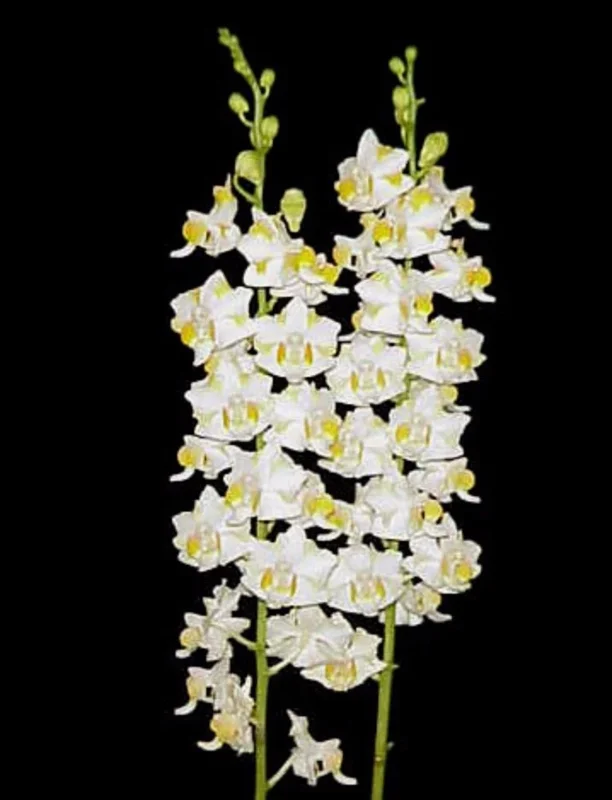
Houseplants
Phalaenopsis pulcherrima ‘Mauna Kea Snow’ Orchid Live Plant – White Flowers, Potted 2.5 in
Sold 50 products
$49.88RELATED posts
Awapuhi Wild Ginger Plant: Zones, Care, and Propagation
Learn which USDA zones suit awapuhi wild ginger, plus sunlight, water, planting, propagation, pests, size, [...]
Awapuhi Shampoo Ginger – Care, Growing Zones, and Differences
Learn how to grow awapuhi (shampoo) ginger, its USDA zones, watering schedule, propagation tips, and [...]
Awapuhi Shampoo Plant Buying Guide – Choose the Right Zingiber zerumbet
META: Learn which awapuhi (shampoo ginger) plant or rhizome pack gives the best natural shampoo, [...]
Awapuhi Plant for Sale: Complete Buying Guide
Find the right awapuhi (shampoo ginger) plant, size, price, soil mix, and online source. Practical [...]
Shampoo Ginger Plant for Sale – Buying Guide & Tips
Find the right shampoo ginger plant, size, price, and care tips. Quick guide for U.S. [...]
Shampoo Ginger Plant (Awapuhi) Care Guide
Learn how to grow, care for, and use shampoo ginger (Zingiber zerumbet), the tropical awapuhi [...]
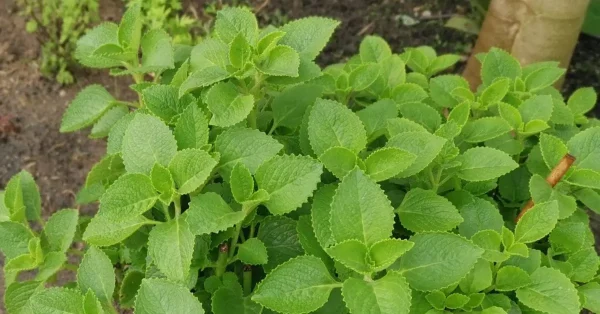
How to Grow Cuban Oregano Plants: A Complete Care Guide
If you’ve ever wanted a plant that combines the culinary punch of traditional oregano with [...]
Aug
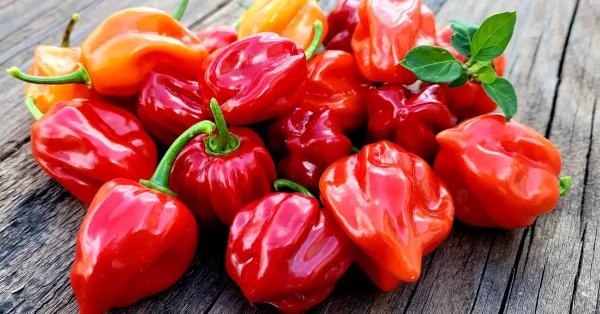
How to Grow Habanero Pepper Plants: A Step-by-Step Guide
Habanero pepper plants are prized for their vibrant colors, intense heat, and exceptional flavor, making [...]
Aug


Reviews
There are no reviews yet.