
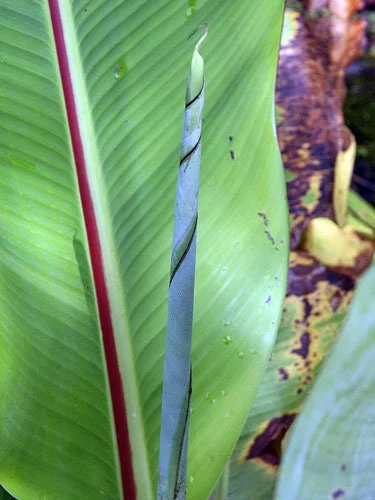
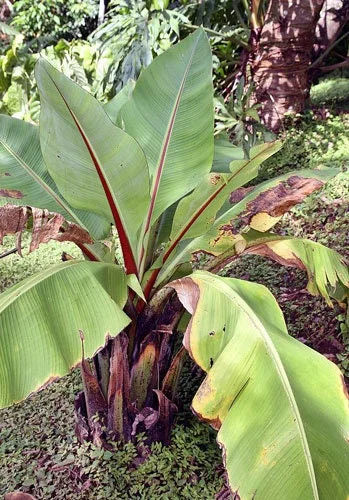
Ensete Ventricosum Seeds – Ethiopian Banana Plant Seeds – 20 Count – Tropical Ornamental
Original price was: $27.00.$19.20Current price is: $19.20.
Cultivate the magnificent Ensete ventricosum seeds, also known as the Ethiopian banana seeds. These 20 seeds will grow into a captivating tropical ornamental plant, perfect for adding a lush, exotic touch to your garden landscape in USDA Zones 8-11.
Shipping and Return policies:
We stand behind our plants with our Alive & Thrive Guarantee. If you experience any issues within the first 30 days, please email us, and our team will be happy to help. When needed, we’ll send you a one-time replacement free of charge to make sure your garden keeps growing strong.

Reasonable Price
We offer reasonable price

Support 24/7
Contact us 24 hrs a day
100% Money Back
You’ve 30 days to Return
Payment Secure
100% secure payment
Overview
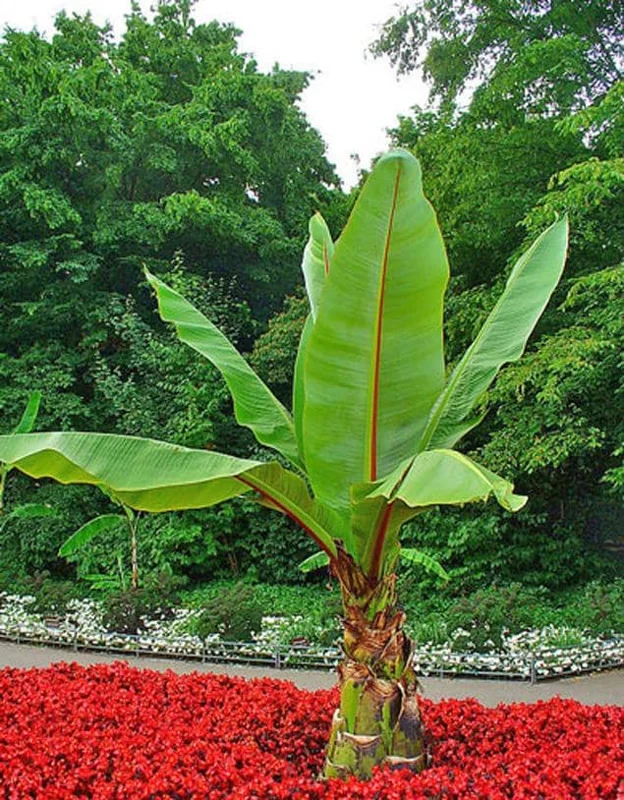
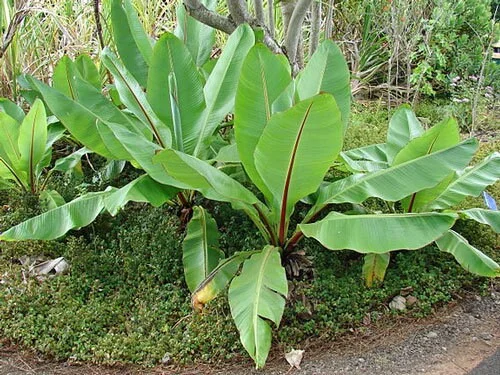
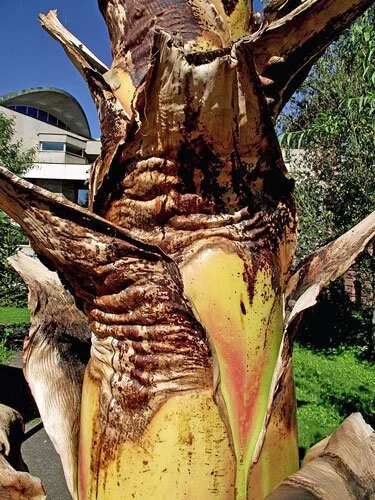
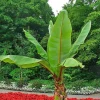
Embark on a captivating botanical journey by growing your own Ensete ventricosum seeds. Commonly known as the Ethiopian banana seeds, these unique seeds offer the chance to cultivate a truly magnificent herbaceous perennial. Native to East Africa, Ensete ventricosum is celebrated for its robust pseudostems and enormous, banana-like leaves that can span several meters, creating a dramatic, tropical canopy. While it rarely produces edible fruit, its grandeur and lush appearance make it an exceptional ornamental plant. This plant evokes a sense of tropical abundance and is a focal point in any garden or landscape, thriving in warm, humid climates. Beyond its ornamental appeal, the starchy corms of the Ensete ventricosum are a dietary staple in certain cultures, highlighting its cultural significance.
These Ensete ventricosum seeds provide a unique opportunity to introduce an exotic, fast-growing specimen to your outdoor space, especially suitable for regions within USDA Zones 8-11. Its striking presence and impressive size make it an ideal choice for creating a bold, architectural statement in tropical-themed gardens, large containers, or as a centerpiece in a mixed border. With proper care and attention during germination, you can witness the transformation of these humble seeds into a towering botanical marvel.
Key Benefits
Growing Ensete ventricosum seeds offers a multitude of benefits, transforming your garden into a lush, tropical paradise. This plant is not just an ordinary addition; it’s a statement piece:
- Dramatic Ornamental Impact: The sheer size and tropical appearance of the Ensete ventricosum, with its massive leaves and robust pseudostems, create an immediate and striking visual impact in any landscape. It serves as an impressive focal point.
- Exotic Garden Appeal: Introduce a truly exotic and unique plant to your garden. The Ensete ventricosum plant brings an unparalleled sense of tropical lushness, making your outdoor space feel like a faraway retreat.
- Fast-Growing Potential: While germination can take time, once established, the Ensete ventricosum is known for its relatively fast growth, quickly developing into a substantial and impressive plant.
- Cultural Significance: Beyond its beauty, the plant holds cultural importance as a food staple in certain regions, adding a layer of depth and interest to its cultivation.
- Adaptable to Warm Climates: Thrives in warm, humid conditions, making it an excellent choice for gardeners in suitable climates looking for a resilient and spectacular tropical specimen.
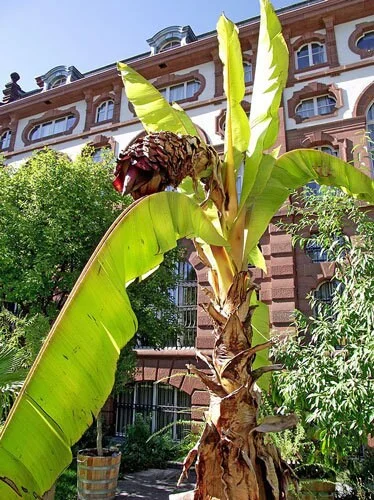
- Unique Inflorescence: Though rare, the towering flower stalk (inflorescence) of a mature Ensete ventricosum is a breathtaking sight, adding another dimension of wonder.
Plant Care & Growing Tips
To successfully grow your Ensete ventricosum seeds, specific conditions are crucial for germination and subsequent plant health. Begin by soaking the seeds in warm water for 48 hours; this helps soften the tough seed coat and aids in moisture absorption, preparing them for germination. Prepare a well-draining seed-starting mix, ideally a blend of peat moss, perlite, and sand, to provide the ideal environment for delicate root development. Fill seed trays or pots with this mix and moisten it thoroughly before planting.
Plant the Ethiopian banana seeds approximately 1-2 centimeters deep in the soil, ensuring they are lightly covered. Maintaining consistent moisture is vital; water regularly to keep the soil moist but never waterlogged, as this can lead to rot. Place the seed trays in a warm location with indirect sunlight, aiming for a temperature range of 25-30°C (77-86°F) for optimal germination. Patience is key, as germination can be slow, ranging from several weeks to several months. Once seedlings develop their first true leaves, they are ready for careful transplantation into larger pots or directly into a well-draining garden spot. Ensure the garden soil is rich and well-draining, and that the plants receive full to partial sunlight. Regular watering and consistent care will help your how to grow Ensete ventricosum efforts result in healthy, thriving plants.
For mature plants, provide ample space for growth as they can become quite large. Fertilize regularly during the growing season with a balanced, slow-release fertilizer to support their vigorous growth. In cooler zones (USDA Zone 8), plants may need winter protection or can be grown in containers and brought indoors. Protect from strong winds which can shred the large leaves. Pests are generally not a major issue, but monitor for common garden pests and treat as needed.
Size & Details
This product includes 20 Ensete ventricosum seeds, allowing you to cultivate multiple majestic Ethiopian Banana plants. Each seed has the potential to grow into a large herbaceous perennial, typically reaching heights of 10-20 feet (3-6 meters) with a spread of 5-10 feet (1.5-3 meters) under ideal conditions. The enormous leaves can measure several meters in length, creating a truly impressive display. These seeds ship as individual packets, ready for your home cultivation.
The growth rate of the Ensete ventricosum plant is generally fast once established, quickly developing its characteristic pseudostem and large leaves. While germination can take several weeks to months, the subsequent growth is vigorous. Plants are primarily valued for their foliage and stature, as they rarely bear edible fruit. They are typically grown as an annual in colder climates or overwintered indoors, thriving as perennials in USDA Zones 8-11. Expect a mature plant to command significant space and attention in your landscape.
Frequently Asked Questions
- Q: How big does this plant get? A: The Ensete ventricosum can grow quite large, typically reaching 10-20 feet (3-6 meters) in height and 5-10 feet (1.5-3 meters) in width. Its leaves alone can be several meters long, creating a very impressive, tropical presence.
- Q: Is this an indoor or outdoor plant? A: The Ensete ventricosum plant is primarily an outdoor plant, especially in USDA Zones 8-11 where it can be grown as a perennial. In colder climates, it can be grown as an annual or in large containers and brought indoors for winter protection.
- Q: How much sunlight does it need? A: Ensete ventricosum thrives in full to partial sunlight. It prefers at least 6 hours of direct sunlight per day to achieve its best growth and lush foliage.
- Q: What condition will the seeds arrive in? A: The product consists of 20 high-quality Ensete ventricosum seeds, packaged securely to ensure they arrive in excellent condition, ready for planting.
- Q: Is this plant easy to care for? A: While germination of Ethiopian banana seeds requires specific conditions and patience, once established, the plant is relatively low maintenance. It mainly needs consistent watering, well-draining soil, and ample sunlight.
- Q: How long until it blooms or produces fruit? A: Ensete ventricosum is primarily grown for its ornamental foliage and stature. It rarely blooms or produces fruit, and when it does, the fruit is typically not edible. The plant is a long-term commitment, taking several years to reach maturity and potentially flower.
- Q: What’s the minimum temperature it can tolerate? A: The Ensete ventricosum is hardy in USDA Zones 8-11. It can tolerate temperatures down to about 15-20°F (-9 to -6°C) for short periods, but prolonged freezing temperatures will damage or kill the plant.
- Q: What kind of soil is best for these seeds? A: For successful germination and growth, use a well-draining seed-starting mix. For mature plants, a rich, well-draining garden soil is ideal. Avoid heavy, waterlogged soils.
- Q: Can I grow how to grow Ensete ventricosum in a pot? A: Yes, you can grow Ensete ventricosum in a large pot or container, especially if you are in a colder zone and plan to bring it indoors for winter. Ensure the pot has excellent drainage and is large enough to accommodate its substantial root system.
- Q: Are these seeds edible? A: No, the seeds are not edible. The plant is primarily valued for its ornamental foliage and, in some cultures, for its starchy corms, not the seeds or fruit.
Be the first to review “Ensete Ventricosum Seeds – Ethiopian Banana Plant Seeds – 20 Count – Tropical Ornamental”
You must be logged in to post a review.
People also Viewed


Sold 50 products
Original price was: $109.95.$79.98Current price is: $79.98.

Sold 50 products
Original price was: $25.00.$17.50Current price is: $17.50.

Flower Seeds
Olympic Onion Seeds – Allium crenulatum Flower Seeds – 10 Seed Pack – Outdoor Native Plant
Sold 50 products
Original price was: $25.00.$17.50Current price is: $17.50.

Sold 50 products
Original price was: $25.00.$17.50Current price is: $17.50.

Flower Seeds
Fuchsia vulcanica Seeds – 20 Pack – Vibrant Orange Coral Flowers for Garden & Containers
Sold 50 products
Original price was: $25.00.$17.50Current price is: $17.50.

Sold 50 products
Original price was: $116.98.$95.68Current price is: $95.68.

Sold 50 products
Original price was: $21.00.$14.10Current price is: $14.10.

Aquatic Plant Seeds
White Lotus Seeds – Nelumbo Nucifera Aquatic Pond Plant – 5 Seeds for Water Garden
Sold 50 products
Original price was: $29.00.$20.90Current price is: $20.90.RELATED posts
Awapuhi Wild Ginger Plant: Zones, Care, and Propagation
Learn which USDA zones suit awapuhi wild ginger, plus sunlight, water, planting, propagation, pests, size, [...]
Awapuhi Shampoo Ginger – Care, Growing Zones, and Differences
Learn how to grow awapuhi (shampoo) ginger, its USDA zones, watering schedule, propagation tips, and [...]
Awapuhi Shampoo Plant Buying Guide – Choose the Right Zingiber zerumbet
META: Learn which awapuhi (shampoo ginger) plant or rhizome pack gives the best natural shampoo, [...]
Awapuhi Plant for Sale: Complete Buying Guide
Find the right awapuhi (shampoo ginger) plant, size, price, soil mix, and online source. Practical [...]
Shampoo Ginger Plant for Sale – Buying Guide & Tips
Find the right shampoo ginger plant, size, price, and care tips. Quick guide for U.S. [...]
Shampoo Ginger Plant (Awapuhi) Care Guide
Learn how to grow, care for, and use shampoo ginger (Zingiber zerumbet), the tropical awapuhi [...]

How to Grow Cuban Oregano Plants: A Complete Care Guide
If you’ve ever wanted a plant that combines the culinary punch of traditional oregano with [...]
Aug

How to Grow Habanero Pepper Plants: A Step-by-Step Guide
Habanero pepper plants are prized for their vibrant colors, intense heat, and exceptional flavor, making [...]
Aug
Reviews
There are no reviews yet.