
Empress Of India Nasturtium Seeds – 10 Count, Edible Crimson Flowers, Annual
Original price was: $23.00.$15.80Current price is: $15.80.
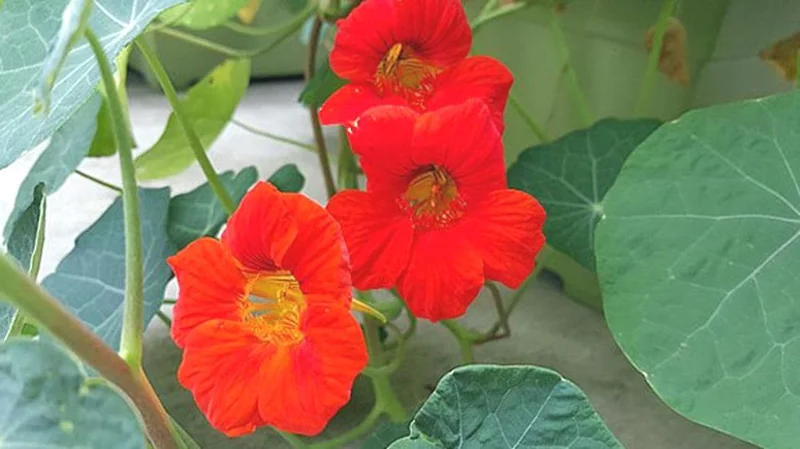
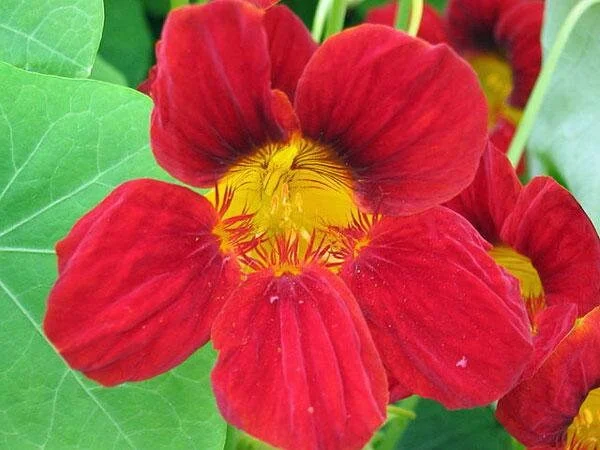
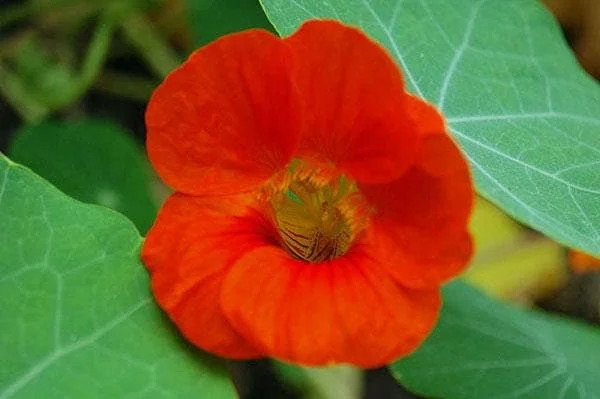
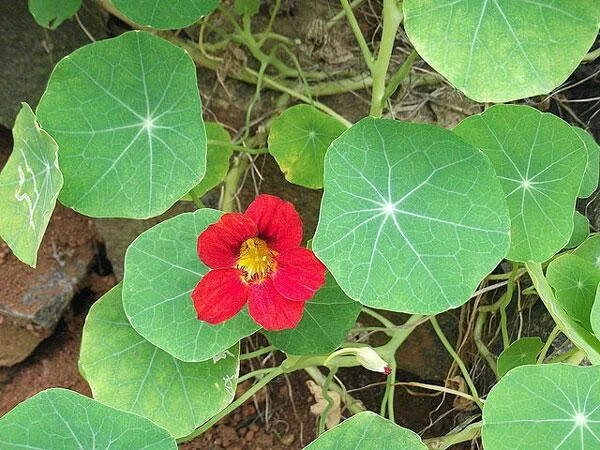
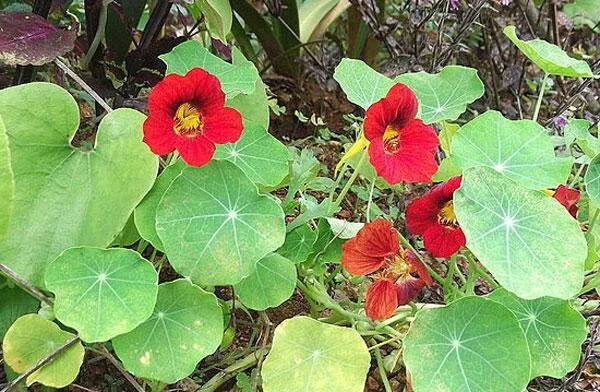
Discover the vibrant beauty of Empress Of India Nasturtium seeds, offering brilliant velvet-crimson red flowers with a yellow center. These Indian cress seeds are easy to grow annuals, perfect for adding a splash of color to your garden or containers. Both the flowers and leaves are edible, making them a delicious addition to salads and other culinary creations.
Shipping and Return policies:
We stand behind our plants with our Alive & Thrive Guarantee. If you experience any issues within the first 30 days, please email us, and our team will be happy to help. When needed, we’ll send you a one-time replacement free of charge to make sure your garden keeps growing strong.

Reasonable Price
We offer reasonable price

Support 24/7
Contact us 24 hrs a day
100% Money Back
You’ve 30 days to Return
Payment Secure
100% secure payment
Overview
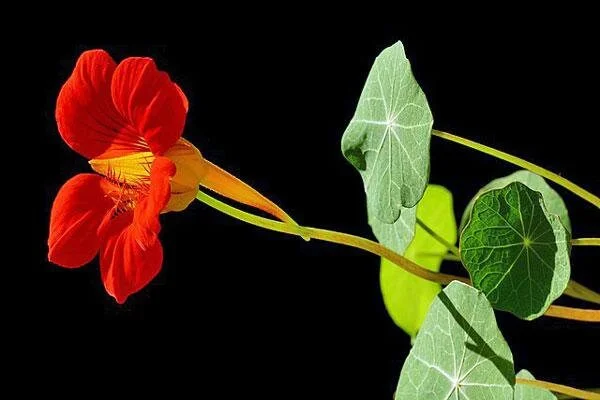
Embark on a delightful gardening journey with Empress Of India Nasturtium seeds. These highly sought-after seeds will transform your garden into a tapestry of vibrant color, featuring stunning velvet-crimson red flowers that are a true spectacle. Known botanically as Tropaeolum nanum, this annual plant is cherished for its ease of growth and its dual appeal as both an ornamental and an edible delight. Originating from Peru, this classic variety of Nasturtium is famed for its striking blooms and lush, waxy, disc-shaped leaves. Whether you’re an experienced gardener or just starting, Empress Of India Nasturtium seeds provide a rewarding experience, producing vigorous plants that bloom from mid-summer to early fall. They are perfect for filling bare spots, creating groundcover, or enhancing containers with their mounding and trailing habit. Grow your own supply of these versatile and beautiful plants by planting Indian cress seeds today.
The name ‘Empress Of India’ evokes a sense of regal beauty, fitting for a flower that commands attention with its rich, deep red hue. These Tropaeolum nanum seeds promise a bountiful harvest of blossoms that will attract pollinators and add a gourmet touch to your meals. The distinctive leaves repel water, adding to their visual interest, while the vibrant flowers provide a dramatic contrast against the foliage. Cultivating Empress Of India Nasturtium seeds is a simple process, yielding plants that thrive with minimal fuss and provide continuous beauty throughout the growing season.
Key Benefits
Growing Empress Of India Nasturtium seeds offers a multitude of benefits for both your garden and your plate. These versatile plants are a fantastic addition to any outdoor space, providing beauty and utility.
- Stunning Ornamental Value: The brilliant velvet-crimson red flowers with a contrasting yellow center are incredibly eye-catching, providing a dramatic focal point in garden beds, borders, and containers. These blooms are perfect for adding rich color.
- Edible Flowers & Leaves: Both the vibrant flowers and the distinctively shaped leaves of the Nasturtium are edible. They possess a peppery, slightly spicy flavor that makes them a delicious and beautiful addition to salads, omelets, pasta, and garnishes. Enjoy fresh, home-grown flavor from your Empress Of India Nasturtium seeds.
- Easy to Grow: These annual plants are remarkably low-maintenance and forgiving, making them an excellent choice for beginner gardeners or those seeking an effortless pop of color. Simply sow the Indian cress seeds and watch them flourish.
- Excellent Groundcover & Filler: With their mounding and trailing growth habit, Nasturtiums are ideal for filling in bare spots in your garden, cascading over retaining walls, or acting as a vibrant groundcover. They spread out to 2-4 square feet, providing ample coverage.
- Attracts Pollinators: The bright, open flowers are a magnet for beneficial pollinators like bees and butterflies, contributing to a healthy and vibrant garden ecosystem.
- Pest Deterrent: Nasturtiums are known to act as trap crops for certain pests, drawing them away from other valuable plants in your garden, helping to protect your produce organically.
- Long Blooming Period: Enjoy a prolonged display of color from mid-summer to early fall, ensuring your garden remains lively and beautiful for an extended period with these Tropaeolum nanum seeds.
Plant Care & Growing Tips
Caring for your Empress Of India Nasturtium seeds is straightforward, making them a joy for any gardener. These plants are quite resilient but thrive with a few basic considerations to ensure robust growth and abundant blooms. For optimal results, plant your Empress Of India Nasturtium seeds directly into the garden after the last frost date, or start them indoors a few weeks prior to get a head start. They generally prefer to grow in full sun to part shade. In hotter climates, a little afternoon shade can prevent scorching and prolong blooming, while in cooler regions, full sun will encourage the most prolific flowering.
When it comes to soil, Nasturtiums are not particularly fussy. They prefer well-draining soil and can even tolerate poorer soil conditions, which can sometimes encourage more flowers rather than excessive foliage. Avoid overly rich soil, as this can lead to lush leaf growth at the expense of blooms. Water regularly, especially during dry spells, to keep the soil consistently moist but never waterlogged. Once established, they are somewhat drought-tolerant but will perform best with consistent moisture. Fertilization is generally not necessary; in fact, too much fertilizer can reduce flowering. When considering growing nasturtium seeds, remember that these plants are annuals, completing their life cycle in one season, though they may self-seed in favorable conditions. Keep an eye out for aphids, which can sometimes be a problem, and address them with organic pest control methods like a strong spray of water or insecticidal soap.
Size & Details
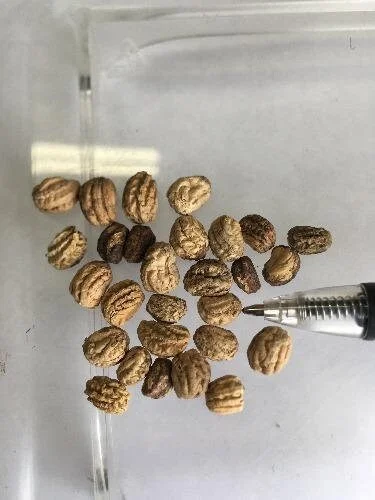
The Empress Of India Nasturtium seeds will grow into mounding and trailing plants that typically spread out to cover an area of 2-4 square feet. These compact yet vigorous annuals reach a modest height, making them versatile for various garden applications, from groundcover to container plantings. The flowers are approximately 1-2 inches in diameter, showcasing their brilliant velvet-crimson red petals with a distinctive yellow throat. Each packet contains 10 seeds, providing a great start to cultivate these beautiful and edible plants in your garden. The germination period for these edible nasturtium seeds is typically 10-30 days under ideal conditions, with blooms appearing from mid-summer to early fall, offering a long season of color and culinary delight.
These plants are shipped as seeds, allowing you the flexibility to start them at the optimal time for your local climate. With proper care, you can expect mature plants within 60-70 days from sowing, ready to provide both stunning visual appeal and delicious edible components. The relatively quick growth rate makes Empress Of India Nasturtium seeds a rewarding choice for gardeners eager to see quick results and enjoy their harvest. Their adaptability to various growing conditions further enhances their appeal, ensuring a successful growing experience for many.
Frequently Asked Questions
- Q: How big does the Empress Of India Nasturtium plant get? A: This variety typically grows as a mounding and trailing plant, spreading out to cover an area of 2-4 square feet. Its compact size makes it suitable for various garden spaces, including containers and garden beds, making it an ideal choice for growing nasturtium seeds.
- Q: Is this an indoor or outdoor plant? A: The Empress Of India Nasturtium is primarily grown as an outdoor annual. It thrives in garden beds, containers, and as groundcover. While it can be grown indoors temporarily, it truly flourishes in outdoor conditions with ample sunlight.
- Q: How much sunlight does it need? A: These plants prefer full sun to part shade. In regions with intense summer heat, providing some afternoon shade can help protect the foliage and extend the blooming period. Adequate sunlight is key for abundant flowers from your Empress Of India Nasturtium seeds.
- Q: Is this plant easy to care for? A: Yes, Empress Of India Nasturtiums are known for being very easy to care for, making them an excellent choice for beginners. They are relatively low-maintenance, requiring well-draining soil and consistent watering, but can tolerate some neglect.
- Q: Can I use Empress Of India Nasturtium in cooking? A: Absolutely! Both the vibrant crimson flowers and the distinctive disc-shaped leaves are edible. They have a peppery, slightly spicy flavor and are wonderful additions to salads, sandwiches, omelets, or as a beautiful garnish. These are truly edible nasturtium seeds.
- Q: How long until it blooms? A: After planting your Indian cress seeds, germination typically occurs within 10-30 days. You can expect the first beautiful velvet-crimson red blooms to appear from mid-summer and continue through early fall, providing a long season of color.
- Q: What is the best time to plant Empress Of India Nasturtium seeds? A: The best time to plant these seeds is in the spring, after all danger of frost has passed. You can sow them directly into the garden or start them indoors a few weeks before the last frost for an earlier bloom.
- Q: What condition will the seeds arrive in? A: Your Empress Of India Nasturtium seeds will arrive as a packet of 10 high-quality, viable seeds, ready for planting. They are carefully packaged to ensure freshness and successful germination.
- Q: Will it survive winter in my zone? A: Empress Of India Nasturtium is an annual plant, meaning it completes its life cycle within one growing season. It will not survive winter frosts. However, it may self-seed in favorable conditions, allowing new plants to emerge the following spring.
- Q: What kind of soil is best for growing nasturtium seeds? A: These plants prefer well-draining soil. They can tolerate a range of soil types, including poorer soils, which can sometimes encourage more blooms. Avoid overly rich, heavily fertilized soil, as this can lead to more foliage and fewer flowers.
Be the first to review “Empress Of India Nasturtium Seeds – 10 Count, Edible Crimson Flowers, Annual”
You must be logged in to post a review.
People also Viewed
Sold 50 products
Original price was: $109.95.$79.98Current price is: $79.98.
Sold 50 products
Original price was: $25.00.$17.50Current price is: $17.50.
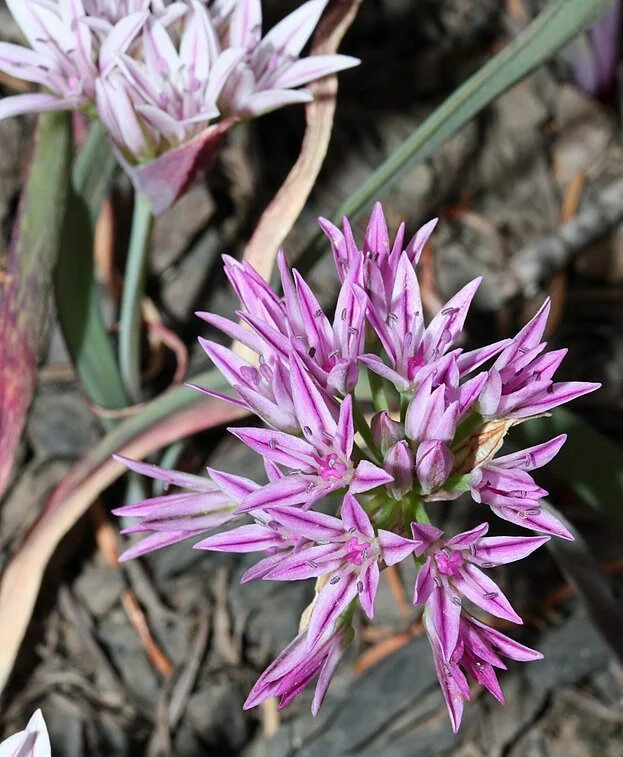
Flower Seeds
Olympic Onion Seeds – Allium crenulatum Flower Seeds – 10 Seed Pack – Outdoor Native Plant
Sold 50 products
Original price was: $25.00.$17.50Current price is: $17.50.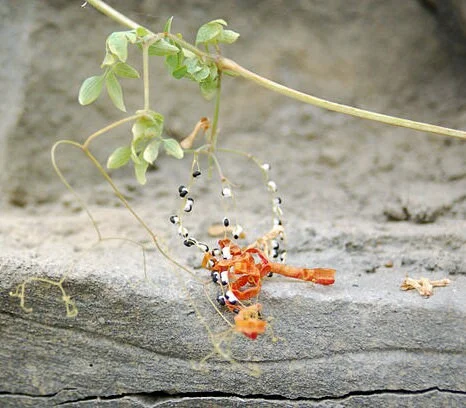
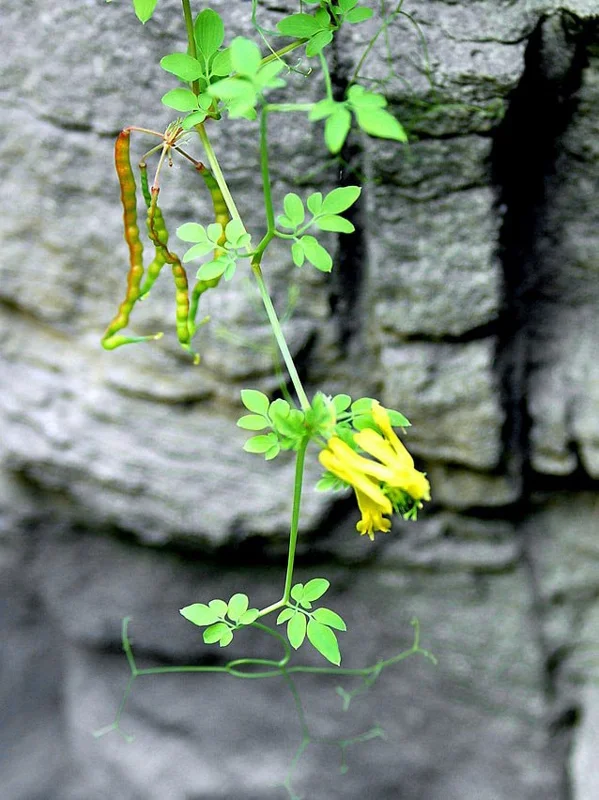
Sold 50 products
Original price was: $25.00.$17.50Current price is: $17.50.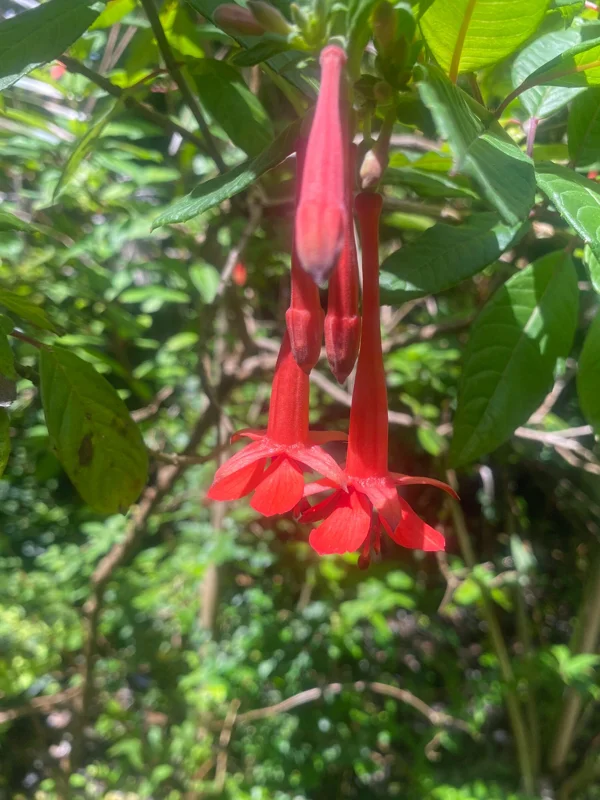
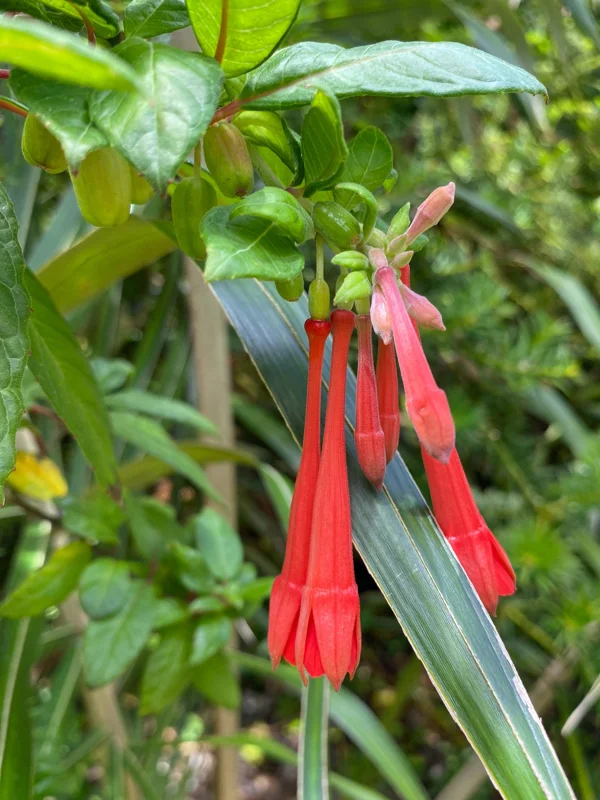
Flower Seeds
Fuchsia vulcanica Seeds – 20 Pack – Vibrant Orange Coral Flowers for Garden & Containers
Sold 50 products
Original price was: $25.00.$17.50Current price is: $17.50.
Sold 50 products
Original price was: $116.98.$95.68Current price is: $95.68.
Sold 50 products
Original price was: $21.00.$14.10Current price is: $14.10.
Aquatic Plant Seeds
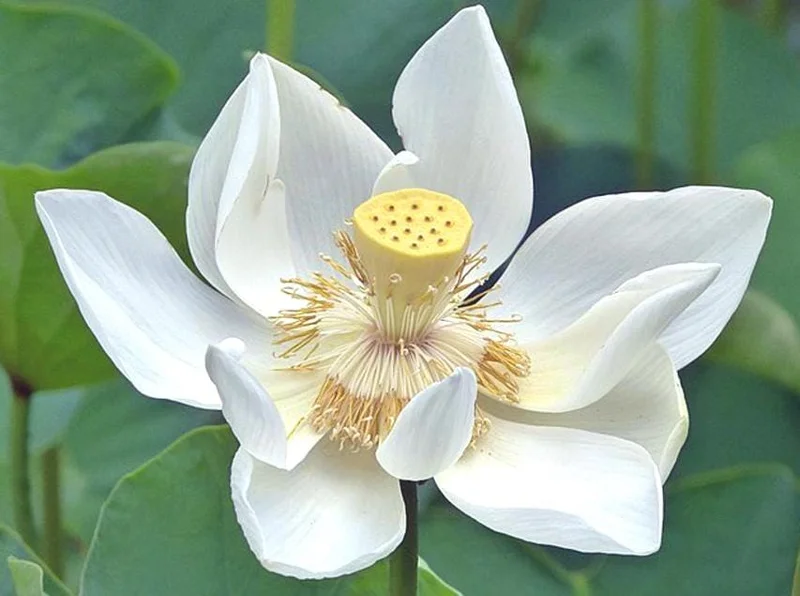
White Lotus Seeds – Nelumbo Nucifera Aquatic Pond Plant – 5 Seeds for Water Garden
Sold 50 products
Original price was: $29.00.$20.90Current price is: $20.90.RELATED posts
Awapuhi Wild Ginger Plant: Zones, Care, and Propagation
Learn which USDA zones suit awapuhi wild ginger, plus sunlight, water, planting, propagation, pests, size, [...]
Awapuhi Shampoo Ginger – Care, Growing Zones, and Differences
Learn how to grow awapuhi (shampoo) ginger, its USDA zones, watering schedule, propagation tips, and [...]
Awapuhi Shampoo Plant Buying Guide – Choose the Right Zingiber zerumbet
META: Learn which awapuhi (shampoo ginger) plant or rhizome pack gives the best natural shampoo, [...]
Awapuhi Plant for Sale: Complete Buying Guide
Find the right awapuhi (shampoo ginger) plant, size, price, soil mix, and online source. Practical [...]
Shampoo Ginger Plant for Sale – Buying Guide & Tips
Find the right shampoo ginger plant, size, price, and care tips. Quick guide for U.S. [...]
Shampoo Ginger Plant (Awapuhi) Care Guide
Learn how to grow, care for, and use shampoo ginger (Zingiber zerumbet), the tropical awapuhi [...]
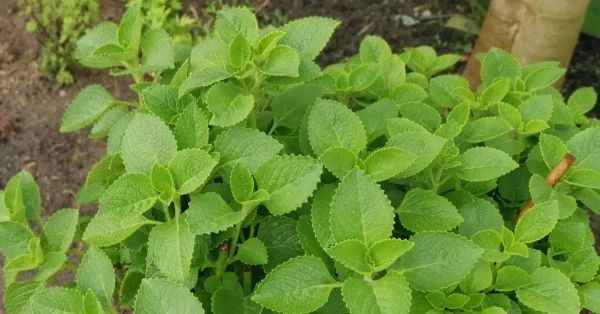
How to Grow Cuban Oregano Plants: A Complete Care Guide
If you’ve ever wanted a plant that combines the culinary punch of traditional oregano with [...]
Aug
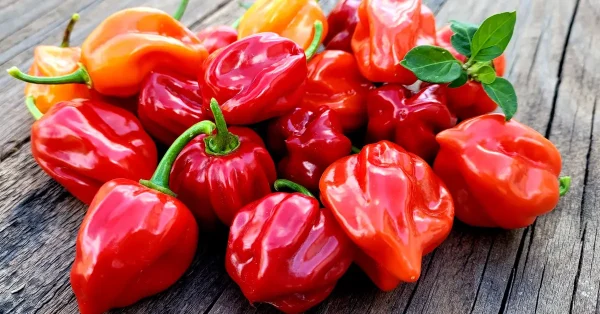
How to Grow Habanero Pepper Plants: A Step-by-Step Guide
Habanero pepper plants are prized for their vibrant colors, intense heat, and exceptional flavor, making [...]
Aug
Reviews
There are no reviews yet.