
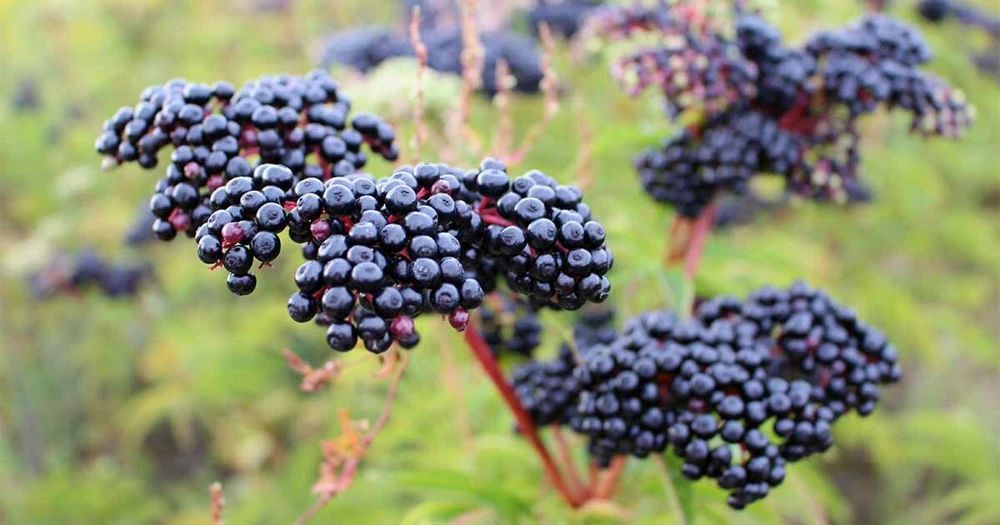
Elderberry Live Plant – Sambucus canadensis – Quart Pot
Original price was: $34.40.$18.40Current price is: $18.40.
Cultivate your own healthy elderberry live plant, a versatile and attractive shrub perfect for any garden. This Sambucus canadensis comes in a convenient quart pot, ready for planting to produce delicious berries and beautiful white flowers. Ideal for pollinators and edible landscaping.
Shipping and Return policies:
We stand behind our plants with our Alive & Thrive Guarantee. If you experience any issues within the first 30 days, please email us, and our team will be happy to help. When needed, we’ll send you a one-time replacement free of charge to make sure your garden keeps growing strong.

Reasonable Price
We offer reasonable price

Support 24/7
Contact us 24 hrs a day
100% Money Back
You’ve 30 days to Return
Payment Secure
100% secure payment
Overview
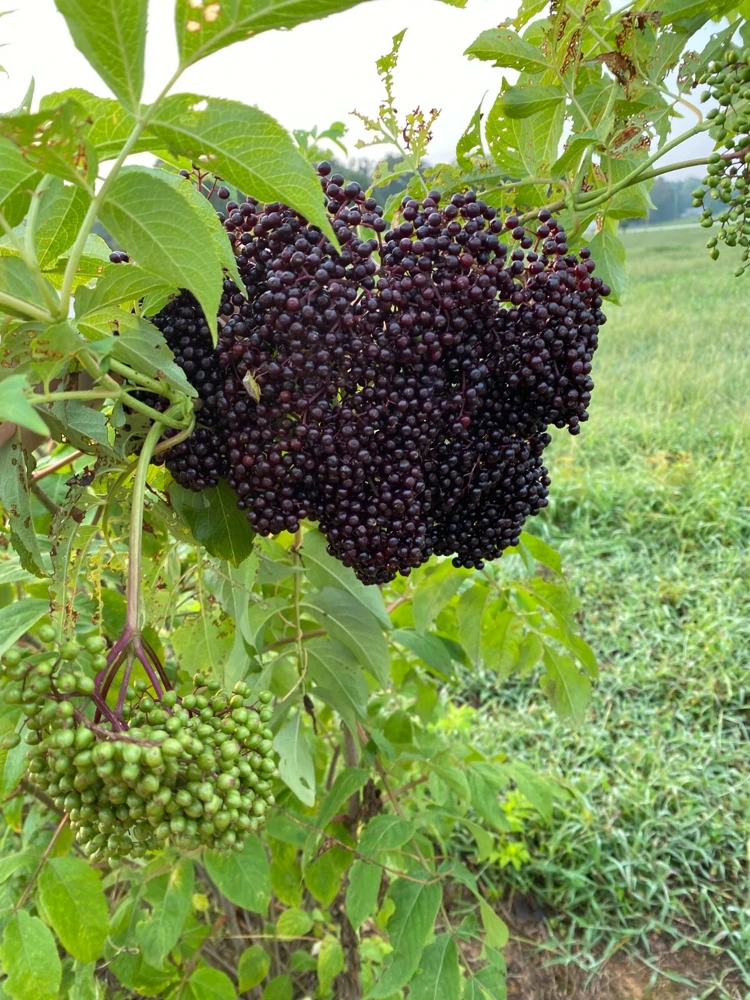
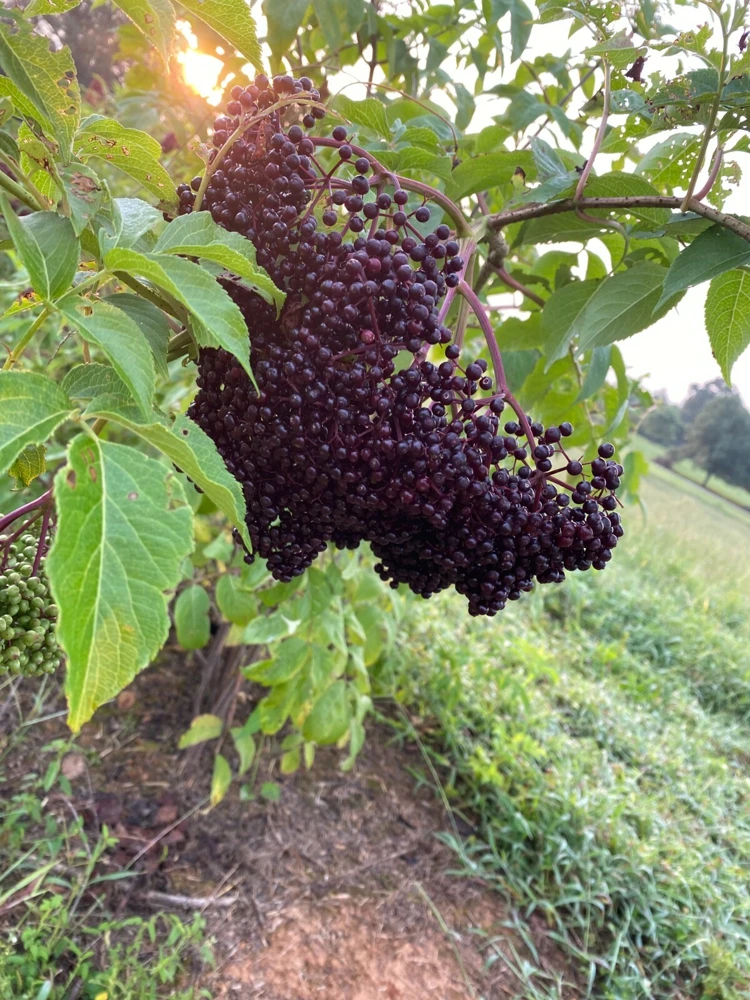
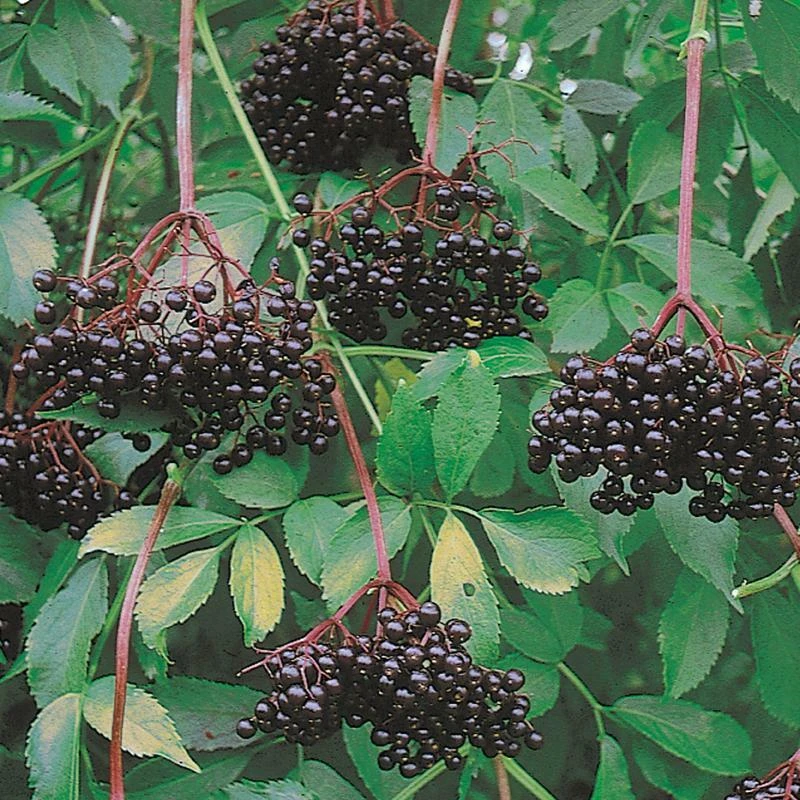
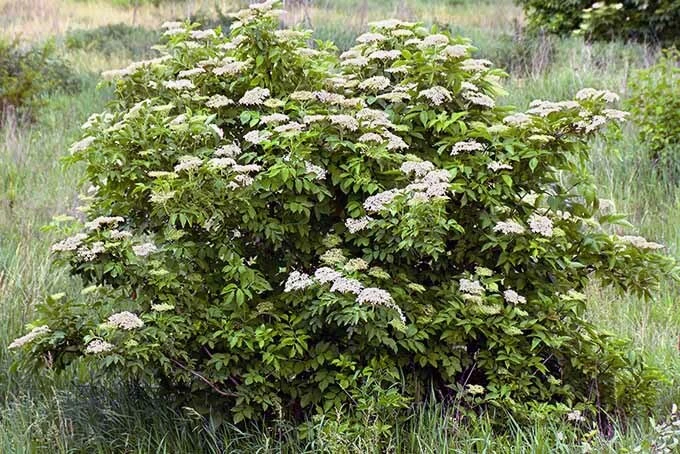
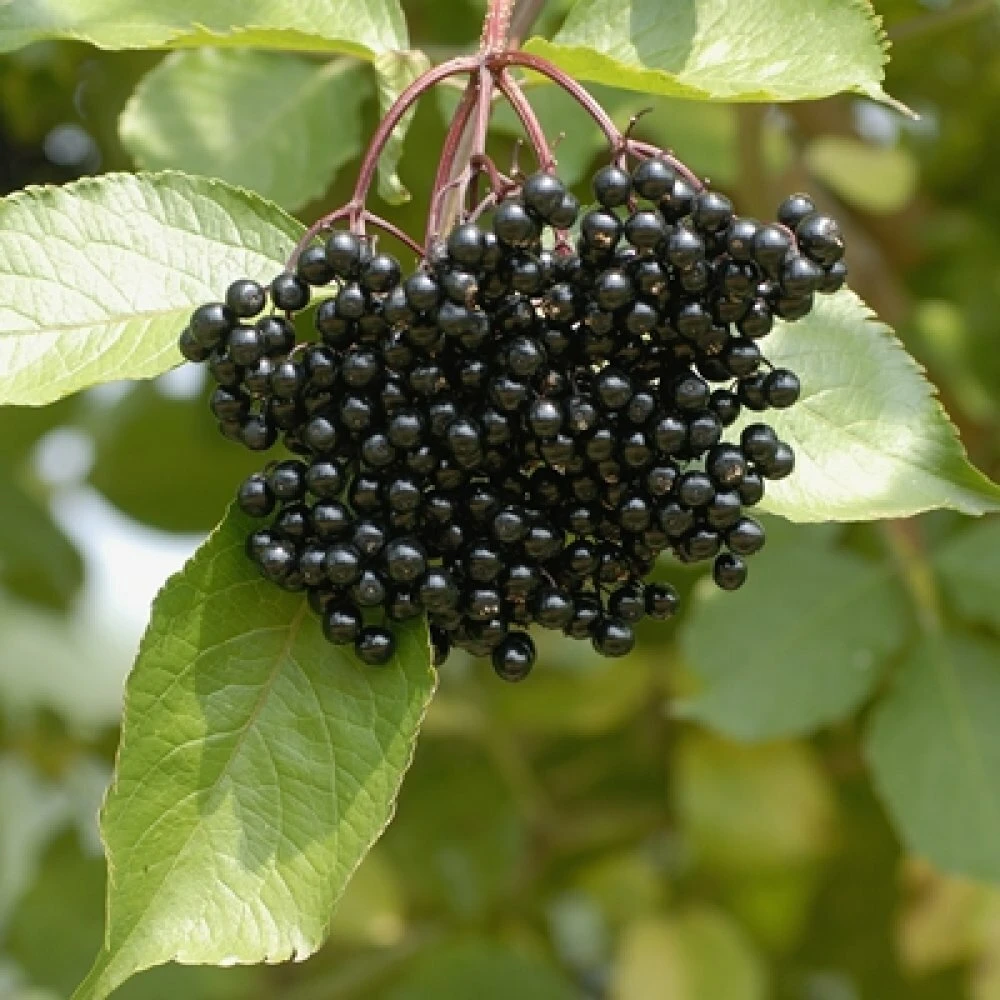
Discover the joy of growing your own elderberry live plant, specifically the North American native Sambucus canadensis. Also known as American Elderberry, this robust and adaptable shrub is cherished for its beautiful clusters of white flowers in late spring to early summer, followed by abundant dark purple berries in late summer. These berries are not only a favorite food source for birds and other wildlife but are also highly valued for their culinary and traditional medicinal uses, often made into jams, pies, wines, and syrups. This particular plant is provided in a quart pot, ensuring a well-established root system ready for successful transplanting into your garden. Whether you’re looking to create an edible landscape, support local pollinators, or simply add a resilient and attractive shrub to your property, the elderberry live plant is an excellent choice.
The Sambucus canadensis is a fast-growing, deciduous shrub that can reach significant size, making it suitable for hedges, privacy screens, or as a stand-alone specimen. Its vigorous growth and suckering habit allow it to fill in spaces quickly, offering both aesthetic appeal and practical benefits. Enjoy the seasonal transformation from delicate blooms to rich, dark fruits, all while contributing to the biodiversity of your garden with this remarkable plant.
Key Benefits
Adding an elderberry live plant to your garden offers a multitude of advantages, from its ecological contributions to its practical uses. Here are some of the key benefits:
- Edible & Medicinal Berries: The primary appeal of the elderberry live plant lies in its fruit. The dark purple berries are packed with antioxidants and vitamins, traditionally used in folk medicine and popular for making delicious syrups, jams, jellies, wines, and pies. Always cook elderberries before consumption.
- Pollinator & Wildlife Friendly: The abundant white flower clusters are a magnet for bees, butterflies, and other beneficial insects, making it an excellent choice for supporting local ecosystems. The berries also provide a crucial food source for birds and other wildlife in late summer and fall.
- Ornamental Value: Beyond its practical uses, the Sambucus canadensis is a beautiful addition to any landscape. Its large, flat-topped flower clusters, attractive foliage, and vibrant berries provide visual interest throughout multiple seasons.
- Adaptable & Resilient: American Elderberry is known for its hardiness and ability to thrive in a wide range of soil types and environmental conditions, making it a relatively low-maintenance plant once established. It tolerates wet soils better than many other shrubs.
- Fast Growing: This shrub grows quickly, allowing you to establish a substantial plant in a relatively short period, providing faster harvests and quicker landscape impact. This makes growing elderberry a rewarding experience.
- Erosion Control: Due to its suckering nature and extensive root system, elderberry can be an effective plant for stabilizing soil and preventing erosion, particularly in areas with moist conditions.
- Native Plant Benefits: As a native species, native elderberry is perfectly adapted to local climates and soils, requiring less intervention and providing optimal support for native wildlife and insect populations.
Plant Care & Growing Tips
Caring for your elderberry live plant is relatively straightforward, especially once it’s established. This resilient shrub prefers locations with at least 6 hours of direct sunlight per day, though it can tolerate partial shade, especially in hotter climates where some afternoon shade can prevent leaf scorch. Full sun exposure generally leads to more prolific flowering and fruiting. When it comes to soil, elderberries are quite adaptable but thrive best in moist, well-draining, loamy soils with a slightly acidic to neutral pH (6.0-7.0). They are tolerant of heavier clay soils and even wet conditions, making them a good choice for areas where other plants might struggle.
Watering is crucial, especially during the first year after planting. Keep the soil consistently moist but not waterlogged. Once established, elderberries are reasonably drought-tolerant but will perform best with regular watering during dry spells, particularly when berries are developing. Fertilization is typically not heavily required. A balanced slow-release fertilizer in early spring can encourage vigorous growth and fruit production, or you can amend the soil with compost annually. Pruning should be done in late winter or early spring while the plant is dormant. Remove any dead, damaged, or weak canes. Elderberries produce fruit on new wood, so a rejuvenation pruning every few years, where you cut back older, less productive canes to the ground, can be beneficial for maintaining vigor and fruit yield. Watch out for common pests like aphids and borers, and diseases like powdery mildew, though elderberries are generally quite resistant. Ensuring good air circulation and proper spacing can help prevent fungal issues when growing elderberry.
Size & Details
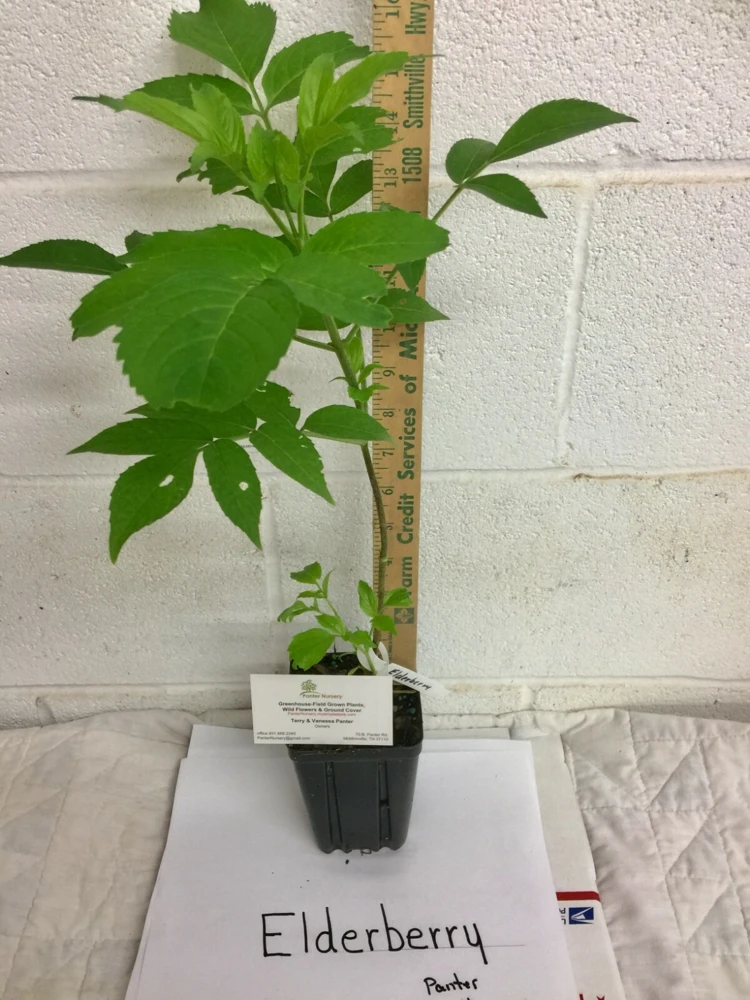
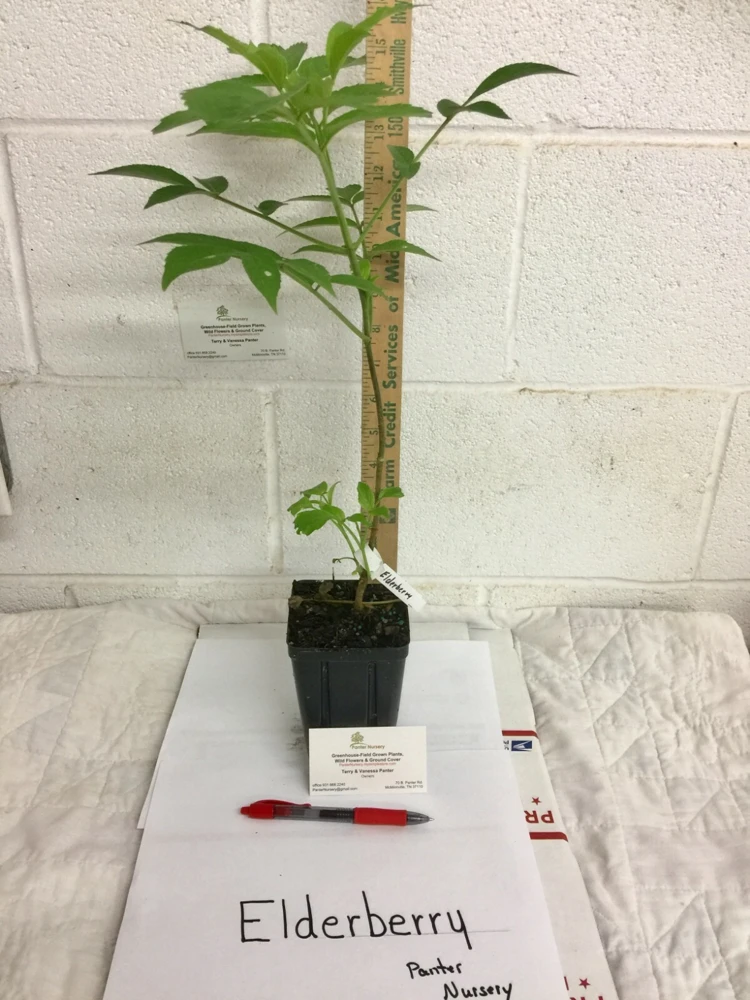
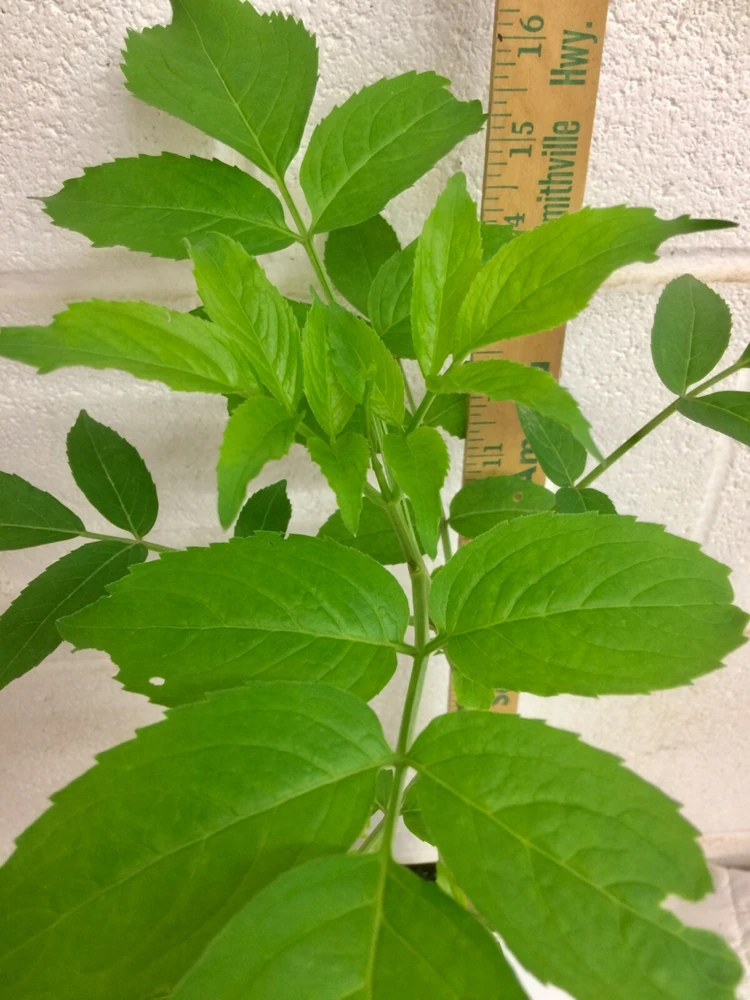
This elderberry live plant (Sambucus canadensis) is provided in a quart-sized nursery pot, which means it has a well-developed root system and is ready for transplanting into your garden. At the time of shipment, the plant typically stands between 8 to 18 inches tall, depending on the season and growth stage. Once mature, the American Elderberry can reach a height of 5 to 12 feet with a similar spread, forming a multi-stemmed shrub. Its growth rate is considered fast, often adding several feet per year under optimal conditions. Expect the first significant fruit production within 2-3 years after planting. The plant ships as a young, actively growing specimen, carefully packaged to ensure its health upon arrival. You’ll be delighted by the rapid progress of your native elderberry as it establishes itself and begins to flourish.
Frequently Asked Questions
- Q: How big does this plant get? A: The elderberry live plant can grow quite large, typically reaching 5 to 12 feet tall and wide at maturity. Its size can be managed with annual pruning to fit your garden space.
- Q: What size pot does it come in? A: This particular Sambucus canadensis comes in a quart-sized nursery pot, providing a healthy root ball ready for planting in your garden.
- Q: Is this an indoor or outdoor plant? A: The elderberry live plant is an outdoor shrub. It requires full sun to partial shade and is hardy in a wide range of USDA zones, making it unsuitable for indoor cultivation.
- Q: How much sunlight does it need? A: For best flowering and fruit production, your elderberry live plant needs at least 6 hours of direct sunlight per day. It can tolerate some partial shade, especially in hot afternoon sun.
- Q: Is this plant easy to care for? A: Yes, growing elderberry is considered relatively easy. It’s a hardy and adaptable plant that tolerates various soil conditions and is quite resilient once established, making it suitable for beginner gardeners.
- Q: What condition will it arrive in? A: Your elderberry live plant will arrive as a healthy, actively growing specimen, carefully packaged to minimize stress during transit. It will be rooted in its quart pot with soil.
- Q: Can I eat the berries directly from the plant? A: While the berries are edible, it is highly recommended to cook elderberries before consumption, as raw berries can cause an upset stomach. They are best used in cooked preparations like jams, pies, and syrups.
- Q: When is the best time to plant this elderberry? A: The best time to plant your elderberry live plant is in early spring or fall. This allows the plant to establish its root system before the stress of summer heat or winter cold.
- Q: Will it survive winter in my zone? A: The native elderberry (Sambucus canadensis) is very cold hardy, typically thriving in USDA Zones 3-9. It is deciduous and will lose its leaves in winter, returning vigorously in spring.
- Q: Does it need another elderberry plant to produce fruit? A: While Sambucus canadensis is self-fertile, planting two different varieties of elderberry or even two genetically distinct plants of the same variety can significantly increase fruit production through cross-pollination.
Be the first to review “Elderberry Live Plant – Sambucus canadensis – Quart Pot”
You must be logged in to post a review.
People also Viewed
Sold 50 products
$32.38
Sold 50 products
$27.38
Sold 50 products
$32.38
Sold 50 products
$19.88
Sold 50 products
$62.38
Sold 50 products
$24.88
Houseplants
Phalaenopsis pulcherrima ‘Mauna Kea Snow’ Orchid Live Plant – White Flowers, Potted 2.5 in
Sold 50 products
$49.88
Sold 50 products
$49.88RELATED posts
Awapuhi Wild Ginger Plant: Zones, Care, and Propagation
Learn which USDA zones suit awapuhi wild ginger, plus sunlight, water, planting, propagation, pests, size, [...]
Awapuhi Shampoo Ginger – Care, Growing Zones, and Differences
Learn how to grow awapuhi (shampoo) ginger, its USDA zones, watering schedule, propagation tips, and [...]
Awapuhi Shampoo Plant Buying Guide – Choose the Right Zingiber zerumbet
META: Learn which awapuhi (shampoo ginger) plant or rhizome pack gives the best natural shampoo, [...]
Awapuhi Plant for Sale: Complete Buying Guide
Find the right awapuhi (shampoo ginger) plant, size, price, soil mix, and online source. Practical [...]
Shampoo Ginger Plant for Sale – Buying Guide & Tips
Find the right shampoo ginger plant, size, price, and care tips. Quick guide for U.S. [...]
Shampoo Ginger Plant (Awapuhi) Care Guide
Learn how to grow, care for, and use shampoo ginger (Zingiber zerumbet), the tropical awapuhi [...]
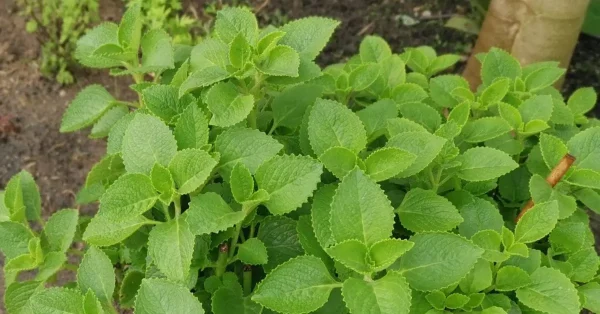
How to Grow Cuban Oregano Plants: A Complete Care Guide
If you’ve ever wanted a plant that combines the culinary punch of traditional oregano with [...]
Aug
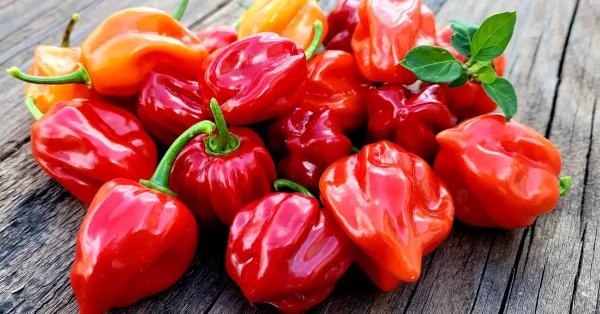
How to Grow Habanero Pepper Plants: A Step-by-Step Guide
Habanero pepper plants are prized for their vibrant colors, intense heat, and exceptional flavor, making [...]
Aug
Reviews
There are no reviews yet.