
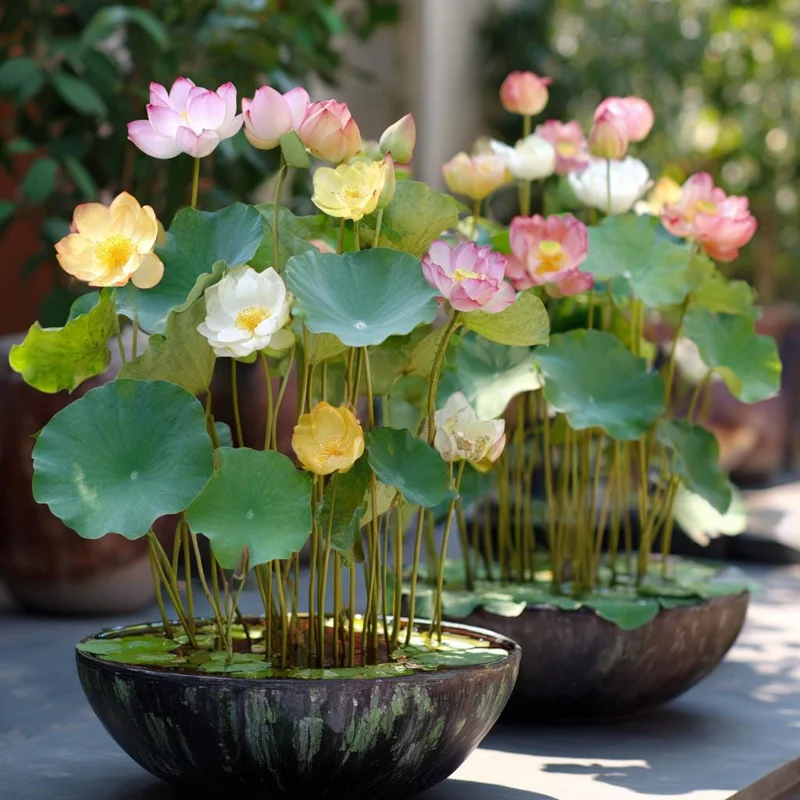
Edible Lotus Seeds Mix – Grow Your Own Aquatic Plants – 5 Seeds
Original price was: $36.99.$16.99Current price is: $16.99.
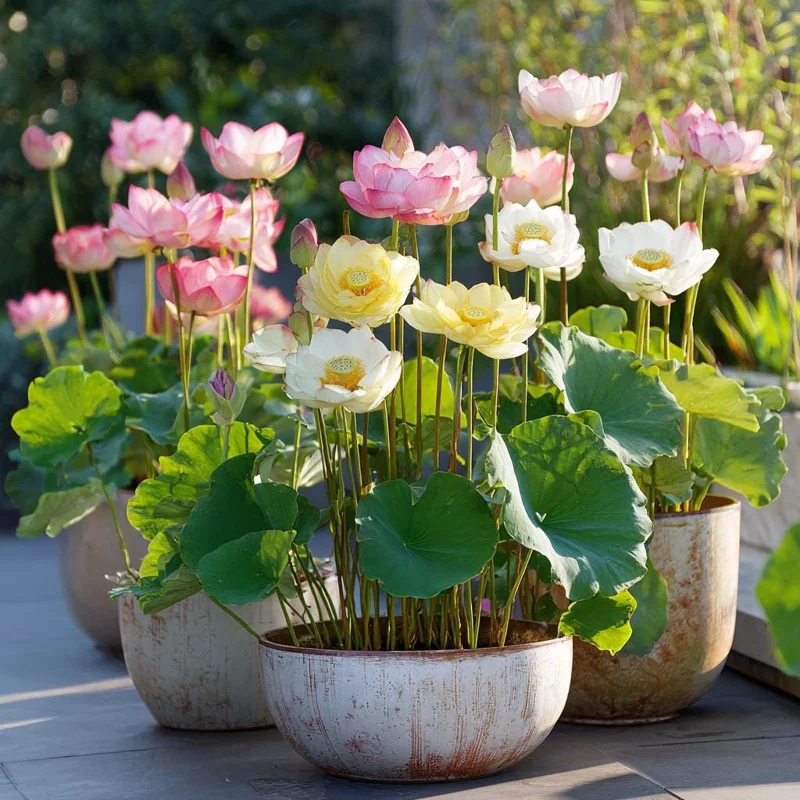
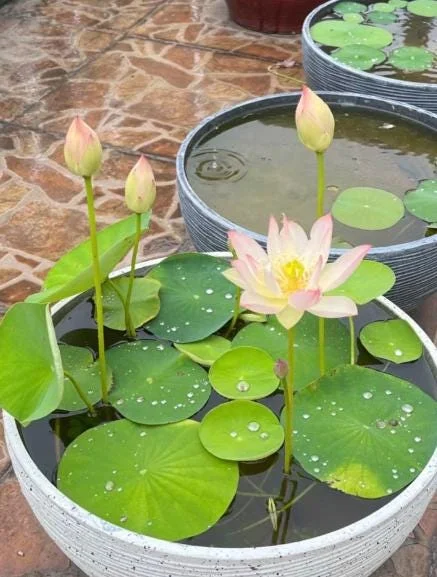
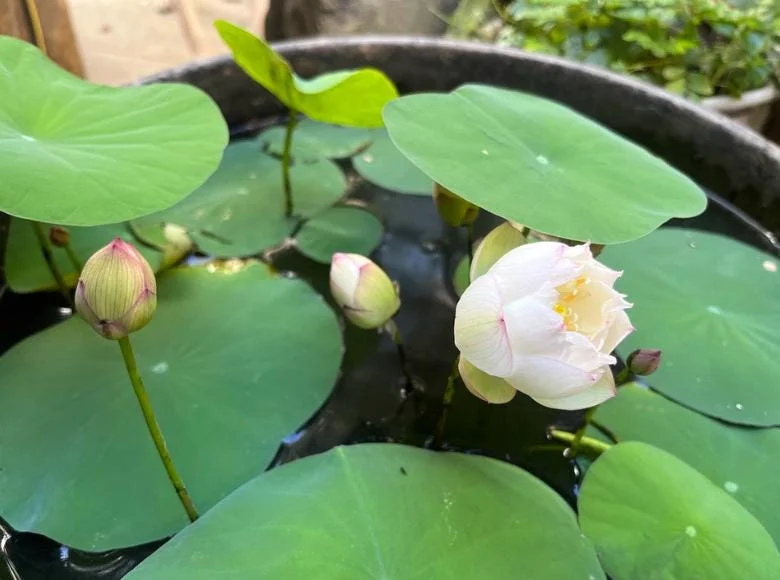
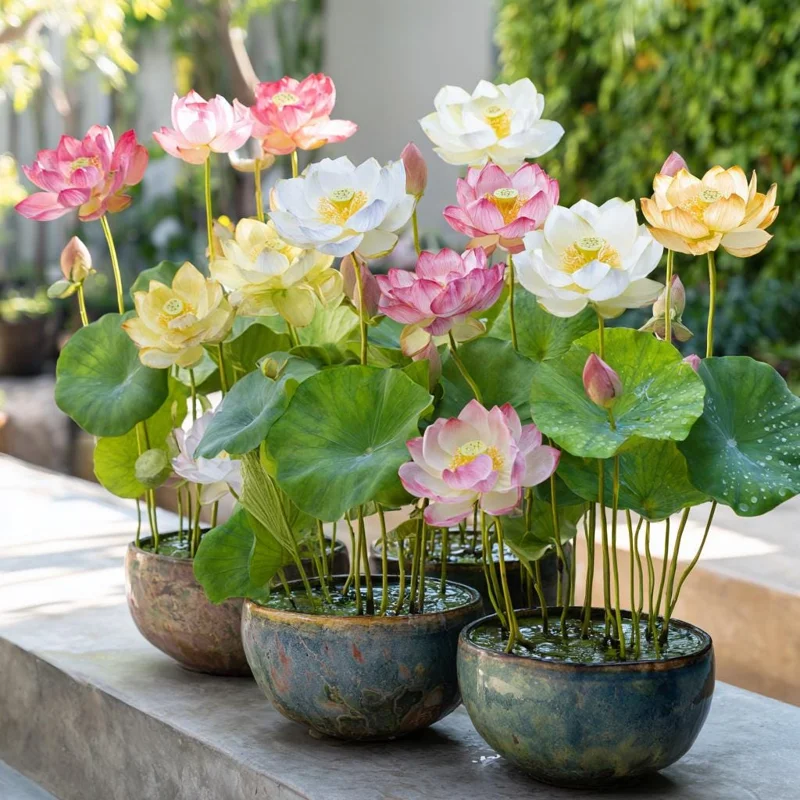
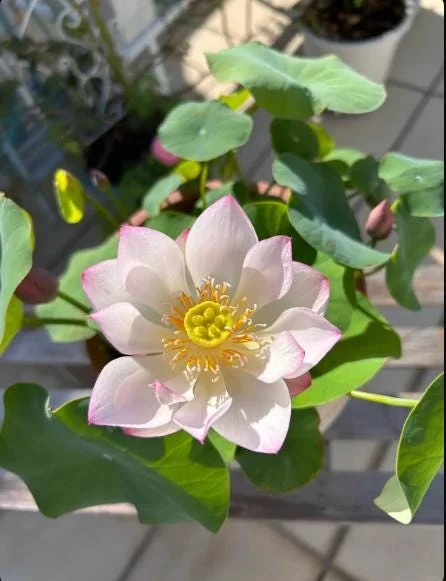
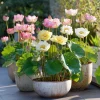
Cultivate your own beautiful and delicious edible lotus seeds with this premium mix. Perfect for home gardeners, this mix contains 5 seeds from multiple lotus varieties, offering diverse flavors and textures. Grow them in ponds, water features, or containers for both ornamental beauty and culinary use.
Shipping and Return policies:
We stand behind our plants with our Alive & Thrive Guarantee. If you experience any issues within the first 30 days, please email us, and our team will be happy to help. When needed, we’ll send you a one-time replacement free of charge to make sure your garden keeps growing strong.

Reasonable Price
We offer reasonable price

Support 24/7
Contact us 24 hrs a day
100% Money Back
You’ve 30 days to Return
Payment Secure
100% secure payment
Overview
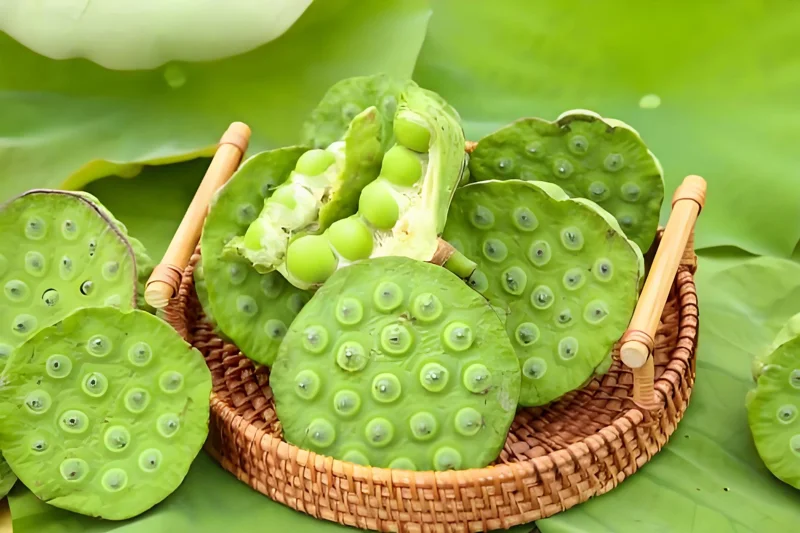
Discover the joy of cultivating your own aquatic superfood with our premium edible lotus seeds mix. This carefully curated selection provides 5 seeds from various lotus varieties, ensuring a delightful diversity in taste and texture for both culinary adventures and ornamental display. Lotus plants are renowned for their striking beauty, producing elegant blooms, and for their versatile, nutritious seeds. Whether you’re an experienced gardener looking to expand your aquatic collection or a beginner eager to try something new, growing edible lotus seeds is a rewarding experience. These seeds are perfect for planting in indoor containers, outdoor garden ponds, or decorative water features, transforming any space into a serene botanical haven. Each seed holds the potential for both stunning visual appeal and a healthy, homegrown food source.
Our lotus seed mix is designed for ease of growth, allowing you to enjoy the full lifecycle of this incredible plant. From germination to flowering and seed production, you’ll witness the magic of nature unfold right before your eyes. The resulting lotus plants are not only a feast for the eyes but also provide a sustainable source of edible seeds, known for their delicate flavor and subtle crunch. Embrace the opportunity to grow lotus from seed and bring a touch of exotic elegance and practical nutrition to your home or garden.
Key Benefits
Cultivating edible lotus seeds offers a wealth of benefits, enriching your garden and your diet. These plants are a unique addition to any aquatic setting, providing both aesthetic beauty and delicious, healthy food.
- Dual Purpose Beauty and Nutrition: Enjoy the breathtaking beauty of lotus flowers and foliage, while also harvesting nutritious, edible seeds for snacking or cooking. This makes them an incredibly versatile plant for any home.
- Easy to Grow Aquatic Plant: Despite their exotic appearance, lotus seeds are surprisingly straightforward to germinate and grow, making them accessible even for novice gardeners interested in aquatic flora.
- Versatile Culinary Ingredient: The harvested lotus seeds can be used in a variety of dishes, from stir-fries and soups to desserts, adding a unique texture and delicate flavor to your meals. Explore new culinary horizons with your homegrown produce.
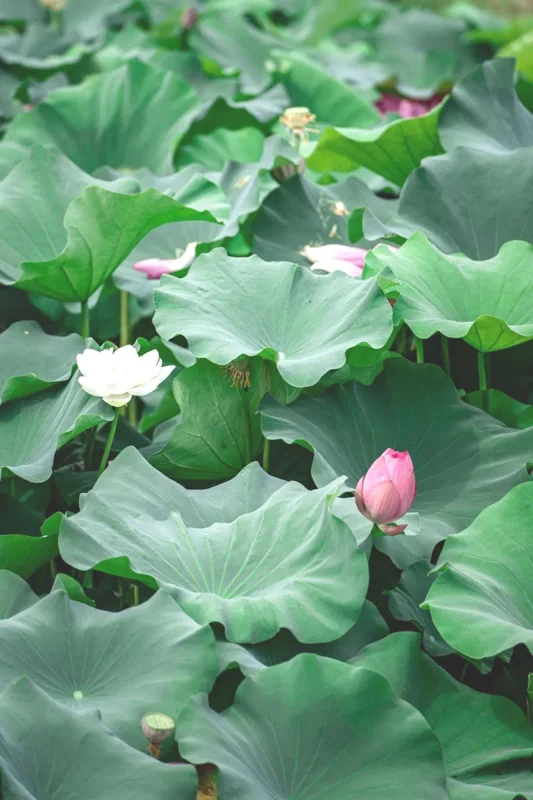
- Enhances Water Features: Lotus plants are a magnificent addition to ponds, water gardens, and large containers, creating a serene and visually stunning focal point with their broad leaves and elegant flowers.
- Rich Nutritional Profile: Lotus seeds are packed with protein, fiber, and essential minerals, offering a healthy and satisfying snack or ingredient for a balanced diet. Growing your own ensures freshness and quality.
- Therapeutic Garden Experience: The process of growing and caring for lotus plants can be a calming and meditative experience, connecting you with nature and providing a sense of accomplishment.
- Sustainable Food Source: By learning to grow lotus from seed, you establish a sustainable source of fresh, organic lotus seeds, reducing reliance on store-bought alternatives.
Plant Care & Growing Tips
Successful cultivation of edible lotus seeds begins with proper preparation. Start by gently scarifying the hard outer shell of each seed, typically by filing or sanding a small spot until the inner cream-colored layer is just visible. Be careful not to damage the embryo inside. After scarification, soak the seeds in warm water (around 70-80°F or 21-27°C) for 12-24 hours, changing the water daily. You’ll notice the seeds begin to swell and may even see a small sprout emerge within a few days. Once sprouted, transfer the seedlings to a larger container with about 2-4 inches of rich, heavy loam soil. Gently press the seedling into the soil, leaving the sprout exposed, and then slowly add water until the soil is covered by several inches of water.
Lotus plant care is relatively simple once established. These plants thrive in full sun, requiring at least 6-8 hours of direct sunlight per day to produce abundant blooms and seeds. Maintain consistent water levels, ensuring the soil remains submerged. As the plant grows, you may need to gradually increase the water depth. Fertilize lightly once the plant has developed several leaves and begins to produce pads, using an aquatic plant fertilizer tablet pushed into the soil away from the plant’s core. Remove any yellowing or decaying leaves to prevent disease and encourage new growth. For optimal health and continued production of aquatic plant seeds, regular observation and minor adjustments to their environment will ensure a flourishing lotus.
Consider your local climate for successful growth. While tropical, lotus can be grown in many regions with proper overwintering or as annuals. For those looking to grow lotus from seed, patience is key. Germination can take 1-3 weeks, and mature plants producing flowers and seeds will take several months. Ensure your chosen location provides ample space, as lotus plants can spread. Thinning seedlings, if multiple germinate close together, allows each plant sufficient room for strong root development and overall vigor. Growing lotus for cooking requires healthy plants, so diligent care will pay off in bountiful harvests.
Size & Details
This product includes a mix of 5 edible lotus seeds, providing a diverse selection for cultivation. Each seed has the potential to grow into a robust lotus plant, with mature plants typically reaching a height of 3-6 feet, depending on the variety and growing conditions. The spread of the leaves can vary, often covering an area of 3-5 feet in diameter. These seeds are shipped in a dry, dormant state, ready for scarification and germination upon arrival. They are suitable for growing in containers with a minimum diameter of 18-24 inches for a single plant, or in larger ponds and water gardens for multiple plants and a more expansive display. Expected time to first blooms and seed production is typically within one growing season, usually 3-5 months after successful germination under ideal conditions. The growth rate is moderate to fast once established, making it a rewarding project for those keen to grow lotus from seed.
Frequently Asked Questions
- Q: How do I prepare the edible lotus seeds for planting? A: Before planting, gently scarify the hard outer shell of each seed using sandpaper or a file until you expose the creamy inner layer. Then, soak the seeds in warm water, changing it daily, until they swell and sprout.
- Q: How long does it take for the aquatic plant seeds to germinate? A: Germination typically occurs within 1 to 3 weeks after scarification and soaking, depending on water temperature and seed viability. Patience is key during this initial stage.
- Q: What kind of container is best for growing lotus? A: For container growing, choose a wide, shallow, non-draining container at least 18-24 inches in diameter. This allows the rhizomes to spread without escaping into surrounding soil or water.
- Q: How much sunlight do lotus plants need? A: Lotus plants thrive in full sun, requiring a minimum of 6-8 hours of direct sunlight per day. Adequate sunlight is crucial for robust growth, abundant flowering, and seed production.
- Q: Can I grow edible lotus seeds indoors? A: Yes, you can grow lotus indoors in large containers, provided they receive sufficient light, either from a sunny window or with supplemental grow lights, and consistent warm temperatures.
- Q: When is the best time to plant lotus seeds? A: The best time to plant lotus seeds is in late spring or early summer when water temperatures are consistently warm, typically above 70°F (21°C), which encourages rapid growth.
- Q: What are the harvested lotus seeds used for? A: The harvested lotus for cooking are versatile! They can be eaten fresh, roasted, dried, or used in various culinary applications like soups, stews, desserts, and stir-fries, offering a delicate flavor and crunchy texture.
- Q: Do I need special soil for lotus plant care? A: Lotus plants prefer heavy loam soil, which is a mix of clay, sand, and silt. Avoid light potting mixes that float when submerged in water. Garden soil or specific aquatic plant soil works well.
- Q: Are these lotus plants perennial? A: In USDA Zones 4-10, lotus plants are perennial and will return each year if their rhizomes do not freeze. In colder zones, they can be overwintered indoors or treated as annuals.
- Q: How often should I fertilize my lotus plant? A: Begin fertilizing after the plant has produced several floating leaves and is actively growing, typically using aquatic plant fertilizer tablets inserted into the soil away from the rhizomes every 2-4 weeks during the growing season.
Be the first to review “Edible Lotus Seeds Mix – Grow Your Own Aquatic Plants – 5 Seeds”
You must be logged in to post a review.
People also Viewed
Sold 50 products
$32.38
Sold 50 products
$27.38
Sold 50 products
$32.38
Sold 50 products
$19.88
Sold 50 products
$62.38
Sold 50 products
$24.88
Houseplants
Phalaenopsis pulcherrima ‘Mauna Kea Snow’ Orchid Live Plant – White Flowers, Potted 2.5 in
Sold 50 products
$49.88
Sold 50 products
$49.88RELATED posts
Awapuhi Wild Ginger Plant: Zones, Care, and Propagation
Learn which USDA zones suit awapuhi wild ginger, plus sunlight, water, planting, propagation, pests, size, [...]
Awapuhi Shampoo Ginger – Care, Growing Zones, and Differences
Learn how to grow awapuhi (shampoo) ginger, its USDA zones, watering schedule, propagation tips, and [...]
Awapuhi Shampoo Plant Buying Guide – Choose the Right Zingiber zerumbet
META: Learn which awapuhi (shampoo ginger) plant or rhizome pack gives the best natural shampoo, [...]
Awapuhi Plant for Sale: Complete Buying Guide
Find the right awapuhi (shampoo ginger) plant, size, price, soil mix, and online source. Practical [...]
Shampoo Ginger Plant for Sale – Buying Guide & Tips
Find the right shampoo ginger plant, size, price, and care tips. Quick guide for U.S. [...]
Shampoo Ginger Plant (Awapuhi) Care Guide
Learn how to grow, care for, and use shampoo ginger (Zingiber zerumbet), the tropical awapuhi [...]
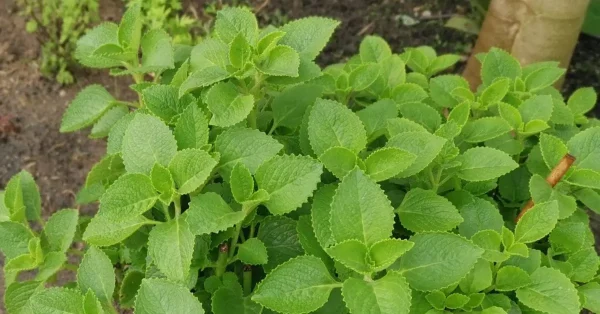
How to Grow Cuban Oregano Plants: A Complete Care Guide
If you’ve ever wanted a plant that combines the culinary punch of traditional oregano with [...]
Aug
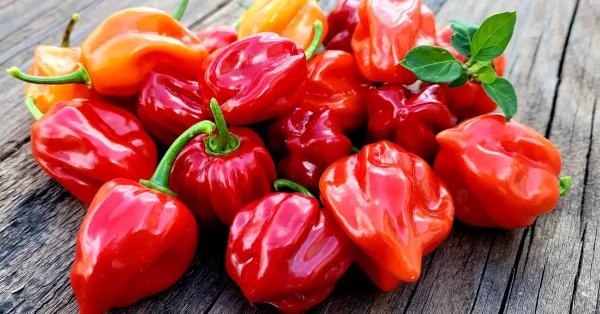
How to Grow Habanero Pepper Plants: A Step-by-Step Guide
Habanero pepper plants are prized for their vibrant colors, intense heat, and exceptional flavor, making [...]
Aug

Reviews
There are no reviews yet.