
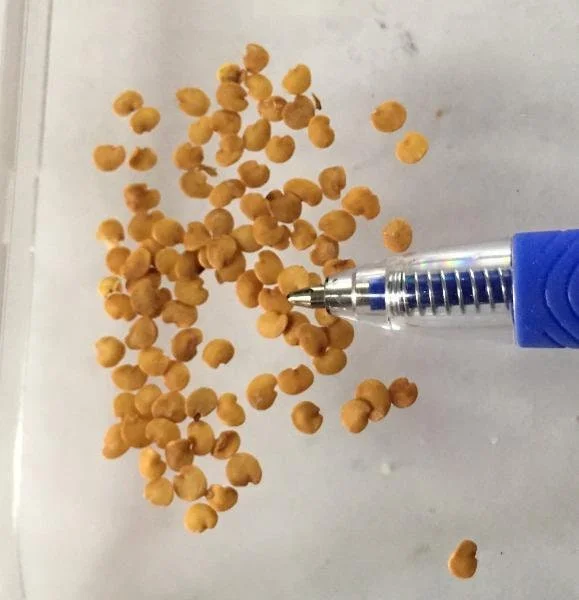
Easter Egg Plant Seeds – Solanum ovigerum – Unique Ornamental – 10 Seeds
Original price was: $25.00.$17.50Current price is: $17.50.
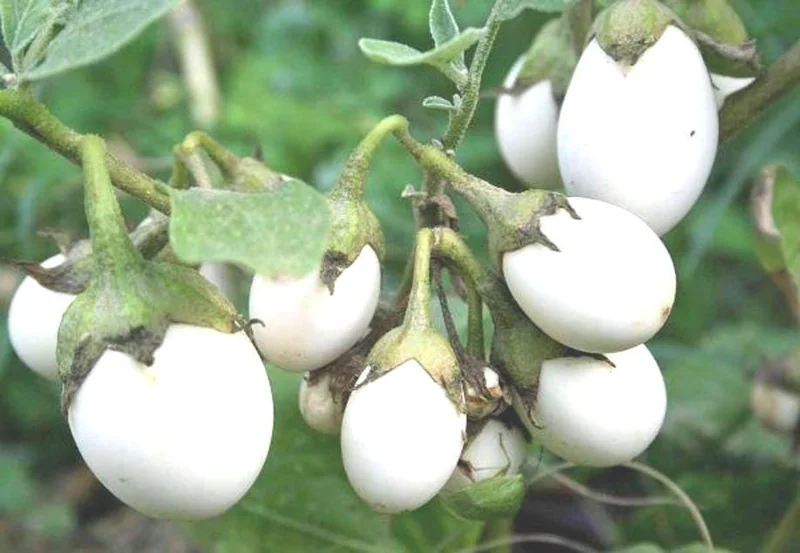
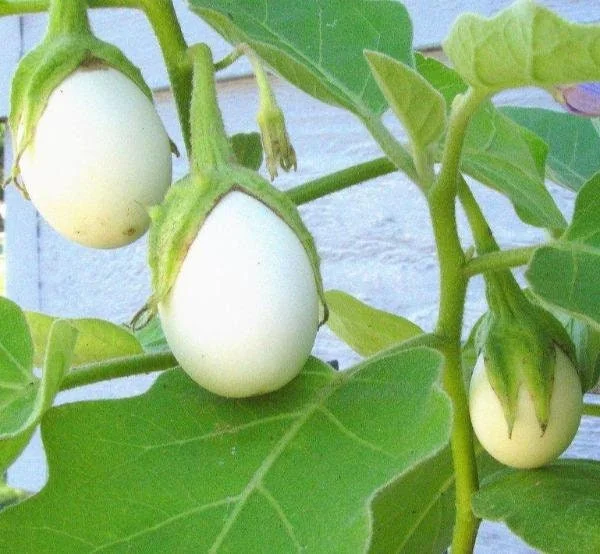
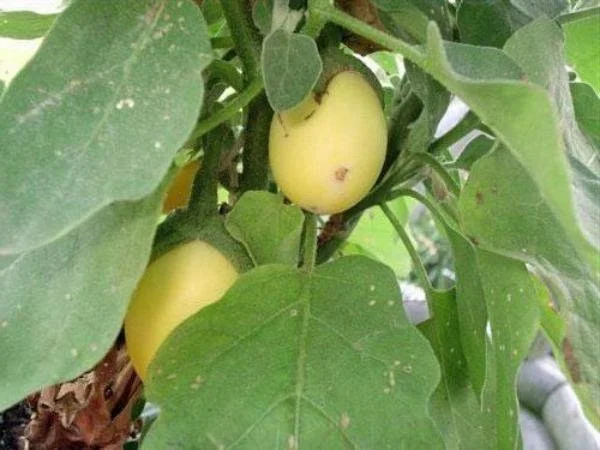
Cultivate the fascinating Easter Egg Plant seeds (Solanum ovigerum) and enjoy its unique, egg-shaped fruits. Perfect for ornamental gardens, these annuals produce decorative “eggs” that transition from green to white to deep yellow, adding whimsical charm to your landscape.
Shipping and Return policies:
We stand behind our plants with our Alive & Thrive Guarantee. If you experience any issues within the first 30 days, please email us, and our team will be happy to help. When needed, we’ll send you a one-time replacement free of charge to make sure your garden keeps growing strong.

Reasonable Price
We offer reasonable price

Support 24/7
Contact us 24 hrs a day
100% Money Back
You’ve 30 days to Return
Payment Secure
100% secure payment
Overview
Discover the delightful world of the Easter Egg Plant seeds, scientifically known as Solanum ovigerum. This unique annual, a charming member of the Solanaceae family, is renowned for its striking ornamental appeal. While closely related to edible eggplants, the fruits of the Easter Egg Plant are purely decorative and not intended for consumption. Each plant produces numerous chicken-sized “eggs” that undergo a captivating color transformation, starting green, maturing to a pristine white, and finally ripening to a vibrant deep yellow. Growing to an manageable height of about 2 feet with a spread of 12 inches, these plants are perfect for adding a touch of whimsy and intrigue to garden beds, borders, or even large containers. Starting your own Solanum ovigerum seeds is a rewarding project, offering a unique visual spectacle that captures attention and sparks conversation throughout the growing season. These seeds promise a truly distinctive addition to any garden, providing an unexpected visual treat.
The Easter Egg Plant is a fantastic choice for gardeners seeking something out of the ordinary. Its rapid growth and prolific fruiting make it an exciting plant to observe. The ‘eggs’ themselves are firm and smooth, creating a realistic illusion that adds a playful element to your outdoor space. Whether you’re an experienced gardener or just starting out, growing Easter Egg Plant seeds offers an easy and enjoyable way to introduce an exotic yet charming plant into your collection. The plant’s unique appearance makes it a popular choice for educational gardens, children’s gardens, or simply for anyone who appreciates botanical curiosities.
Key Benefits
Growing the Easter Egg Plant from seed offers several compelling benefits, transforming your garden into a captivating display. These unique plants are not only easy to cultivate but also provide a continuous show of color and form.
- Unique Ornamental Appeal: The primary draw of the Easter Egg Plant seeds is their extraordinary visual interest. The plant produces realistic, chicken-sized ‘eggs’ that transition through shades of green, white, and yellow, creating a dynamic and engaging display throughout the season.
- Conversation Starter: These plants are guaranteed to attract attention and spark curiosity among visitors. Their unusual ‘fruit’ makes them a fantastic conversation piece and a memorable addition to any garden or patio.
- Easy to Grow: Despite their exotic appearance, Solanum ovigerum seeds are surprisingly straightforward to germinate and grow. They are annuals that quickly mature, providing a rewarding experience even for novice gardeners.
- Compact Growth Habit: Reaching approximately 2 feet tall and spreading about 12 inches, the Easter Egg Plant maintains a compact size. This makes it suitable for various garden settings, including smaller beds, containers, or as a vibrant border plant.
- Vibrant Color Transformation: Witnessing the ‘eggs’ change color from lush green to pure white and finally to a rich yellow is a truly fascinating process, adding a dynamic element to your garden’s aesthetic.
- Educational Value: Ideal for teaching children about plant life cycles and botanical diversity, the grow Easter Egg Plant provides a hands-on experience with a visually engaging specimen.
- Versatile Garden Use: Perfect for adding a whimsical touch to cottage gardens, creating unique container arrangements, or as an accent plant in mixed borders, enhancing the overall appeal of your outdoor space.
Plant Care & Growing Tips
Cultivating the Easter Egg Plant from Solanum ovigerum seeds is a straightforward process that yields beautiful results. To ensure successful growth, understanding its basic care requirements is key. This annual thrives in warm conditions and requires ample sunlight to produce its distinctive ‘eggs’. For germination, sow seeds thinly on top of a moist growing medium and lightly cover them. Maintain consistent moisture in a bright location, ensuring temperatures are kept between 65-75°F. Germination typically occurs within 7-30 days, so patience is a virtue.
Once seedlings have established, transplant them to their final location, whether it’s a garden bed or a large container. The Easter Egg Plant prefers well-draining soil that is consistently moist but not waterlogged. Full sun exposure, meaning at least 6-8 hours of direct sunlight per day, is crucial for optimal fruiting and vibrant color development. While the plant is relatively low-maintenance, regular watering, especially during dry spells, will promote healthier growth and a more abundant display of ‘eggs’. Fertilize every 2-4 weeks with a balanced liquid fertilizer to support vigorous growth and fruit production. Protect young plants from extreme cold, as they are annuals and not frost-tolerant. With proper care, your unique garden seeds will transform into a charming and prolific ornamental plant.
Size & Details
This offering includes 10 Easter Egg Plant seeds, providing a generous start for your ornamental garden. Each seed holds the potential to grow into a robust annual plant, typically reaching a height of about 2 feet (60 cm) and spreading approximately 12 inches (30 cm) wide. The compact size of the plant makes it an excellent choice for a variety of garden settings, including raised beds, decorative pots, or as an eye-catching border plant. The seeds are shipped in a protective packet, ensuring their viability upon arrival. Expect the plant to start producing its distinctive ‘eggs’ within a few weeks of successful germination and establishment, with the fruits maturing and changing color throughout the summer and fall seasons. The growth rate is relatively fast, allowing you to enjoy the full display of its unique ornamental features within a single growing season.
These ornamental eggplant seeds are designed for gardeners looking to add a touch of novelty and charm to their outdoor spaces. The plant’s mature size and prolific fruiting make it a highly rewarding specimen. While the fruits are visually appealing, it’s important to remember they are for decorative purposes only and not for consumption. The plant will typically complete its life cycle within one growing season, providing a full season of interest before succumbing to frost.
Frequently Asked Questions
- Q: How big does the Easter Egg Plant get? A: The Easter Egg Plant typically grows to about 2 feet (60 cm) tall and spreads approximately 12 inches (30 cm) wide. Its compact size makes it suitable for various garden spaces, including containers.
- Q: Is this an indoor or outdoor plant? A: The Easter Egg Plant is primarily grown as an outdoor annual in most climates. It thrives in full sun and warm temperatures. While it can be started indoors, it performs best when transplanted outside.
- Q: Is this plant easy to care for? A: Yes, growing the Easter Egg Plant seeds is considered relatively easy. It requires consistent moisture, well-draining soil, and plenty of sunlight. It’s a great option for gardeners of all experience levels.
- Q: What condition will the seeds arrive in? A: The 10 Easter Egg Plant seeds will arrive in a protective packet, ensuring they are dry and viable for planting. We recommend storing them in a cool, dry place until you are ready to sow.
- Q: Can I eat the ‘eggs’ from the Easter Egg Plant? A: No, the ‘eggs’ produced by the Solanum ovigerum are strictly ornamental and are not edible. They are part of the eggplant family but are cultivated solely for their decorative appeal.
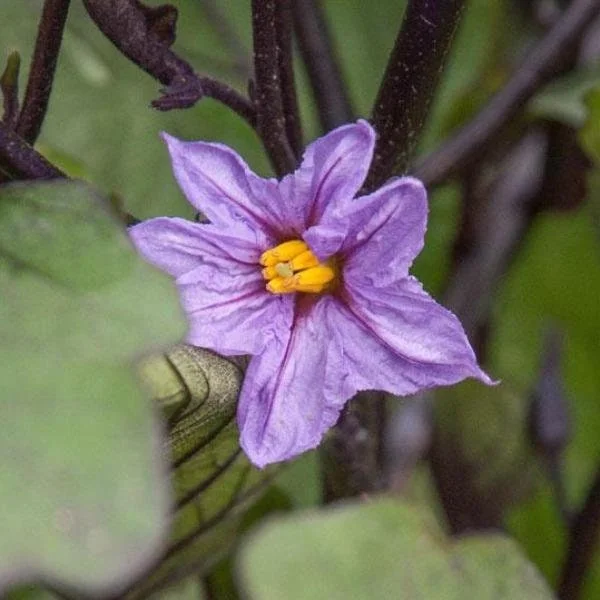
- Q: How long until the Easter Egg Plant blooms and produces ‘eggs’? A: After germination, the plant grows relatively quickly. You can expect flowers and the first small ‘eggs’ to appear within a few weeks of transplanting, with the fruits maturing and changing color throughout the summer.
- Q: What’s the best time to plant Easter Egg Plant seeds? A: The ideal time to sow Easter Egg Plant seeds is in late winter or early spring indoors, about 6-8 weeks before the last expected frost. Once all danger of frost has passed and soil temperatures are warm, you can transplant the seedlings outdoors.
- Q: How much sunlight does the Easter Egg Plant need? A: The Easter Egg Plant requires full sun exposure, meaning at least 6-8 hours of direct sunlight per day, to produce the most vibrant ‘eggs’ and ensure healthy growth.
- Q: Is the Easter Egg Plant considered a unique garden seeds variety? A: Absolutely! The Easter Egg Plant (Solanum ovigerum) is highly regarded as a unique and fascinating ornamental plant due to its distinctive, egg-shaped fruits that change color as they mature.
- Q: Will the Easter Egg Plant survive winter in my zone? A: The Easter Egg Plant is an annual and will not survive frost or cold winter temperatures. It completes its life cycle within one growing season and needs to be replanted from Easter Egg Plant seeds each year.
Be the first to review “Easter Egg Plant Seeds – Solanum ovigerum – Unique Ornamental – 10 Seeds”
You must be logged in to post a review.
People also Viewed


Sold 50 products
Original price was: $109.95.$79.98Current price is: $79.98.

Sold 50 products
Original price was: $25.00.$17.50Current price is: $17.50.

Flower Seeds
Olympic Onion Seeds – Allium crenulatum Flower Seeds – 10 Seed Pack – Outdoor Native Plant
Sold 50 products
Original price was: $25.00.$17.50Current price is: $17.50.

Sold 50 products
Original price was: $25.00.$17.50Current price is: $17.50.

Flower Seeds
Fuchsia vulcanica Seeds – 20 Pack – Vibrant Orange Coral Flowers for Garden & Containers
Sold 50 products
Original price was: $25.00.$17.50Current price is: $17.50.

Sold 50 products
Original price was: $116.98.$95.68Current price is: $95.68.

Sold 50 products
Original price was: $21.00.$14.10Current price is: $14.10.

Aquatic Plant Seeds
White Lotus Seeds – Nelumbo Nucifera Aquatic Pond Plant – 5 Seeds for Water Garden
Sold 50 products
Original price was: $29.00.$20.90Current price is: $20.90.RELATED posts
Awapuhi Wild Ginger Plant: Zones, Care, and Propagation
Learn which USDA zones suit awapuhi wild ginger, plus sunlight, water, planting, propagation, pests, size, [...]
Awapuhi Shampoo Ginger – Care, Growing Zones, and Differences
Learn how to grow awapuhi (shampoo) ginger, its USDA zones, watering schedule, propagation tips, and [...]
Awapuhi Shampoo Plant Buying Guide – Choose the Right Zingiber zerumbet
META: Learn which awapuhi (shampoo ginger) plant or rhizome pack gives the best natural shampoo, [...]
Awapuhi Plant for Sale: Complete Buying Guide
Find the right awapuhi (shampoo ginger) plant, size, price, soil mix, and online source. Practical [...]
Shampoo Ginger Plant for Sale – Buying Guide & Tips
Find the right shampoo ginger plant, size, price, and care tips. Quick guide for U.S. [...]
Shampoo Ginger Plant (Awapuhi) Care Guide
Learn how to grow, care for, and use shampoo ginger (Zingiber zerumbet), the tropical awapuhi [...]

How to Grow Cuban Oregano Plants: A Complete Care Guide
If you’ve ever wanted a plant that combines the culinary punch of traditional oregano with [...]
Aug

How to Grow Habanero Pepper Plants: A Step-by-Step Guide
Habanero pepper plants are prized for their vibrant colors, intense heat, and exceptional flavor, making [...]
Aug


Reviews
There are no reviews yet.