
Dwarf Orange Banana Seeds – Musa Aurantiaca – 5 Seeds Tropical Ornamental
Original price was: $25.00.$17.50Current price is: $17.50.
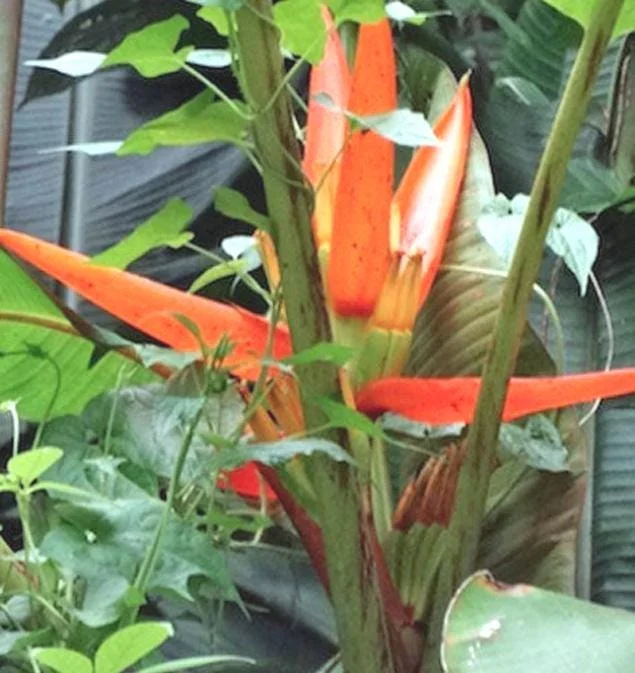
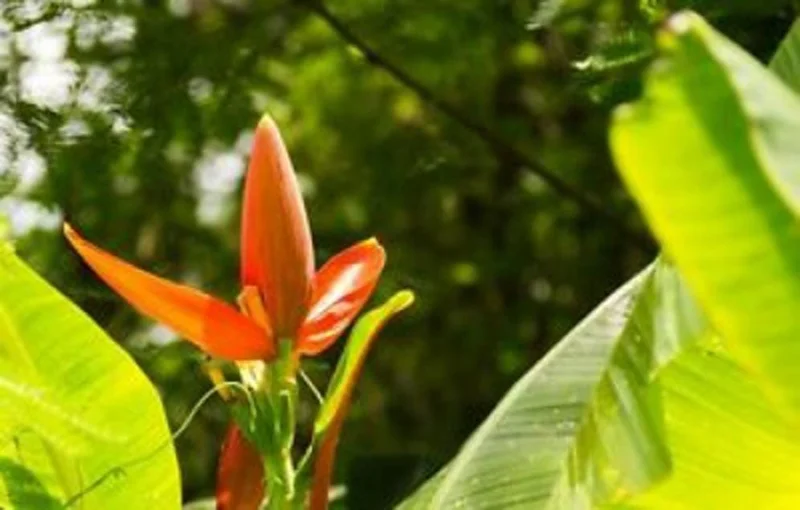
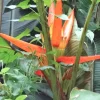
Cultivate an exotic touch in your garden with dwarf orange banana seeds (Musa aurantiaca). These rare tropical seeds produce stunning ornamental plants known for their vibrant foliage and unique small orange fruits. Perfect for adding a captivating flair to warm climates or as a striking greenhouse specimen.
Shipping and Return policies:
We stand behind our plants with our Alive & Thrive Guarantee. If you experience any issues within the first 30 days, please email us, and our team will be happy to help. When needed, we’ll send you a one-time replacement free of charge to make sure your garden keeps growing strong.

Reasonable Price
We offer reasonable price

Support 24/7
Contact us 24 hrs a day
100% Money Back
You’ve 30 days to Return
Payment Secure
100% secure payment
Overview
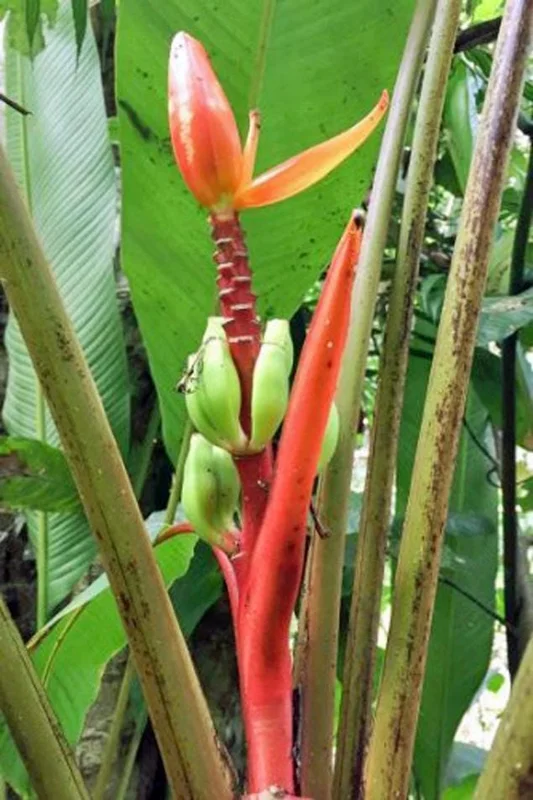
Embark on an exciting horticultural journey with dwarf orange banana seeds. These rare Musa aurantiaca seeds allow you to grow a captivating ornamental banana plant, a true gem for tropical and botanical gardens. Hailing from the lush rainforests of Southeast Asia, the orange banana is distinguished by its vibrant and ornate appearance. Unlike common banana varieties, this species is primarily cultivated for its striking visual appeal rather than its edible fruit, though its small orange to red bananas are indeed unique. Growing as a medium-sized herbaceous shrub, it typically reaches heights of 6 to 10 feet (1.8 to 3 meters), making it a manageable yet impactful addition to your landscape. The bold, glossy, and elongated leaves, often tinged with red or maroon hues, add an exotic touch that transforms any setting into a tropical haven. Cultivating musa aurantiaca seeds offers a rewarding experience, bringing a piece of the exotic tropics right to your home or garden.
This unique banana species, often referred to as the orange banana plant care, is a conversation starter, offering a dramatic focal point with its distinctive foliage and colorful, though small, fruit. Ideal for enthusiasts looking for something beyond the ordinary, these seeds provide an opportunity to grow a truly remarkable plant. Whether you’re aiming to create a lush, jungle-like environment or simply add a touch of the exotic, the dwarf orange banana seeds are an excellent choice for gardeners in suitable climates or those with protected growing spaces.
Key Benefits
Growing the dwarf orange banana from seeds offers numerous benefits, transforming your garden or indoor space into a vibrant, tropical oasis. Its unique characteristics make it a standout choice for plant enthusiasts.
- Exotic Ornamental Appeal: The Musa aurantiaca is primarily celebrated for its stunning visual impact. Its bold, glossy leaves often display red or maroon hues, providing a dramatic backdrop and an exotic touch to any garden or patio.
- Unique Fruit Display: While not typically grown for consumption, the plant produces small, unique banana fruits with striking orange to red peels. These fruits add another layer of ornamental interest and are a fascinating feature to observe.
- Tropical Flair: Perfect for creating a tropical ambiance, this plant brings the feel of a Southeast Asian rainforest to your landscape. It’s an excellent choice for those looking to infuse their outdoor or indoor spaces with a vibrant, jungle-like atmosphere.
- Conversation Starter: The distinctive appearance of the dwarf orange banana plant, with its colorful foliage and unusual fruits, is sure to capture attention and spark conversations among visitors.
- Adaptable Growth: While preferring warm climates, with proper care and protection, this ornamental banana plant can be cultivated in various settings, including large containers indoors or in greenhouses, making the musa aurantiaca seeds a versatile option for gardeners in different zones.
- Rewarding Cultivation: Successfully germinating and growing these unique seeds provides a deeply satisfying experience for any gardener, from novice to expert, offering a chance to nurture a truly special plant.
Plant Care & Growing Tips
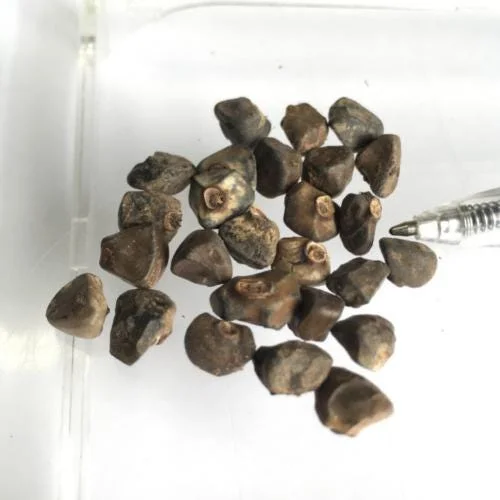
Successfully growing the dwarf orange banana plant from seed requires attention to specific conditions, but the reward of its exotic beauty is well worth the effort. Beginning with germination, soak the dwarf orange banana seeds in lukewarm water for 48 hours to help soften their hard outer coats, which aids in the germination process. After soaking, plant the seeds in a well-draining potting mix. A mixture of peat moss, perlite, and a good quality compost is ideal to ensure proper drainage and nutrient availability. Cover the seeds with approximately half an inch (1.25 cm) of soil. Maintaining consistent warmth and humidity is crucial for successful germination. Aim for temperatures around 80-85°F (27-29°C).
To create a mini-greenhouse effect, cover the pots or seed trays with plastic wrap or a clear plastic lid to maintain high humidity. Keep the soil consistently moist but never waterlogged, as this can lead to rot. Germination can be slow and erratic, potentially taking several weeks to a few months, so patience is key. Once seedlings have developed a few true leaves and are robust enough to handle, they can be transplanted into individual pots. For mature plants, the ornamental banana plant thrives in full sun to partial shade, requiring at least 6 hours of direct sunlight daily for optimal growth. It prefers consistently moist, rich, well-draining soil. Fertilize regularly during the growing season with a balanced, slow-release fertilizer. This plant is hardy in USDA Zones 8-11, where it can be grown outdoors year-round. In cooler climates, it should be brought indoors or grown in a greenhouse during colder months to protect it from frost. Proper orange banana plant care ensures a healthy, vibrant specimen.
Size & Details
This offering includes 5 dwarf orange banana seeds, ready for you to cultivate. When grown to maturity, the Musa aurantiaca typically reaches a height of 6 to 10 feet (1.8 to 3 meters) as a medium-sized herbaceous shrub, making it suitable for both spacious garden beds and large containers. Its spread can be considerable, creating a lush, tropical bush. The plant’s growth rate is moderate, with noticeable development within the first year under ideal conditions. The unique orange to red fruits, while small, add a distinct ornamental characteristic. These seeds are shipped as a packet, providing a convenient way to start your exotic plant collection. Expect the plant to develop its full ornamental characteristics, including vibrant foliage and distinctive fruits, within 2-3 years after successful germination and establishment. The tropical banana seeds offer the potential for a stunning, long-lived garden feature.
Frequently Asked Questions
- Q: How big does this plant get? A: The dwarf orange banana plant typically grows as a medium-sized herbaceous shrub, reaching heights of 6 to 10 feet (1.8 to 3 meters) at maturity. Its spread can be equally impressive, creating a full, tropical look.
- Q: Is this an indoor or outdoor plant? A: Musa aurantiaca thrives outdoors in warm climates (USDA Zones 8-11). In cooler zones, it can be grown in large containers and brought indoors during winter, or cultivated year-round in a greenhouse.
- Q: How much sunlight does it need? A: This plant prefers full sun to partial shade, ideally receiving at least 6 hours of direct sunlight per day to ensure vibrant foliage and potential fruit development.
- Q: Is this plant easy to care for? A: While germination of the musa aurantiaca seeds can be slow and requires consistent warmth and humidity, established plants are moderately easy to care for, needing consistent watering, well-draining soil, and regular fertilization.
- Q: What condition will the seeds arrive in? A: Your order will include 5 viable dwarf orange banana seeds, packaged securely to ensure their integrity upon arrival, ready for you to begin the germination process.
- Q: How long until it blooms or fruits? A: After successful germination and establishment, it can take approximately 2-3 years for the plant to reach maturity and begin producing its ornamental orange fruits.
- Q: What’s the minimum temperature this plant can tolerate? A: The ornamental banana plant is hardy in USDA Zones 8-11, meaning it can tolerate temperatures down to about 15-20°F (-9 to -6°C) for short periods, but it is best protected from frost.
- Q: Can the fruits be eaten? A: While the small orange to red fruits are edible, the Musa aurantiaca is primarily cultivated for its striking ornamental value rather than for consumption.
- Q: What kind of soil is best for these seeds? A: A well-draining potting mix is essential for germinating tropical banana seeds. A blend of peat moss, perlite, and compost provides good drainage and nutrients.
- Q: When is the best time to plant these seeds? A: For optimal germination, it’s best to plant the seeds during a time when you can consistently provide the warm temperatures (80-85°F) and high humidity they require, typically in late winter or early spring if growing indoors.
Be the first to review “Dwarf Orange Banana Seeds – Musa Aurantiaca – 5 Seeds Tropical Ornamental”
You must be logged in to post a review.
People also Viewed
Sold 50 products
Original price was: $109.95.$79.98Current price is: $79.98.
Sold 50 products
Original price was: $25.00.$17.50Current price is: $17.50.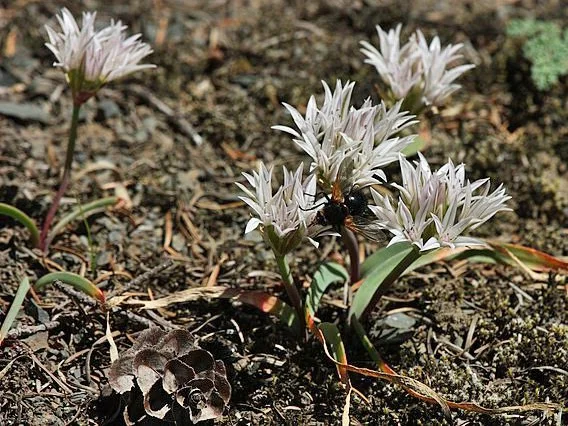
Flower Seeds
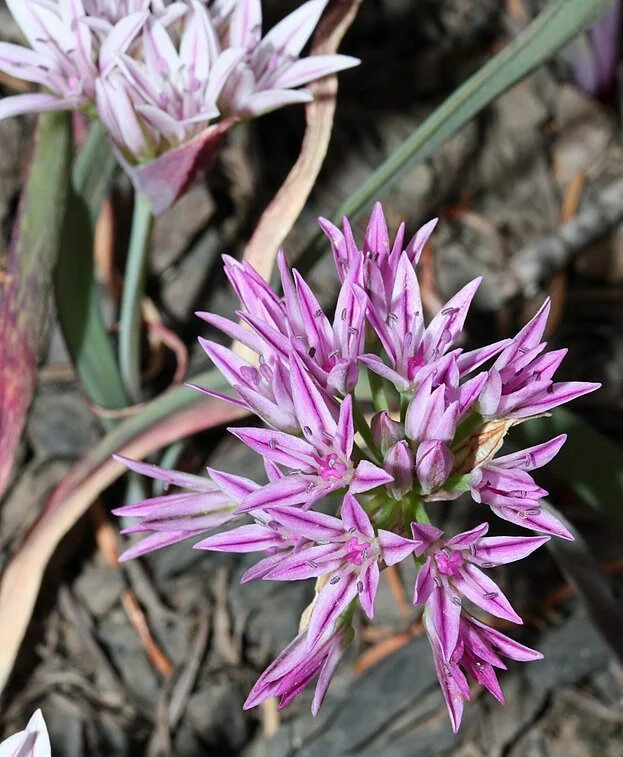
Olympic Onion Seeds – Allium crenulatum Flower Seeds – 10 Seed Pack – Outdoor Native Plant
Sold 50 products
Original price was: $25.00.$17.50Current price is: $17.50.
Sold 50 products
Original price was: $25.00.$17.50Current price is: $17.50.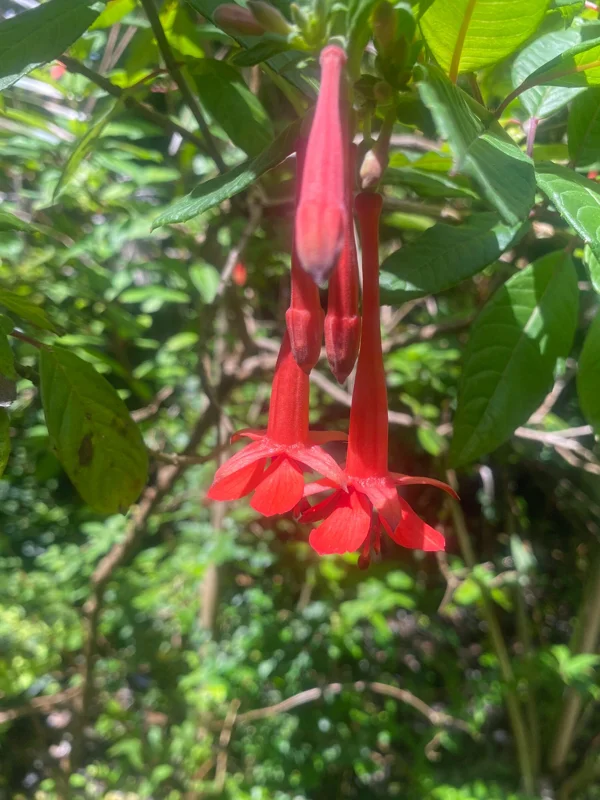
Flower Seeds
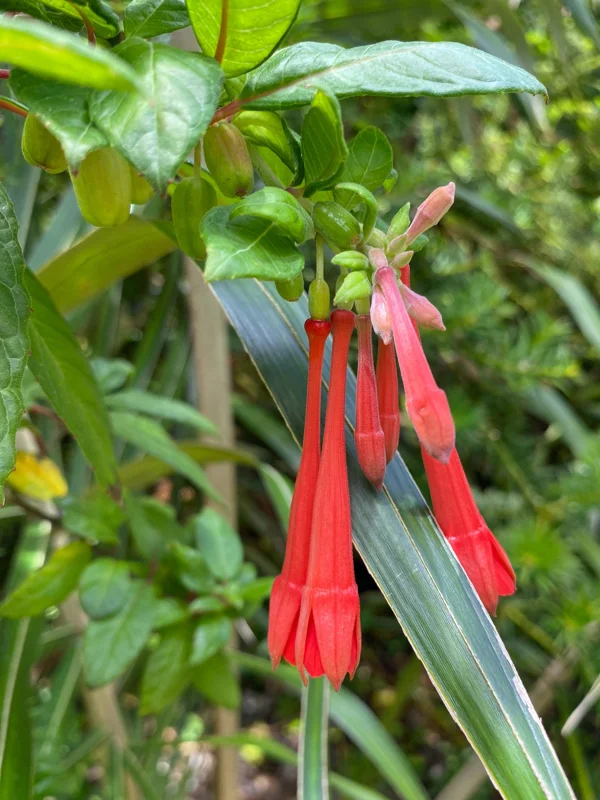
Fuchsia vulcanica Seeds – 20 Pack – Vibrant Orange Coral Flowers for Garden & Containers
Sold 50 products
Original price was: $25.00.$17.50Current price is: $17.50.
Sold 50 products
Original price was: $116.98.$95.68Current price is: $95.68.
Sold 50 products
Original price was: $21.00.$14.10Current price is: $14.10.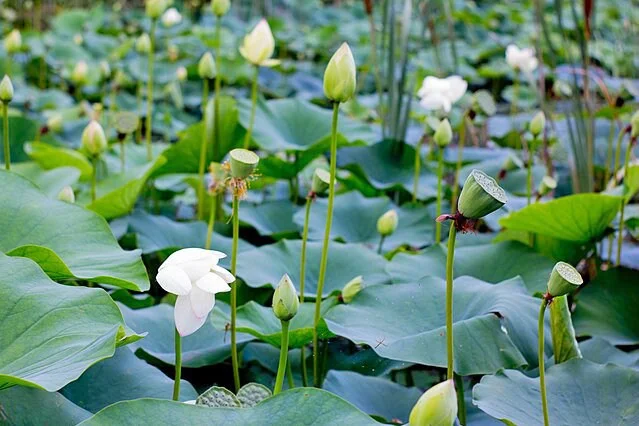
Aquatic Plant Seeds
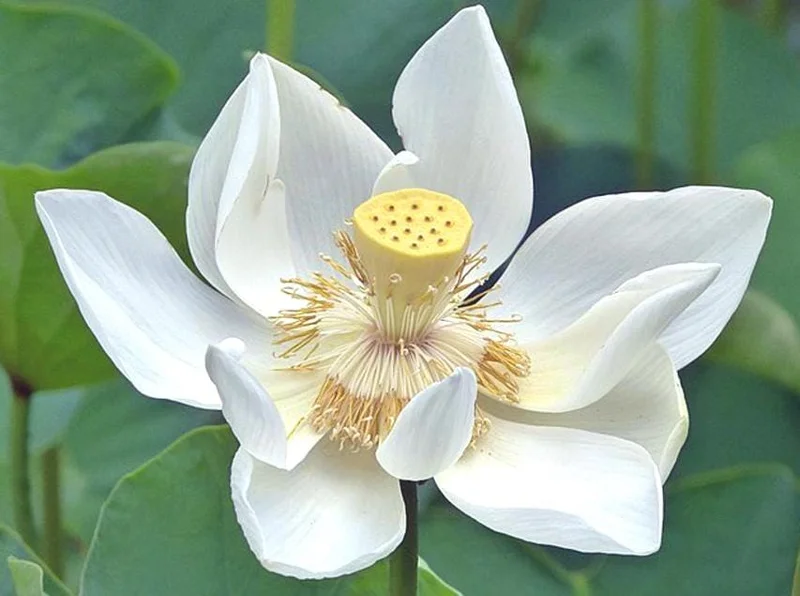
White Lotus Seeds – Nelumbo Nucifera Aquatic Pond Plant – 5 Seeds for Water Garden
Sold 50 products
Original price was: $29.00.$20.90Current price is: $20.90.RELATED posts
Awapuhi Wild Ginger Plant: Zones, Care, and Propagation
Learn which USDA zones suit awapuhi wild ginger, plus sunlight, water, planting, propagation, pests, size, [...]
Awapuhi Shampoo Ginger – Care, Growing Zones, and Differences
Learn how to grow awapuhi (shampoo) ginger, its USDA zones, watering schedule, propagation tips, and [...]
Awapuhi Shampoo Plant Buying Guide – Choose the Right Zingiber zerumbet
META: Learn which awapuhi (shampoo ginger) plant or rhizome pack gives the best natural shampoo, [...]
Awapuhi Plant for Sale: Complete Buying Guide
Find the right awapuhi (shampoo ginger) plant, size, price, soil mix, and online source. Practical [...]
Shampoo Ginger Plant for Sale – Buying Guide & Tips
Find the right shampoo ginger plant, size, price, and care tips. Quick guide for U.S. [...]
Shampoo Ginger Plant (Awapuhi) Care Guide
Learn how to grow, care for, and use shampoo ginger (Zingiber zerumbet), the tropical awapuhi [...]
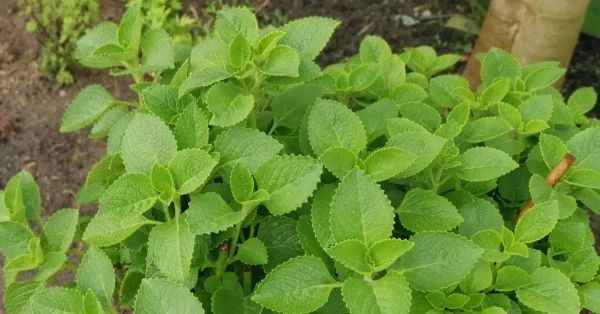
How to Grow Cuban Oregano Plants: A Complete Care Guide
If you’ve ever wanted a plant that combines the culinary punch of traditional oregano with [...]
Aug
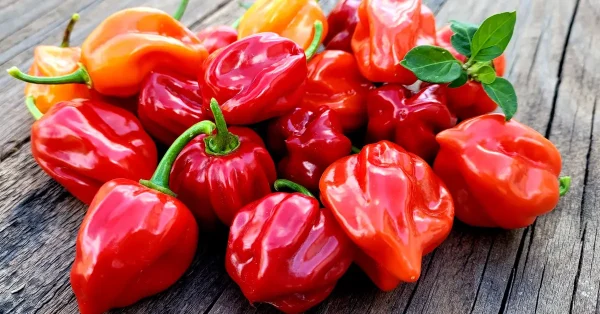
How to Grow Habanero Pepper Plants: A Step-by-Step Guide
Habanero pepper plants are prized for their vibrant colors, intense heat, and exceptional flavor, making [...]
Aug
Reviews
There are no reviews yet.