
Dwarf Manuka Tea Tree Seeds – Leptospermum scoparium ‘Nana’ – 20 Seeds – Outdoor Shrub
Original price was: $25.00.$17.50Current price is: $17.50.
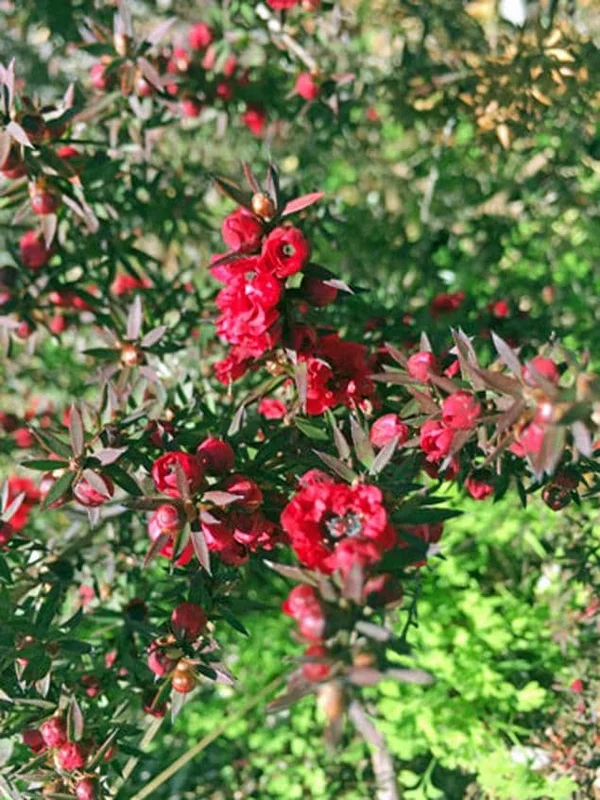
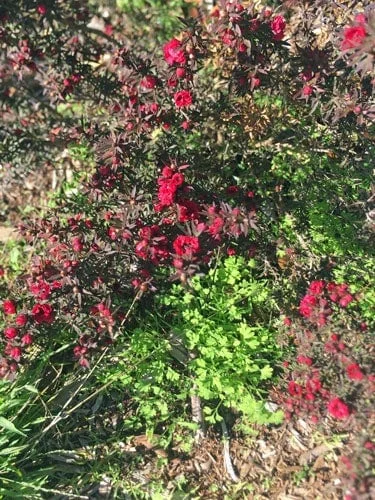
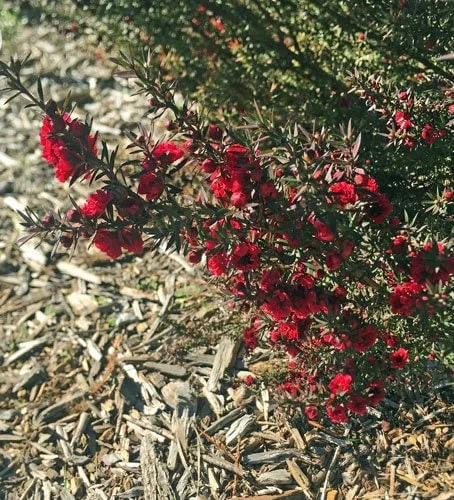
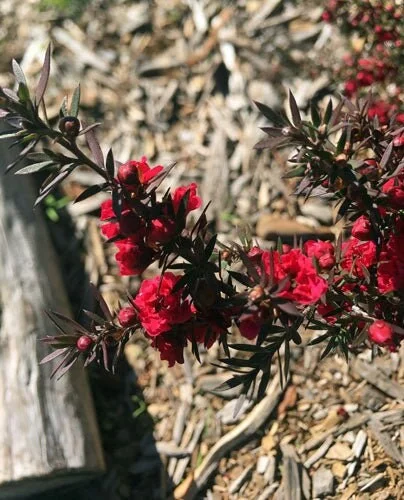
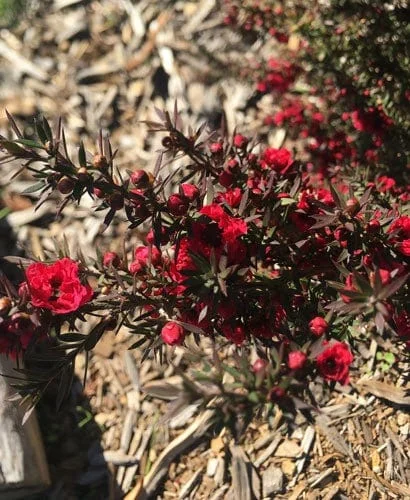
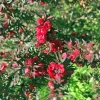
Cultivate your own beautiful Dwarf Manuka Tea Tree seeds (Leptospermum scoparium ‘Nana’). This compact evergreen shrub from New Zealand and Australia features aromatic, needle-like leaves and charming pink to deep red, tea-like flowers. Ideal for low hedges, rock gardens, and container plantings, attracting pollinators to your outdoor space.
Shipping and Return policies:
We stand behind our plants with our Alive & Thrive Guarantee. If you experience any issues within the first 30 days, please email us, and our team will be happy to help. When needed, we’ll send you a one-time replacement free of charge to make sure your garden keeps growing strong.

Reasonable Price
We offer reasonable price

Support 24/7
Contact us 24 hrs a day
100% Money Back
You’ve 30 days to Return
Payment Secure
100% secure payment
Overview
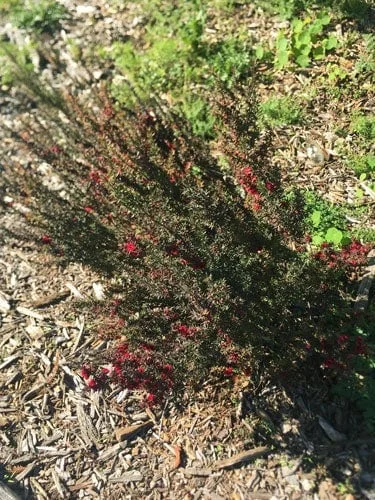
Embark on a rewarding gardening journey by growing Dwarf Manuka Tea Tree seeds (Leptospermum scoparium ‘Nana’). This distinctive cultivar, often known as Dwarf Manuka or Tea Tree, is a compact evergreen shrub originating from the pristine landscapes of New Zealand and Australia. Perfect for gardeners seeking a resilient and aesthetically pleasing addition, these Leptospermum scoparium Nana seeds promise to transform your outdoor space. The ‘Nana’ variety is celebrated for its manageable size, typically reaching a height and spread of 2 to 3 feet, making it an excellent choice for various garden designs. Its dense growth habit and delightful features ensure it stands out in any setting, from ornamental beds to container displays.
The allure of the Dwarf Manuka Tea Tree seeds lies in its unique characteristics. The small, needle-like leaves are not only visually appealing but also release a pleasant fragrance when crushed, adding an aromatic dimension to your garden. During late spring to early summer, the shrub becomes adorned with an abundance of charming, solitary, tea-like flowers that range in color from soft pink to vibrant deep red. These blossoms are a magnet for beneficial pollinators such as bees and butterflies, enhancing the biodiversity of your garden. Known for its hardiness and adaptability, this cultivar is a popular choice for ornamental landscaping, offering both beauty and the potential for medicinal properties associated with its essential oils.
Key Benefits
Growing a Manuka Tea Tree plant from seeds offers numerous advantages, enriching your garden with its unique beauty and practical uses. This versatile shrub provides a wealth of benefits for both the gardener and the environment.
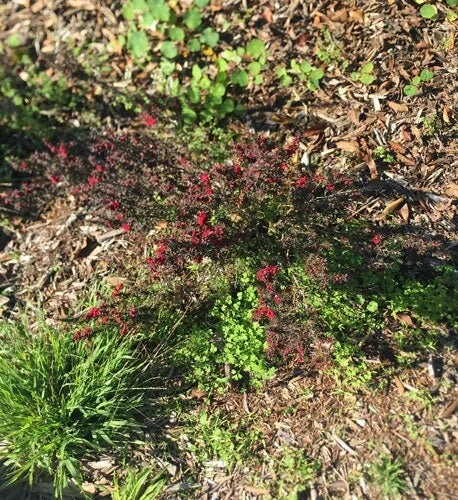
- Compact & Versatile Growth: The ‘Nana’ cultivar’s dwarf size, typically 2-3 feet tall and wide, makes it perfect for small gardens, rock gardens, low hedges, and container plantings. Its dense growth habit ensures a full, lush appearance.
- Aromatic Foliage: Enjoy the delightful fragrance released from the small, needle-like leaves when crushed. This natural aroma adds an extra sensory layer to your garden experience and contributes to the plant’s appeal.
- Abundant, Attractive Flowers: From late spring to early summer, the shrub is covered in charming pink to deep red, tea-like flowers. These blossoms provide a beautiful splash of color and create a vibrant focal point in your landscape.
- Pollinator Magnet: The vibrant flowers of the Leptospermum scoparium Nana seeds attract essential pollinators like bees and butterflies, supporting local ecosystems and enhancing the health of your garden.
- Hardy & Adaptable: Known for its resilience, this dwarf Manuka thrives in a range of well-draining soil types and prefers full sun. It is well-suited for USDA Zones 9-11, demonstrating excellent adaptability to various conditions.
- Low Maintenance: Once established, the compact evergreen shrub requires minimal care, making it an ideal choice for busy gardeners or those new to planting. Its robust nature ensures long-lasting beauty with little effort.
- Ornamental & Potential Medicinal Value: Beyond its aesthetic appeal, the ‘Nana’ Manuka is valued for its potential medicinal properties derived from the essential oils in its leaves and flowers, adding a unique dimension to its desirability.
Plant Care & Growing Tips
Successfully cultivating Dwarf Manuka Tea Tree seeds requires attention to specific environmental conditions and care practices. This resilient shrub thrives when given the right foundation. For germination, begin with a well-draining seed-starting mix, or create your own by combining equal parts sand and peat moss. Plant the seeds on the soil surface, gently pressing them down, as light is essential for their germination. Thoroughly water the soil to ensure good seed-to-soil contact, then cover the container with a clear plastic lid or plastic wrap to maintain consistent humidity and moisture. Place the container in a warm location that receives indirect sunlight or under grow lights. Patience is key, as Leptospermum scoparium Nana seeds can be slow to germinate, often taking several weeks to a few months. During this period, ensure the soil remains consistently moist but never waterlogged.
Once your seedlings have developed a few sets of true leaves and are large enough to handle, they can be transplanted into larger pots or directly into your garden. Ensure the chosen location offers well-drained soil and receives full sun for optimal growth. The Manuka Tea Tree plant is well-suited to a range of soil types, provided they offer good drainage. It thrives in full sun, meaning it needs at least six hours of direct sunlight per day to flourish and produce its characteristic flowers. While known for its hardiness, providing consistent moisture during dry spells, especially in its early stages, will encourage vigorous growth. Fertilization is generally not heavily required, but a balanced, slow-release fertilizer in spring can support healthy development. Monitor for common garden pests, though the plant is generally robust. This fragrant garden plant is a wonderful choice for those looking for a low-maintenance yet beautiful addition to their landscape.
The compact evergreen shrub is also quite adaptable to various temperatures. It is hardy in USDA Zones 9-11, meaning it can tolerate mild winters. In colder regions, it can be grown in containers and brought indoors during the winter months, or treated as an annual. Proper air circulation around the plant is important to prevent fungal issues. Pruning can be done after flowering to maintain its compact shape and encourage bushier growth. Remove any dead or damaged branches to keep the plant healthy and aesthetically pleasing. With these care tips, your Dwarf Manuka Tea Tree seeds will grow into a thriving, beautiful shrub that enhances your garden for years to come.
Size & Details
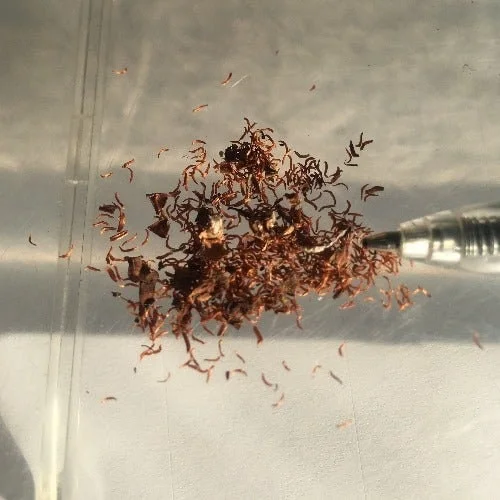
This product includes 20 Dwarf Manuka Tea Tree seeds (Leptospermum scoparium ‘Nana’). Each seed has the potential to grow into a beautiful, compact evergreen shrub. When mature, the ‘Nana’ cultivar typically reaches a height of 2 to 3 feet with a similarly compact spread, creating a dense and attractive form. This dwarf size makes it an excellent choice for various garden applications, including low hedges, rock gardens, and container plantings, where its manageability is a significant advantage.
The seeds are shipped in a protective packet, ready for planting. While germination can take several weeks to a few months, with proper care, you can expect to see seedlings develop into robust young plants. The growth rate is moderate, allowing you to enjoy the various stages of its development. Once established, the Manuka Tea Tree plant will begin to adorn itself with charming pink to deep red, tea-like flowers from late spring to early summer, adding vibrant color and attracting pollinators to your garden. This fragrant garden plant offers a rewarding experience for any gardener.
Frequently Asked Questions
- Q: How big does this plant get? A: The Dwarf Manuka Tea Tree seeds grow into a compact evergreen shrub, typically reaching a height of 2 to 3 feet with a similar spread. Its dwarf size makes it ideal for various garden applications without becoming overgrown.
- Q: Is this an indoor or outdoor plant? A: The Dwarf Manuka Tea Tree seeds are best suited for outdoor cultivation in USDA Zones 9-11. In colder climates, it can be grown in containers and moved indoors during winter, or treated as an annual.
- Q: How much sunlight does it need? A: This compact evergreen shrub thrives in full sun, requiring at least 6 hours of direct sunlight per day to ensure vigorous growth and abundant flowering.
- Q: Is this plant easy to care for? A: Once established, the Manuka Tea Tree plant is known for its hardiness and adaptability, making it relatively low maintenance. The main requirements are well-draining soil and full sun. Patience is needed during the germination phase of the Leptospermum scoparium Nana seeds.
- Q: What condition will the seeds arrive in? A: The Dwarf Manuka Tea Tree seeds will arrive in a protective packet, ensuring their viability and readiness for planting.
- Q: How long until it blooms? A: After successful germination and establishment, the Manuka Tea Tree plant typically begins to bloom from late spring to early summer, usually within a year or two of planting, depending on growing conditions.
- Q: Will it survive winter in my zone? A: The ‘Nana’ Manuka is hardy in USDA Zones 9-11. If you are in a colder zone, you will need to provide winter protection or grow it in a container that can be brought indoors.
- Q: What kind of soil does it prefer? A: This fragrant garden plant prefers well-draining soil. It is adaptable to a range of soil types, but good drainage is crucial to prevent root rot.
- Q: Can I grow the Dwarf Manuka Tea Tree seeds in a container? A: Yes, its compact size makes it an excellent choice for container planting, allowing you to move it if needed, especially in colder climates.
- Q: What are the potential medicinal properties? A: The Manuka Tea Tree plant is valued not only for its aesthetic appeal but also for potential medicinal properties associated with the essential oils found in its leaves and flowers.
Be the first to review “Dwarf Manuka Tea Tree Seeds – Leptospermum scoparium ‘Nana’ – 20 Seeds – Outdoor Shrub”
You must be logged in to post a review.
People also Viewed
Sold 50 products
Original price was: $109.95.$79.98Current price is: $79.98.
Sold 50 products
Original price was: $25.00.$17.50Current price is: $17.50.
Flower Seeds
Olympic Onion Seeds – Allium crenulatum Flower Seeds – 10 Seed Pack – Outdoor Native Plant
Sold 50 products
Original price was: $25.00.$17.50Current price is: $17.50.
Sold 50 products
Original price was: $25.00.$17.50Current price is: $17.50.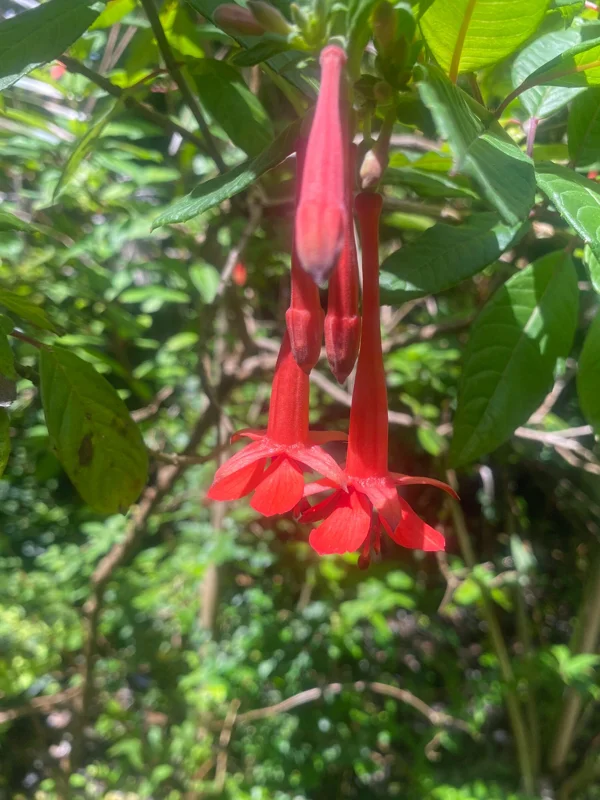
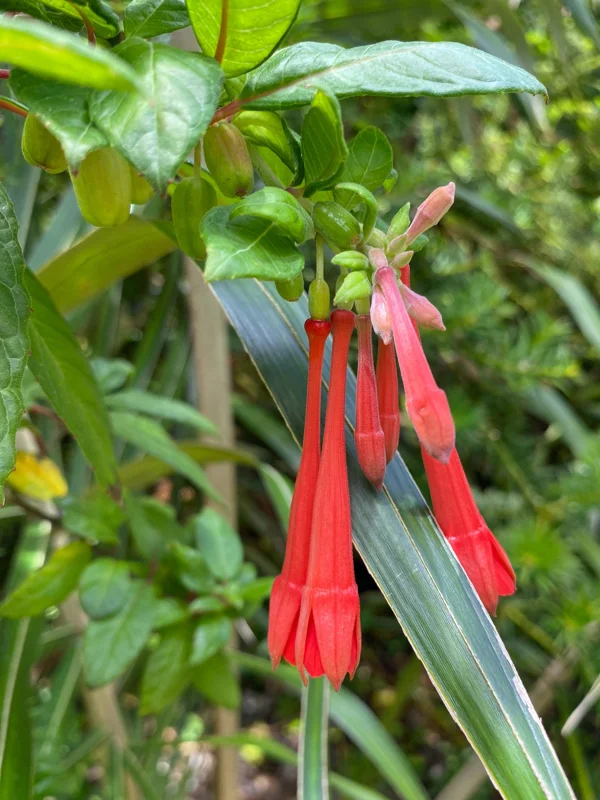
Flower Seeds
Fuchsia vulcanica Seeds – 20 Pack – Vibrant Orange Coral Flowers for Garden & Containers
Sold 50 products
Original price was: $25.00.$17.50Current price is: $17.50.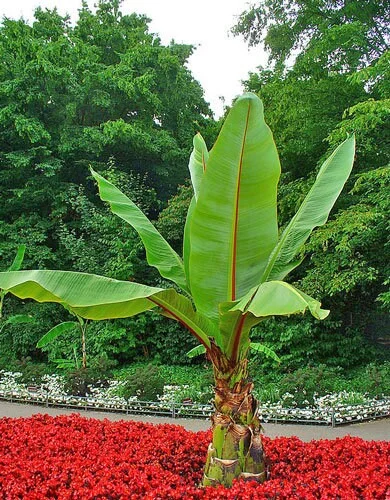
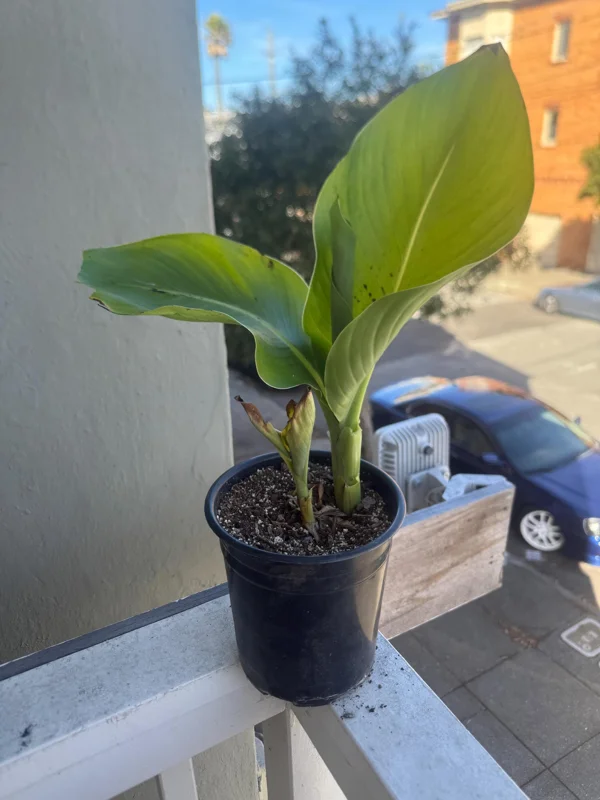
Sold 50 products
Original price was: $116.98.$95.68Current price is: $95.68.
Sold 50 products
Original price was: $21.00.$14.10Current price is: $14.10.
Aquatic Plant Seeds
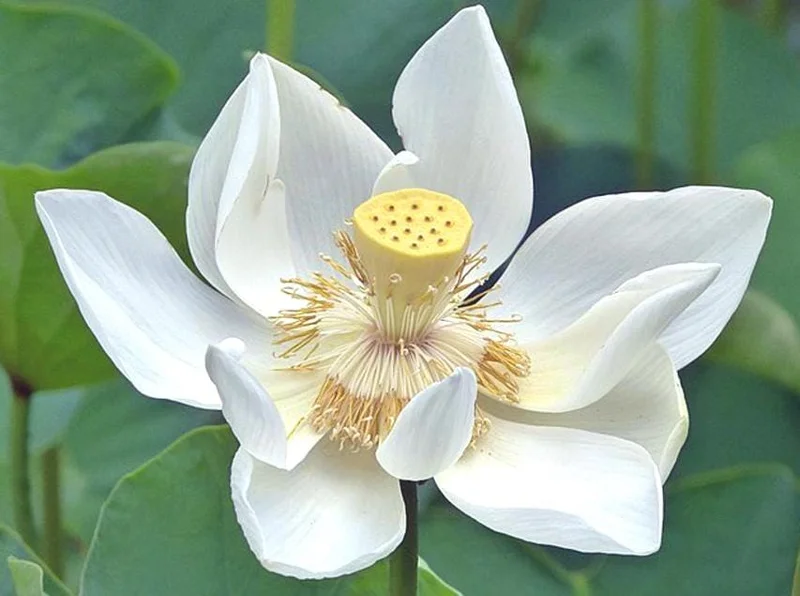
White Lotus Seeds – Nelumbo Nucifera Aquatic Pond Plant – 5 Seeds for Water Garden
Sold 50 products
Original price was: $29.00.$20.90Current price is: $20.90.RELATED posts
Awapuhi Wild Ginger Plant: Zones, Care, and Propagation
Learn which USDA zones suit awapuhi wild ginger, plus sunlight, water, planting, propagation, pests, size, [...]
Awapuhi Shampoo Ginger – Care, Growing Zones, and Differences
Learn how to grow awapuhi (shampoo) ginger, its USDA zones, watering schedule, propagation tips, and [...]
Awapuhi Shampoo Plant Buying Guide – Choose the Right Zingiber zerumbet
META: Learn which awapuhi (shampoo ginger) plant or rhizome pack gives the best natural shampoo, [...]
Awapuhi Plant for Sale: Complete Buying Guide
Find the right awapuhi (shampoo ginger) plant, size, price, soil mix, and online source. Practical [...]
Shampoo Ginger Plant for Sale – Buying Guide & Tips
Find the right shampoo ginger plant, size, price, and care tips. Quick guide for U.S. [...]
Shampoo Ginger Plant (Awapuhi) Care Guide
Learn how to grow, care for, and use shampoo ginger (Zingiber zerumbet), the tropical awapuhi [...]
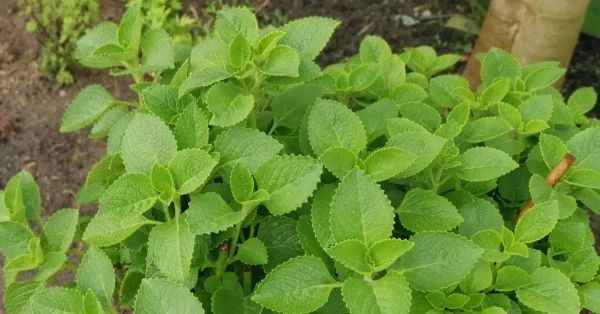
How to Grow Cuban Oregano Plants: A Complete Care Guide
If you’ve ever wanted a plant that combines the culinary punch of traditional oregano with [...]
Aug
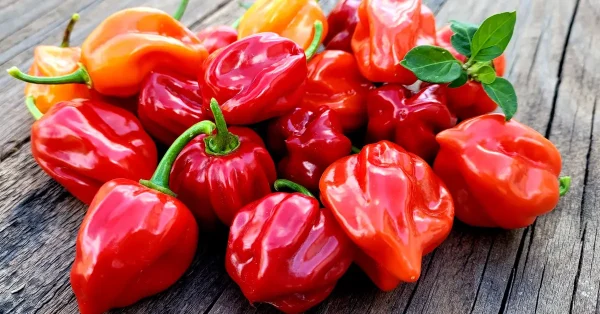
How to Grow Habanero Pepper Plants: A Step-by-Step Guide
Habanero pepper plants are prized for their vibrant colors, intense heat, and exceptional flavor, making [...]
Aug
Reviews
There are no reviews yet.